The best cycling routes around Calamocha
5.0
(4)
69
riders
18
rides
Touring cycling around Calamocha offers diverse landscapes across the extensive Jiloca plain in Aragon, Spain. The region is characterized by the flat expanse of the Jiloca plain, through which the Jiloca River flows, providing picturesque routes. Many routes utilize the Santander–Mediterranean Greenway, a conditioned path on a former railway line, offering well-maintained surfaces for cyclists. This area combines natural features with historical attractions, making it suitable for various cycling preferences.
Best touring cycling routes around Calamocha
- The most popular touring…
Last updated: May 5, 2026
2
riders
32.6km
01:53
100m
100m
Easy bike ride. Great for any fitness level. Mostly paved surfaces. Suitable for all skill levels.
1
riders
30.9km
02:01
160m
160m
Cycle the moderate Laguna de Gallocanta Loop Trail, a 19.2-mile route around Europe's largest saltwater lagoon, perfect for birdwatching.

Sign up for free
26.8km
01:33
110m
110m
This easy 16.7-mile touring cycling route in Comarca de Jiloca takes you through charming villages and along the Jiloca River.
4
riders
136km
08:47
1,610m
1,620m
Hard bike ride. Very good fitness required. Mostly paved surfaces. Suitable for all skill levels.
10
riders
30.1km
02:33
320m
320m
Moderate bike ride. Good fitness required. Mostly paved surfaces. Suitable for all skill levels.
Get access to more routes and recommendations from other explorers.
Sign up for free
Already have an account?
Our route recommendations are based on thousands of hikes, rides, and runs completed by other people on komoot.
Start today with a free account
Your next adventure awaits.
Login or Signup
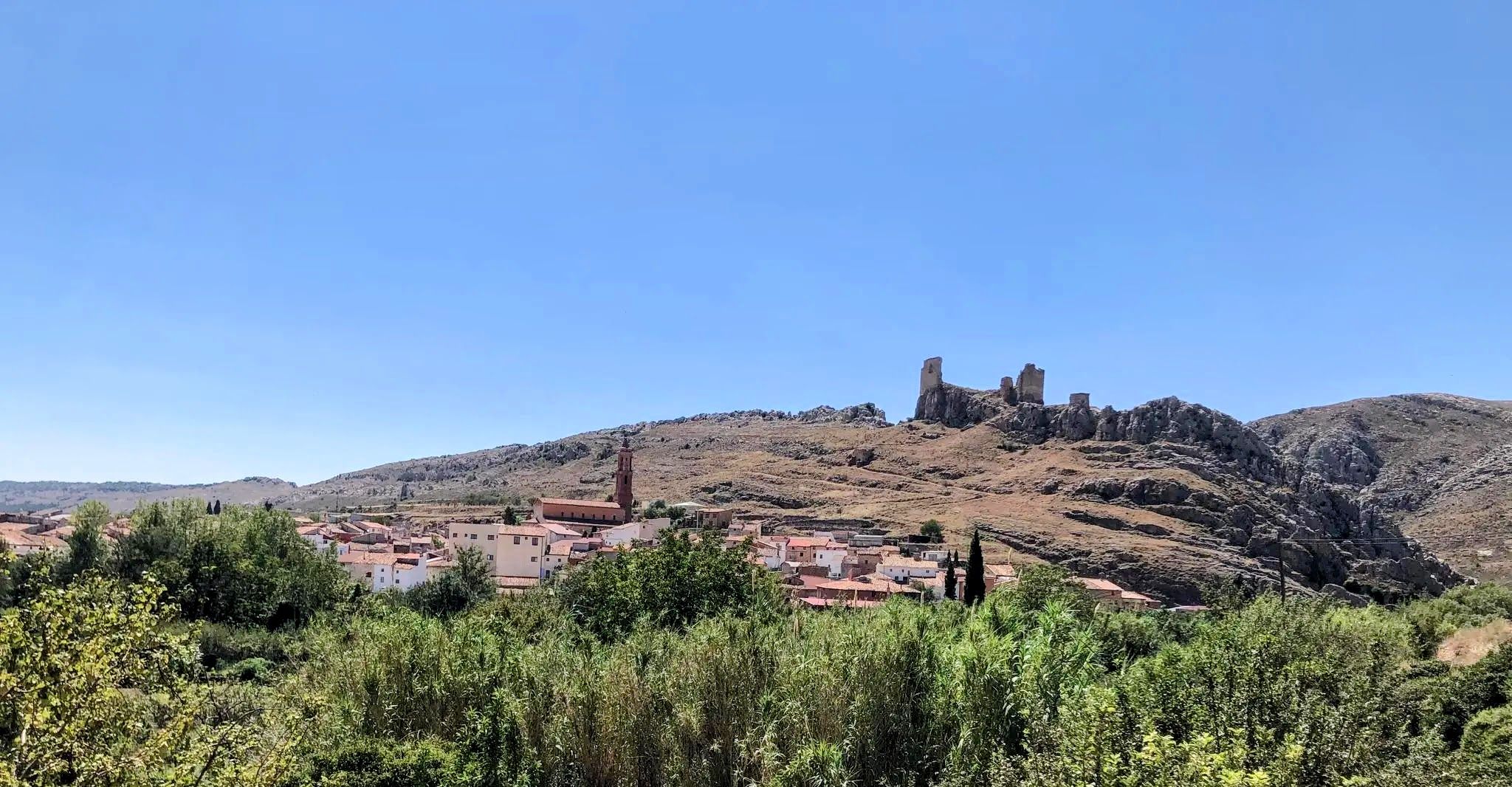
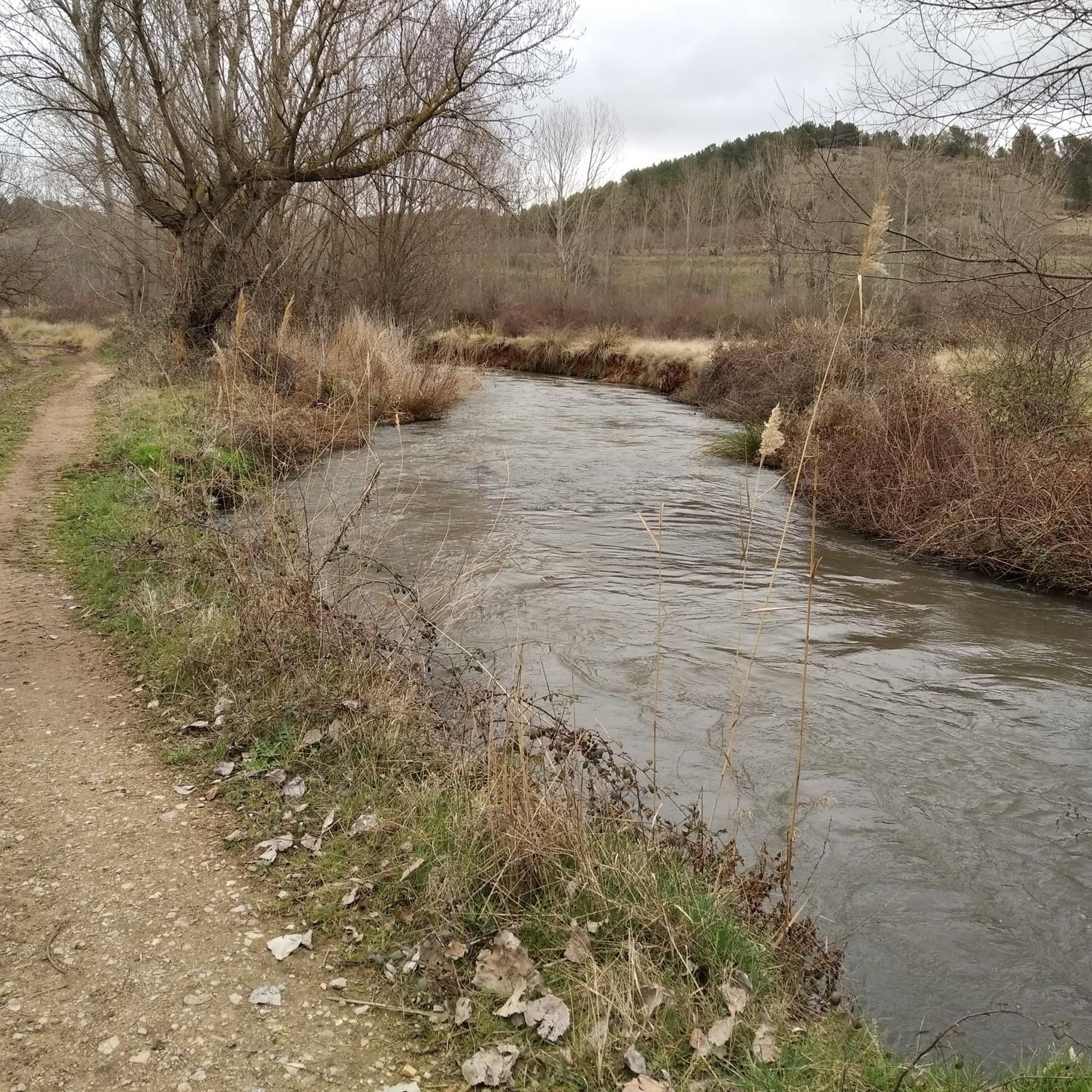
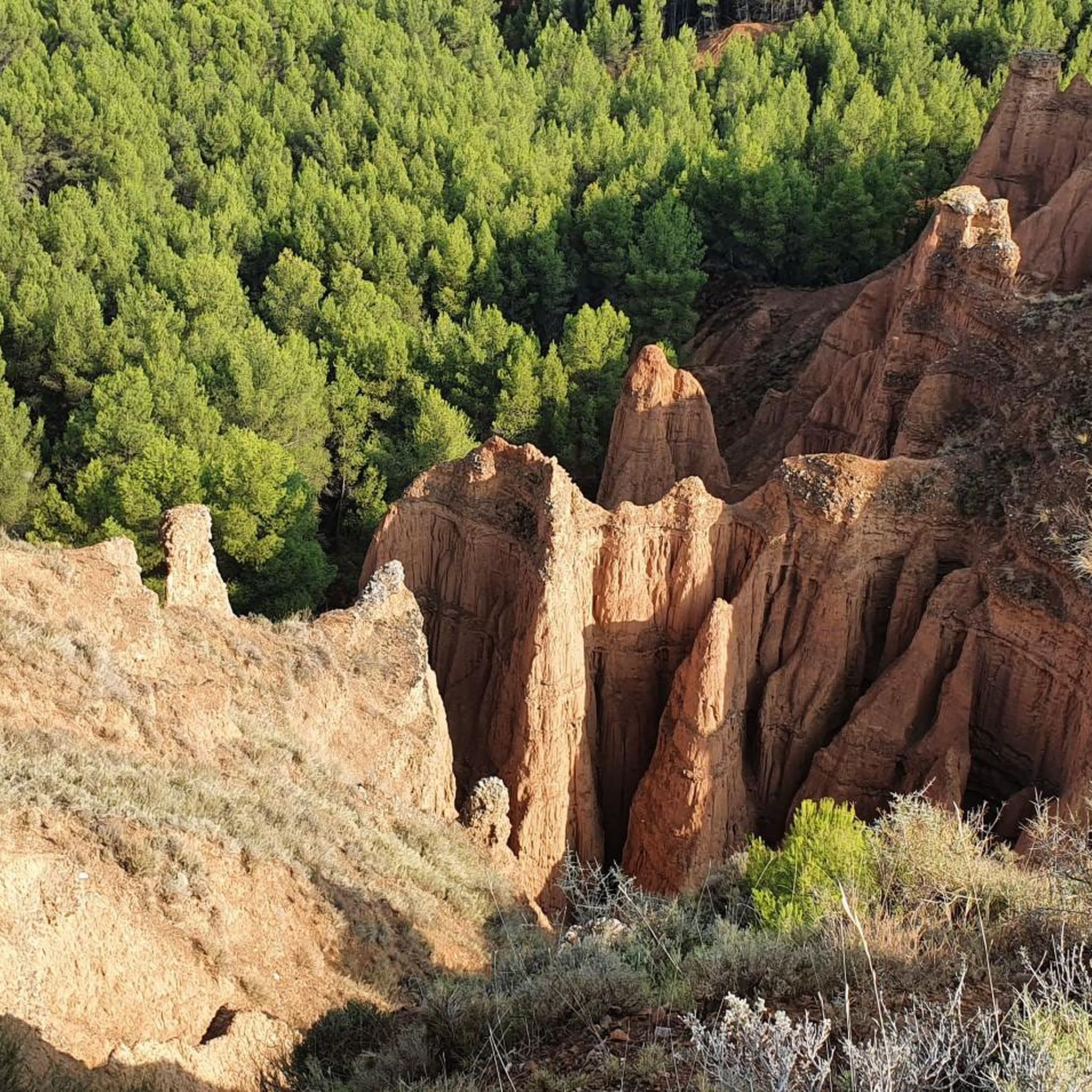
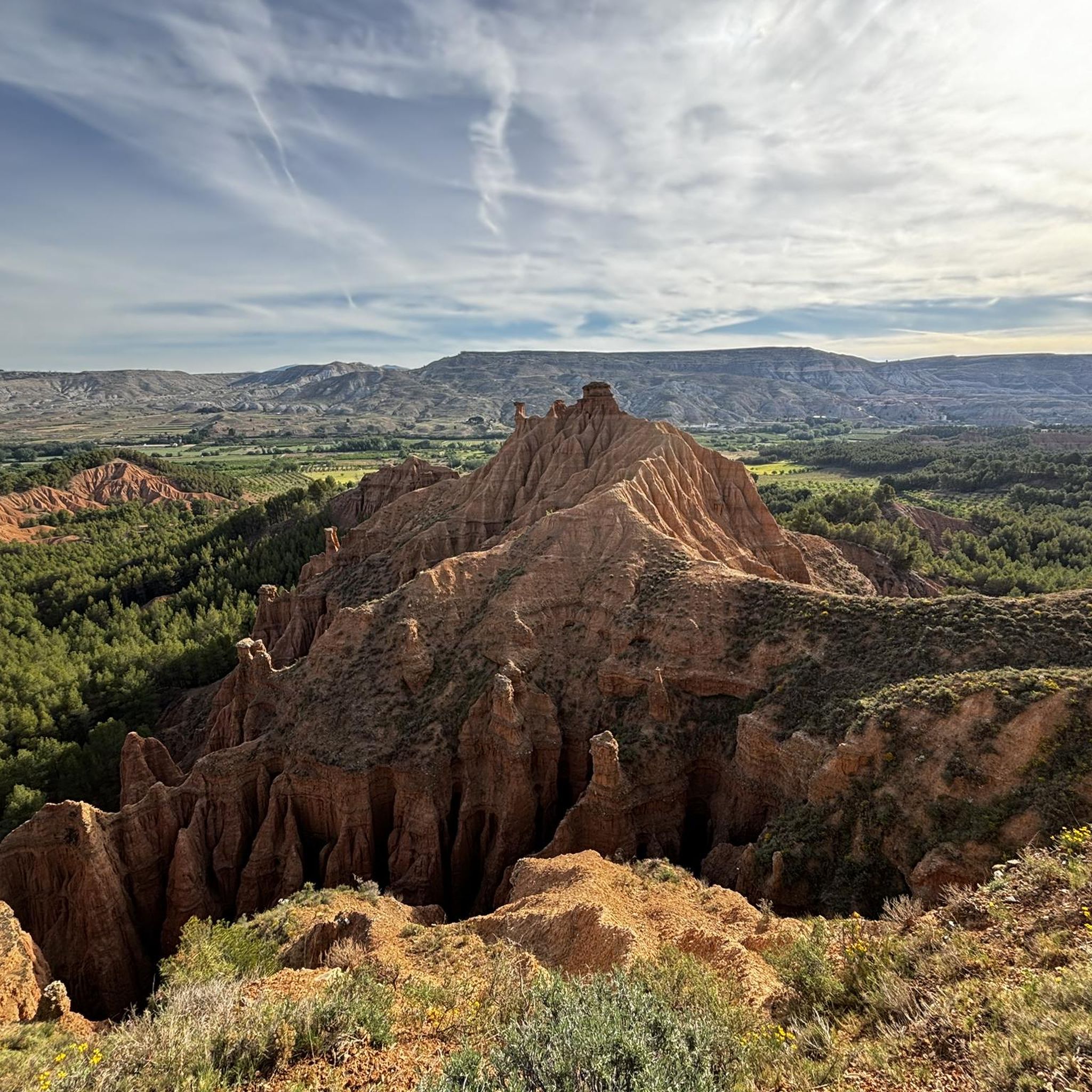


Other adventures around Calamocha

Tips from the Community

Gallocanta Lagoon, located between Zaragoza and Teruel, is the largest natural lagoon on the Iberian Peninsula and a unique area due to its high salinity. Declared a nature reserve in 2006, it is one of the most important birdwatching spots in Spain, with more than 220 recorded species. Every autumn and spring, thousands of cranes stop here on their migrations, offering an unforgettable spectacle. The area is rich in trails and viewpoints, so it is recommended to bring binoculars and comfortable shoes to enjoy the wildlife and scenery at a leisurely pace.
2
0
Barrachina is a small village in the Jiloca region, surrounded by peaceful fields and mountains, ideal for cycling routes along secondary roads. The town center features the 17th-century parish church of La Asunción and traditional features such as the Pedromocho stone pillar and the Round House. The natural setting offers views along the Pancrudo River and the shade of the oak tree, a unique, large tree. It's a good place to take a break from your hike and enjoy the tranquility of the Teruel mountains.
1
0
Martín del Río is a small town in the Teruel Mining Basins, surrounded by mountains and crossed by the Martín River. Its town center preserves the Baroque Church of the Assumption and the Mudejar Hermitage of the Saints, which are heritage landmarks of the area. Cyclists are drawn to the natural surroundings, with routes leading to the Hocino de la Rambla and the Pajazo Gorge, where waterfalls, pools, and historical remains carved into the rock can be seen. Furthermore, routes such as the GR-262 and the Camino del Cid pass through the town, making it a good place to rest and explore.
1
0
Montalbán, a historic town and cultural capital of the Cuencas Mineras (Municipal Mining Basins), stands out for its rich heritage and its location on the banks of the Martín River. Its old town preserves remains of medieval walls and gateways, as well as the Church of Santiago Apóstol, a magnificent example of Aragonese Gothic-Mudejar architecture. Visitors can also explore the remains of the castle and a network of cellars and underground passages. As part of the Martín River Cultural Park, it offers cultural and nature routes that combine history and geology, ideal for cyclists looking to discover unique landscapes and towns full of character.
1
0
Huesa del Común is a small town in the Cuencas Mineras region, located in a spectacular setting next to the Aguasvivas River, which forms a limestone canyon ideal for climbing and via ferrata. The remains of the Peñaflor Castle, of Muslim origin, rise on a rocky outcrop, and a late medieval bridge stands out in the town center. The town is also known for its pottery-making tradition, vestiges of which can still be seen in the Las Ollerías neighborhood.
1
0
Monforte de Moyuela is a small village in the Jiloca region of Teruel, located at an altitude of over 1,000 meters and surrounded by the Oriche mountain range. It preserves remains of its 12th-century castle and a Roman dam, as well as several chapels and the parish church of La Asunción, rebuilt in the 19th century after the Carlist Wars. The town is part of the Route of El Cid, which makes it even more attractive for those cycling along historic, less-traveled paths. The terrain is mountainous, and it's advisable to bring good equipment and plenty of water, as services are limited in the area.
1
0
The Lower Gate is the most emblematic entrance to Daroca and one of the most impressive defensive monuments in Aragon. Its two robust towers flank a large arch that, in addition to serving as a passageway, also facilitated the drainage of water during periods of heavy rain. Built between the 13th and 16th centuries, it reflects the military and architectural evolution of the city, with Gothic and Renaissance elements such as the gallery of arches and the imperial coat of arms of Charles V. Today, restored, it houses the Center for Daroca Studies and is a must-see for those exploring the city's walls and historic streets.
2
0

This Castle corresponds to the Major Castle of Daroca, of Muslim origin and built in the 11th Century.
0
0
Frequently Asked Questions
How many touring cycling routes are available around Calamocha?
Calamocha offers nearly 20 touring cycling routes. These routes cater to various skill levels, with 6 easy, 4 moderate, and 9 difficult options to explore the region's diverse landscapes.
Are there easy touring cycling routes suitable for beginners in Calamocha?
Yes, Calamocha features 6 easy touring cycling routes perfect for beginners or those seeking a relaxed ride. An excellent option is the Camino del Cid – Calamocha and Monreal del Campo, an easy 20.3-mile (32.6 km) trail that follows a historic path.
What kind of natural features can I expect to see along the cycling routes?
The region is defined by the flat expanse of the Jiloca plain and the winding Jiloca River, offering picturesque routes. A unique natural attraction nearby is the Aguallueve de Anento, a spring creating a spectacular karst relief with continuously falling water, forming stone and moss walls and small caves.
Are there any challenging long-distance touring cycling routes in the area?
Yes, for experienced cyclists, there are 9 difficult routes. One notable challenging option is the Bar Ámbar – Huesa del Común loop from Mas de Teller, which spans over 84 miles (135 km) with significant elevation changes, offering a substantial challenge.
What historical attractions can be visited while cycling in Calamocha?
Beyond natural beauty, Calamocha offers historical points of interest. You can visit the Roman bridge of Luco de Jiloca, an ancient structure that was part of a Roman road. The town of Calamocha itself has historical significance as a former fortified enclave.
Are there any loop trails for touring cyclists in Calamocha?
Yes, several loop trails are available. The Laguna de Gallocanta Loop Trail is a moderate 19.2-mile (30.9 km) path that circles the notable Laguna de Gallocanta, offering views of the natural reserve.
What do other touring cyclists say about the routes in Calamocha?
The touring cycling routes around Calamocha are highly rated by the komoot community, with an average score of 5.0 stars. Cyclists often praise the diverse terrain, from the flat Jiloca plain to routes utilizing the well-maintained Santander–Mediterranean Greenway.
Are there routes that follow former railway lines?
Yes, a major draw for touring cyclists in Calamocha is the Santander–Mediterranean Greenway. This conditioned path utilizes a former railway line, providing well-maintained surfaces and a unique way to explore the region.
Can I find moderate touring cycling routes in Calamocha?
Certainly. Calamocha offers 4 moderate touring cycling routes. An example is the Puerta Baja de Daroca – Daroca loop from Anento, a 18.5-mile (29.8 km) route with some elevation changes, providing a good balance for intermediate riders.
What is the general landscape like for touring cycling in Calamocha?
The landscape for touring cycling in Calamocha is primarily characterized by the extensive Jiloca plain, offering mostly flat terrain ideal for relaxed rides. The Jiloca River winds through this plain, providing scenic riverside paths. However, some routes venture into areas with more significant elevation changes for those seeking a challenge.
Are there any routes that pass through charming villages?
Many routes in the Calamocha region traverse charming villages. For instance, the The Three Taifas Trail leads through the Jiloca plain, connecting various points of interest and likely passing through local settlements, including Monreal del Campo.
Most popular routes around Calamocha
Most popular attractions around Calamocha

Get inspired with the komoot mobile app


Explore more
Browse the best Cycling routes in other regions.
