Attractions and Places To See around Atajate - Top 20
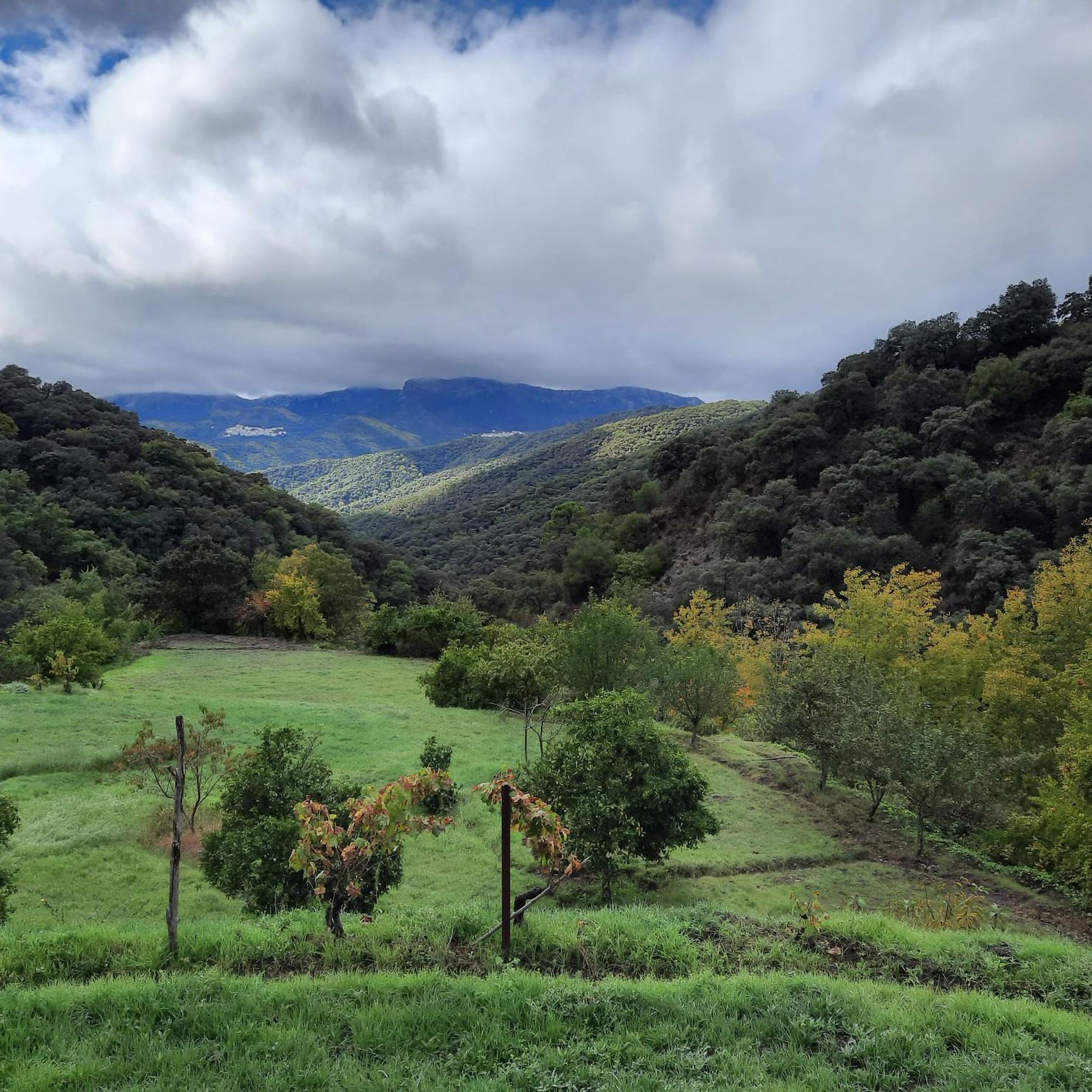
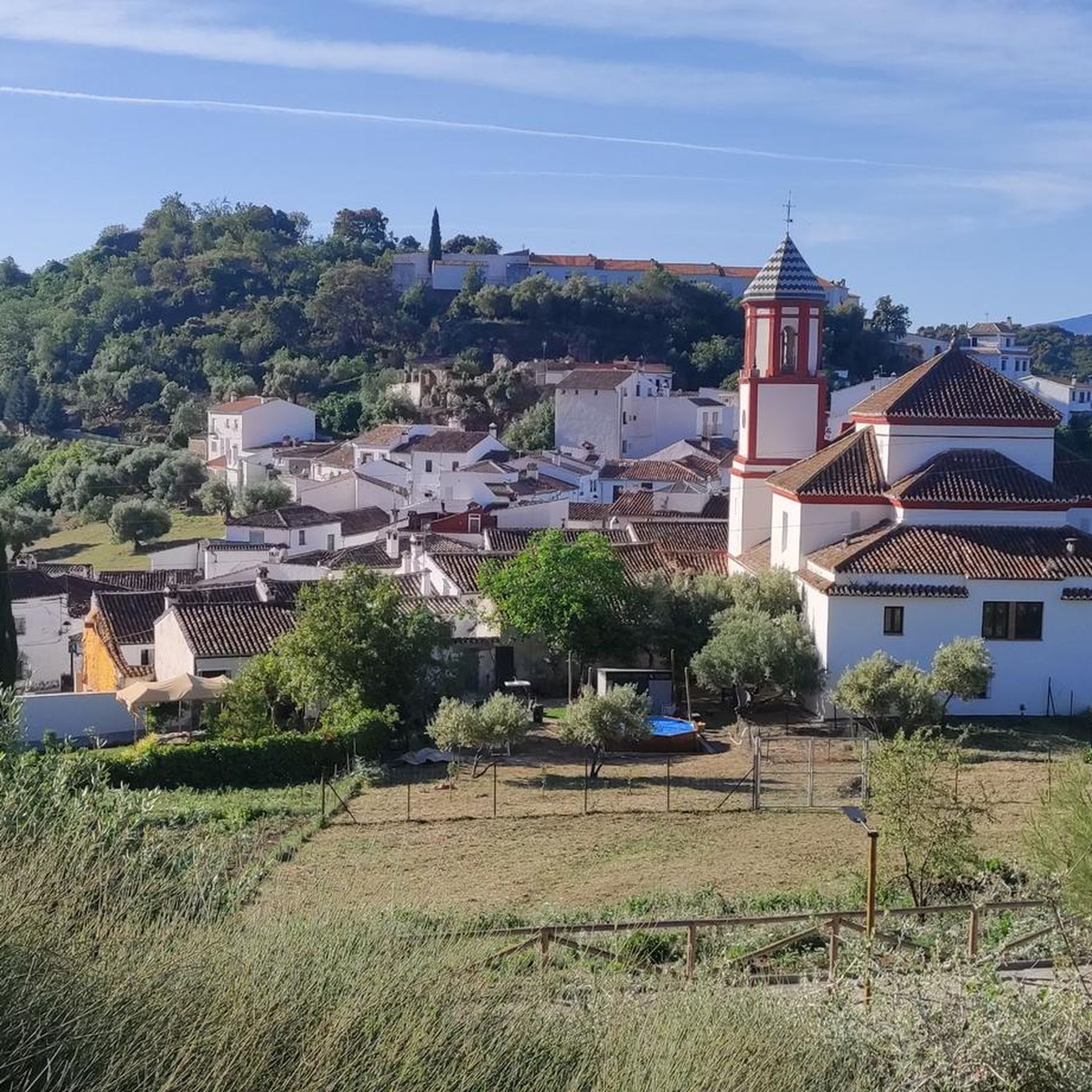
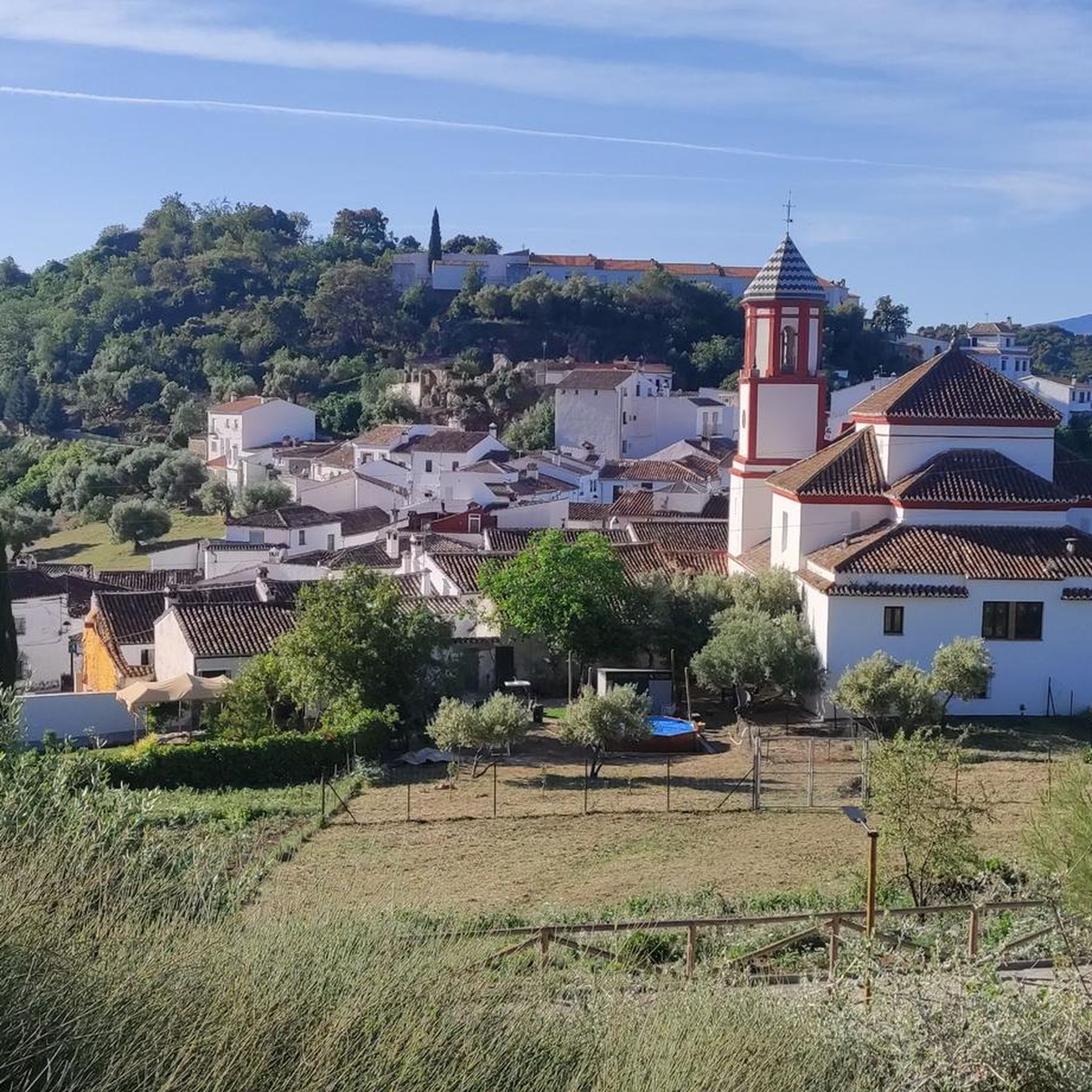
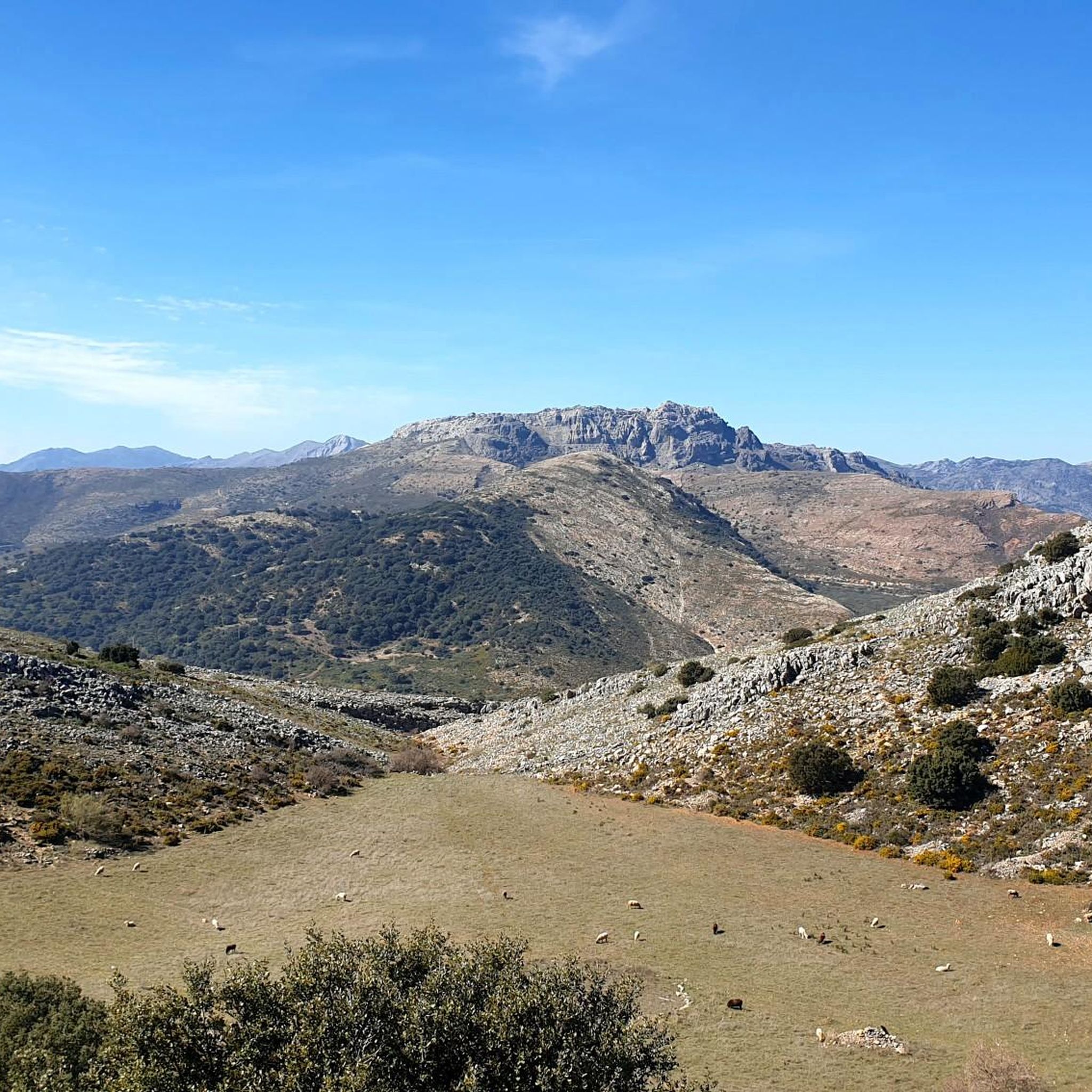
Best attractions and places to see around Atajate include a blend of historical landmarks, natural beauty, and cultural insights within the Serranía de Ronda mountains. This charming white village is nestled between the Genal and Guadiaro river valleys, offering a tranquil rural atmosphere. Visitors can explore various sites that showcase the region's heritage and natural environment. The area provides opportunities to discover unique geological features and historical structures.
Best attractions and places to see around Atajate
- The most popular attractions…
Last updated: June 23, 2026
Cat Cave
Highlight • Cave
Showing Translation
Tip by

Puerta de Carlos V
Highlight • Historical Site
Translated by Google •
Tip by

Sign up now to discover places like this
Get recommendations on the best single tracks, peaks, & plenty of other exciting outdoor places.
Sign up for free
Júzcar, the Blue Village
Highlight • Settlement
Translated by Google •
Tip by

Presa de Montejaque (Presa de los Caballeros)
Highlight • Monument
Translated by Google •
Tip by

Statue of San Francisco in Plaza Ruedo Alameda
Highlight • Monument
Translated by Google •
Tip by

Sign up for free to discover even more attractions around Atajate.
Sign up for free
Already have an account?
Start today with a free account
Your next adventure awaits.
Login or Signup

Tips from the Community

Funny Smurf village, whose house facades are painted blue, as the village was chosen for a Smurf film. A later vote by the villagers resulted in them keeping the blue color as the house paint. Some houses have paintings, and there is also a town map that points to the attractions.
4
0

The former Smurf village still has blue houses and wall paintings, but the freestanding figures are gone. We learned from residents that Sony demanded high licensing fees and so the figures disappeared.
1
0

Júzcar, known as the Blue Village, is a picturesque village in the province of Málaga, famous for its blue-painted houses. This colour change was made in 2011 for the world premiere of the film "The Smurfs". Although it was initially a temporary campaign, the inhabitants decided to keep the blue colour due to the increase in tourism.
6
0

The path to the dam is well secured, but not entirely suitable for people with a fear of heights. On the valley side of the dam there is a spectacular suspension bridge, a zip line and climbing routes. These can only be accessed with equipment. It was exciting to watch the climbers.
1
0

The square is a historic place in the old town of Ronda. It is located in the oldest part of the city, which lies outside the old city walls. The square is characterized by traditional Andalusian architecture, with white houses, cobblestones and small shops. It offers a relaxed atmosphere and is less crowded with tourists than the more popular squares in the center of Ronda. The place is a good starting point for exploring the historic old town of Ronda or taking a break in one of the small restaurants.
8
0

The statue of San Francisco stands on top of a fountain surrounded by a beautiful garden, just before the "Puerta de Almocábar", in the lowest part of Ronda. She holds a staff in her hand, reminiscent of the Franciscan Order and the Dominicans. It is a very symbolic image that represents an important part of the history of Ronda in the sixteenth century.
7
0
The Puerta de Carlos V is an impressive triumphal arch in Ronda, located on the Plazuela Arquitecto Francisco Pons Sorolla. This gate was built in the 18th century during the reign of King Charles V. The gate was designed to facilitate access to the city and has inscriptions and coats of arms referring to Charles V as the first Burgundian king of Spain. It is a beautiful example of the architecture of that period and also offers beautiful views of the city and its surroundings.
9
0
The Puerta de Carlos V in Ronda is a historic city gate that dates back to the Renaissance period. It is named after Emperor Charles V, who ruled the Spanish Empire in the 16th century. The Charles V Gate was built as part of the restoration and expansion of Ronda's defenses after the city was conquered by the Catholic Monarchs in 1485. The gate was built in the Renaissance period in honor of Charles V to symbolize the new Christian rule. The gate is located in the old town of Ronda, close to other historic sites such as the Puente Viejo (Old Bridge) and the Arab Baths. It is part of a system of walls and gates built in different periods, showing Ronda's Moorish origins. The Charles V Gate is part of the old city walls that enclose the historic old town of Ronda. In the past, the gate served as an entrance to the city and was an important defense point against invaders. The city walls and their gates still bear witness to Ronda’s strategic importance.
7
0
Frequently Asked Questions
What natural attractions can I explore near Atajate?
The area around Atajate is rich in natural beauty. You can visit the Cat Cave, a Natural Monument featuring an impressive waterfall where the Guadiaro river emerges from underground. Other natural highlights include the dramatic Cliffs and Caverns of Los Tajos, the unique rock formations of the Torcal of Atajate, and various historical fountains and springs like Benajarra Fountain.
Are there any historical or cultural sites to visit in Atajate?
Yes, Atajate offers several historical and cultural sites. The 19th-century Baroque-style Church of San José (also known as Parish Church of San Roque) is a prominent landmark. You can also see the historic Public Laundry ("El Pozancón"), built in 1932, and the ancient Stone Cross in Plaza de la Constitución. The village also features ceramic murals narrating its history on various buildings.
What kind of hiking opportunities are available around Atajate?
Atajate is an excellent base for hiking. The surrounding Serranía de Ronda mountains offer numerous trails, including those leading to the peaks of Peñasblancas and El Cerro del Cuervo. You can find a variety of routes, from easy to challenging, such as the 'Tajo del Abanico Loop' or the 'Alpandeire, Faraján, and Júzcar Loop'. For more details on routes, visit the Hiking around Atajate guide.
Are there family-friendly activities or attractions in the Atajate area?
While many natural attractions are suitable for families, a particularly unique and family-friendly spot is Júzcar, the Blue Village. This picturesque settlement is famous for its blue-painted houses, a legacy from a film promotion, which residents decided to keep due to increased tourism. It's a fun and visually distinct place for families to explore.
Where can I find unique or 'hidden gem' attractions near Atajate?
Beyond the main highlights, Atajate itself is considered a 'Pueblo Mágico' (Magical Village) with its whitewashed houses and cobblestone streets. A unique cultural experience is the Must Museum (Museo Mosto Aire Libre Atajate Malaga), an open-air museum celebrating the village's artisanal must production with sculptures and elements related to wine culture placed throughout the village.
Can I find any viewpoints offering panoramic scenery around Atajate?
Absolutely. The Atajate Viewpoint provides breathtaking panoramic views of the Serranía de Ronda landscape. Additionally, 'El Alto de Santa Cruz' (The Santa Cruz Heights) offers significant historical context along with expansive views, including remains of an old tower.
What is the best time of year to visit Atajate for outdoor activities?
The region's Mediterranean climate makes spring and autumn ideal for outdoor activities like hiking and cycling. During these seasons, the weather is generally mild and pleasant, avoiding the intense heat of summer and the cooler, wetter conditions of winter. This allows for comfortable exploration of the natural environment and trails.
What is the 'Gravity Hill' phenomenon in Atajate?
Atajate is home to a curious phenomenon known as 'Gravity Hill'. This is a specific road where, due to an optical illusion, vehicles appear to roll uphill when left in neutral. It's a fun and puzzling experience for visitors driving through the area.
What is the 'Puerta de Carlos V' and where is it located?
The Puerta de Carlos V is an impressive triumphal arch located in Ronda, a short distance from Atajate. Built in the 18th century, it was designed to facilitate access to the city and offers historical insights into the region, along with beautiful views of Ronda and its surroundings.
Are there any challenging outdoor activities like Via Ferrata near Atajate?
Yes, for those seeking more challenging adventures, there is a Via Ferrata in Atajate. It is known for its variety, including a monkey bridge and a Tibetan bridge, offering an exhilarating experience for nature lovers and thrill-seekers. Additionally, the Presa de Montejaque area also features climbing routes and a Via Ferrata.
What do visitors particularly enjoy about the attractions near Atajate?
Visitors appreciate the blend of historical landmarks and natural beauty. The Cat Cave is highly regarded for its natural waterfall and picnic area, making it ideal for a break. The unique blue houses of Júzcar are a popular draw, and the historical significance and views from sites like the Puerta de Carlos V are also frequently mentioned.
Can I find opportunities for cycling around Atajate?
Yes, the mountainous terrain around Atajate is popular for cycling. You can find various routes for road cycling and gravel biking. Examples include challenging road cycling routes like the 'Peñas Blancas - Jubrique Loop' or gravel biking routes such as the 'Gravel loop from Montejaque'. More information can be found in the Road Cycling Routes around Atajate and Gravel biking around Atajate guides.
Most popular routes around Atajate
Most popular attractions around Atajate

Get inspired with the komoot mobile app


Explore more
Still not found the Highlight you’re looking for? See guides of the top attractions in other regions:
