The best walks and hikes around La Joyosa
4.8
(5)
63
hikers
18
hikes
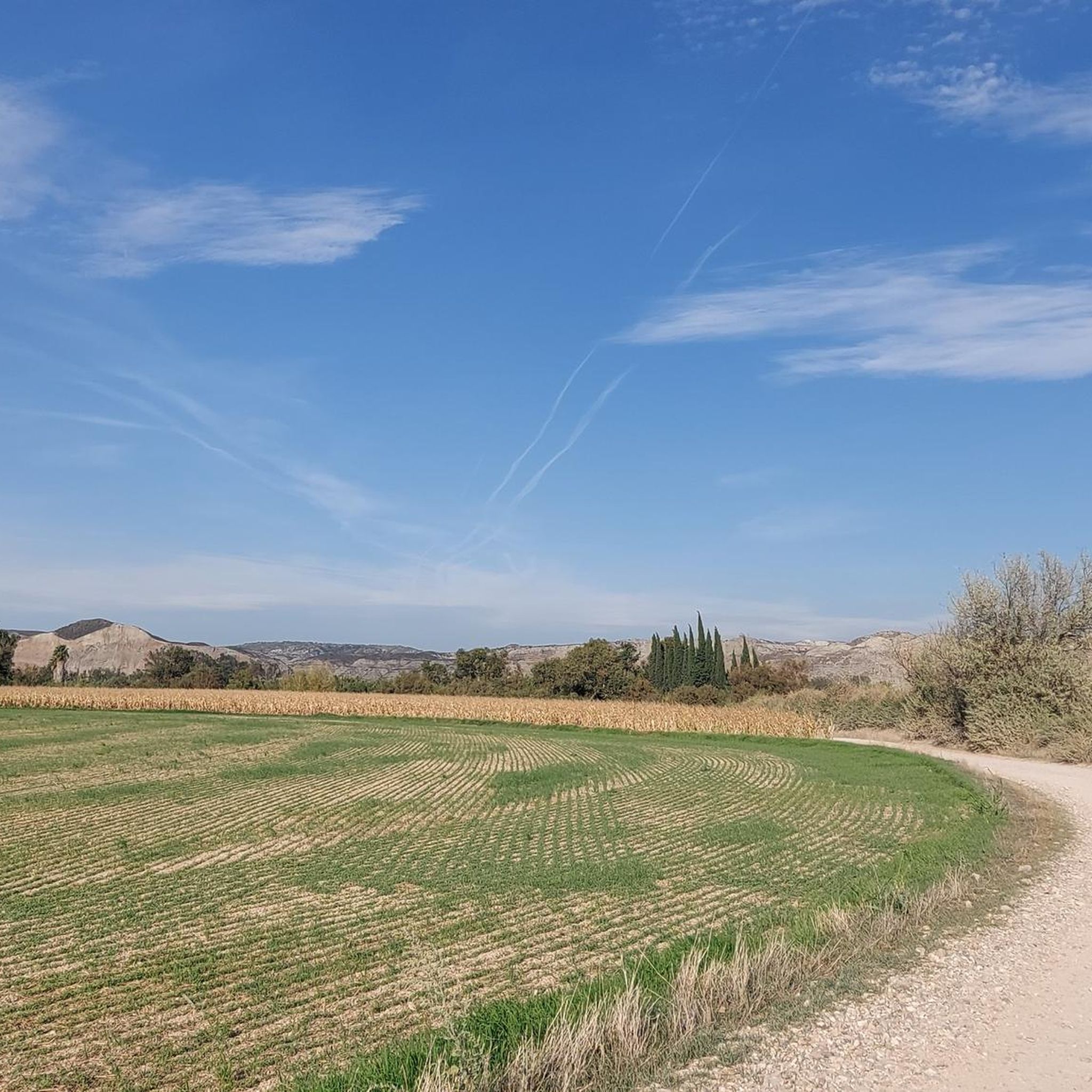
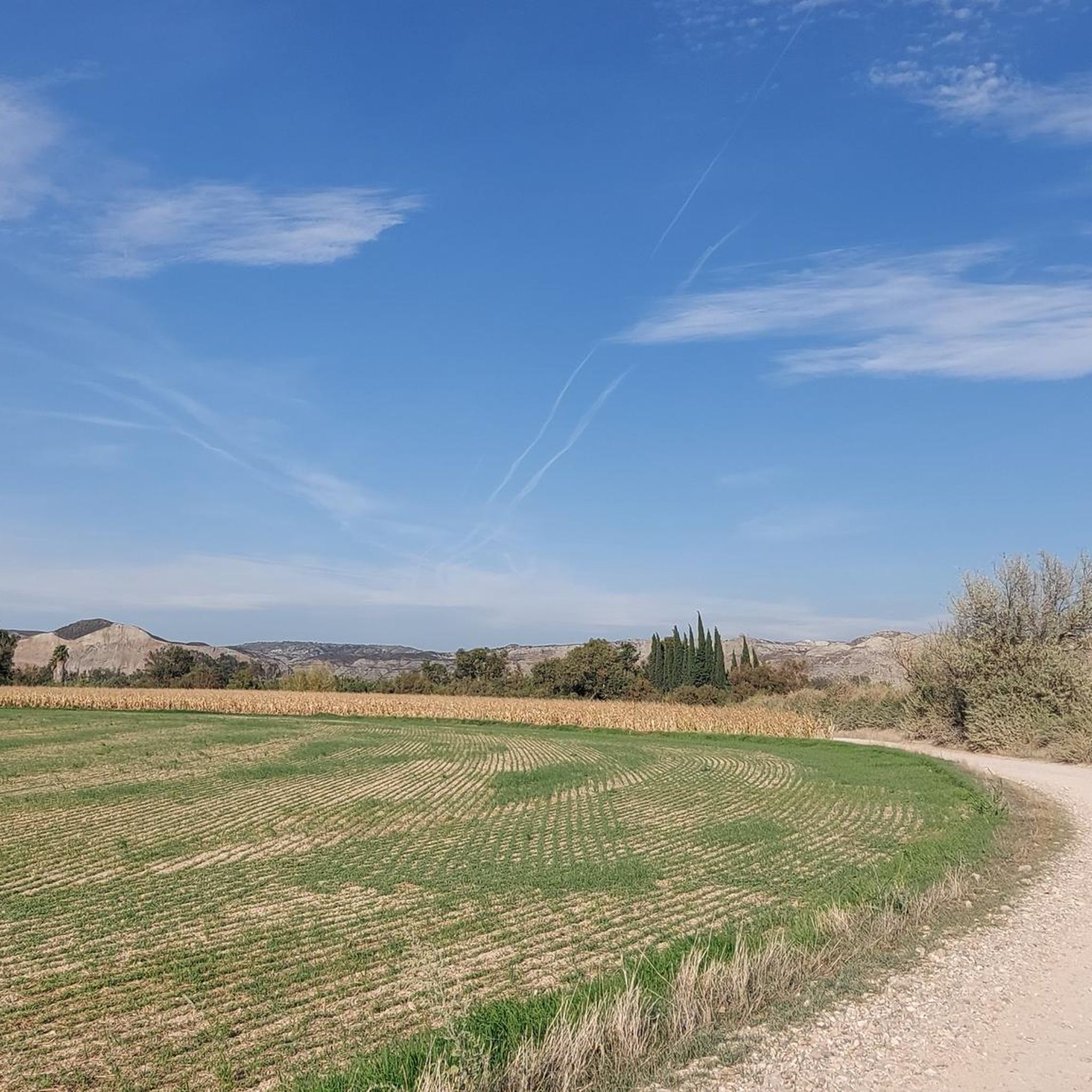
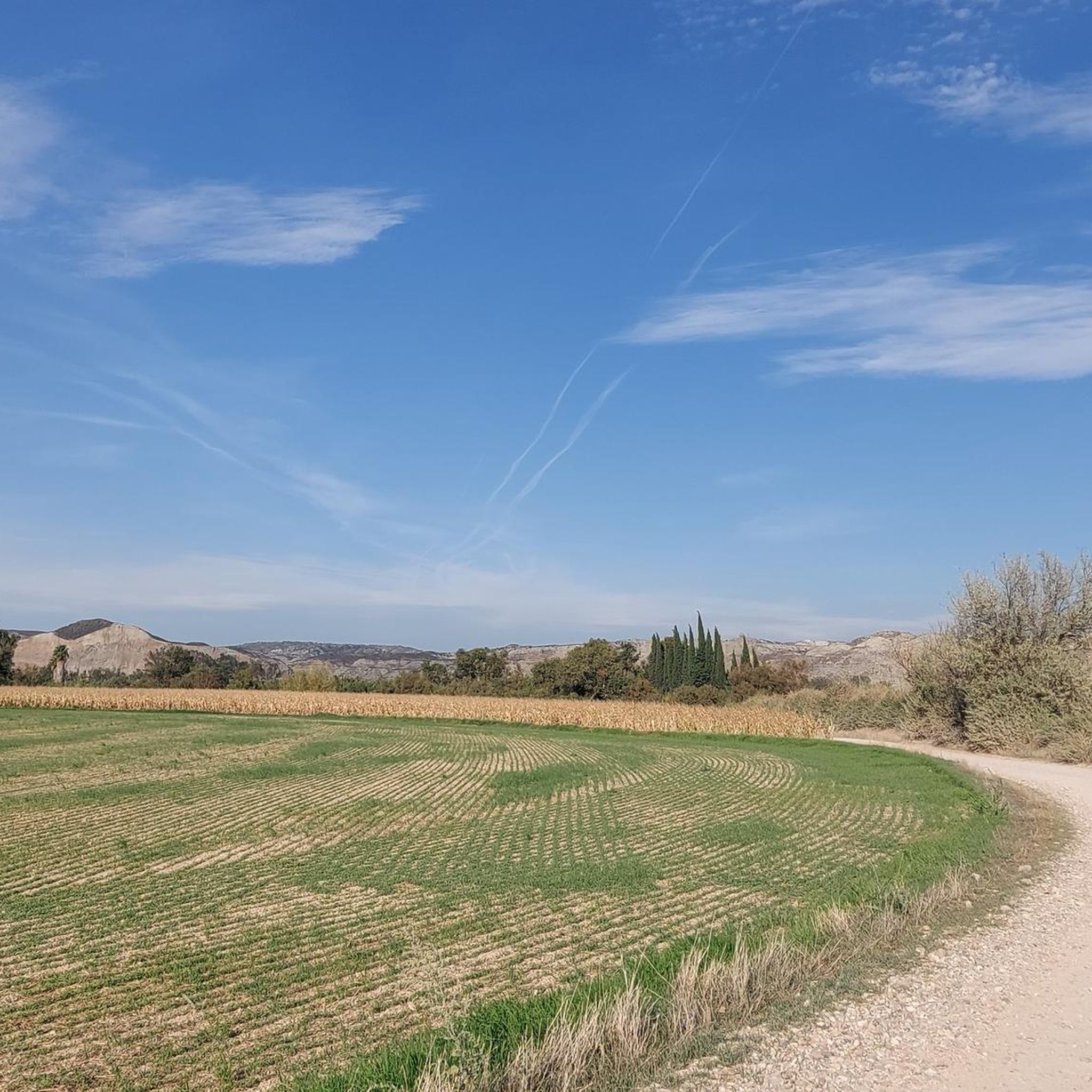
Hiking around La Joyosa, Spain, offers a diverse landscape characterized by riverine environments and agricultural plains. The region features established paths, including the notable Galacho-Pontoneros Trail, and natural monuments such as the Three-thorned acacia. Wetlands like Balsa de Larralde, formed by geological subsidence, contribute to the varied terrain.
Best hiking trails around La Joyosa
- The most popular hiking route is Pinseque and Imperial Canal of Aragón Loop, a 10.8 miles (17.4 km) trail that takes 4 hours 25 minutes…
Last updated: October 9, 2026
17.4km
04:25
40m
40m
Moderate hike. Good fitness required. Mostly accessible paths. Sure-footedness required.
18
hikers
8.10km
02:02
10m
10m
Moderate hike. Good fitness required. Easily-accessible paths. Suitable for all skill levels.

5
hikers
15.4km
03:56
60m
60m
Moderate hike. Good fitness required. Easily-accessible paths. Suitable for all skill levels.
5
hikers
8.21km
02:05
20m
20m
Moderate hike. Good fitness required. Easily-accessible paths. Suitable for all skill levels.
4.3
(3)
5
hikers
7.51km
01:54
20m
20m
Easy hike. Great for any fitness level. Easily-accessible paths. Suitable for all skill levels.
Get access to more routes and recommendations from other explorers.
Already have an account?
Our route recommendations are based on thousands of hikes, rides, and runs completed by other people on komoot.
Start today with a free account
Your next adventure awaits.


Tips from the Community

The Mudéjar tower of the Church of the Assumption in Utebo, known as the Bell Tower of Mirrors, is notable for its unique silhouette, featuring a square base and an octagonal upper section decorated with thousands of tiles that reflect the light. Its intricate geometric ornamentation and network of intersecting arches place it among the most impressive towers in Aragon.
0
0
Alagón is a town with a rich past, evident in its Mudéjar church of San Pedro Apóstol, built on the site of a former mosque and famous for its 16th-century altarpiece. Strolling through the old town, you can also see the former Jesuit college next to the church of San Antonio de Padua. It's a good place to stop along your route, with all the necessary amenities and a tourist office for further information.
1
0

The Jubo Bridge has a fascinating history spanning from the 18th century to the 21st century. Originally, its construction began in the 18th century, but due to the War of Independence, it remained unfinished for many years. Finally, in more recent times, it was completed with a wooden and steel walkway. This bridge is a pedestrian crossing over the Imperial Canal of Aragon, located near the town of Pinseque and a few meters from the Santa Emilia beacon.
2
0
The Hermitage of the Virgen de la Ola is a Marian sanctuary located in Peramán, an old hamlet in the municipality of Bárboles in the valley of the Jalón River. Built in the 17th century, it has a rectangular floor plan. Its exterior has been renovated with exposed brick and has a small tower without bells. It is located on the banks of the Jalón River and is a place of Marian devotion.
2
0

The hermitage of the Virgen de la Ola is the church of the disappeared town of Peramán (whose name is still used to name the area). There are hardly any remains of the disappeared town, but the hermitage has been marked on maps since the 17th century at least. The current building is surely the result of several reconstructions during the last two centuries. (http://www.sipca.es/censo/1-INM-ZAR-015-043-003/Ermita/de/la/Virgen/de/la/Ola.html)
0
0

This infrastructure dates back to the end of the 18th century and there are some legends about this unfinished passage of the Imperial Canal of Aragon. One of them says that it sank when a car passed by, and that it was no longer repaired, and others say that they started it at the Canal works and it remained unfinished. The Aragonese section of the Imperial Canal of Aragon was inaugurated on September 20, 2000 as a Site of Cultural Interest and Site of Cultural Interest in the category of Historic Site. To enjoy this great work and to understand it is to understand a part of our best history that seems to be latent in our memory.
2
0

Historic arch bridge built in the 18th century to cross the Imperial Canal of Aragon. Nice picture to photograph!
2
0
The hermitage of the Virgen de la Ola is a 17th-century sanctuary located in the uninhabited Peramán, on the banks of the Jalón River. It is a temple with a rectangular floor plan, which has a very renovated exterior, with exposed brick, and a small tower at the foot without bells. The tradition of Nª Sª de la Ola considers that this construction could be built on the ruins of the old medieval monastery of the Order of Fontevrault, where the image of the Virgin Mary was found. This had been dragged by the strong waves of the Jalón River, hence, it is known as the Virgin of the Wave. The interior of the hermitage, with sober decoration, housed in the presbytery the carving of the Virgen de la Ola from the 14th century. However, the original figure is going to disappear as a result of a theft, so the current size is from a recent factory. All this makes this hermitage one of the two main pilgrimage points of the Ribera Alta del Ebro. Every year the residents of Bárboles, Grisén and Pinseque make a pilgrimage during the month of May to this sanctuary to honor the Virgin
1
0
Frequently Asked Questions
How many hiking trails are available in La Joyosa?
La Joyosa offers a selection of 13 hiking routes. These trails cater to various preferences, with 5 easy routes and 8 moderate options, ensuring there's a path for different skill levels.
What kind of terrain can I expect on hikes in La Joyosa?
The hiking trails in La Joyosa are characterized by diverse landscapes. You'll encounter riverine environments, agricultural plains, and established paths like the Galacho-Pontoneros Trail. The region also features unique wetlands such as Balsa de Larralde, formed by geological subsidence, adding to the varied terrain.
Are there any natural monuments or unique sights to see while hiking in La Joyosa?
Yes, La Joyosa is home to several interesting natural features and landmarks. A notable natural monument is the Three-thorned acacia, honored by the inhabitants of Monzalbarba. You can also explore the Balsa de Larralde wetlands and historical structures like the Jalón River Aqueduct (El Caracol) and the Clavería Bridge over the Imperial Canal of Aragon.
Are there any easy hiking routes suitable for beginners or a relaxed walk?
Absolutely. La Joyosa offers 5 easy hiking routes. One such option is the Utebo Tower – Monument to the Fallen loop from Utebo, which is 4.6 miles (7.4 km) long and takes approximately 1 hour 50 minutes to complete.
What do other hikers say about the trails in La Joyosa?
The routes in La Joyosa are highly regarded by the komoot community, holding an average rating of 4.7 stars from 4 reviews. Over 30 hikers have explored the varied terrain using komoot, often praising the accessible river paths and agricultural landscapes.
Are there circular hiking routes available in La Joyosa?
Many of the trails in La Joyosa are designed as loops, offering convenient circular routes. For example, the Pinseque and Imperial Canal of Aragón Loop is a popular 10.8-mile (17.4 km) moderate trail that follows the historic canal.
Can I find trails that explore the Imperial Canal of Aragón?
Yes, the Imperial Canal of Aragón is a prominent feature in the region's hiking network. The Pinseque and Imperial Canal of Aragón Loop is a moderate 10.8-mile (17.4 km) route that directly follows this historic waterway, offering scenic views along its banks.
Are there any trails that explore the area around Utebo?
Yes, there are routes specifically designed to explore the Utebo area. The Monument to the Fallen – Utebo Tower loop from Utebo is a moderate 5.0-mile (8.1 km) path that takes you through local landmarks in the vicinity of Utebo.
What is the best time of year to go hiking in La Joyosa?
Given the region's riverine and agricultural landscape, spring and autumn generally offer the most pleasant hiking conditions in La Joyosa, with milder temperatures. Summer can be quite warm, especially in open plains, while winter might bring cooler, but often still suitable, weather for walking.
Are there any trails that pass through the plains surrounding Alagón?
Yes, hikers can explore the plains around Alagón. The Alagón loop from Alagón is a 9.5-mile (15.4 km) trail that leads through these agricultural landscapes, typically completed in about 3 hours 55 minutes.
What are the typical durations for hikes in La Joyosa?
Hikes in La Joyosa vary in duration depending on the route and your pace. Easy routes, like the Utebo Tower – Monument to the Fallen loop from Utebo, can take around 1 hour 50 minutes. Longer, moderate trails such as the Pinseque and Imperial Canal of Aragón Loop might require about 4 hours 25 minutes.
Most popular routes around La Joyosa
Most popular attractions around La Joyosa

Get inspired with the komoot mobile app


Explore more
Browse the best Hikes in other regions.
