Attractions and Places To See around La Fueva - Top 20
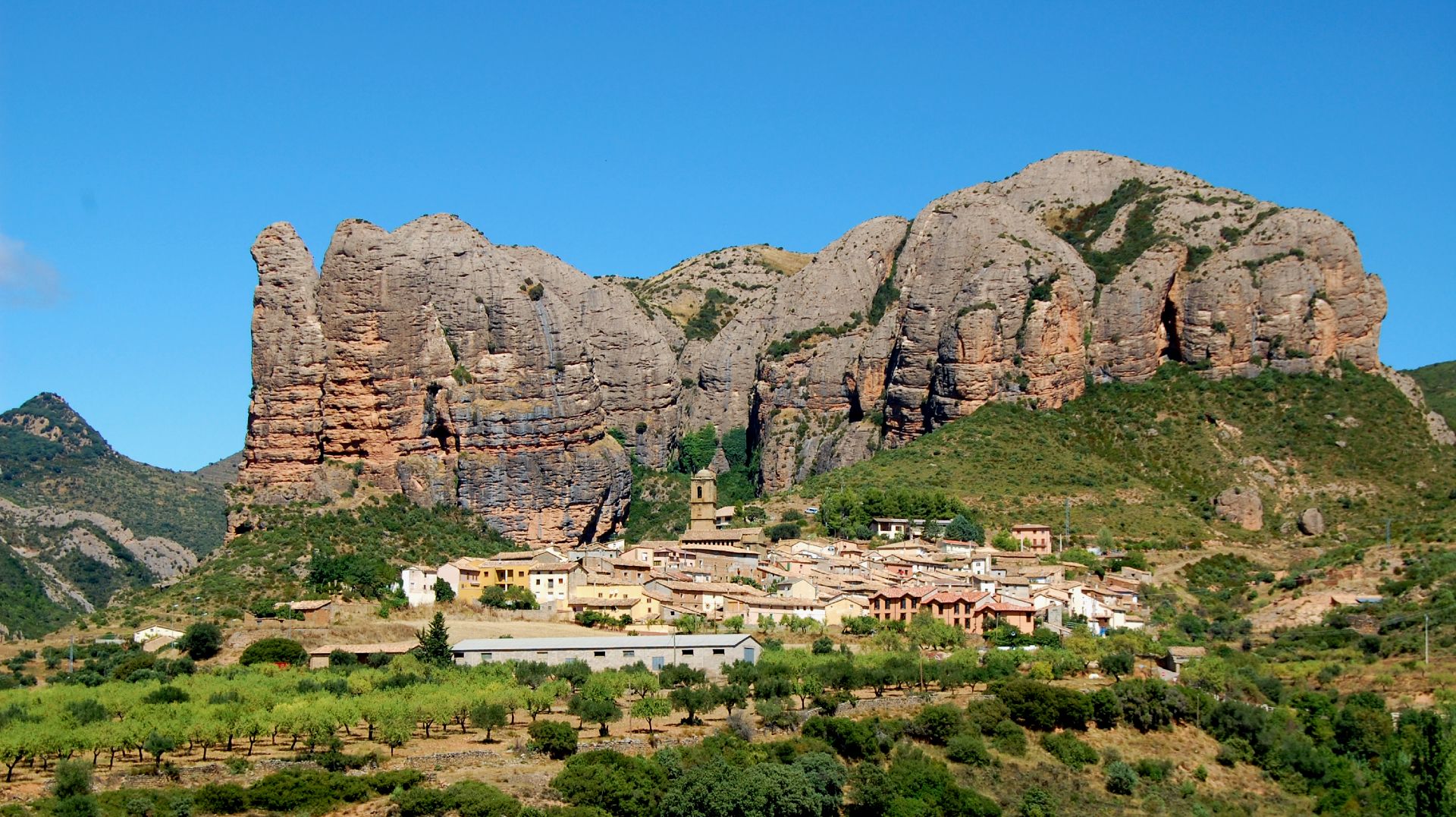
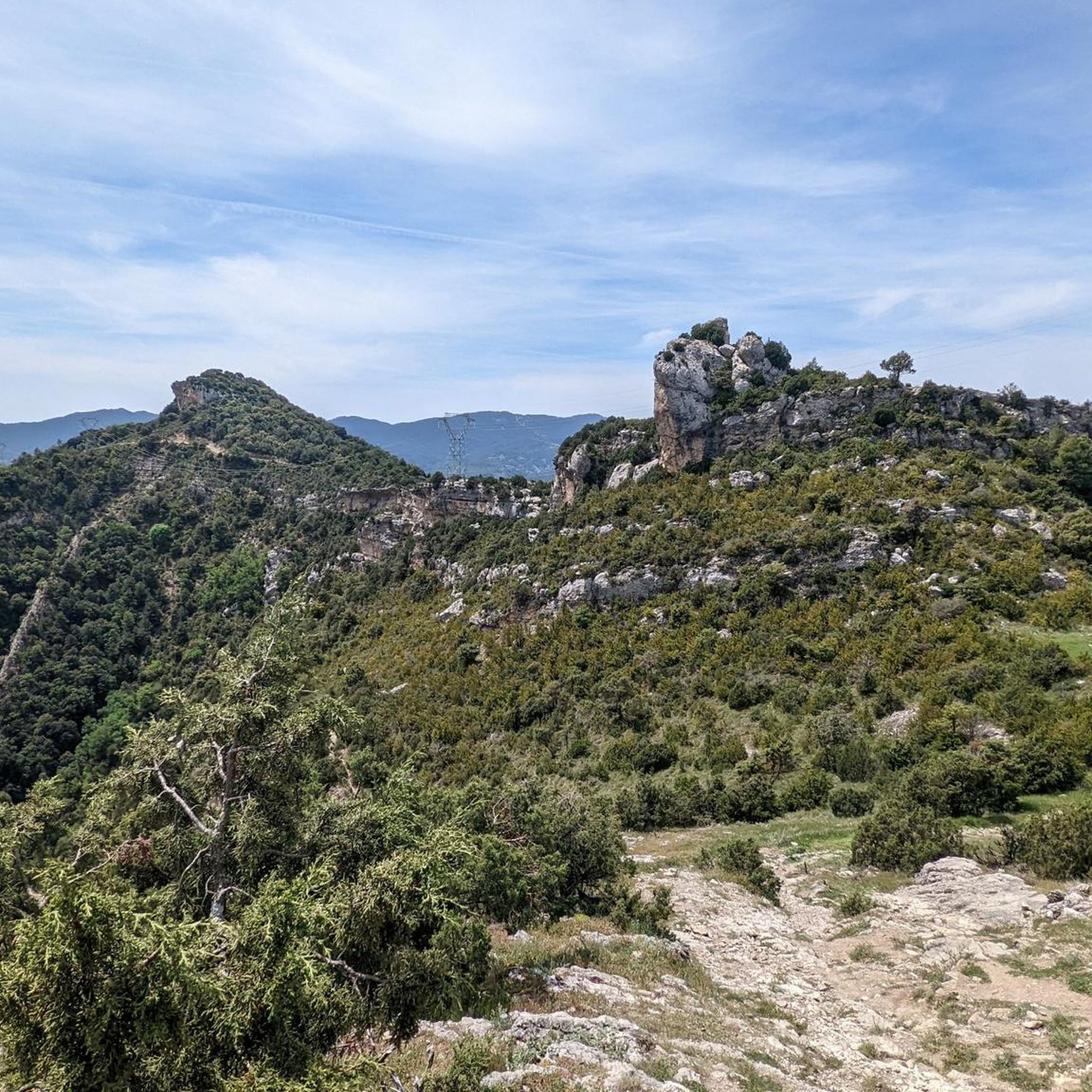
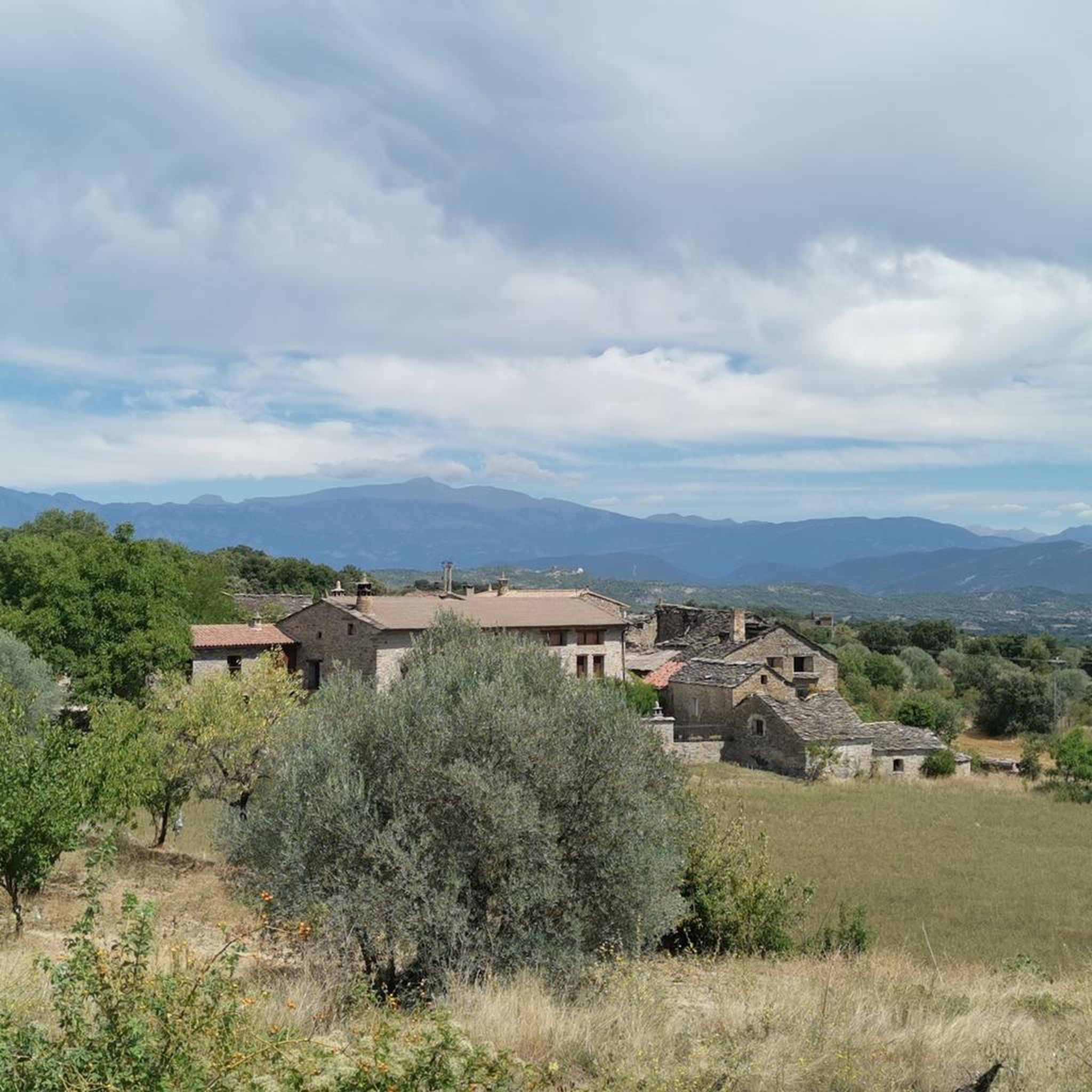
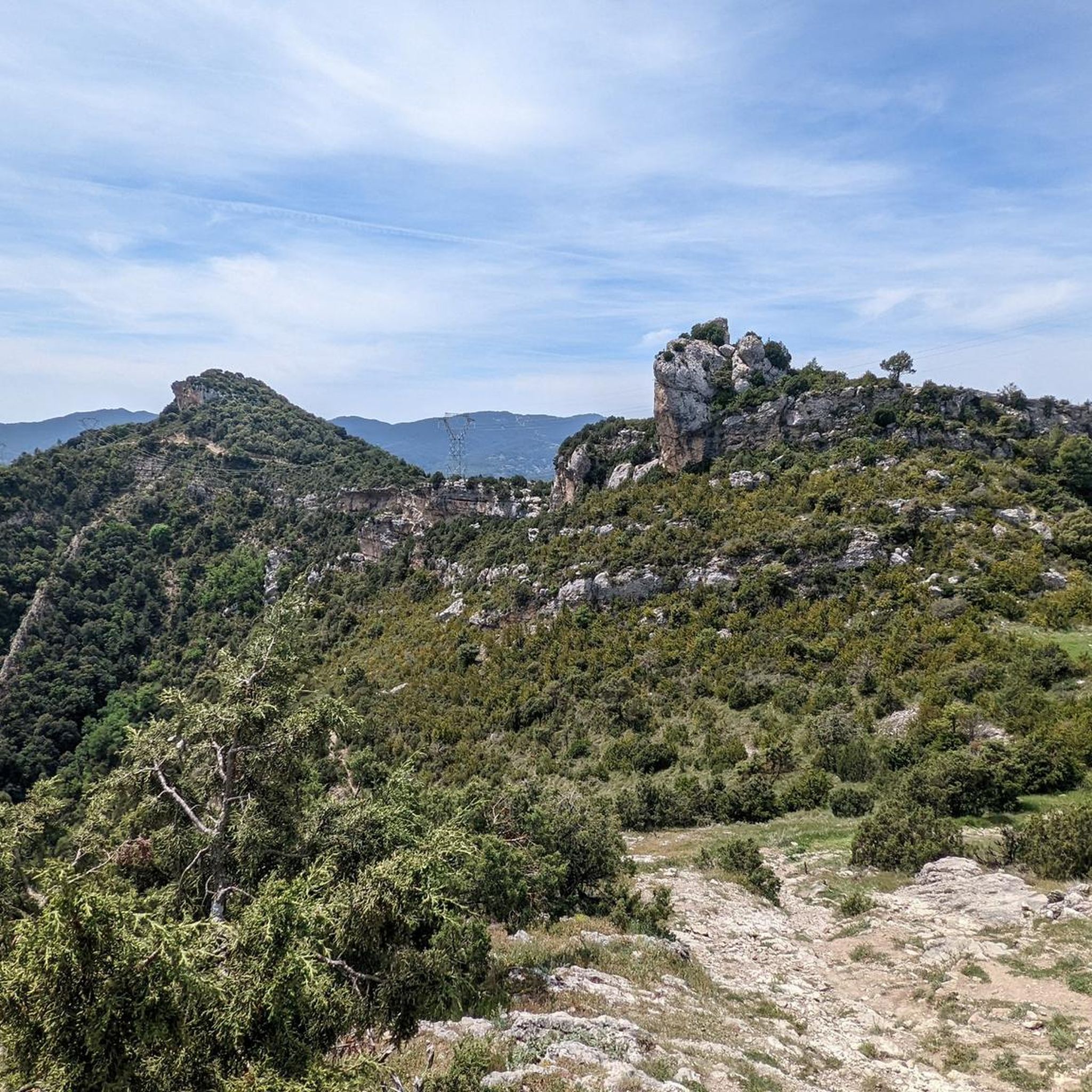
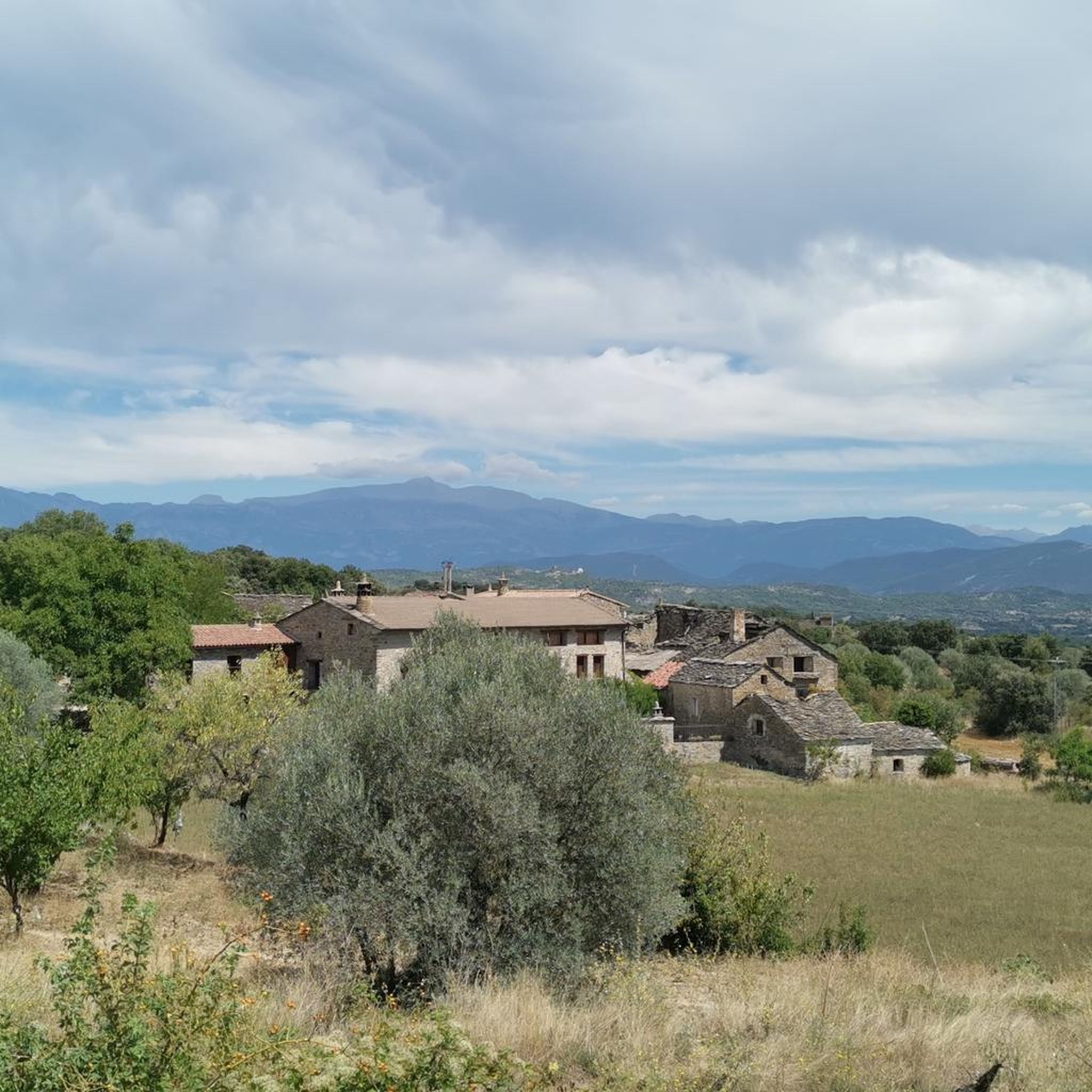
Best attractions and places to see around La Fueva include a variety of historical sites, natural features, and cultural points of interest. Located in the Sobrarbe region of the Aragonese Pyrenees, the area is characterized by its basin-like valley and surrounding pre-Pyrenean foothills. It serves as a gateway to several natural parks, offering a landscape with high naturalistic value. La Fueva is a destination for rural tourism, known for its tranquil villages and historical heritage.
Best attractions and places to see around La Fueva
- The most popular attraction is Aínsa Old Town, a historical site located 11 km from La Fueva. This medieval village features a well-preserved old town with an arcaded Plaza Mayor and cobbled streets. Its impressive collegiate church tower and extensive castle grounds are notable features.
- Another must-see spot is Ibón of Plan (Basa de la Mora), a lake situated at an altitude of 1910 meters. This natural monument fills with meltwater each winter. Local folklore associates the lake with a Moorish princess.
- Visitors also love Samitier Castle, a religious-military complex. This site features the remains of a hexagonal tower and a Romanesque hermitage dedicated to San Emeterio and San Celedonio. The hermitage was designed as the castle's initial defense mechanism.
- La Fueva is known for its historical castles, natural lakes, and cultural observatories. The region offers a variety of attractions, from ancient ruins and fortified houses to opportunities for wildlife observation.
- The attractions around La Fueva are appreciated by the komoot community, with 37 upvotes and 21 photos contributed by visitors.
Last updated: August 30, 2026
Cruz Cubierta Monument
Highlight • Monument
Translated by Google •
Tip by

Ibón of Plan (Basa de la Mora)
Highlight • Lake
The name of Basa de la Mora (or "Basa la Mora" in Aragonese) comes from a local folktale according to which a Moorish princess drowned in this lake while trying to escape Christian troops. According to this legend, during the night of San Juan, people who wash their faces with the lake water can see the princess dancing on the surface.
Translated by Google •
Tip by

Sign up now to discover places like this
Get recommendations on the best single tracks, peaks, & plenty of other exciting outdoor places.
Sign up for free
Aínsa Old Town
Highlight • Historical Site
Showing Translation
Tip by

Aínsa Old Town
Highlight • Historical Site
Translated by Google •
Tip by

Samitier Castle
Highlight • Castle
Translated by Google •
Tip by
Sign up for free to discover even more attractions around La Fueva.
Sign up for free
Already have an account?
Start today with a free account
Your next adventure awaits.
Login or Signup

Other adventures around La Fueva

Tips from the Community

Even though this small sacred monument is not located on the famous Way of St. James through northern Spain, given the temple-like circular building with the cross standing here, perhaps some thoughts from Hape Kerkeling might be helpful as inspiration. The entertainer, famous primarily in Germany, walked the Camino Frances in 2001 and kept a diary, which was published under the title "Ich bin dann mal weg" (I'm Off Then). In it, he describes his personal encounter with God on the journey as follows: "Yesterday something struck a huge gong within me. And the sound will echo. Sooner or later, this path shakes everyone to their core. I know the sound will slowly fade, but if I prick up my ears, I will be able to perceive this echo for a very long time."
0
0

Great panoramic view from the Castillo!
0
0

Allow at least 20 minutes to appreciate the entire Ordesa and Monteperdido mountain range
0
0

Access to the old town from the north, or of course in the other direction. Narrow paths and, in good weather, lots of pedestrians. Drive carefully!
0
0

Start from the motorhome / parking lot and before the pizza place turn left down the stairs to the river where all routers start approximately. Are you ready, delicious food. Wine and beer on the terrace in the sun. cheers
0
1

Also called Mondoto Castle, it is a religious-military complex that stands out for the remains of the hexagonal tower of the castle and the hermitage, good examples of Romanesque architecture. The hermitage is dedicated to San Emeterio and San Celedonio and curiously enough, it was actually designed as the first defense mechanism of the castle, since possible attackers had to first cross the place where the monks slept.
1
0
Small circular temple from the year 1665 that shelters the cross that commemorates the reconquest of Aínsa by the Christian warriors. Within the popular narrative of Muslim exile, this cross has its own legend.
2
0
One of the "capitals" of the Pyrenees, Aínsa is one of those postcard places that have ended up becoming tourist attractions. Its main square with a trapezoidal floor plan and lateral arcades automatically transports you to the many markets that have been held there for centuries. Despite being usually very crowded, it is worth a walk through its streets.
1
0
Frequently Asked Questions
What natural features can I explore in La Fueva?
La Fueva offers a variety of natural beauty. You can visit the stunning Ibón of Plan (Basa de la Mora), a high-altitude lake known for its meltwater and local legends. The Valle de La Fueva itself is a significant natural feature with a pristine, wild character. The region also serves as a gateway to emblematic natural areas like Ordesa and Monte Perdido National Park, Posets-Maladeta Natural Park, and Sierra y Cañones de Guara Natural Park.
What historical sites are there to visit in La Fueva and its surroundings?
The area is rich in history. Key sites include Samitier Castle, a religious-military complex with Romanesque architecture and panoramic views. Just 11 km away, the well-preserved Aínsa Old Town offers a journey back to the Middle Ages with its arcaded Plaza Mayor and castle grounds. You can also find the ruins of the Monastery of San Victorián and numerous 16th-century Fortified Houses throughout La Fueva valley.
Are there any family-friendly attractions in La Fueva?
Yes, there are options for families. Aínsa Old Town is considered family-friendly, offering an engaging historical experience. A short distance away, the Museum of Traditional Games in Campo allows visitors, especially children, to interact with and play with traditional Huescan toys. The Bearded Vulture Observatory also provides a unique and educational wildlife viewing opportunity.
Where can I find panoramic views in La Fueva?
For breathtaking panoramic views, Samitier Castle is an excellent spot, offering vistas of the surrounding landscape and the Ordesa and Monte Perdido mountain range. The Bearded Vulture Observatory also provides a viewpoint, though its primary focus is wildlife observation.
What kind of outdoor activities can I do around La Fueva?
La Fueva is ideal for outdoor enthusiasts. You can explore various trails for gravel biking, road cycling, and mountain biking. For example, there are challenging gravel routes like the Aínsa Old Town loop or road cycling routes such as the Sierra de Guara circular. Mountain biking trails include the San Salvador and Muro de Roda Loop. You can find more details on these activities in the Gravel biking around La Fueva, Road Cycling Routes around La Fueva, and MTB Trails around La Fueva guides.
Can I observe wildlife in La Fueva?
Yes, La Fueva offers unique wildlife observation opportunities. The Bearded Vulture Observatory provides a chance to watch these magnificent birds of prey being fed, offering insight into their behavior and conservation.
What cultural experiences can I find in La Fueva?
La Fueva is rich in cultural heritage. The valley is known for its lively and unique carnivals, showcasing local traditions. You can also explore the region's Romanesque heritage along the Romanesque Route in La Fueva Valley, with origins tracing back to the early 11th century. Traditional activities like oil milling in Troncedo also offer a glimpse into local customs.
What is the best time of year to visit La Fueva?
La Fueva is an excellent destination for rural tourism, particularly appealing for its tranquil villages and natural beauty. While specific seasonal recommendations depend on your planned activities, the region's natural features like the Ibón of Plan are best experienced after the winter thaw. The mild seasons, spring and autumn, are generally ideal for outdoor activities and exploring historical sites.
What do visitors enjoy most about the attractions in La Fueva?
Visitors particularly appreciate the historical charm of places like Aínsa Old Town, often noting its well-preserved medieval character and pleasant atmosphere for strolling. The natural beauty of sites like the Ibón of Plan is also highly valued, with its serene lake and surrounding landscapes. The blend of history, nature, and tranquility makes La Fueva a cherished destination.
Are there any hidden gems or lesser-known attractions in La Fueva?
Beyond the main highlights, the Fortified Houses scattered throughout La Fueva valley offer a glimpse into the region's 16th-century defensive history. The Museum of Traditional Games in Campo, while a short drive, is a unique and interactive cultural experience often overlooked. Exploring the small, tranquil villages within the valley itself can also reveal charming, authentic local life.
Is La Fueva a good destination for rural tourism?
Absolutely. La Fueva is a prime destination for rural tourism, known for its tranquil villages and the friendliness of its people. It offers charming country houses and accommodations, providing an ideal setting to experience the peaceful, authentic character of the Aragonese Pyrenees.
Are there opportunities for hiking near the attractions?
While specific hiking trails directly from every attraction aren't detailed, the region's proximity to major natural parks like Ordesa and Monte Perdido, and the presence of numerous routes for cycling, suggest ample opportunities for walking and hiking. The Rocky trail towards Ainsa is an example of a challenging trail in the vicinity, often part of larger mountain biking networks but also suitable for experienced hikers.
Most popular routes around La Fueva
Most popular attractions around La Fueva

Get inspired with the komoot mobile app


Explore more
Still not found the Highlight you’re looking for? See guides of the top attractions in other regions:
