Attractions and Places To See around Casaseca De Las Chanas - Top 20
Best attractions and places to see around Casaseca De Las Chanas offers a glimpse into traditional Spanish village life within the Tierra del Vino region. This tranquil village in Zamora province features cultural heritage and points of interest, complemented by natural landscapes and proximity to the city of Zamora. The area is characterized by its viticultural history, traditional architecture, and historical sites.
Best attractions and places to see around Casaseca De Las Chanas
- The most popular attractions is Castle of Zamora, a castle that defines the history of Zamora. It was ordered to be built in the mid-11th century and received maximum protection as part of Spanish Historical Heritage in 1931.
- Another must-see spot is Plaza Mayor, Zamora, a settlement. This typically Castilian square is rectangular, surrounded by low-rise buildings with arcades, and is a prominent pedestrian area in the city's historic center.
- Visitors also love Zamora Cathedral (Catedral de San Salvador), a religious building. Built between 1140 and 1174, it is an example of Douro Romanesque architecture with Byzantine influences, notable for its dome.
- Casaseca De Las Chanas is known for its historical sites, traditional architecture, and viticultural heritage. Visitors can explore a variety of attractions, from ancient churches and palatial houses to exhibition wine presses and local wineries.
- The attractions around Casaseca De Las Chanas are appreciated by the komoot community, with 34 upvotes and 66 photos shared by visitors.
Last updated: June 29, 2026
Castle of Zamora
Highlight • Castle
According to the chronicles, it was ordered to be built by Alfonso II, although studies carried out by historians show that it would actually be ordered to be built by Fernando I, so the building would date from the mid-11th century, although very few remains remain from this period.
Translated by Google •
Tip by

Zamora Stone Bridge
Highlight • Bridge
Showing Translation
Tip by

Sign up now to discover places like this
Get recommendations on the best single tracks, peaks, & plenty of other exciting outdoor places.
Sign up for free
Zamora Cathedral (Catedral de San Salvador)
Highlight • Religious Site
The cathedral is an outstanding example of Douro Romanesque, with Byzantine influences, especially in its famous dome.
It was built between 1140 and 1174 and is the smallest and oldest of the eleven cathedrals in the autonomous community of Castilla y León.
To visit the Cathedral of San Salvador in Zamora and learn more about its history, architecture and the works of art it houses, you can consult its official website or plan a visit to experience its beauty in person. I hope you enjoy discovering this Spanish Romanesque treasure! 🏰✨
Translated by Google •
Tip by
Plaza Mayor, Zamora
Highlight • Settlement
Translated by Google •
Tip by
Church of San Juan de Puerta Nueva (Zamora)
Highlight • Religious Site
The church stands out for its south doorway, which is the main one and is in perfect condition, flanked by two slender attached columns and three semicircular archivolts with elegant decoration. If you want to visit it or learn more about its history and architecture, I recommend consulting specialized sources or visiting its page on Románico Zamora for detailed information. I hope you enjoy your visit to this important historical monument! 🏰✨
Translated by Google •
Tip by
Sign up for free to discover even more attractions around Casaseca De Las Chanas.
Sign up for free
Already have an account?
Start today with a free account
Your next adventure awaits.
Login or Signup

Tips from the Community

A beautiful square. It gets really busy from 8 p.m. onwards, when the Spanish nightlife begins.
3
0

Zamora Castle is a historic fortification located in the city of Zamora, in Castile and León. Built in the 11th century, the castle has witnessed numerous historical events and has undergone several modifications over the centuries. It has a rhomboidal plan and is surrounded by a deep moat. Its thick walls and the keep, which is the highest and served as the last defensive redoubt, stand out. The castle is a fascinating place to explore history and enjoy panoramic views of the city.
1
0
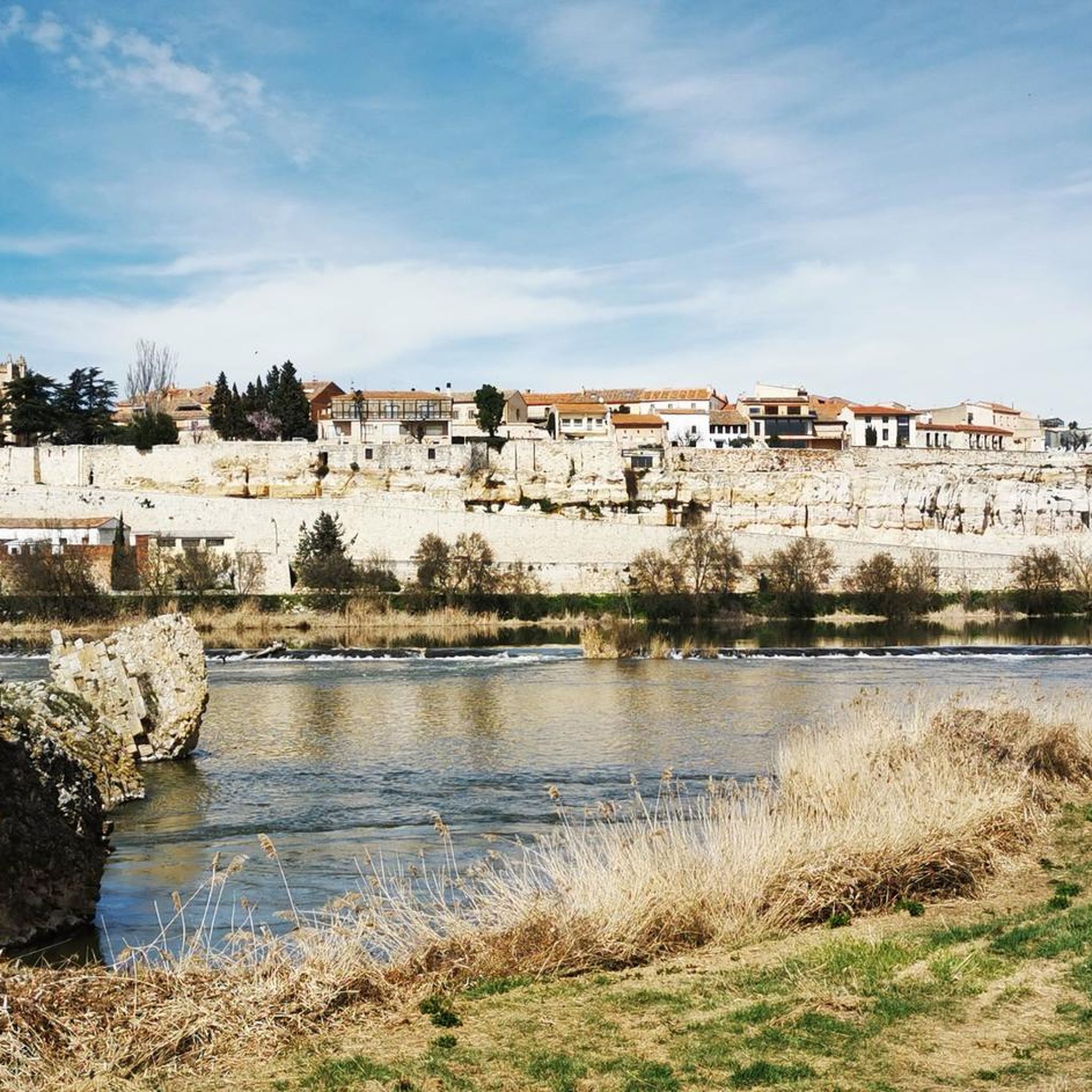
The Stone Bridge of Zamora, also known as Puente Nuevo in the Middle Ages, is one of the five bridges that cross the Duero River in Zamora, Castile and León. This Romanesque bridge was built in the early 13th century and has been renovated on several occasions.
3
1
The oldest evidence indicates that the church was built in the mid-12th century, although work continued in the 13th century and lasted even until the 14th century. The church stands out for its south doorway, which is the main one and is in perfect condition, flanked by two slender attached columns and three semicircular archivolts with elegant decoration. If you want to visit it or learn more about its history and architecture, I recommend consulting specialized sources or visiting its page on Románico Zamora for detailed information. I hope you enjoy your visit to this important historical monument! 🏰✨
8
0
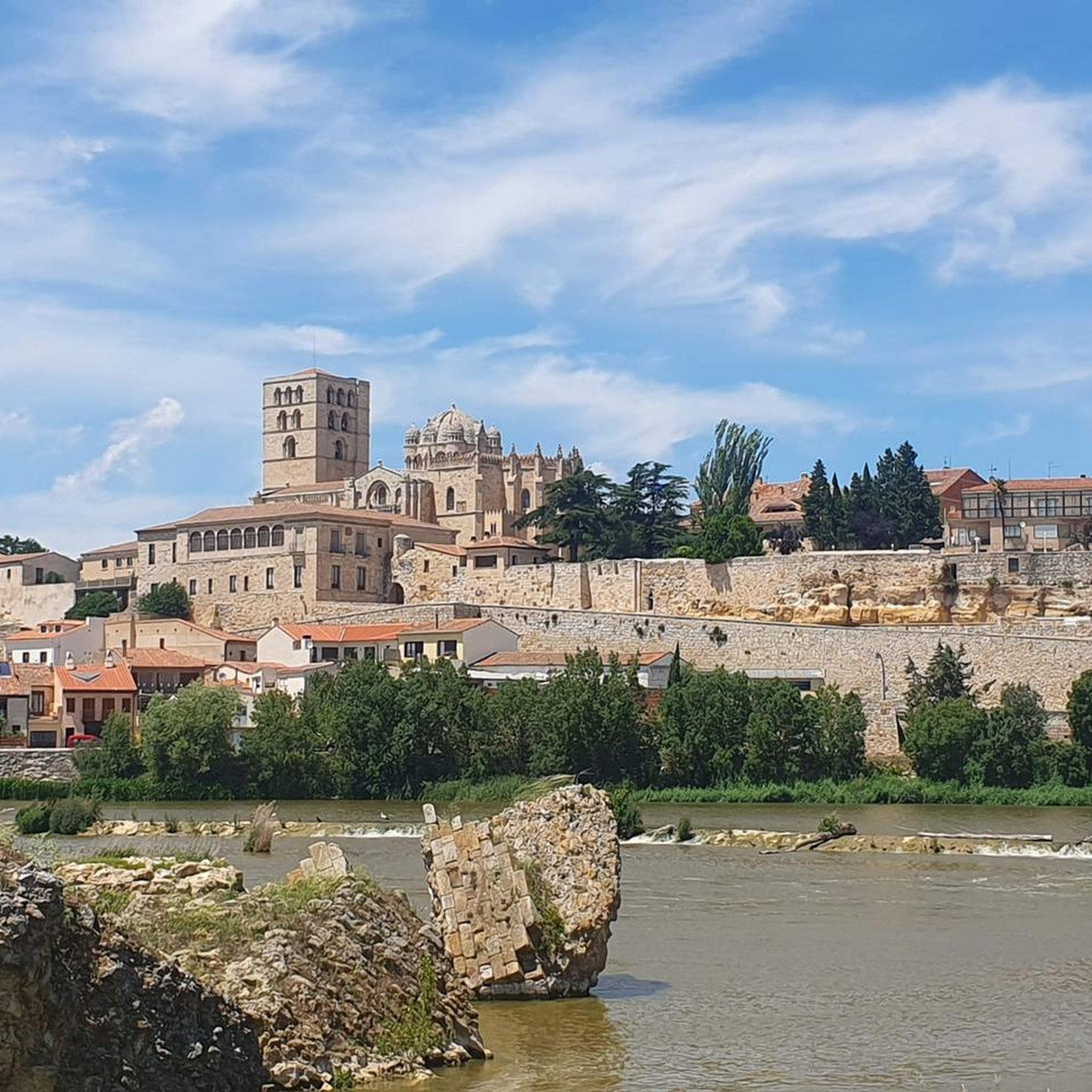
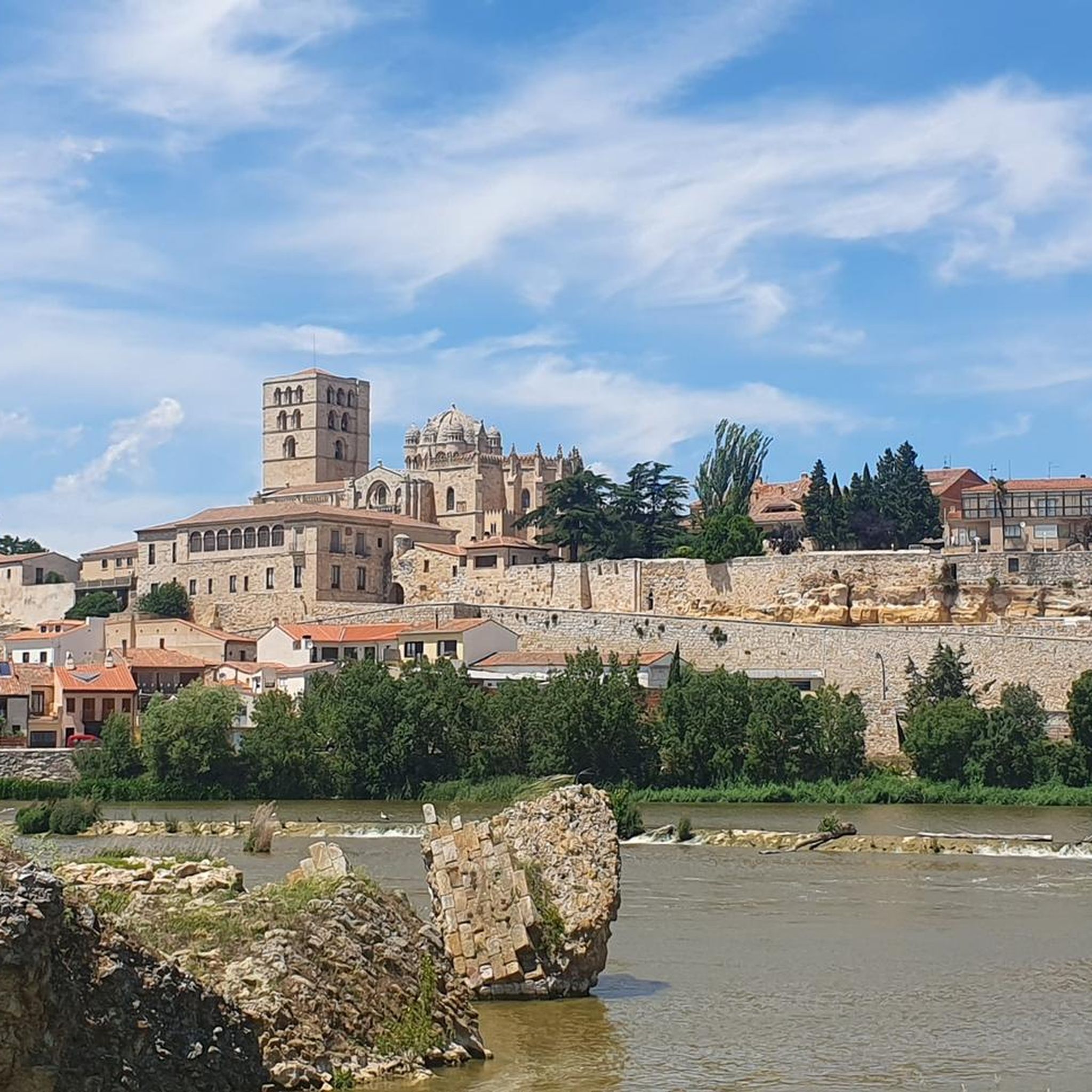
The Cathedral of San Salvador in Zamora, also known as the Cathedral of the Savior, is a Romanesque jewel and an important historical monument in Spain. The cathedral is an outstanding example of Douro Romanesque, with Byzantine influences, especially in its famous dome. It was built between 1140 and 1174 and is the smallest and oldest of the eleven cathedrals in the autonomous community of Castilla y León. To visit the Cathedral of San Salvador in Zamora and learn more about its history, architecture and the works of art it houses, you can consult its official website or plan a visit to experience its beauty in person. I hope you enjoy discovering this Spanish Romanesque treasure! 🏰✨
9
0
The Plaza Mayor of Zamora is a rectangular space. This square, typically Castilian, has a square shape and is surrounded by low-rise buildings with arcades. Its location in the historic center and its pedestrian nature make it a prominent place in the city
7
0

The magnificent cathedral in Zamora - entitled "San SALVADOR" - was not dedicated to one of the many people we venerate as blessed or saints and ask for their heavenly intercession with God. Rather, it is consecrated to the incarnate Son of God Jesus Christ, our Redeemer and Savior.
6
0

Although it is somewhat overshadowed by the cathedral from a tourist point of view, a visit to the impressive castle complex is still recommended.
2
3
Frequently Asked Questions
What historical and cultural sites can I explore in Casaseca de las Chanas?
In Casaseca de las Chanas, you can visit the 16th-century Church of San Juan Bautista, which features a blend of Gothic and Renaissance styles. The village also preserves 18th-century palatial houses and an Exhibition Wine Press (Lagar de Exhibición) that showcases ancient winemaking techniques, reflecting the region's rich viticultural history.
Are there any natural features or scenic areas to enjoy around Casaseca de las Chanas?
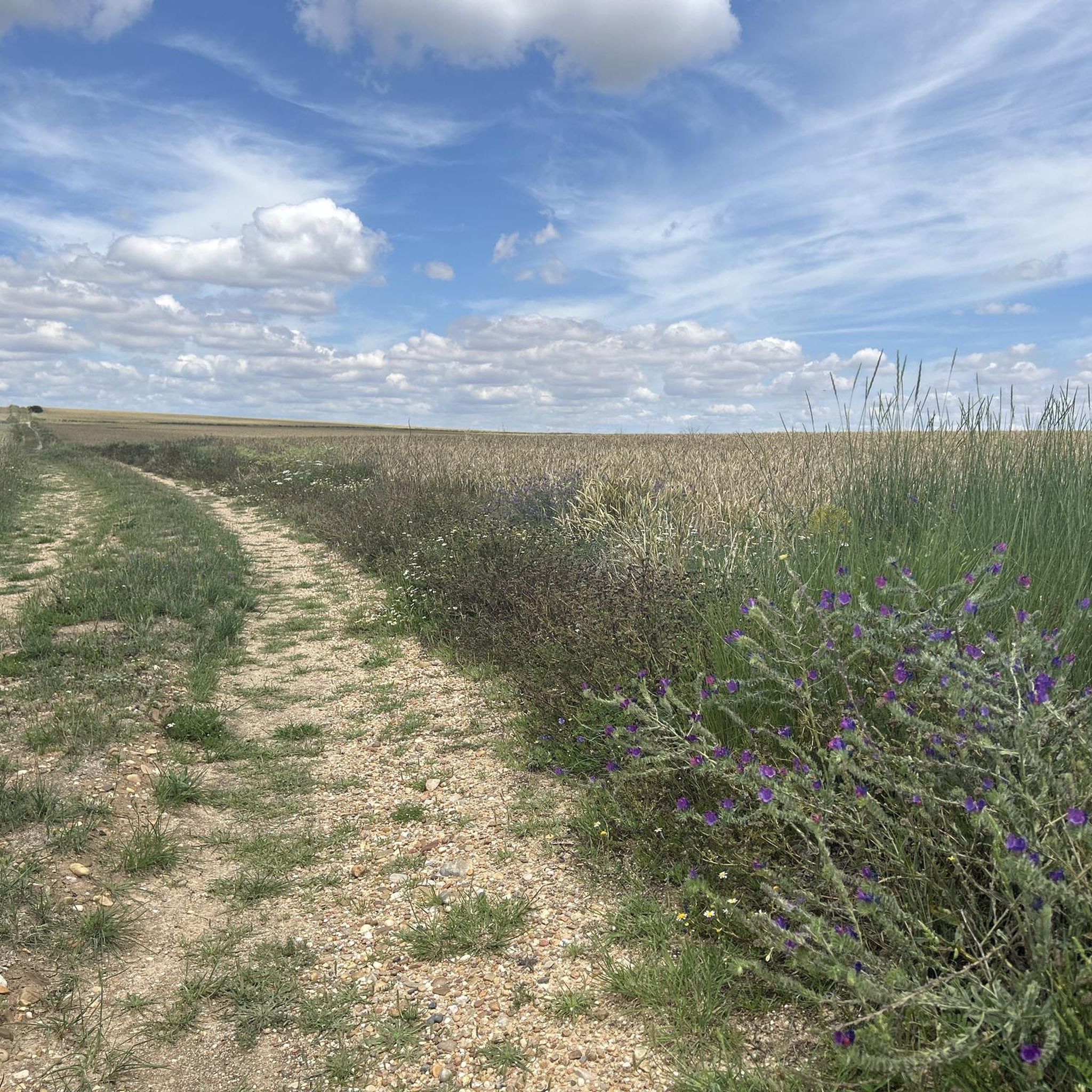
Yes, Casaseca de las Chanas is nestled within the Tierra del Vino region, characterized by its vineyards. An affluent of the Duero River runs nearby, contributing to the landscape and offering scenic views. The area's traditional architecture, with brick and sandstone facades, also blends harmoniously with the natural surroundings.
What outdoor activities are available near Casaseca de las Chanas?
The area around Casaseca de las Chanas offers various outdoor activities. You can find several routes for hiking, running, and cycling. For example, popular hiking trails include the 'Route through the Duero Riverbank and San Lorenzo Heights' or 'Aceñas de Olivares from Playa de los Pelambres'. You can explore more options on the Hiking around Casaseca De Las Chanas guide, the Running Trails around Casaseca De Las Chanas guide, or the Cycling around Casaseca De Las Chanas guide.
What family-friendly attractions are there in the vicinity?
Many attractions in the broader Zamora province are family-friendly. For instance, the Castle of Zamora, the Zamora Stone Bridge, and the Zamora Cathedral (Catedral de San Salvador) are all suitable for families. These sites offer historical insights and impressive architecture that can engage visitors of all ages.
Can I experience the local wine culture in Casaseca de las Chanas?
Absolutely. As part of the Tierra del Vino region, Casaseca de las Chanas is home to several local wineries (bodegas). Many of these offer tours and wine tastings, providing an excellent opportunity to delve into the region's significant viticultural heritage and sample local wines.
What is the best time to visit Casaseca de las Chanas?
To experience local culture, consider visiting during one of the village's festivities, such as the Fiestas de San Juan Bautista on June 24th or the Fiestas de los Santos Inocentes on December 28th. Generally, spring and autumn offer pleasant weather for exploring the historical sites and natural landscapes.
Are there any significant historical landmarks in nearby Zamora city?
Yes, Zamora city, located approximately 9-12 km away, boasts several significant historical landmarks. These include the Castle of Zamora, a crucial fortress dating back to the mid-11th century, and the impressive Zamora Stone Bridge, which spans the Duero River with 15 pointed stone arches. The city is also home to the Zamora Cathedral (Catedral de San Salvador), a Romanesque jewel.
What is the Plaza Mayor in Zamora like?
The Plaza Mayor, Zamora is a prominent pedestrian area in the city's historic center. It is a typically Castilian rectangular square surrounded by low-rise buildings with arcades, making it a lively spot for locals and visitors alike.
What do visitors particularly enjoy about the attractions around Casaseca de las Chanas?
Visitors appreciate the rich history and architectural beauty of the region. The Castle of Zamora is highly regarded for its historical significance and impressive structure. The Zamora Stone Bridge is admired for its beauty and role in connecting the old city. The Zamora Cathedral is celebrated as a Romanesque jewel with Byzantine influences.
Are there any wheelchair-accessible attractions?
Yes, the Plaza Mayor, Zamora is noted as being wheelchair accessible, offering an inclusive experience in the heart of Zamora city's historic center.
What kind of architecture can I expect to see in Casaseca de las Chanas?
Casaseca de las Chanas showcases traditional Spanish village architecture. Many houses preserve elements of this style, featuring single-story buildings with characteristic brick or sandstone facades that give the villages in this region their distinctive ocher tone. The Church of San Juan Bautista also displays a blend of Gothic and Renaissance architectural styles.
Most popular routes around Casaseca De Las Chanas

Get inspired with the komoot mobile app


Explore more
Still not found the Highlight you’re looking for? See guides of the top attractions in other regions:
