The best road cycling routes around Écija
511
riders
24
rides
Road cycling routes around Écija traverse a landscape characterized by fertile agricultural heartlands, including extensive cereal fields, olive groves, and orange orchards in the Santa Lucía Valley. The region's flat to gently rolling terrain is shaped by the Genil River and its fluvial terraces, providing a rural backdrop for cycling. Many routes utilize repurposed infrastructure, such as segments of old railway lines like the Vía Verde de la Campiña, offering well-established paths through the countryside. This diverse setting provides varied…
Last updated: October 10, 2026
12
riders
81.3km
03:45
660m
670m
Moderate road ride. Good fitness required. Mostly well-paved surfaces and easy to ride.
8
riders
83.7km
03:32
600m
600m
Moderate road ride. Good fitness required. Some segments of this route may be unpaved and difficult to ride.

27
riders
115km
05:17
1,290m
1,290m
Hard road ride. Very good fitness required. Mostly well-paved surfaces and easy to ride.
17
riders
80.7km
03:23
480m
480m
Moderate road ride. Good fitness required. Mostly well-paved surfaces and easy to ride.
13
riders
80.5km
03:20
400m
400m
Moderate road ride. Good fitness required. Mostly well-paved surfaces and easy to ride.
Get access to more routes and recommendations from other explorers.
Already have an account?
Our route recommendations are based on thousands of hikes, rides, and runs completed by other people on komoot.
Start today with a free account
Your next adventure awaits.
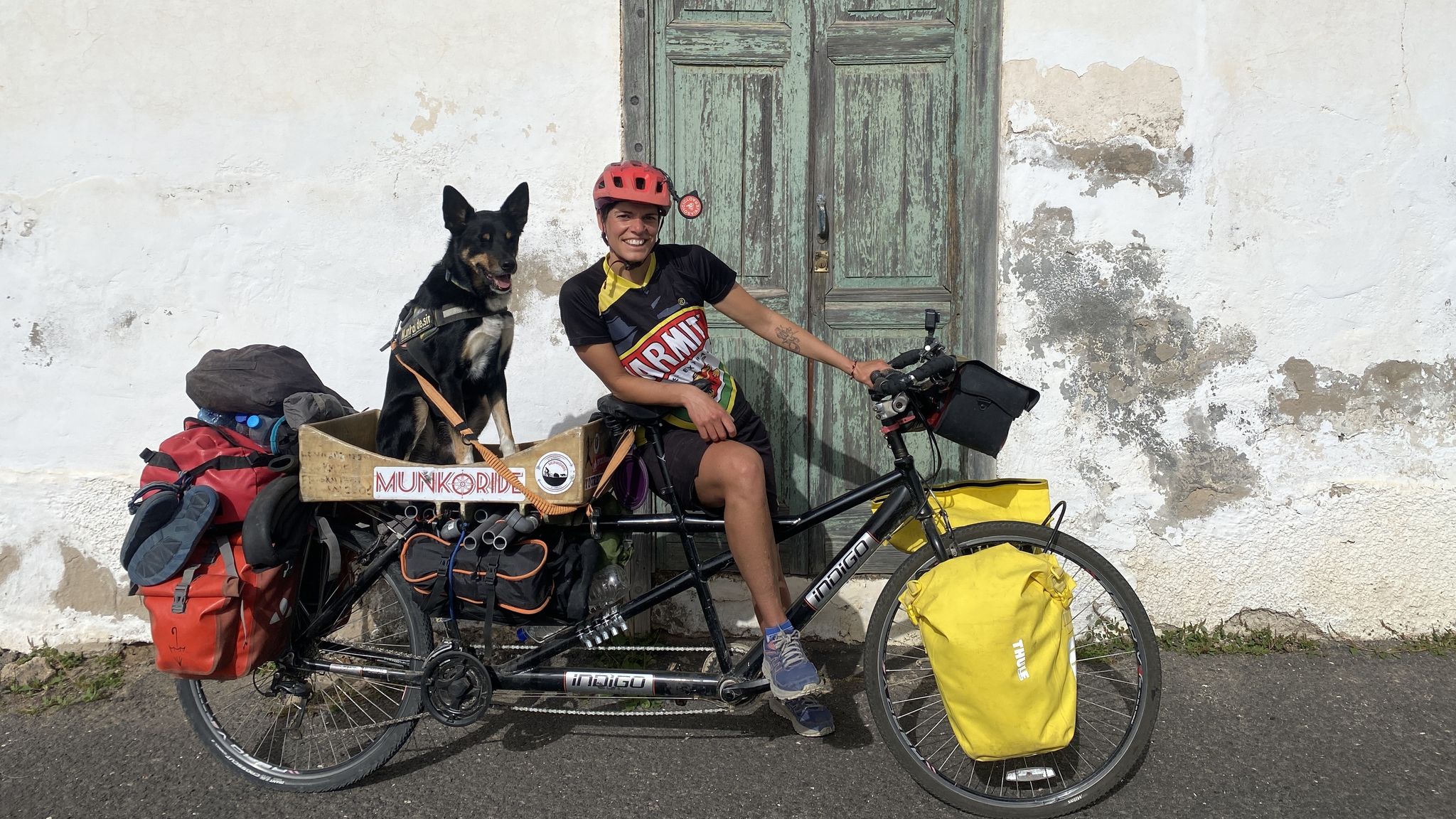
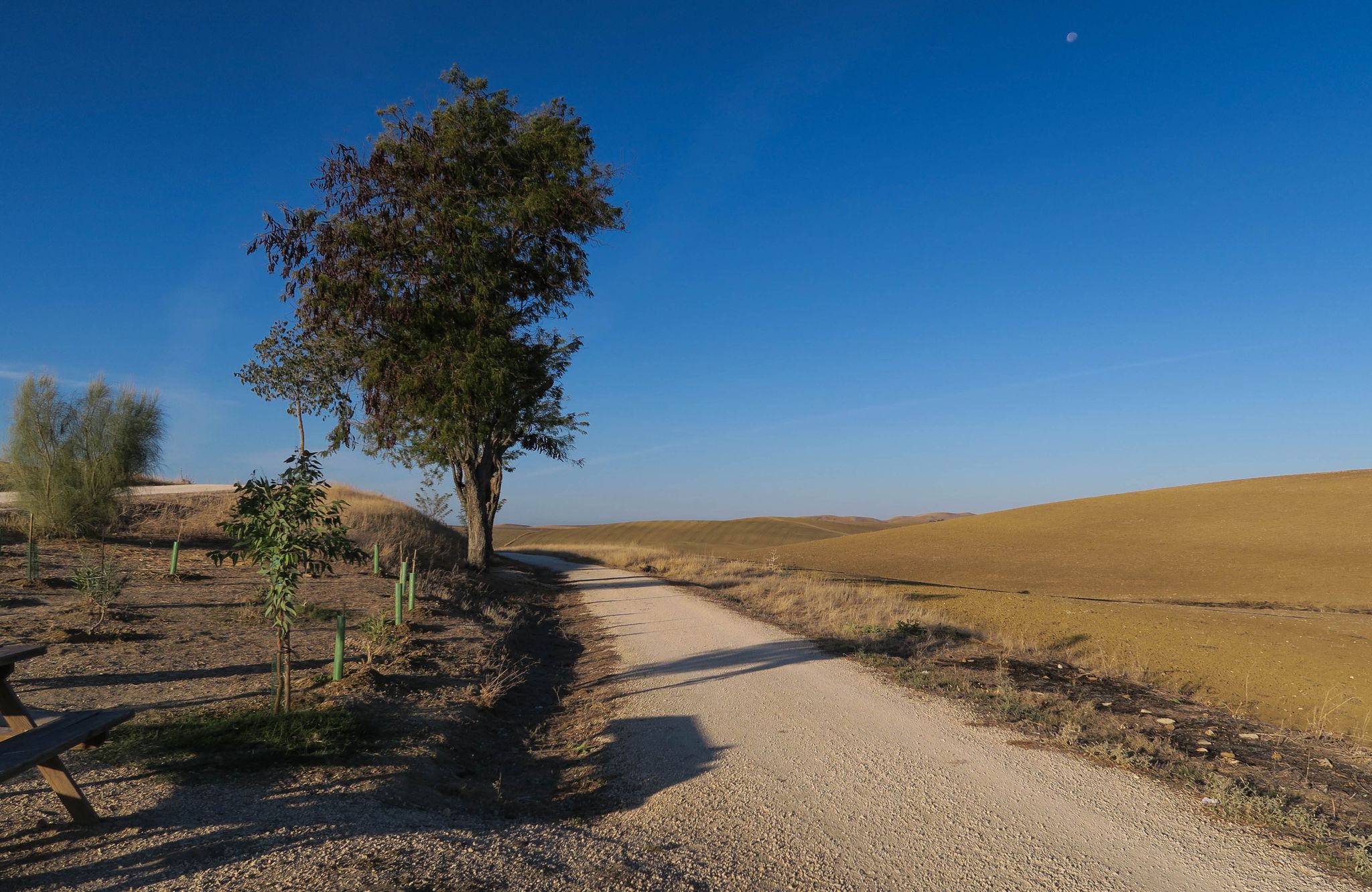
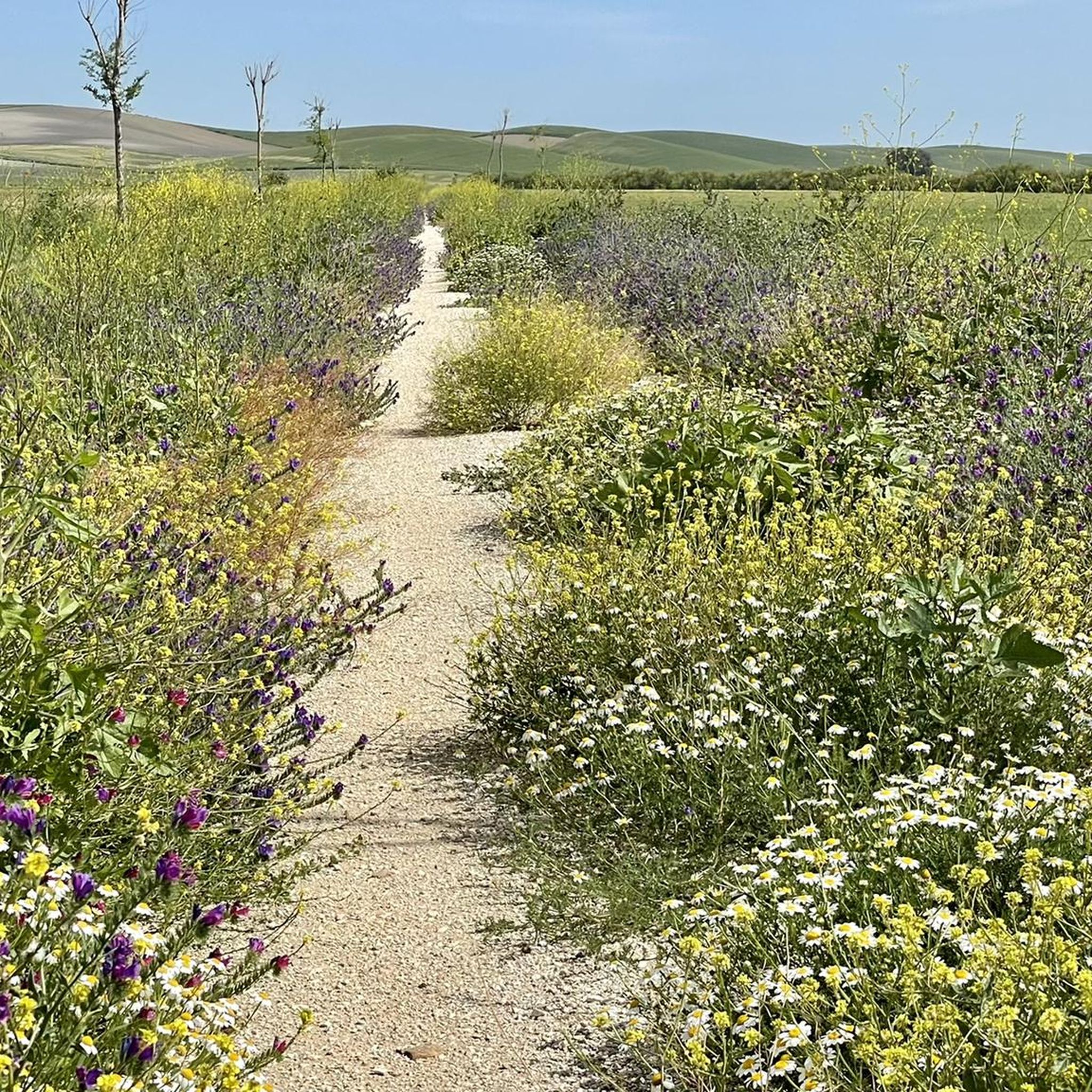
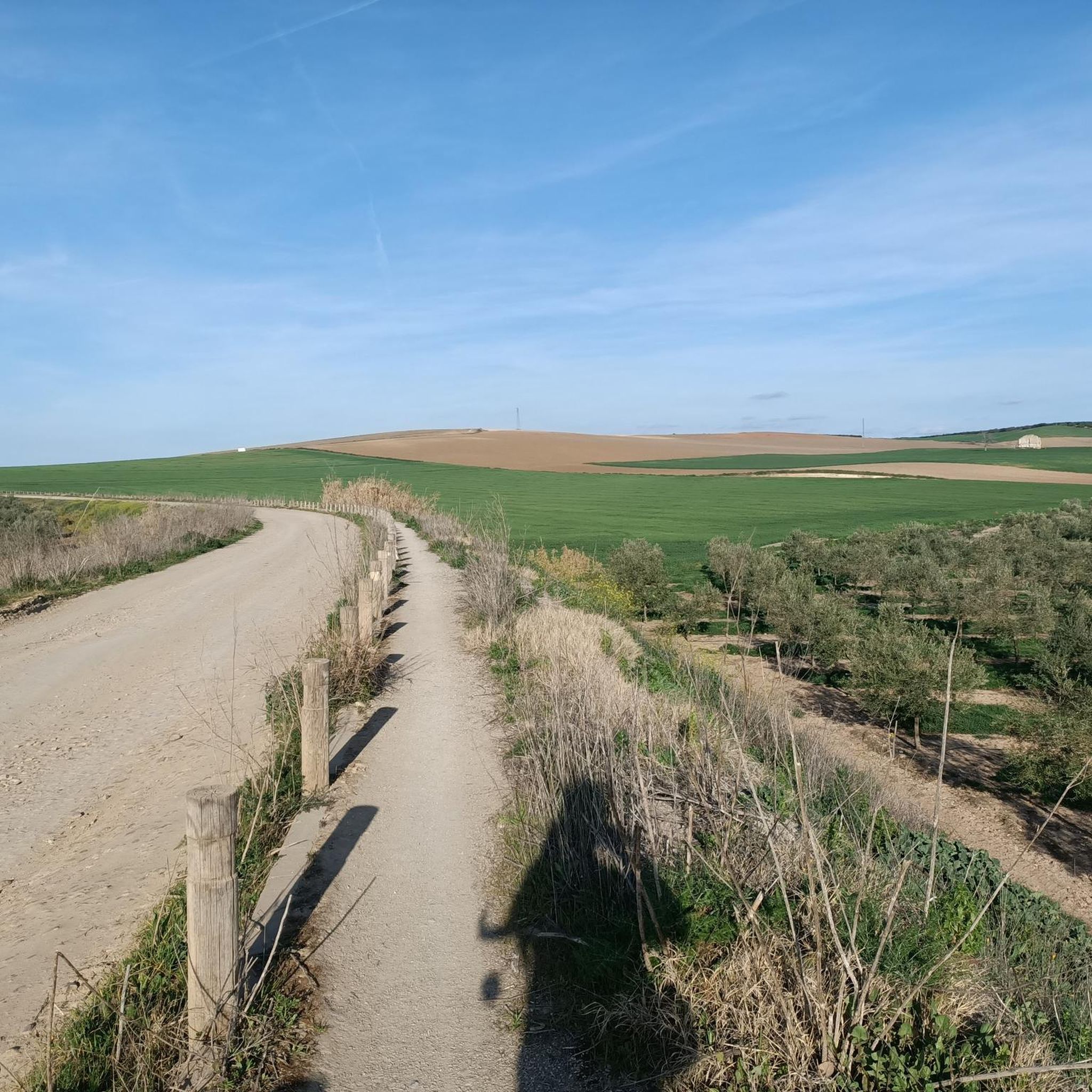
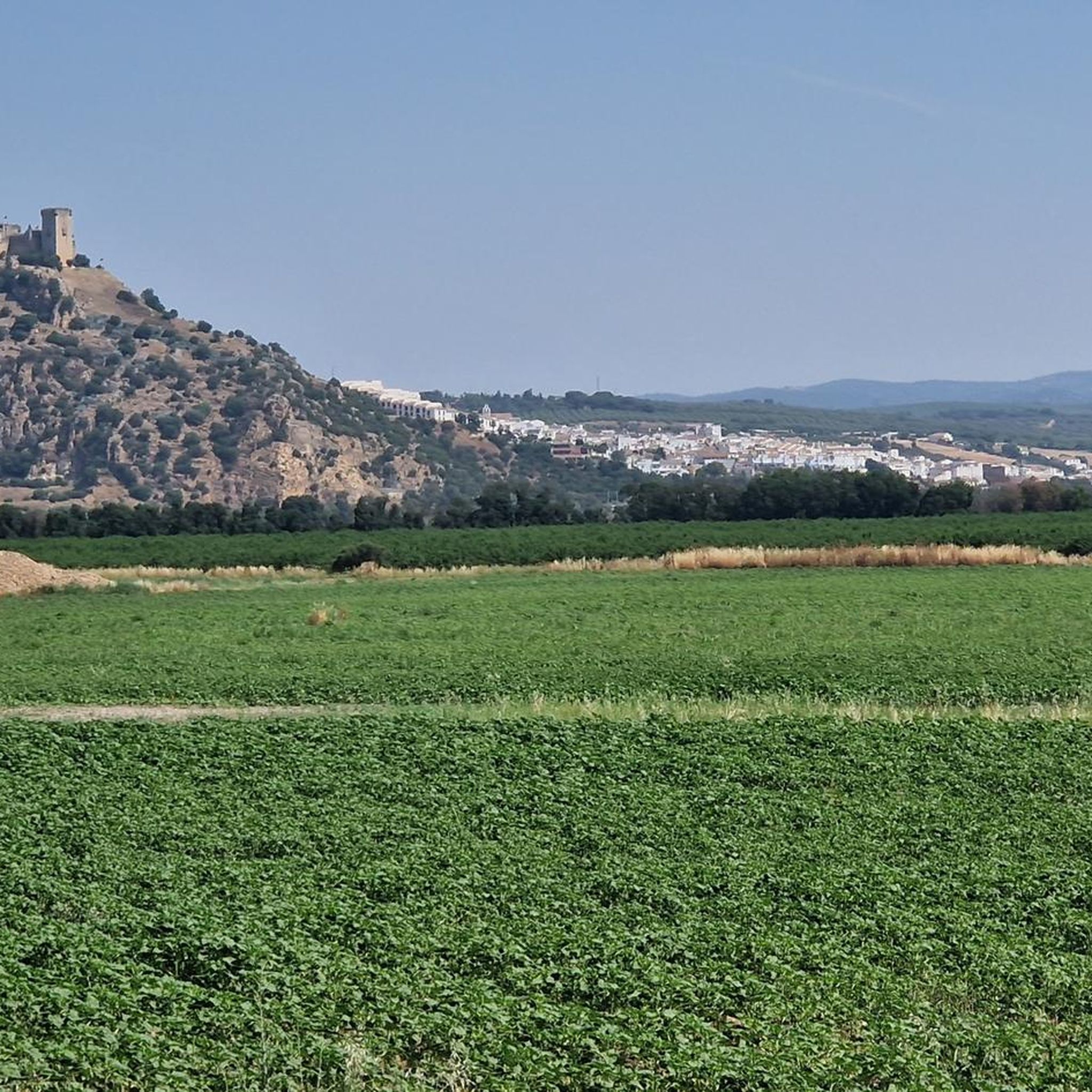
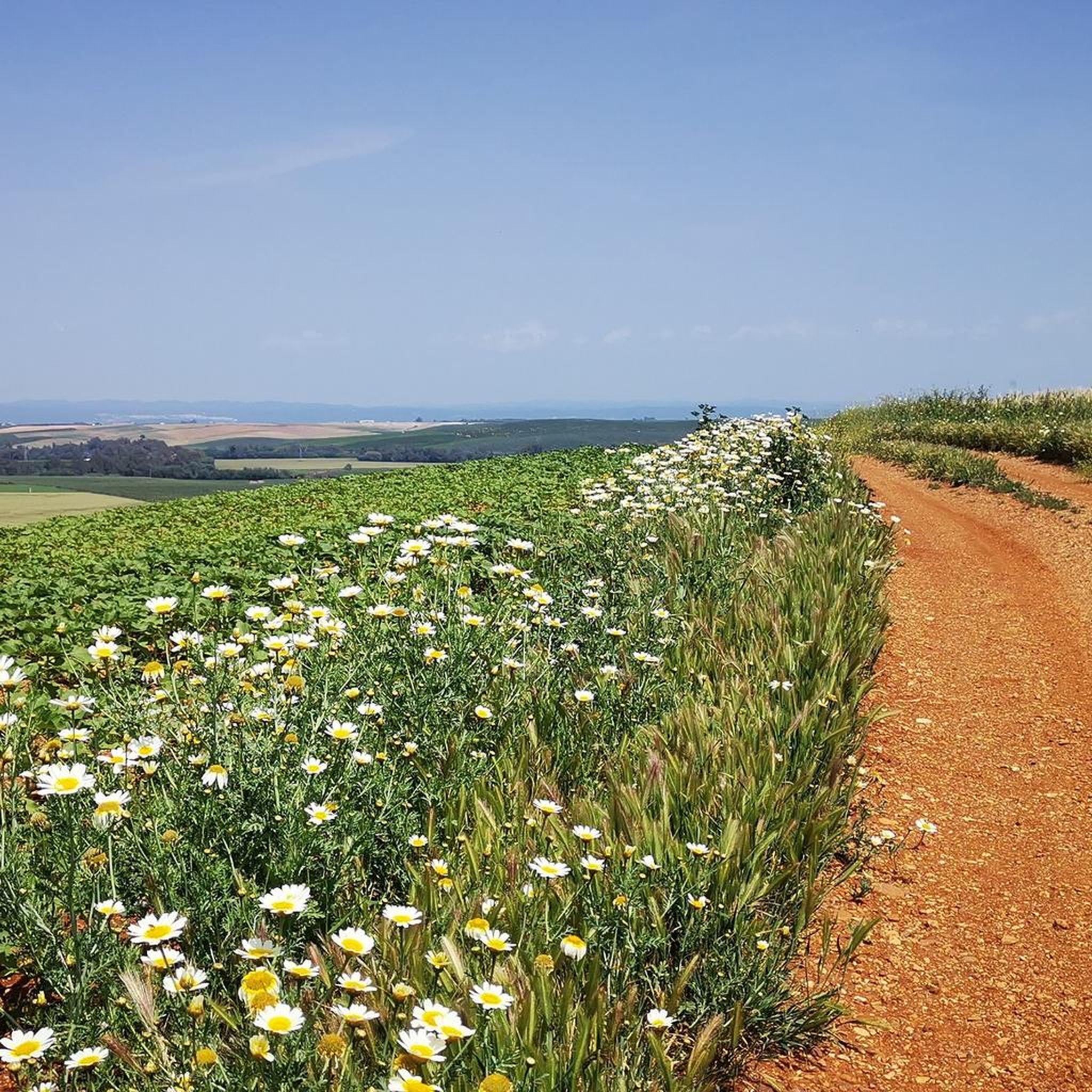



Tips from the Community

I always enjoy coming here on my road bike when traveling through Andalusia. The hotel is truly beautiful. And now there's even a bike station here.
0
0

The Convento de San Francisco was founded around 1492, during the time of the Catholic Monarchs, when Palma del Río was an important commercial and cultural centre. It was an important place for the Franciscans, who carried out their religious and social activities here. Over the centuries, the monastery underwent various changes and restorations. The monastery church is in the Gothic-Mudejar style, an architectural mix of Christian and Islamic elements. The delicate arches and the elaborate vaulted ceilings are notable. Some of the chapels in the monastery are decorated with impressive frescoes and paintings from the Renaissance and Baroque periods. The monastery is no longer used exclusively for religious purposes.
4
0

The Benamejí Palace: model of civil baroque in Andalusia. The Benamejí Palace, which houses the museum, is a monument declared a "cultural asset". Built in the first half of the 20th century. XVIII, it is one of the most important examples of civil baroque in Andalusia.
4
0
The old parish church of Santa María belonged to the Gothic-Mudejar type of church. It seems that it was built by D. Pedro Fernández Gragera, a knight in the service of San Fernando in the reconquest of Écija. According to sources, it was completed in 1262. The structure was designed with three naves and a polygonal head, later two side naves were added, so its plan was irregular, with a tower, a patio with orange trees and a cemetery. The building was extensively renovated in the 16th and 17th centuries, with the church being demolished and rebuilt in 1758.
4
0
The Peñaflor Palace, one of the most important sights in Écija Even from the outside, it is one of the most iconic images of the city.
5
0

Great Hotel and Restarant with very cool bike storage and wash station!
0
0

The Convento de San Francisco in Palma del Río is a historic monastery founded in the 15th century. It was originally built on the site of an old hermitage and was later expanded to serve as a hospital and infirmary for Franciscan friars. The monastery has a rich history and is now an important cultural heritage site in the region. The monastery is also known for a fresco depicting Fray Junípero Serra with an orange, a melon, a sandal and a lamb, symbols he brought back to America.
9
0
The monastery was founded in the 16th century and rebuilt in the 17th-18th century. The domes of the side chapels and the transept give the whole volume. Next to the church is the guesthouse.
7
0
Frequently Asked Questions
How many road cycling routes are available around Écija?
There are over 20 road cycling routes available around Écija, catering to various preferences and skill levels. These routes traverse the region's agricultural heartlands and rural landscapes.
What kind of terrain can I expect on road cycling routes in Écija?
The terrain around Écija is characterized by fertile agricultural heartlands, including extensive cereal fields, olive groves, and orange orchards in the Santa Lucía Valley. You'll find mostly flat to gently rolling landscapes, shaped by the Genil River and its fluvial terraces, providing a scenic rural backdrop for your rides.
What is the best time of year for road cycling in Écija?
Due to Écija's famously high summer temperatures, the best times for road cycling are typically during the milder seasons of spring (March to May) or autumn (September to November). These periods offer more comfortable weather conditions for outdoor activities.
Are there road cycling routes for different skill levels in Écija?
Yes, the routes around Écija offer options for various skill levels. You can find easy, moderate, and difficult routes. There are 3 easy routes, 16 moderate routes, and 4 difficult routes, ensuring there's something for everyone from beginners to experienced cyclists.
Are there any circular road cycling routes from Écija?
Yes, many routes around Écija are circular, allowing you to start and end in the same location. A popular option is From Ecija to Puente Genil – circular, which offers a moderate ride through agricultural landscapes.
What historical or natural sights can I see along road cycling routes in Écija?
While cycling, you can encounter Écija's rich history and architectural beauty, often referred to as the 'City of Towers.' Notable sights include the Plaza de España (El Salón) and the Parish of Santa María and Santa Bárbara. The routes also pass through natural features like the picturesque Santa Lucía valley with its orange groves and the general Écija countryside.
What do other road cyclists say about the routes in Écija?
The road cycling routes in Écija are highly rated by the komoot community, with an average score of 5.0 stars from more than 8 reviews. Cyclists often praise the open agricultural fields, rural countryside, and the well-established paths along old railway lines.
Are there any routes that follow old railway lines?
Yes, the region around Écija utilizes repurposed infrastructure for cycling. Segments of old railway lines, such as the 'Vía Verde de la Campiña' and the 'Camino Natural de la Campiña Sevillana,' offer well-established and scenic paths through the countryside.
Can I find long-distance road cycling options near Écija?
Absolutely. For those seeking longer rides, routes like the Peñaflor Palace – Marinaleda loop from Écija cover over 70 miles (115 km), leading through agricultural heartlands and past historic towns. Other routes also connect Écija to nearby towns like Puente Genil and Palma del Río.
What towns can I cycle to from Écija?
From Écija, you can cycle to several nearby towns and explore the surrounding region. Popular destinations include Puente Genil, Marinaleda, Peñaflor, and Palma del Río, each offering unique sights and experiences. For example, consider the Palacio de Benamejí – Palma del Río loop from Écija.
Are there any notable viewpoints on the road cycling routes?
Yes, several viewpoints offer scenic vistas along the routes. You can find highlights such as the View of Castillo de Almodóvar del Río from CO-3313 and Views of Almodóvar del Río and its castle, providing picturesque breaks during your ride.
Are there family-friendly road cycling routes in Écija?
While specific 'family-friendly' designations aren't always explicit for road cycling, the presence of 3 easy routes and the generally flat to gently rolling terrain, especially along repurposed railway lines, suggests that some routes could be suitable for families with older children or those looking for less challenging rides.
Most popular attractions around Écija

Get inspired with the komoot mobile app


Explore more
Browse the best Road cycling routes in other regions.
