Attractions and Places To See around Santa Croya De Tera - Top 17
Attractions and places to see around Santa Croya De Tera include a blend of historical sites, natural beauty, and cultural experiences. This municipality in Zamora, Spain, is situated along the Tera River, offering tranquil landscapes. The area features traditional architecture and is surrounded by mountains with significant biodiversity. Visitors can explore various historical landmarks and enjoy the natural environment.
Best attractions and places to see around Santa Croya De Tera
- The most popular attractions is Church of Santa Marta de Tera, a religious building that is the oldest Romanesque church in Zamora. It houses the oldest sculptural representation of St. James the Apostle in a pilgrim pose.
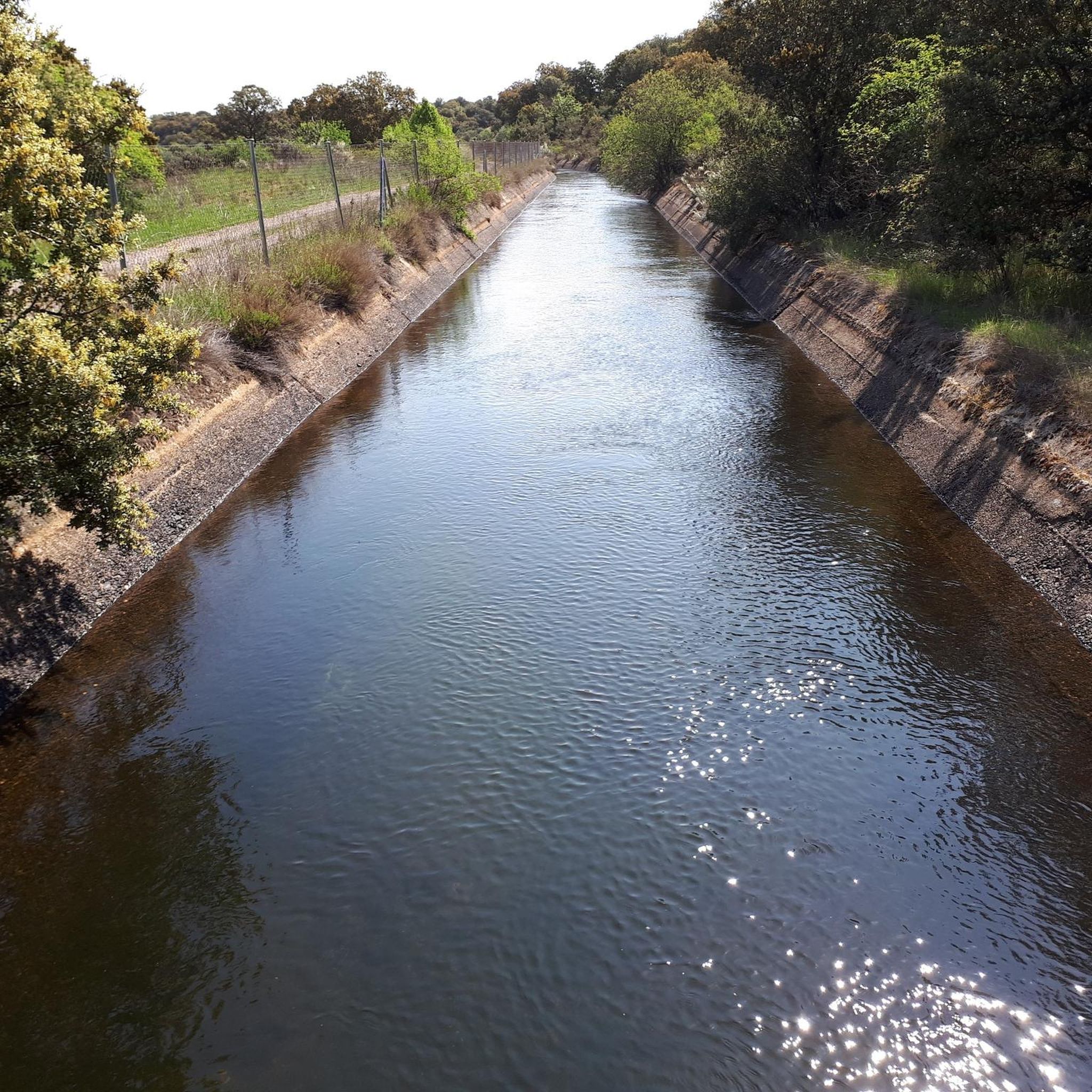
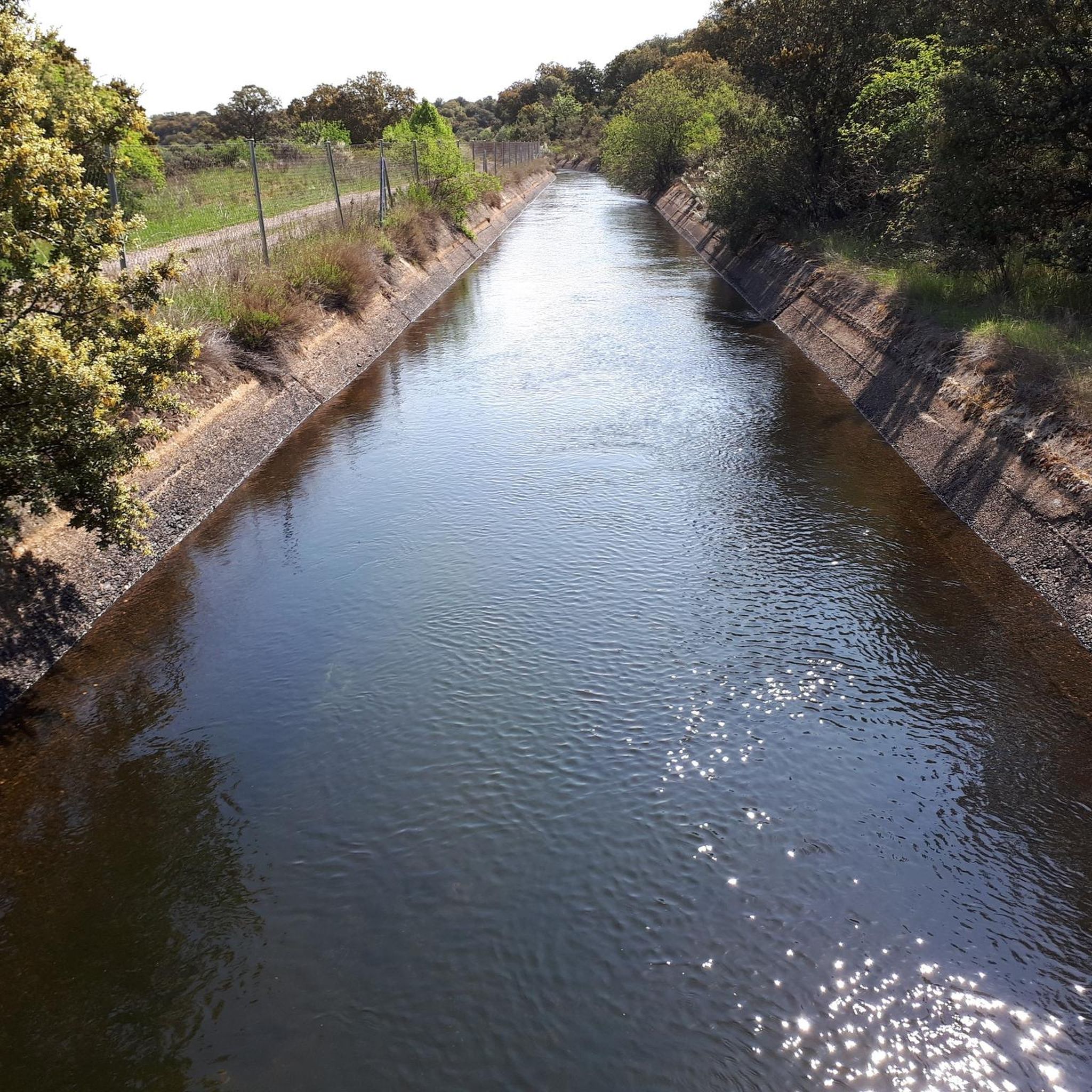
- Another must-see spot is Picnic Area by the River, a facilities area next to the Tera River. This shaded spot is suitable for a picnic, particularly for those on the Camino de Santiago.
- Visitors also love Camarzana de Tera, a settlement next to the Tera river valley. This small town features a Roman villa with a mosaic floor and offers fertile lands for agriculture and outdoor trails.
- Santa Croya De Tera is known for its historical sites, natural river landscapes, and traditional architecture. The region offers a variety of attractions to see and explore, from ancient ruins to riverside walks.
- The attractions around Santa Croya De Tera are appreciated by the komoot community, with 11 upvotes and 20 photos shared by visitors.
Last updated: July 2, 2026
Church of Santa Marta de Tera
Highlight • Religious Site
Translated by Google •
Tip by

Picnic Area by the River
Highlight • Rest Area
Translated by Google •
Tip by

Sign up now to discover places like this
Get recommendations on the best single tracks, peaks, & plenty of other exciting outdoor places.
Sign up for free
Casa Anita Tourist Hostel
Highlight • Mountain Hut
Translated by Google •
Tip by

Granucillo Castle
Highlight • Castle
Translated by Google •
Tip by
Camarzana de Tera
Highlight • Settlement
Translated by Google •
Tip by
Sign up for free to discover even more attractions around Santa Croya De Tera.
Sign up for free
Already have an account?
Start today with a free account
Your next adventure awaits.
Login or Signup
Tips from the Community

It is not far from this hotel to the restaurant. If you continue to Santa Marta you should stock up here first. As of November 24th there is absolutely nothing in Santa Marta.
1
0

Monastery of Santa Marta de Tera, the oldest Romanesque church in Zamora and also one of the oldest in Spain. On the left side, hangs the oldest sculptural representation of St. James the Apostle in a pilgrim pose.
0
0

This 15th century castle is visible from the road. It is currently abandoned and mostly ruins, but the outer walls are preserved.
0
0
This is a lovely place to have a picnic while doing the Camino de Santiago. It is right next to the Tera River and is shady.
0
0
In this small town you can find a bit of the history left by the Romans. Next to the Tera River, the area is very fertile and is used mainly for agriculture. This means plenty of nice trails and dirt roads for mountain biking.
0
0

Ruins of a 15th century palace and castle built by members of the Escobar family, who were the lords of the town. Of the Palace, currently in a state of abandonment, the outer masonry walls have been preserved. The castle is visible from the road.
1
0
The church of Santa Marta de Tera is located on the Jacobean route Camino Sanabrés to Santiago, a branch of the Vía de la Plata. During the spring and autumn equinoxes, the chapel is illuminated by sunlight that enters through the oculus of the main pediment, an event that attracts many tourists.
1
0
A small town next to the Tera river valley, fertile lands that were occupied from the Celts. There is a beautiful Roman villa in the village with a mosaic floor.
1
0
Frequently Asked Questions
What historical sites can I explore around Santa Croya de Tera?
The region is rich in history. You can visit the Church of Santa Marta de Tera, which is the oldest Romanesque church in Zamora and houses the oldest sculptural representation of St. James the Apostle in a pilgrim pose. Don't miss the ruins of Granucillo Castle, a 15th-century palace visible from the road. Other notable historical sites include the Iglesia Parroquial de Santa Croya de Tera, the Villa Romana De Orpheus, Campamento romano Petavonium, and the Dolmen de San Adrián.
Are there any natural attractions or riverside activities in the area?
Absolutely! The Tera River is central to the region's natural beauty. You can enjoy a tranquil Paseo Fluvial (Riverside Walk) or follow the Ruta de Senderismo del Río Tera for scenic views. There's also a lovely Picnic Area by the River, perfect for a shaded break. For swimming, consider the Playa fluvial de Camarzana, Playa fluvial La Tablada, or the local fluvial swimming pool.
What kind of outdoor activities can I do near Santa Croya de Tera?
The area offers diverse outdoor activities. You can find numerous routes for hiking, cycling, and mountain biking. For hiking, explore trails like the 'Route of the Dolmens and Castles of Granucillo'. Cyclists can enjoy routes such as 'Camarzana de Tera and Agavanzal Reservoir Loop'. Mountain bikers have options like 'Castro de las Labradas Loop from Brime de Urz'. You can find more details and routes in the dedicated guides for hiking, cycling, and MTB trails around Santa Croya de Tera.
Are there family-friendly attractions or activities available?
Yes, Santa Croya de Tera offers several family-friendly options. The Picnic Area by the River is a great spot for families to relax. Exploring the historical sites like the Church of Santa Marta de Tera or the village of Camarzana de Tera can be educational and engaging. The riverside walks and river beaches also provide opportunities for family fun in nature.
What is special about the Church of Santa Marta de Tera?
The Church of Santa Marta de Tera is highly significant as the oldest Romanesque church in Zamora and one of Spain's oldest. It's located on the Camino Sanabrés, a branch of the Camino de Santiago. A unique phenomenon occurs during the spring and autumn equinoxes when sunlight illuminates the chapel through the main pediment's oculus, attracting many visitors. Inside, you'll find the oldest sculptural representation of St. James the Apostle in a pilgrim pose.
What can I expect to see in the village of Camarzana de Tera?
Camarzana de Tera is a charming settlement located next to the Tera river valley. It's known for its fertile lands, which have been occupied since Celtic times, and features a beautiful Roman villa with a mosaic floor. The area also offers plenty of nice trails and dirt roads, ideal for mountain biking and exploring the agricultural landscape.
What cultural aspects and traditional architecture can be found in Santa Croya de Tera?
Santa Croya de Tera's history is reflected in its traditional architecture, with constructions that tell stories of past generations. You can observe these traditional buildings throughout the town. Additionally, the municipality features traditional cellars on its outskirts, offering a glimpse into local heritage. The 16th-century Iglesia Parroquial de Santa Croya de Tera also showcases traditional regional architecture.
Are there any Roman historical sites besides the Villa Romana De Orpheus?
Yes, in addition to the Villa Romana De Orpheus, you can explore the Campamento romano Petavonium, another identified Roman historical site. For a deeper understanding of the region's Roman past, visit the Centro de Interpretación de los Campamentos Romanos y Museo Arqueológico, which provides insights into the Roman history of the area.
When is the best time to visit Santa Croya de Tera for outdoor activities?
The region is surrounded by mountains with significant biodiversity, making it suitable for outdoor activities like hiking and cycling. While specific 'best times' aren't detailed, the spring and autumn equinoxes are particularly notable for the unique light phenomenon at the Church of Santa Marta de Tera. Generally, spring and autumn offer pleasant temperatures for exploring the natural environment and historical sites.
What is the significance of the Tera River to the municipality?
The Tera River is considered the 'soul' of Santa Croya de Tera. The municipality is situated along its right bank, and the river provides a captivating natural environment for contemplation and walks. It's integral to the landscape, supporting fertile lands and offering recreational opportunities like riverside walks, picnics, and river beaches.
Can I find places to relax and have a picnic near the attractions?
Yes, there's a lovely Picnic Area by the River, which is a shaded spot right next to the Tera River. It's particularly convenient for those walking the Camino de Santiago, offering a peaceful place to rest and enjoy a meal amidst nature.
Are there any local traditions or festivities in Santa Croya de Tera?
Santa Croya de Tera maintains local traditions and festivities throughout the year. Notable celebrations include the Fiestas de San Juan in June and the Fiestas de la Sacramental and San Cayetano in July. These events are opportunities for inhabitants to gather, celebrate, and share their cultural heritage with visitors.

Get inspired with the komoot mobile app


Explore more
Still not found the Highlight you’re looking for? See guides of the top attractions in other regions:
