The best road cycling routes around Valverde De La Virgen
4.1
(158)
5,995
riders
200
rides
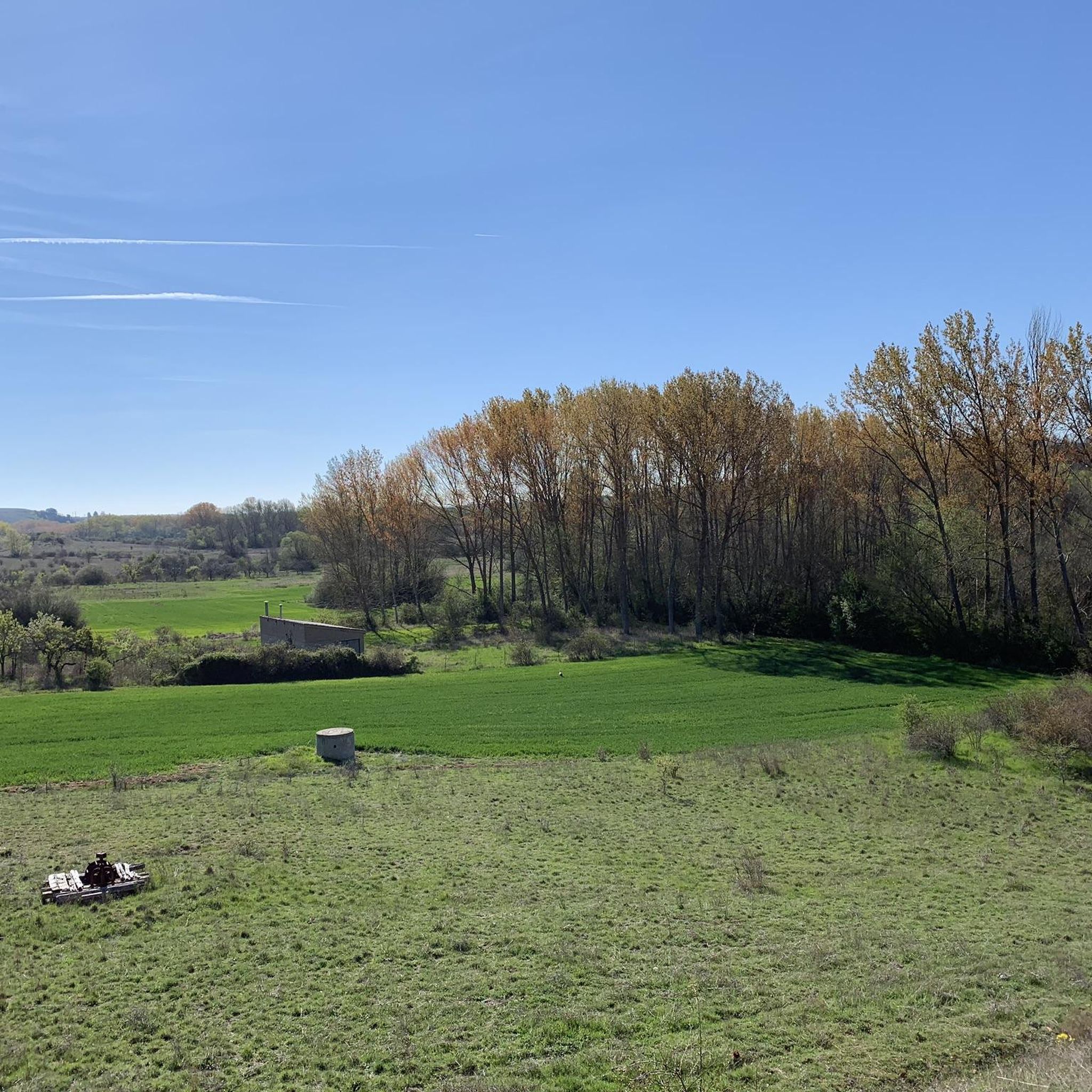
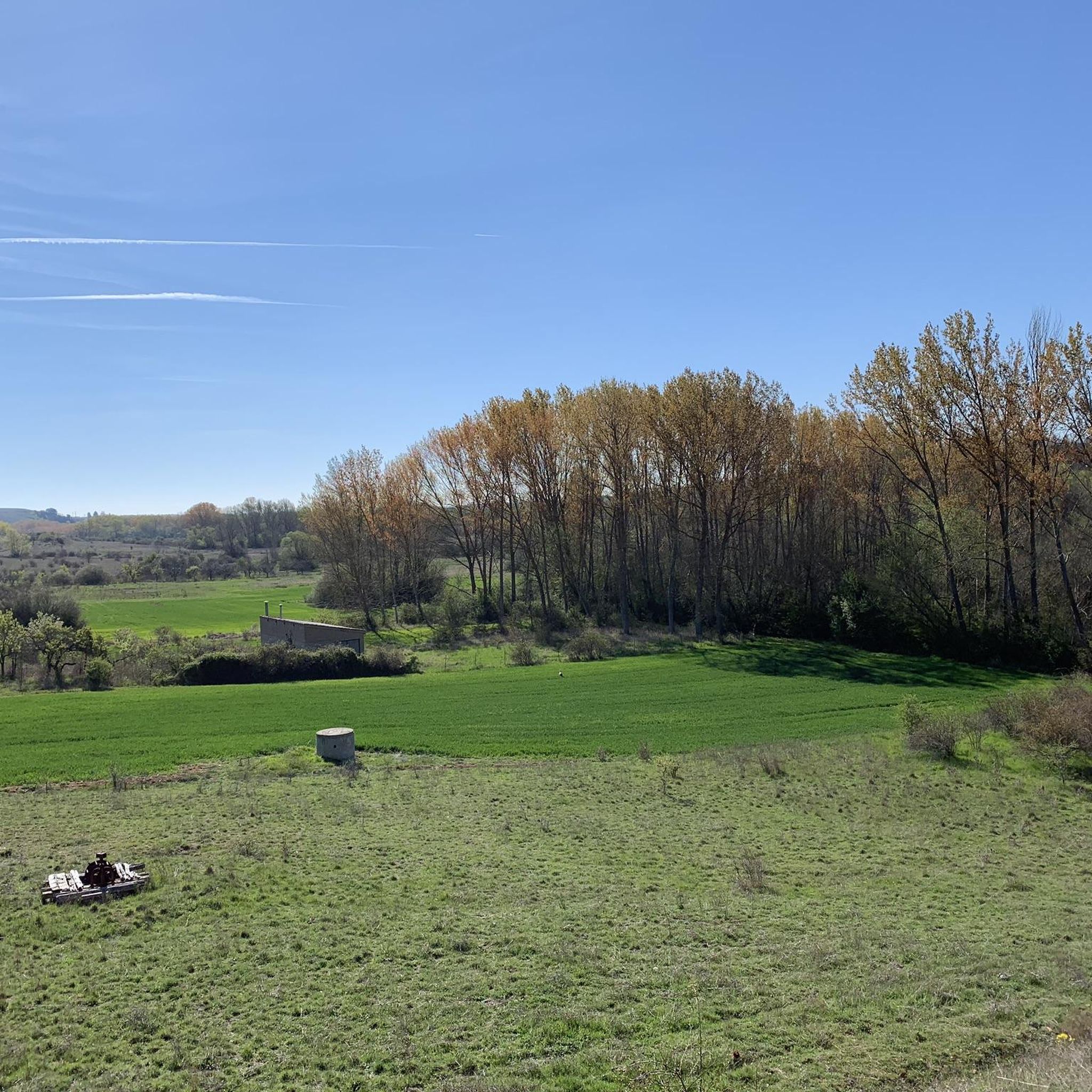
Road cycling routes around Valverde de la Virgen, located in the province of León, Spain, offer diverse terrain for cyclists. The region features relatively flat plains to the south and east, transitioning into more challenging mountainous areas to the north and west. Rural roads traverse open landscapes, providing a sense of solitude and wide horizons, often alongside streams and rivers. This varied topography allows for a range of road cycling experiences, from relaxed rides through farmland to more demanding climbs.
…Last updated: October 18, 2026
5.0
(1)
28
riders
Moderate road ride. Good fitness required. Mostly well-paved surfaces and easy to ride.
27
riders
Moderate road ride. Good fitness required. Mostly well-paved surfaces and easy to ride.

18
riders
Moderate road ride. Good fitness required. Mostly well-paved surfaces and easy to ride.
13
riders
Moderate road ride. Good fitness required. Mostly well-paved surfaces and easy to ride.
11
riders
Hard road ride. Very good fitness required. Mostly well-paved surfaces and easy to ride.
Get access to more routes and recommendations from other explorers.
Already have an account?
Our route recommendations are based on thousands of hikes, rides, and runs completed by other people on komoot.
Start today with a free account
Your next adventure awaits.

Tips from the Community


A beautiful, lively square right at the entrance to the old town of Leon.
4
0

EL LEÓN DE SALEAL: We go back to Roman times to understand part of the theme of this sculpture. Cloacina, in Roman mythology, was the goddess who ruled over the Cloaca Máxima, the sewer system of Rome. The sewer name comes from the name of this goddess, because thanks to the origin of sewer systems, a quality of life was achieved in terms of sanitation of urban environments and public health from the beginning to the present day. It should be remembered that the origin of the name of this city and province of León comes from the word legio ("legion"). Legio VII Gemina was the Roman camp that settled here and with it the origin of the city of León. A lion with strength and claws as a symbol of the sanitation system (the modern version of Cloacina Máxima) in constant renewal and maintenance. The goal was achieved: to do something symbolic and reflect the efforts and human work of so many years, to give solidity to our public health and the health of the environment.
6
0
Very well done how the lion climbs out of the drain here
5
0
The building was designed by Gaudi. Inside there is a museum that displays some of his works.
2
0

Above the entrance door there is a sculpture of Saint George killing the dragon. The building was designed for the weaving workshop on the ground floor and semi-basement, while the remaining four floors were used for rental apartments. Designed by the architect with a cubic shape, the four corners are highlighted with pointed elements.
10
0
It is the great Gothic cathedral. Over the centuries it has been rebuilt several times under the direction of numerous famous architects, giving it its own character.
10
0

Casa Botines, also known as Casa Fernández y Andrés, is a modernist-style building located in the Spanish city of León, capital of the province of the same name. Designed by the architect Antoni Gaudí between 1891 and 1892, this work is one of three that Gaudí created outside of Catalonia. Originally, Casa Botines functioned as a commercial warehouse and a private residence. Its design reflects the influence of the Barcelona and Parisian bourgeoisie, and its façade presents characteristic elements of modernism, such as ornamentation and organic shapes. Today, Casa Botines houses the Gaudí Museum, which is the largest Antonio Gaudí museum in the world in León. Here, visitors can explore temporary and permanent exhibitions related to the history of the building, the figure of Gaudí and Spanish art of the 19th and 20th centuries. If you ever find yourself in León, do not hesitate to visit Casa Botines and immerse yourself in the creativity and vision of one of the most influential architects in history. 🏰🎨
8
0
Frequently Asked Questions
What kind of terrain can I expect when road cycling around Valverde de la Virgen?
The region offers a diverse range of terrain. To the south and east, you'll find relatively flat plains with good road surfaces, ideal for relaxed rides. As you head north and west, the landscape becomes more mountainous, providing challenging climbs and scenic routes. Rural roads traverse open landscapes, often alongside streams and rivers, offering varied experiences.
How many road cycling routes are available in Valverde de la Virgen, and what are their difficulty levels?
There are over 170 road cycling routes around Valverde de la Virgen. These routes cater to various skill levels, with approximately 34 easy routes, 110 moderate routes, and 26 difficult routes, ensuring options for every cyclist.
Are there any circular road cycling routes starting near Valverde de la Virgen?
Yes, many routes in the area are designed as loops. For example, the Convento de San Marcos – Río Bernesga in León loop from Quintana-Raneros is a popular moderate route, and the Bridge over the Omaña River – San Feliz de las Lavanderas loop from Villadangos offers scenic stretches through rural landscapes.
What are some notable landmarks or cultural sights I might encounter on road cycling routes?
You can combine your ride with cultural exploration. The region is part of the Camino de Santiago (French Way), offering a blend of cultural significance and scenic cycling through small villages. Within Valverde de la Virgen, the parish church dedicated to Santa Engracia, with its ancient bell tower, can be a charming stop. Nearby, you can find significant attractions like the León Cathedral or the Casa Botines Gaudí Museum.
When is the best time of year for road cycling in Valverde de la Virgen?
The best time for road cycling in Valverde de la Virgen is generally during spring (April to June) and autumn (September to October). During these months, the weather is typically mild and pleasant, with less extreme heat than summer and fewer cold temperatures or precipitation than winter, making for ideal riding conditions.
Are there any longer, more challenging road cycling routes for experienced cyclists?
Absolutely. For those seeking a greater challenge, routes like the Castillo de Luna – Los Barrios de Luna loop from Villadangos cover 100 km with significant elevation gain. The proximity to the Picos de Europa also means opportunities for very challenging mountainous terrain are within reach for experienced riders.
What do other road cyclists enjoy most about the routes in Valverde de la Virgen?
The routes in Valverde de la Virgen are highly rated by the komoot community, with an average score of 4.3 stars from over 50 reviews. Cyclists often praise the varied terrain, from gentle plains to more significant climbs, the sense of solitude on rural roads, and the picturesque river valleys.
Are there any easy or beginner-friendly road cycling routes in the area?
Yes, the region offers approximately 34 easy routes. The flatter plains to the south and east of Valverde de la Virgen are particularly suitable for beginners or those looking for a more relaxed ride through arable farmland. These routes often feature well-maintained road surfaces.
Can I find routes that pass by natural features like rivers or reservoirs?
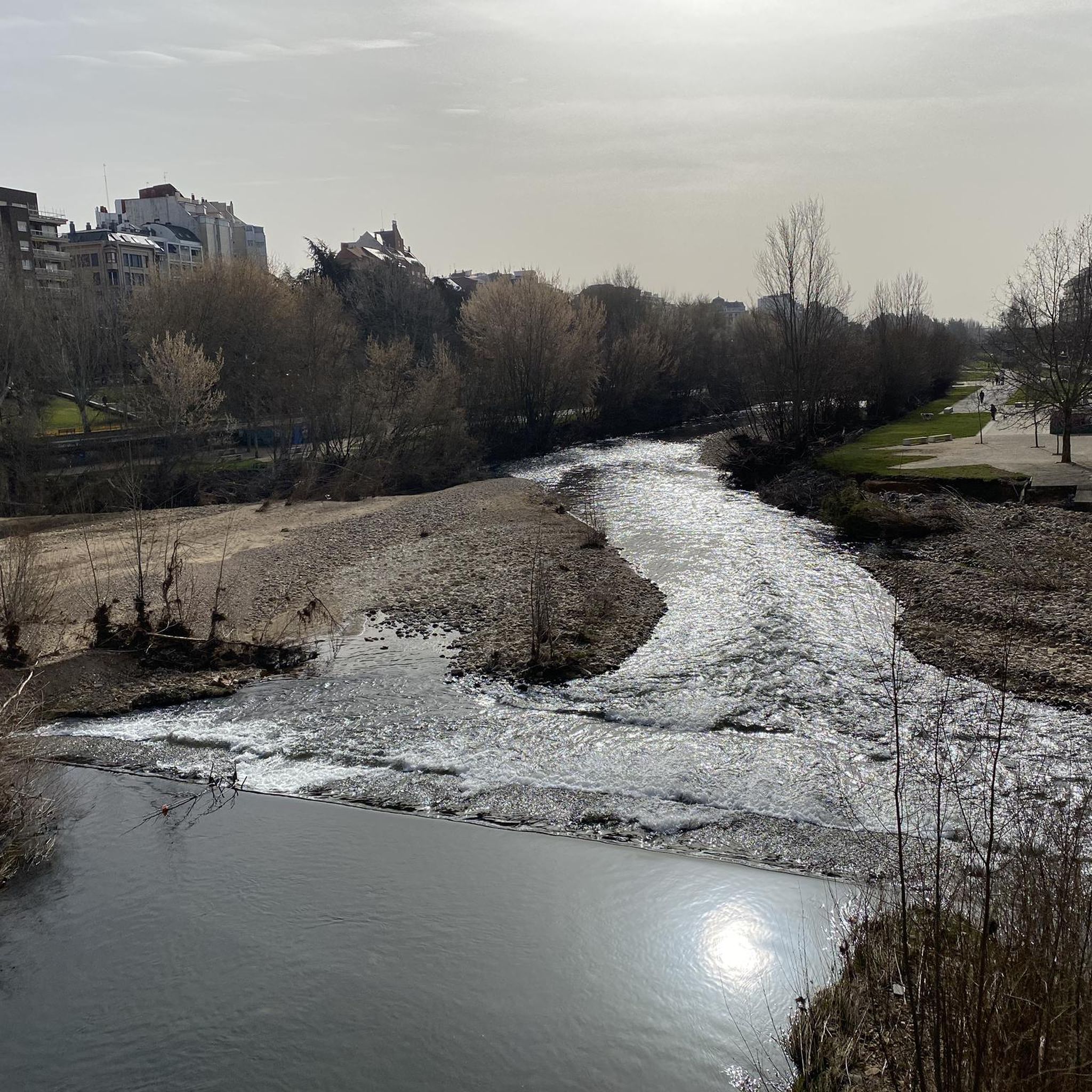
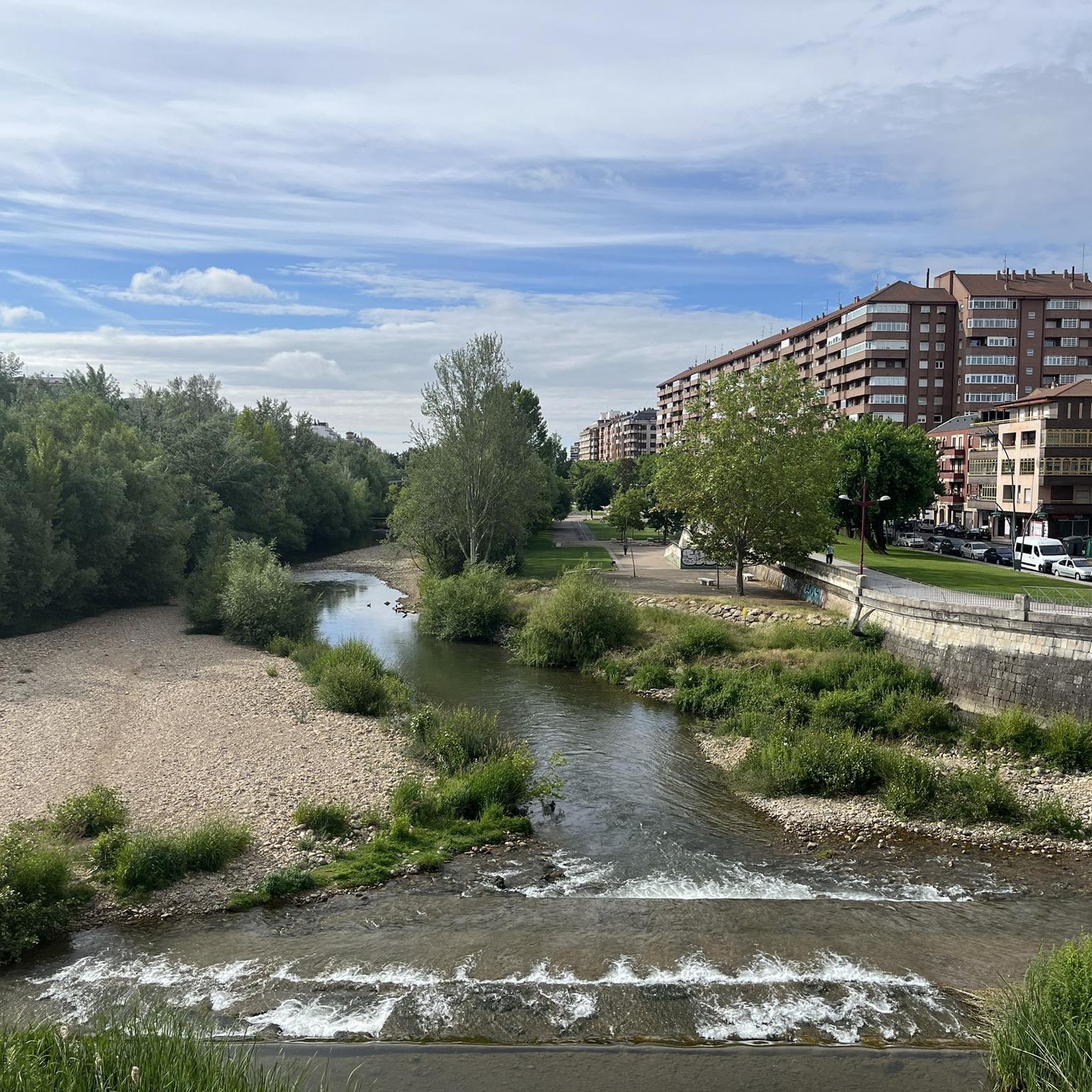
Many routes in the region incorporate natural water features. Valverde de la Virgen is situated near the confluence of the Raposeras and Oncina streams, tributaries of the Esla River. You can find routes that follow riverbanks, such as the Convento de San Marcos – Río Bernesga in León loop, or pass by reservoirs like the Rioseco de Tapia – Embalse de Selga de Ordás loop from Villadangos.
What is the general condition of the roads for cycling in the León province?
Generally, the road surfaces in the wider León province, including around Valverde de la Virgen, are noted to be good. This applies even to minor roads, which is a significant advantage for road cyclists and contributes to a smooth riding experience.
Are there routes that offer good viewpoints or panoramic scenery?
Yes, the diverse landscape provides many opportunities for scenic views. Routes that venture into the more mountainous areas to the north and west will offer panoramic vistas. For example, the The Cepeda Viewpoint – San Feliz de las Lavanderas loop from Villadangos is designed to showcase scenic stretches.
Most popular routes around Valverde De La Virgen
Most popular attractions around Valverde De La Virgen

Get inspired with the komoot mobile app


Explore more
Browse the best Road cycling routes in other regions.
