Attractions and Places To See around Capçanes - Top 20
Best attractions and places to see around Capçanes, a village in the Priorat region, offer a rich blend of cultural heritage and distinctive natural landscapes. The area is characterized by surrounding hills and mountain ranges, such as Serra de Llaberia, and a dynamic geography with ravines and streams. Visitors can explore ancient rock art, traditional dry-stone structures, and an agricultural landscape featuring vineyards.
Best attractions and places to see around Capçanes
- The most popular attractions is Hermitage of Mare de…
Last updated: August 16, 2026
Hermitage of Mare de Déu de la Roca
Highlight • Religious Site
Around …
Translated by Google •
Tip by

La Mola Castle, Colldejou
Highlight • Castle
Translated by Google •
Tip by

Sign up now to discover places like this
Get recommendations on the best single tracks, peaks, & plenty of other exciting outdoor places.
Sign up for free
Sant Miquel d'Escornalbou Castle and Monastery
Highlight • Castle
Translated by Google •
Tip by

Pratdip
Highlight • Settlement
Translated by Google •
Tip by

Llaberia Village
Highlight • Settlement
Translated by Google •
Tip by

Sign up for free to discover even more attractions around Capçanes.
Sign up for free
Already have an account?
Start today with a free account
Your next adventure awaits.
Login or Signup
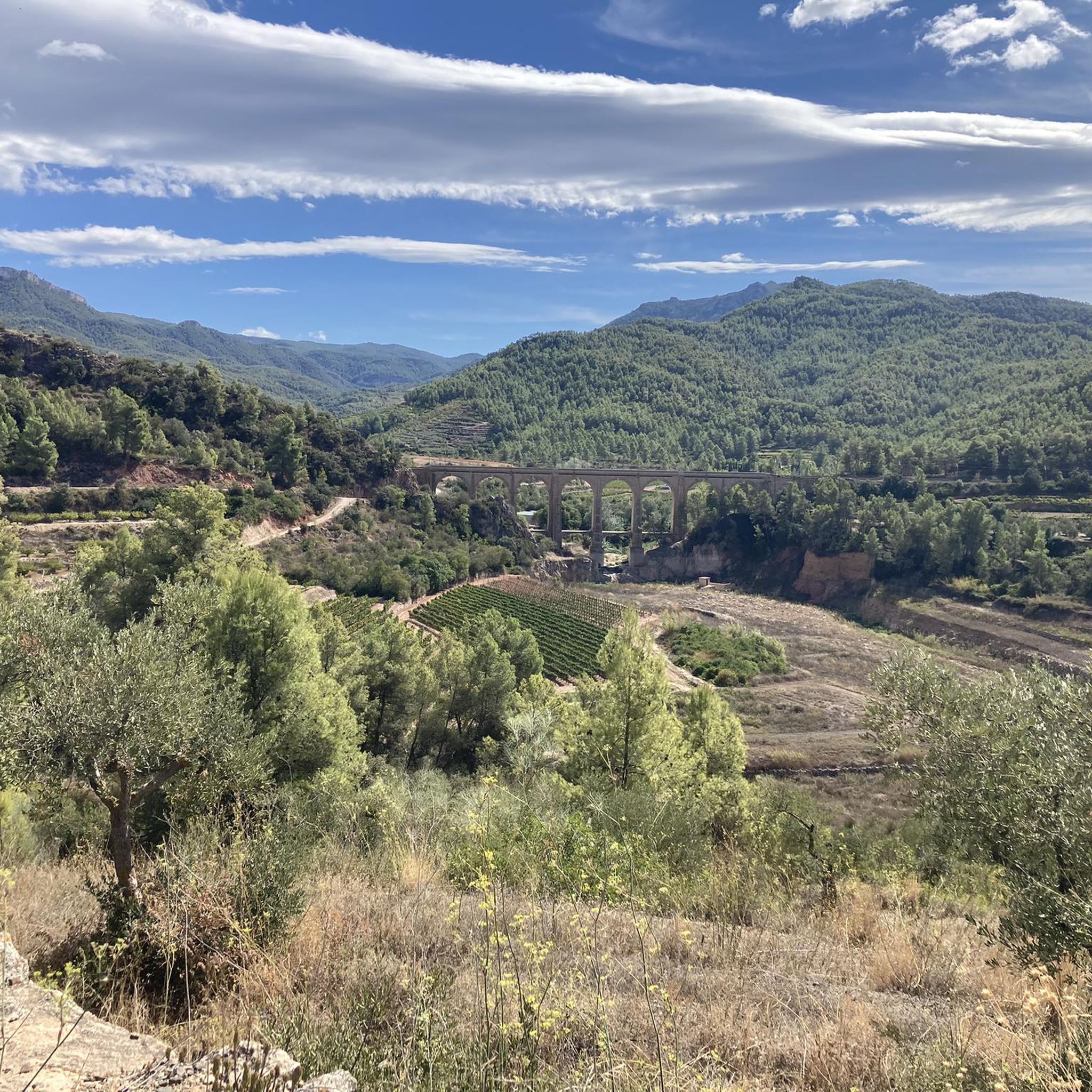
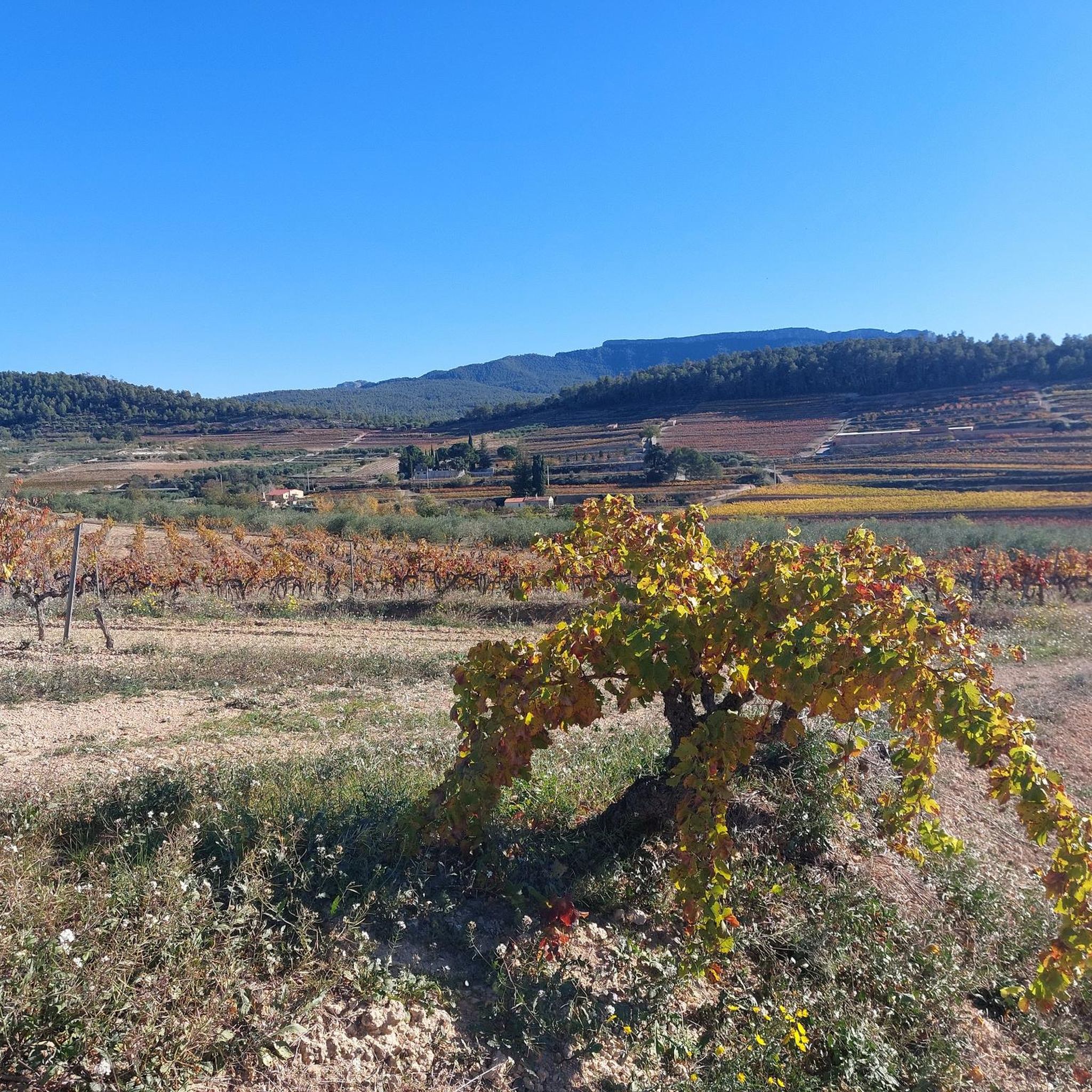
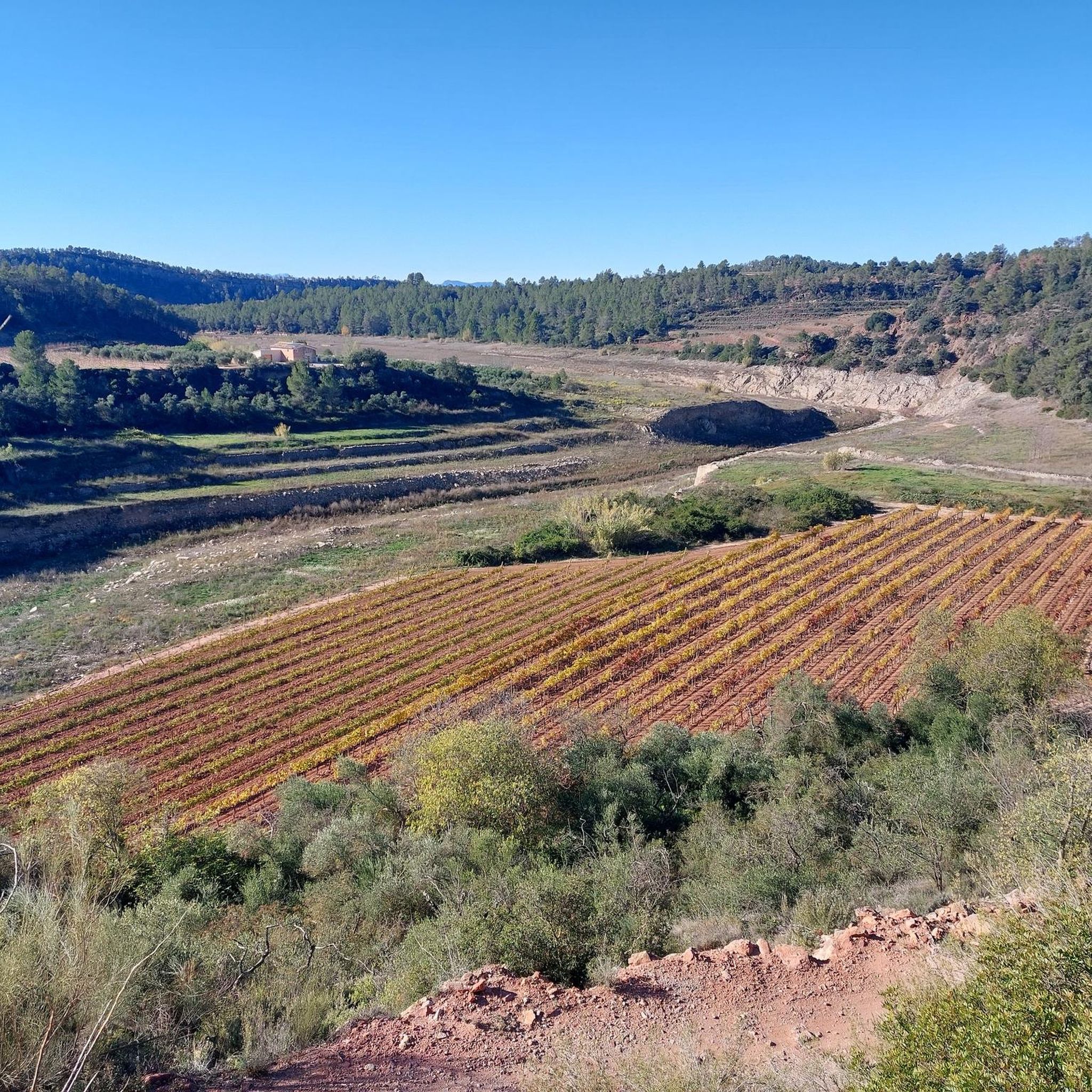
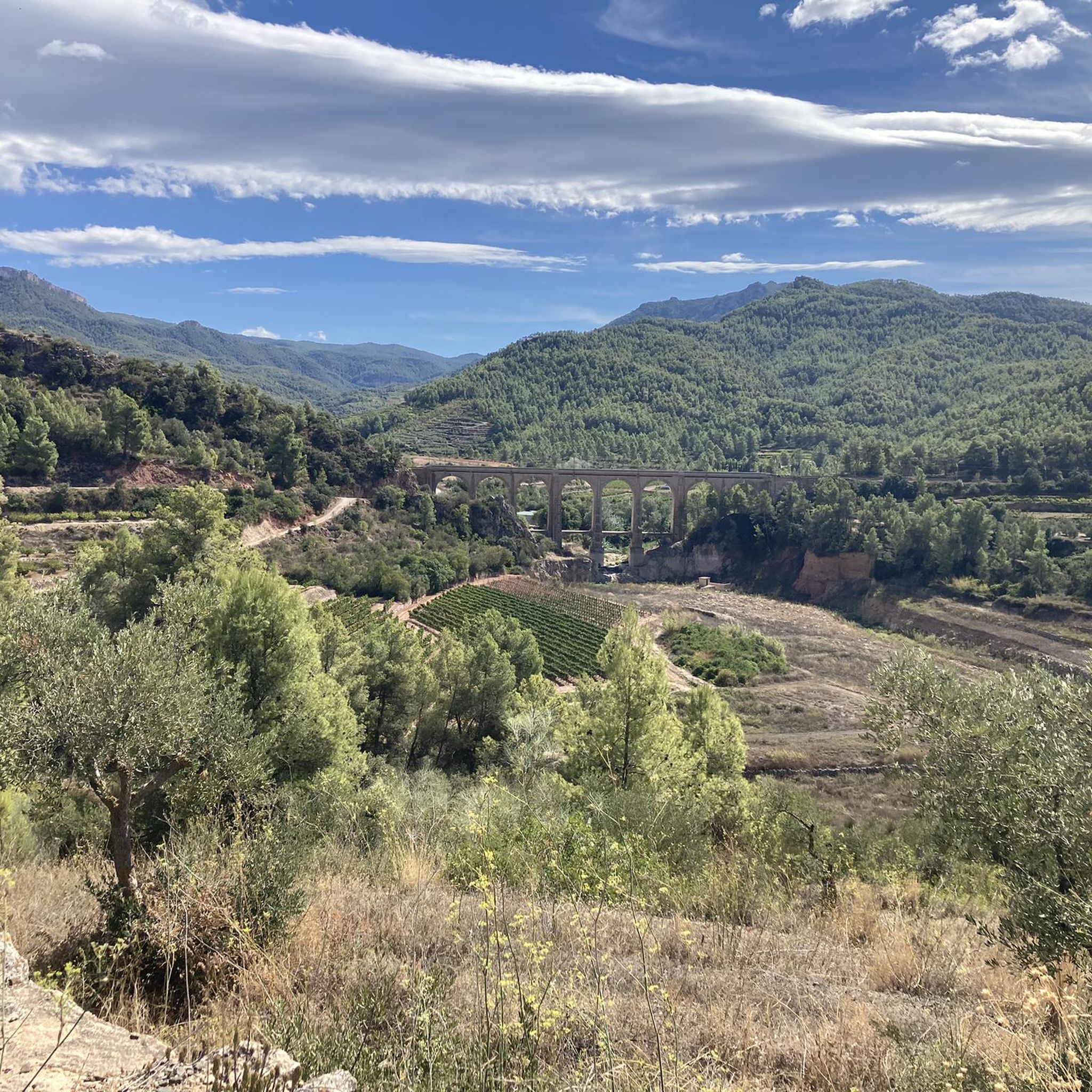

Tips from the Community


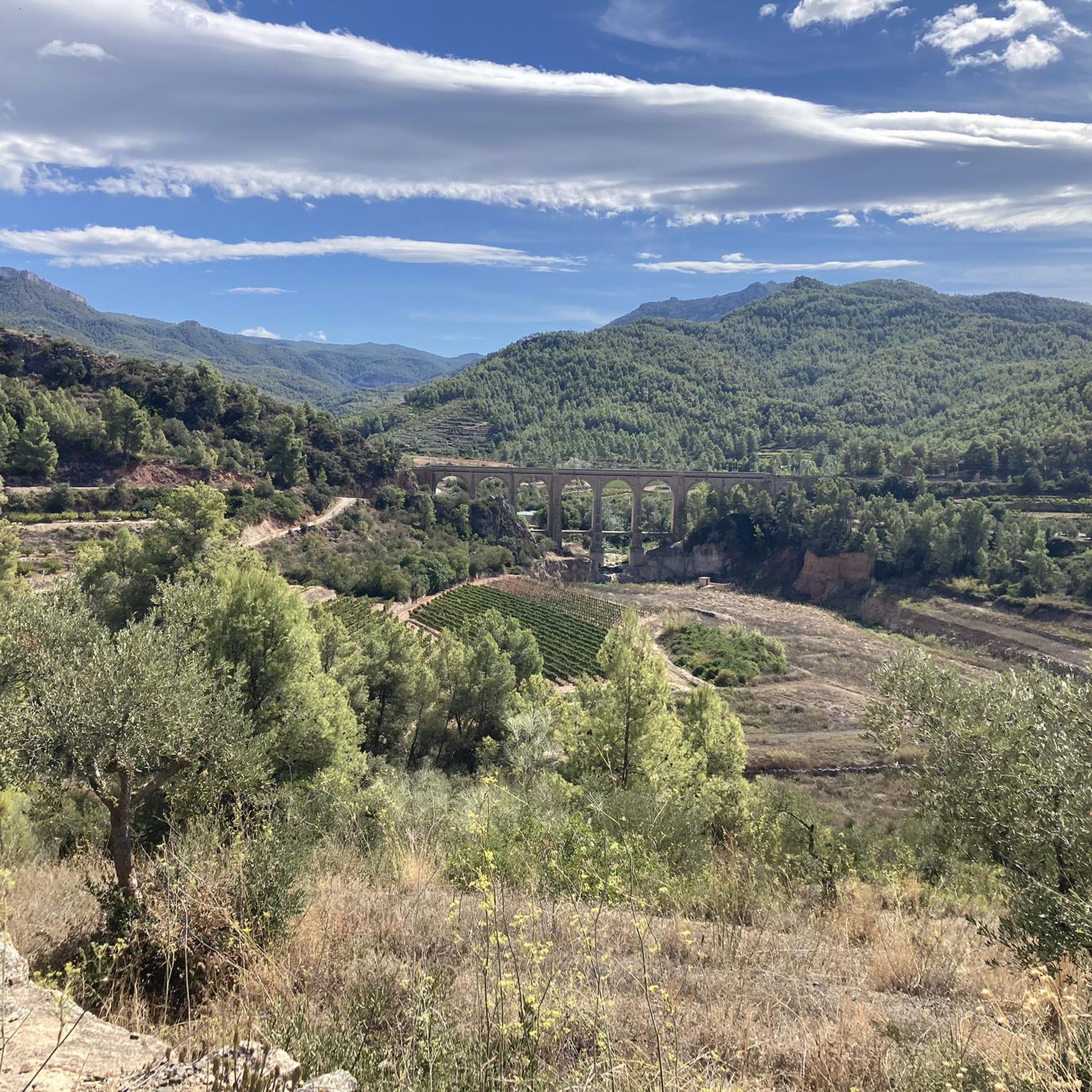
From up here you have a beautiful view.
1
0

Stately mansion from the early 20th century, made up of the remains of two medieval buildings, the Escornalbou monastery, founded in 1153, and the castle, built on the remains of a Roman fortress. For six centuries this architectural complex formed the barony of Escornalbou, but after the confiscation of Mendizabal it was practically in ruins. In 1911 it was acquired by the philanthropist, diplomat and writer Eduard Toda, who restored it following very personal criteria: some structures were demolished and towers were erected in an "exotic" medieval style. Of the old monastery, only the Romanesque church remains, remains of the chapter house and the structure of the cloister, converted into a viewpoint of the Camp de Tarragona region.
3
1

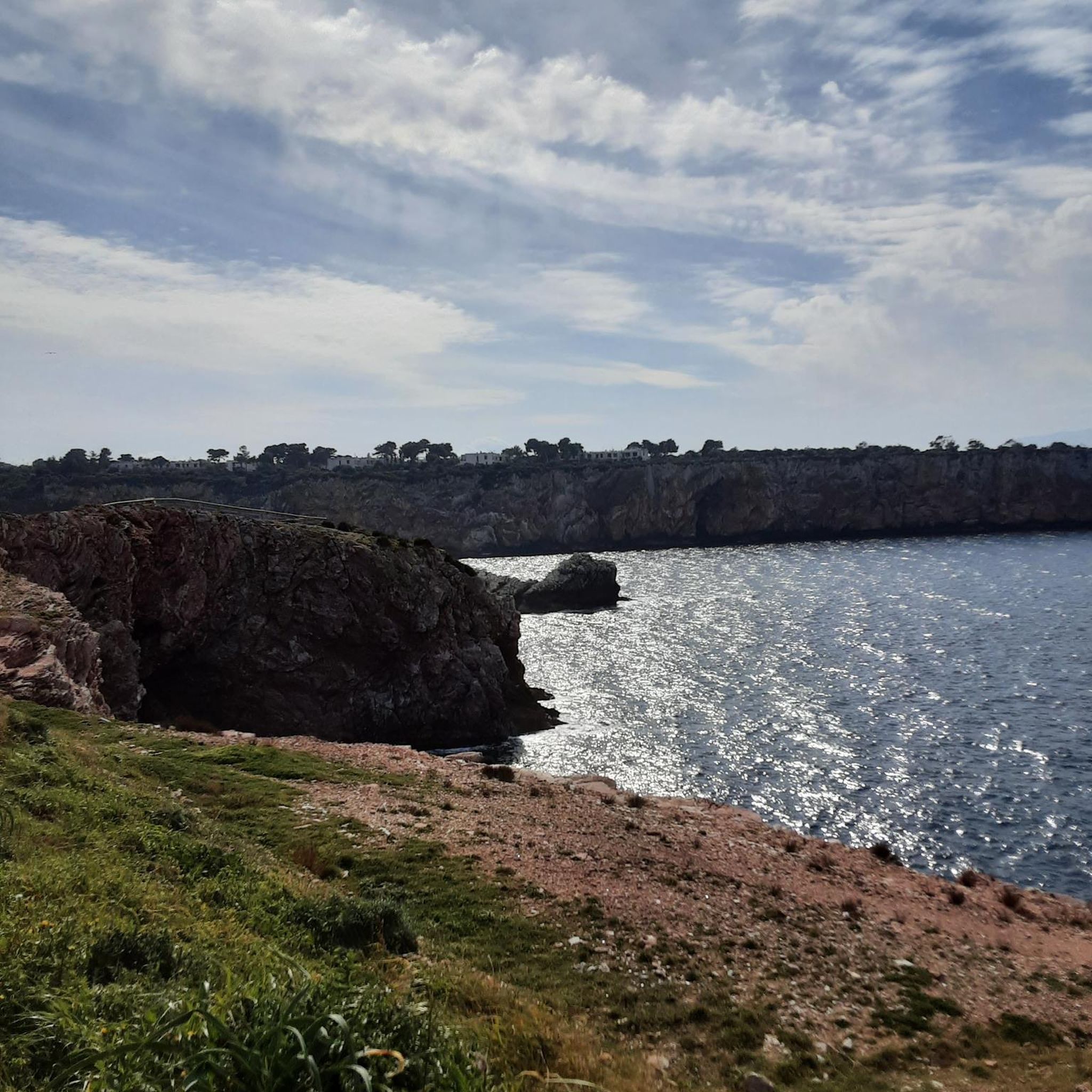
the panorama is brutal
0
0

Llaberia is an old medieval settlement that belongs to the municipality of Tivisa. It is worth walking through its cobbled streets and admiring the ancient facades. One of the houses, called Cal Riba, dates from 1640. The Romanesque church of San Juan Bautista also stands out.
2
0

The Castillo Monasterio de Escornalbou de Riudecanyes is a stately mansion from the beginning of the 20th century formed by the remains of two medieval buildings: the castle, built on the remains of a Roman fortress, and the monastery of Sant Miquel.
5
0

Castle and monastery of Sant Miquel d'Escornalbou. From this point you can see a great panorama of the town of Argentera.
2
1

The charm of Llaberia lies in its medieval physiognomy that remains intact. It is the smallest and highest town in the municipality of Tivissa, located at 680 m. above sea level. The beautiful town, an aggregate of Tivissa, was practically abandoned but is currently well recovered. Walking through the town we pass the "Museu del Bast", by Emili Boada and dedicated to Benvinguda Riba Pallejà. Unfortunately, the museum was closed a few years ago and its pieces given to the "La Masia de Castelló" Foundation, despite the fact that many were donations from the people of Llaberia. The alley next to it, called "El Pontet", which descends in an arcade beyond, leads to the Font de la Verge with the washing machines of the villa. This name is due to the fact that in the past there was a chapel with an image of the Virgin. We continue to contemplate beautiful texts that decorate the walls of some houses, like this one: "... Llaveria sucks the spirit of the mountain that beats alive in the sour charm of its streets..." by Josep Iglésies and we pass to near the Romanesque church of Sant Joan Degollat, from the 12th or 13th century. The church was transformed into a place of defense and among many details, inside there is a silo to store grain, it has a double roof with a wall with loopholes and matacán covered over the door. Today the church is one of the most emblematic late Romanesque elements of southern Catalonia. For your visit you must contact the Fundació Esforç de Tivissa (tel: 977 41 73 18). To finish this short review, let me tell you that the name of the place probably comes from the Arabic "Al-Abbarî", which we would translate as "De la Travessa", being the point that had to be "crossed" to go from Camp de Tarragona to the Ebro.
2
1
Frequently Asked Questions
What unique historical and cultural sites can I explore near Capçanes?
Capçanes is rich in history and culture. You can discover ancient Levantine-style rock art, recognized as a UNESCO Intangible Cultural Heritage, which includes impressive murals like 'The Sacrifice'. The area also features numerous dry-stone huts and walls, showcasing traditional agricultural architecture. Don't miss the 18th-century Church of the Nativity and a 16th-century archway in the village. For a deeper dive into local history, visit the monument dedicated to Pere Joan Barceló i Anguera, 'El Carrasclet', a significant figure from the War of the Spanish Succession.
Are there significant natural features to discover around Capçanes?
Yes, Capçanes is surrounded by diverse natural landscapes. The village is nestled among hills and mountain ranges such as Serra de Llaberia, Montalt, and Picotxa. The Capçanes stream, a tributary of the Siurana river basin, is fed by several ravines. For keen walkers, a two-hour hike leads to La Fou, a natural spring known for its beauty after heavy rains. You can also find several fountains within the village, including la Font Antiga, la Font Nova, and les Fonts de Santa Rosalia, which is a popular leisure area.
What hiking opportunities are available near Capçanes?
The area around Capçanes is ideal for hiking, offering a network of paths that traverse ravines, dry-stone walls, cliffs, and Mediterranean forests. A popular route is the Capçanes Dry Stone Route. You can also find trails connecting to Llaberia and Marçà. For more challenging hikes, consider exploring routes around La Mola Castle, Colldejou, which requires sturdy footwear. For a comprehensive list of trails, check out the Running Trails around Capçanes guide, which includes routes like the 'Mola de ColldeJou - Circular route through the Sierra de Llaberia'.
Can I visit a local winery in Capçanes?
Absolutely! Capçanes has a strong winegrowing tradition. The Celler de Capçanes (Cooperative Winery) is open to the public for visits and offers vineyard tours, including those in 4-wheel drive vehicles. They also provide various wine tastings, including kosher-certified wines, showcasing the unique character of wines produced from diverse local soils.
Are there family-friendly attractions in the Capçanes area?
While specific family-friendly activities are not extensively detailed, the village of Pratdip is noted as family-friendly and offers a charming visit with its unique legend of the 'dips'. The leisure area around les Fonts de Santa Rosalia also provides a pleasant spot for families to relax outdoors. Exploring the dry-stone huts and walls can also be an engaging activity for children.
What do visitors particularly enjoy about the attractions near Capçanes?
Visitors appreciate the blend of natural beauty and historical significance. The Hermitage of Mare de Déu de la Roca is loved for its stunning integration into the red mountain and its lodging and restaurant services. The challenging hikes and natural surroundings of La Mola Castle, Colldejou are also highly rated, especially for those seeking adventure. The historical charm of Sant Miquel d'Escornalbou Castle and Monastery, with its Romanesque church and viewpoint, is another highlight.
Are there any wheelchair-accessible attractions around Capçanes?
The village of Pratdip is listed as wheelchair-accessible, offering a charming visit for all. While many natural and historical sites in the mountainous terrain may present accessibility challenges, Pratdip provides an inclusive option for exploration.
What cycling routes are available near Capçanes?
Capçanes is a great base for cyclists. You can find various routes for different cycling styles. For road cycling, explore options like the 'Colldejou Climb – Riudecanyes Reservoir loop from Marçà - Falset'. If you prefer touring, routes such as 'Coll de Porrera (La Paret) – Coll Major loop from Marçà - Falset' are available. For more details and route options, refer to the Road Cycling Routes around Capçanes and Cycling around Capçanes guides.
Where can I see ancient rock art near Capçanes?
Capçanes is home to a significant collection of Levantine-style rock art. These ancient figurative representations, some dating back to the Neolithic period, are recognized as a Site of Cultural Interest of National Importance and UNESCO Intangible Cultural Heritage of Humanity. Guided visits are available by prior reservation to explore notable pieces like 'The Sacrifice' mural and a large bull figure.
What is the Llaberia Village like?
Llaberia Village is a beautiful medieval settlement that belongs to the municipality of Tivisa. It's worth walking through its cobbled streets and admiring the ancient facades, some dating back to 1640. The Romanesque church of Sant Joan Degollat, from the 12th or 13th century, is a prominent feature, transformed into a place of defense with unique architectural details. The village's charm lies in its intact medieval physiognomy and its serene mountain setting.
Are there any castles or monasteries to visit in the area?
Yes, the region boasts impressive historical structures. You can visit La Mola Castle, Colldejou, which offers challenging hikes and the opportunity to explore the grindstone cave. Another significant site is Sant Miquel d'Escornalbou Castle and Monastery, a stately mansion combining medieval castle remains with a monastery. It features a Romanesque church and a cloister converted into a viewpoint, offering panoramic views of the Camp de Tarragona region.
Most popular routes around Capçanes
Most popular attractions around Capçanes

Get inspired with the komoot mobile app


Explore more
Still not found the Highlight you’re looking for? See guides of the top attractions in other regions:
