Attractions and Places To See around El Catllar - Top 20
Best attractions and places to see around El Catllar, a municipality in the Tarragonès region of Tarragona, Spain, offers a blend of historical heritage, cultural sites, and natural beauty. Situated in the valley of the Gaià River, it provides an environment for those interested in history, nature, and outdoor activities. The area features ancient Roman structures, medieval castles, and natural coves. Visitors can explore a variety of landmarks and natural features within the region.
Best attractions and places to see…
Last updated: October 10, 2026
Tarragona Roman Amphitheatre
Highlight • Historical Site
Tip by

Les Ferreres Aqueduct (Devil's Bridge)
Highlight • Bridge
Translated by Google •
Tip by

Sign up now to discover places like this
Get recommendations on the best single tracks, peaks, & plenty of other exciting outdoor places.
Cathedral of Tarragona
Highlight • Religious Site
Translated by Google •
Tip by

Tamarit Castle
Highlight • Castle
Translated by Google •
Tip by

Cala Roca Plana
Highlight • Beach
Translated by Google •
Tip by
Sign up for free to discover even more attractions around El Catllar.
Already have an account?
Start today with a free account
Your next adventure awaits.

Tips from the Community

Great building, very well preserved. You can cross it at the top. It's definitely worth a visit 🤩
2
1
Super beautiful building. Very well preserved. Definitely worth a visit 🤩
2
0

From the street of William J. Bryan, which connects the beach with the historic center and upper area of Tarragona, you have a privileged view of the amphitheater of Tarraco, ruins of the Roman town.
1
0

The Castillo stands directly on the sea between cliffs and the beach. It has a venerable look!
0
0
Very beautiful, natural beach. The rocks of the bay have an impressive yellow color. You can only get to the beach on foot (through the forest).
1
0
It is undoubtedly the most important historical monument in Tarraco, at the foot of the beach and overlooking the sea. A fine end point for a legendary route. We'll be back.
0
0

Route highly recommended throughout the year.
2
0

Ancient Roman aqueduct from the 1st century, popular for idyllic hiking trails and picnic spots.
4
0
Frequently Asked Questions
What historical sites can I explore in and around El Catllar?
El Catllar is rich in history. You can visit the medieval Tamarit Castle, which combines Romanesque, Gothic, and Renaissance styles right on the Mediterranean coast. Within El Catllar itself, the 11th-century El Catllar Castle, built on Iberian remains, is a significant landmark. Don't miss the 18th-century Church of Sant Joan Baptista with its Baroque and Neoclassical architecture, or the ancient Roman Les Ferreres Aqueduct (Devil's Bridge), a remarkable engineering feat from the 1st century.
Are there any natural features or scenic viewpoints to visit near El Catllar?
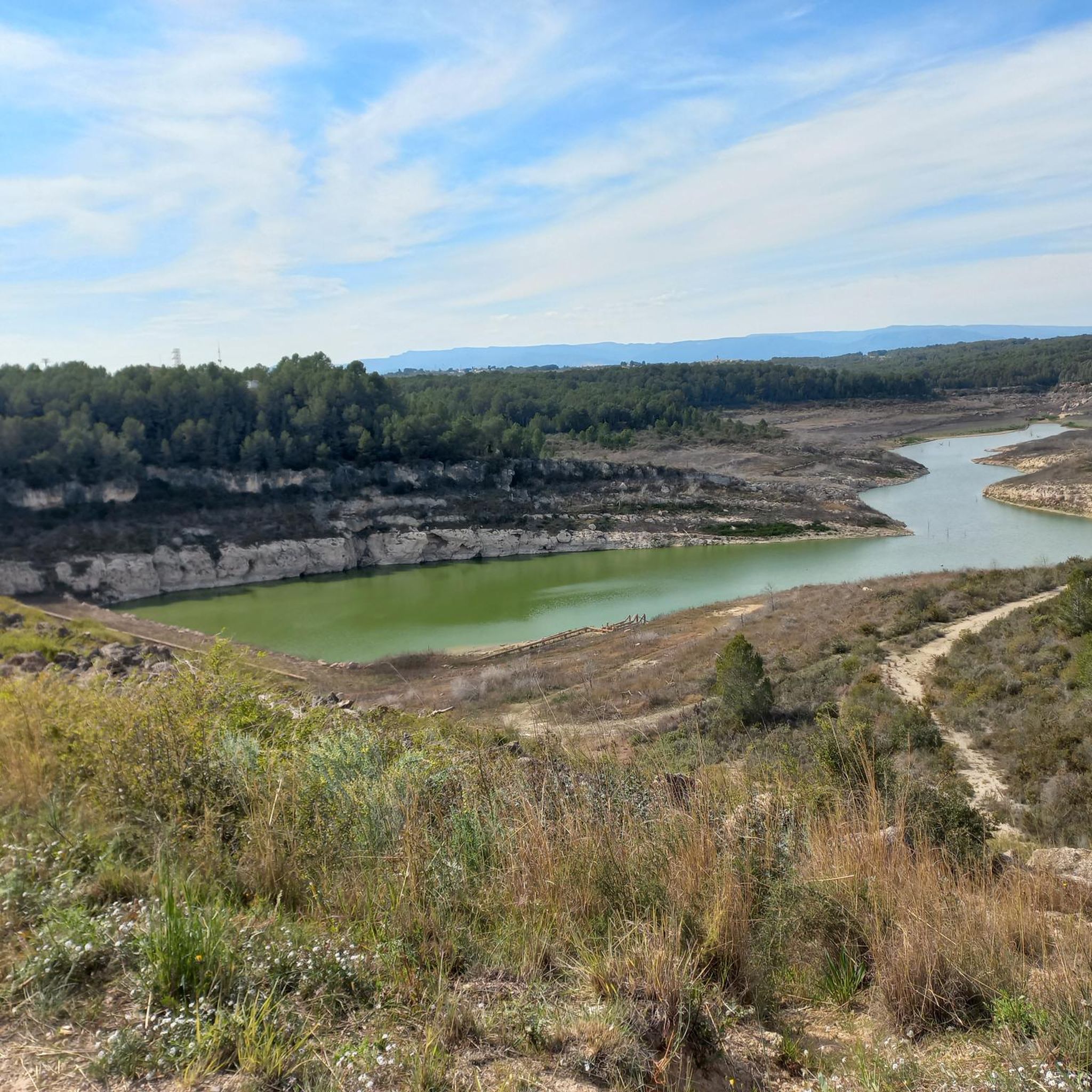
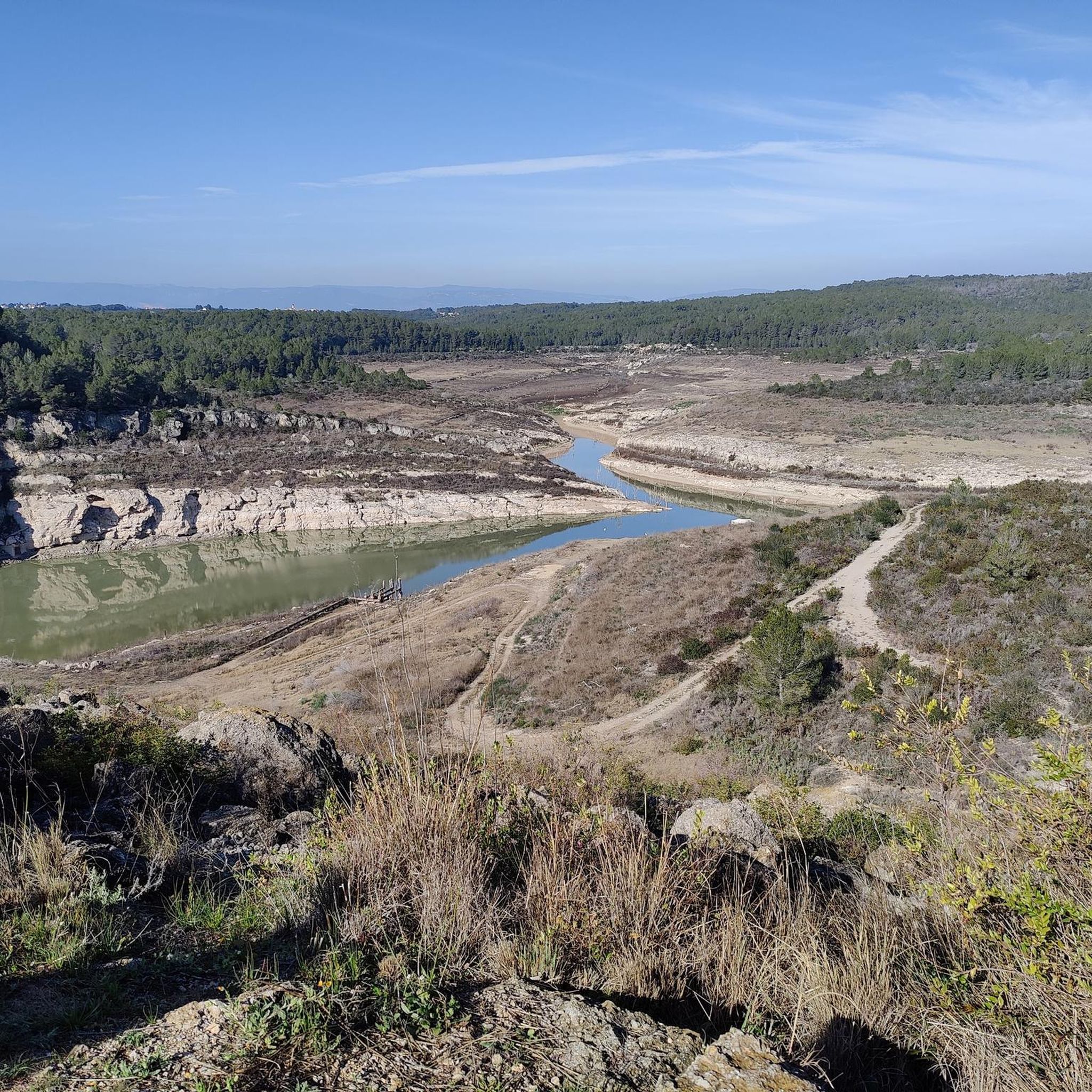
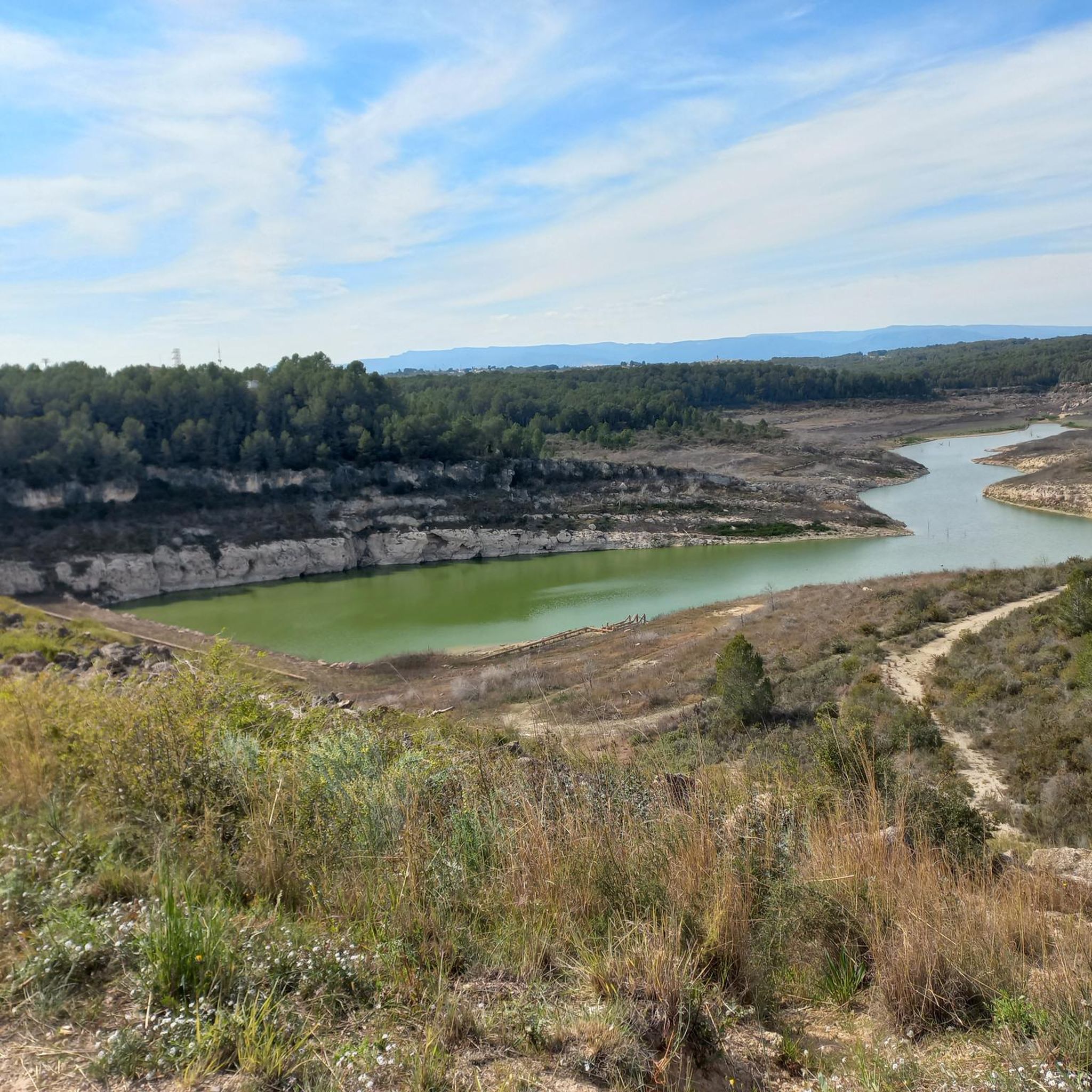
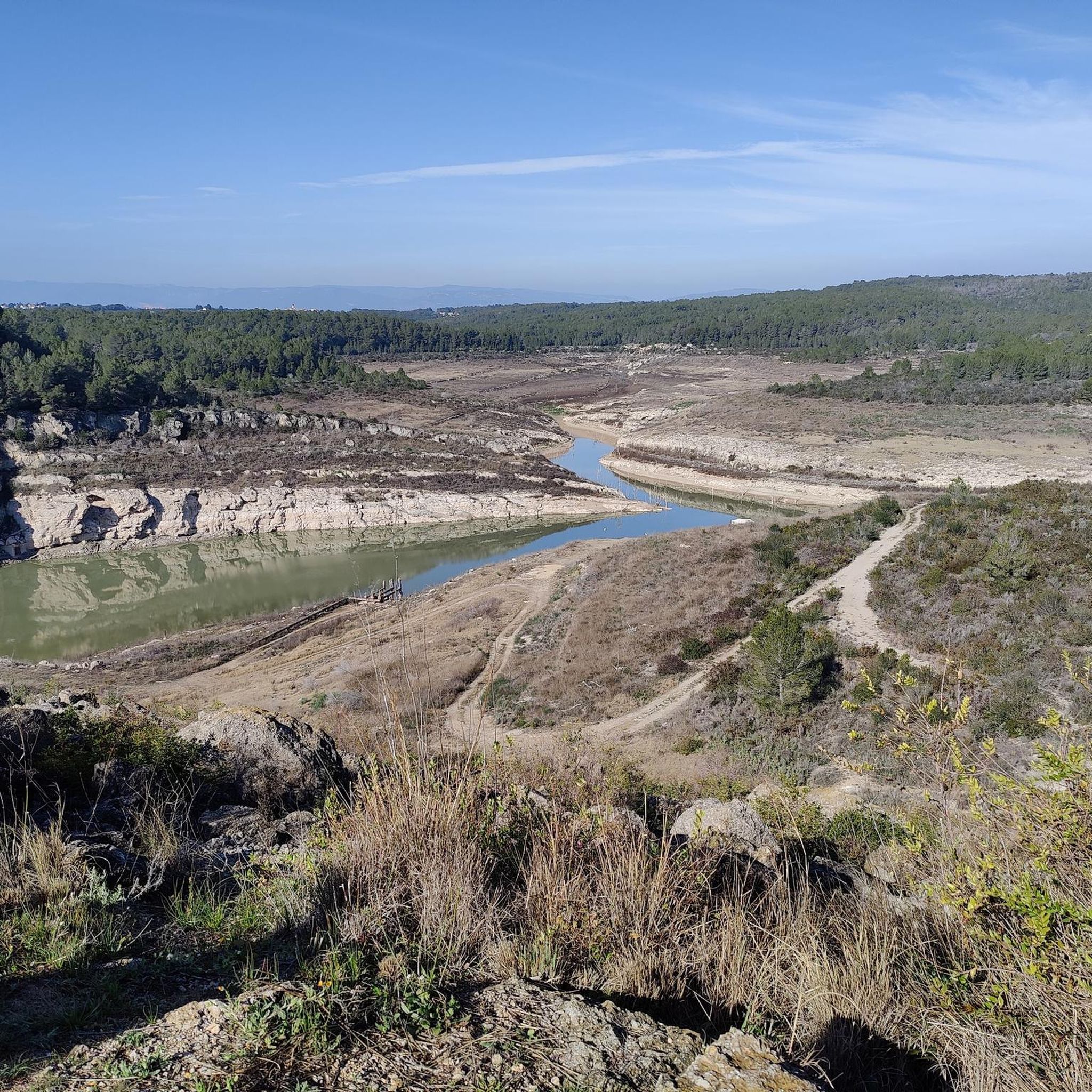
Yes, the region offers beautiful natural spots and viewpoints. The valley of the Gaià River, where El Catllar is situated, provides an excellent natural environment. You can explore the serene walking trails and pristine springs at Les Fonts del Gaià. For coastal views, Jovera Cove and Cala Roca Plana offer unspoilt beaches and scenic vistas. The 11th-century La Torre d'en Guiu also provides breathtaking views of El Catllar, as does the Ermita de Sant Ramon.
What outdoor activities are available around El Catllar?
El Catllar is well-suited for outdoor enthusiasts. You can enjoy hiking along the Gaià River on the 'Itinerari saludable pel riu Gaià' or explore numerous routes through the natural surroundings. For more structured adventures, consider the hiking routes around El Catllar, which include moderate trails like the 'Mas del Cosidor – Sant Simplici Viewpoint loop'. Cycling and gravel biking are also popular, with various cycling routes and gravel biking trails available, such as the 'Gaià Reservoir – Catllar Reservoir loop'.
Are there family-friendly attractions in the El Catllar area?
Absolutely. Many attractions around El Catllar are suitable for families. The Tarragona Roman Amphitheatre and Les Ferreres Aqueduct (Devil's Bridge) are historical sites that can captivate children with their ancient stories and impressive structures. Coastal spots like Jovera Cove offer a chance for kids to play by the sea. The 'Itinerari saludable pel riu Gaià' is also a gentle walking route suitable for all ages.
What is the best time to visit El Catllar for sightseeing and outdoor activities?
The spring (April-May) and autumn (September-October) months are generally ideal for visiting El Catllar. During these periods, the weather is pleasant for exploring historical sites and engaging in outdoor activities like hiking and cycling, avoiding the intense heat of summer and the cooler, potentially wetter days of winter. The natural landscapes are also particularly vibrant in spring and autumn.
Where can I learn about the traditional life of the region?
To understand the traditional lifestyles of Catalonia's past, you can visit the Museu de la Vida Rural (Rural Life Museum). This museum offers insights into the historical agricultural practices and daily life of the region, providing a cultural complement to the area's natural and historical landmarks.
Are there any unique architectural or engineering marvels in El Catllar?
Beyond the well-known Roman structures, El Catllar features 'L'Agulla,' a 12-meter-tall monolith. This structure was part of an ancient hydraulic system from the late 15th and 16th centuries, designed to control water pressure. The Pont del ferrocarril (Railway Bridge) is another interesting engineering structure within the municipality.
What do visitors enjoy most about the attractions around El Catllar?
Visitors frequently appreciate the blend of history and nature. For instance, the Les Ferreres Aqueduct is loved for its idyllic hiking trails and picnic spots, while Jovera Cove is praised for being a small, cozy, and unspoilt beach. The historical significance of sites like the Tarragona Roman Amphitheatre also leaves a lasting impression on visitors.
Can I find places to relax by the water near El Catllar?
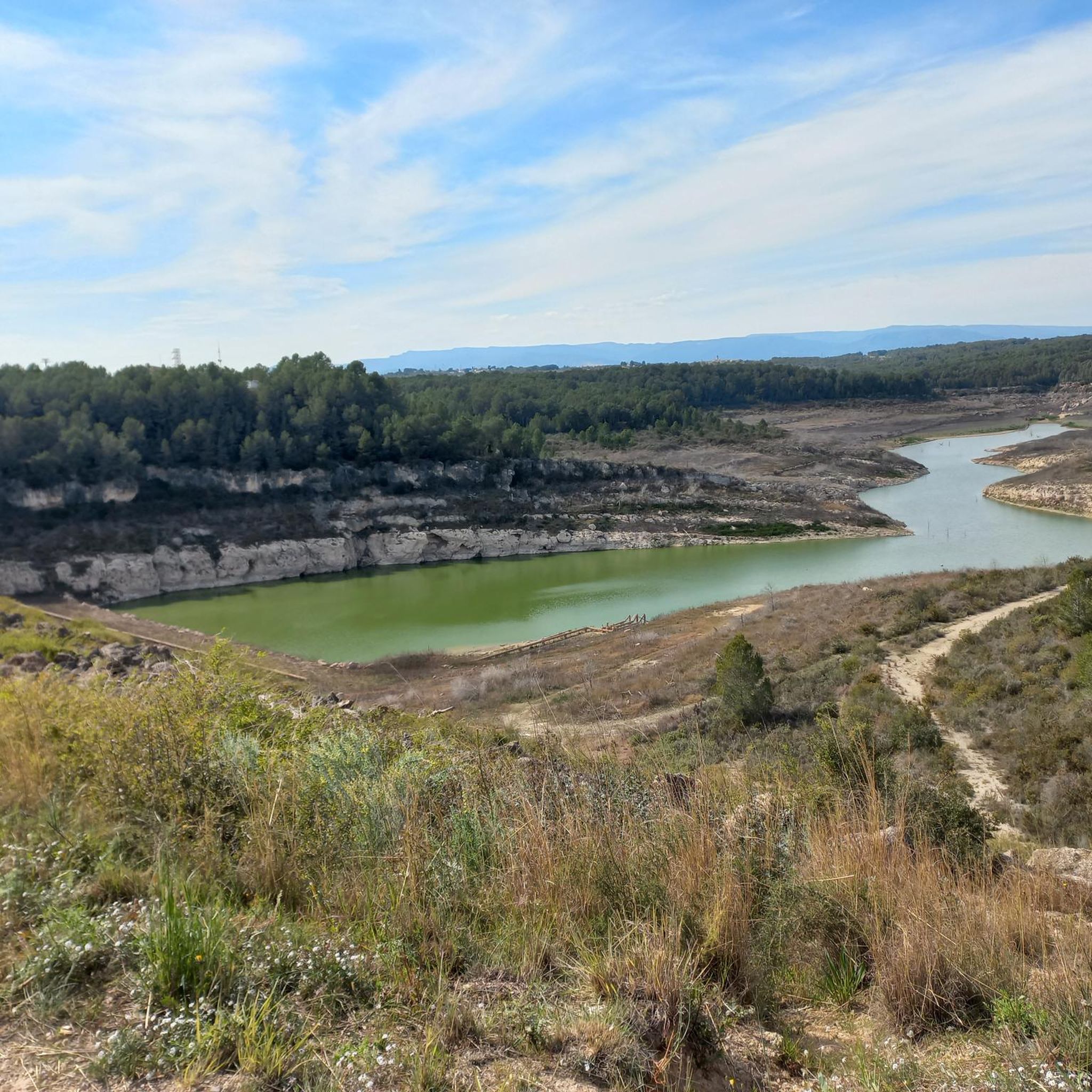
Yes, the area offers several tranquil spots by the water. El Catllar is situated on the right bank of the Gaià River, and its valley includes the Embassament i vall del riu Gaià (Reservoir and Valley of the Gaià River), which provides a peaceful natural environment. Additionally, the nearby coves like Jovera Cove and Cala Roca Plana offer opportunities to relax by the Mediterranean Sea.
Are there any specific trails for easy walks or beginner hikers?
Yes, for those seeking easier walks, the 'Itinerari saludable pel riu Gaià' is a suitable option for all ages, allowing you to enjoy the natural reserve environment of the Gaià River. Among the hiking routes around El Catllar, you can find easier trails such as the 'Sant Simplici Viewpoint – Mas del Cosidor loop from la Riera de Gaià', which is rated as easy.
What is the Old Town of El Catllar like?
The Old Town (Nucli del Catllar) is a charming area to explore, featuring several interesting private homes. Some of these residences date back to the 16th century, with many others from the 18th and 19th centuries, reflecting the town's significant growth during those periods. It offers a glimpse into the traditional architecture and historical development of the municipality.
Are there any lesser-known or 'hidden gems' to discover in the area?
Beyond the main attractions, you might enjoy exploring the Molí d'en Fortuny, an old mill that adds to the historical charm of the area. Santa Maria dels Cocons is another listed place of interest, and the quaint neighborhood of Masos del Vilar showcases traditional Catalonian architecture and picturesque landscapes, offering a more local experience.
Most popular routes around El Catllar
Most popular attractions around El Catllar

Get inspired with the komoot mobile app


Explore more
Still not found the Highlight you’re looking for? See guides of the top attractions in other regions:
