The 20 Most Amazing Peaks around Talamanca
Best mountain peaks around Talamanca offer diverse landscapes and challenging ascents across southeastern Costa Rica and western Panama. This region, part of a UNESCO World Heritage Site, features ecosystems ranging from cloud forests to páramo. It is known for its significant elevation changes and microclimates, fostering exceptional biodiversity. The Talamanca range provides a variety of experiences for those seeking to explore its natural environment.
Best mountain peaks around Talamanca
- The most popular mountain peaks is La Mola and the Monastery…
Last updated: July 6, 2026
La Mola (1,103 m)
Highlight • Summit
Translated by Google •
Tip by

La Mola and the Monastery of Sant Llorenç del Munt
Highlight • Summit
Translated by Google •
Tip by
Sign up now to discover places like this
Get recommendations on the best single tracks, peaks, & plenty of other exciting outdoor places.
Sign up for free
Morral del Drac
Highlight • Natural Monument
Translated by Google •
Tip by

Montcau Summit
Highlight • Summit
Translated by Google •
Tip by

Estenalles Pass
Highlight • Mountain Pass
Showing Translation
Tip by

Sign up for free to discover even more peaks around Talamanca.
Sign up for free
Already have an account?
Start today with a free account
Your next adventure awaits.
Login or Signup

Tips from the Community

The restaurant has been closed since the fall of 2025.
0
0

Climbing it from the Talamanca side is more manageable than from the Matadepera area. Even so, whichever way you climb it, Coll is highly recommended to incorporate into your bike routes.
0
0

From Navarcles, you go uphill with some rest between each uphill section.
0
0
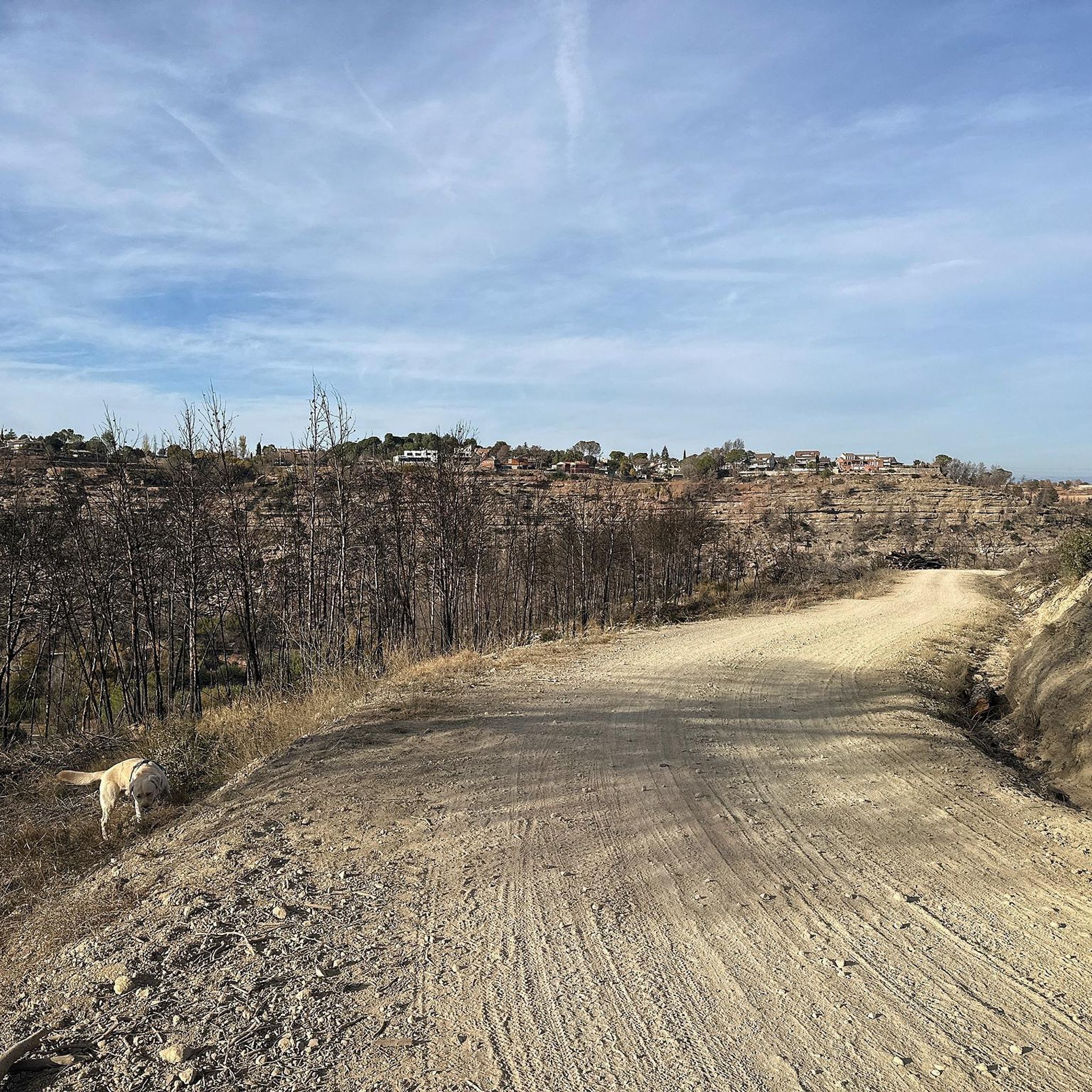
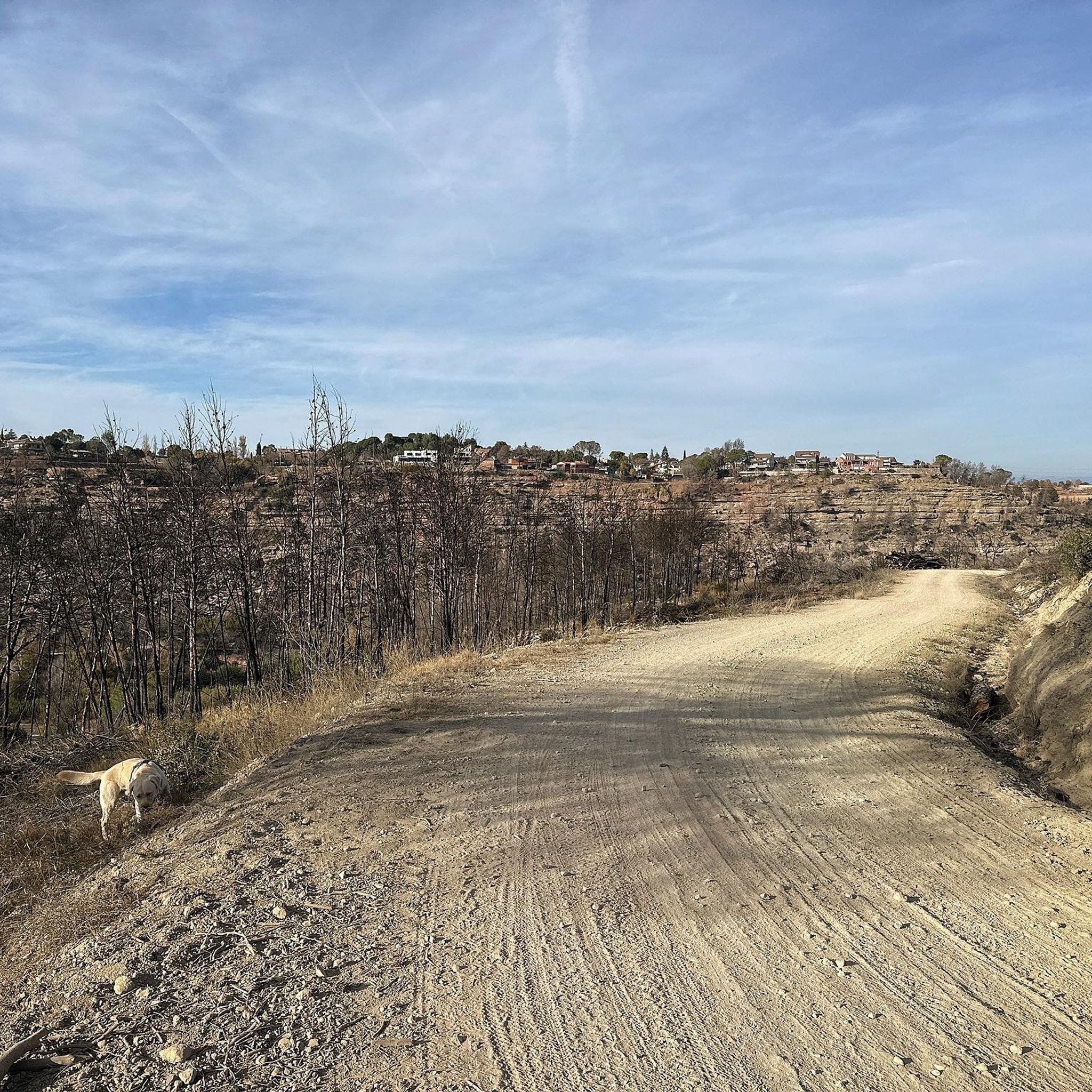
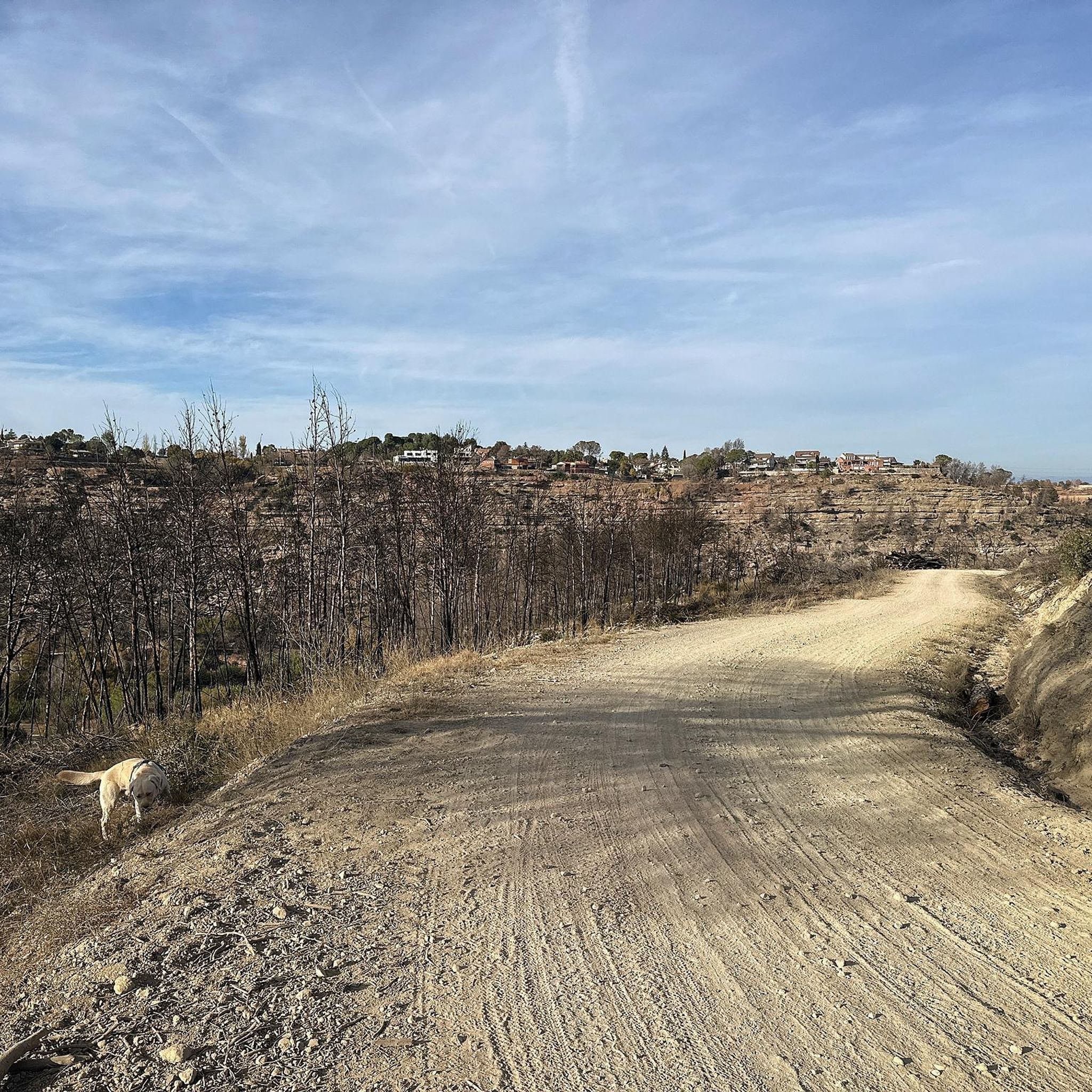
The restaurant has been closed since 2023.
1
0

a point high enough to enjoy beautiful views 🤩
1
0


beautiful port to climb with spectacular views, second highest point in the province of Barcelona, behind Collformic.
1
0

Frequently Asked Questions
What are the most prominent mountain peaks in the Talamanca range?
The Talamanca range is home to several impressive peaks. The undisputed highest is Cerro Chirripó, reaching 3,820 meters (12,533 feet), known for its dramatic glacial landscapes and panoramic views. Another significant peak is Cerro Kamuk (also known as Cerro Pico Blanco) at approximately 3,549 meters (11,644 feet), offering an immersive wilderness experience. Other notable high peaks include Cerro Ventisqueros (3,812 meters), Cerro Terbi (3,760 meters), and Cerro Urán (3,660 meters).
What unique natural features can I expect to see on Talamanca mountain peaks?
The Talamanca mountain peaks offer a remarkable array of natural features. On Cerro Chirripó, you can find glacial formations like U-shaped valleys, moraine lagoons, and unique rock formations such as Los Crestones. The ascent also traverses diverse ecological zones, from tropical evergreen forests to montane rainforests with giant oak trees, and alpine tundra-like páramo. Around Cerro Kamuk, you'll encounter montane oak forests rich with epiphytes, wet peat bogs, and páramo grasslands with Chusquea bamboo.
What kind of wildlife can be observed in the Talamanca mountain range?
The Talamanca mountain range is a haven for biodiversity. In Chirripó National Park, around Cerro Chirripó, you might spot rare wildlife such as tapirs, jaguars, spider monkeys, and a variety of birds, including the resplendent quetzal. The area around Cerro Kamuk, within La Amistad International Park, is also rich in wildlife, with puma, jaguar, tayra, brocket deer, and tapir among the species present.
What is the hiking difficulty for peaks in the Talamanca region?
Hiking in the Talamanca region, especially to its highest peaks, is generally considered challenging. The multi-day trek to Cerro Chirripó requires a good fitness level and involves significant elevation changes. Similarly, the expedition to Cerro Kamuk is very isolated and demands a high level of fitness, offering a true off-the-beaten-path adventure. These are prime destinations for serious hikers and nature enthusiasts.
Are there any family-friendly hiking options in the Talamanca mountains?
While the highest peaks like Cerro Chirripó and Cerro Kamuk are challenging multi-day treks best suited for experienced hikers, the Talamanca region's vastness means there might be less strenuous options in lower elevations or specific park areas. However, the primary peaks highlighted are known for their demanding nature, making them less suitable for casual family outings. Always check specific trail details for accessibility and difficulty before planning a family trip.
What is the best time to visit the Talamanca mountain peaks?
The Talamanca mountain range experiences diverse microclimates. Generally, the dry season (roughly December to April) is often preferred for hiking to the higher peaks like Cerro Chirripó, as it offers clearer skies and more stable weather conditions, increasing the chances of panoramic views. However, even during the dry season, weather in the mountains can be unpredictable, so proper preparation is always essential.
What outdoor activities can I do near the Talamanca mountain peaks?
Beyond summiting the highest peaks, the Talamanca region offers various outdoor activities. You can explore different types of trails, including running, mountain hiking, and mountain biking. For instance, there are running trails like the 'Cap de la Serra loop' or 'Bosc del Reguer loop'. For more challenging treks, consider mountain hikes such as the 'Collbaix loop'. Mountain biking enthusiasts can find MTB trails like the 'Molí del Menut – Camino de Les Tàpies loop'.
Are there specific trails for mountain hiking near Talamanca?
Yes, there are dedicated mountain hiking trails available. You can find routes like the 'Mountaineering loop from Sant Llorenç del Munt' or the 'Mura – Puig de la Balma loop'. These trails vary in difficulty, from moderate to difficult, offering diverse experiences for hikers. For more details and route options, refer to the Mountain Hikes around Talamanca guide.
What makes the Talamanca mountain range a UNESCO World Heritage Site?
The Talamanca mountain range, including areas like Chirripó National Park and La Amistad International Park, is recognized as a UNESCO World Heritage Site due to its exceptional biodiversity and ecological significance. It boasts a range of ecosystems, from lush cloud forests to windswept páramo, and serves as a vital part of the Mesoamerican Biological Corridor. This recognition highlights its importance for conservation and its unique natural heritage.
Can I see both the Pacific and Caribbean Oceans from any Talamanca peak?
Yes, on a clear day from the summit of Cerro Chirripó, hikers are rewarded with a breathtaking 360-degree panoramic view that remarkably allows sight of both the Pacific Ocean and the Caribbean Sea simultaneously. This unique vantage point is one of the main draws for serious hikers undertaking the challenging ascent.
Are there any historical or cultural sites associated with the Talamanca peaks?
While the primary allure of the Talamanca peaks is their natural beauty and biodiversity, the region has a rich indigenous history. The Talamanca range is home to several indigenous groups, and their cultural heritage is deeply intertwined with the land. However, specific historical structures or sites directly on the highest peaks are not prominently featured for visitors, as the focus is largely on the natural wilderness experience.
What is the significance of Cerro de la Muerte in the Talamanca range?
Cerro de la Muerte, at 3,491 meters, is another notable peak within the Talamanca range. Its name, meaning 'Mountain of Death,' historically referred to the challenging and often fatal journey travelers faced crossing it before modern roads existed, due to cold temperatures and harsh conditions. Today, it's known for its unique páramo ecosystem and is a significant area for birdwatching, particularly for spotting the resplendent quetzal.
Most popular routes around Talamanca
Most popular attractions around Talamanca

Get inspired with the komoot mobile app


Explore more
See even more amazing summits around Talamanca with these guides:
