Attractions and Places To See around Layos - Top 20
Best attractions and places to see around Layos include a mix of historical sites and natural landscapes in the province of Toledo, Spain. The municipality offers a blend of cultural experiences and scenic beauty, nestled amidst rolling hills. While many significant landmarks are in nearby Toledo city, Layos itself provides notable points of interest for visitors. The area is characterized by its historical depth and picturesque natural setting.
Best attractions and places to see around Layos
- The most popular attractions…
Last updated: August 16, 2026
Toledo Cathedral
Highlight • Religious Site
Translated by Google •
Tip by

El Arco de la Sangre, unique gate with statue
Highlight • Monument
Translated by Google •
Tip by

Sign up now to discover places like this
Get recommendations on the best single tracks, peaks, & plenty of other exciting outdoor places.
Sign up for free
San Martín Bridge
Highlight • Bridge
Destroyed in the …
Translated by Google •
Tip by
Toledo Alcázar
Highlight • Castle
Translated by Google •
Tip by
Alcántara Bridge
Highlight • Bridge
Originally built by …
Translated by Google •
Tip by
Sign up for free to discover even more attractions around Layos.
Sign up for free
Already have an account?
Start today with a free account
Your next adventure awaits.
Login or Signup

Tips from the Community

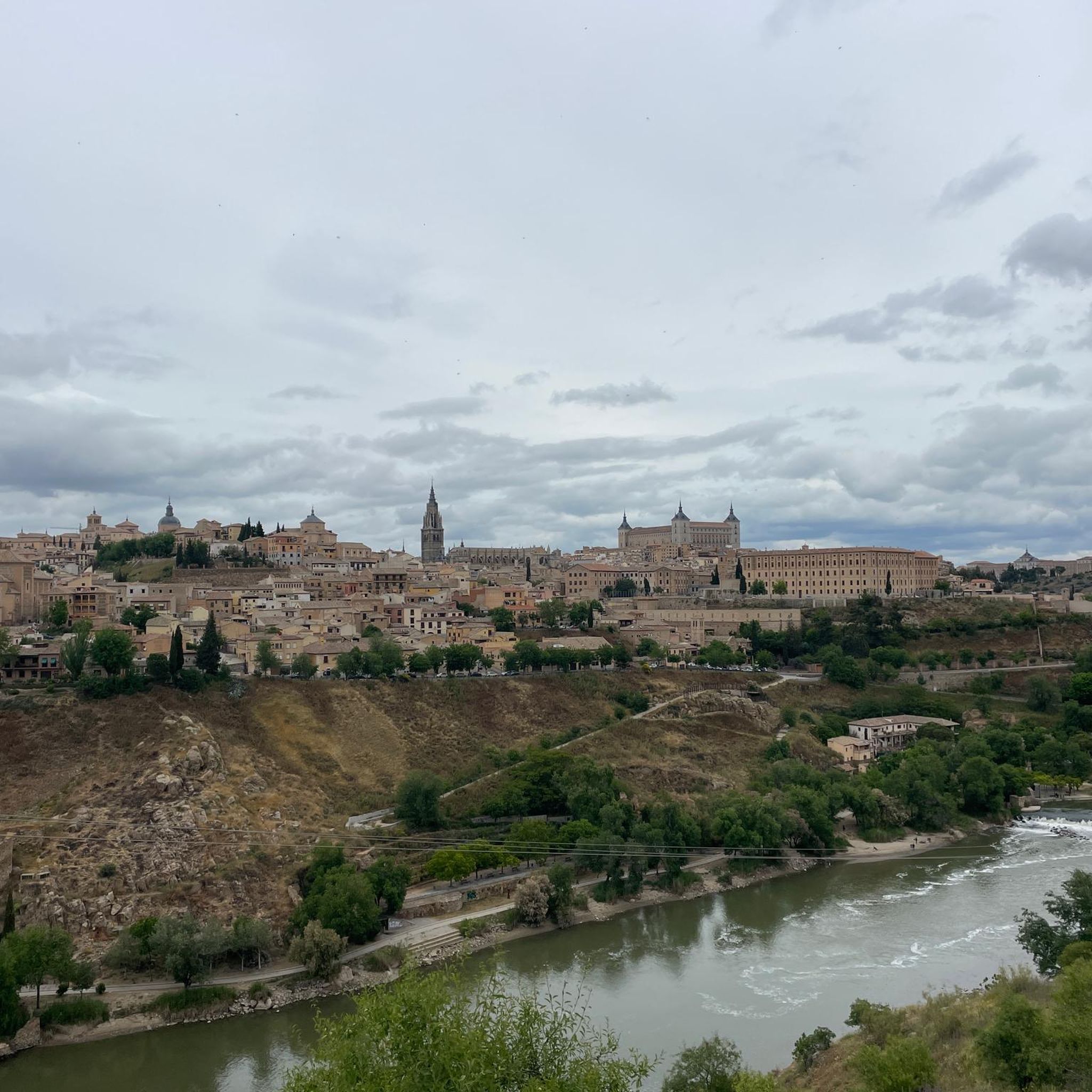
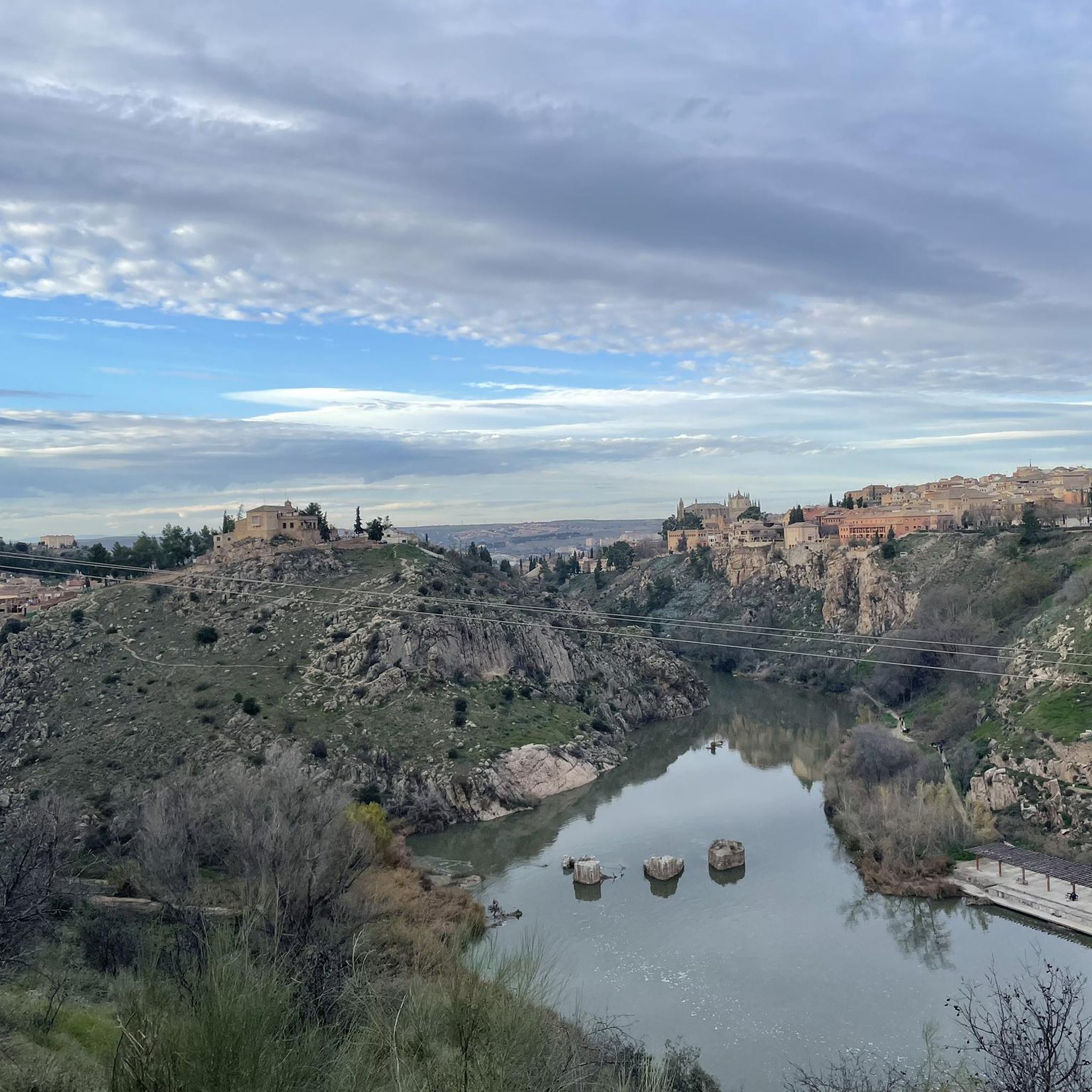
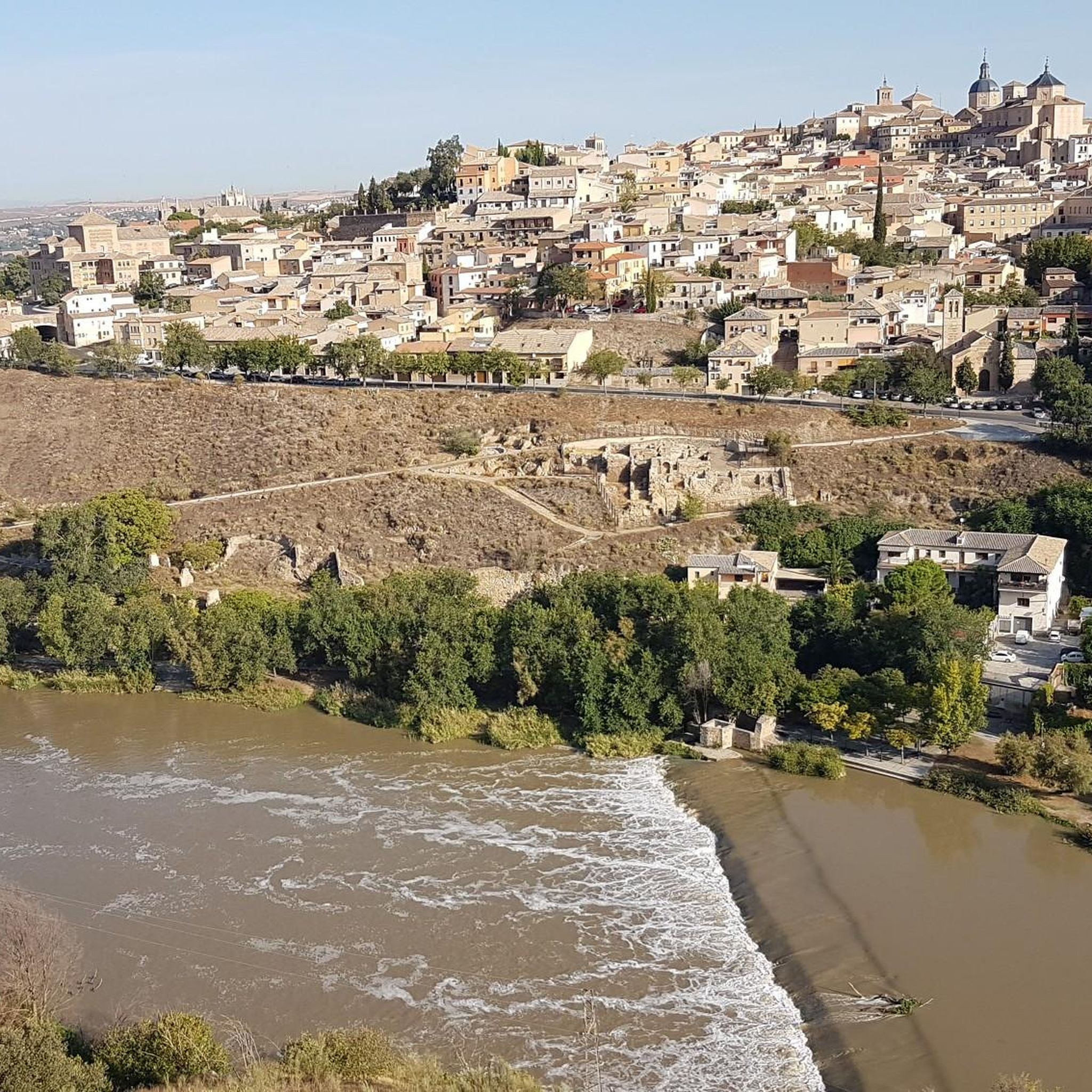
How beautifully the Tagus winds around Toledo
9
1

The large archway in the middle of the building is the Arco de la Sangre (Arch of Blood).
1
0

Toledo Cathedral, also known as the Primate Cathedral of Spain, is one of the masterpieces of Gothic art in Europe and a symbol of the city. Its construction began in 1226 during the reign of Ferdinand III and lasted for more than two centuries. It is dedicated to Saint Mary and stands on the site of an old mosque, which in turn was built on the site of a Visigothic church.
12
0
The Alcántara Bridge is one of Toledo's most iconic monuments, with a history dating back to Roman times and an architecture that has evolved over the centuries. Originally built by the Romans in the 3rd century AD, as part of the network of roads that connected the Empire. Its name comes from the Arabic "al-qanṭarah," meaning "the bridge," given by the Muslims after its reconstruction in the 10th century.
10
0

Its first construction was carried out in the 3rd century with the intention of becoming a Roman palace. With the Muslim invasion, it was rebuilt to become a building intended for the defense of the citadel. Its name originates from this period. The Muslims called it Al Qasar, which in Spanish means Fortress. Although at that time it did not have the appearance we see today, it did have four watchtowers built on a square space similar to the one we find today. In the Late Middle Ages, various renovations were carried out during the reigns of different monarchs from Peter I the Cruel to the Catholic Monarchs. All of them with the aim of converting the Alcázar of Toledo into a royal residence. The Alcázar of Toledo continued to undergo various restorations during the reigns of Alfonso VI and Alfonso X and was modified in 1535 by Emperor Charles V, who demolished it with the intention of building from scratch a residence worthy of a monarch in this city. He demolished what was something like a medieval castle and began building the wonderful Alcázar of Toledo that we can see today. For its construction, he entrusted the architects Alonso de Covarrubias, Francisco de Villalpando, and Juan de Herrera with the supervision of the works. The Alcázar of Toledo was built to be a royal residence, but it was never used for that purpose when Madrid became the capital. However, several queens, such as Maria of Austria and Juana of Neuburg, did live within its walls. Over time, it has had various uses, including a Crown prison, a military barracks, and an Infantry Academy. It currently houses the Army Museum. From the same building, through the door on the Cuesta de Carlos V, you can reach the Library of Castilla-La Mancha.
1
0
Its current name comes from the fact that the image of Christ of the Blood is hidden above this horseshoe arch, in a small, usually closed chapel visible from Plaza de Zocodover. The image comes from an old brotherhood founded during the reign of Sancho III, but the chapel wasn't created until the reign of Henry IV. This unusual location follows the Arab custom of placing an oratory above some gates and arches to ensure safe travel for anyone leaving the city and crossing the gate.
2
1

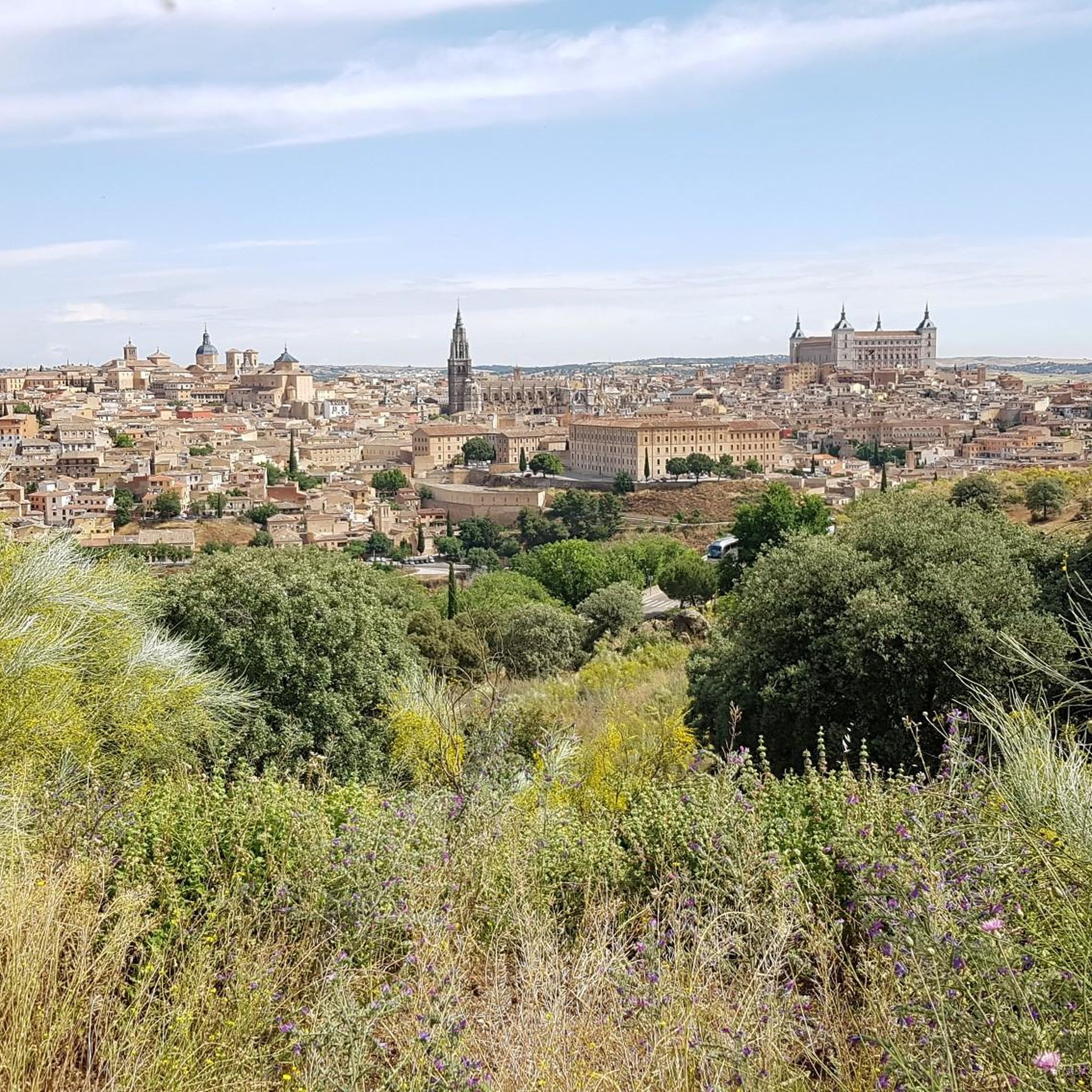
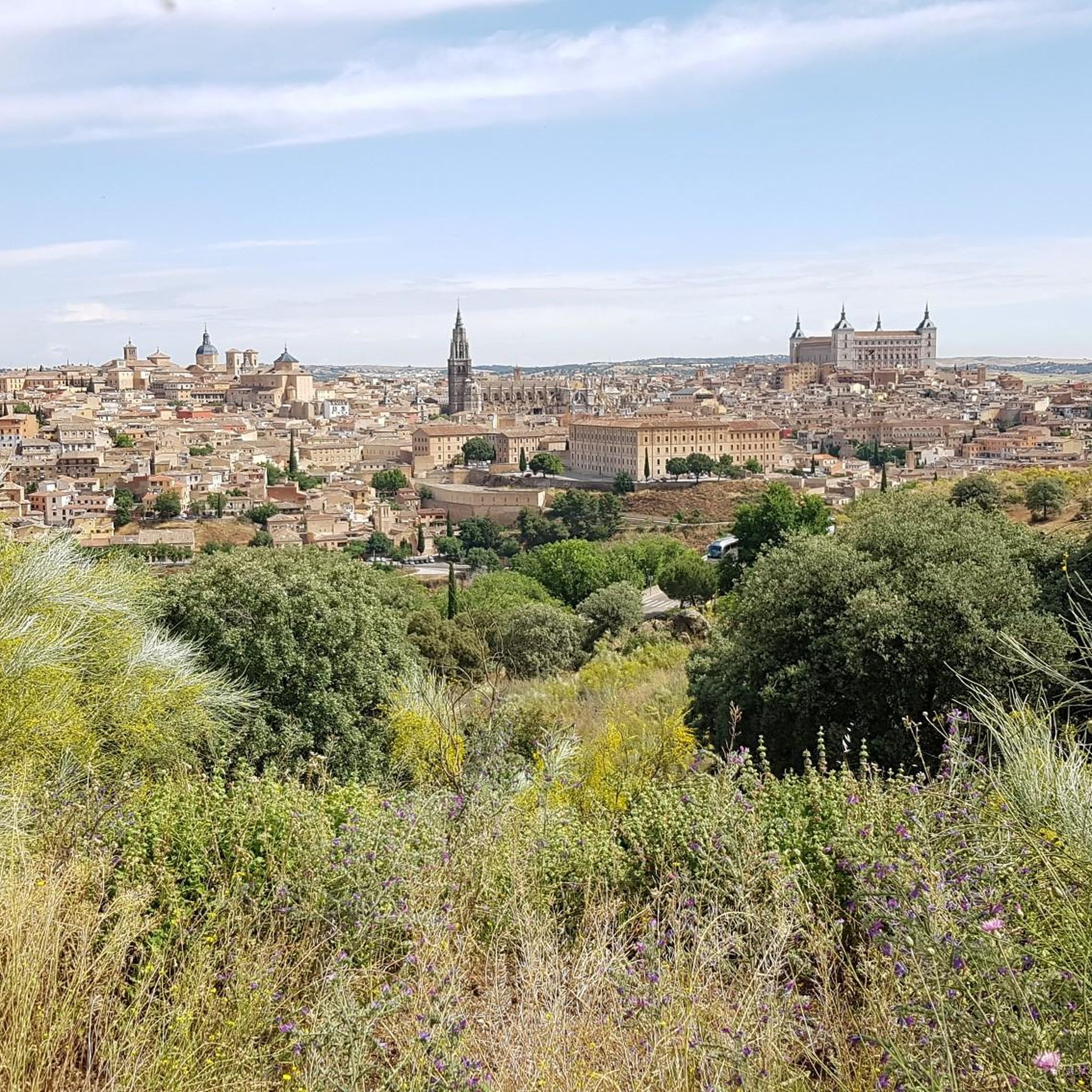
Mandatory visit point in Toledo. The square is beautifully illumimated in the evening. It is surrounded mainly by the City Hall and the Saint Maria de Toledo Cathedral. Cathedral visit is also a strong point. Full of art (El Greco is well represented) and heavy deco in a classic Gothic architecture.
1
3
The Cathedral is the most grandiose and monumental building in the city. It is a Gothic cathedral started in the 13th century, although over the centuries that its construction lasted it has Renaissance, Baroque and Neoclassical elements. In addition, it contains very important works of art such as the Custodia for the Corpus Christi procession, the Baroque Transparente made by Narciso Tomé and the Expolio by the painter El Greco. Its sacristy houses an impressive treasure trove of works of art. It has 19 works by El Greco alone, but to these we must add others by painters such as Goya, Caravaggio, Titian, Van Dick, Goya, Morales, Orrente or Tristan. Also noteworthy are the Chapter House, the chapel of San Ildefonso, the sacristy, the chapel of Reyes Nuevos, the choir, the cloister... Therefore it is a monument that must be visited, to discover all the treasures it holds within.
3
3
Frequently Asked Questions
What historical sites can I visit directly in Layos?
In Layos itself, you can explore the 16th-century Church of San Juan Bautista, known for its beautiful facade and intricate interior. The village also features historical Castle Ruins and the impressive Layos Palace, a Mudéjar-style building with origins tracing back to a Roman settlement, featuring three square towers and a walled estate.
What natural features can I explore around Layos?
Layos is nestled amidst picturesque rolling hills and lush landscapes, offering a scenic backdrop for outdoor activities. The area includes Monte de Layos, which rises to 1,084 meters above sea level, known for its slopes, ridges, and valleys.
Are there opportunities for hiking or cycling near Layos?
Yes, the area around Layos offers abundant trails suitable for various skill levels. You can find numerous options for hiking, road cycling, and mountain biking. Popular routes include the 'Embalse de Guajaraz' for hiking, 'Argés Circular via Polán and Guajar' for road cycling, and the 'Route of the Southern Fortresses' for MTB.
What cultural experiences or events can I find in Layos?
Layos hosts numerous cultural events and festivals throughout the year, celebrating its traditions. Highlights include the annual Fiesta de San Juan and the Harvest Festival. Visitors can also explore local markets and artisan shops offering handmade crafts, pottery, and textiles, or participate in workshops for pottery and weaving.
Are there family-friendly attractions around Layos?
Many attractions in the broader region are suitable for families. For instance, the Toledo Cathedral, San Martín Bridge, and Alcántara Bridge are all marked as family-friendly. The scenic viewpoints, like the one from the Public Fountain (Mirador del Valle), also offer enjoyable experiences for all ages.
Can I find viewpoints with scenic panoramas near Layos?
Absolutely. The Public Fountain (Mirador del Valle), located just across the Tagus River from Toledo's historic center, offers one of the most iconic and spectacular panoramic views of the imperial city. You can also enjoy views from the San Martín Bridge and Alcántara Bridge.
What historical attractions are there in the broader region near Layos?
Beyond Layos, the nearby city of Toledo, approximately 12 km away, offers a wealth of historical sites. These include the magnificent Toledo Cathedral, the iconic Alcántara Bridge, the historic San Martín Bridge, and El Arco de la Sangre. The Alcázar of Toledo and the historic Old Town are also significant attractions in Toledo.
Are there any unique historical artifacts associated with Layos?
Yes, the Layos Sarcophagus, a 4th-century marble Early Christian sarcophagus, was discovered during excavations of the Layos Palace foundations in 1627. While it's no longer in Layos, it is now preserved in the Frederic Marès Museum in Barcelona and is important for understanding early Christianity in Spain.
What do visitors particularly enjoy about the attractions near Layos?
Visitors frequently praise the rich history and architectural beauty, especially in nearby Toledo. The Toledo Cathedral is often highlighted as a masterpiece of Gothic art. The panoramic views from spots like the Mirador del Valle are also highly appreciated for offering stunning perspectives of the city and the Tagus River.
Are there any wheelchair-accessible attractions near Layos?
Yes, El Arco de la Sangre is listed as wheelchair accessible. When planning your visit, it's always recommended to check specific accessibility details for other sites, especially in historical areas, as terrain can vary.
What is the best season for outdoor activities in Layos?
The region's climate makes spring and autumn ideal for outdoor activities. The weather is generally mild and pleasant, perfect for hiking, cycling, and exploring historical sites without the intense heat of summer or the chill of winter. However, the scenic beauty can be enjoyed year-round.
Where can I find local markets or artisan shops in Layos?
Layos has a local market where you can find fresh produce, artisanal cheeses, and homemade pastries. Additionally, the village features various artisan shops offering handmade crafts, pottery, and textiles that reflect the region's heritage, providing a great way to immerse yourself in local culture.
Most popular attractions around Layos

Get inspired with the komoot mobile app


Explore more
Still not found the Highlight you’re looking for? See guides of the top attractions in other regions:
