Attractions and Places To See around Santa María Del Camí - Top 20
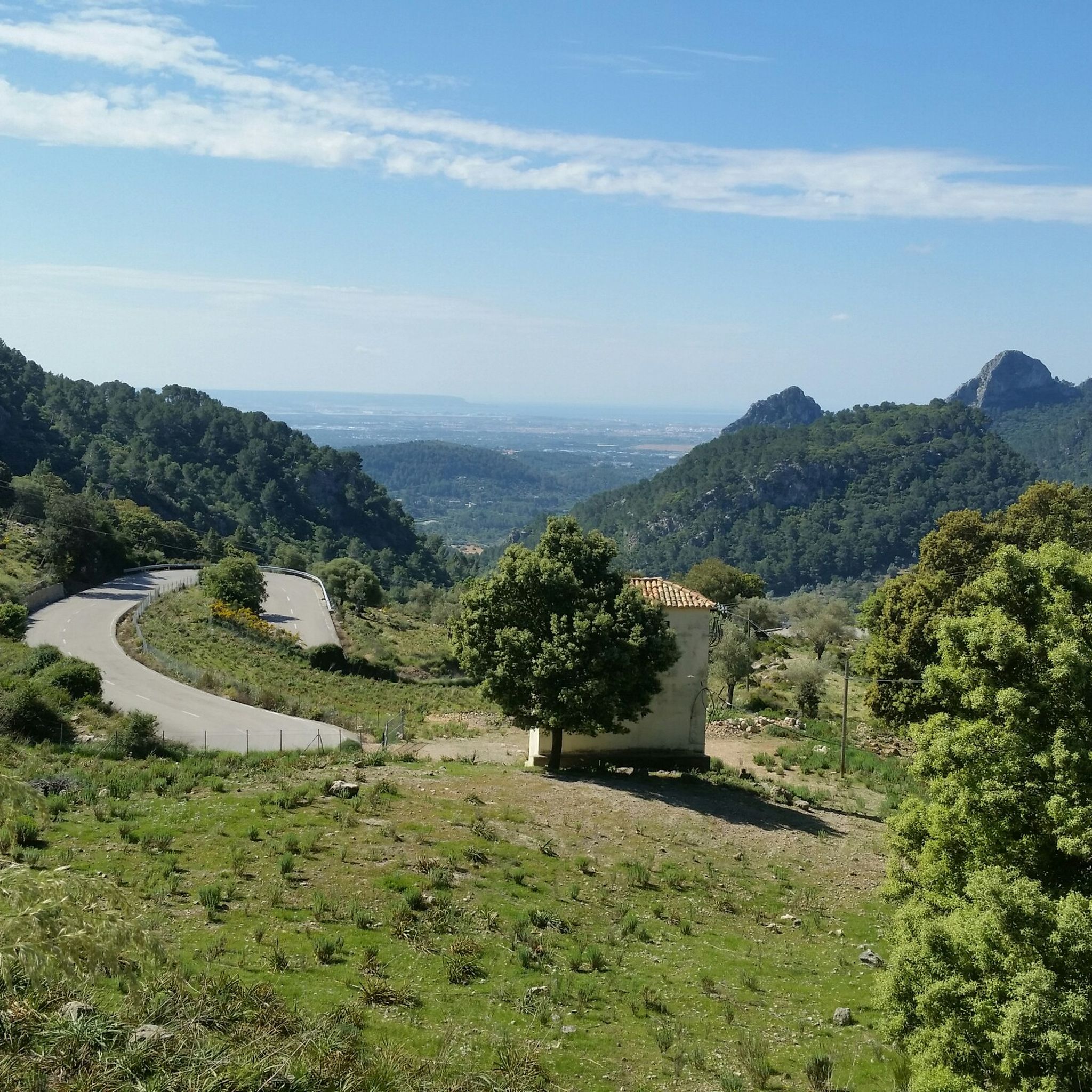
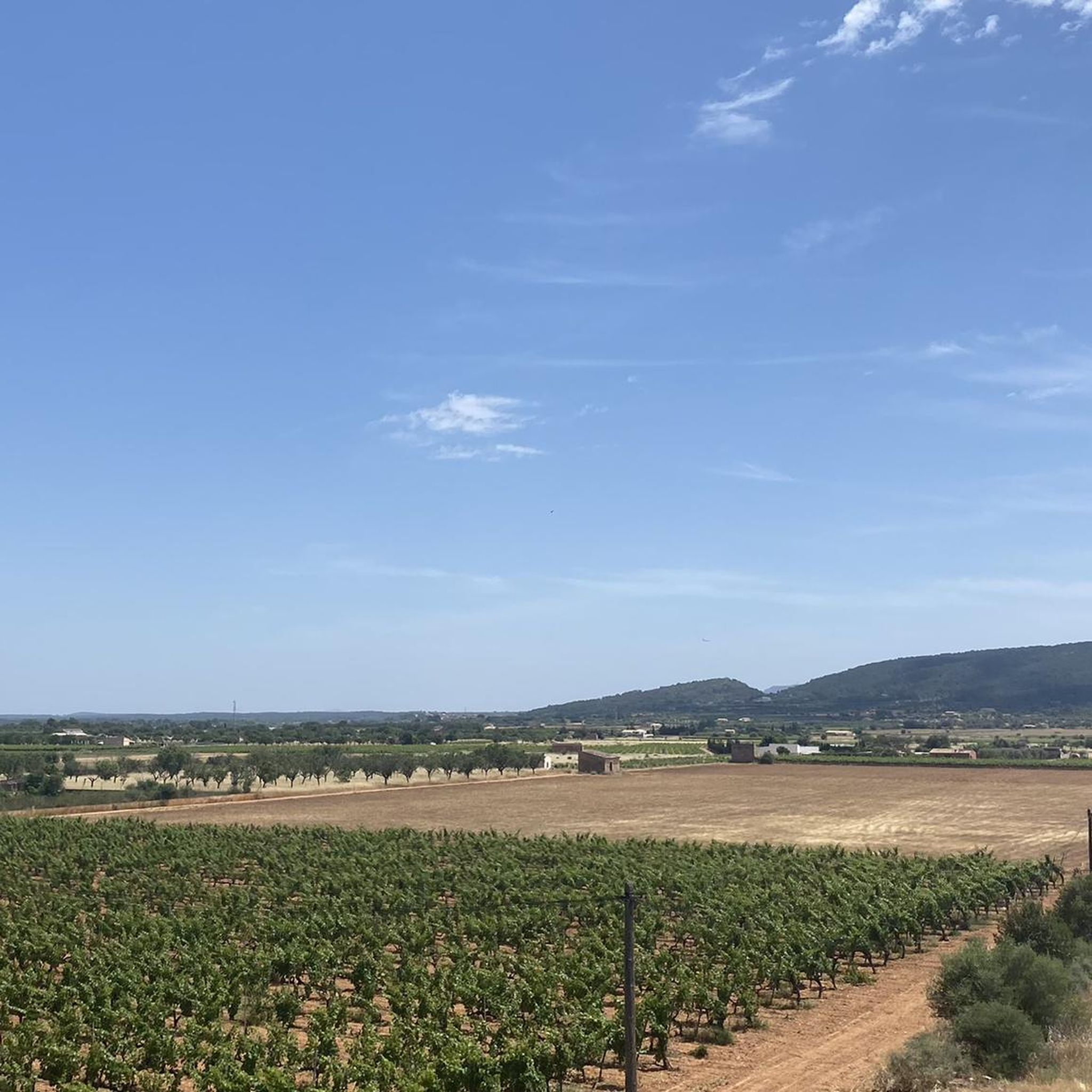
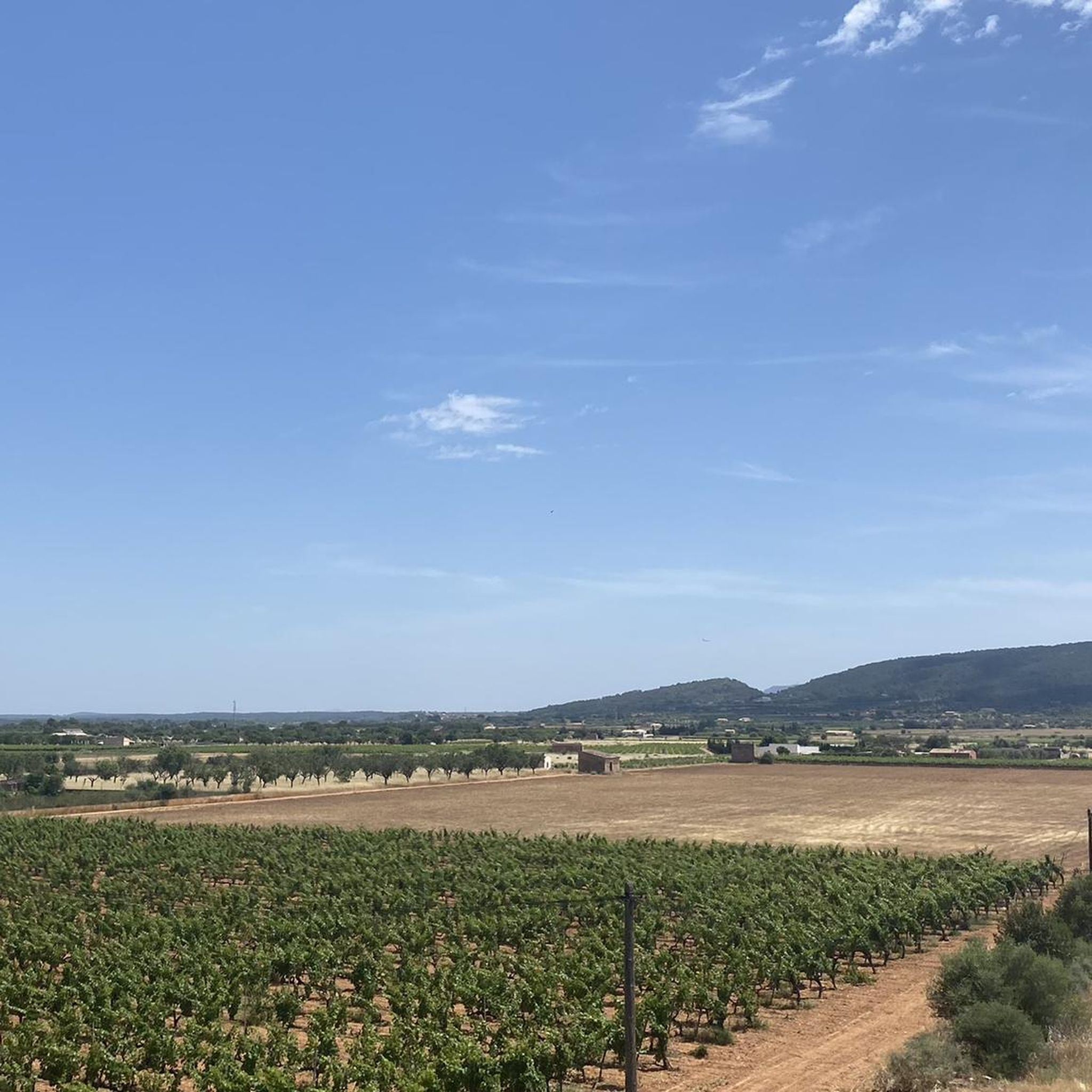
Best attractions and places to see around Santa María Del Camí include a blend of historical landmarks and natural beauty. Situated on a central plain, the town offers views of the Tramuntana mountain range, connecting mountains and plains. The area is characterized by vineyards, almond groves, and the Coanegra Valley, providing diverse landscapes for exploration.
Best attractions and places to see around Santa María Del Camí
- The most popular attractions is Fornalutx Village, a settlement known as one of Mallorca's most beautiful villages. It offers views of the picturesque mountain landscape of the northern Tramuntana.
- Another must-see spot is Camí de s'Arxiduc (Archduke's Trail), a trail laid out in the 19th century. This path leads through the high plateaus of the Tramuntana and offers views of the coast.
- Visitors also love Old Olive Tree, a natural monument featuring centuries-old olive trees. These trees, especially in the Tramuntana, were introduced by the Phoenicians and are known for their longevity and unique shapes.
- Santa María Del Camí is known for its historical sites, natural features, and cultural experiences. Visitors can explore impressive churches, ancient archaeological sites, and scenic valleys.
- The attractions around Santa María Del Camí are appreciated by the komoot community, with more than 2600 upvotes and over 1200 photos shared.
Last updated: October 9, 2026
Constitution Square and Sant Bartomeu Church, Sóller
Highlight • Settlement
The beautifully renovated modernist building Can Prunera in Sóller houses a beautiful permanent exhibition (including Kandinksy, Picasso, Warhol, as well as local artists Miquel Barceló and Francesca Martí), as well as temporary exhibitions. The Balearic Museum of Natural Sciences (Museu Balear de Ciències Naturals) and the Jardí Botànic, a garden with many different endemic plants, are just a few minutes' walk from the town center on the road towards the port.
Translated by Google •
Tip by

Fornalutx Village
Highlight • Settlement
Translated by Google •
Tip by

Sign up now to discover places like this
Get recommendations on the best single tracks, peaks, & plenty of other exciting outdoor places.
Old Olive Tree
Highlight • Natural Monument
Translated by Google •
Tip by

Biniaraix
Highlight • Settlement
Tourist not crowded, but there seems to be some cottages here. The rental cars in the driveways speak for it.
Translated by Google •
Tip by

Camí de s'Arxiduc (Archduke's Trail)
Highlight • Trail
Translated by Google •
Tip by

Sign up for free to discover even more attractions around Santa María Del Camí.
Already have an account?
Start today with a free account
Your next adventure awaits.
Popular around Santa María Del Camí


Tips from the Community

Biniaraix is a pretty Mallorcan village not far from Soller. Apart from the village square, there is not much to discover here. From here you can hike up the Barranc de Biniaraix gorge to the Cuber reservoir
2
0

The entrance fee is now €2 for the church or €3 for the church and the small museum. The entrance fee is worth it (and is really cheap compared to the cathedral in Palma), as the interior of the parish church is simply beautiful.
8
1

Biniaraix is a typical Mediterranean farming village. The town center and the church of Biniaraix are particularly worth seeing. Both have been declared cultural assets (Bien de Interés Cultural) in the category of historic building ensemble (Conjunto histórico). The town is not overrun by tourists and is considered a gem and one of the most tranquil places on Mallorca. If you go hiking, you will find places to stop for a bite to eat in the small town center. It is better not to go there on the weekend, because then there are a few tourists as well as locals and the restaurants can be full at lunchtime.
2
0

The Iglesia de Sant Bartomeu is a baroque masterpiece in the middle of the mountains. The delicately designed but huge façade of the parish church towers over the main square, Plaza de Constitució, with its small shops, restaurants and cafés. The current church was built in the baroque and late neo-Gothic style at the end of the 17th century over a previous church. The only evidence of the first building are the remains of the fortress walls with loopholes at the side entrance to the church, which were built around them to protect against Turkish pirates. Even today, the historic festival of Moros y Cristianos (Moors and Christians, also known as Es Firó de Sóller) is celebrated every May 11th to commemorate the defense against the pirates.
6
0

The current Church of Sóller is an impressive building with an interesting history, both architecturally and culturally important. The founder of the first church in Sóller was the provost of Tarragona, Ferrer de Sant Martí. Over the years, the church has been remodeled and expanded several times after being damaged by looting and attacks. Today the church presents itself as an imposing building that captivates visitors with its fascinating history.
14
0
The centuries-old olive trees in Mallorca, especially in the Tramuntana, were introduced by the Phoenicians a thousand years ago. The Romans expanded cultivation, and the Arabs later developed oil extraction. For a long time, the farmers in the Tramuntana lived off the "gold of the Sierra". Even the steepest slopes were terraced in order to use them for olive cultivation. The olive tree ensures its longevity through the bizarre shapes it assumes over time and is one of the longest-lived trees of all. Even at the age of several 100 years, it still bears fruit.
12
1
Sóller is a picturesque town in the northwest of Mallorca, known for its idyllic orange and lemon plantations, traditional architecture and beautiful surroundings. The town itself is surrounded by high mountains and lies in a fertile valley, valued for its lush vegetation and mild climate. The old town of Sóller is characterized by narrow streets, small squares and charming Art Nouveau buildings, which give the town a unique atmosphere. Particularly worth seeing are the Plaza de la Constitución, the central square of Sóller, and the church of Sant Bartomeu with its striking bell tower. One of the most famous sights in Sóller is the historic railway that connects the town with the capital Palma. The train ride takes you through breathtaking landscapes, past deep gorges, idyllic villages and majestic mountains and offers an unforgettable view of the beauty of Mallorca. Sóller is also an excellent base for outdoor activities such as hiking, cycling or climbing. The surrounding mountains and valleys are a paradise for nature lovers and adventurers who want to be enchanted by the beauty of the landscape. Overall, Sóller is a wonderful place for a relaxing holiday that has a lot to offer both culturally and scenically. The relaxed atmosphere, delicious cuisine and friendly residents make a visit to this charming town an unforgettable experience.
13
3

One of the most popular hiking routes on the Balearic island of Mallorca today is the former bridle path of Archduke Ludwig Salvator in the Tramuntana mountains. The bridle path was laid out by the Archduke in the 19th century north of Valldemossa on a long ridge running west from the Puig de Teix and dropping steeply towards the sea during his stay in Mallorca. The Archduke's bridle path offers hikers fantastic panoramic views. It is precisely these fantastic views that attract hikers to the former bridle path, which is now known as Camille de s'Arxiduc, all year round. Today there are two variants of the former cycle path, which are now used by hikers: a) A circular route from Valldemossa to Puig Teix and back b) A hike from Valldemossa to Deia
8
3
Frequently Asked Questions
What historical sites can I explore in Santa María Del Camí?
Santa María Del Camí is rich in history. You can visit the impressive Parish Church (Església Parroquial de Santa Maria), a Baroque masterpiece from the 18th century, or the 17th-century Town Hall (Casa de la Vila) in the main square, which once served as a prison. The Convent of Nostra Senyora de la Soledat, founded in 1682, is also in the town center. Don't miss exploring the winding medieval streets of the historic center, which reveal traditional buildings and defense towers. For ancient history, the Son Seguí Vell site is considered one of the most exceptional archaeological sites on the island.
Are there natural features or scenic views to enjoy around Santa María Del Camí?
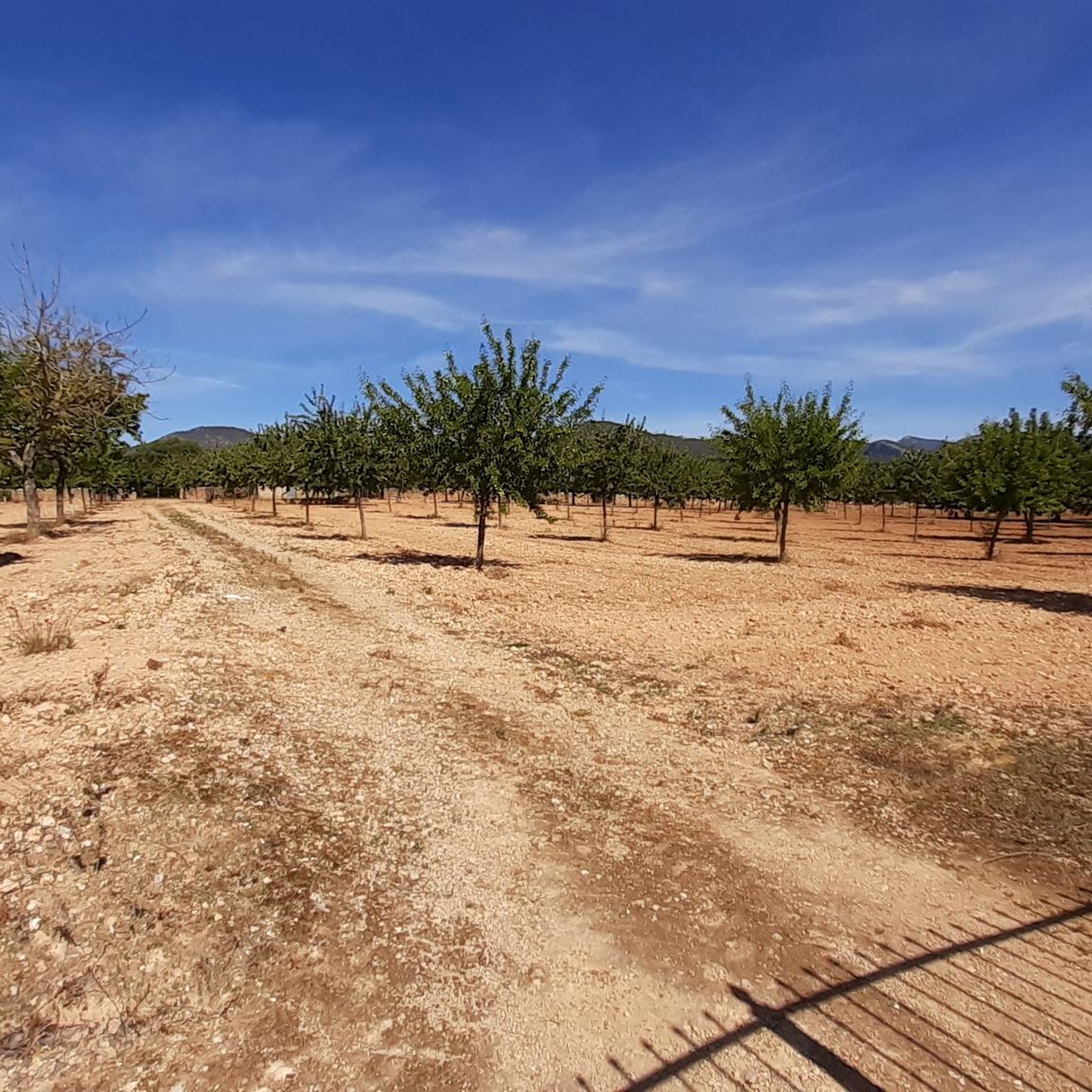
Absolutely. The town offers stunning views of the Serra de Tramuntana Mountain Range. The Coanegra Valley is a cherished spot for hikers and cyclists, featuring ravines, watercourses, and forests. You'll also travel through vast vineyards and almond groves, which are particularly beautiful with their white blossoms in January and February. For a unique natural monument, visit the Old Olive Tree, where you can see centuries-old olive trees with their distinctive, gnarled shapes.
What cultural experiences does Santa María Del Camí offer?
Santa María Del Camí is known for its vibrant culture. The bustling Sunday Market is a major attraction, offering local produce, artisan crafts like the traditional "tela de llengües" fabrics, and second-hand goods. The town is a hub for winemaking, with many wineries like Macià Batle offering tours and tastings, and it hosts the "Festival of Young Wine" in late November. You can also visit local artisans, such as Tèxtils Bujosa, to see the ancient ikat weaving technique firsthand. A unique characteristic is the presence of horses, making horse riding a popular activity.
What outdoor activities are popular around Santa María Del Camí?
The area is excellent for outdoor enthusiasts. Hiking and cycling are very popular, especially in the Coanegra Valley and towards the Tramuntana mountains. You can find various routes for gravel biking, mountain hikes, and general hiking. For specific routes, explore the Gravel biking around Santa María Del Camí, Mountain Hikes around Santa María Del Camí, and Hiking around Santa María Del Camí guides.
Are there family-friendly attractions around Santa María Del Camí?
Yes, several attractions cater to families. Exploring the historic center and its medieval streets can be an engaging experience for all ages. The Sunday Market offers a lively atmosphere and interesting sights for children. The nearby Fornalutx Village, often called one of Mallorca's most beautiful, is a charming place to wander. For a more active day, easy walking trails in the Coanegra Valley provide a gentle introduction to the natural beauty.
What is the best time to visit Santa María Del Camí for outdoor activities?
The spring (March to May) and autumn (September to November) months are generally ideal for outdoor activities in Santa María Del Camí. During these periods, the weather is pleasant, with comfortable temperatures for hiking, cycling, and exploring. In late January and February, the almond groves are in full blossom, offering a spectacular sight. The "Festival of Young Wine" in late November also provides a unique cultural experience.
Can I find unique local products or crafts in Santa María Del Camí?
Yes, Santa María Del Camí is renowned for its local artisans and products. The Sunday Market is the best place to find a wide array of local produce, organic items, and artisan crafts. The town is particularly famous for its "tela de llengües" (cloth of tongues), a splendid handmade fabric created using the ancient ikat technique. You can visit workshops like Tèxtils Bujosa to see the weaving process and purchase these unique textiles.
Where can I find impressive views of the Tramuntana mountains?
The town itself offers a scenic backdrop of the Serra de Tramuntana Mountain Range. For more expansive views, consider hiking parts of the Camí de s'Arxiduc (Archduke's Trail), which leads through the high plateaus of the Tramuntana and provides magnificent coastal vistas. The charming Fornalutx Village also offers wonderful views of the picturesque mountain landscape of the northern Tramuntana.
Are there options for wine tasting or vineyard tours in the area?
Yes, Santa María Del Camí is located in a prominent wine-growing region with a long history of wine production. There are many local wineries that welcome visitors for tours and tastings. A well-known example is Macià Batle. These experiences offer a chance to learn about Mallorcan winemaking traditions and sample local wines. The town also celebrates its wine heritage with the "Festival of Young Wine" in late November.
What kind of hiking trails are available near Santa María Del Camí?
You'll find a variety of hiking trails catering to different preferences. The Coanegra Valley offers numerous routes through ravines and forests. For more challenging treks, the Tramuntana mountains provide mountain hikes, including routes like the Barranc de Biniaraix Gorge. There are also moderate and easy options, such as the "Santa Maria del Camí – Church of Santa María loop." For detailed routes, check out the Hiking around Santa María Del Camí guide.
Are there cycling routes suitable for different skill levels?
Yes, the area around Santa María Del Camí is popular for cycling, with routes suitable for various skill levels. You can find gravel biking routes that range from moderate to difficult, such as the "Church of Santa María – Santa Maria del Camí loop" or longer, more challenging options like the "Algaida Parish Church – Santuario de Cura Climb loop." For a comprehensive list of routes, refer to the Gravel biking around Santa María Del Camí guide.
What makes the architecture in Santa María Del Camí unique?
The architecture in Santa María Del Camí showcases a blend of historical styles. The Parish Church (Església Parroquial de Santa Maria) is a prime example of Mallorca's Baroque past, built between 1718 and 1756 with its distinctive tower. The Town Hall (Casa de la Vila) is a 17th-century Renaissance building. Exploring the historic center reveals medieval streets, traditional buildings, and Renaissance facades. You can also find the 10th-century Iglesia Baptista de Sant Joan, restored in the 18th century, featuring Gothic and Romanesque elements.
Most popular routes around Santa María Del Camí
Most popular attractions around Santa María Del Camí

Get inspired with the komoot mobile app


Explore more
Still not found the Highlight you’re looking for? See guides of the top attractions in other regions:
