The best cycling routes around Réserve naturelle de Jujols
4.4
(61)
2,525
riders
53
rides
Touring cycling routes around Réserve naturelle de Jujols traverse a diverse landscape in the Pyrénées-Orientales, Occitanie, France. The reserve spans 472 hectares with altitudes ranging from 1100 meters to 2172 meters, creating varied environments including cliffs, forests, moorlands, and grasslands. Geologically, the area features slate schists and limestone masses, contributing to its unique terrain. The broader region offers well-maintained roads and varied topography suitable for touring cyclists.
Best touring cycling routes around Réserve naturelle de Jujols
- The most popular touring…
Last updated: July 4, 2026
5.0
(1)
24
riders
54.0km
04:27
1,690m
1,680m
Hard bike ride. Very good fitness required. Mostly paved surfaces. Suitable for all skill levels.
5.0
(2)
482
riders
68.6km
05:14
1,750m
1,750m
Hard bike ride. Very good fitness required. Mostly paved surfaces. Suitable for all skill levels.

Sign up for free
24
riders
47.2km
03:41
1,320m
1,320m
Hard bike ride. Very good fitness required. Mostly paved surfaces. Suitable for all skill levels.
4.5
(2)
26
riders
Hard bike ride. Very good fitness required. Mostly paved surfaces. Suitable for all skill levels.
8
riders
108km
08:37
2,920m
2,920m
Hard bike ride. Very good fitness required. Mostly paved surfaces. Suitable for all skill levels.
Get access to more routes and recommendations from other explorers.
Sign up for free
Already have an account?
Our route recommendations are based on thousands of hikes, rides, and runs completed by other people on komoot.
Start today with a free account
Your next adventure awaits.
Login or Signup


Tips from the Community

This beautiful Romanesque building has a richly decorated main portal in pink marble, undoubtedly by the same sculptors as those who created the cloister of the Abbey of Saint-Michel-de-Cuixà.
2
0
This ancient trading town, the capital of Conflent, has preserved some beautiful traces of its history and its status as a defensive town. Examples include the ramparts and the Viguerie Tower, built by the Count of Cerdagne in the 11th century and subsequently reinforced by Vauban's fortifications in the 17th century.
0
0
MAJOR FESTIVAL, The Festa Major takes place on August 23, 24, and 25. More details will be announced once the final program is finalized.
8
0
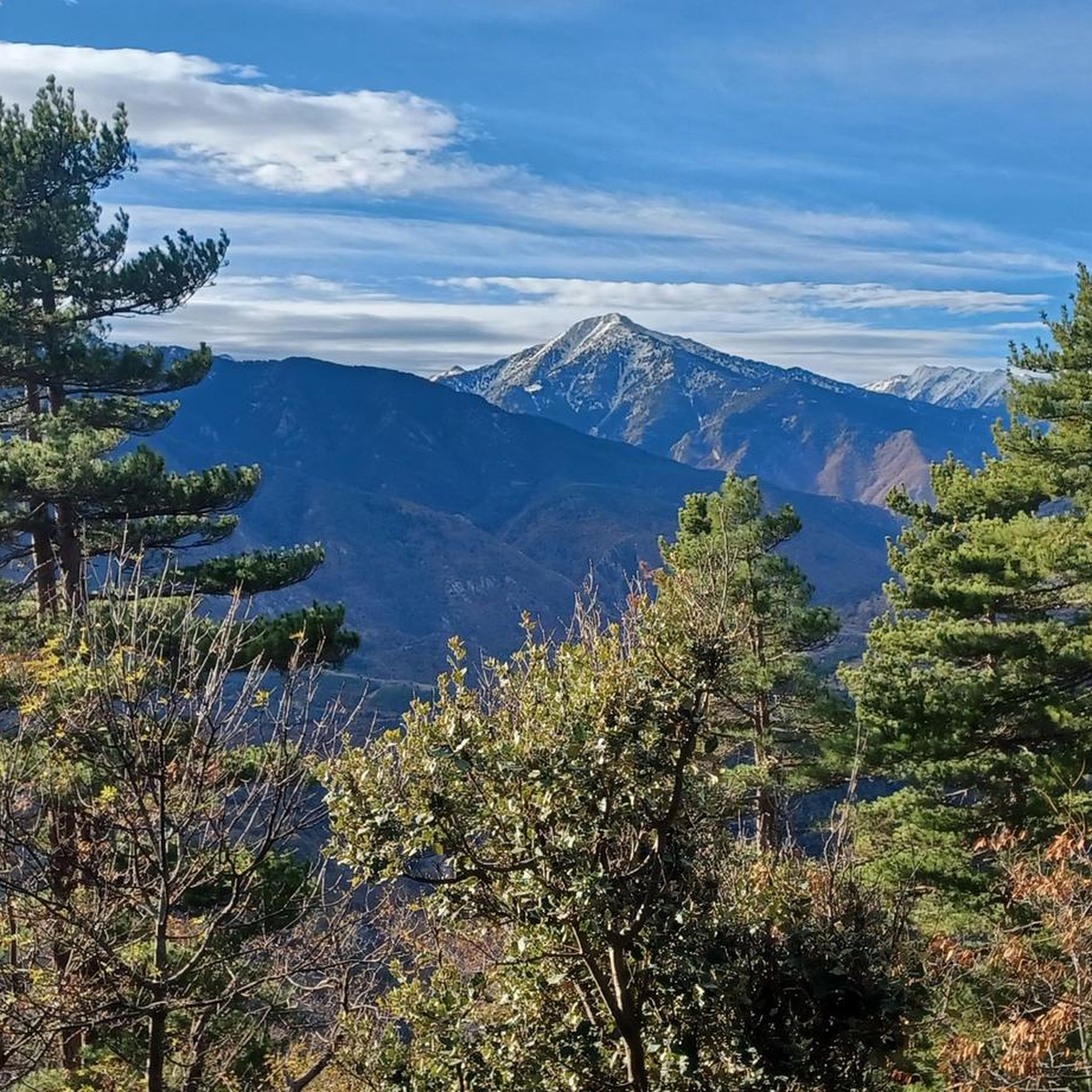
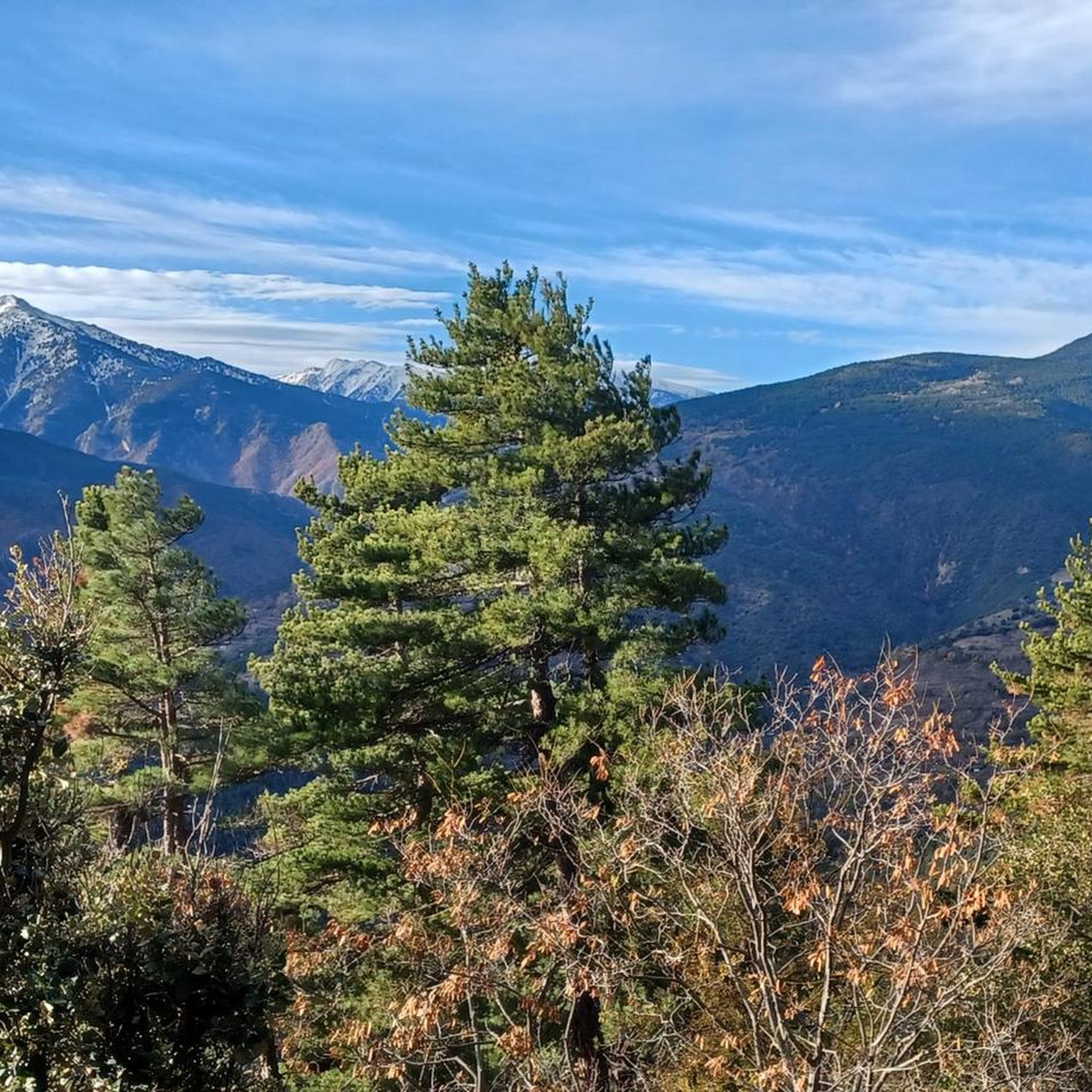
with a view of the Cangou and access to camping le Rotja
24
0
This former trading town, the capital of Conflent, has preserved some beautiful traces of its history and its status as a defensive town. This rich heritage makes Villefranche-de-Conflent one of the fifty most visited sites in France.
14
0

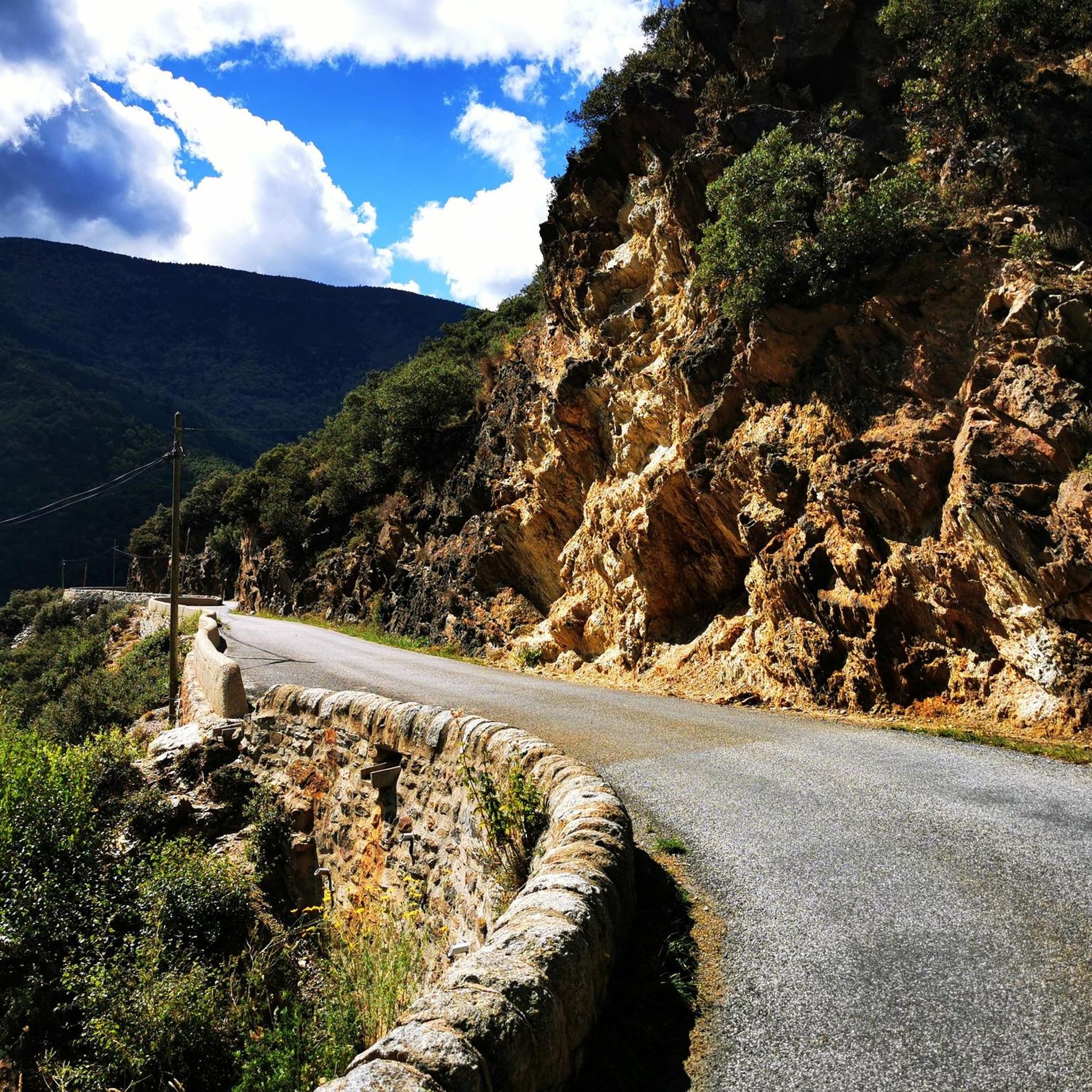
Beautiful, quiet road. It's really nice to be away from traffic, especially if you're leaving the main road that leads to Lake Matemale.
0
0
This ancient trading town, the capital of Conflent, has preserved beautiful traces of its history and its status as a defensive town. Examples include the city walls, the Viguerie Tower, and Fort Liberia, a UNESCO World Heritage Site, as well as the shops and homes of notables and wealthy merchants.
14
0
Lake Matemale with its beautiful beaches is located at an altitude of 1500 metres and therefore the water is between 19 and 23°.
1
1
Frequently Asked Questions
What kind of terrain can I expect when touring cycling around Réserve naturelle de Jujols?
The Réserve naturelle de Jujols and its surroundings offer a diverse landscape for touring cyclists. You'll encounter significant elevation changes, with altitudes ranging from 1,100 meters to 2,172 meters. The terrain includes dense coniferous forests, green oak and Scots pine woodlands, open pastures, and scrubland. Geologically, the area features Jujols slate, schists, and limestone masses, creating varied surfaces. Expect a blend of Mediterranean conditions at lower elevations and more montane climates higher up, providing a constantly changing scenic backdrop.
Are there any easy touring cycling routes suitable for beginners or families?
Yes, while many routes are challenging, there are options for easier touring. The guide lists 2 easy routes, which are generally shorter and have less demanding climbs. These routes often follow more established paths or lower elevation areas, making them suitable for those seeking a less strenuous ride or cycling with family. Always check the route details for specific elevation profiles and distances to ensure it matches your group's ability.
What are some notable natural features or viewpoints I can see along the cycling routes?
Touring cycling routes in the Réserve naturelle de Jujols offer numerous natural highlights. You can expect panoramic views of the majestic Canigou mountain range, especially from higher elevations. The diverse habitats include forests, natural pastures, and unique geological formations like Jujols slate and limestone massifs. While cycling, you might also encounter humid environments with springs and Mediterranean wet grasslands, contributing to the rich biodiversity of the reserve.
Can I bring my dog on the touring cycling routes in Réserve naturelle de Jujols?
The Réserve naturelle de Jujols is a protected area with specific regulations to preserve its rich biodiversity. While the reserve is generally accessible, it's crucial to check the specific rules regarding dogs on trails, especially within the nature reserve boundaries. Often, dogs may be required to be on a leash, or certain sensitive areas might restrict their access. It's best to consult local signage or the official Réserve naturelle de Jujols website for the most current guidelines before planning your ride with a dog.
Are there any specific permits required for cycling within the Réserve naturelle de Jujols?
Generally, no specific permits are required for touring cycling on established routes and roads around the Réserve naturelle de Jujols. However, as a protected natural area, certain activities might be regulated. It's always advisable to respect local signage and any specific rules posted at reserve entrances or trailheads. For detailed information on regulations, you can consult the official reserve resources, such as the OFB website for the Réserve naturelle de Jujols.
What is the best time of year to go touring cycling in this region?
The diverse climate of the Réserve naturelle de Jujols, transitioning from semi-arid Mediterranean to montane, means the best time to cycle depends on your preference. Spring and autumn generally offer pleasant temperatures and vibrant landscapes, making them ideal for touring. Summer can be warm, especially at lower elevations, but higher routes provide cooler conditions. Winter cycling is possible but may be challenging due to snow and colder temperatures at higher altitudes. Always check local weather forecasts before your trip.
Where can I find parking for my car when starting a touring cycling route?
Parking options are typically available in the villages and towns surrounding the Réserve naturelle de Jujols, such as Olette, Serdinya, or Oreilla, which serve as common starting points for many routes. Look for designated parking areas within these communities. For specific trailheads, there might be smaller parking lots available, but these can fill up quickly during peak seasons. Always ensure you park legally and respectfully.
Are there any public transport options to reach the cycling routes, especially with a bike?
Public transport access to the Réserve naturelle de Jujols area is possible, though it may require some planning, especially with a touring bicycle. Regional trains or buses might serve towns like Olette or Prades, which are gateways to the reserve. However, policies for carrying bicycles on public transport vary, so it's essential to check with the specific transport provider beforehand. Some services may require bikes to be dismantled or placed in a bag, or only allow them during off-peak hours.
Where can I find cafes, restaurants, or accommodation near the touring cycling routes?
Villages surrounding the Réserve naturelle de Jujols, such as Olette, Prades, Vernet-les-Bains, and Jujols itself, offer various amenities. You'll find cafes and restaurants to refuel, as well as accommodation options ranging from guesthouses to hotels. These towns are convenient stops for breaks, meals, or overnight stays during your touring cycling adventure. It's advisable to check opening hours, especially in smaller villages, as they can be seasonal.
What do other touring cyclists enjoy most about cycling in Réserve naturelle de Jujols?
The area is highly rated by the komoot community, with an average score of 4.4 stars from over 70 reviews. Reviewers often praise the diverse terrain, which includes forests and moorlands, and the significant elevation changes that offer both challenging climbs and rewarding panoramic views. Cyclists appreciate the variety of routes available for different ability levels and the opportunity to explore both natural beauty and historic areas.
Which touring cycling routes offer a good challenge for experienced cyclists?
For experienced touring cyclists seeking a challenge, the Réserve naturelle de Jujols area has plenty to offer. Routes like From Olette to lake Matemale, a 33.5-mile (54.0 km) trail with significant elevation gain, provide a demanding experience through varied mountain landscapes. Another difficult option is Col de la Creu – Col de la Llose loop from Olette - Canaveilles-les-Bains, a 42.5-mile (68.4 km) path that includes mountain passes and refuges, offering challenging climbs and extensive views.
Are there any touring cycling routes that pass through historical areas or villages?
Yes, several routes allow you to combine natural exploration with cultural interest. For instance, the Villefranche-de-Conflent – Festa Major de Fillols loop from Olette - Canaveilles-les-Bains is a 23.5-mile (37.8 km) trail that leads through historic areas and natural scenery. The region also features landmarks like the Oreilla Tower and the Saint-André d'Évol Church, and the Historic Village Center of Evol is noted for its charm, which you can often glimpse or visit on routes passing nearby.
Most popular routes around Réserve naturelle de Jujols

Get inspired with the komoot mobile app


Explore more
Browse the best Cycling routes in other regions.
