The best walks and hikes around Réserve naturelle des Isles du Drac
4.4
(2894)
26,039
hikers
591
hikes
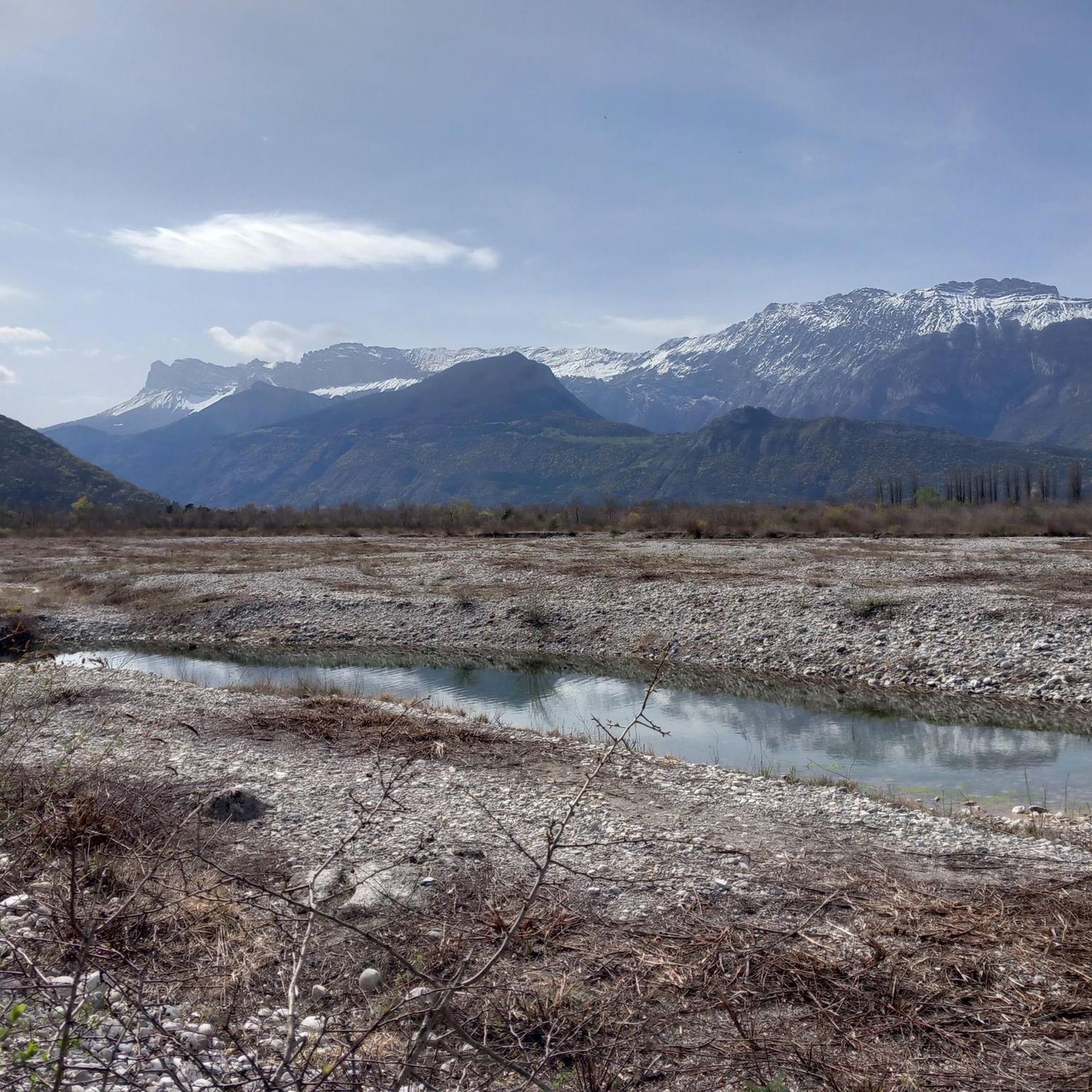
Hiking around Réserve naturelle des Isles du Drac offers diverse landscapes along the Drac river near Grenoble. The reserve spans 805 hectares, featuring a mosaic of natural environments influenced by both mountain and Mediterranean climates. Hikers can explore extensive pebble banks, former river arms, wetlands, and lush alluvial forests. The terrain generally consists of easy walks with minimal elevation changes, making it accessible for various activity levels.
Best hiking trails in Réserve naturelle des Isles du Drac
- The most popular…
Last updated: July 15, 2026
4.2
(5)
35
hikers
9.93km
03:10
340m
340m
Moderate hike. Good fitness required. Mostly accessible paths. Sure-footedness required.
6
hikers
3.90km
01:03
10m
10m
Moderate hike. Great for any fitness level. Mostly accessible paths. Sure-footedness required.

Sign up for free
5.0
(3)
4
hikers
Easy hike. Great for any fitness level. Easily-accessible paths. Suitable for all skill levels.
3.0
(1)
8
hikers
Moderate hike. Good fitness required. Easily-accessible paths. Suitable for all skill levels.
5.0
(1)
5
hikers
6.89km
01:55
30m
30m
Moderate hike. Great for any fitness level. Mostly accessible paths. Sure-footedness required.
Get access to more routes and recommendations from other explorers.
Sign up for free
Already have an account?
Our route recommendations are based on thousands of hikes, rides, and runs completed by other people on komoot.
Start today with a free account
Your next adventure awaits.
Login or Signup
Popular around Réserve naturelle des Isles du Drac
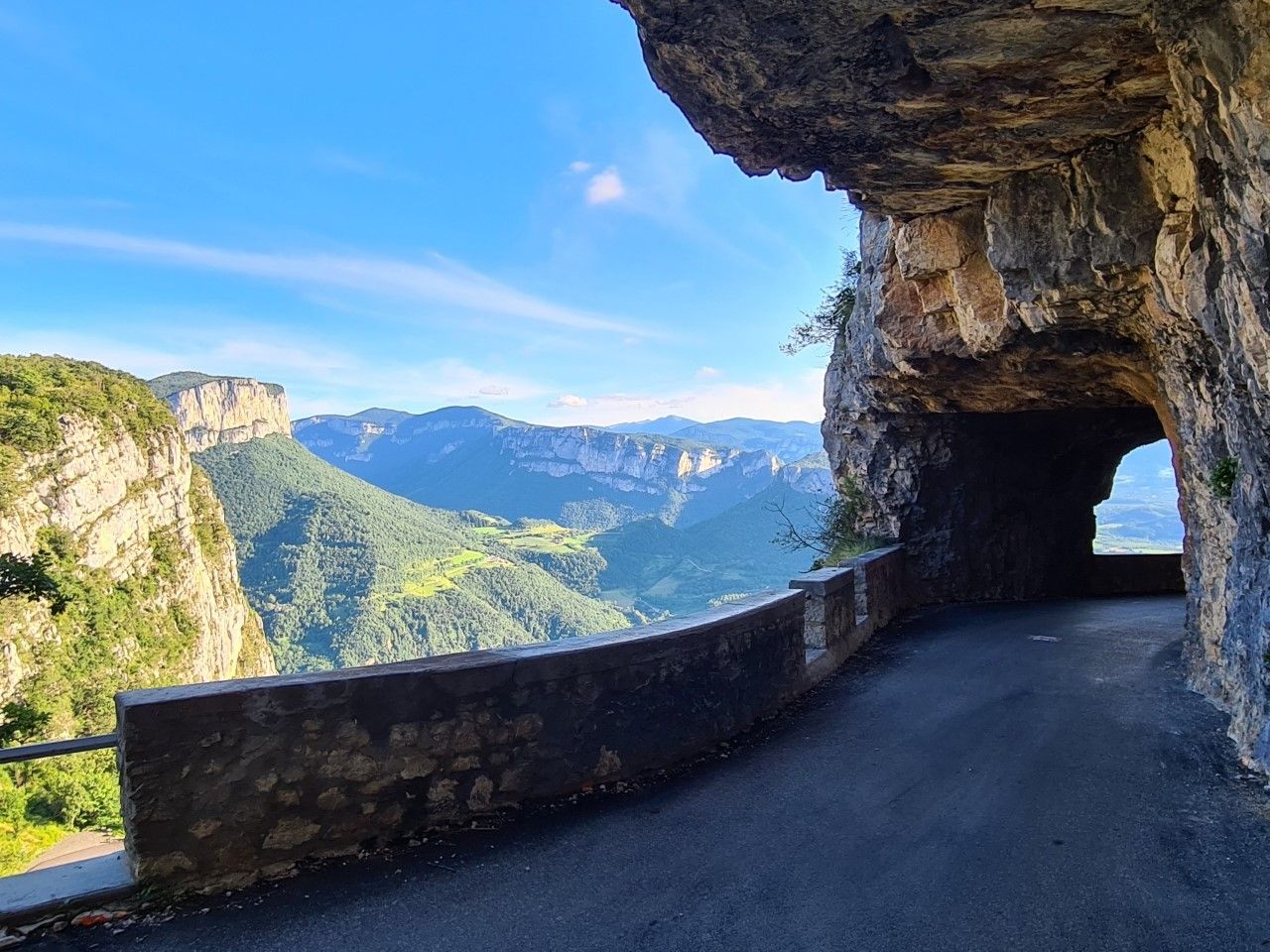
La Grande Traversée du Vercors — In the West of the Alps
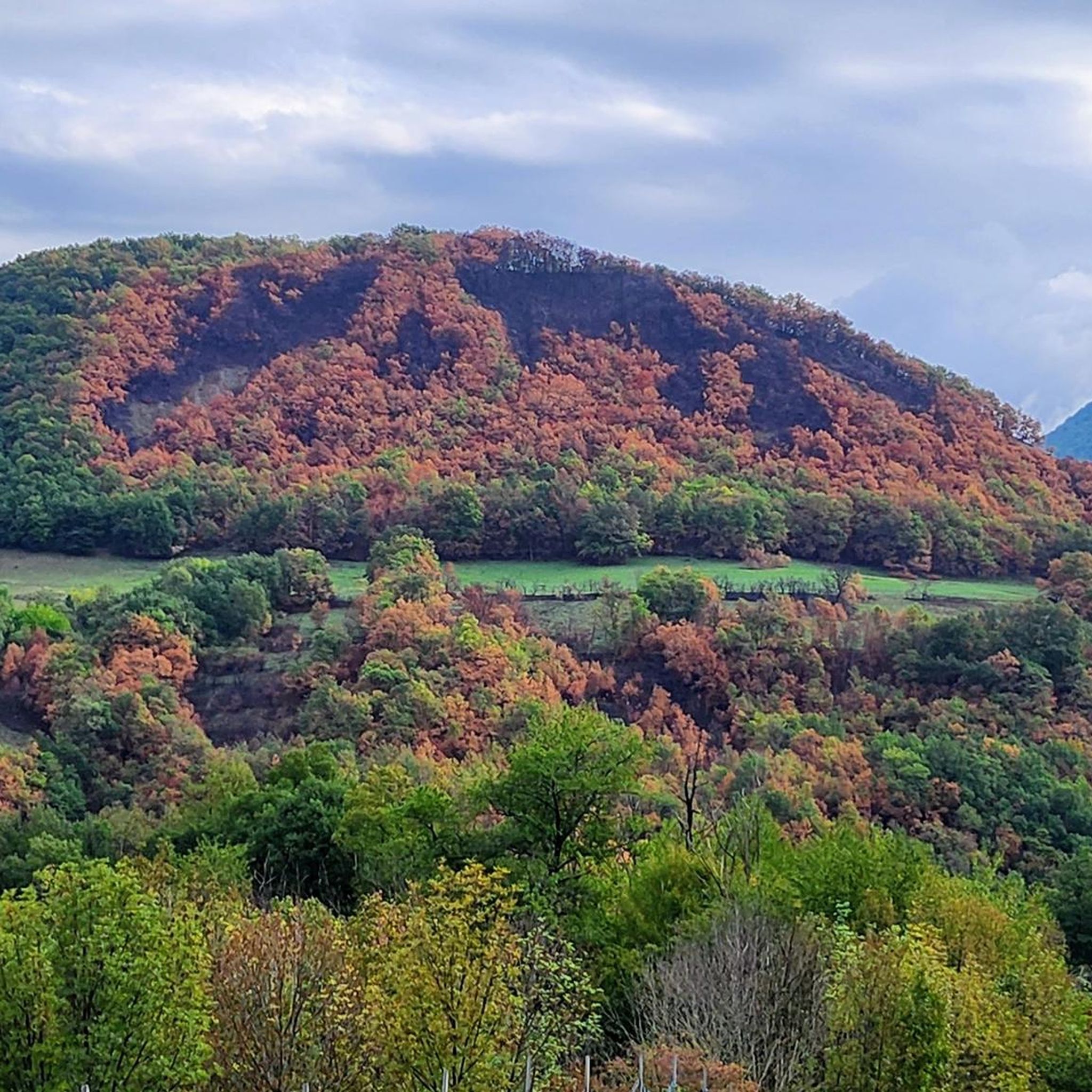
Running Trails around Réserve naturelle des Isles du Drac
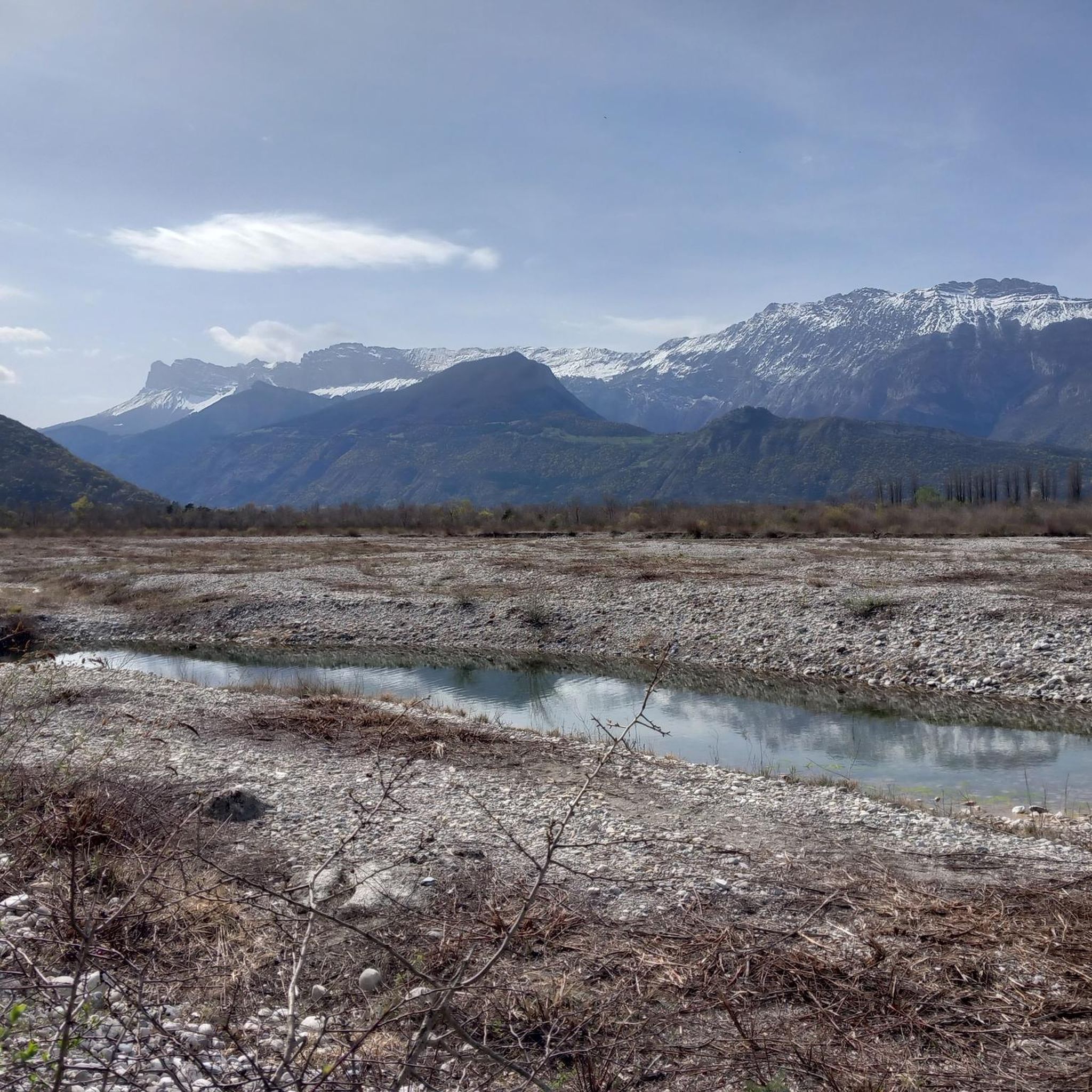
Road Cycling Routes around Réserve naturelle des Isles du Drac
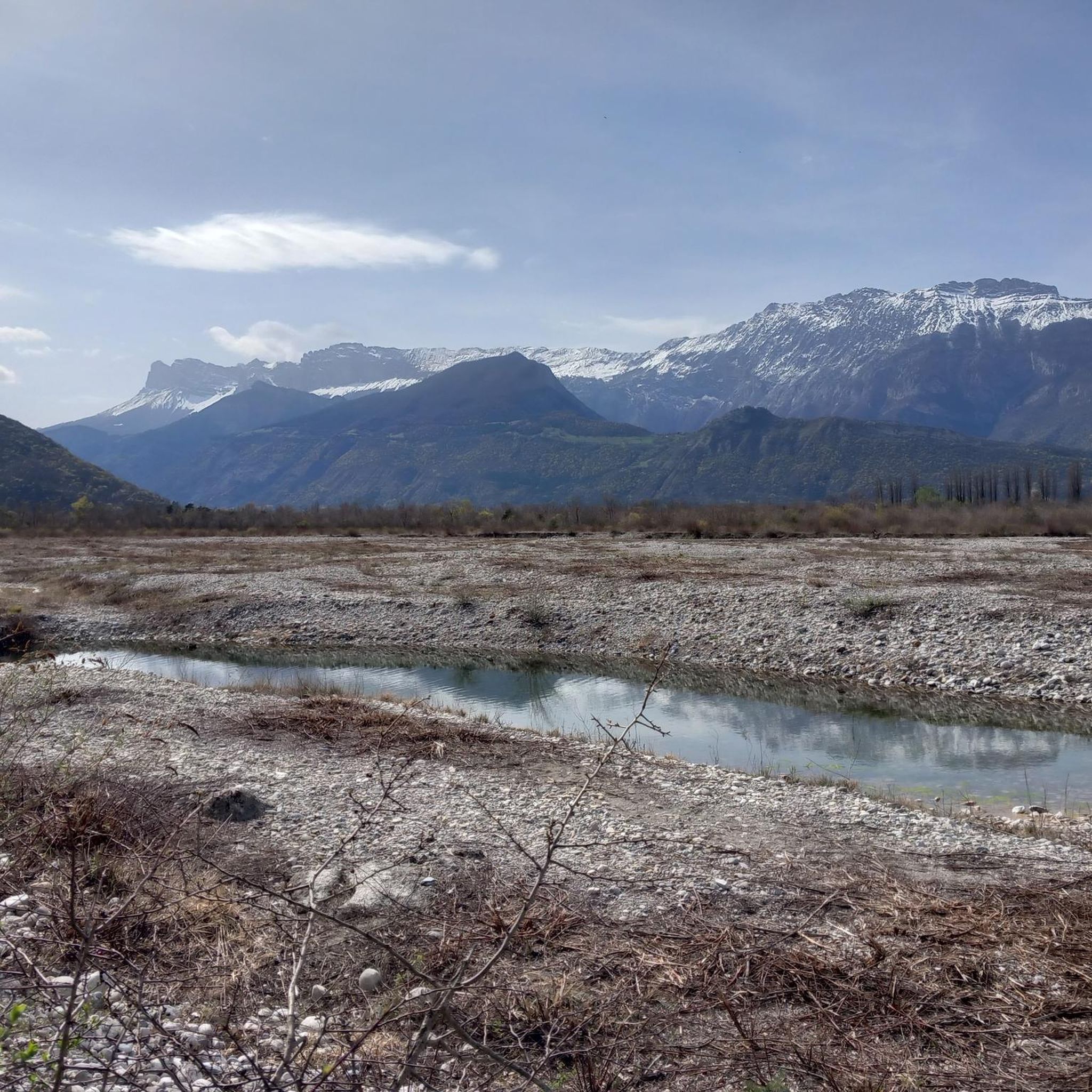
Cycling around Réserve naturelle des Isles du Drac
MTB Trails around Réserve naturelle des Isles du Drac
Gravel biking around Réserve naturelle des Isles du Drac

Mountain Hikes around Réserve naturelle des Isles du Drac
Other adventures around Réserve naturelle des Isles du Drac

Tips from the Community

Very poorly indicated but follow the paths though beautiful woodland.
0
0

You should take a few minutes and enter this small Romanesque church to discover some pretty restored paintings dating from the end of the 18th century.
0
0
The Church of St. George is a charming little church in the early Romanesque style from the 12th century, listed as a Historic Monument in 1908. These two bells date from 1634 and 1653.
0
0

View of the ponds
0
0

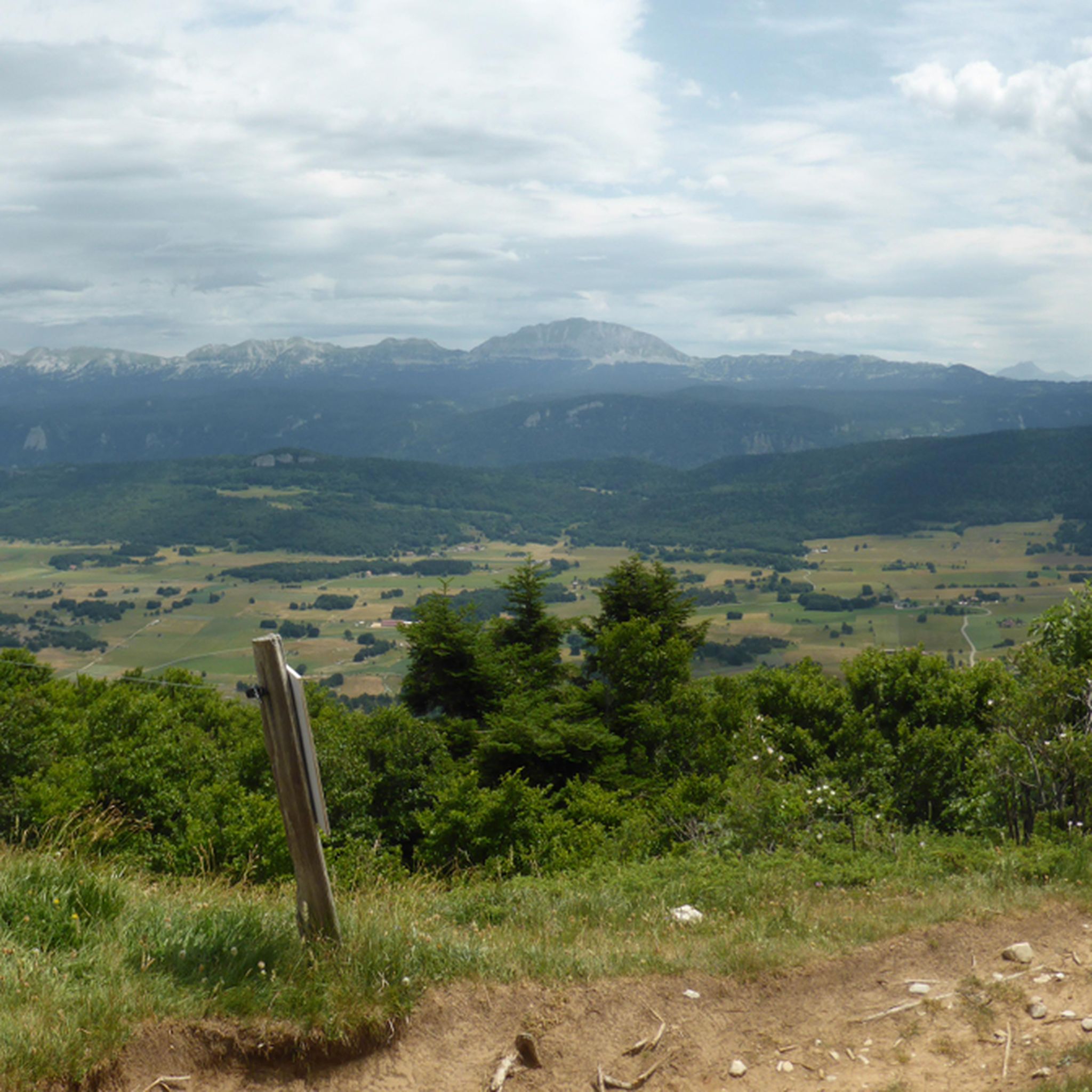
A lovely panorama of the Drac Islands nature reserve
0
0
The single following the belvedere is very nice
0
0
Frequently Asked Questions
What is the typical terrain and difficulty level of hikes in Réserve naturelle des Isles du Drac?
The Réserve naturelle des Isles du Drac offers a variety of landscapes, including extensive pebble banks, former river arms, wetlands, and lush alluvial forests. The terrain generally consists of easy walks with minimal elevation changes, making it accessible for various activity levels. While many routes are easy, there are also moderate options available. Overall, komoot users have rated over 560 tours in the area, with 133 being easy, 332 moderate, and 99 difficult.
What natural features can I expect to see while hiking in the reserve?
Hikers can explore a unique mosaic of natural environments, including the dynamic Drac riverbed, extensive pebble banks, former dead arms of the river, wetlands, lush alluvial forests, dry terraces, and gravel pits. This diverse array of habitats supports a rich biodiversity of plant and animal species.
Are there any family-friendly hiking options in Réserve naturelle des Isles du Drac?
Yes, the reserve is well-suited for families, particularly with its easy walks and minimal elevation changes. The Chasse Barbier area, accessible from Vif, features a 2.8 km interpretive trail with 10 educational markers and 3 observation pontoons, making it an engaging experience for children to learn about the reserve's flora and fauna. This easy walk takes approximately 1 hour and 55 minutes.
Can I bring my dog on the hiking trails in the reserve?
Yes, dogs are generally permitted on the hiking trails within the Réserve naturelle des Isles du Drac. However, it is crucial to keep dogs on a leash at all times and to stay on designated paths to protect the fragile environment and wildlife. This helps preserve the diverse ecosystems of the reserve.
When is the best time of year to go hiking in Réserve naturelle des Isles du Drac?
The reserve's diverse environments, influenced by both mountain and Mediterranean climates, make it suitable for hiking across multiple seasons. Early mornings or late evenings are particularly recommended for wildlife spotting, such as roe deer, foxes, and herons. The interpretive trail at Chasse Barbier is accessible year-round, offering educational insights into the reserve's natural beauty.
Are there any circular hiking routes available in the reserve?
Yes, there are several circular routes to enjoy. One popular option is the Hiking loop from Le Pré Jean Rachel, a moderate 6.5 km path that leads through varied landscapes, including areas near the river and alluvial forests. Another is the Hiking loop from Champ-sur-Drac, a 3.9 km trail often completed in about 1 hour 3 minutes.
What are the main access points for the Réserve naturelle des Isles du Drac, and is parking available?
The reserve has two main areas open to the public. The Chasse Barbier area is accessible from Vif, and the Promenade Thiervoz is accessible from Claix and Varces. While specific parking facilities are not detailed, these access points typically offer nearby parking options for visitors. It's advisable to check local signage upon arrival.
What kind of wildlife can I spot while hiking in the reserve?
The reserve is home to an impressive level of biodiversity, with over 480 animal species. Hikers might encounter emblematic wildlife such as the European Nightjar, Little Bittern, European Beaver, and various rare insects, reptiles, and amphibians like the Mercury damselfly and Natterjack toad. Roe deer, foxes, and herons are also frequently spotted, especially during early mornings or late evenings.
Are there any specific viewpoints or scenic spots along the trails?
The Promenade Thiervoz, accessible from Claix and Varces, offers scenic views of the Drac river and its extensive pebble banks. The path winds between the Rochefort water catchment fields and the alluvial forest, providing unique perspectives of the reserve's natural beauty. Additionally, the Drac viewpoint – Waterfall loop from Saint-Georges-de-Commiers offers specific vantage points of the river and surrounding features.
What do other hikers enjoy most about hiking in Réserve naturelle des Isles du Drac?
The area is highly rated by the komoot community, with an average score of 4.4 stars from over 2,600 reviews. Reviewers often praise the tranquil natural escape close to Grenoble, the diverse landscapes, and the well-maintained paths that offer opportunities for wildlife observation and learning about the local ecosystem.
Are there any restrictions or rules I should be aware of when visiting the reserve?
Yes, to preserve the fragile ecosystems and drinking water sources, certain activities are prohibited. Camping, bivouacking, and picking plants are not allowed. Visitors must stay on designated paths, and dogs must be kept on a leash at all times. Access to the live Drac riverbed itself is restricted due to safety and conservation concerns.
How many hiking trails are available in Réserve naturelle des Isles du Drac?
There are over 560 hiking trails available in Réserve naturelle des Isles du Drac, offering a wide range of options for different abilities and preferences. This includes 133 easy routes, 332 moderate routes, and 99 more challenging trails.
Most popular routes around Réserve naturelle des Isles du Drac

Get inspired with the komoot mobile app


Explore more
Browse the best Hikes in other regions.
