The best cycling routes around Novallas
4.7
(15)
241
riders
57
rides
Touring cycling around Novallas features routes that traverse varied terrain, including river valleys and converted railway lines. The region's landscape is characterized by its connection to the Río Queiles and the historical Tarazonica Greenway, offering paths suitable for cycling. Elevation changes are present, with some routes featuring significant climbs. The area provides a mix of natural and semi-urban cycling environments.
Best touring cycling routes around Novallas
- The most popular touring cycling route is Los Fayos and the Val Reservoir —…
Last updated: October 7, 2026
1
riders
27.6km
02:12
460m
460m
Hard bike ride. Very good fitness required. Mostly paved surfaces. Suitable for all skill levels.
13
riders
58.3km
05:46
1,160m
1,160m
Hard bike ride. Very good fitness required. Mostly paved surfaces. Suitable for all skill levels.

4.8
(5)
28
riders
33.5km
02:16
160m
150m
Moderate bike ride. Good fitness required. Mostly paved surfaces. Suitable for all skill levels.
11
riders
45.7km
04:20
920m
920m
Hard bike ride. Very good fitness required. You may need to push your bike for some segments of this route.
10
riders
34.0km
02:19
220m
220m
Moderate bike ride. Good fitness required. Mostly paved surfaces. Suitable for all skill levels.
Get access to more routes and recommendations from other explorers.
Already have an account?
Our route recommendations are based on thousands of hikes, rides, and runs completed by other people on komoot.
Start today with a free account
Your next adventure awaits.
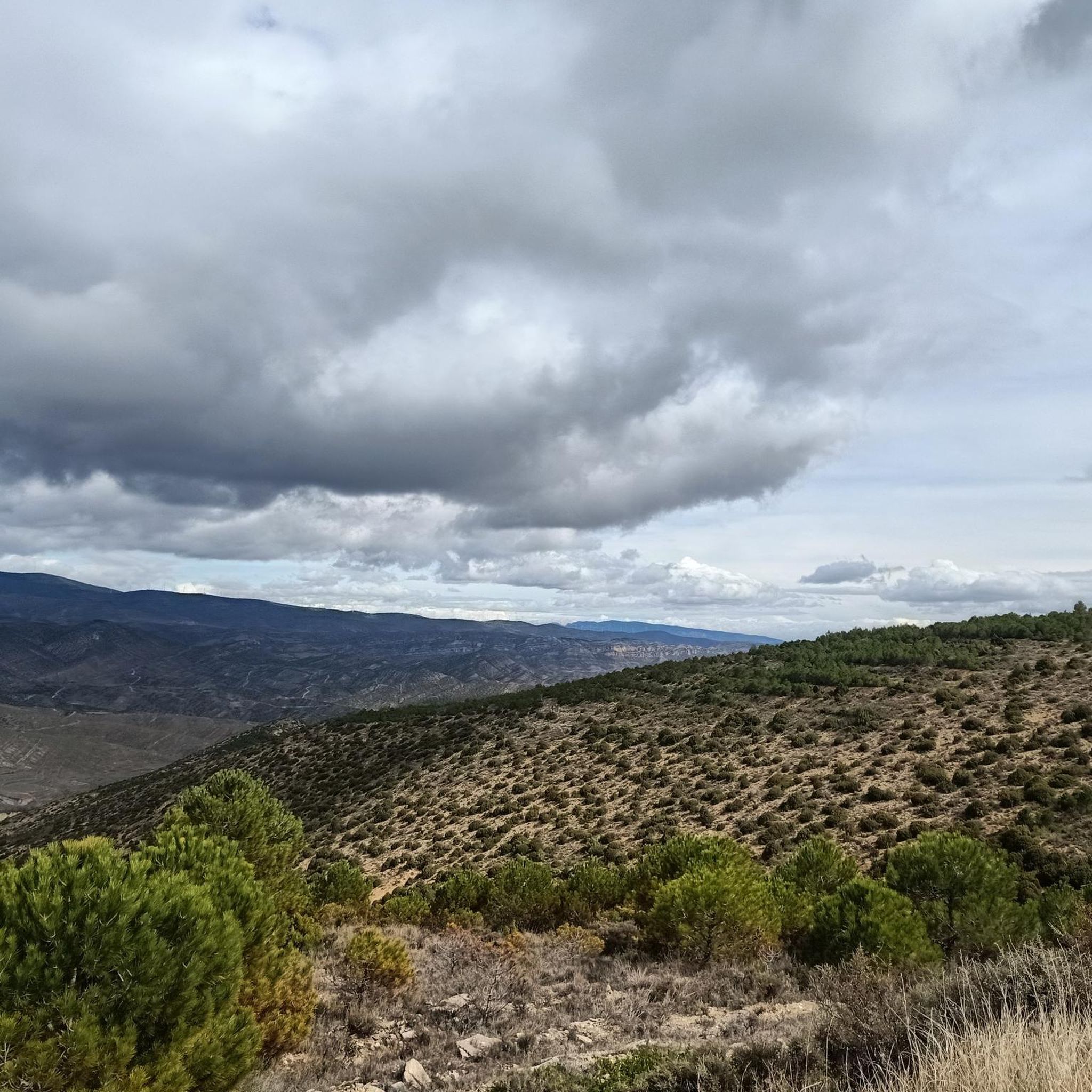
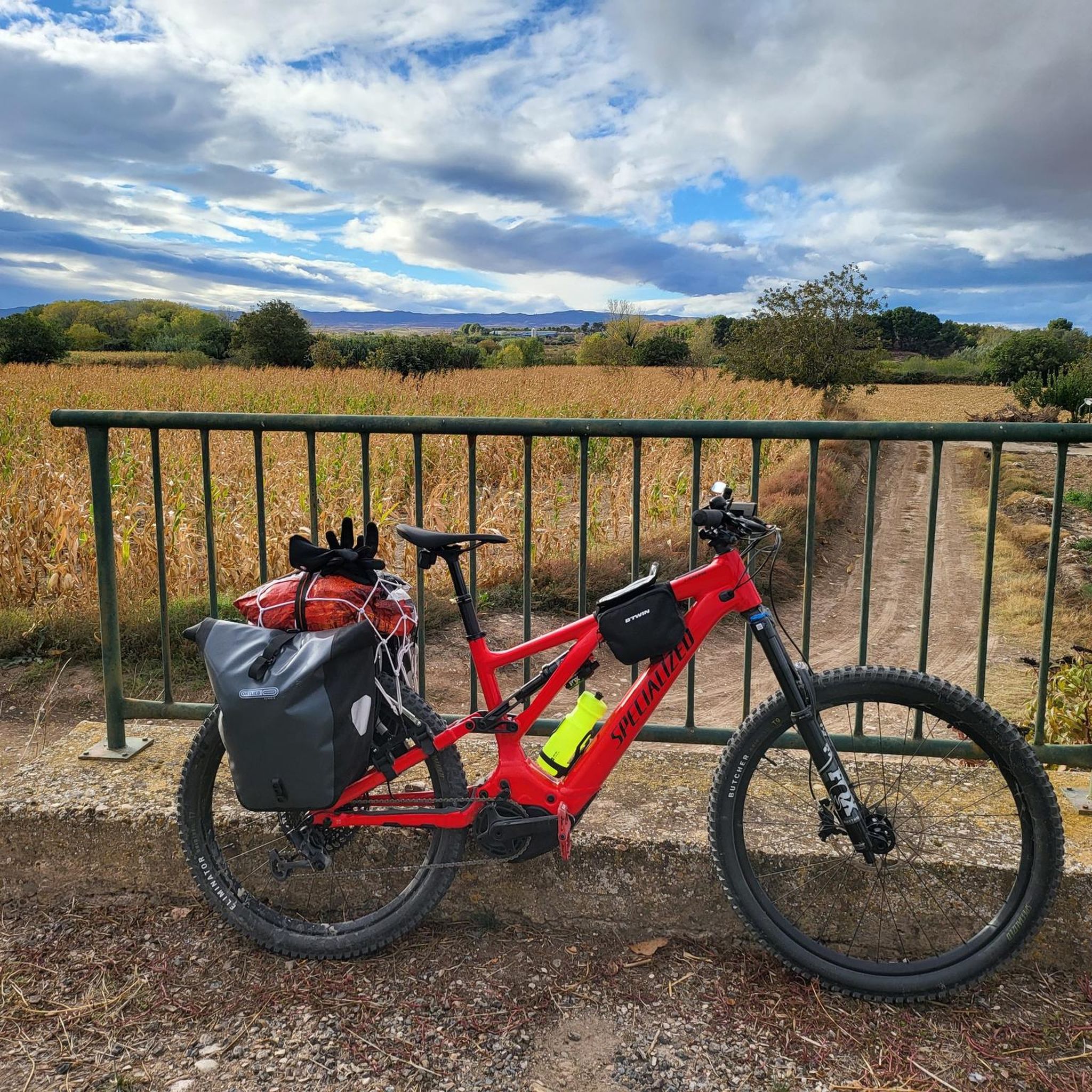

Tips from the Community

It is worth visiting the source, and the waterfalls that form nearby
0
0

Stork's nest on the disused railway line
0
0

The Ebro Bridge in Tudela is an impressive work of medieval architecture. Built of stone, it is 360 meters long and consists of 16 piers and 17 unequal arches. This bridge is fundamental to the history of Tudela, as it has been a strategic crossing over the Ebro River since its construction in the 12th and 13th centuries. Although tradition attributes its construction to King Sancho VII the Strong, some historians suggest it could be a reconstruction of an earlier Muslim bridge. Over the years, it has undergone multiple renovations to withstand floods and the passage of time.
6
0
The Cueva del Castillo in Los Fayos is a fascinating place with a rich history. Located in the municipality of Los Fayos, in the province of Zaragoza, Aragon, this natural cave has been inhabited since the Bronze Age. In the 12th century, a defensive castle was built taking advantage of the natural cavity in the rock. The castle of Los Fayos played a strategic role on the borders between the kingdoms of Aragon, Navarre and Castile. Although today only a few vestiges remain, such as the cistern and the water collection system, the cave remains a place of historical and archaeological interest. The entrance to the cave is located in a vertical cut in the rock, and a ladder is needed to access it. Inside the cave, several rooms can be seen, including the hearth and the cistern.
4
0

Real Monasterio de Santa María de Veruela, or "The Royal Monastery of Santa María de Veruela") is a Cistercian abbey from the 12th century. It is located near Vera de Moncayo. It was founded in 1146 by Pedro de Atarés. Source wikipedia.
1
0
Tarazona boasts of offering a wide list of monuments of incalculable artistic value. The cathedral is a unique example of a Gothic temple in which an exceptional Mudejar and Renaissance legacy coexists.
2
0
Visiting it is doing a deep review of the history of art in Spain, since in its construction there are spaces where all the styles that have existed since the 12th century, the time when construction began, come together. It is a unique example of a Gothic cathedral with an exceptional Mudejar and Renaissance legacy. The Tarazona Cathedral was built in the French Gothic style, but it maintains magnificent examples of the Mudejar style, including a Gothic-Mudejar cloister.
2
0
Tarazona boasts of offering a wide list of monuments of incalculable artistic value. The cathedral is a unique example of a Gothic temple in which an exceptional Mudejar and Renaissance legacy coexists.
2
0
Frequently Asked Questions
How many touring cycling routes are available around Novallas?
There are over 45 touring cycling routes around Novallas, offering a variety of distances and difficulty levels for exploration.
Are there easy touring cycling routes suitable for beginners in Novallas?
Yes, Novallas offers 5 easy touring cycling routes. These paths are generally flatter and shorter, ideal for those new to touring cycling or looking for a relaxed ride.
What are some challenging touring cycling routes in Novallas for experienced cyclists?
For experienced cyclists, Novallas has 15 difficult touring routes. One challenging option is the Tarazona – Río Queiles Trail loop from Tarazona, a 28.3-mile (45.6 km) trail that includes significant elevation changes through the Río Queiles valley.
Are there any circular touring cycling routes around Novallas?
Yes, several routes are circular. For example, the Los Fayos and the Val Reservoir — circular from Tarazona offers a scenic loop with views of the Val Reservoir. Another option is the Bridge and rest area loop from Monteagudo.
What kind of terrain can I expect on touring cycling routes in Novallas?
The region's touring cycling routes traverse varied terrain, including river valleys and converted railway lines like the Tarazonica Greenway. You'll find a mix of natural and semi-urban environments, with some routes featuring significant climbs and others offering flatter sections.
What can I see along the touring cycling routes around Novallas?
Many routes offer opportunities to explore local points of interest. You can cycle through the historic town of Tarazona, visit the impressive Cathedral of Saint Mary of the Huerta of Tarazona, or ride along sections of the Tarazonica Greenway. The Los Fayos and the Val Reservoir — circular from Tarazona route also provides views of the Val Reservoir.
Are there any routes that follow old railway lines?
Yes, the region is known for its connection to the Tarazonica Greenway, a converted railway line. The Tarazona – Tarazonica Greenway loop from Tarazona is a moderate 27.2-mile (43.7 km) route that allows you to experience this unique cycling path.
What do other touring cyclists enjoy most about cycling in Novallas?
The touring cycling routes in Novallas are highly rated by the komoot community, with an average score of 5.0 stars from over 7 reviews. Cyclists often praise the varied terrain, the scenic river valleys, and the well-maintained greenways like the Tarazonica.
Is it possible to combine cycling with exploring nearby towns?
Absolutely. Many routes start or pass through towns like Tarazona, allowing you to combine your ride with exploring local culture and history. For instance, the Tarazona – Borja loop from Tarazona connects two notable towns in the region.
What is the best time of year for touring cycling in Novallas?
While specific recommendations depend on personal preference, the region's climate generally makes spring and autumn ideal for touring cycling, offering pleasant temperatures and comfortable riding conditions. Summers can be warm, and winters may bring cooler weather, but routes are accessible year-round.
Are there any routes that follow river trails?
Yes, the region's landscape is characterized by its connection to the Río Queiles. The Tarazona – Río Queiles Trail loop from Tarazona is a prime example, leading you directly through the scenic river valley.
Most popular attractions around Novallas

Get inspired with the komoot mobile app


Explore more
Browse the best Cycling routes in other regions.
