The best walks and hikes around Ojos Negros
4.5
(4)
27
hikers
12
hikes
Hiking around Ojos Negros offers diverse landscapes, from the plains of Teruel to the mountainous Sierra de Javalambre. The region is characterized by green valleys, gentle hills, and meandering rivers, providing varied terrain for outdoor activities. Notable features include the Vía Verde de Ojos Negros, a former mining railway line with historical bridges and tunnels, and areas with pine woods and kermes oak forests. This varied environment provides a range of hiking experiences.
Best hiking trails around Ojos Negros
- The…
Last updated: July 7, 2026
1
hikers
4.03km
01:02
170m
170m
Easy hike. Great for any fitness level. Easily-accessible paths. Suitable for all skill levels.
1
hikers
14.8km
04:03
240m
240m
Moderate hike. Good fitness required. Easily-accessible paths. Suitable for all skill levels.

Sign up for free
13.7km
03:47
230m
230m
Moderate hike. Good fitness required. Easily-accessible paths. Suitable for all skill levels.
4.5
(2)
12
hikers
8.36km
02:46
370m
370m
Moderate hike. Good fitness required. Easily-accessible paths. Suitable for all skill levels.
5.0
(1)
2
hikers
8.23km
02:14
120m
120m
Moderate hike. Good fitness required. Easily-accessible paths. Suitable for all skill levels.
Get access to more routes and recommendations from other explorers.
Sign up for free
Already have an account?
Our route recommendations are based on thousands of hikes, rides, and runs completed by other people on komoot.
Start today with a free account
Your next adventure awaits.
Login or Signup


Tips from the Community

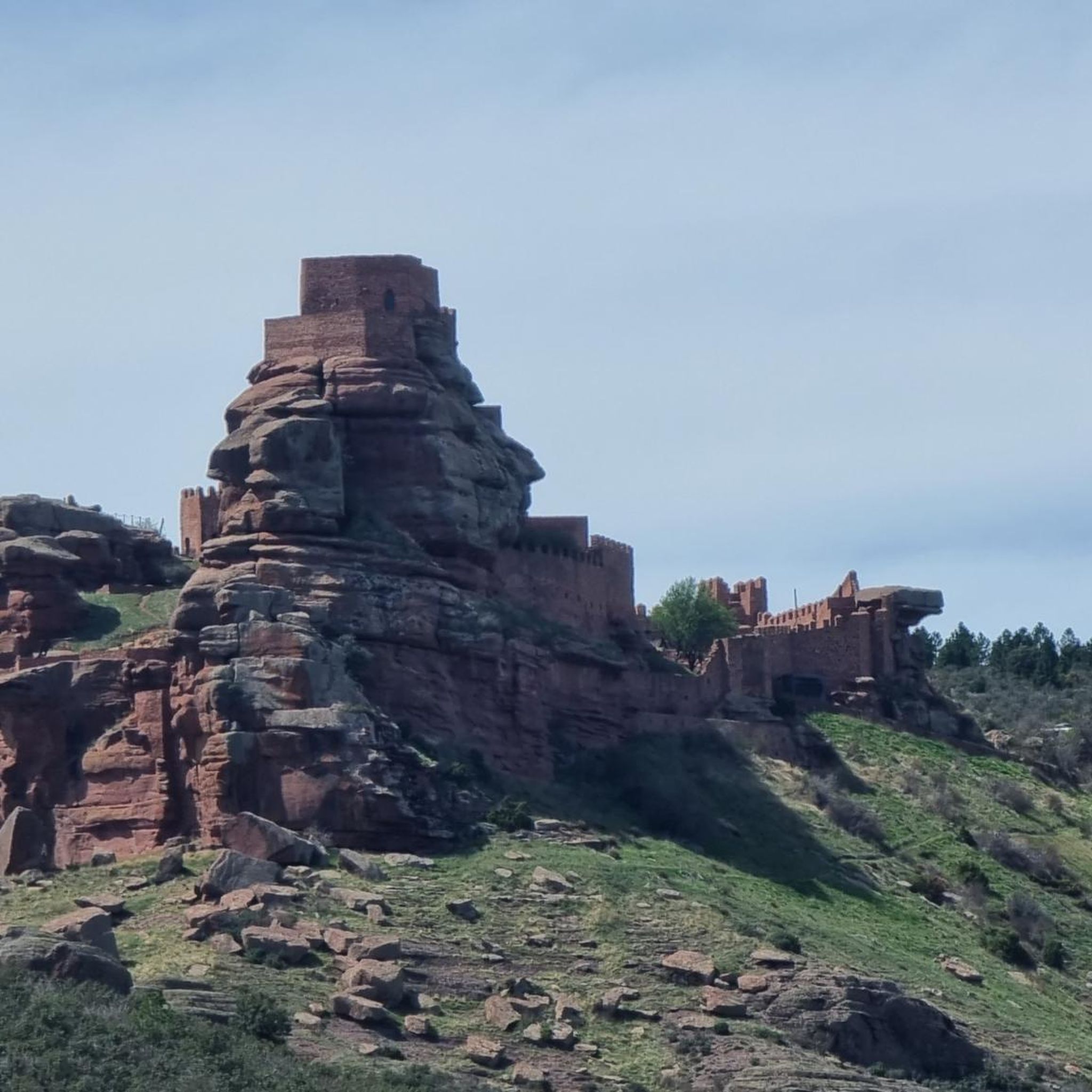
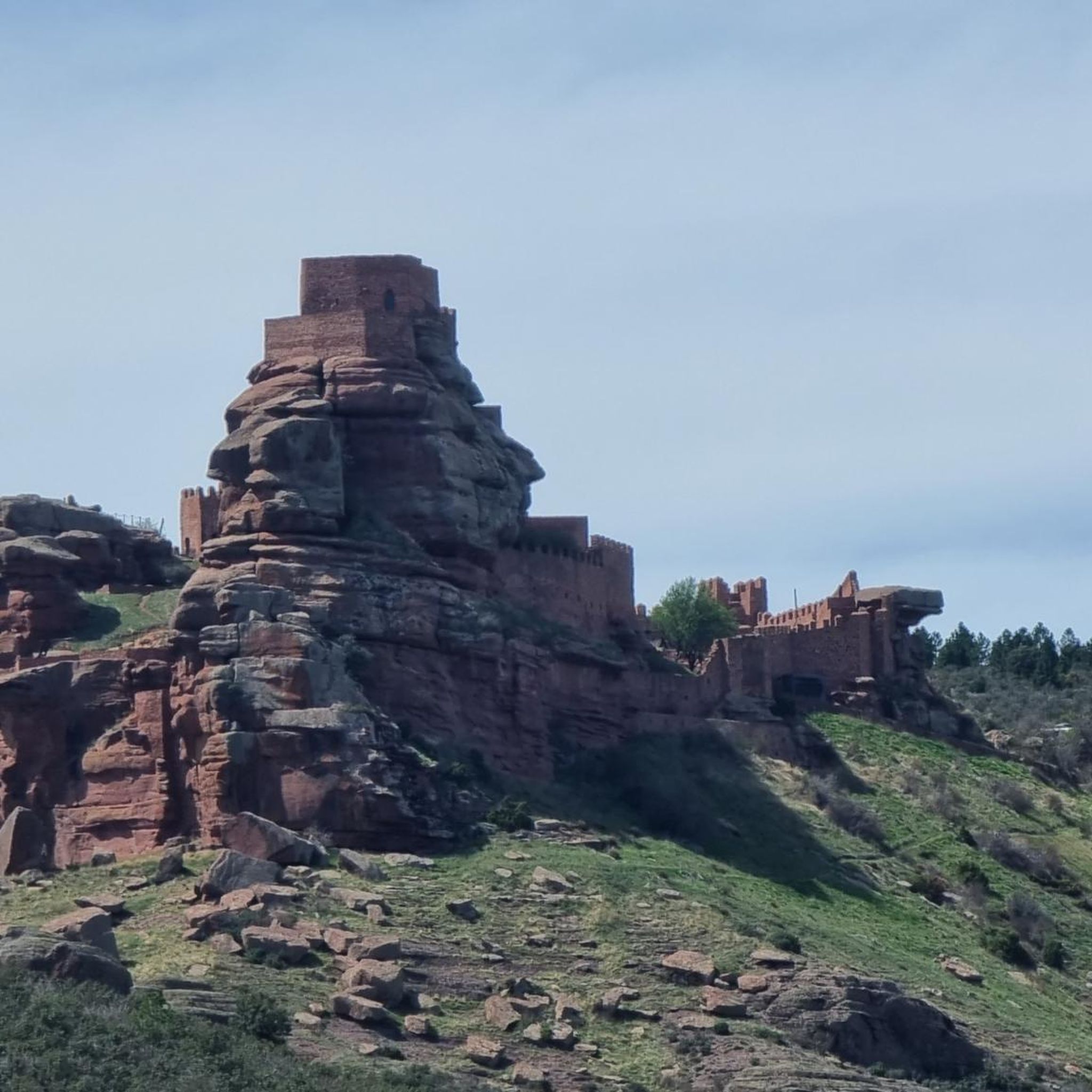
It is known for its characteristic reddish colour, the result of the use of local rodeno stone in its construction. This castle, one of the best preserved in Aragon, is located in a strategic position on a rock formation, which gives it spectacular views of the surroundings, especially the Jiloca valley. Its history dates back to the Bronze Age, although the current structure dates from the 12th to the 14th centuries.
7
0

beautiful we can see it at the last moment
3
0
The castle sits on a rock formation of rodeno, which gives it spectacular views of the surroundings, especially the Jiloca valley. Its history dates back to the Bronze Age, and it has been an important fortress during the Muslim period and the Middle Ages.
6
0
The Peracense Castle has an exceptional history that spans several eras and societies. This impressive castle, built in the 13th century, took advantage of the natural conditions of the terrain and played a fundamental role in the defense of the kingdom of Aragon during the wars with Castile. A fascinating visit to the past! 🏰 I hope you enjoy your visit to Peracense Castle! 😊🏰
36
0

Through this corridor between rocks you can access the Malena cave and the Horca stone, as well as enjoy a beautiful view of the Peracense castle from below.
4
0
Cave carved into the rock and populated since ancient times. It is said that Malena, a good healer, lived there, who healed the entire town with her hands and medicinal herbs.
1
0
Triassic sandstones, curious for their strata of different composition and hardness, in which the action of wind, rain and ice erosion can be seen. According to a legend, in the Middle Ages it was a place for the execution of criminals.
1
0
The Peracense castle is one of the most beautiful and unknown Aragonese castles. Surrounded by a unique natural environment, its builders took advantage of the original topography of the land to build a first-rate defensive enclave. It sits on a strongly steep rocky extension of rodeno, which belongs to the southern end of Sierra Menera, next to the San Ginés hill. Its average elevation is 1,365 meters above sea level. This fortress is made up of three concentric enclosures that sit on outcrops of red sandstone (Buntsandstein micaceous), which were partially pitted and modified to improve the defense. Precisely this sandstone (rodeno), in the form of megaliths, masonry and ashlars laid with lime or gypsum mortars, is the material mainly used in the construction of the walls of this fortress. Wood was used to a lesser extent and always in beams and almojayas. Its character as a privileged watchtower allows optical links in nearby enclaves such as Monreal del Campo, Bueña, Aguatón, Singra and Cerro de San Ginés.
6
0
Frequently Asked Questions
How many hiking trails are available around Ojos Negros?
There are several hiking trails around Ojos Negros. Komoot lists 7 routes, ranging from easy to moderate difficulty, offering diverse experiences across the region's landscapes.
What kind of terrain can I expect on hikes in Ojos Negros?
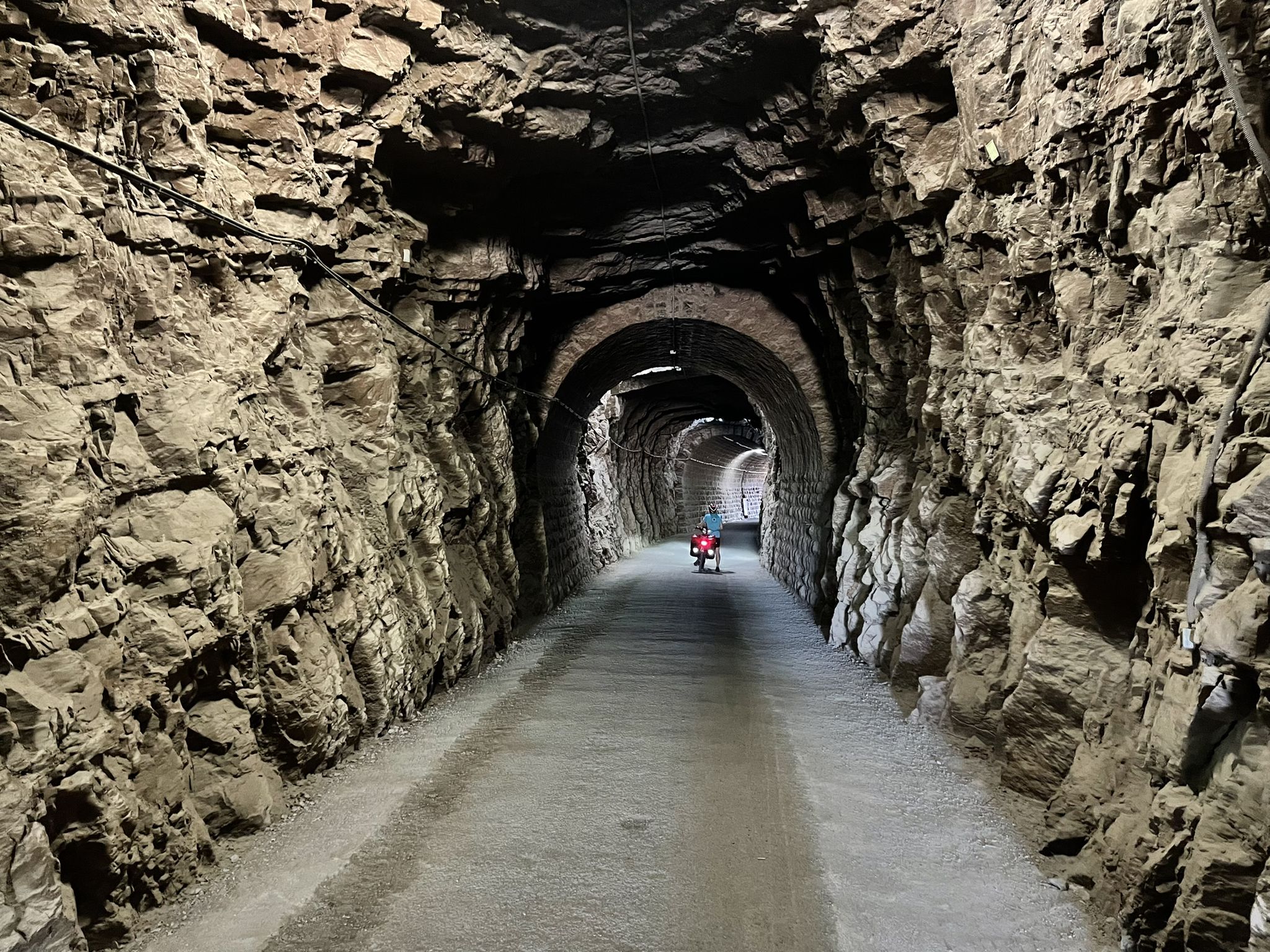
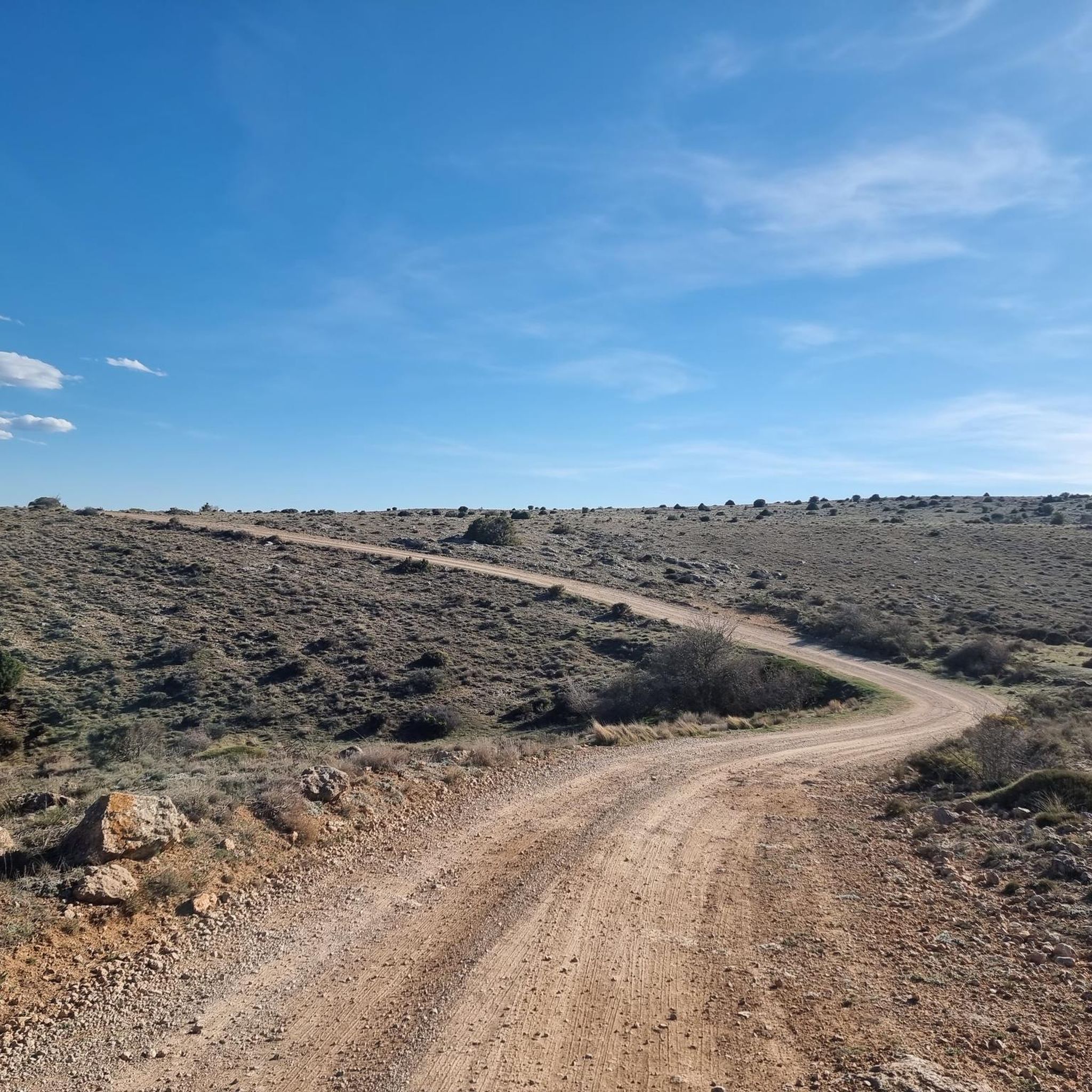
The terrain around Ojos Negros is quite varied. You can expect to hike through green valleys, gentle hills, and expansive open plains, particularly in the Teruel area. The landscape also features pine woods and kermes oak forests, with views of mountain ranges like Sierra Menera and Sierra de Javalambre. Many routes follow the historic Vía Verde de Ojos Negros, characterized by former railway lines, bridges, and tunnels.
Are there easy hiking trails suitable for beginners in Ojos Negros?
Yes, there are easy hiking trails suitable for beginners. For example, the Peracense Castle Loop is an easy 2.5-mile (4.0 km) trail that takes about an hour to complete, offering scenic views of the historic castle.
Are there any family-friendly hiking options in Ojos Negros?
Many of the trails along the Vía Verde de Ojos Negros are suitable for families due to their relatively flat and car-free nature. The diverse scenery and historical elements like bridges and tunnels can keep children engaged. Shorter, easy loops such as the Peracense Castle Loop are also good choices for families.
What is the best time of year to go hiking in Ojos Negros?
Ojos Negros benefits from a moderate continental climate, making it suitable for hiking throughout most of the year. Spring and autumn generally offer the most pleasant temperatures for exploring the trails, with comfortable conditions and vibrant natural scenery. Summers can be warm, while winters are cooler but often still suitable for hiking.
Are there any circular hiking routes in Ojos Negros?
Yes, there are circular hiking routes available. The Pozuel del Campo and Ojos Negros Loop is a moderate 8.5-mile (13.7 km) trail that takes you through rural landscapes and villages, returning to your starting point. Another option is the Ojos Negros Mill loop from Ojos Negros, which is a moderate 5.1-mile (8.2 km) route.
What interesting landmarks or attractions can I see along the hiking trails?
Hiking in Ojos Negros offers access to several interesting landmarks. You can explore the historic Peracense Castle, a medieval fortress. The Vía Verde itself features impressive historical infrastructure, including spectacular stone bridges, viaducts, and tunnels. You can also visit the restored 16th-17th century Ojos Negros Mill.
Are there any villages or towns to explore near the hiking routes?
Yes, the hiking routes often pass through or near charming villages. While hiking, you might encounter places like Pozuel del Campo or the town of Ojos Negros itself, which offers cultural and natural attractions. The broader region includes picturesque villages such as Caudiel, Jérica, and Navajas, known for their historical charm.
What do other hikers enjoy most about hiking in Ojos Negros?
The area is highly rated by the komoot community, with an average score of 4.75 stars. Reviewers often praise the diverse landscapes, the historical elements of the Vía Verde, and the varied terrain that offers options for different ability levels, from easy loops to moderate trails.
Are there any longer, more challenging hikes in the Ojos Negros region?
While there are no 'difficult' graded routes listed, several moderate trails offer longer distances and more elevation gain. The Ojos Negros - Sierra Menera Trail is a moderate 9.2-mile (14.8 km) path that traverses varied terrain, including parts of the Sierra Menera mountain range, providing a more extended hiking experience.
Can I find waterfalls or significant water features on hikes in Ojos Negros?
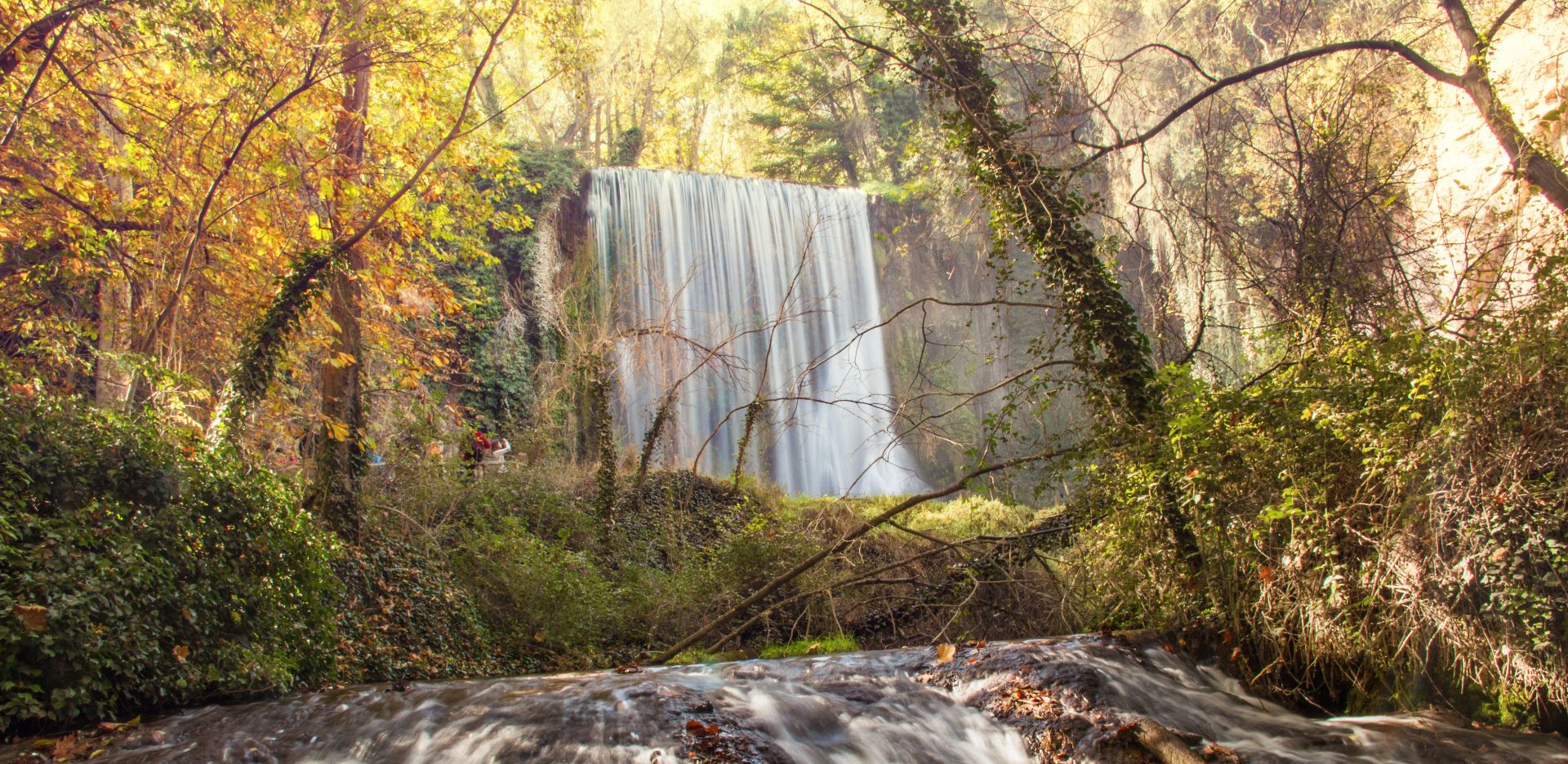
While the immediate Ojos Negros area features meandering rivers like the Palancia, the broader region is known for the stunning 'El Salto de la Novia' (Bride's Leap) waterfall near Navajas. This 60-meter waterfall is a notable natural feature in the wider vicinity, though not directly on the listed Ojos Negros trails.
Is there public transport available to access hiking trails in Ojos Negros?
Information on specific public transport links directly to trailheads in Ojos Negros is limited. However, the Vía Verde de Ojos Negros, being a former railway line, often has access points near towns that may be served by regional bus routes. It is advisable to check local transport schedules for connections to villages like Ojos Negros or nearby towns.
Where can I park when hiking in Ojos Negros?
Parking availability typically varies by trailhead. For routes starting in or near villages like Ojos Negros or Peracense, you can usually find parking in designated village car parks or along streets, respecting local regulations. For trails along the Vía Verde, look for access points near towns, which often have small parking areas.
Most popular attractions around Ojos Negros

Get inspired with the komoot mobile app


Explore more
Browse the best Hikes in other regions.
