The best walks and hikes around Sant Cebrià De Vallalta
4.3
(1188)
8,928
hikers
341
hikes
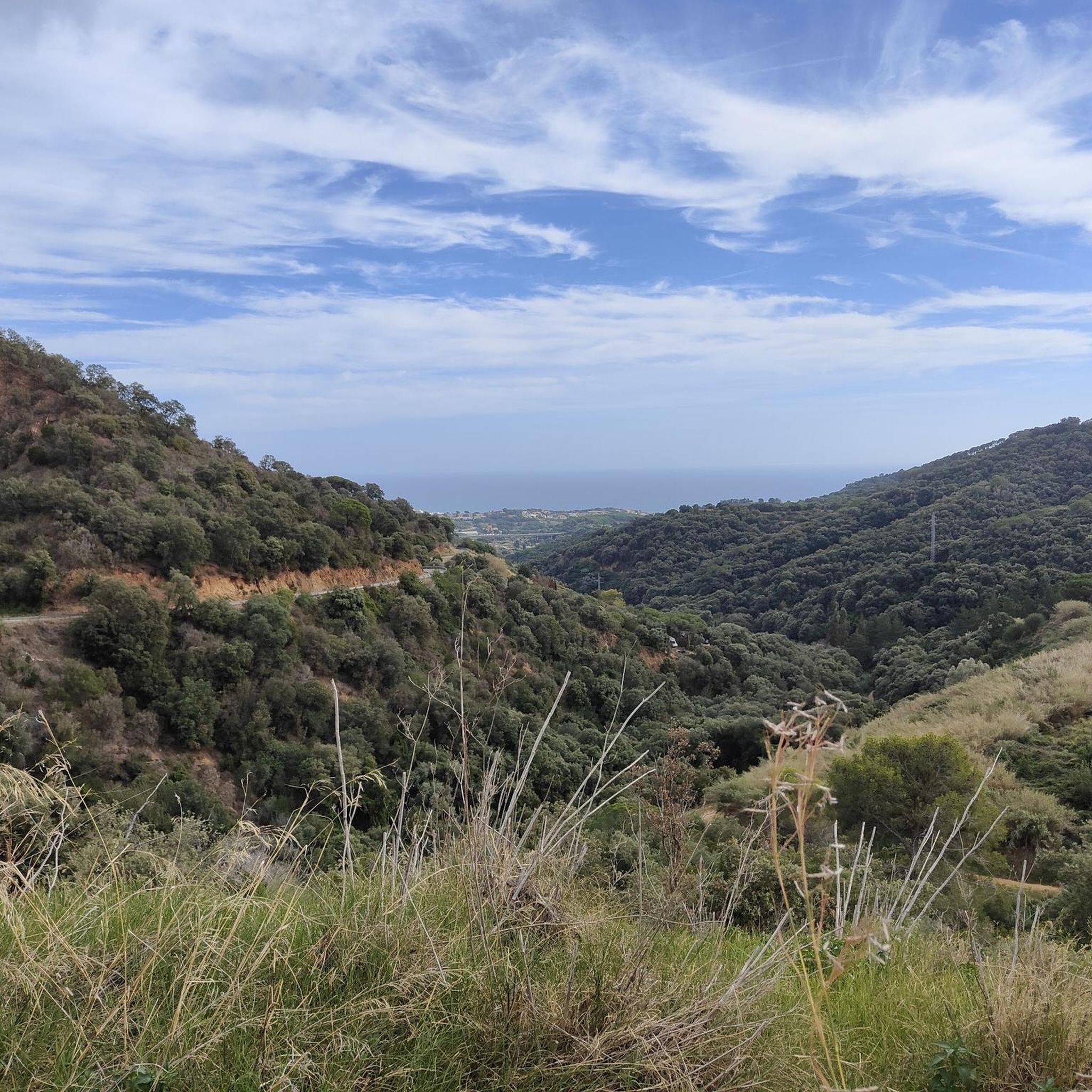
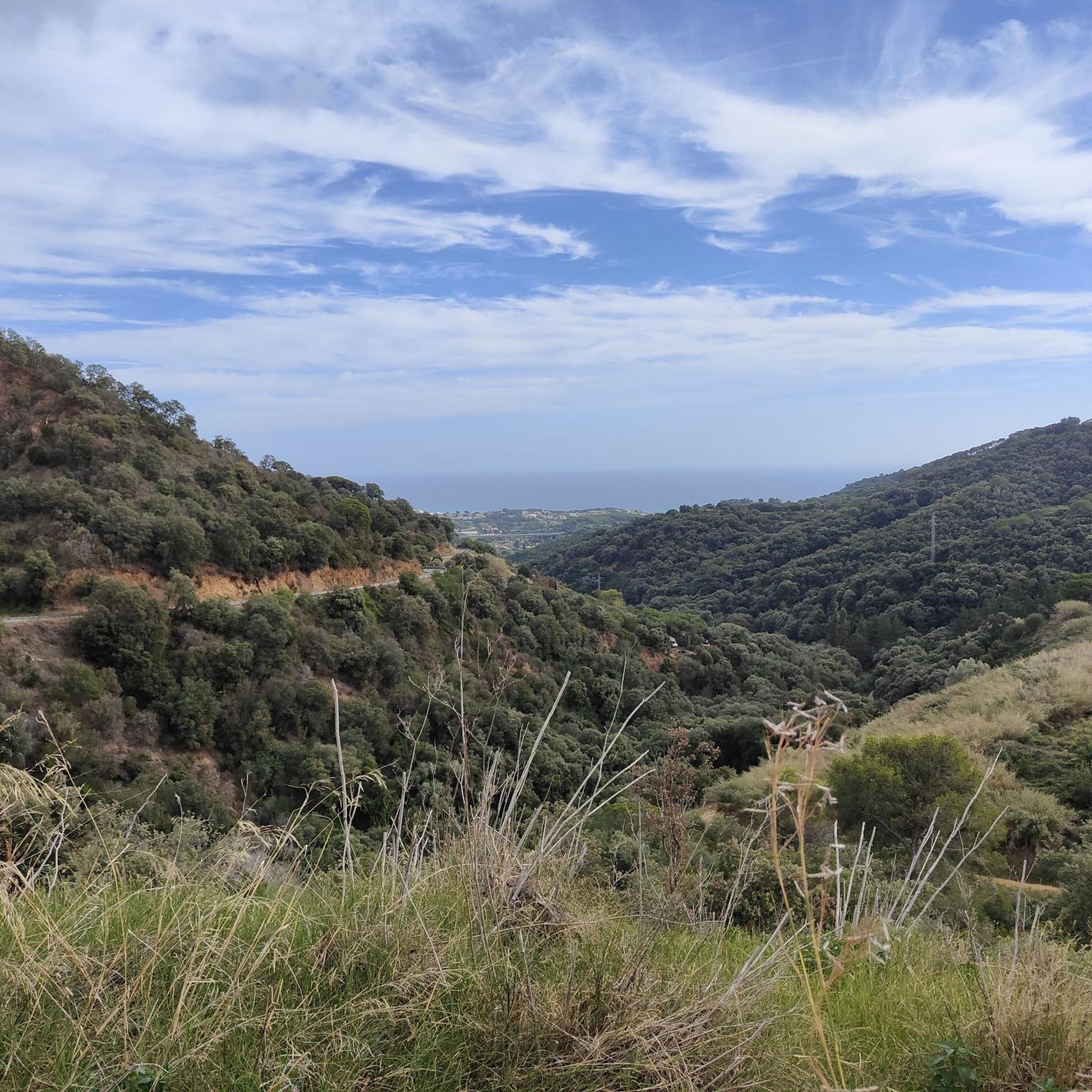
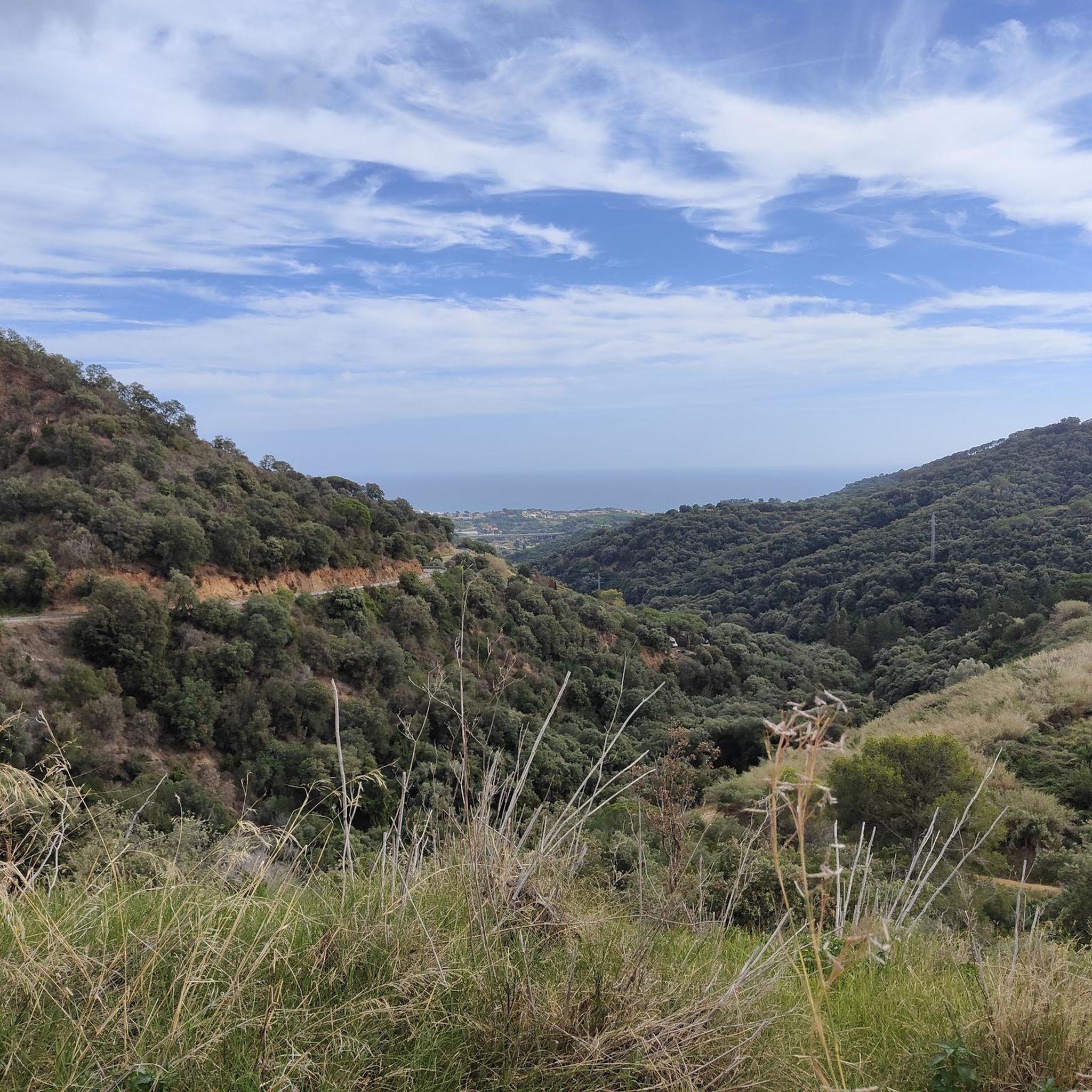
Hiking around Sant Cebrià De Vallalta offers diverse natural landscapes within the Montnegre-Corredor Natural Park, characterized by dense forests of pine, holm oak, and chestnut trees. The region features a blend of valleys and mountains, providing varied terrain for hikers. Natural springs and streams, such as Font de l'Amor, contribute to the lush vegetation, while elevated points offer panoramic views of the coastline.
Best hiking trails around Sant Cebrià De Vallalta
- The most popular hiking route is Canet de Mar…
Last updated: October 15, 2026
4.5
(17)
39
hikers
7.33km
02:08
200m
200m
Moderate hike. Good fitness required. Easily-accessible paths. Suitable for all skill levels.
5.0
(2)
31
hikers
15.0km
04:49
640m
640m
Moderate hike. Good fitness required. Easily-accessible paths. Suitable for all skill levels.

5.0
(12)
58
hikers
5.94km
01:34
60m
60m
Easy hike. Great for any fitness level. Easily-accessible paths. Suitable for all skill levels.
4.7
(7)
34
hikers
5.03km
01:35
210m
210m
Easy hike. Great for any fitness level. Easily-accessible paths. Suitable for all skill levels.
4.8
(4)
17
hikers
5.17km
01:39
220m
220m
Easy hike. Great for any fitness level. Easily-accessible paths. Suitable for all skill levels.
Get access to more routes and recommendations from other explorers.
Already have an account?
Our route recommendations are based on thousands of hikes, rides, and runs completed by other people on komoot.
Start today with a free account
Your next adventure awaits.

Tips from the Community

It is not really a cave: it is an old mine dug by hand to search for copper —aram means copper—, with a gallery of about 25–30 meters that goes directly into the mountain. Inside, you can still see veins of colorful minerals: green malachite, blue azurite, quartz, chalcopyrite… In short, years ago someone used to come here to chip stone where today we enter with our mobile phone and a flashlight. And it has its little guerrilla legend: this cave was linked to Quico Sabaté, one of the most famous maquis who fought against Francoism. Local history says he moved and hid in these woods, although researchers consider it more likely that he used another nearby cave, much harder to locate.
0
0
This small hermitage has more lives than a cat. During the Civil War it was looted and reduced to practically three walls. The image of the Virgin had better luck: the farmers of Can Preses hid it during the war. Then came the most surreal thing: abandoned for decades, its ruins ended up serving as a home for charcoal burners. In 2009, the local people got tired of seeing it die, gathered money and work, and managed to rebuild it. And just when it seemed the place was regaining its calm, in 2010 a storm with winds of over 100 km/h felled the gigantic two-hundred-year-old oak tree that stood in front. They even tried to clone it so it wouldn't disappear completely. A hidden Virgin, a looted hermitage, charcoal burners living within its walls, and a cloned tree. For a small chapel lost in the Montnegre, quite a few things have happened here.
0
0

Sant Martí de Montnegre Una església aïllada dins del Parc Natural del Montnegre, de gran valor per la seva integració en el paisatge forestal. És un punt de referència en les rutes de l'interior.
1
0
Mare de Déu de la Misericòrdia En aquest indret hi hagué una primera església, construïda durant el segle XV. L'actual edifici va ser alçat el 1853. És una de les primeres obres d'estil neogòtic construïdes a Catalunya. Té una sola nau, de planta rectangular. La porta mostra arquivoltes ogivals i una rosassa estrellada al timpà. Damunt d'aquella, s'alça un cos triangular que s'eleva frontalment sobre la nau, flanquejat per dos gruixuts pinacles. A l'interior es venera la imatge de la Mare de Déu, una reproducció moderna de la desapareguda imatge barroca de Josep Font. També comptava amb el treball pictòric de Bartomeu Ribó i Antoni Garcia Robles i escultures de Venanci Vallmitjana, tot destruít el 1936. Carles Pascual Puig i altres indians foren els mecenes de l'obra. Josep Móra Tarrats donà els terrenys per urbanitzar el passeig que hi porta, on hi ha una reproducció de la font de 1917. Font: Pobles de Catalunya
0
0
Dalt del cim de Pedracastell, presidint la vall, s'alça una gran creu, l'origen de la qual es remunta a l'any 1902, quan Domènech i Montaner, amb l'escultor Alfons Juyol, en va construir una de modernista, promoguda per Marià Serra. Una ventada la va tombar l'any 1925 i se'n va alçar una còpia, feta pel seu fill, Pere Domènech Roura, la qual va ser enderrocada pels anarquistes el 1936. La creu actual, de signe gaudinià, va ser erigida per Isidre Puig Boada, deixeble i col·laborador de l'arquitecte, l'any 1954. Font: Pobles de Catalunya
0
0

Artificial cave, man-made.... L'Aram... which means copper. Old site for the extraction of copper and iron, currently disused, with a depth of about 25 meters. The lower gallery is disabled. It does not represent danger.. Just caution...!!
1
0

Natural source of untreated water
0
0

Somewhat hidden here you'll find one of the oldest trees in the area. 21 meters tall, 3 meters in diameter, and approximately 170 years old.
0
0
Frequently Asked Questions
How many hiking trails are available in Sant Cebrià De Vallalta?
There are over 300 hiking routes around Sant Cebrià De Vallalta, offering a wide variety of options for all skill levels. The region is well-known for its diverse landscapes within the Montnegre-Corredor Natural Park.
What is the general difficulty level of hiking trails in Sant Cebrià De Vallalta?
The trails in Sant Cebrià De Vallalta cater to a broad range of abilities. You'll find over 120 easy routes, more than 160 moderate trails, and around 25 challenging options for experienced hikers. This variety ensures there's something for everyone, from leisurely strolls to more demanding treks.
Are there family-friendly hiking options in Sant Cebrià De Vallalta?
Yes, many trails in Sant Cebrià De Vallalta are suitable for families. The region offers numerous easy walks through forests and along streams, perfect for outings with children. An example of an easy route is the Ateneu Catinenc – Casa Roura loop from Canet de Mar, which is just under 6 km.
Can I bring my dog on hikes in Sant Cebrià De Vallalta?
The natural environment of Sant Cebrià De Vallalta, particularly within the Montnegre-Corredor Natural Park, is generally welcoming for dogs. Many trails traverse dense forests and open spaces, providing ample opportunity for walks with your canine companion. Always ensure your dog is under control, especially in areas with wildlife or livestock.
Are there many circular hiking routes available?
Yes, Sant Cebrià De Vallalta features a good selection of circular hiking routes, allowing you to start and end your journey in the same location. These loops are popular for exploring the varied terrain without needing to retrace your steps. An example is the Pass of Mòra's threshing floor – Saint Andrew Chapel loop from Can Domènech, a moderate 12 km trail.
What natural features or landmarks can I expect to see on hikes?
Hikers can discover a rich blend of natural beauty and historical sites. You'll encounter dense forests of pine, holm oak, and chestnut trees, natural springs like Font de l'Amor, and streams. Elevated points such as Turó Gros offer panoramic views of the coastline. Historical landmarks include the Romanesque-origin church of Sant Cebrià i Santa Julita, and ancient farmhouses. You might also encounter the prehistoric Dolmen de Pedra Gentil or the Horseshoe Stone.
Are there any viewpoints with scenic vistas along the trails?
Absolutely. The region is dotted with elevated points that provide stunning views. For instance, the path to Turó Gros offers panoramic views of the coastline. The Coll de Can Benet pass is another mandatory stop known for its good views and a picnic area, perfect for enjoying the scenery.
What do other hikers enjoy most about hiking in Sant Cebrià De Vallalta?
The hiking experience in Sant Cebrià De Vallalta is highly rated by the komoot community, with an average score of 4.4 stars from over 900 reviews. Hikers often praise the diverse natural landscapes, the well-maintained routes through dense forests, and the blend of mountain and coastal scenery. The presence of historical sites and viewpoints also adds to the appeal.
Are there any historical sites or cultural points of interest along the hiking routes?
Yes, the area is rich in rural heritage and historical sites. You can discover scattered farmhouses (masías) dating back to the 15th and 16th centuries, and the Romanesque-origin church of Sant Cebrià i Santa Julita. The Corredor sanctuary, a late Gothic-style building, is also located near the top of the Corredor mountain range, offering a cultural dimension to your hike.
What kind of terrain can I expect on the trails?
The terrain around Sant Cebrià De Vallalta is quite varied. You'll hike through dense forests of pine, holm oak, and chestnut trees, traverse valleys, and ascend mountains. Some routes offer coastal views, while others delve deep into the Montnegre-Corredor Natural Park, providing a mix of shaded paths, open spaces, and sometimes rocky sections, catering to different preferences.
Are there any lakes or reservoirs accessible via hiking trails?
Yes, the region has some interesting water features. You can find highlights like the Brinxa Reservoir and Can Ferrer Lake. These spots can offer peaceful resting points or opportunities for birdwatching, such as at the Les Llobateres Bird Observatory.
Is there a challenging hike for experienced trekkers?
For experienced trekkers seeking a challenge, Sant Cebrià De Vallalta offers several difficult routes. An example of a moderate to challenging route is the Fire Watchtower on Turó Gros – Turó de ca n'Alomar loop from Salt de Sallent. This 15 km trail leads through forested mountains to a fire watchtower, involving significant elevation gain and typically taking nearly 5 hours to complete.
Most popular routes around Sant Cebrià De Vallalta
Most popular attractions around Sant Cebrià De Vallalta

Get inspired with the komoot mobile app


Explore more
Browse the best Hikes in other regions.
