The best running trails around Milagro
5.0
(4)
163
runners
35
runs
Jogging around Milagro, located in the Ebro river basin in Navarra, Spain, offers diverse terrain for outdoor enthusiasts. The region is characterized by its riverine landscapes, with paths running parallel to the Ebro, Arga, and Aragón rivers, surrounded by agricultural fields and natural woodlands. These routes often feature consistent elevation changes and provide views of both natural and historical landmarks.
Best jogging routes around Milagro
- The most popular jogging route is Marcilla Castle loop from Marcilla, a 3.8 miles…
Last updated: October 15, 2026
11
runners
10.8km
01:17
190m
190m
Moderate run. Good fitness required. Mostly paved surfaces. Suitable for all skill levels.
4
runners
12.6km
01:18
20m
20m
Moderate run. Good fitness required. Mostly paved surfaces. Suitable for all skill levels.

4
runners
9.10km
00:57
40m
40m
Moderate run. Good fitness required. Mostly paved surfaces. Suitable for all skill levels.
3
runners
10.8km
01:07
10m
10m
Moderate run. Good fitness required. Mostly paved surfaces. Suitable for all skill levels.
3
runners
3.99km
00:25
50m
50m
Easy run. Great for any fitness level. Mostly paved surfaces. Suitable for all skill levels.
Get access to more routes and recommendations from other explorers.
Already have an account?
Our route recommendations are based on thousands of hikes, rides, and runs completed by other people on komoot.
Start today with a free account
Your next adventure awaits.
Tips from the Community

The Church of San Miguel Arcángel is the main monument in Rincón de Soto, a grand 16th-century brick church with an impressive nave, transept, and side chapels showcasing different architectural styles and details. Inside, highlights include the main altarpiece, several Baroque and Mannerist carvings, and a valuable collection of paintings and sculptures. It is an ideal place for a leisurely visit, allowing you to appreciate its spaciousness and numerous artistic details.
1
0

Here you can find the only coffee on the Calahorra-Alfaro stage!
0
1

A few steps from the famous Collegiate Church.
1
0
Frequently Asked Questions
How many running routes are available around Milagro?
There are over 20 running routes around Milagro, offering a variety of options for different skill levels. The komoot community has explored these trails more than 90 times, indicating their popularity among local runners and visitors.
Are there easy running routes suitable for beginners in Milagro?
Yes, Milagro offers several easy running routes. For instance, the Marcilla Castle loop from Marcilla is a moderate 3.8-mile (6.1 km) trail that takes about 38 minutes to complete, offering gentle terrain and views of the 15th-century Gothic fortress. There are 2 routes specifically rated as easy, and 13 as moderate, providing plenty of choices for those new to running or looking for a relaxed pace.
What kind of terrain can I expect on the running trails in Milagro?
Milagro's running trails are characterized by diverse terrain, primarily featuring picturesque riverside paths along the Ebro, Arga, and Aragón rivers. You'll also find routes through agricultural fields, natural woodlands, and some with consistent elevation changes, such as the Castillo de Milagro loop from Milagro, which ascends from the town offering panoramic views.
Are there challenging running routes for experienced runners?
Yes, for experienced runners seeking a challenge, Milagro offers more difficult routes. The Funes – Muslim Watchtower of Peralta loop from Peralta / Azkoien is a difficult 10.2-mile (16.4 km) trail that leads through riverine landscapes. Another demanding option is the Mirador de Valtierra loop from Valtierra, which features significant elevation gain over 17 km.
Which running routes offer the best scenic views or viewpoints?
Many routes in Milagro boast scenic views. The Castillo de Milagro loop from Milagro provides panoramic views of the urban area, pine forests, and vineyards. Additionally, the region offers stunning vistas from the View of Barranco del Rey and the confluence of the Arga and Aragón rivers, which combines physical activity with a touch of local history.
Are there any historical landmarks or attractions visible from the running routes?
Absolutely. The region integrates historical and cultural elements into its outdoor offerings. The Marcilla Castle loop from Marcilla provides views of the impressive 15th-century Gothic fortress. You can also spot the Marcilla Castle from some routes, adding a historical backdrop to your run.
When is the best time of year to go running in Milagro?
Milagro, located in the Ebro river basin, generally offers pleasant conditions for running throughout much of the year. The spring and autumn months are particularly ideal, with milder temperatures perfect for outdoor activities. Summer can be warm, especially mid-day, so early morning or late evening runs are recommended. Winter offers cooler temperatures, suitable for those who prefer a crisp running experience.
Are there circular running routes available in Milagro?
Yes, many of the running routes around Milagro are designed as loops, allowing you to start and finish in the same location. Examples include the popular Marcilla Castle loop from Marcilla and the Castillo de Milagro loop from Milagro, providing convenient options for your run.
What natural features can I expect to see while running in Milagro?
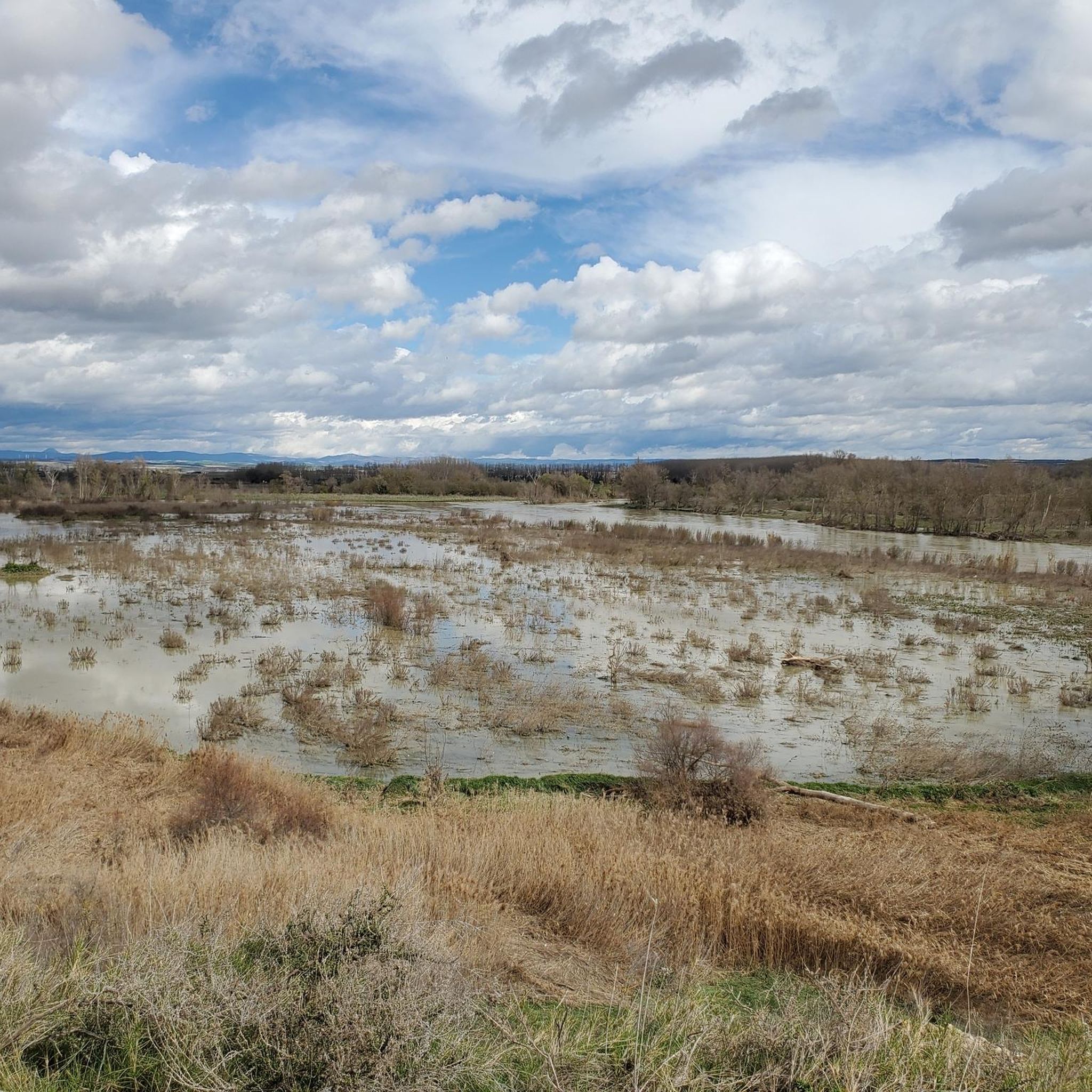
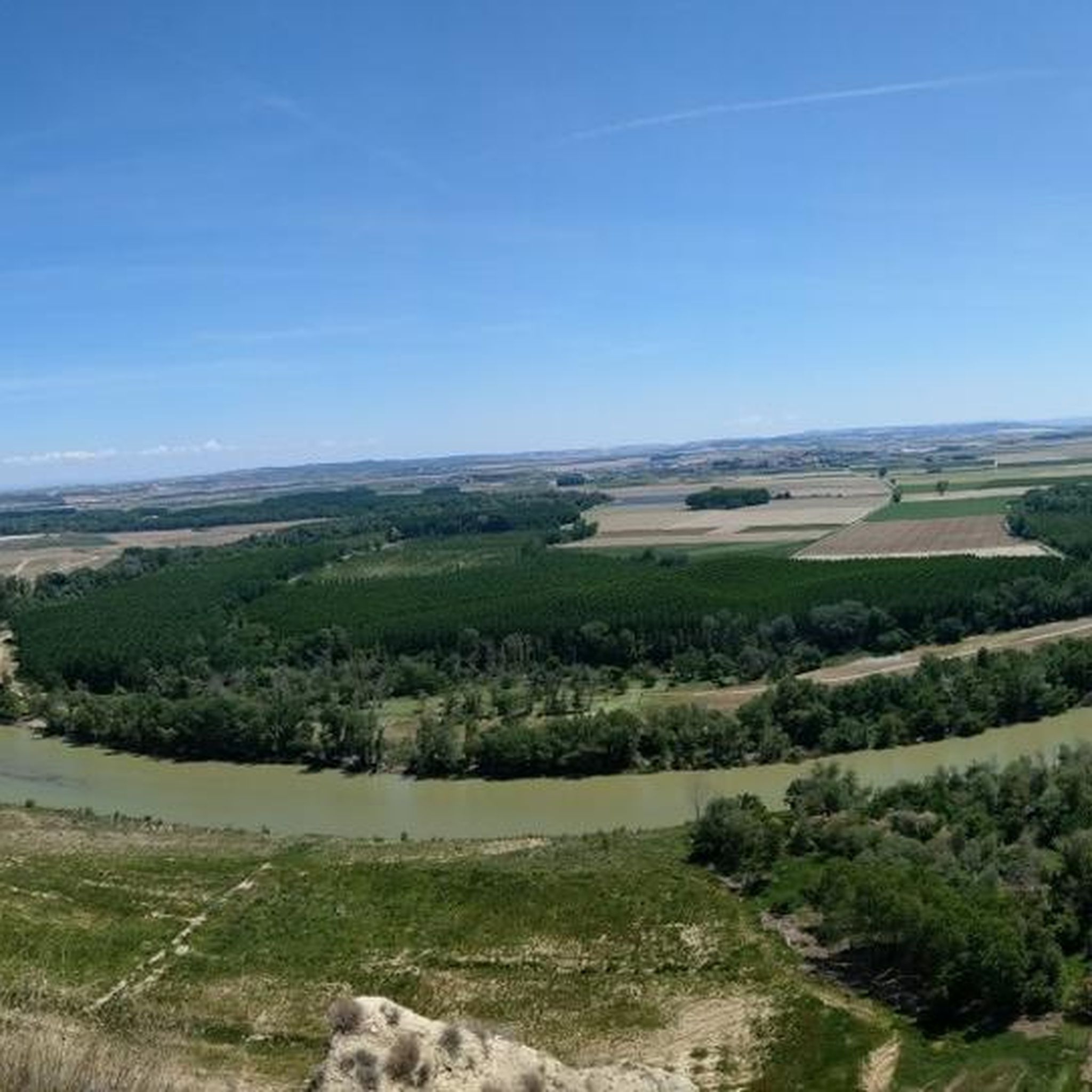
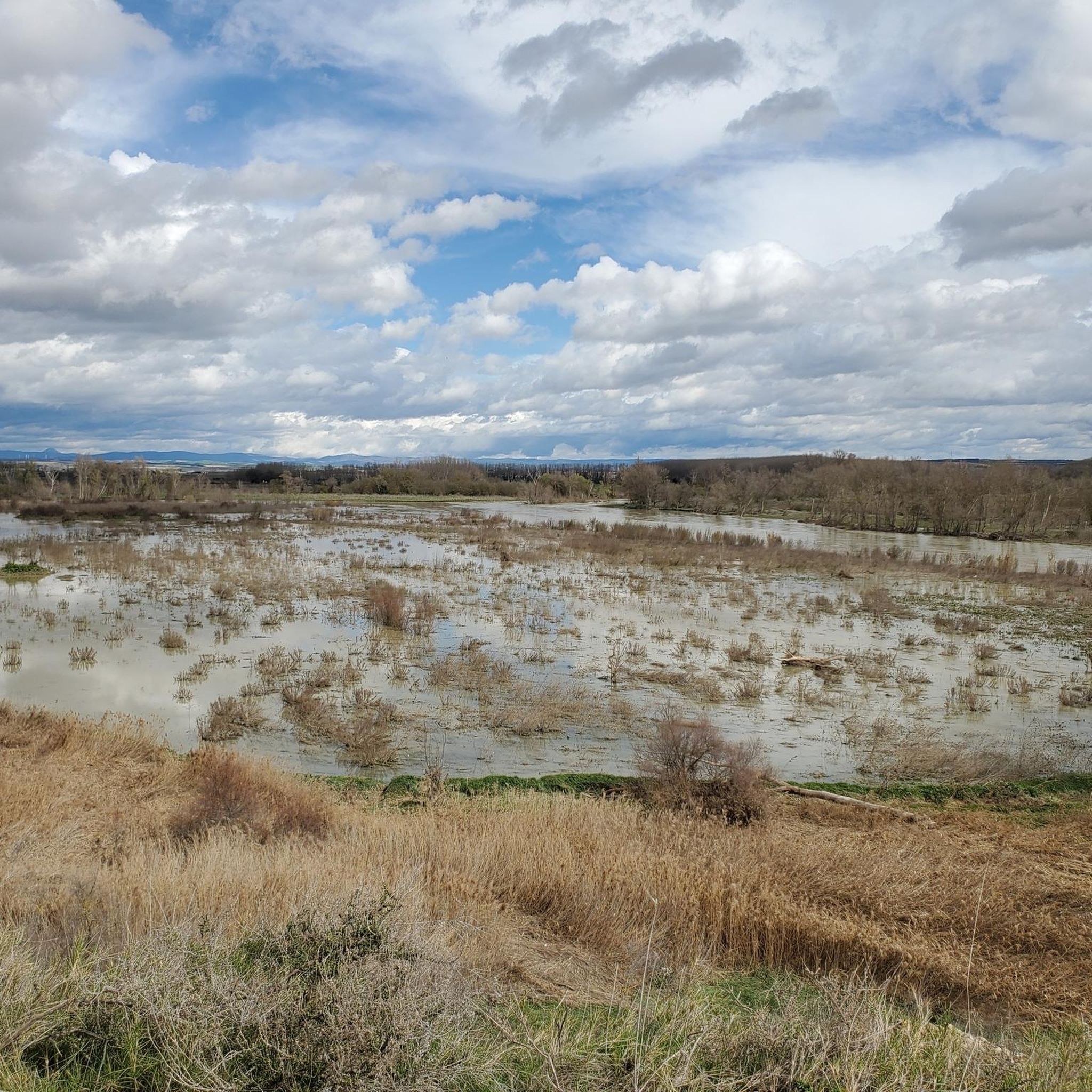
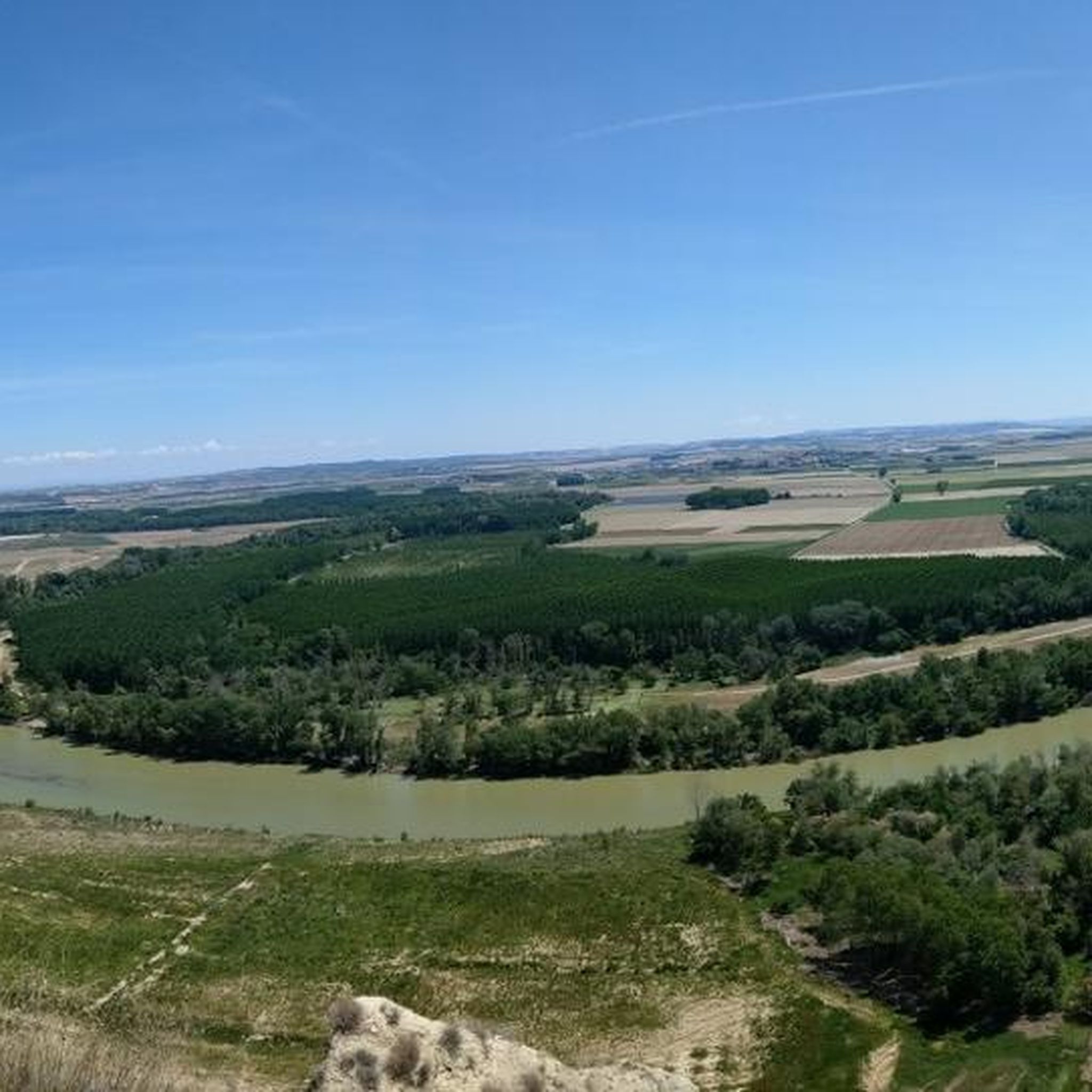
Milagro's natural landscape is defined by its riverine ecosystems. You'll encounter paths running parallel to the Ebro, Arga, and Aragón rivers, often surrounded by agricultural fields and natural woodlands. Areas like the Sotos de Vergara Nature Site feature tamarisk and white poplar woods, offering a serene environment for a natural running experience.
What do other runners enjoy most about jogging in Milagro?
The running routes in Milagro are highly rated by the komoot community. Runners often praise the diverse terrain, from serene riverside paths to routes offering panoramic views of the town and surrounding vineyards. The blend of natural beauty and historical landmarks, such as Marcilla Castle, also contributes to a unique and enjoyable running experience.
Are there any specific trails that follow the riverbanks?
Yes, the riverbanks of the Ebro and Aragón are a highlight for runners in Milagro. These areas offer well-maintained paths, such as the 15.5 km "Desembocadura Aragón – Ebro" route (not listed in guide data, but mentioned in region research), which follows the riverbanks through areas like the Dehesa de San Juan, providing views of significant hydrological and landscape features.
Most popular attractions around Milagro

Get inspired with the komoot mobile app


Explore more
Browse the best Running Trails & Routes in other regions.
