The best road cycling routes around Añón De Moncayo
5.0
(2)
277
riders
15
rides
Road cycling around Añón De Moncayo offers varied terrain within the Moncayo Natural Park, characterized by the imposing Moncayo Massif. Routes ascend through diverse ecosystems, from Mediterranean oak forests to dense beech groves and pine forests. The region provides challenging climbs and well-maintained roads, with generally light traffic.
Best road cycling routes around Añón De Moncayo
- The most popular road cycling route is Moncayo Climbs Loop via Tarazona and Veruela, a 52.6 miles (84.7 km) trail that takes 4…
Last updated: July 12, 2026
5.0
(1)
92
riders
84.7km
04:41
1,400m
1,400m
Hard road ride. Very good fitness required. Some segments of this route may be unpaved and difficult to ride.
5
riders
39.6km
02:06
590m
590m
Moderate road ride. Good fitness required. Some segments of this route may be unpaved and difficult to ride.

Sign up for free
52
riders
50.4km
02:59
990m
990m
Hard road ride. Very good fitness required. Mostly well-paved surfaces and easy to ride.
5.0
(1)
43
riders
76.6km
04:22
1,270m
1,270m
Hard road ride. Very good fitness required. Some segments of this route may be unpaved and difficult to ride.
12
riders
50.5km
02:35
640m
640m
Moderate road ride. Good fitness required. Some segments of this route may be unpaved and difficult to ride.
Get access to more routes and recommendations from other explorers.
Sign up for free
Already have an account?
Our route recommendations are based on thousands of hikes, rides, and runs completed by other people on komoot.
Start today with a free account
Your next adventure awaits.
Login or Signup

Tips from the Community

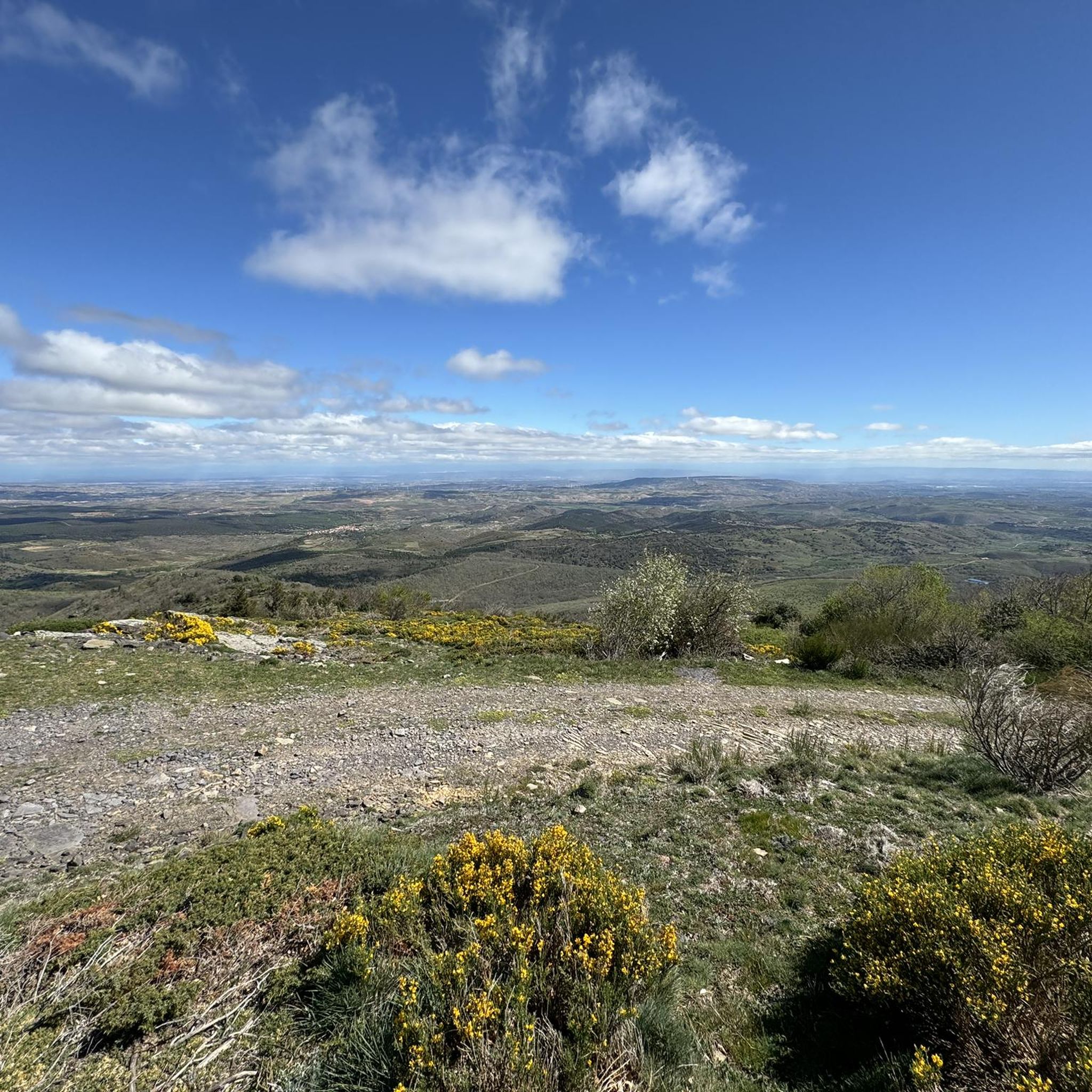
A beautiful place where the road up to Moncayo ends. Fresh water
0
0

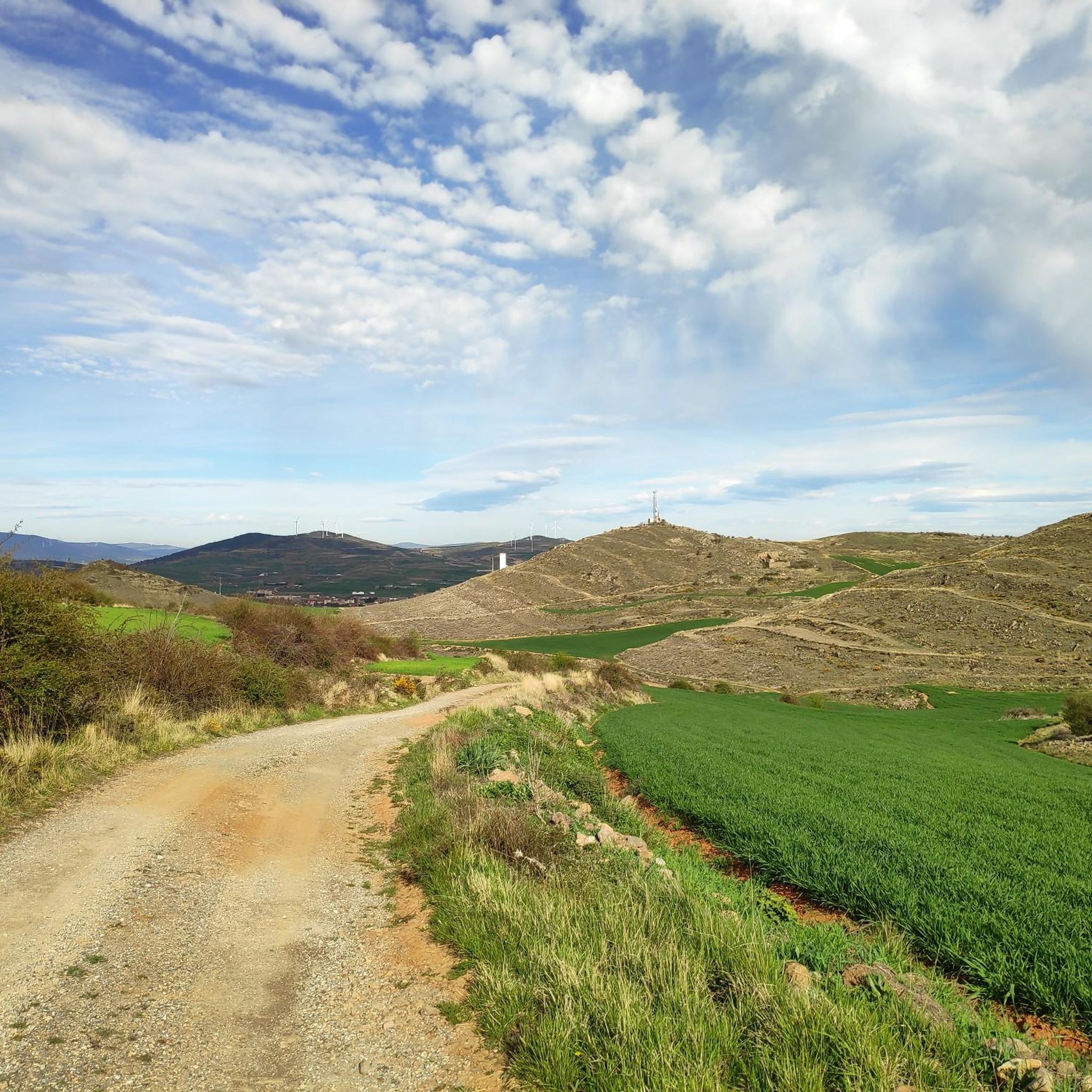
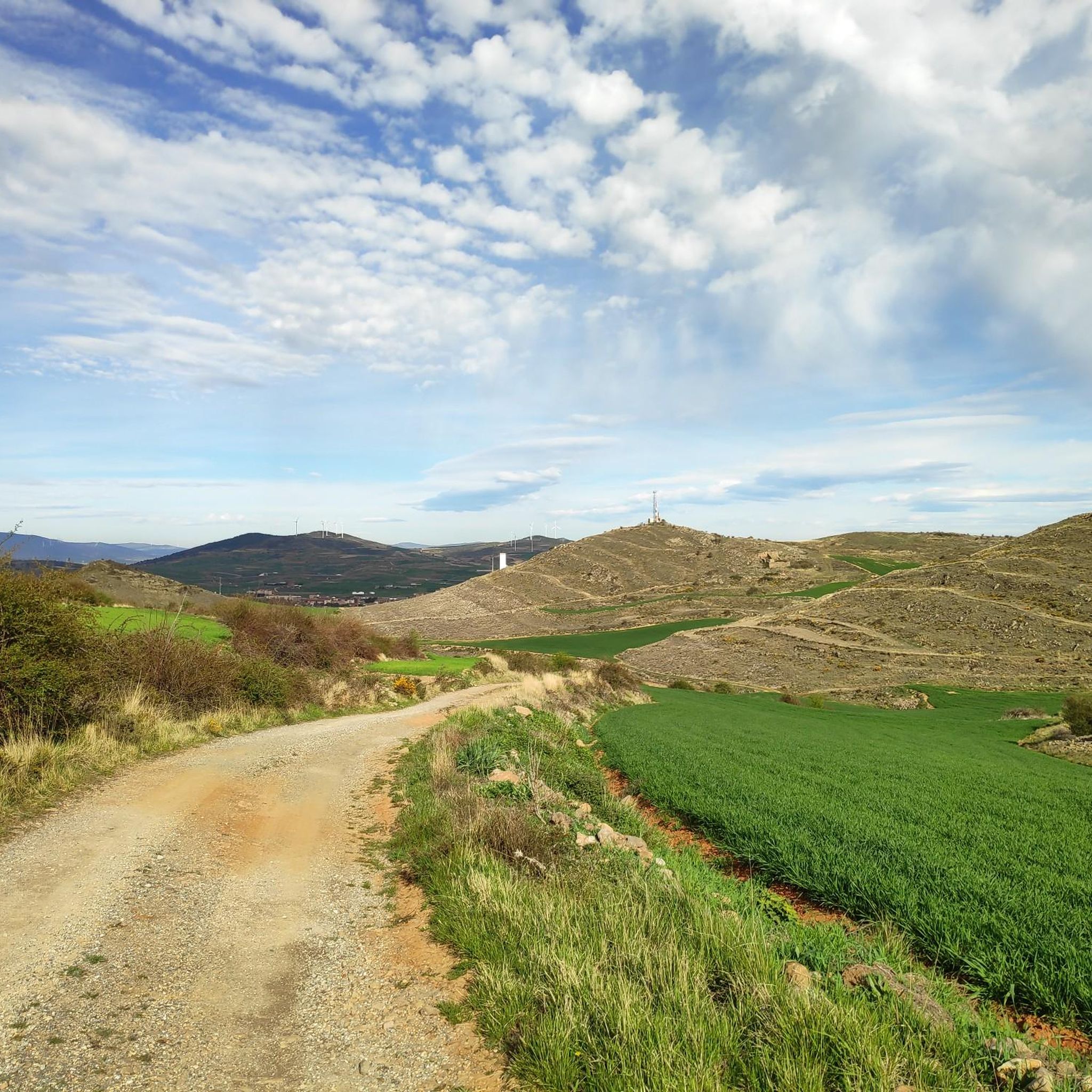
Spectacular views towards Añón de Moncayo and in the background, Moncayo.
0
0
Talamantes is a fantastic starting point for exploring the Moncayo region, with trails that blend forest, mountains, and ravines. Paths like the one leading to the Valdetreviño ravine start right from the village, perfect for walks with great views and no crowds. Plus, it's small and peaceful, ideal for stopping, having a bite to eat, and recharging after your hike.
1
0
Añón de Moncayo retains a medieval atmosphere in its streets and buildings, where the influence of the Order of St. John of Jerusalem is still evident. Construction of the castle began in 1238, during the reign of James I of Aragon, to protect the area, as the town was strategically located between kingdoms.
0
0
This small town of fewer than 300 inhabitants boasts a mycology center. It is also home to the Church of San Martín de Tours, a neo-Romanesque church with colonial American art.
0
0

Stork's nest on the disused railway line
0
0

Real Monasterio de Santa María de Veruela, or "The Royal Monastery of Santa María de Veruela") is a Cistercian abbey from the 12th century. It is located near Vera de Moncayo. It was founded in 1146 by Pedro de Atarés. Source wikipedia.
1
0

Visiting it is doing a deep review of the history of art in Spain, since in its construction there are spaces where all the styles that have existed since the 12th century, the time when construction began, come together. It is a unique example of a Gothic cathedral with an exceptional Mudejar and Renaissance legacy. The Tarazona Cathedral was built in the French Gothic style, but it maintains magnificent examples of the Mudejar style, including a Gothic-Mudejar cloister.
2
0
Frequently Asked Questions
How many road cycling routes are available around Añón De Moncayo?
There are over 10 dedicated road cycling routes around Añón De Moncayo, offering a variety of distances and elevation gains. These routes are highly rated by the komoot community, with an average score of 5.0 stars.
What kind of terrain can I expect on road cycling routes in the Moncayo region?
The Moncayo region offers varied terrain, from challenging climbs through diverse ecosystems to well-maintained roads with generally light traffic. You'll ascend through Mediterranean oak forests, dense beech groves, and pine forests, with parts of the climb featuring steady gradients between 4% and 5%.
Are there challenging climbs for experienced road cyclists?
Yes, the Moncayo Massif provides significant elevation challenges. Routes like the Moncayo Climbs Loop via Tarazona and Veruela, a difficult 84.7 km trail with over 1400 meters of elevation gain, are popular among those looking to conquer significant ascents. Parts of the Moncayo climb have even been featured in prestigious races like the Vuelta a España.
What natural features or landmarks can I see along the road cycling routes?
Road cycling routes in the Moncayo region offer stunning views of the Moncayo Massif and pass through diverse landscapes. You might encounter the historic Santuario del Moncayo, dense beech forests, and tranquil alpine meadows. The area also features dramatic geological formations like glacial cirques.
Are there circular road cycling routes available?
Yes, many routes are designed as loops. For example, the Templars' Path Loop is a moderate 39.6 km journey, and the Moncayo Roundabout loop from Vera de Moncayo offers a 50.5 km ride.
Are there places to stop for refreshments or accommodation near the routes?
Yes, you can find options for refreshments and accommodation. The Santuario del Moncayo Restaurant and Hostel is a notable stop on the slopes of Moncayo. Additionally, there are other huts and shelters like the Majada Baja Refuge and Valdemanzano Nature Center and Shelter that can serve as rest points.
What is the best time of year for road cycling in Añón De Moncayo?
The Moncayo region is generally best for road cycling from spring through autumn. The diverse ecosystems mean that while lower elevations might be pleasant earlier, higher sections of the Moncayo Massif are best enjoyed when alpine meadows are clear of snow and temperatures are moderate.
Is parking available for cyclists in Añón De Moncayo?
While specific designated cyclist parking areas are not detailed, Añón De Moncayo and surrounding towns typically offer general parking facilities. It's advisable to check local parking options upon arrival, especially if starting a route from a specific trailhead.
Can I reach Añón De Moncayo by public transport with my bike?
Public transport options to Añón De Moncayo are limited, and policies regarding bikes can vary. It's recommended to check with regional bus services or train operators for their specific regulations on transporting bicycles before planning your trip.
Are there road cycling routes suitable for families or beginners?
While the Moncayo region is known for its challenging terrain, there are moderate routes that could be suitable for beginners or families looking for a less strenuous ride. The Templars' Path Loop, for instance, is a moderate option offering a scenic journey with a steady climb rather than steep ascents.
What do other road cyclists say about the routes in Añón De Moncayo?
The road cycling routes around Añón De Moncayo are highly regarded by the komoot community, holding an average rating of 5.0 stars. Cyclists often praise the well-maintained roads, light traffic, and the stunning panoramic views of the Moncayo Massif, especially after conquering the challenging climbs.
Are there any caves or rivers to explore near the cycling routes?
Yes, the region features interesting natural formations beyond the cycling paths. You can explore caves such as Cueva de los Pilares or Cueva de Ágreda. Additionally, the Source of the Queiles River is another natural highlight in the vicinity.
How long do road cycling routes typically take to complete?
The duration varies significantly based on the route's distance and difficulty. For example, the moderate Templars' Path Loop (39.6 km) typically takes around 2 hours 5 minutes, while the more difficult Moncayo Climbs Loop (84.7 km) can take approximately 4 hours 41 minutes.
Most popular attractions around Añón De Moncayo

Get inspired with the komoot mobile app


Explore more
Browse the best Road cycling routes in other regions.
