The best cycling routes around Réserve naturelle de Prats-de-Mollo-la-Preste
4.2
(27)
957
riders
24
rides
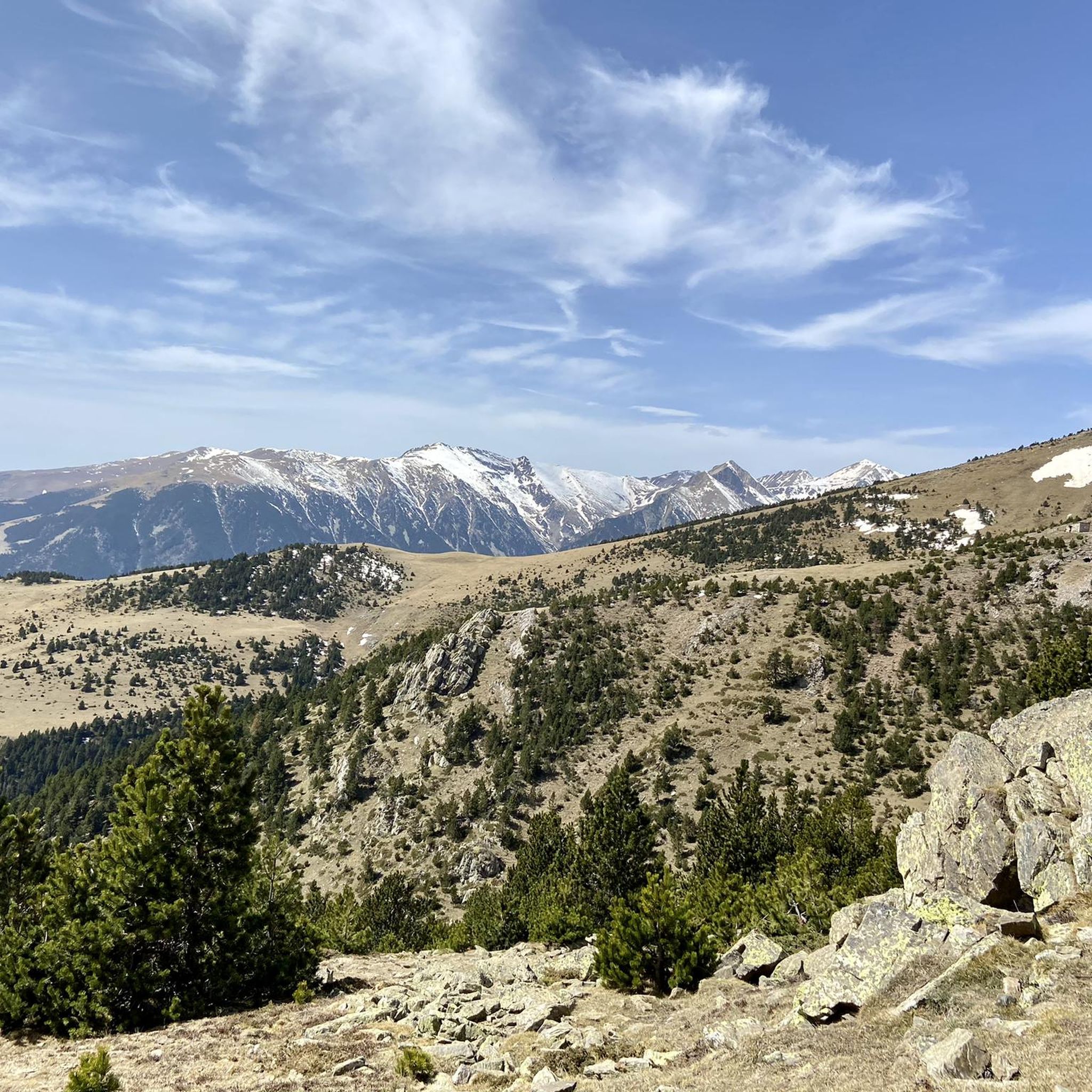
Touring cycling routes around Réserve naturelle de Prats-de-Mollo-la-Preste traverse a diverse landscape within the eastern Pyrenees. The region features mountainous terrain with high reliefs, including high-altitude plains, ravines, and granite formations. Forests, primarily beech and pine, cover significant areas, alongside alpine meadows and torrents. Elevations range from 1,490 meters to 2,507 meters, offering varied gradients for cyclists.
Best touring cycling routes around Réserve naturelle de Prats-de-Mollo-la-Preste
- The most popular touring cycling route is Prats-de-Mollo-la-Preste – Prats de Molló loop from…
Last updated: October 18, 2026
5
riders
34.3km
03:20
1,090m
1,090m
Hard bike ride. Very good fitness required. Mostly paved surfaces. Suitable for all skill levels.
5.0
(1)
5
riders
18.9km
01:45
710m
710m
Hard bike ride. Very good fitness required. Mostly paved surfaces. Suitable for all skill levels.

5.0
(2)
298
riders
43.1km
03:16
1,090m
1,090m
Hard bike ride. Very good fitness required. You may need to push your bike for some segments of this route.
5.0
(1)
53
riders
20.6km
01:48
750m
750m
Hard bike ride. Very good fitness required. Mostly paved surfaces. Suitable for all skill levels.
44
riders
17.7km
01:10
270m
270m
Moderate bike ride. Good fitness required. Mostly paved surfaces. Suitable for all skill levels.
Get access to more routes and recommendations from other explorers.
Already have an account?
Our route recommendations are based on thousands of hikes, rides, and runs completed by other people on komoot.
Start today with a free account
Your next adventure awaits.
Popular around Réserve naturelle de Prats-de-Mollo-la-Preste
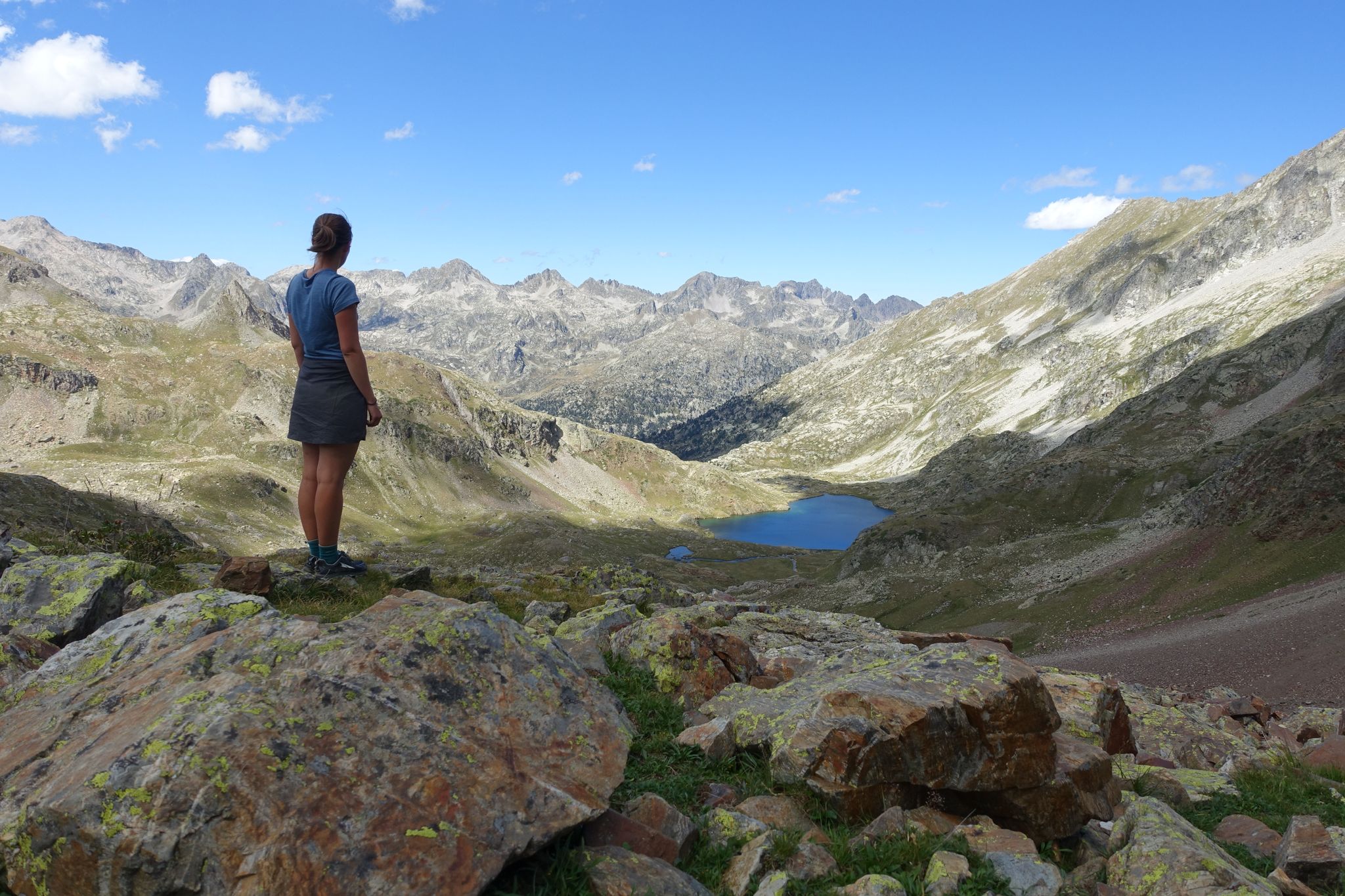
Haute Route Pyrénéenne – Pyrenees Crossing
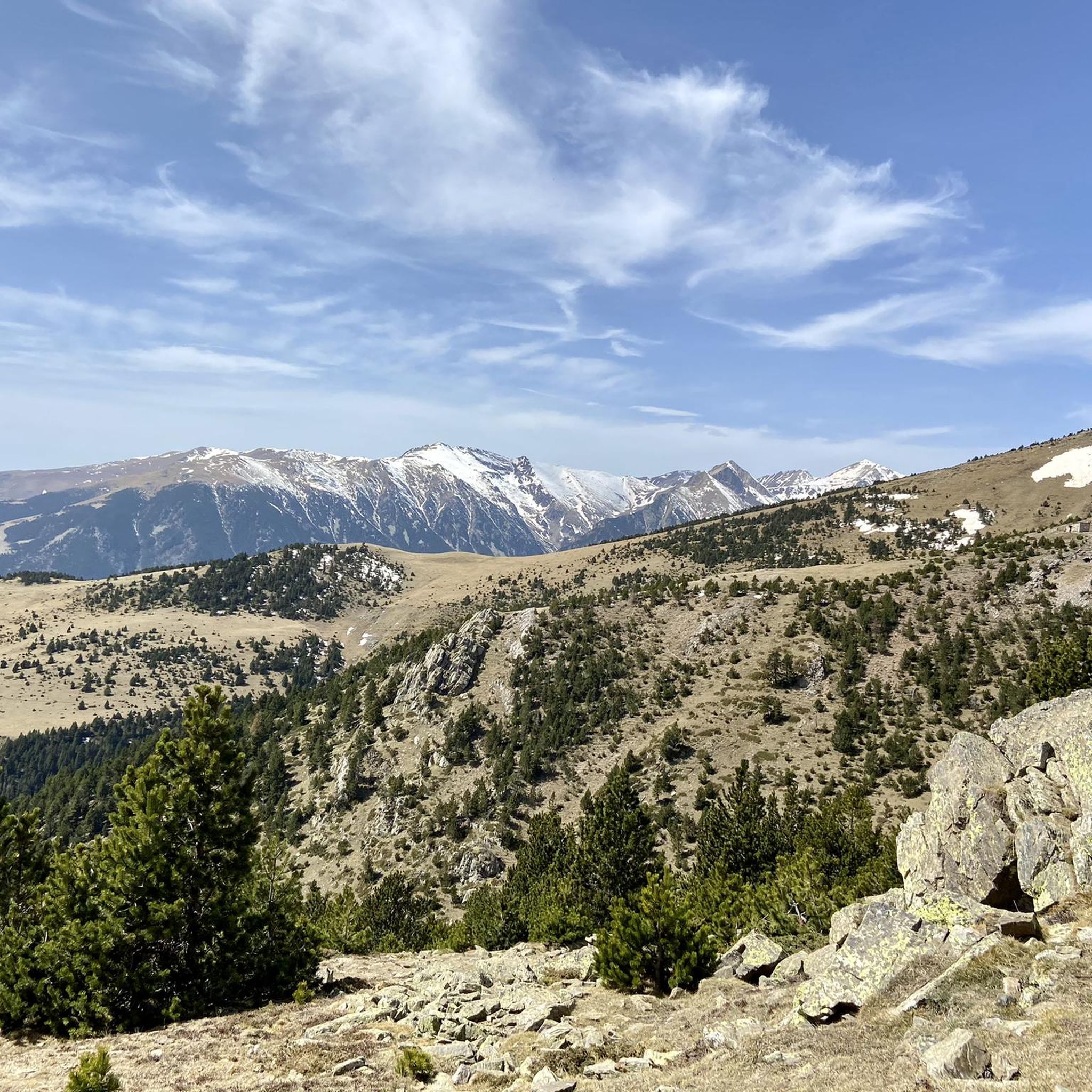
Running Trails around Réserve naturelle de Prats-de-Mollo-la-Preste
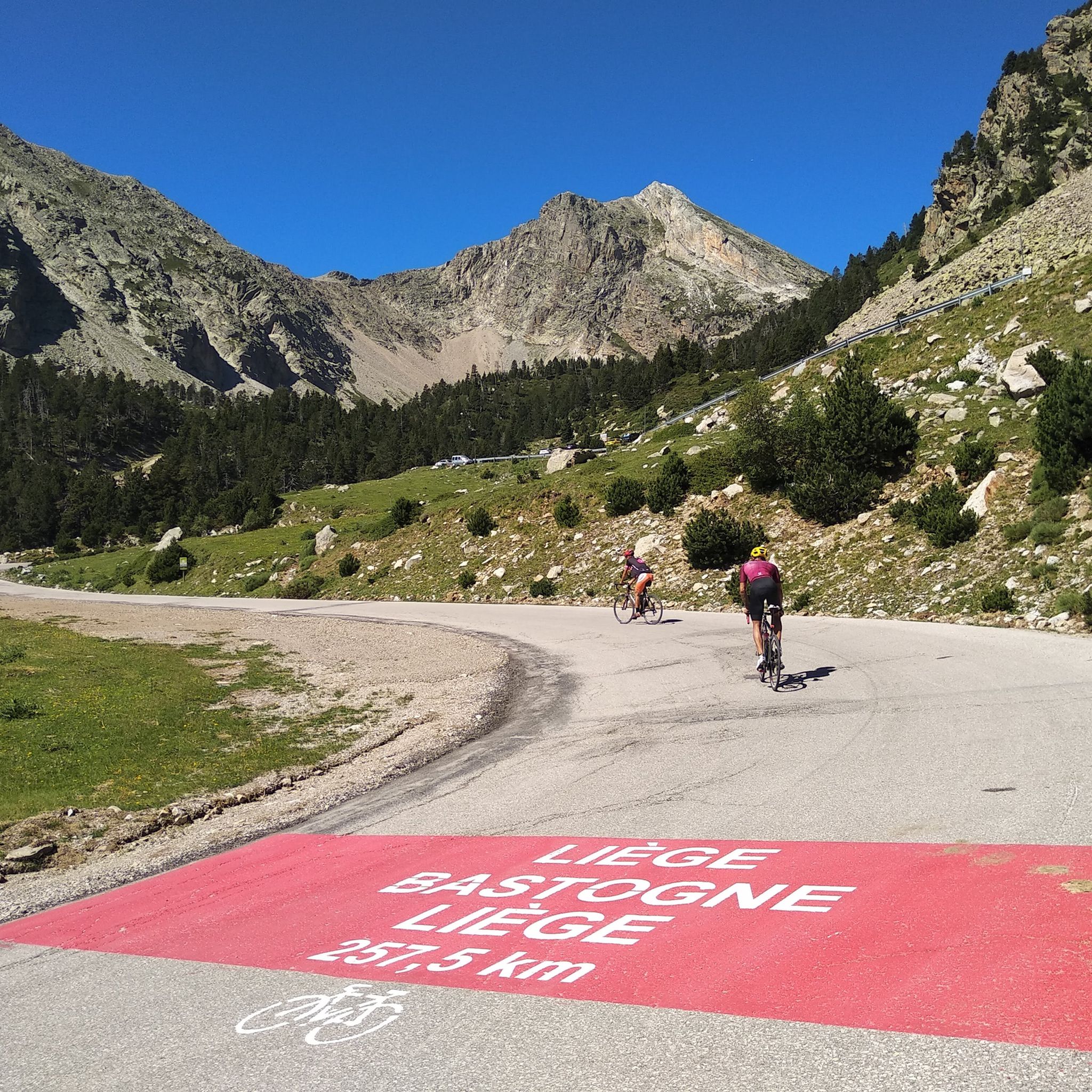
Road Cycling Routes around Réserve naturelle de Prats-de-Mollo-la-Preste
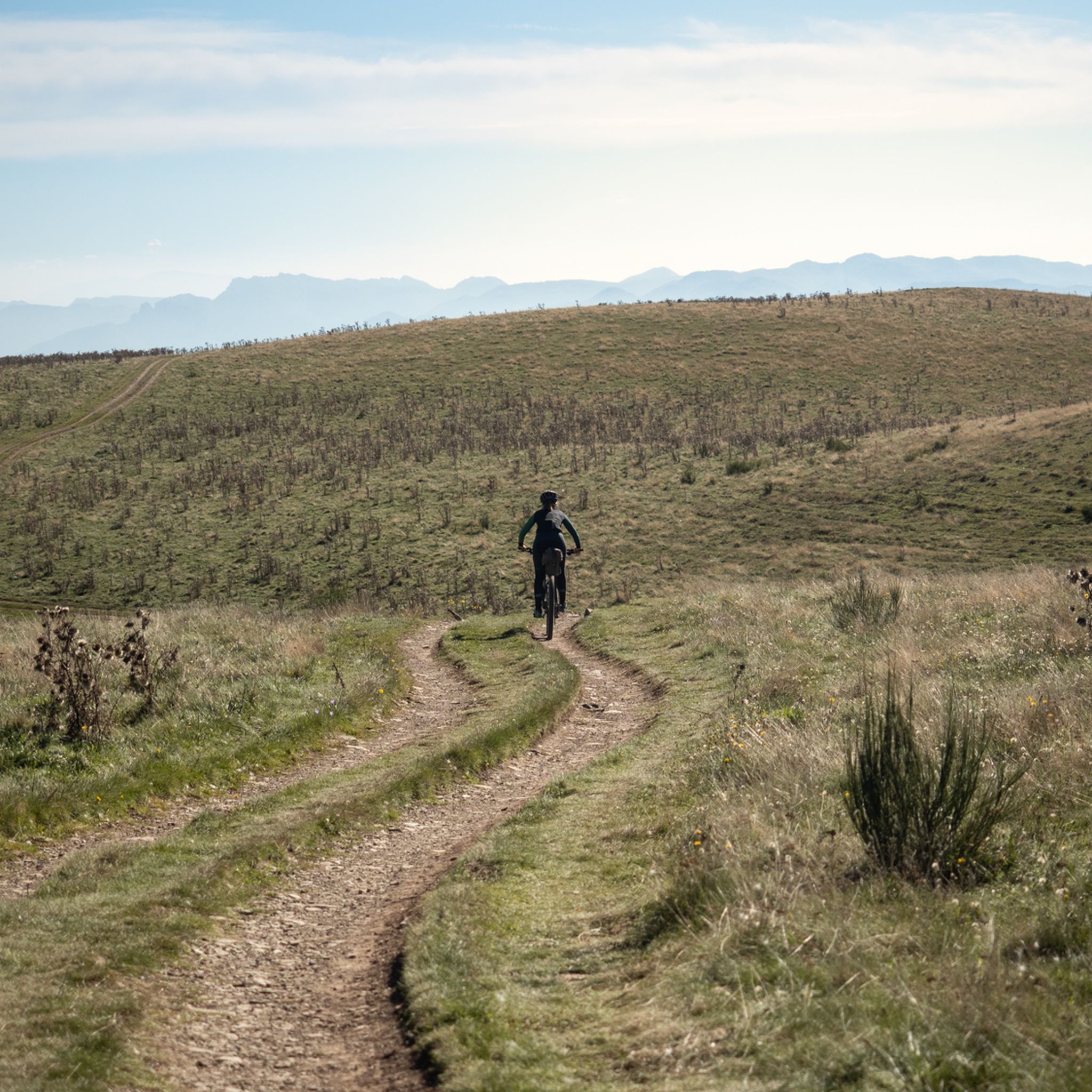
MTB Trails around Réserve naturelle de Prats-de-Mollo-la-Preste
Hiking around Réserve naturelle de Prats-de-Mollo-la-Preste

Mountain Hikes around Réserve naturelle de Prats-de-Mollo-la-Preste

Gravel biking around Réserve naturelle de Prats-de-Mollo-la-Preste
Other adventures around Réserve naturelle de Prats-de-Mollo-la-Preste

Tips from the Community

View of the impressive bridge.
0
0

This village had great historical significance: in the Middle Ages, its castle was key in the Remensa Wars and in the control of the region, passing through the hands of various noble families. The manor remained until the mid-19th century, when it disappeared with the state expropriation of 1854.
0
0

It was built on the ruins of an old medieval watchtower to reinforce the defence of the Vallespir after the Treaty of the Pyrenees, which established the border between France and Spain. The fort was designed to withstand prolonged sieges, with food stores and a structure capable of protecting both the garrison and the village. A curiosity is that, for centuries, the inhabitants of Prats-de-Mollo could take refuge in the fort in case of invasions, going up through the underground tunnels. In addition to its military use, the fort has also been the scene of festivals and cultural events, such as the celebration of the Fête de l'Ours (Bear Festival), a local tradition that symbolises the struggle between man and nature.
7
0
Built in the 17th century by order of Vauban, Louis XIV's military engineer, to defend the border with Spain after the signing of the Treaty of the Pyrenees in 1659, the fortress is situated on a hill above the village, offering strategic views. It has underground tunnels that connect to the village and was key to the control of the region.
7
0
https://www.youtube.com/watch?v=dLKV5Y7mv40 The town keeps alive many Catalan traditions, such as the Bear Festival (La Fête de l'Ours), which is celebrated every year in February. This festival is one of the oldest and most representative of Pyrenean folklore, symbolizing the struggle between man and nature.
1
0
The village has a strong medieval character, with well-preserved walls and a citadel, Fort Lagarde, which dominates the town from above. This fort was built in the 17th century and is an important symbol of border defence during that period.
1
0

Camprodon is a small town in the province of Girona with a long history behind it: it was taken and burned in several wars over the centuries. Today, it is a quiet place located in the valley where the Ter and Ritort rivers meet.
1
0
Frequently Asked Questions
How many touring cycling routes are available in Réserve naturelle de Prats-de-Mollo-la-Preste?
There are over 25 touring cycling routes in Réserve naturelle de Prats-de-Mollo-la-Preste, offering a diverse range of experiences across mountainous terrain, dense forests, and high-altitude plains. The region boasts an extensive cycling network totaling 149 km.
What is the best time of year for touring cycling in Réserve naturelle de Prats-de-Mollo-la-Preste?
The best time for touring cycling in Réserve naturelle de Prats-de-Mollo-la-Preste is generally during the warmer months, from late spring to early autumn. This period offers more stable weather conditions and access to higher-altitude routes. The region's diverse ecosystems, including alpine meadows and forests, are particularly vibrant during these seasons.
Are there any challenging touring cycling routes in the area?
Yes, Réserve naturelle de Prats-de-Mollo-la-Preste is known for its challenging routes. Out of the 28 available tours, 25 are rated as difficult. For example, the Prats-de-Mollo-la-Preste – Prats de Molló loop from La Volona covers 78.3 km with an elevation gain of over 1700 meters, making it suitable for experienced touring cyclists.
What kind of landscapes can I expect to see while cycling here?
The region offers a rich tapestry of landscapes. You'll encounter mountainous terrain with high reliefs, including high-altitude plains, ravines, and granite formations. Routes often traverse dense forests of beech and pine, alpine meadows, and follow torrents. The area's geological diversity also means varied rock formations and breathtaking views, particularly along the Pyrenean borders.
Are there any circular touring cycling routes available?
Yes, many of the touring cycling routes in Réserve naturelle de Prats-de-Mollo-la-Preste are circular. An example is the Beget Village – Beget Village and Church loop from Espinavell, a difficult 44.8 km path that offers scenic views along the Pyrenean borders.
What are some notable natural attractions or viewpoints along the cycling routes?
Cyclists can enjoy numerous natural attractions and panoramic viewpoints. The region features high-altitude plains and ravines, with routes offering exceptional scenery. Specific highlights include the Costabona Summit (2,480 m) and Roca Colom summit. The "Chemin de l'estive du Mitg" also offers panoramic views extending to the sea from an orientation table.
What do other touring cyclists say about the routes in Réserve naturelle de Prats-de-Mollo-la-Preste?
The touring cycling routes in Réserve naturelle de Prats-de-Mollo-la-Preste are highly rated by the komoot community, with an average score of 4.1 stars from over 25 reviews. Cyclists often praise the challenging nature of the routes, the stunning mountainous landscapes, and the sense of adventure found on trails like the Collado Fonda – Cristal de la Quinta loop from Espinavell, which leads through high-altitude plains and ravines.
Are there any moderate touring cycling routes for those seeking a less intense ride?
While the majority of routes are difficult, there are a few moderate options available for touring cyclists. These routes still offer a good workout but with less extreme elevation gains compared to the most challenging trails. You can find 3 moderate routes among the 28 available tours.
Can I find routes that offer historical or cultural points of interest?
Yes, the region is rich in history and culture. The area is marked by historical forts and watchtowers, reflecting its strategic importance. Prats-de-Mollo itself is an attractive medieval town with a historic center. While cycling, you can enjoy scenery imbued with history, particularly along the Pyrenean borders.
What kind of wildlife might I encounter while cycling in the reserve?
The Réserve naturelle de Prats-de-Mollo-la-Preste is home to exceptional flora and fauna due to its diverse habitats. While cycling, you might spot wildlife such as isards (Pyrenean chamois), wildcats, and various bird species like bearded vultures. The mosaic of forests, alpine meadows, and torrents provides a rich environment for many creatures.
Are there any routes that pass by water features or rivers?
Yes, the reserve's diverse natural appeal includes numerous water features. Torrents and peat bogs are common, and some cycling routes run along water for approximately 9 km. The nearby Gorges de la Fou, one of the narrowest gorges in the world, is a unique natural attraction, though it's typically explored on foot via a wooden pathway rather than by bike.
Is there a route that offers a significant climb for experienced cyclists?
Absolutely. For experienced cyclists looking for a significant climb, the Pont Nou (New Bridge) – Pont Nou of Camprodon loop from Vallter 2000 is a difficult route covering 43.3 km with an elevation gain of nearly 1100 meters. This route provides a substantial challenge and rewarding views.
Most popular routes around Réserve naturelle de Prats-de-Mollo-la-Preste
Most popular attractions around Réserve naturelle de Prats-de-Mollo-la-Preste

Get inspired with the komoot mobile app


Explore more
Browse the best Cycling routes in other regions.
