The best cycling routes around Tarrés
4.9
(37)
970
riders
112
rides
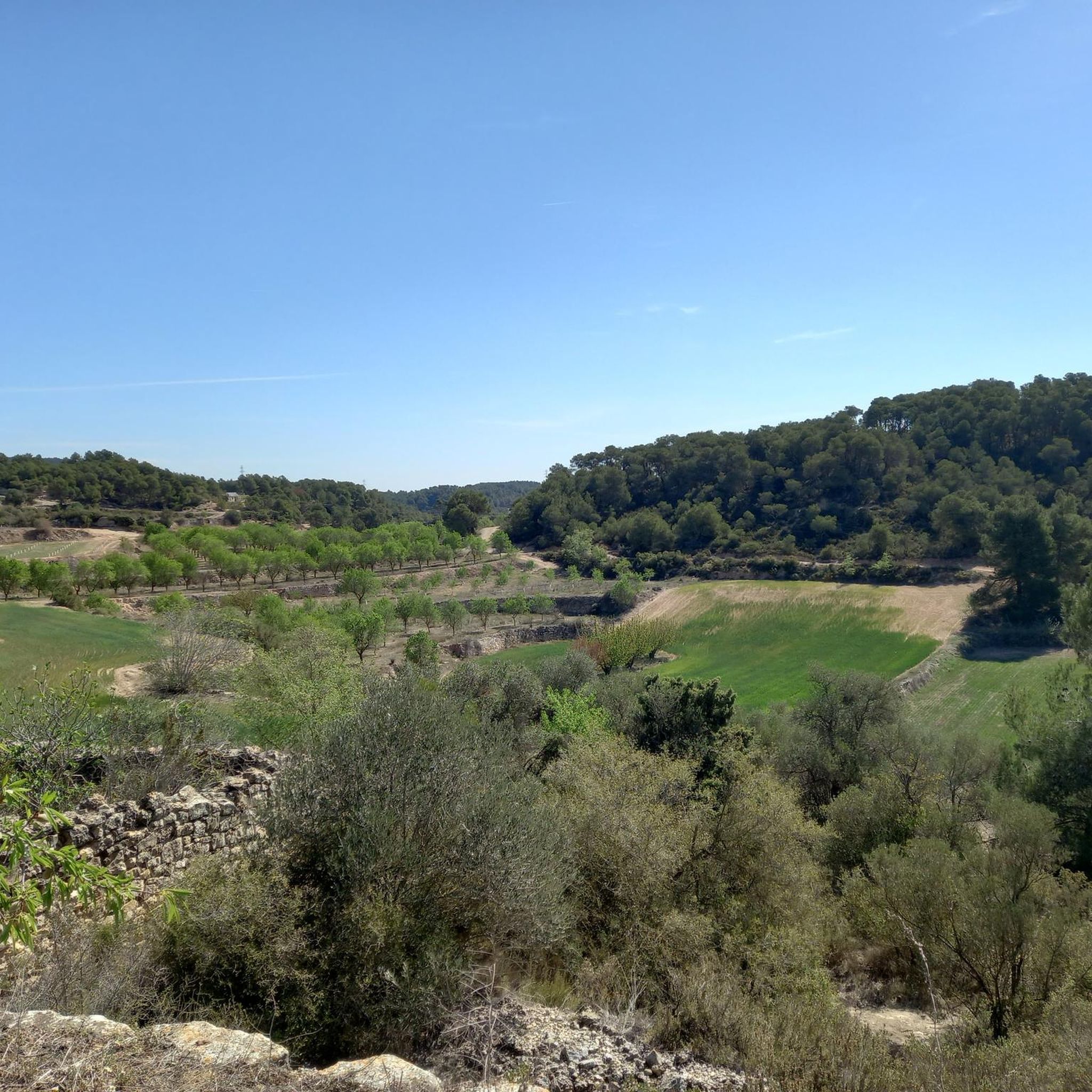
Touring cycling routes around Tarrés traverse a landscape characterized by rolling hills, historic villages, and agricultural areas, particularly olive groves. The region features varied terrain with significant elevation changes, offering challenging climbs and scenic descents. This area provides a network of routes suitable for exploring its cultural heritage and natural beauty by bike.
Best touring cycling routes around Tarrés
- The most popular touring cycling route is Prades Historic Center – Old Bridge of Montblanc loop from Vimbodí, a 43.4…
Last updated: July 1, 2026
27
riders
69.8km
04:47
1,190m
1,190m
Hard bike ride. Very good fitness required. Mostly paved surfaces. Suitable for all skill levels.
5.0
(1)
19
riders
34.4km
03:20
780m
780m
Hard bike ride. Very good fitness required. Mostly paved surfaces. Suitable for all skill levels.

Sign up for free
16
riders
32.1km
02:58
800m
800m
Hard bike ride. Very good fitness required. Mostly paved surfaces. Suitable for all skill levels.
5.0
(4)
14
riders
21.1km
01:24
320m
320m
Moderate bike ride. Good fitness required. Mostly paved surfaces. Suitable for all skill levels.
10
riders
52.8km
03:20
580m
580m
Hard bike ride. Very good fitness required. Mostly paved surfaces. Suitable for all skill levels.
Get access to more routes and recommendations from other explorers.
Sign up for free
Already have an account?
Our route recommendations are based on thousands of hikes, rides, and runs completed by other people on komoot.
Start today with a free account
Your next adventure awaits.
Login or Signup
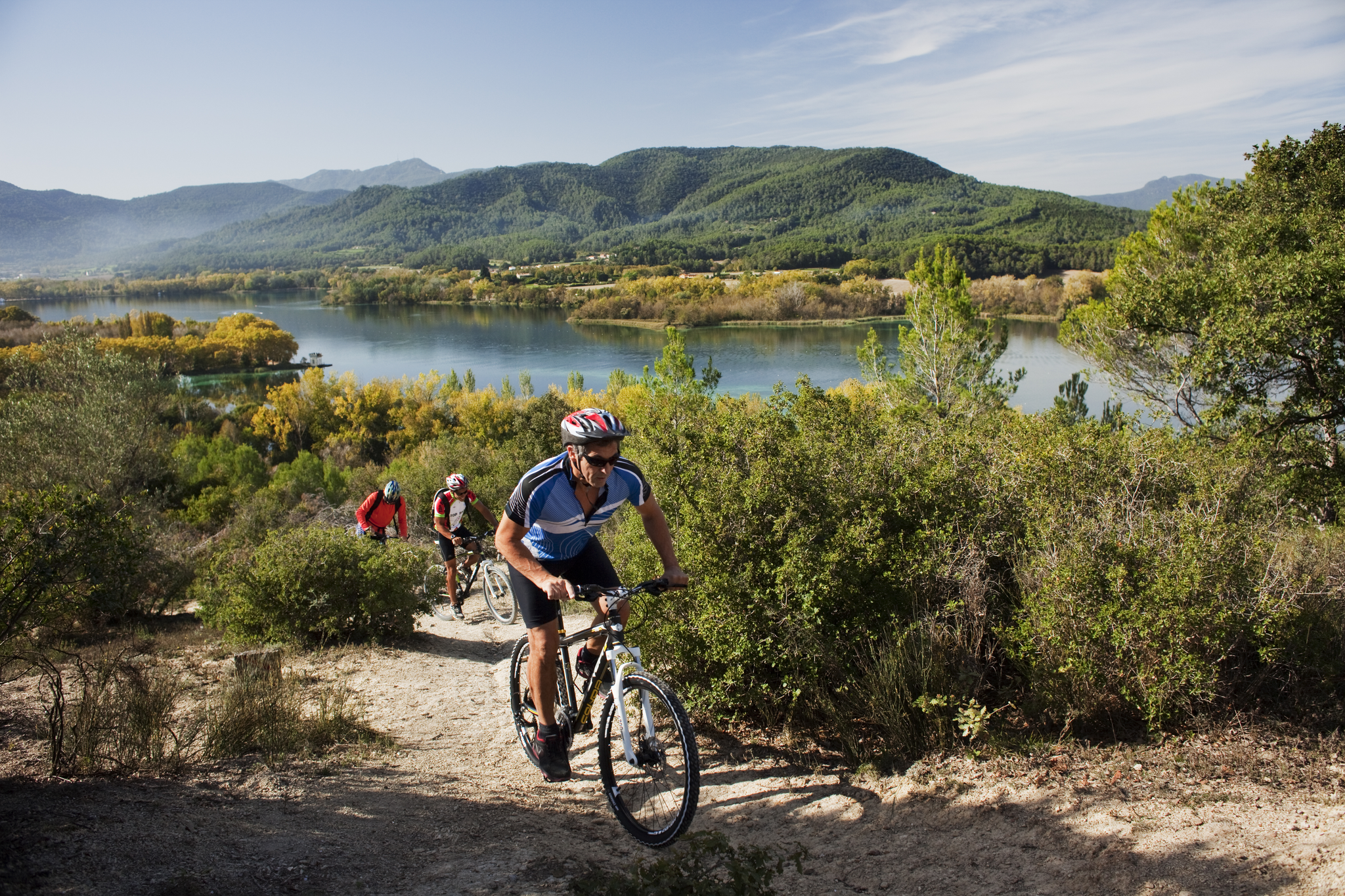
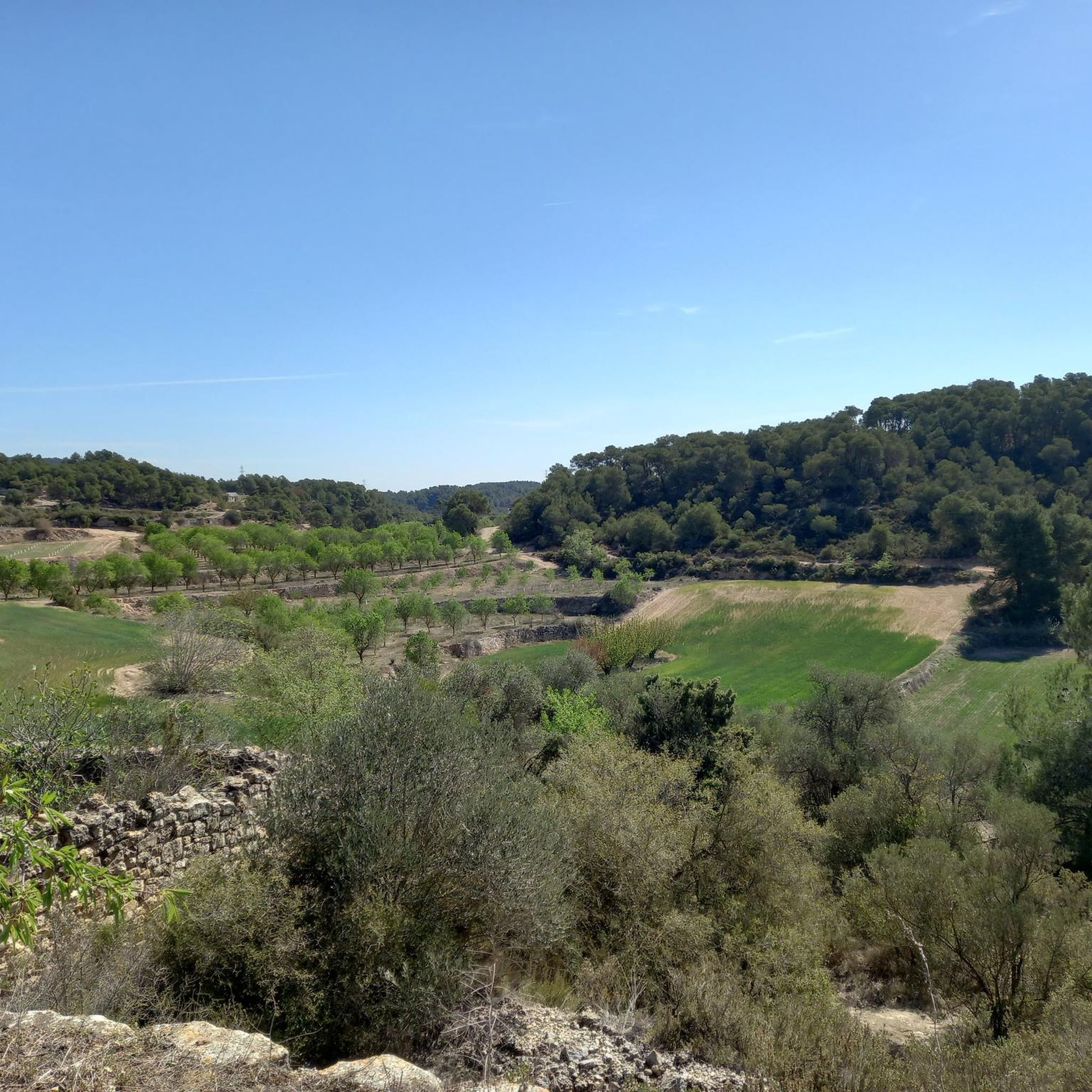
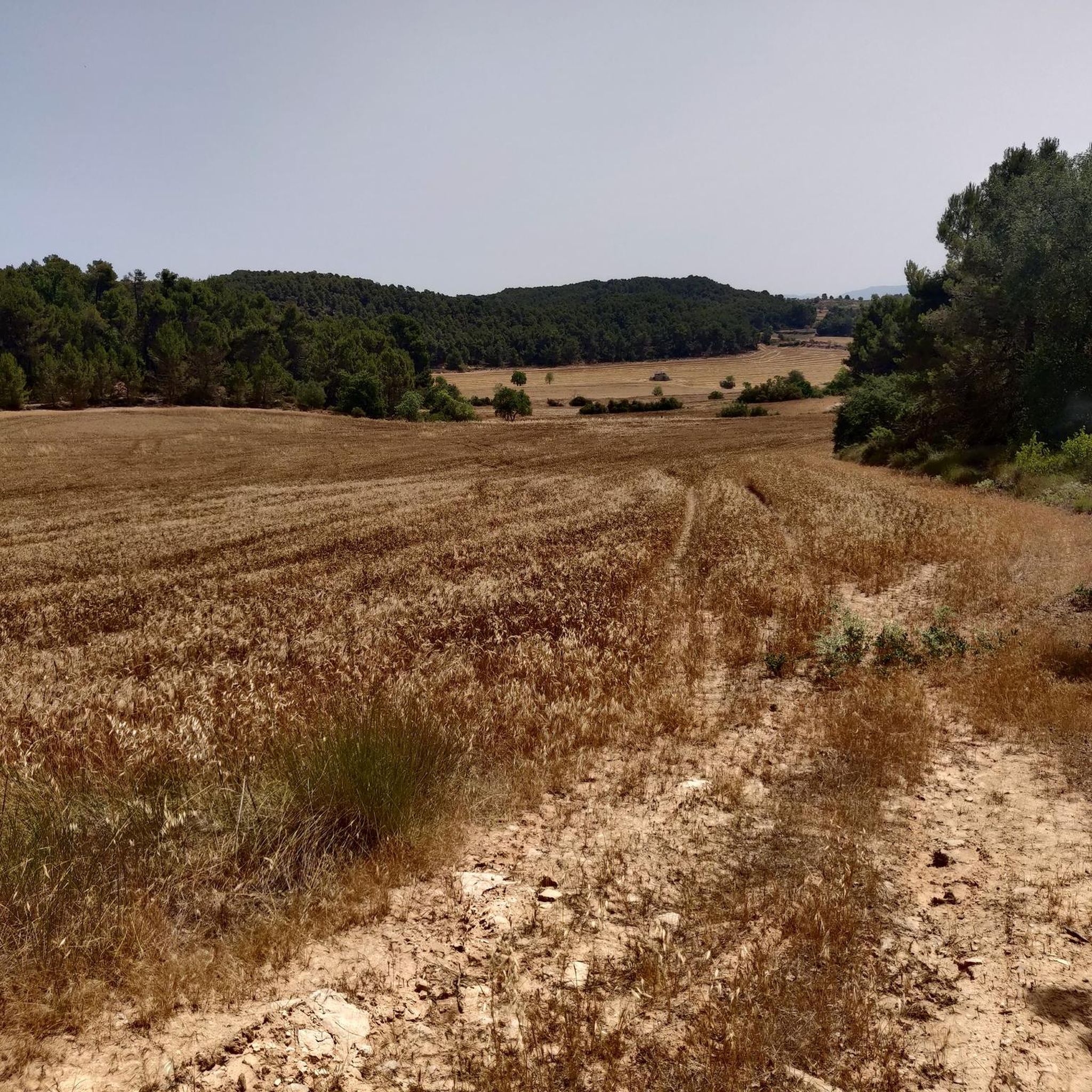

Other adventures around Tarrés

Tips from the Community

It's always a pleasure to cross this bridge that leads us to the Viñes Pastry Shop along the main street. The Borratxo is incredible, one of the best.
0
0


Also known as Vila Roja because of the reddish material that was used in the construction of the buildings. It is worth parking your bike and strolling through its alleys.
0
0

The hermitage of the Santíssima Trinitat dates from the 18th century, although it has been modernly restored. It has a single barrel-vaulted nave with lunettes. It is open every Sunday from 10 a.m. to 7 p.m., and has a welcome service for visitors, a souvenir shop, and you can buy drinks.
1
0
Medieval bridge (12th century) with four eyes that crosses the channel of the Francolí river. Throughout its history it has undergone numerous reforms due to floods.
0
0
Municipality of the province of Tarragona, in the region of Conca de Barberà. The origin of the town is in the castle that Ponç de Cervera built on top of a nearby mountain in the 11th century. In the middle of the 13th century, the castle became dependent on the monastery of Poblet and the Templars, and in the lower part the encomienda of the Espluga de Francolí was established, under the jurisdiction of the hospital order. In the year 1312, the year of the extinction of the Order of the Temple, the Espluga de Francolí acquires the full señorío. Among the cultural heritage stands out the old hospital of the Order of San Juan, which currently houses the Mosén Ramón Muntanyola library, the Museo de la Vida Rural, the modernist cooperative winery Celler Cooperatiu, the work of Pere Domènech i Roura, or the Fassina Balanyà, former alcohol factory, today converted into one of the twenty-five industrial museums of the System of the National Museum of Science and Technology of Catalonia.
0
0

A classic that is worth visiting before starting the port of Coll de l'Arena - Prades at 1034 m
0
0
Imposing arrival at Montblanc, Tarragona
0
0
Frequently Asked Questions
How many touring cycling routes are there in Tarrés?
Tarrés offers a wide selection of touring cycling routes, with over 110 options available. These routes traverse a landscape of rolling hills, historic villages, and extensive olive groves, providing diverse experiences for cyclists.
What is the general difficulty level of touring cycling routes in Tarrés?
The touring cycling routes around Tarrés feature varied terrain with significant elevation changes. While there are 2 easy routes and 25 moderate routes, the majority, 91 routes, are classified as difficult, offering challenging climbs and scenic descents for experienced cyclists.
Are there any easy touring cycling routes suitable for beginners in Tarrés?
Yes, Tarrés does offer a few easier options. There are 2 routes specifically rated as easy, and 25 routes are considered moderate. These routes are generally shorter and have less demanding elevation profiles, making them suitable for beginners or those looking for a more relaxed ride.
Can I find challenging or advanced touring cycling routes in Tarrés?
Absolutely. Tarrés is well-suited for advanced touring cyclists, with 91 routes classified as difficult. These routes often feature significant elevation gains and longer distances, such as the Prades Historic Center – Old Bridge of Montblanc loop from Vimbodí, which covers 43.4 miles (69.8 km) with over 1,100 meters of ascent.
Are there circular cycling routes available around Tarrés?
Many touring cycling routes in Tarrés are designed as loops, allowing you to start and end in the same location. Examples include the challenging Riudabella Castle – Tossal Gros loop from Vimbodí, offering views of the castle and Tossal Gros hill, or the moderate L'Espluga de Francolí loop from Vimbodí.
What historical sites or natural monuments can I explore while cycling in Tarrés?
The region around Tarrés is rich in historical and natural attractions. You can visit the Monastery of Santa María de Vallbona or the Royal Monastery of Santa María de Poblet. Natural highlights include the Tossal de la Baltasana summit and the Deport Spring. Some routes, like the Font Baixa – Old Bridge of Montblanc loop from Vimbodí, pass by specific points of interest such as Font Baixa.
What are some scenic viewpoints along the cycling routes in Tarrés?
Tarrés offers numerous scenic vistas, particularly of its characteristic olive groves and rolling hills. Routes like the View of Olive Groves and Hills – Scenic Viewpoint loop from Tarrés are specifically designed to highlight these picturesque landscapes. You can also find panoramic views from the Hermitage and Viewpoint of Sant Joan de la Muntanya.
What do other touring cyclists enjoy the most about cycling in Tarrés?
The touring cycling experience in Tarrés is highly rated by the komoot community, with an average score of 4.7 stars from over 30 reviews. Cyclists often praise the region's varied terrain, the opportunity to explore historic sites, and the beautiful agricultural landscapes, particularly the olive groves.
Are there quiet cycling routes in Tarrés, away from traffic?
Many of the touring cycling routes in Tarrés traverse agricultural areas and less populated historic villages, offering a quieter cycling experience. The network of paths often winds through olive groves and rural landscapes, providing a peaceful environment away from main roads.
What is the best time of year to cycle in Tarrés?
The Mediterranean climate of Tarrés generally makes spring and autumn ideal for touring cycling. During these seasons, temperatures are milder, and the natural scenery, from blooming wildflowers in spring to the harvest colors of autumn, is particularly appealing. Summers can be hot, while winters are generally mild but may have cooler, wetter days.
What should I bring for a touring cycling trip in Tarrés?
Given the varied terrain and potential for significant elevation changes, it's advisable to bring appropriate gear. This includes a well-maintained touring bicycle, a helmet, sufficient water, snacks, sun protection, and layers of clothing to adapt to changing temperatures. A repair kit and navigation tools are also recommended, especially for longer or more remote routes.
Most popular attractions around Tarrés

Get inspired with the komoot mobile app


Explore more
Browse the best Cycling routes in other regions.
