Attractions and Places To See around Revilla Vallejera - Top 9
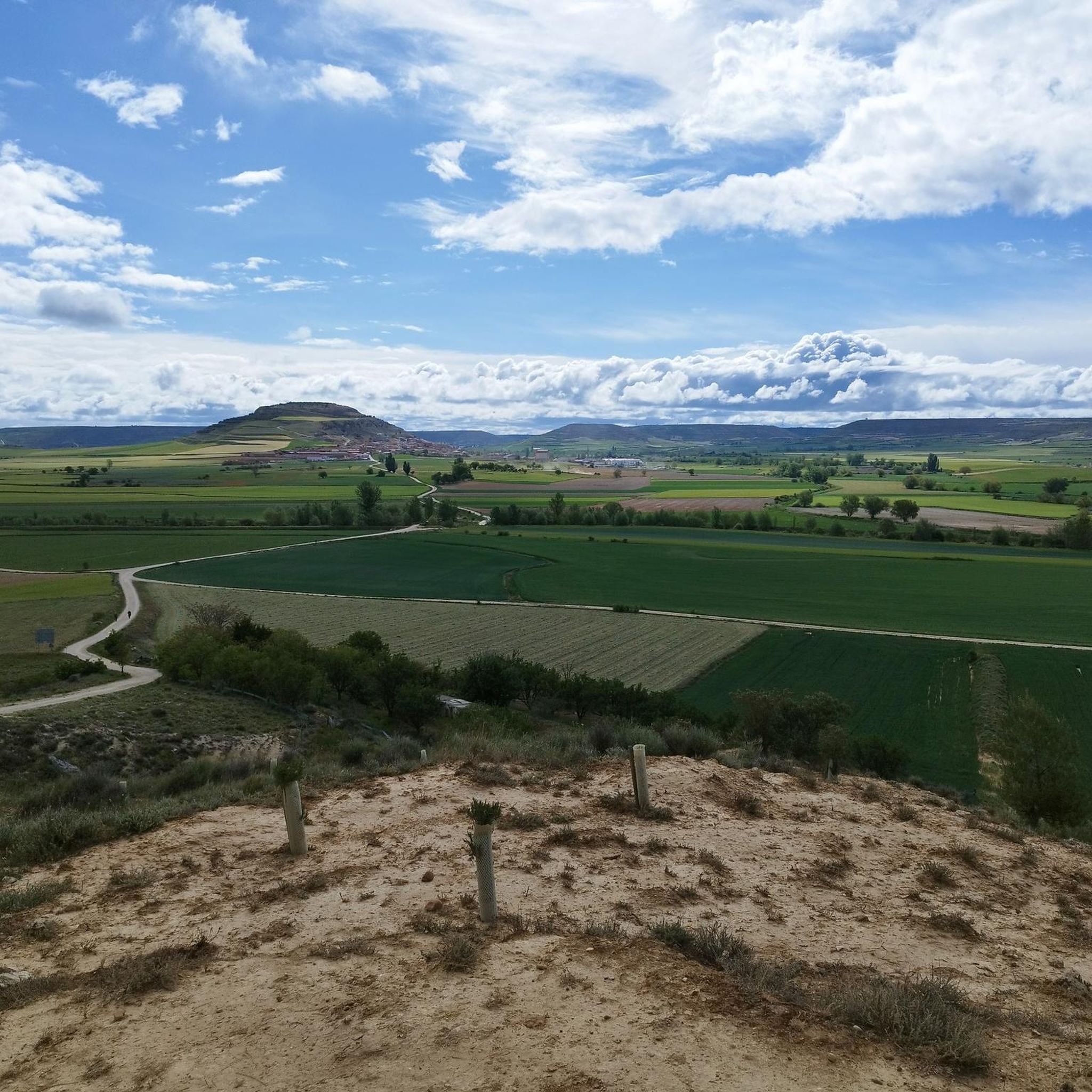
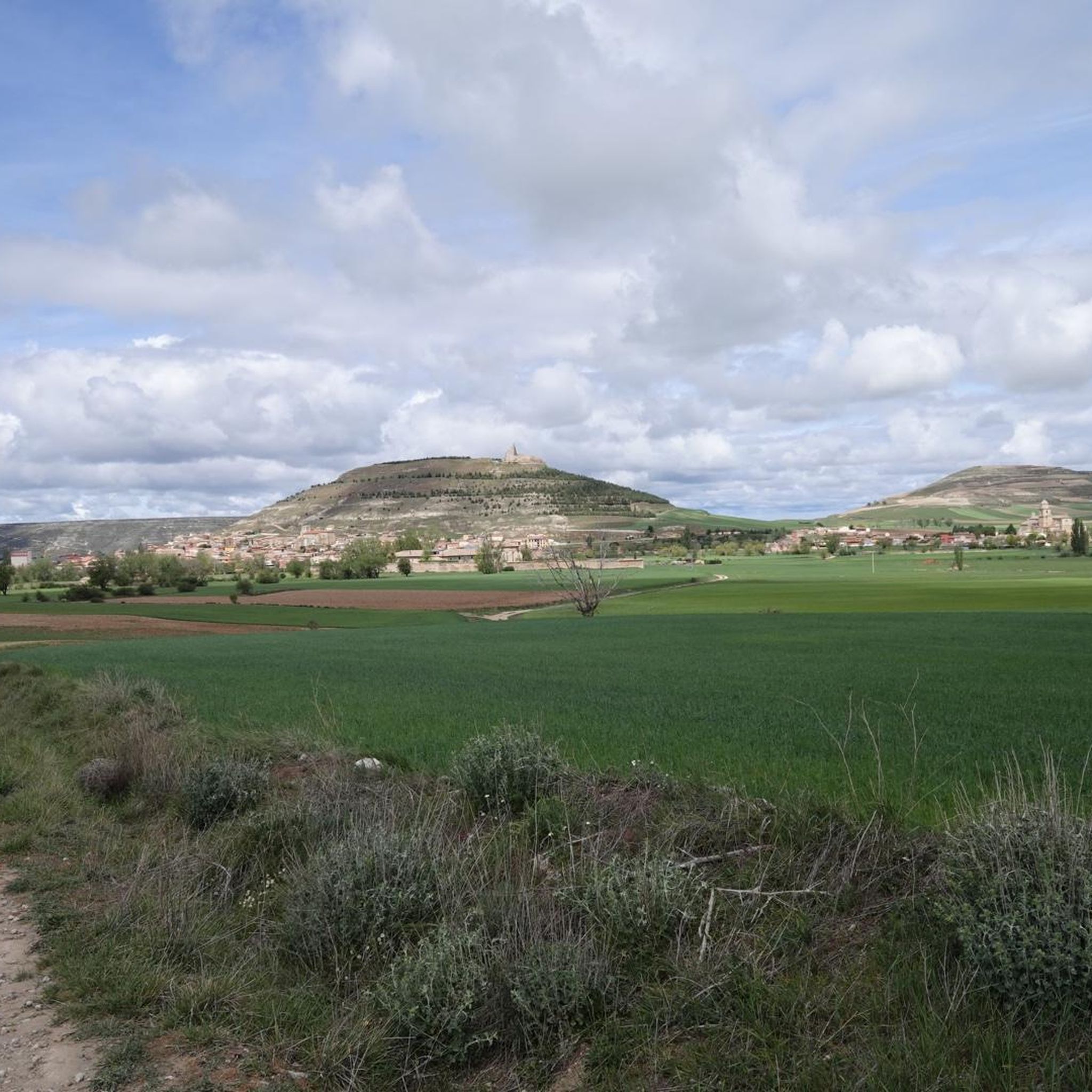
Best attractions and places to see around Revilla Vallejera include a blend of historical landmarks and natural features in this village in Burgos, Castile and León, Spain. The area is characterized by traditional stone houses and a rich cultural heritage. Visitors can explore cultivated fields and small hills, offering opportunities to experience the rural landscape.
Best attractions and places to see around Revilla Vallejera
- The most popular attractions is Jurisdictional Pillory of the Town Hall Square, a man-made monument…
Last updated: July 1, 2026
Jurisdictional Pillory of the Town Hall Square
Highlight • Monument
This one rises on two square steps and has a polygonal shaft topped by a coat of arms.
Translated by Google •
Tip by

Riverside Beach of the Old Bridge of Astudillo
Highlight • Beach
Translated by Google •
Tip by

Sign up now to discover places like this
Get recommendations on the best single tracks, peaks, & plenty of other exciting outdoor places.
Sign up for free
Puente de Cordovilla
Highlight (Segment) • Bridge
Translated by Google •
Tip by
Palace and Church of Pedrosa del Príncipe
Highlight • Historical Site
Translated by Google •
Tip by
Puente Viejo de Astudillo
Highlight (Segment) • Bridge
Translated by Google •
Tip by
Sign up for free to discover even more attractions around Revilla Vallejera.
Sign up for free
Already have an account?
Start today with a free account
Your next adventure awaits.
Login or Signup
Popular around Revilla Vallejera
Tips from the Community

Gothic church of the town, with three naves, near which you can still see the imposing remains of a palace with a Renaissance façade, whose origin was the fortified house of D. Diego Torres, 16th-17th century
0
0
This monumental bridge with nineteen spans was ordered to be built during the time of Charles III, and a curious inscription has been preserved on a stone monolith that explains how the surrounding towns contributed economically.
0
0
This is a medieval bridge, of which only a few remains remain: bases, cutwaters, and some fragments of walls and vaults. Some of the rebuilt arches have a slight pointed arch.
0
1
This 14th-century jurisdictional roll, located in the Plaza Mayor, is known as the Town Hall Justice Roll. There is another jurisdictional roll in the Town Hall Square. Description It rises on a circular platform of four steps. The base is simple, the shaft cylindrical, smooth, with four drums and a type of capital with four modillions. It is topped by a pillory, crowned with a ball.
0
0
This jurisdictional scroll in the Town Hall Square dates from the 14th century. There is another jurisdictional scroll in the Plaza Mayor. This one rises on two square steps and has a polygonal shaft topped by a coat of arms. It is considered one of the most slender scrolls in Palencia and was moved from the former Monastery of San Salvador del Moral to the nearby Town Hall Square.
0
0
Gravel beach on the Pisuerga River as it passes through Astudillo. A very quiet place with a changing landscape throughout the seasons.
1
0

Place with tables and shadows on the banks of the Pisuerga, quite calm and despite the drought with enough water to take a bath
2
0
Frequently Asked Questions
What historical landmarks can I explore in Revilla Vallejera?
Revilla Vallejera is rich in history. You can visit the Jurisdictional Pillory of the Town Hall Square, a 14th-century monument reflecting the town's past judicial autonomy. There's also another 14th-century jurisdictional pillory in the Plaza Mayor. Additionally, the village features the beautiful Church of San Esteban Protomártir and several hermitages, including Nuestra Señora del Monte, San Cristóbal, and San Mamés.
Are there any notable bridges or ancient structures to see near Revilla Vallejera?
Yes, the area boasts impressive historical bridges. Don't miss Puente de Cordovilla, a monumental bridge with nineteen arches built during the reign of Charles III. You can also see the remnants of the medieval Puente Viejo de Astudillo, which still shows fragments of its original structure.
What natural features or scenic views can I find around Revilla Vallejera?
For natural beauty, head to Pico de los Hornos, located west of the village. From its top, you can enjoy panoramic views over the Arlanzón river valley. Near the peak, there's also an exceptional oak tree, a site for an annual rural gathering. The surrounding area is characterized by cultivated fields and small hills, perfect for pleasant walks.
Are there any family-friendly attractions or activities in the area?
Families can enjoy the Riverside Beach of the Old Bridge of Astudillo, which offers a quiet spot with tables and shade on the banks of the Pisuerga River, suitable for a relaxing day by the water. The general rural landscape around Revilla Vallejera also provides gentle opportunities for family walks.
What kind of outdoor activities are available for cyclists near Revilla Vallejera?
Cyclists have several options. You can explore various Road Cycling Routes around Revilla Vallejera, with options ranging from moderate to difficult, such as the 'Torquemada from Quintana del Puente – circular by the Castles' route. For mountain biking, check out the MTB Trails around Revilla Vallejera, including moderate loops like 'Caserío de Olmos Spring loop from Peral de Arlanza'. There are also general Cycling routes around Revilla Vallejera for touring bicycles.
Can I find any unique cultural sites or traditions in Revilla Vallejera?
Beyond the main landmarks, you can discover the excavated wineries (Bodegas Excavadas) along the Camino Alto de Revilla. These are traditional underground cellars used by locals for wine storage and social gatherings, offering a glimpse into local customs.
What is the best time of year to visit Revilla Vallejera for outdoor activities?
The region's climate, typical of Castile and León, suggests that spring and autumn are ideal for outdoor activities. During these seasons, the weather is generally mild and pleasant for exploring historical sites, walking through fields, or cycling, avoiding the heat of summer or the chill of winter.
Are there any historical palaces or religious buildings nearby?
Yes, a short distance away, you can visit the Palace and Church of Pedrosa del Príncipe. This site features a Gothic church with three naves and the impressive remains of a palace with a Renaissance façade, originally a fortified house from the 16th-17th century.
What do visitors particularly enjoy about the attractions around Revilla Vallejera?
Visitors appreciate the blend of historical significance and natural tranquility. The jurisdictional pillories offer a unique historical insight, while the monumental bridges like Puente de Cordovilla are admired for their architecture. The peaceful riverside spots and panoramic views from Pico de los Hornos also receive positive feedback for their serene atmosphere.
Are there any easy walking routes or trails suitable for a leisurely stroll?
The area around Revilla Vallejera, characterized by numerous cultivated fields and small hills, offers pleasant opportunities for easy walks. While specific named trails aren't detailed, the rural landscape itself is conducive to leisurely exploration and enjoying the authentic Castilian village atmosphere.
Is there parking available at the main attractions in Revilla Vallejera?
As a traditional village, parking is generally available in or near the central squares where landmarks like the Jurisdictional Pillories are located. For natural sites like Pico de los Hornos, you would typically park in the village and walk to the viewpoint.
Most popular routes around Revilla Vallejera

Get inspired with the komoot mobile app


Explore more
Still not found the Highlight you’re looking for? See guides of the top attractions in other regions:
