The best mountain hikes around Campanet
4.4
(65)
212
hikers
10
hikes
Mountaineering routes around Campanet are situated near the foothills of the Serra de Tramuntana mountain range in northeast Mallorca. The region transitions from flatlands to rugged mountains, offering a dramatic backdrop for outdoor activities. This area is characterized by challenging mountain terrain, limestone hills, and unique geological formations. It provides a diverse landscape for experienced mountaineers.
Best mountaineering routes around Campanet
- The most popular mountaineering route is Spectacular view – Puig de Massanella loop from Lluc Sanctuary, a 7.3…
Last updated: October 13, 2026
4.7
(42)
118
hikers
11.7km
04:43
740m
740m
Hard mountaineering route. Good fitness required. Sure-footedness, sturdy shoes and alpine experience required.
4.5
(8)
21
hikers
13.6km
05:23
770m
770m
Hard mountaineering route. Very good fitness required. Sure-footedness, sturdy shoes and alpine experience required.

4.5
(6)
20
hikers
11.5km
03:23
300m
300m
Moderate mountaineering route. Good fitness required. Mostly accessible paths. Sure-footedness required.
4.0
(2)
17
hikers
15.6km
06:06
1,020m
1,020m
Hard mountaineering route. Very good fitness required. Sure-footedness, sturdy shoes and alpine experience required.
5
hikers
15.2km
05:28
810m
810m
Hard mountaineering route. Very good fitness required. Mostly accessible paths. Sure-footedness required.
Get access to more routes and recommendations from other explorers.
Already have an account?
Our route recommendations are based on thousands of hikes, rides, and runs completed by other people on komoot.
Start today with a free account
Your next adventure awaits.
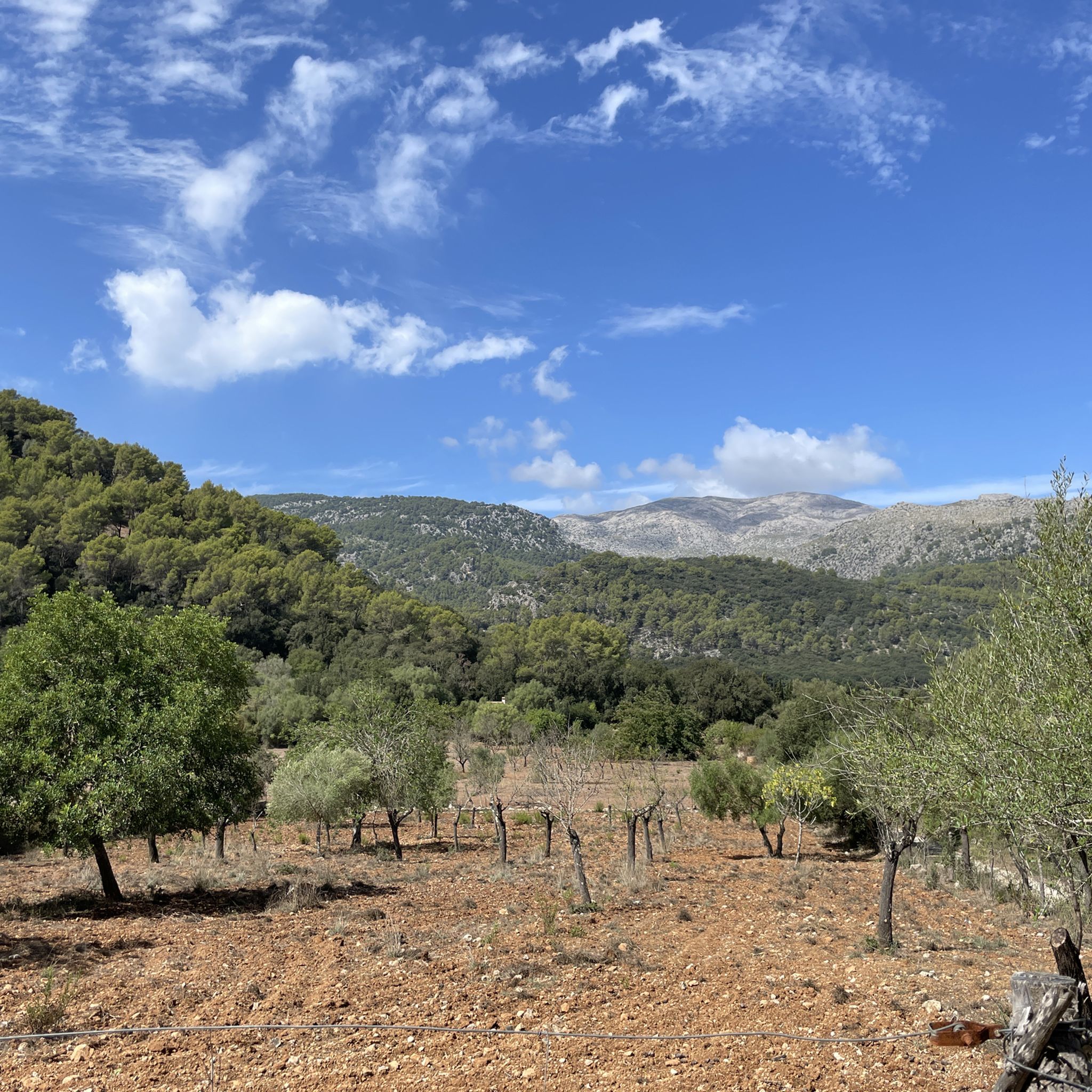
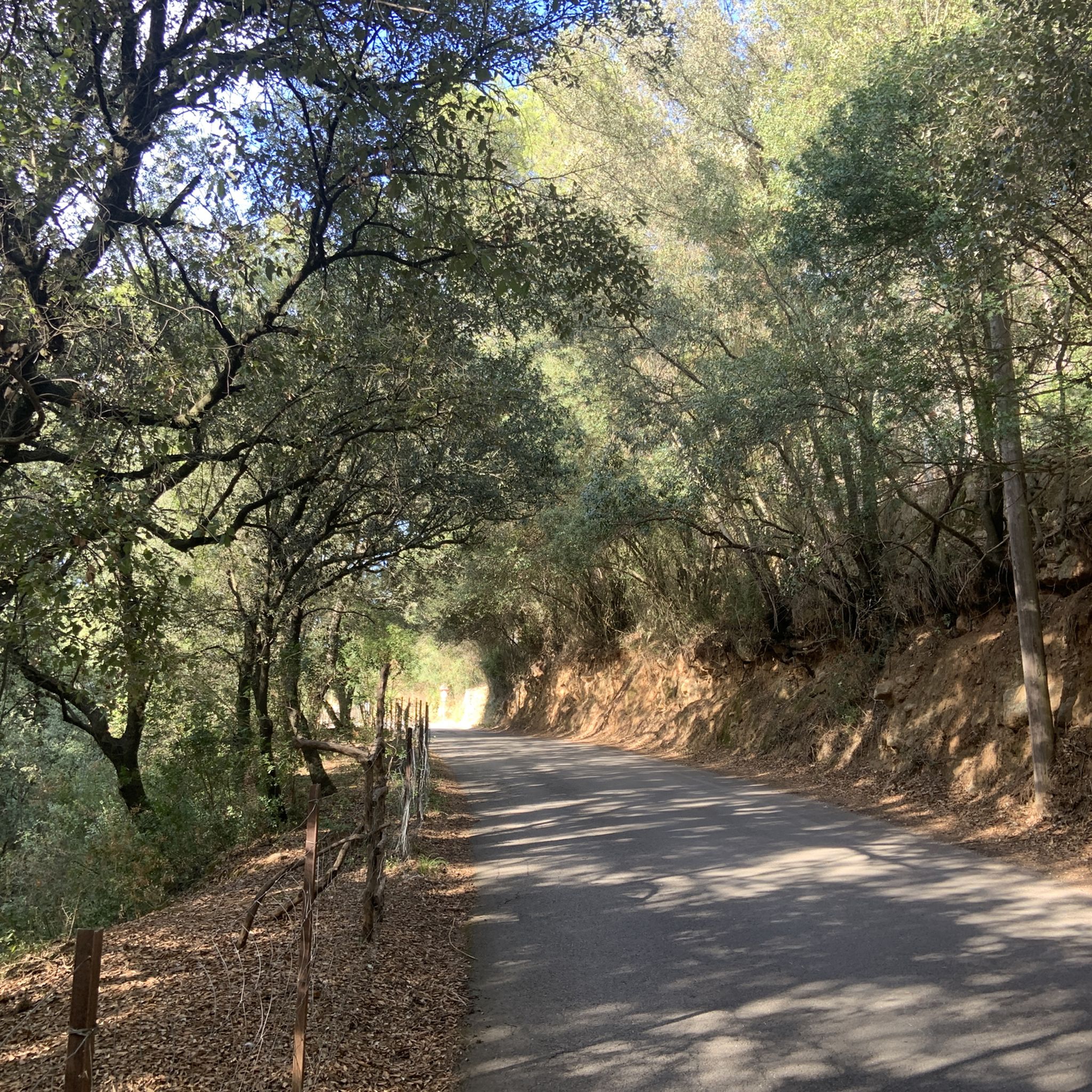
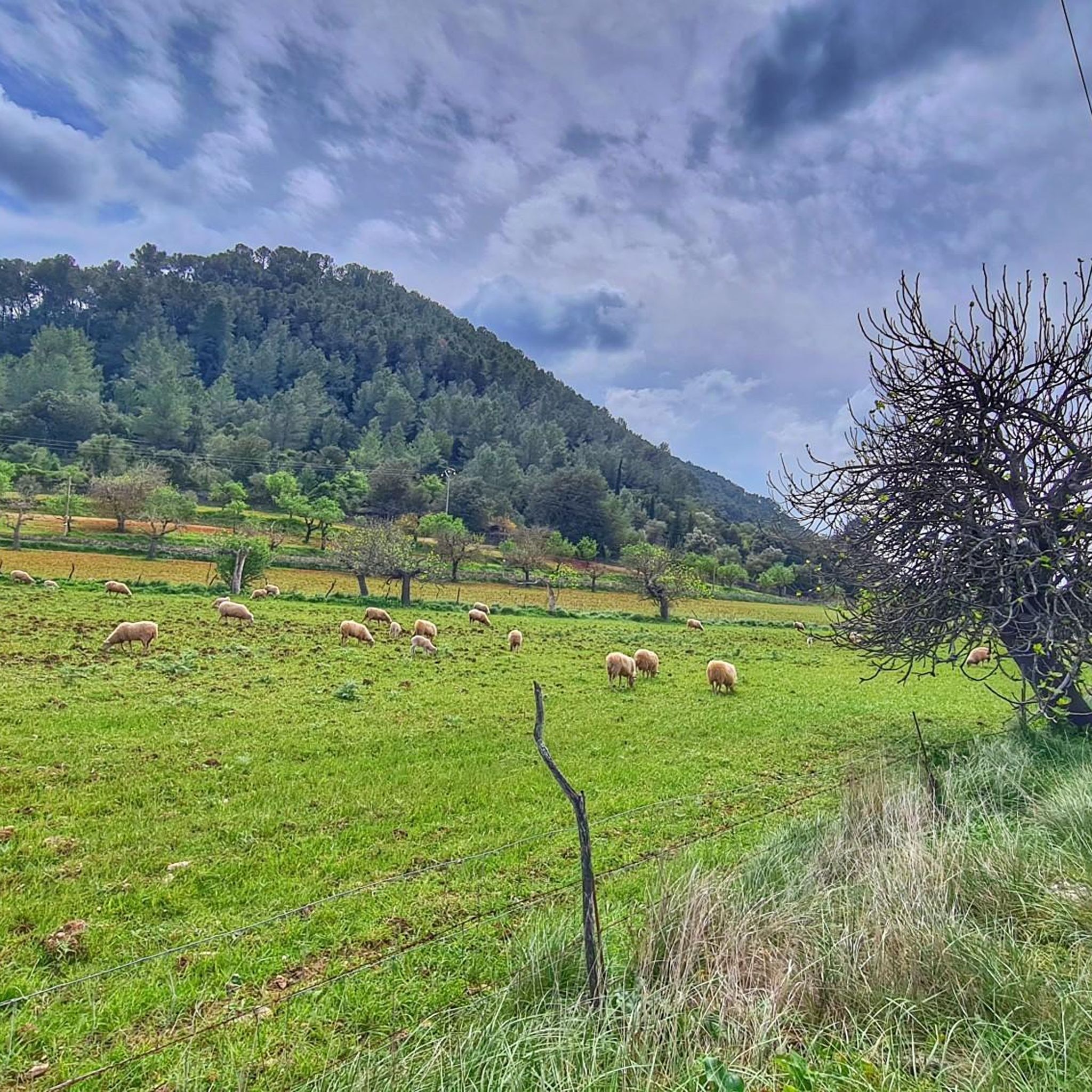
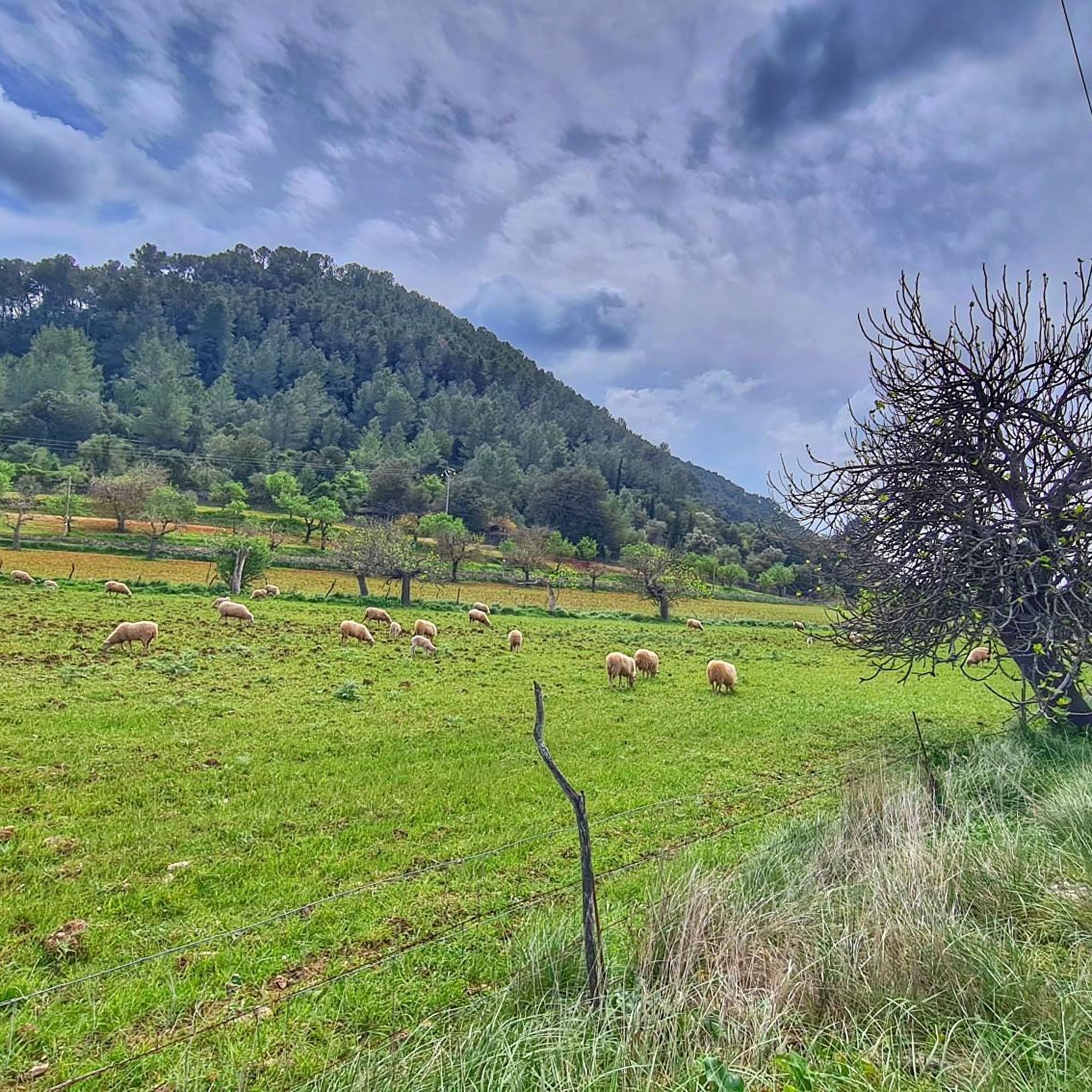

Tips from the Community

A spectacular panoramic view opens up from the heights of the Serra de Tramuntana, looking out over peaks, valleys, and the distant sea. The clear mountain air makes contours appear particularly sharp and enhances the feeling of freedom. A panorama that impressively combines the vastness and diversity of Mallorca at a glance.
1
0
From the Pla de sa Neu, a wide panorama opens up over the high altitudes of the Serra de Tramuntana. The barren, open landscape conveys an almost alpine feeling with views of surrounding peaks and, in clear visibility, all the way to the coast. A quiet viewpoint that makes the vastness and originality particularly intensely experienceable.
2
0
A solitary double-trunk tree stands prominently in the open landscape of the Serra de Tramuntana. Its two closely grown trunks give it a special, almost symbolic appearance. A quiet eye-catcher that, amidst rocks and vastness, underscores the natural diversity of the mountain world.
1
0
Pla de sa Neu is an open plateau in the Serra de Tramuntana near Puig Major. Between sparse vegetation and wide views, the plateau conveys an almost alpine feeling. A quiet section on demanding mountain tours, combining vastness and a special landscape atmosphere.
1
0
The Pas de n'Argentó is a narrow, rocky pass in the Serra de Tramuntana. Between steep flanks, there is an exposed section here that requires sure-footedness and attention. An exciting pass that combines an alpine feel with impressive views over the mountain landscape.
2
0
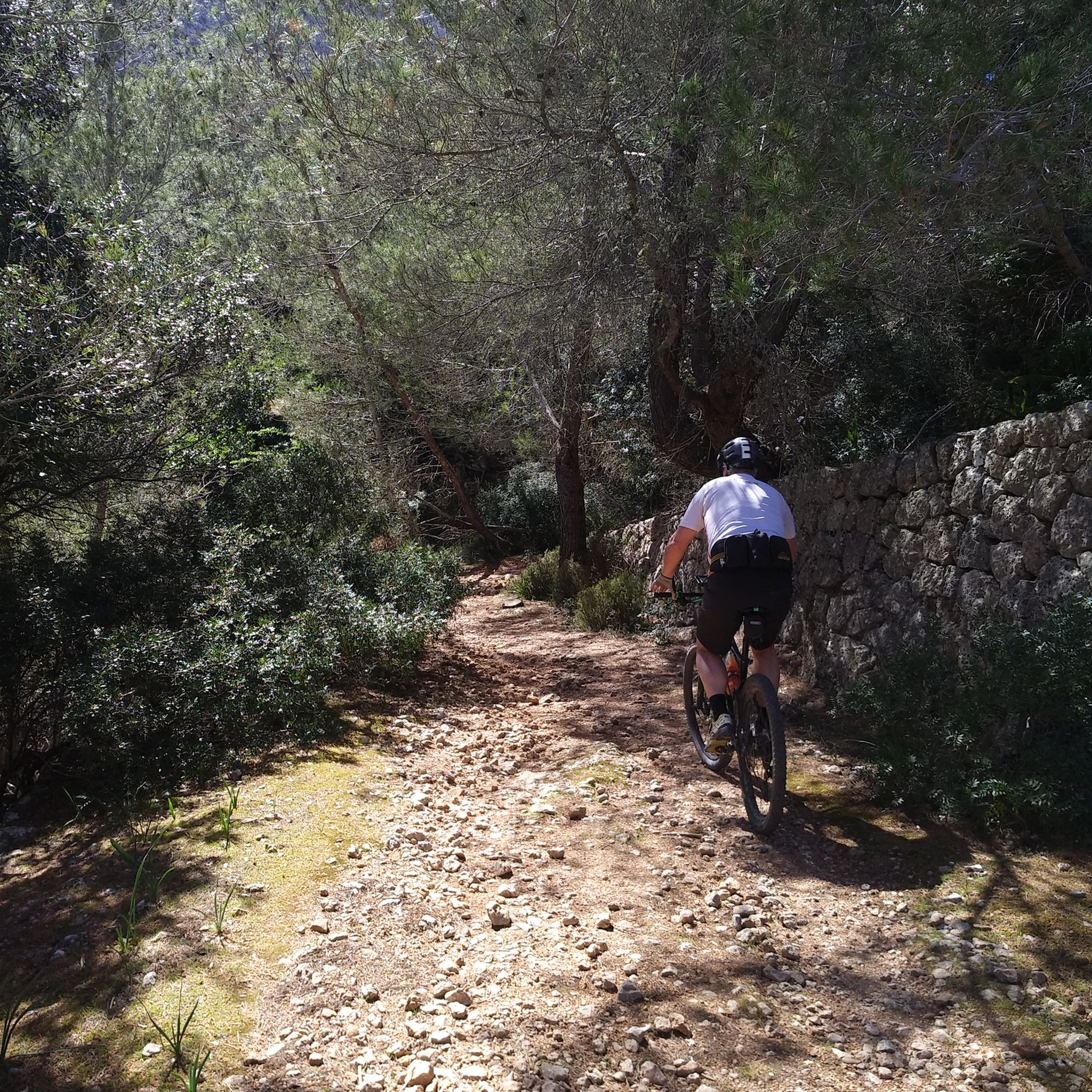
A dry stone wall in the Serra de Tramuntana is a testament to traditional craftsmanship and centuries-old landscape management. Stacked without mortar, the stones blend harmoniously into the mountain landscape. A characteristic element that uniquely combines the culture and nature of the Tramuntana.
1
0
From the heights of the Serra de Tramuntana, wide views open up over the curved bays of Mallorca. Between turquoise water, bright beaches and rugged rocky sections, the diversity of the coastal landscape is particularly impressively displayed. A panorama that harmoniously combines sea, mountains and Mediterranean light.
1
0
From elevated locations in the Serra de Tramuntana, a wide view opens up onto the Mediterranean Sea, which stretches in intense blue tones to the horizon. The contrast between rugged rocks and the calm water surface is particularly impressive. A panorama that makes the special connection between the mountains and the coast on Mallorca palpable.
1
0
Frequently Asked Questions
What is the general difficulty level of mountaineering routes around Campanet?
Mountaineering routes around Campanet are predominantly challenging, with 9 out of 12 routes rated as difficult. These trails are situated in the rugged Serra de Tramuntana foothills and often feature significant elevation changes. There are also 3 moderate routes available for those seeking a less strenuous experience.
Are there any circular mountaineering routes available near Campanet?
Yes, many of the mountaineering routes around Campanet are circular. For instance, the Spectacular view – Puig de Massanella loop from Lluc Sanctuary offers expansive views and is a popular circular option. Another challenging circular route is the Puig Tomir Summit – Wooden Ladder Crossing loop from Lluc Sanctuary, which includes a unique wooden ladder section.
What kind of natural features or landmarks can I expect to see on these routes?
The routes offer dramatic views of the Serra de Tramuntana mountain range, limestone hills, and traditional olive and almond groves. You can also experience unique geological formations. For example, the View of the Bays of Mallorca – Puig de Massanella loop from Lluc Sanctuary provides stunning vistas of the island's bays. The region is also known for its underground rivers and caves, such as the fascinating Campanet Caves, which are a major attraction nearby.
Are there any family-friendly mountaineering options near Campanet?
While many routes are rated difficult, the area does offer some moderate options that might be suitable for families with older children or those accustomed to hiking. The Lluc Sanctuary – The Camel loop from Lluc Sanctuary is a moderate route that could be a good starting point. Always consider the fitness level and experience of all family members before embarking on a mountaineering tour.
What is the best time of year for mountaineering in Campanet?
Mallorca generally offers pleasant conditions for outdoor activities for much of the year. Spring and autumn are often ideal, with milder temperatures and less intense sun than the summer months. Winter mountaineering is also possible, but conditions can be more challenging, especially at higher elevations in the Serra de Tramuntana.
Where can I find parking for mountaineering routes around Campanet?
Many of the mountaineering routes, particularly those starting from Lluc Sanctuary, offer designated parking areas. It's advisable to check specific route details on komoot for parking information relevant to your chosen starting point. Campanet itself is a good base, and parking is generally available within the village.
Can I reach the mountaineering trails using public transport?
Campanet is connected by public transport, and some routes may be accessible from bus stops within or near the village. For routes starting further afield, such as those from Lluc Sanctuary, you would need to check local bus schedules for connections from Campanet or other major towns. Planning your journey in advance is recommended.
What do other mountaineers say about the routes in Campanet?
The mountaineering routes around Campanet are highly regarded by the komoot community, holding an average rating of 4.5 stars from over 90 reviews. Mountaineers often praise the spectacular views, the challenging terrain, and the unique geological formations encountered along the trails.
Are there any hidden gems or less-known routes for experienced mountaineers?
While the guide highlights popular routes, the wider Serra de Tramuntana range, accessible from Campanet, holds many less-traveled paths. Exploring areas like the Sant Miquel Valley or the Pla de Tel can reveal extraordinary beauty and quieter trails. The Puig de Massanella – View of the Bays of Mallorca loop from Lluc Sanctuary offers a challenging experience through high mountain terrain.
Are dogs allowed on the mountaineering trails around Campanet?
Generally, dogs are permitted on many hiking and mountaineering trails in Mallorca, especially if kept on a leash. However, specific restrictions might apply in certain protected areas or nature reserves. It's always best to check local regulations or signs at trailheads. Ensure your dog is fit enough for the challenging terrain and carry enough water for both of you.
What kind of equipment should I bring for mountaineering in Campanet?
Given the challenging nature of many routes, sturdy mountaineering boots with good ankle support are essential. Layers of clothing are recommended to adapt to changing weather conditions, especially at higher altitudes. Always carry sufficient water, snacks, a map or GPS device, and sun protection. For routes involving technical sections, such as the wooden ladder on the Puig Tomir route, appropriate gear and experience are necessary.
Most popular routes around Campanet
Most popular attractions around Campanet

Get inspired with the komoot mobile app


Explore more
Browse the best Mountain Hikes & Routes in other regions.
