Attractions and Places To See around Tembleque - Top 20
Best attractions and places to see around Tembleque include a range of historical sites and natural features within the Toledan Mancha region of Spain. The town is recognized for its traditional Castilian architecture and cultural heritage, having been declared a Property of Cultural Interest. Visitors can explore landmarks set amidst the La Mancha landscape, characterized by grain fields, olive groves, and traditional windmills. The area offers a glimpse into local history and natural beauty.
Best attractions and places to see…
Last updated: October 5, 2026
Santísimo Cristo del Valle Hermitage
Highlight • Religious Site
Translated by Google •
Tip by

Church of Nuestra Señora de la Asunción (Tembleque)
Highlight • Religious Site
Translated by Google •
Tip by
Sign up now to discover places like this
Get recommendations on the best single tracks, peaks, & plenty of other exciting outdoor places.
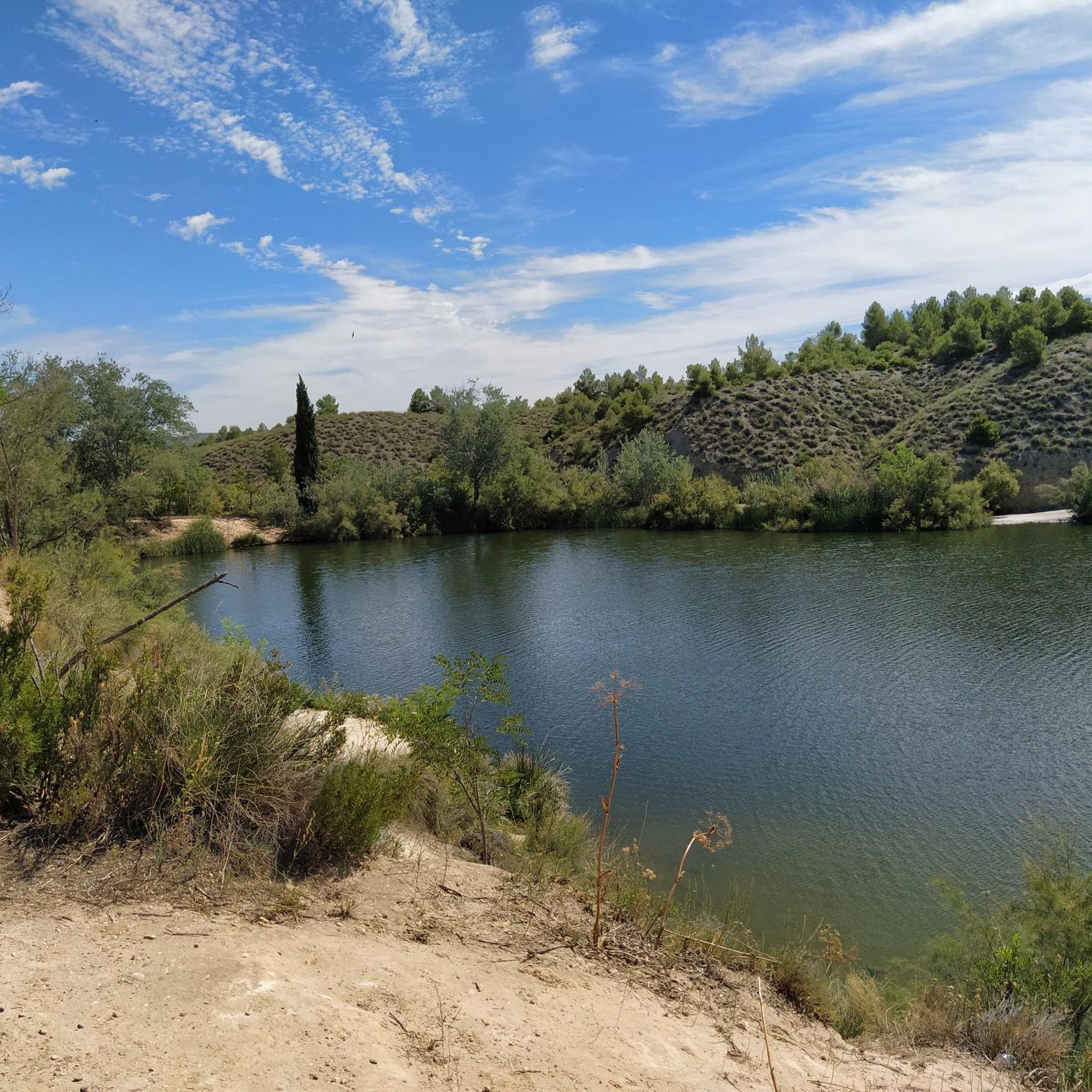
Finisterre Reservoir
Highlight • Lake
Translated by Google •
Tip by
La Guardia
Highlight • Settlement
Translated by Google •
Tip by
Plaza Mayor of Tembleque
Highlight • Historical Site
Translated by Google •
Tip by
Sign up for free to discover even more attractions around Tembleque.
Already have an account?
Start today with a free account
Your next adventure awaits.


Other adventures around Tembleque

Tips from the Community

What to see in La Guardia (Toledo) Palace-House of the Jaenes (Ethnological Museum) Church of Our Lady of the Assumption Hermitage of the Holy Child Historic town center and castle ruins Cave houses and dwellings carved into the rock Natural surroundings of the Cedrón Stream and the La Guardia Lagoon Wineries and wine from the Campo de La Guardia region Main Square
12
0
La Guardia is considered a small town, but surprisingly rich in heritage, ideal for a peaceful getaway from Madrid or Toledo. Its hilltop location affords panoramic views, streets steeped in history, and a distinctive character. Although it seems like a town you could visit in a morning, it holds more history, architecture, and scenery than meets the eye. Furthermore, it's part of a renowned wine-producing region: within its boundaries lies the Pago Campo de La Guardia vineyard, a wine with a protected designation of origin, adding value for wine tourism enthusiasts.
13
0
Numerous hiking and cycling routes border the reservoir: A circular route from Tembleque, crossing the Sierra de Algodor (~15 mi / 24 km), moderate difficulty, panoramic views, and picnic spots. A mountain bike route from Mora or Turleque to the shore, approximately 13–14 mi (~22 km), ideal for mountain bikes. The shoreline offers viewpoints, peninsular islands accessible in summer, and areas of Mediterranean woodland contrasting with the surrounding cereal fields.
2
0
It is located in the municipalities of Tembleque, Mora, Villanueva de Bogas, and Turleque (Toledo), about 5 km from Villanueva de Bogas, on the Algodor River, a tributary of the Tagus. Declared a Wildlife Refuge in September 2020, it boasts high biodiversity, especially of waterfowl and birds of prey.
2
0
The Plaza Mayor of Tembleque, located in the province of Toledo, is one of the most outstanding examples of Castilian popular Baroque and an architectural gem of La Mancha. Construction: Completed in 1598, following the layout of traditional comedy theaters and inns.
15
0
Tradition tells that in 1688, two pilgrims, Juan Bautista and Manuel Terrín, stayed at a local farmhouse and, in gratitude, painted an image of the crucified Christ using colors mixed with saliva. When he asked for oil to light the image, the owner miraculously found enough oil to last 24 hours, despite claiming to have none. This event was considered miraculous and prompted the construction of the hermitage at the initiative of Francisco Rodríguez Palmero, who donated the land to the Order of Saint John.
5
0
The Hermitage of the Most Holy Christ of the Valley is located about 15 km from Tembleque, in the province of Toledo, near the Algodor River. It is a place of great devotion for the residents of Tembleque and other nearby towns.
10
0
At the same entrance is the Cross of the Fallen of Tembleque.
29
0
Frequently Asked Questions
What historical and architectural landmarks can I explore in Tembleque?
Tembleque is rich in historical architecture. The most iconic is the Plaza Mayor, a remarkable 17th-century Castilian square known for its unique design and wooden balconies. You can also visit the Church of Nuestra Señora de la Asunción (Tembleque), a significant religious building transitioning between Gothic and Renaissance styles, and the exquisite 18th-century Baroque mansion, Casa de las Torres.
Are there any natural attractions or outdoor spaces to visit near Tembleque?
Yes, the area offers beautiful natural features. The Finisterre Reservoir, built on the Algodor River, is known for its high biodiversity, especially waterfowl, and offers numerous roads and paths for exploration. The surrounding La Mancha landscape features extensive grain fields, olive groves, and traditional windmills, providing scenic views and a tranquil environment.
What kind of outdoor activities can I do around Tembleque?
The region around Tembleque is ideal for various outdoor activities. You can enjoy hiking and cycling routes around the Finisterre Reservoir. For more structured activities, explore the many routes available for cycling, gravel biking, and running, which often pass through the scenic La Mancha landscape.
Are there any religious sites or hermitages worth visiting in the area?
Absolutely. Besides the prominent Church of Nuestra Señora de la Asunción (Tembleque), you can visit the Santísimo Cristo del Valle Hermitage, located about 15 km from Tembleque, which is a place of great devotion and the site of two annual pilgrimages. The 17th-century Ermita de la Purísima Concepción in town also features Baroque frescoes and a unique heptagonal chapel.
What is special about the Plaza Mayor in Tembleque?
Tembleque's Plaza Mayor is considered its most iconic attraction. It's a remarkable example of 17th-century Castilian architecture, designed to resemble an old open-air theater. It features a square layout with granite columns forming porticoes and two upper floors with wooden balconies and whitewashed facades. Historically, it hosted bullfights and festive events and now houses the Baroque City Hall.
Can I find traditional La Mancha windmills near Tembleque?
Yes, Tembleque is set amidst the quintessential La Mancha landscape, which is characterized by traditional windmills. Some windmills in the town retain elements of their original construction from the second half of the 16th century, similar to those found in nearby El Romeral, offering a glimpse into the region's heritage.
What is there to see in the nearby town of La Guardia?
The nearby town of La Guardia is surprisingly rich in heritage. Its hilltop location offers panoramic views, and its streets are steeped in history. Key sights include the Church of Our Lady of the Assumption, the Hermitage of the Holy Child, and the ruins of its historic castle. It's also part of a renowned wine-producing region, with the Pago Campo de La Guardia vineyard within its boundaries.
Are there any hidden gems or lesser-known spots to discover?
Beyond the main attractions, consider exploring the Plaza del Orden, which is connected to the Plaza Mayor by a passageway, offering a quieter area of interest. The Casa de Postas, located on the outskirts of Tembleque, is another historical house worth a visit for those looking for less-frequented sites.
What kind of landscape can I expect around Tembleque?
The landscape around Tembleque is typical of La Mancha, characterized by vast grain fields, extensive olive groves, and the iconic traditional windmills. This creates a picturesque and serene environment, perfect for enjoying the rural beauty of central Spain.
What do visitors enjoy most about the attractions around Tembleque?
Visitors appreciate the blend of historical and natural beauty. The architectural grandeur of the Plaza Mayor and the Church of Nuestra Señora de la Asunción (Tembleque) are highly regarded. The tranquility and biodiversity of the Finisterre Reservoir also receive positive feedback, especially for its opportunities for outdoor activities and scenic views.
Most popular attractions around Tembleque

Get inspired with the komoot mobile app


Explore more
Still not found the Highlight you’re looking for? See guides of the top attractions in other regions:
