The 7 Most Amazing Peaks around La Vilavella
Best mountain peaks around La Vilavella offer access to the Sierra de Espadán foothills, characterized by reddish "rodeno" rock and diverse terrain. The region provides panoramic views of the Plana Baixa and the Mediterranean Sea. Trails often feature remnants of the Spanish Civil War, adding historical context to the natural landscape. These routes provide a range of hiking experiences for those exploring the area.
Best mountain peaks around La Vilavella
- The most popular mountain peaks is Castro Castle, a…
Last updated: July 1, 2026
Castro Castle
Highlight • Castle
Translated by Google •
Tip by

Pic de la Font de Cabres
Highlight • Summit
Translated by Google •
Tip by

Sign up now to discover places like this
Get recommendations on the best single tracks, peaks, & plenty of other exciting outdoor places.
Sign up for free
Creu del Ferro Summit
Highlight • Summit
Translated by Google •
Tip by
Penya Migdia
Highlight • Viewpoint
Translated by Google •
Tip by
Alto del Pipa
Highlight • Viewpoint
Translated by Google •
Tip by
Sign up for free to discover even more peaks around La Vilavella.
Sign up for free
Already have an account?
Start today with a free account
Your next adventure awaits.
Login or Signup
Tips from the Community

After the Reconquista, many castles in the region were modified or rebuilt to adapt to Christian styles and needs.
7
0

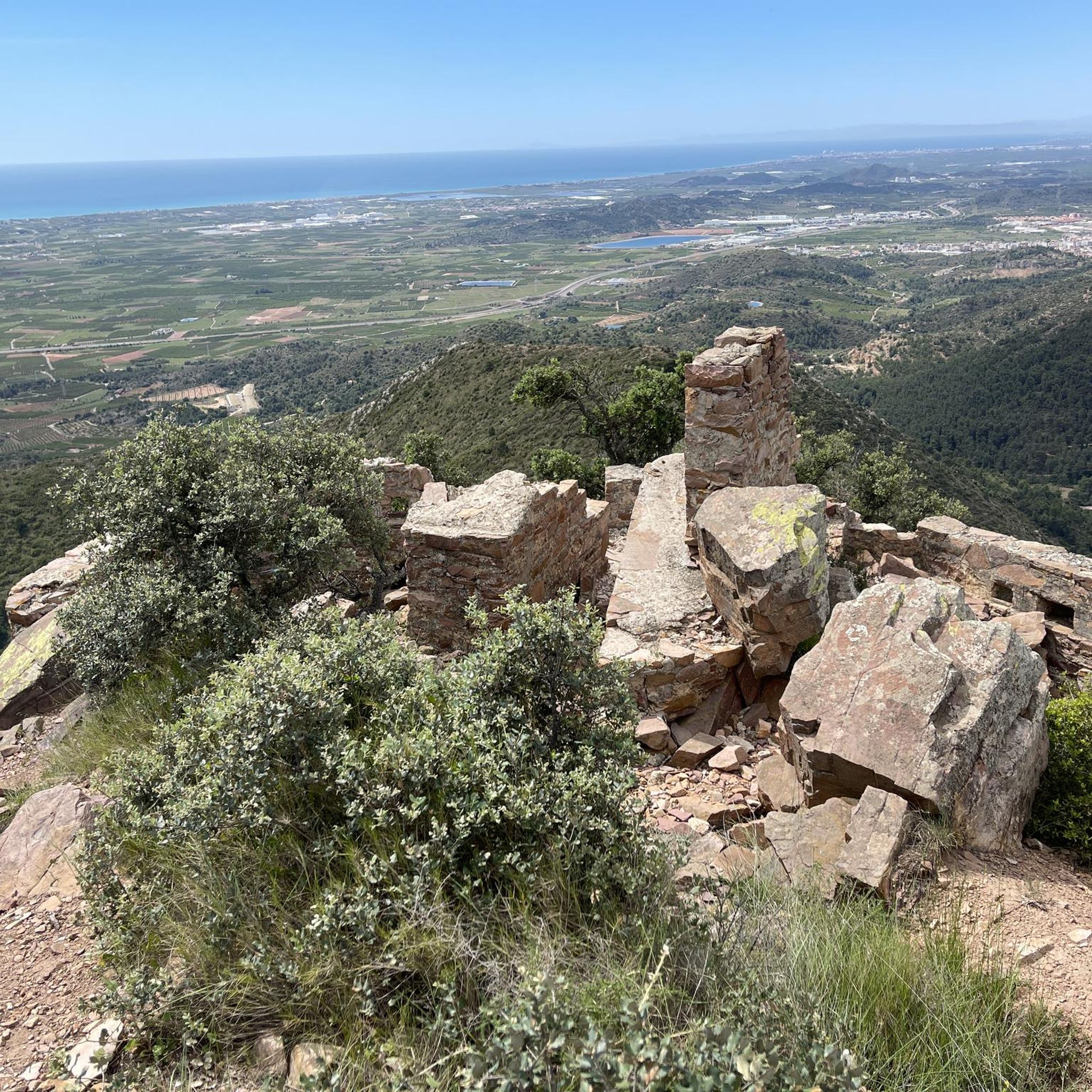
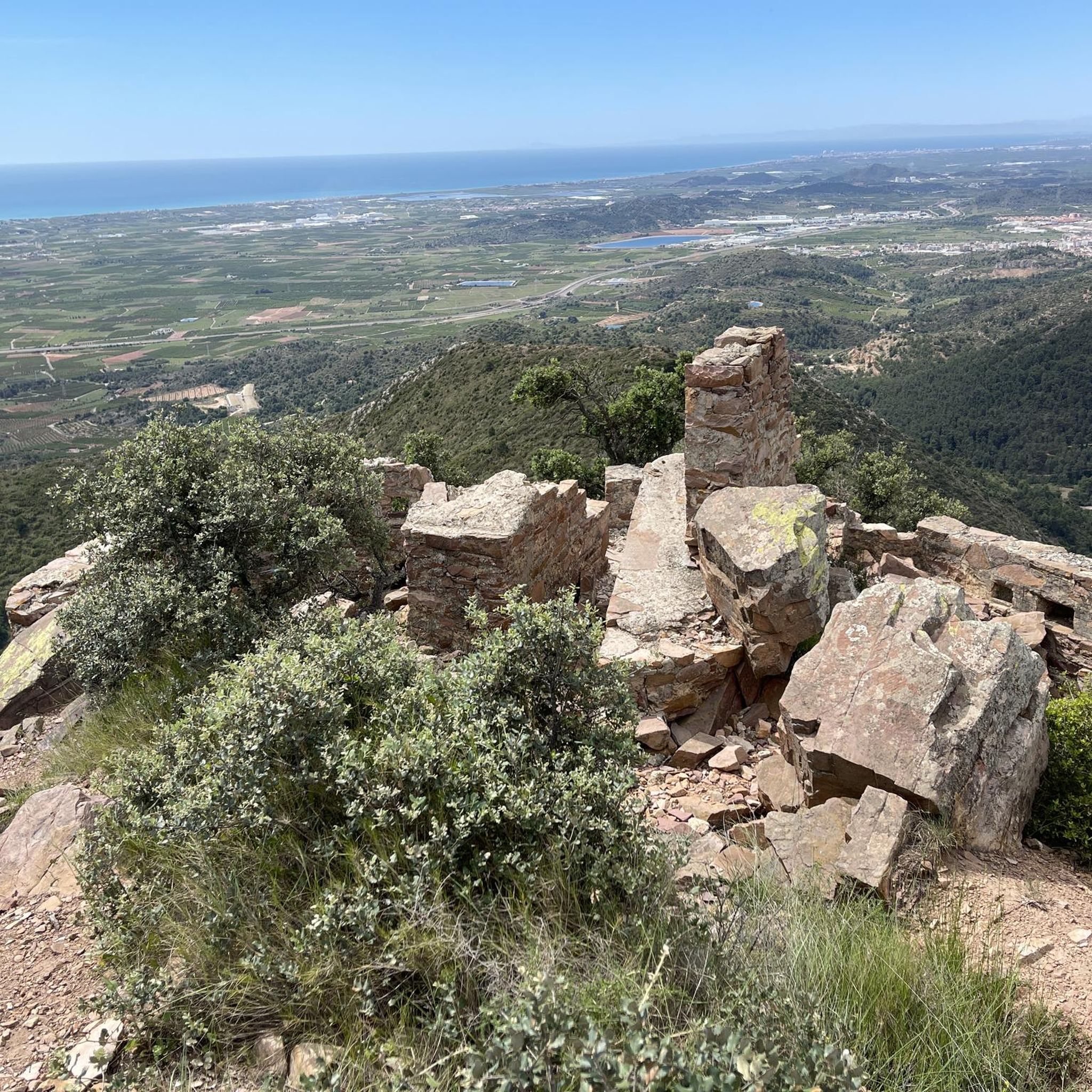
The Castro Castle, an Arab fortress with an impressive watchtower at a height of about 780 m, was a fundamental bastion of the Moorish resistance at the time of their expulsion. It was taken by the Duke of Segorbe and General Cavanilles after the Castillo de Aín had also fallen. It was also used in the Carlist Wars. The castle covers an area of about 2,000 m2, where two parts can be distinguished: the "Albacar", a fortified refuge for the inhabitants of the towns dependent on the fortress; and on the other side, the castle itself, which presided surrounded by a large keep that was demolished in 1938 during the Civil War. The views are impressively beautiful.
9
0
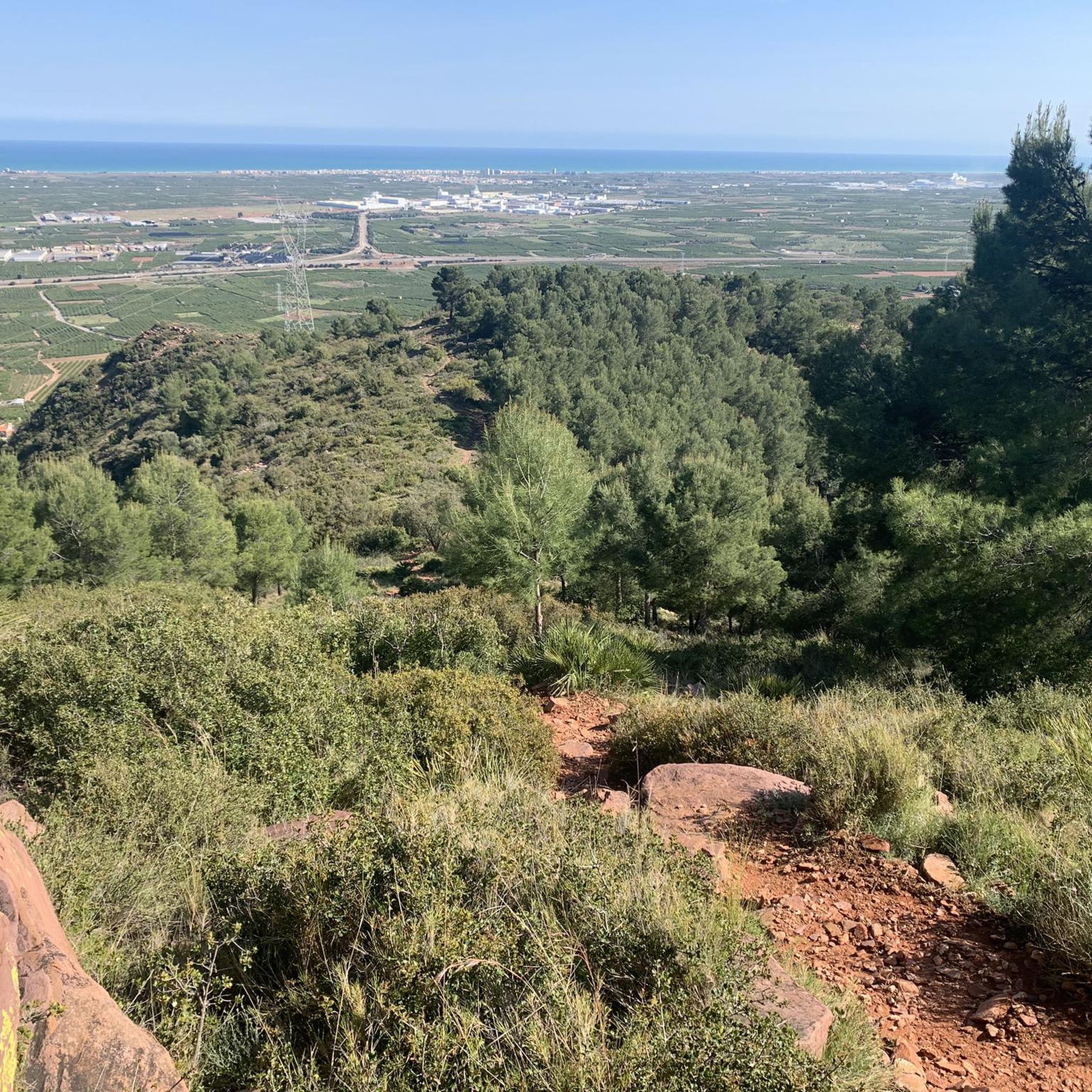
The path leads us along the red rocks to the Pic de la Font de Cabres. Sure-footedness and a head for heights are required.
6
0
During the Civil War from 1930 to 1939, a large part of a huge line of trenches, bunkers, machine gun nests, magazines was excavated in Espadán, with which the Republican Army defended the city of Valencia during the war offensive. Along the route you can visit some of these defenses
6
0
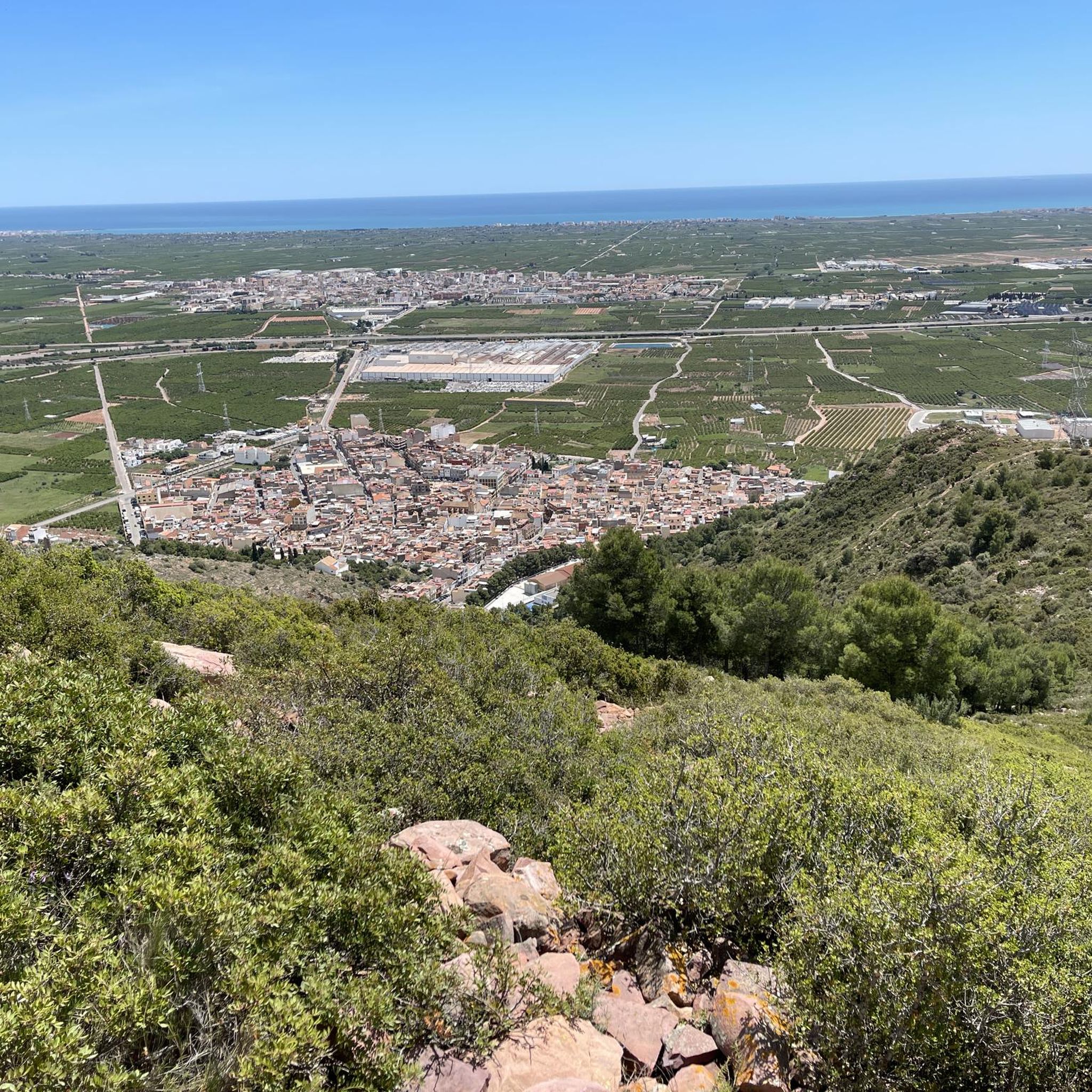
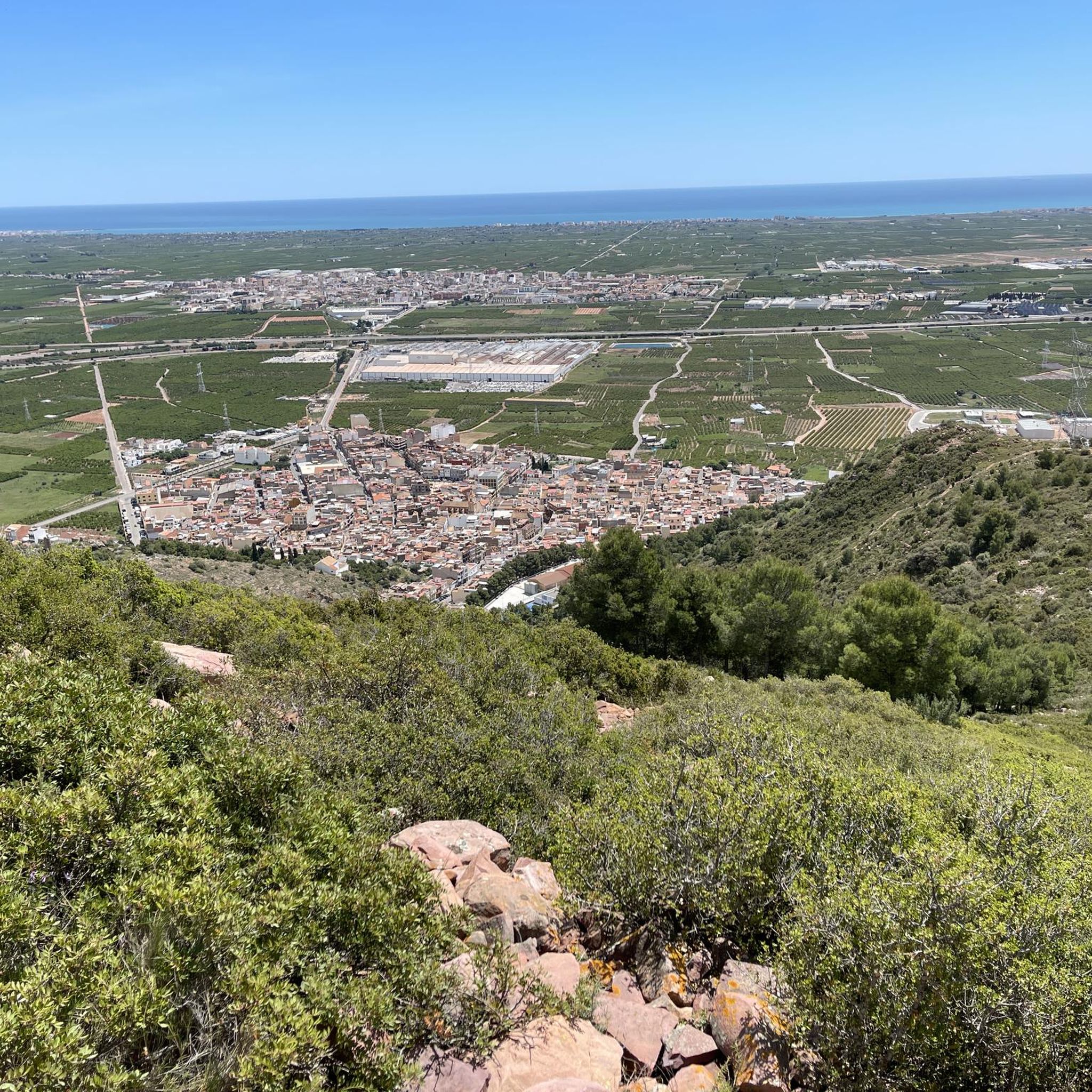
From Penya Mig dia we have a spectacular panoramic view of a large part of the provinces of Castellón and Valencia.
7
0

A good place to enjoy the sunrise sitting quietly on the bench
5
0

Place with unbeatable views of the Castellón plain.
0
1

One of the best views of the region and the orange blossom coast.
6
1
Frequently Asked Questions
What are some prominent mountain peaks to explore near La Vilavella?
Near La Vilavella, you can explore several rewarding peaks. Notable options include Creu del Ferro Summit and Pic de la Font de Cabres, which are often hiked together. Another significant peak is Castro Castle, an ancient Arab fortress offering panoramic views, and Penya Migdia, known for its spectacular vistas across Castellón and Valencia provinces.
What kind of views can I expect from the mountain peaks in La Vilavella?
From peaks like Pic de la Font de Cabres and Alto del Pipa, you can expect expansive panoramic views of the Plana Baixa region, stretching towards the Mediterranean Sea. You'll see vast orange groves, other nearby mountains, and even the castle of La Vall d'Uixó. Penya Migdia also offers spectacular views of a large part of the provinces of Castellón and Valencia.
Are there historical sites or features on the trails to the peaks?
Yes, the hiking trails leading to peaks like Creu del Ferro Summit pass through areas with remnants of the Spanish Civil War. You can find trenches and bunkers along the routes, adding a unique historical dimension to your hike. Additionally, Castro Castle itself is an ancient Arab fortress with significant historical importance.
What is the typical terrain like on the hiking trails around La Vilavella's peaks?
The terrain around La Vilavella's peaks is varied. You'll encounter well-defined paths and dirt tracks, but also sections with reddish "rodeno" rock, which gives the trails a distinctive color. Some routes, particularly towards Pic de la Font de Cabres, may include steeper ascents where ropes or chains are provided for assistance, requiring sure-footedness.
How challenging are the hikes to the peaks near La Vilavella?
The hikes range from moderate to challenging. For instance, the 'Pic de la Font de Cabres – Creu del Ferro Summit loop' is considered a moderate hike requiring good fitness. Some sections, especially towards the summit of Pic de la Font de Cabres or Alto del Pipa, can present technical difficulty, sometimes requiring the use of chains or ropes. The initial climb from La Vilavella towards Creu del Ferro can also be demanding.
What is the best time of year to hike the mountain peaks near La Vilavella?
While specific seasonal advice isn't detailed, the region's Mediterranean climate generally makes spring and autumn ideal for hiking, offering milder temperatures. Summer can be hot, especially on exposed sections, while winter might bring cooler, potentially wetter conditions. Always check local weather forecasts before heading out.
Are there family-friendly hiking options among the peaks?
The hikes to the prominent peaks are generally described as challenging yet rewarding, suitable for those accustomed to mountain walking. While specific 'family-friendly' designations for these particular peaks are not highlighted, some routes might have easier sections. For dedicated family walks, it's advisable to research specific trail descriptions for gentler gradients and shorter distances.
Can I bring my dog on the trails to the mountain peaks?
The provided information does not explicitly state rules regarding dogs on the trails to the mountain peaks. It is always recommended to check local regulations or signage at trailheads regarding pet policies, especially concerning protected natural areas or historical sites.
What other outdoor activities can I do near the mountain peaks in La Vilavella?
Beyond hiking the peaks, La Vilavella offers a variety of cycling opportunities. You can find numerous road cycling routes, such as the 'Via Augusta – Coves de Sant Josep loop' or the 'Estany de Nules – Arenal Beach loop'. There are also touring bicycle routes like the 'Burriana and Marjal de Nules Coastal Loop', and challenging MTB trails including the 'Mascarell Town Walls – Betxí Pass loop'. You can explore more options on the Road Cycling Routes around La Vilavella, Cycling around La Vilavella, and MTB Trails around La Vilavella guide pages.
What makes the landscape around La Vilavella's peaks unique?
The landscape is notably characterized by its reddish "rodeno" rock, which adds a distinctive color to the trails and surroundings. This geological feature, combined with areas of pine trees providing shade and natural springs like the Font de Cabres, creates a unique and visually appealing environment for hikers.
What do visitors particularly enjoy about the mountain peaks in La Vilavella?
Visitors highly appreciate the impressive panoramic views of the coast, the Plana Baixa valleys, and even the province of Valencia from summits like Pic de la Font de Cabres and Alto del Pipa. The historical context provided by Civil War defenses near Creu del Ferro Summit and the ancient Castro Castle also adds a significant layer of interest to the natural beauty.
Are there any circular hiking routes that include multiple peaks?
Yes, a popular option is the 'Pic de la Font de Cabres – Creu del Ferro Summit loop'. This route allows hikers to combine both Pic de la Font de Cabres and Creu del Ferro Summit into a single, rewarding hike, offering diverse terrain and views.
Is there public transport access to the trailheads for the mountain peaks?
The provided information does not detail specific public transport options directly to the trailheads for the mountain peaks. La Vilavella is a municipality, so local transport might connect to the town, but access to the starting points of mountain trails would likely require further planning or private transport.
Where can I park when visiting the mountain peaks around La Vilavella?
While specific parking areas for individual trailheads are not detailed, hikers typically start from La Vilavella itself. It is advisable to look for designated parking within the town or near the initial access points to the trails, such as the area leading to the long staircase towards Creu del Ferro.
Are there any cafes or amenities near the mountain trails in La Vilavella?
The immediate vicinity of the mountain trails themselves is generally natural and rugged, without direct amenities like cafes. However, La Vilavella, as a municipality, would offer various services, including cafes and restaurants, where you can refresh before or after your hike.
Most popular routes around La Vilavella
Most popular attractions around La Vilavella

Get inspired with the komoot mobile app


Explore more
See even more amazing summits around La Vilavella with these guides:
