The best cycling routes around Riogordo
4.7
(23)
570
riders
63
rides
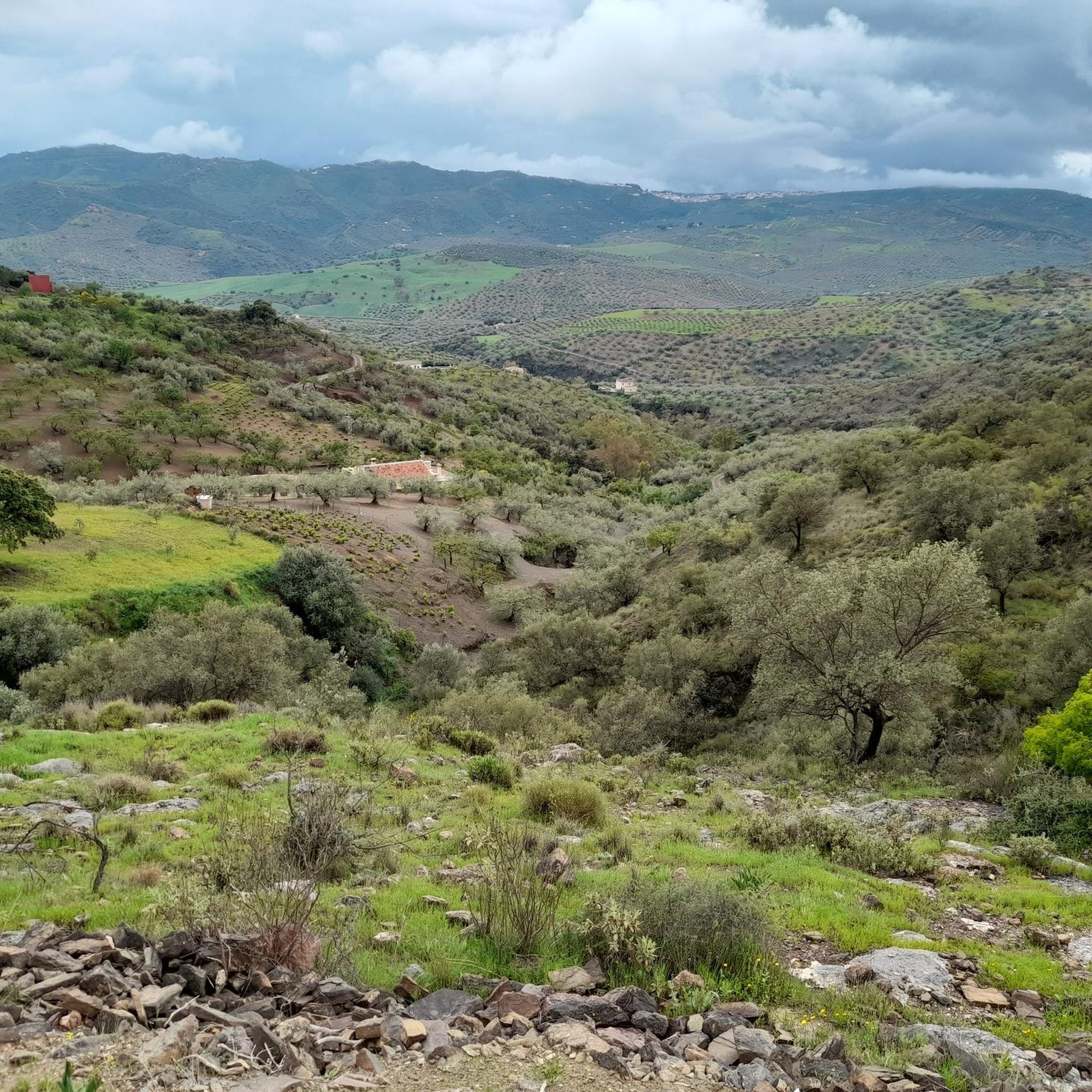
Touring cycling routes around Riogordo traverse a varied landscape, situated between the Sierra de Camarolos to the north and the Montes de Málaga Natural Park to the south. The region features rugged mountains, deep gorges, and rolling hills adorned with ancient olive groves. Cyclists encounter environments ranging from dramatic rock formations in the Gómer, Doña Ana, and Fraile gorges to tranquil settings near Lake Viñuela and the River La Cueva. The area offers diverse terrain suitable for touring cycling, including…
Last updated: October 9, 2026
5.0
(3)
58
riders
84.3km
05:29
1,070m
1,070m
Hard bike ride. Very good fitness required. Mostly paved surfaces. Suitable for all skill levels.
5.0
(2)
23
riders
46.1km
03:18
930m
930m
Hard bike ride. Very good fitness required. Mostly paved surfaces. Suitable for all skill levels.

20
riders
Hard bike ride. Very good fitness required. Mostly paved surfaces. Suitable for all skill levels.
3.5
(2)
6
riders
Hard bike ride. Very good fitness required. Mostly paved surfaces. Suitable for all skill levels.
9
riders
27.3km
03:00
930m
930m
Hard bike ride. Very good fitness required. Mostly paved surfaces. Suitable for all skill levels.
Get access to more routes and recommendations from other explorers.
Already have an account?
Our route recommendations are based on thousands of hikes, rides, and runs completed by other people on komoot.
Start today with a free account
Your next adventure awaits.
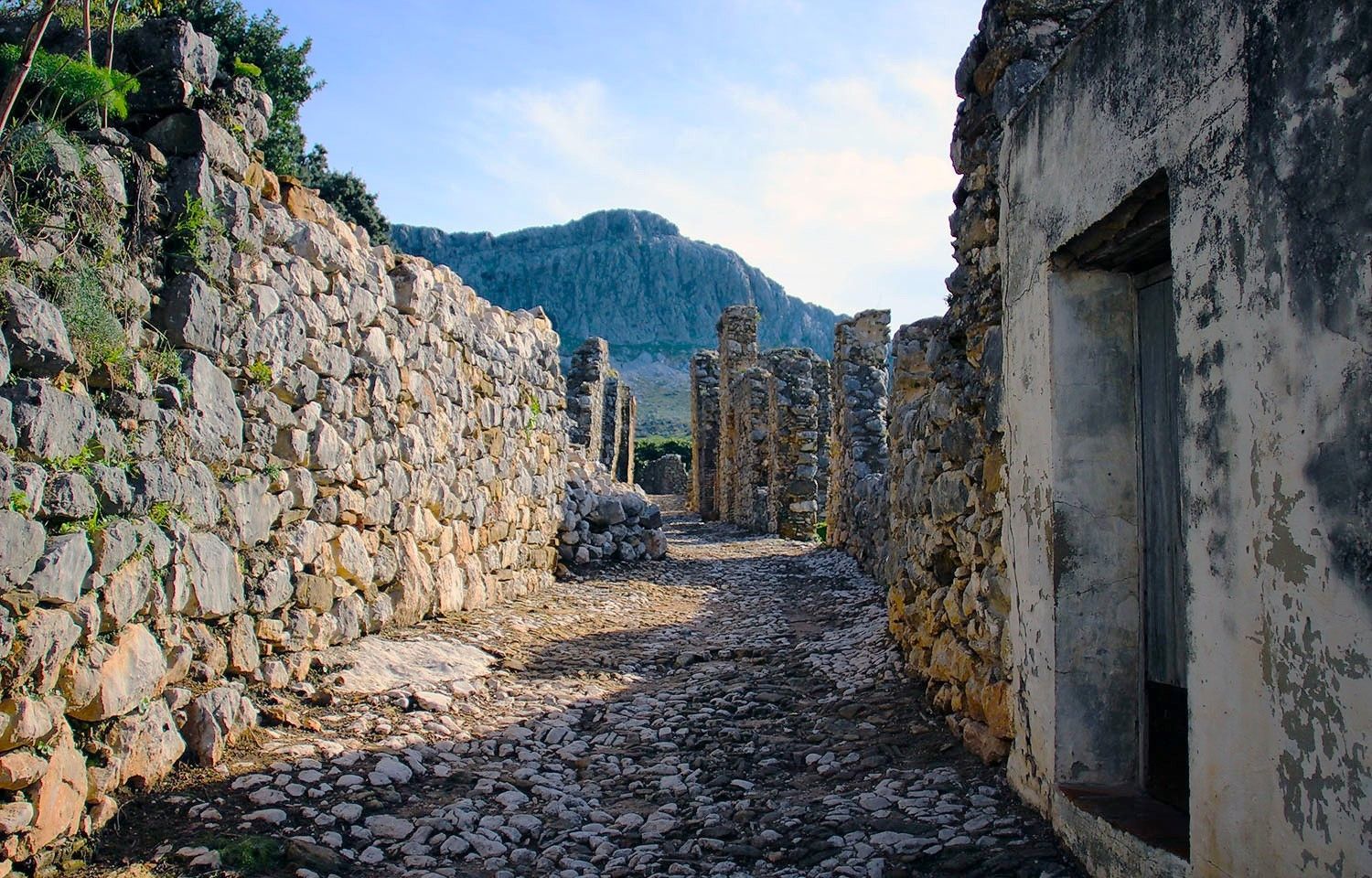
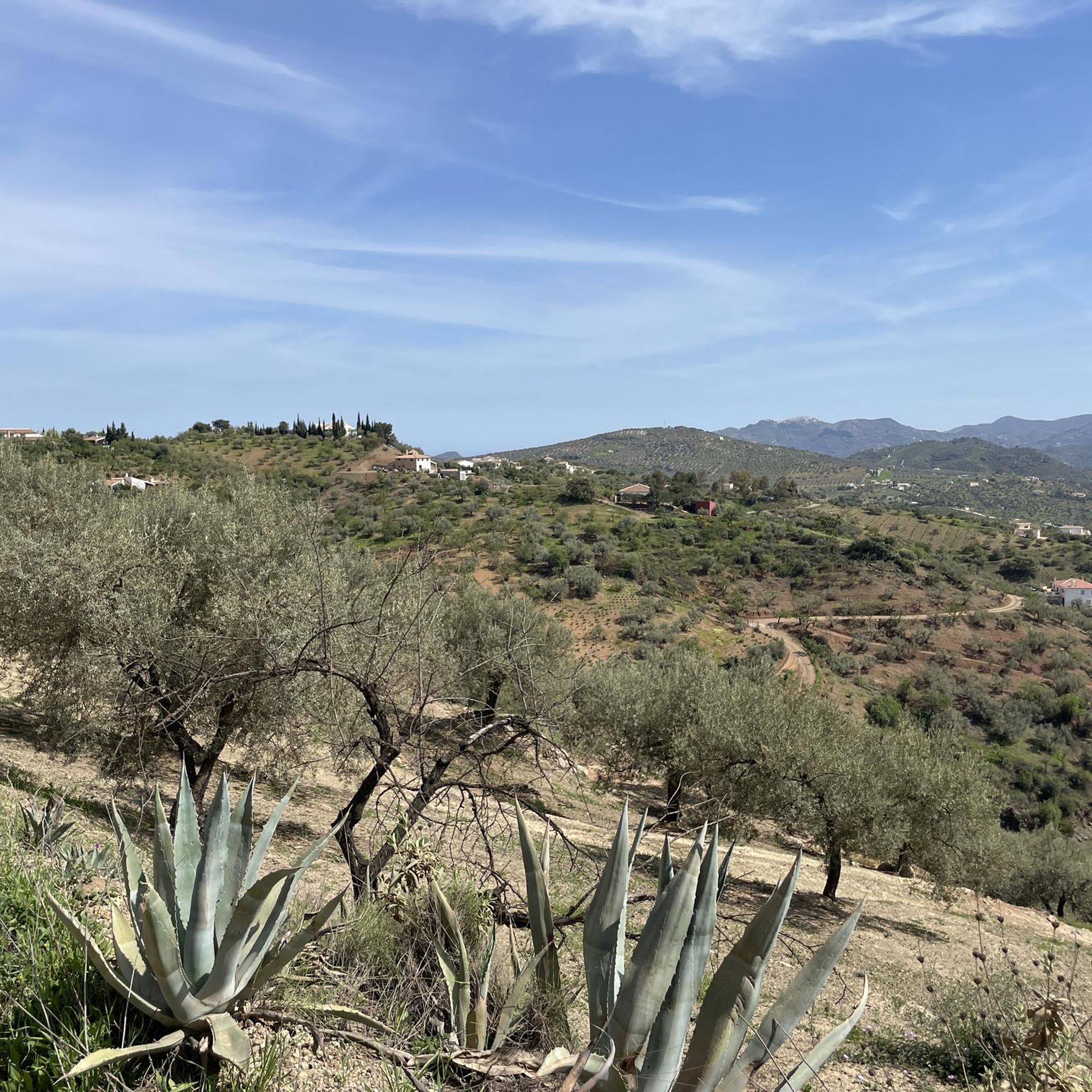
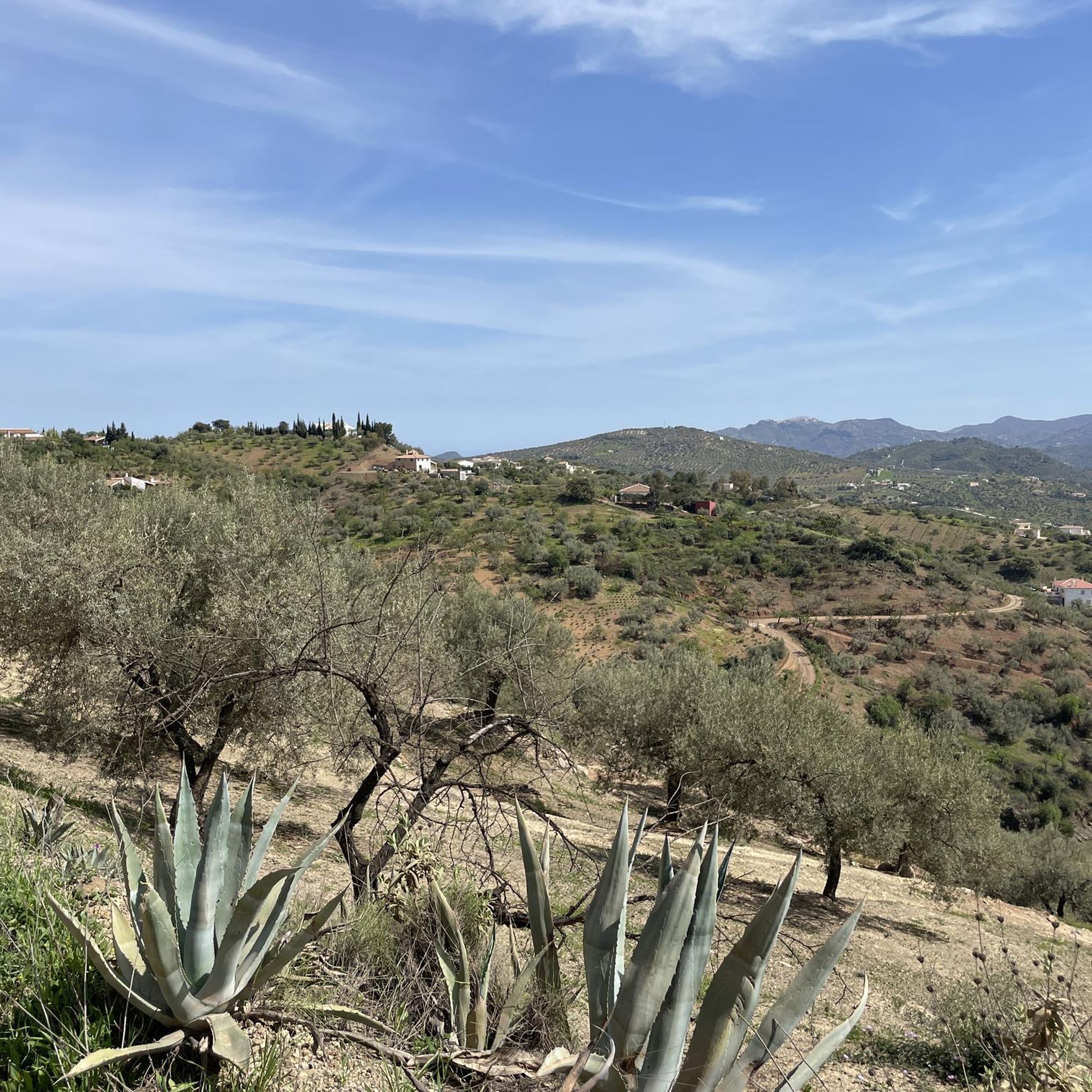
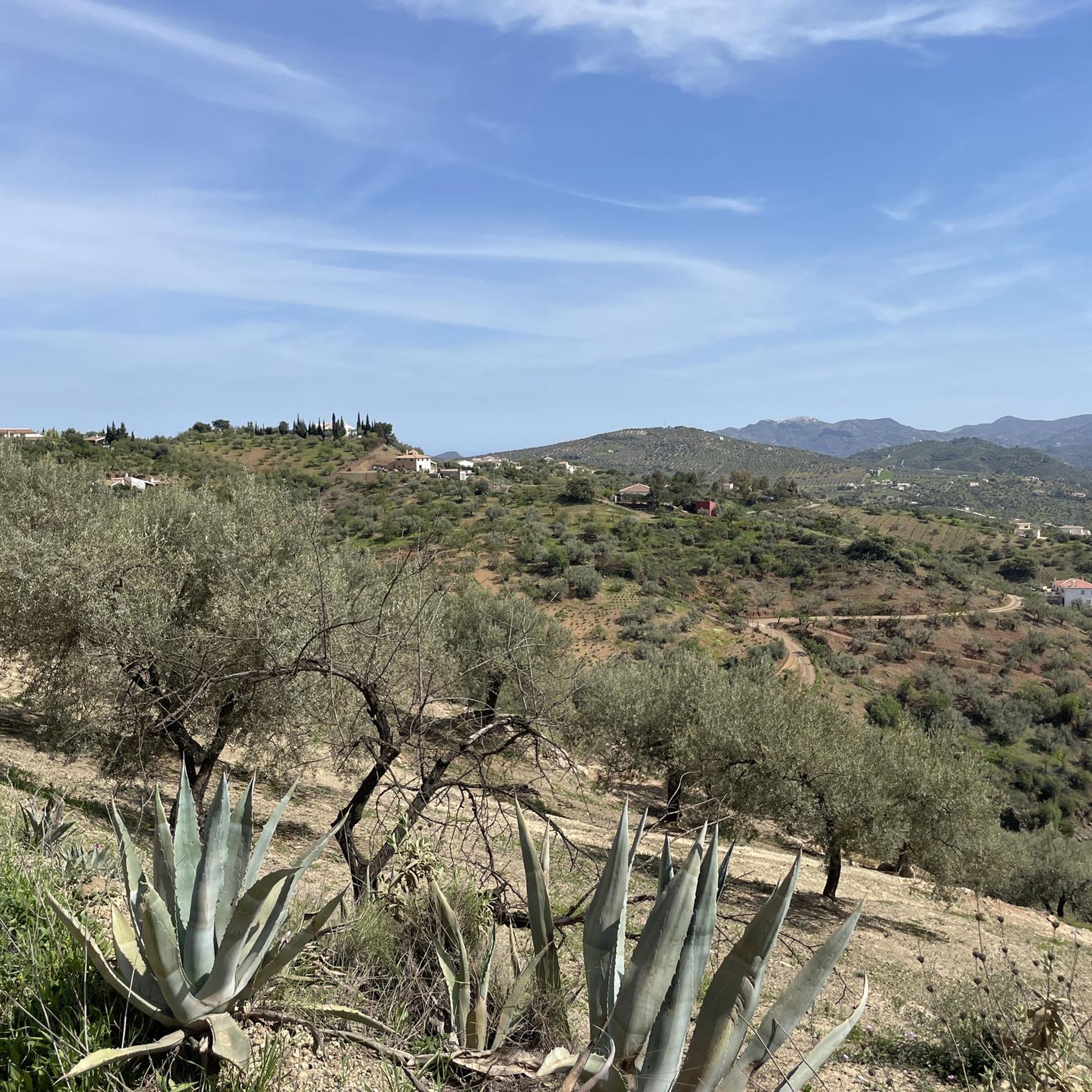

Other adventures around Riogordo

Tips from the Community

The Colmenar Town Hall (Ayuntamiento de Colmenar) is located in the town's historic center, on the Plaza de España, and forms the architectural and administrative heart of the municipality. Dating from the 19th century, the building has been restored several times to serve its function as a modern administrative center. It presents itself in typical Andalusian style with a light-colored plastered facade, symmetrical layout, and traditional wrought-iron balconies. A clock and the municipal coat of arms are located at the top, while the main entrance is emphasized by round arches and stone frames. Together with the church and several historic houses, the Town Hall frames Colmenar's central square, which serves as both a meeting place and venue for local festivals. Thus, the building embodies both the civic history and the architectural identity of this mountain village in the Axarquía region.
5
0
The Museo de la Miel (Honey Museum) in Colmenar is dedicated to beekeeping and honey production. It showcases honey making from antiquity to the present day, explains how beehives work, and the role of bees in nature. The museum is organized thematically, displaying the life of bees, different types of beehives, honey production, and beekeeping tools. Interactive screens supplement the exhibition with information on pollination, beekeeping practices, and products from the hive. In addition, the museum regularly hosts events such as workshops, tastings, and culinary tours that highlight regional products like honey and cheese. Visitors can purchase various types of honey, beeswax candles, and other handcrafted items in the museum shop. Thus, the Museo de la Miel offers a comprehensive insight into the world of bees and the tradition of honey production.
5
0
Colmenar, a picturesque village in the Andalusian province of Málaga, was founded at the end of the 15th century after the Christian reconquest of the region. The village's name derives from the Spanish word colmena ("beehive") and recalls the long tradition of beekeeping, which once played a central role here. Thanks to its favorable location in the Montes de Málaga mountains and the lush vegetation, beekeeping was one of the most important sources of income for the population for centuries. Even today, Colmenar is known as the "Village of Honey" and proudly maintains this cultural heritage. Among the village's most important landmarks is the Ermita de la Candelaria, a small 17th-century chapel perched on a hill overlooking the village, offering sweeping views of the surrounding mountains. In the town center stands the Iglesia de Nuestra Señora de la Asunción, a church dating from the 16th and 17th centuries, which impresses with its simple Andalusian style and tranquil atmosphere. At the town entrance, visitors are greeted by the Puerta de la Cruz, a symbolic gate featuring a monolith bearing the village's coat of arms – adorned with a bee and a honeycomb, representing Colmenar's history and identity. A particular highlight is the Museo de la Miel, the "Honey Museum," where visitors can learn all about beekeeping, the work of bees, and honey production. Thus, Colmenar harmoniously blends history, nature, and tradition – a place where the region's past and a deep love for its landscape are reflected in every street and every scent of wild rosemary.
6
0
The Plaza de España in Colmenar is the vibrant heart of the village, reflecting the typical character of an Andalusian town center. Surrounded by white houses with wrought-iron balconies, small cafes, and orange trees, it forms the social and cultural hub of the community. At its center stands an elegant, multi-tiered stone fountain, a defining feature of the square. The water flows in gentle arcs from one basin to the next, creating a tranquil and inviting atmosphere. Particularly striking are the bees that gather around the upper part of the fountain with its intricately carved jugs—a natural phenomenon closely linked to Colmenar's history and identity. The town's name derives from the Spanish word "colmena," meaning "beehive," and the fountain seems to embody this symbolism in a truly remarkable way. Today, the Plaza de España serves as a meeting place for locals and visitors alike, a venue for celebrations, conversations, and the everyday life of the village. With its harmonious interplay of stone, water, and nature, it conveys an authentic image of the tranquil, welcoming atmosphere that characterizes Colmenar. The square thus represents not only the geographical center of the town but also the heart of its community.
0
0
The monument commemorates Don Alfonso Molina Padilla, one of the town's most important figures. Born in Colmenar in 1875, Molina Padilla was a lawyer and politician of the liberal left. He represented the Archidona constituency in the Spanish Parliament and dedicated his life to social causes and education. Having no children, he bequeathed his entire fortune to a foundation he established in his will – the "Fundación Molina Padilla – Orfanato de Jesús y Candelaria." The foundation's aim was to provide underprivileged children and young people from Colmenar with access to education. To this day, the foundation awards scholarships to pupils and students, ensuring the continued impact of his work across generations. A monument honoring his legacy was erected in Colmenar, located in the plaza at the end of Calle Camino de Málaga, near Calle La Nora. The statue depicts Don Alfonso Molina Padilla as a symbol of charity and community spirit – values that he deeply rooted in his home community.
0
0
The Hotel Balcón de los Montes in Colmenar is a charming 3-star hotel, especially suited for cyclists. It offers an ideal starting point for bike tours through the surrounding countryside and countryside. The hotel features 12 comfortable rooms, some with balconies and views of the garden or mountains. All rooms are equipped with air conditioning, heating, a flat-screen TV, free Wi-Fi, and a private bathroom. Guests can enjoy regional specialties in the hotel's restaurant, while the terrace and bar offer a relaxing atmosphere. Thanks to its location near attractions such as the Ermita de Nuestra Señora de la Candelaria and the Museo de la Miel, the hotel is a convenient base for exploring the region by bicycle.
1
0

A town famous for its honey and sausages, among other things. A visit to its central square and the church located at the top of the town are highly recommended.
0
0

Frequently Asked Questions
How many touring cycling routes are available around Riogordo?
There are over 50 touring cycling routes available around Riogordo, offering a wide range of options for exploring the region's diverse landscapes.
Are there touring cycling routes suitable for beginners in Riogordo?
While most routes around Riogordo are classified as difficult, there are 7 moderate routes that might be more suitable for less experienced touring cyclists. These routes still offer a good challenge and beautiful scenery without the most extreme climbs.
What is the best season for touring cycling in Riogordo?
The best seasons for touring cycling in Riogordo are typically spring and autumn. During these times, the weather is milder, avoiding the intense heat of summer and the cooler, potentially wetter conditions of winter. This allows for more comfortable rides through the mountainous terrain and olive groves.
Are there any circular touring cycling routes around Riogordo?
Yes, many routes in the area are designed as loops. For example, the Embalse La Viñuela – circular desde Periana offers a scenic circular path around Lake Viñuela. Another option is the challenging Puerto de Sábar – View of Vélez-Málaga loop from Riogordo, which provides extensive views.
Can I find touring cycling routes that offer coastal views from Riogordo?
Absolutely. Some routes extend towards the coast, offering stunning sea views. The Monument to Peace – Torre del Mar Beach loop from Moya is a great example, leading through varied landscapes including coastal areas towards Torre del Mar.
What natural landmarks can I see while touring cycling near Riogordo?
The region is rich in natural beauty. You can cycle past the tranquil Hundred‑Spout Fountain, which marks the source of the Guadalhorre River, or explore routes around Lake Viñuela. The area is also characterized by dramatic rock formations in the Gómer, Doña Ana, and Fraile gorges, and offers views of various peaks like Pico de Vilo and Tajo Gomer Summit.
Are there any historical or cultural sites accessible by touring bike around Riogordo?
Yes, Riogordo and its surroundings are steeped in history. You can cycle through the traditional white village itself, with its Moorish origins, or visit nearby settlements like Comares Village. The region also features ancient olive groves and historical sites such as the Ruins of Lagar de Omitale on Cerro Olmo, offering a glimpse into the area's past.
What kind of wildlife might I encounter on touring cycling routes in Riogordo?
The diverse landscapes of Riogordo, especially near the Montes de Málaga Natural Park, support a variety of wildlife. Cyclists might spot mountain goats, genets, wild boars, and numerous bird species, particularly in the more secluded mountain and forest areas.
Are there family-friendly touring cycling routes in Riogordo?
While many routes are challenging, families looking for a less strenuous ride might consider exploring sections of the River La Cueva path or flatter routes along the coast if accessible. It's advisable to check the difficulty grade and elevation profiles for specific routes to ensure they are suitable for all family members.
Where can I find parking and access points for touring cycling routes in Riogordo?
Riogordo, as a village, offers various parking options within or on the outskirts, providing convenient access to the local road network that connects to many touring cycling routes. Specific starting points for routes often have designated parking areas, especially for popular loops or trails that begin from nearby towns or natural attractions.
What do other touring cyclists enjoy the most about touring cycling in Riogordo?
The area is highly rated by the komoot community, with an average score of 4.8 stars from more than 10 reviews. Reviewers often praise the stunning, mountainous terrain, the diverse landscapes ranging from rugged mountains to ancient olive groves, and the extensive views, particularly from challenging climbs like the Puerto de Sábar – Puerto del Sol loop from Riogordo.
Are there touring cycling routes that are part of larger networks in Riogordo?
Yes, Riogordo is integrated into broader cycling networks. You can find sections of the Great Axarquía Path (GR 242) and other long-distance routes (GR 259, GR 7) that pass through the area, allowing for extensive multi-day tours. The region is also a key stop on the Ruta del Aceite y de los Montes, a scenic route highlighting the agricultural heritage.
Most popular attractions around Riogordo

Get inspired with the komoot mobile app


Explore more
Browse the best Cycling routes in other regions.
