Attractions and Places To See around Peromingo - Top 20
Attractions and places to see around Peromingo, a municipality in Salamanca, Castile and León, Spain, offer a blend of historical significance, cultural heritage, and natural beauty. The surrounding region provides opportunities for cultural exploration and historical discovery. Visitors can explore a variety of sites, from unique theme parks to ancient Roman routes. This area is known for its granite landscapes and historical connections.
Best attractions and places to see around Peromingo
- The most popular attractions is Vía Verde de la…
Last updated: October 10, 2026
Béjar Station and Vía de la Plata Tunnel
Highlight • Trail
80.1 kilometers. 730 positive meters.
The route leaves the Béjar station through a curved tunnel with automatic artificial lighting that passes under the historic complex, where the …
Translated by Google •
Tip by

Granite Theme Park
Highlight • Monument
Translated by Google •
Tip by

Sign up now to discover places like this
Get recommendations on the best single tracks, peaks, & plenty of other exciting outdoor places.
Peña de la Cruz and Balanced Boulder
Highlight • Monument
At the end of the path we find …
Translated by Google •
Tip by
Vía Verde de la Plata
Highlight (Segment) • Cycleway
Don't …
Translated by Google •
Tip by
Albergue Alba Soraya
Highlight • Mountain Hut
Translated by Google •
Tip by

Sign up for free to discover even more attractions around Peromingo.
Already have an account?
Start today with a free account
Your next adventure awaits.
Tips from the Community


The Silver Route (Vía Verde de la Plata) in the Port of Béjar is part of the old Astorga–Plasencia railway line, now a nature trail for hiking and cycling. Don't miss the Little Station: a bar/restaurant in the old station, with a terrace and railway atmosphere (open during tourist season).
4
0
It is the only granite theme park in Spain, created to pay homage to the quarrying tradition of the municipality. It occupies a former quarry transformed into an artistic and natural space. Monumental sculptures made from granite blocks by the Salamanca artist Amable Diego. Recreations that evoke menhirs, dolmens, and megalithic structures, including the famous "Salamanca Stonehenge." Explanatory panels on the history of quarrying, from Roman roads to modern industry.
6
0

Stage 2. Béjar/Plasencia 80.1 kilometers. 730 positive meters. The route leaves the Béjar station through a curved tunnel with automatic artificial lighting that passes under the historic complex, where the main monuments and buildings are located around the Plaza Mayor, the Doge's Palace, the churches and the streets with a medieval atmosphere. The route passes through another tunnel that ends in a small gorge, with climbing routes, and leaves the Corpus de Hombre river valley towards the Navalmoral de Béjar pastures, where the conditioning of the natural path ends. The last kilometer to the town still has the rails of the road but it can be easily reached by pedaling to the town. At the entrance you turn towards the town and at the first intersection you have to turn left again to go down towards the Camino de Santiago. Immediately the Béjar road appears, you must continue on the right, pass the Calzada de Béjar detour and 400 meters later the yellow arrows of the Jacobean route appear marking the Vía de la Plata to Astorga. The gravel journey continues in the opposite direction to the indication of the arrows and at many intersections it is difficult to see the signs because they are painted so that they are useful in the opposite direction, towards Santiago de Compostela. The path runs through a stretch of land and reaches the beautiful street on the way to Calzada de Béjar. At the entrance there is a pilgrim fountain and a sealing place, but the pilgrim hostel is at the end of the town. The street has facades typical of the popular architecture of the region, with stone and wood arcades and balconies, adapted to the centuries-old passage of migrating herds and the active commerce generated by the Vía de la Plata. The descent to the valley of the Body of Man River follows the original layout of the medieval road and there is a section with stones but it is easy to navigate slowly. And then the dirt road continues parallel to the Montemayor del Río highway. In this section you could go along the road to the Malena bridge, losing the possibility of seeing the original milestones that are on the Camino de Santiago. The milestones marked the distance of the Roman roads, in this section there are several but they have been moved and do not coincide exactly with the original “miles”. The Sinforiano milestone is first, indicating mile 135, and then the Malena milestone appears, at the entrance to the medieval bridge that spans the Corpus de Hombre river. Mile 134 is about 200 meters after passing the bridge, at another milestone that is part of the wall of a farm. At the Malena bridge the hardest climb of the route begins, the slope is steep and there are sections with loose stones that require patience, grinding technique and good legs. The oak and chestnut forest and the beautiful rural environment help a lot to overcome the slope. The climb ends in Puerto de Béjar but it is not yet time to connect with the Vía de la Plata railway route. The route continues along the Camino de Santiago towards Baños de Montemayor and goes down a modern cobblestone built on the original one of the medieval itinerary. The views of the Ambroz Valley are fantastic. At the entrance to Baños de Montemayor the track leaves the urban complex on the right and continues along the La Garganta road to climb the Natural Path, right where the rest area and the stone fountain are. The bikepacking adventure continues through familiar terrain on the old railroad track. The slope is favorable, the bicycles fly along the side of the mountain, they pass by the Hervás station and one kilometer before the Aldeanueva del Camino station you have to take a detour to the right to enter the urban complex and connect again with the Camino de Santiago.
0
0

Nice stone formations. might be a good place to stop for a picknick and enjoy the views.
0
1

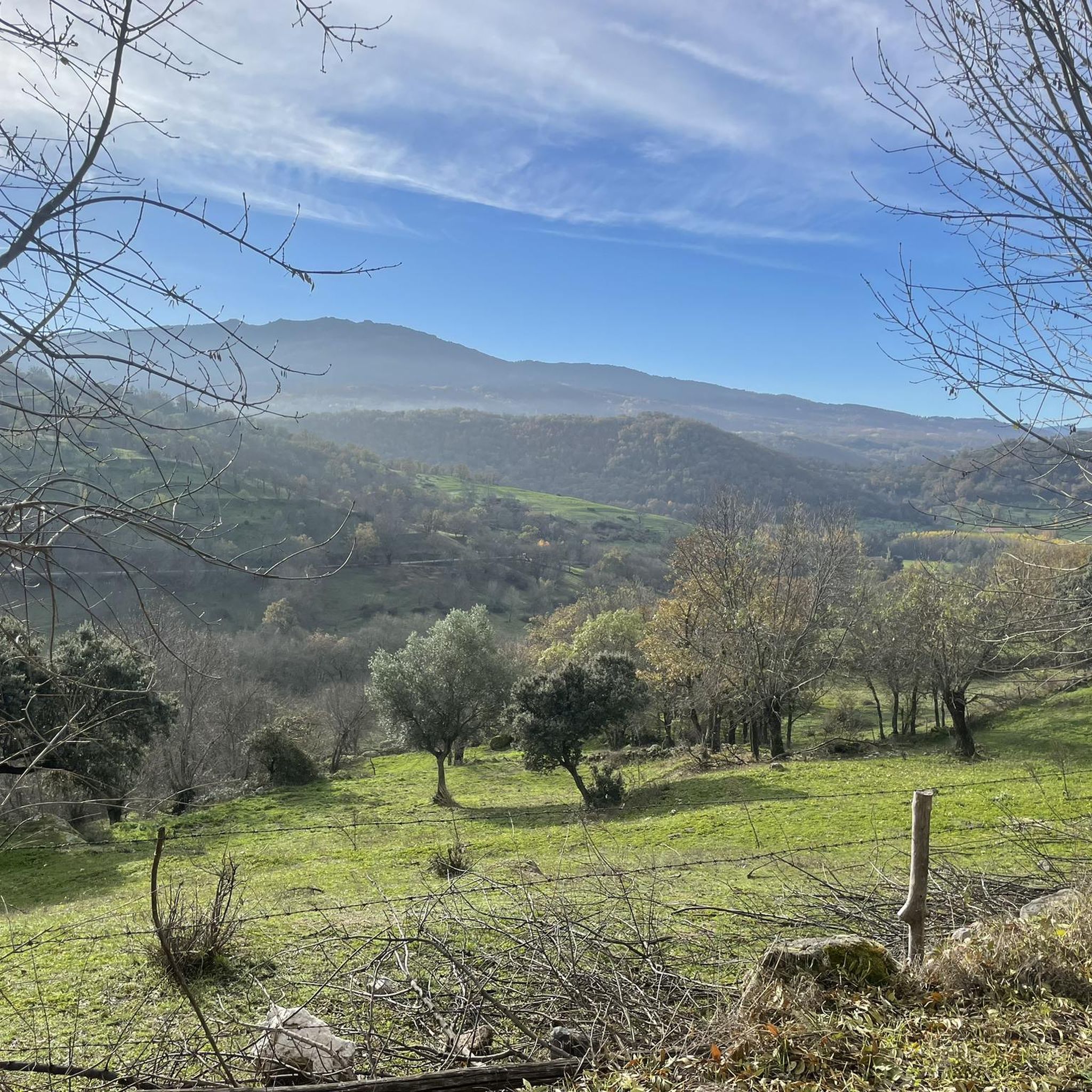
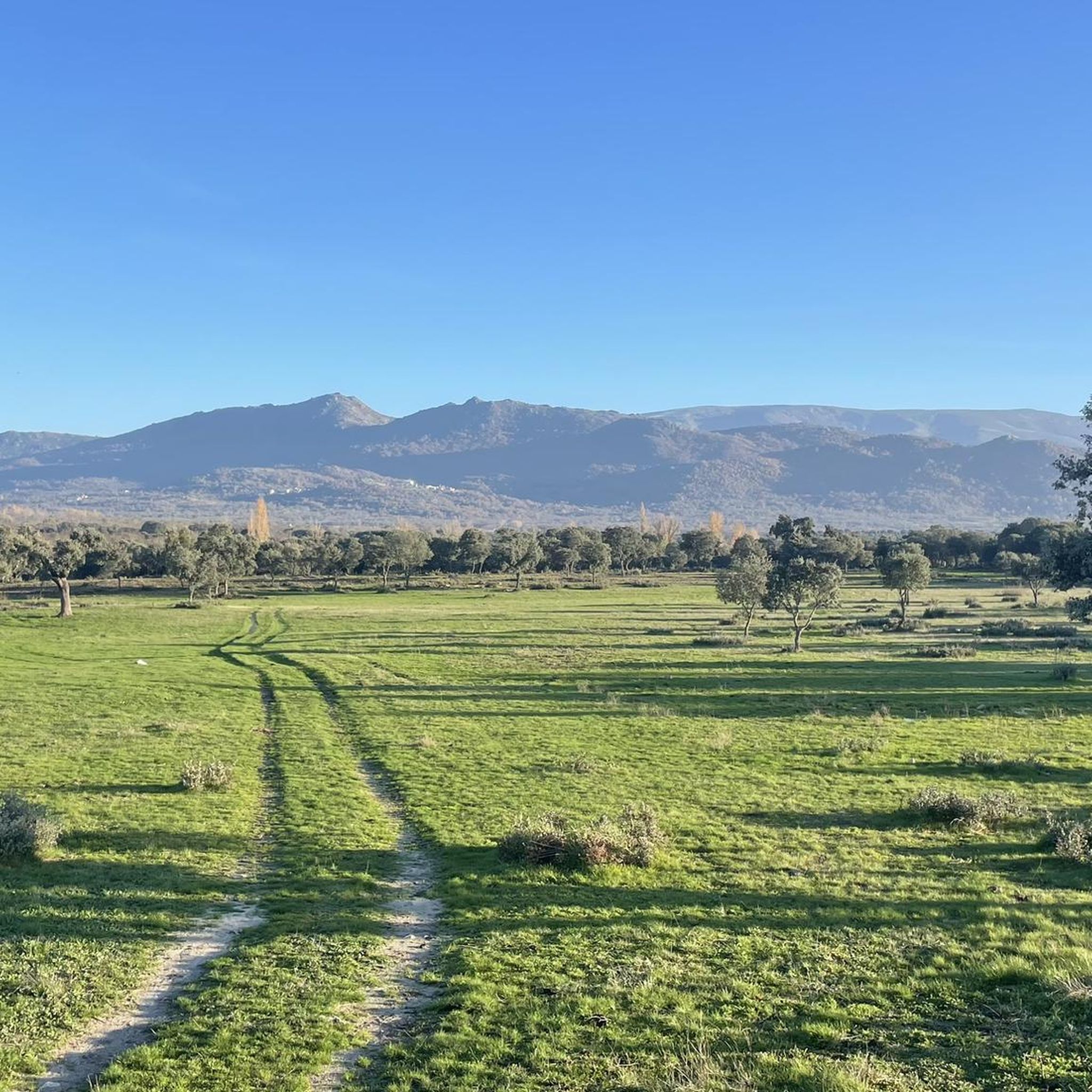
This picturesque section of the Vía de la Plata runs through a beautiful landscape of the Sierra de Béjar and connects the town of Puerto de Béjar with Béjar rolling along a gravel track in perfect condition and without any technical difficulty.
2
1
A very popular place in the area and with good reason it is. Next to the cross is the viewpoint that offers beautiful panoramic views of the entire Sierra de Béjar valley and the town below. A few meters away is the refuge and an area with tables to take a break and enjoy this wonderful place.
1
1

This park offers a series of open-air granite structures and information panels on the construction of Roman roads, geology, history of quarrying and current quarrying activity. An alternative way of approaching the fundamental role of granite and stone in monumental construction.
0
0
Frequently Asked Questions
What historical sites can I explore near Peromingo?
The region around Peromingo is rich in history. You can explore the Béjar Station and Vía de la Plata Tunnel, which is part of the ancient Roman road, the Vía de la Plata. Along this historic route, you'll find Roman milestones like the Sinforiano and Malena milestones, offering a tangible connection to the Roman era. The Granite Theme Park also features explanatory panels detailing the history of quarrying from Roman times to modern industry.
Are there any unique natural attractions or viewpoints in the area?
Yes, the area boasts several natural highlights and scenic viewpoints. The Peña de la Cruz and Balanced Boulder offers panoramic views of the Sierra de Béjar valley from a viewpoint situated on a rock. The surrounding rural environment is characterized by beautiful oak and chestnut forests, especially noticeable along routes like the climb from Malena bridge towards Puerto de Béjar. You can also enjoy fantastic views of the Ambroz Valley along sections of the Camino de Santiago.
What kind of outdoor activities are available around Peromingo?
The region offers diverse opportunities for outdoor activities, particularly hiking and cycling. The Vía Verde de la Plata is a popular nature trail for both hiking and cycling, running through the picturesque Sierra de Béjar. You can find various routes for different sports, including hiking, cycling, and running, with options ranging from moderate to difficult.
Are there family-friendly attractions near Peromingo?
Absolutely! The Granite Theme Park is a great option for families, offering an artistic and natural space with monumental granite sculptures and recreations of megalithic structures like 'Salamanca Stonehenge.' The Vía Verde de la Plata is also considered family-friendly, providing a flat, well-maintained gravel track suitable for easy walks or bike rides.
Where can I find hiking trails suitable for different skill levels?
The area around Peromingo offers a variety of hiking trails. For a general overview and specific routes, you can check the hiking guide for Peromingo. Trails range from moderate, such as the 'Viewpoint – Cedro de la Francesa loop from Béjar,' to more difficult options like the 'Béjar - El Castañar Trail.' Many routes offer beautiful scenery through oak and chestnut forests.
What is the Granite Theme Park about?
The Granite Theme Park is a unique attraction dedicated to the quarrying tradition of the municipality. It's built within a former quarry and features monumental granite sculptures by Salamanca artist Amable Diego. You'll also find recreations of megalithic structures, including a 'Salamanca Stonehenge,' and explanatory panels detailing the history of quarrying from Roman times to modern industry.
Is the Vía de la Plata suitable for cycling?
Yes, the Vía Verde de la Plata is an excellent choice for cycling. This section of the old Astorga–Plasencia railway line has been converted into a nature trail with a perfect gravel track, making it suitable for cyclists of various skill levels. It offers a picturesque ride through the Sierra de Béjar without significant technical difficulty.
Are there any places to stay or eat in Peromingo or nearby?
While Peromingo itself is a smaller community, nearby areas offer options. For example, the Albergue Alba Soraya is a cozy hostel located on the Vía de la Plata, which also has a restaurant. The historic city of Béjar, which is close by, provides a variety of gastronomic experiences and accommodation options.
What are the best times to visit Peromingo for outdoor activities?
The region's climate is generally favorable for outdoor activities. Spring and autumn typically offer pleasant temperatures for hiking, cycling, and exploring historical sites without the extreme heat of summer. These seasons also showcase the natural beauty of the oak and chestnut forests. Always check local weather forecasts before your visit.
Can I bring my dog on trails around Peromingo?
Many outdoor trails in the region, including sections of the Vía de la Plata and paths through the oak and chestnut forests, are generally dog-friendly. However, it's always recommended to keep dogs on a leash, especially in areas with wildlife or near agricultural land, and to check for any specific local regulations or signage at trailheads.
What makes the Vía Verde de la Plata a popular attraction?
The Vía Verde de la Plata is popular because it transforms an old railway line into a scenic nature trail. It offers a flat, well-maintained gravel path perfect for hiking and cycling through the beautiful landscape of the Sierra de Béjar. Visitors appreciate its ease of access, picturesque views, and the opportunity to experience a piece of history in a natural setting.
Where can I find panoramic views of the region?
For breathtaking panoramic views, head to Peña de la Cruz and Balanced Boulder. This site offers expansive vistas of the entire Sierra de Béjar valley and the town below. It's a well-known spot with picnic areas, making it ideal for enjoying the scenery.
Are there any easy walks near Peromingo?
Yes, for easier walks, the Vía Verde de la Plata provides a flat and well-maintained path suitable for leisurely strolls. While many routes are moderate to difficult, you can find shorter, less strenuous sections within the broader hiking guide for Peromingo, such as the 'Plaza Mayor of Béjar – Calle Mayor de Pardinas loop from Béjar' which is rated easy.

Get inspired with the komoot mobile app


Explore more
Still not found the Highlight you’re looking for? See guides of the top attractions in other regions:
