The best walks and hikes around Valdeverdeja
4.7
(5)
30
hikers
8
hikes
Hiking around Valdeverdeja offers diverse trails within the western part of Toledo province, bordering Cáceres. The region is characterized by its location within the Tagus River valley, featuring dramatic "boxed-in" sections with steep banks and distinctive granite formations known as "canchales." The landscape is further defined by Mediterranean flora, including meadows with holm oaks and olive trees, alongside scrubland of broom, thyme, and lavender.
Best hiking trails around Valdeverdeja
- The most popular hiking route is Fábrica de la Luz Trail…
Last updated: August 17, 2026
10.5km
02:54
180m
190m
Moderate hike. Good fitness required. Easily-accessible paths. Suitable for all skill levels.
1
hikers
10.1km
02:40
100m
100m
Moderate hike. Good fitness required. Easily-accessible paths. Suitable for all skill levels.

Sign up for free
5.37km
01:27
70m
70m
Easy hike. Great for any fitness level. Easily-accessible paths. Suitable for all skill levels.
4.0
(1)
7
hikers
6.87km
01:59
170m
170m
Easy hike. Great for any fitness level. Easily-accessible paths. Suitable for all skill levels.
5
hikers
15.9km
04:10
120m
120m
Moderate hike. Good fitness required. Easily-accessible paths. Suitable for all skill levels.
Get access to more routes and recommendations from other explorers.
Sign up for free
Already have an account?
Our route recommendations are based on thousands of hikes, rides, and runs completed by other people on komoot.
Start today with a free account
Your next adventure awaits.
Login or Signup



Tips from the Community

Historic bridge commissioned by the Archbishop of Toledo in the 14th century, in spring/summer home to hundreds of swifts, creating a unique spectacle.
0
0

The Count's Palace of Oropesa, located in the province of Toledo, is an architectural gem with a rich history and great heritage value. The Old Palace (or Doña Elvira Palace): in the Mudejar Gothic style, built in the 14th century. The New Palace: in the Renaissance style, built in the 15th century. It stands out for its original coffered ceiling, its balconies with the coat of arms of the Counts of Oropesa, and a large interior courtyard that was even used as a bullring. Together with the adjacent castle, it forms a complex declared a Historic-Artistic Monument in 1923. In 1931, it was incorporated into the National Parador Network, becoming the first Parador built on a historic building.
4
0

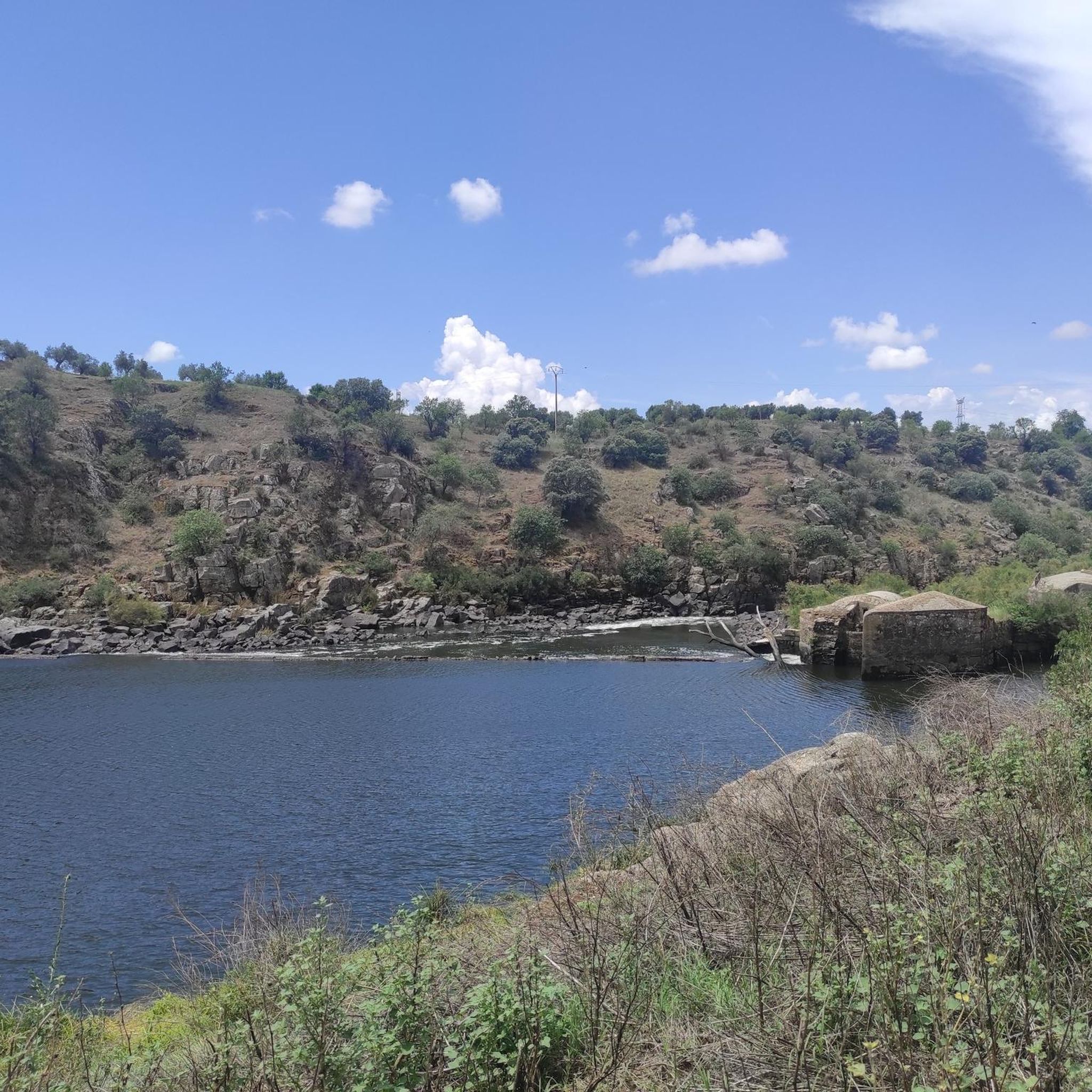
Using the power of moving water to drive a mill wheel is an ancient invention that dates back to pre-Christian times. Thanks to such a construction, human or animal muscle power could be easily replaced by a watercourse - natural or artificially created - in order to grind grain into corn, for example. There are essentially two different ways of driving watermills: Either the water simply hits the blades of the water wheel from below to set it in motion; or the water is guided above the wheel and falls onto the blades; this type of construction is more efficient due to natural gravity.
0
1

The Archbishop's Bridge is a municipality in Toledo that takes its name from its beautiful Gothic bridge with 11 arches that crosses the waters of the Tagus River. The town is famous for its ceramics, and together with Talavera de la Reina, it is the largest pottery center in Spain.
1
1

This great bridge with eleven eyes over the Tagus River gives its name to the Toledo town in which it is located, although the left bank of the river is already considered Cáceres and forms part of the municipality of Villar del Pedroso. It was built between 1383 and 1388 by order of the Archbishop of Toledo Pedro Tenorio.
2
1
It is worth slowing down when passing through Calzada de Oropesa to admire the stately houses that are dotted along its streets. The Convent of the Agustinas Recoletas also stands out, known for the embroideries and ceramics that its nuns make.
2
1

This beautiful Renaissance-style building not only holds the title of Palace but is also known for being officially the first National Tourist Parador in Spain. It is worth visiting inside, its details from that time are truly dazzling, perfectly preserved today that will make you travel back in time for a few moments.
2
0
The attraction of Oropesa does not only go through its castle, without a doubt the Plaza del Navarro is a place that is really worth visiting and taking advantage of having a drink in one of the bars that surrounds it. The town has a very pleasant atmosphere and although it is a recognized tourist site, it still retains that village air that makes it very special.
1
1
Frequently Asked Questions
What types of landscapes can I expect to see while hiking in Valdeverdeja?
Valdeverdeja's hiking trails offer a diverse landscape shaped by the Tagus River valley. You'll encounter dramatic "boxed-in" sections with steep river banks, distinctive granite formations known as "canchales," and Mediterranean flora including meadows with holm oaks and olive trees, alongside scrubland of broom, thyme, and lavender.
Are there any easy hiking trails suitable for beginners in Valdeverdeja?
Yes, Valdeverdeja offers several easy trails. For instance, the Molinos del Conde loop from Valdeverdeja is an easy 4.3-mile (6.9 km) route that takes about 2 hours to complete, leading through areas rich in historical hydraulic heritage. Another easy option is the Pedroso Gorge loop from El Puente del Arzobispo, which is shorter at 3.1 miles (5 km).
What historical sites or landmarks can I discover on the trails?
The region is rich in historical hydraulic heritage. Many trails feature ancient water mills and dams, and even a disused old power station. The Fábrica de la Luz Trail specifically allows hikers to explore natural landscapes and historical ruins, including the old power station. You can also find the site of Pozos Nuevos, an Asset of Cultural Interest featuring dozens of wells and stone sinks.
Are there any circular hiking routes in Valdeverdeja?
Yes, there are several circular routes available. A popular option is the Molinos del Conde loop from Valdeverdeja, which is an easy 4.3-mile (6.9 km) trail. Another is the Puente del Arzobispo – El Puente del Arzobispo loop, a moderate 4.9-mile (7.9 km) route.
What is the best time of year to go hiking in Valdeverdeja?
Given the Mediterranean climate, the best times for hiking in Valdeverdeja are typically spring (March to May) and autumn (September to November). During these seasons, temperatures are milder, and the natural scenery is vibrant, making for more comfortable and enjoyable walks. Summers can be very hot, and winters can be cooler with occasional rain.
What do other hikers say about the trails in Valdeverdeja?
The hiking routes in Valdeverdeja are highly rated by the komoot community, with an average score of 4.7 stars from 4 reviews. Hikers often praise the picturesque Tagus River valley, the distinctive granite formations, and the opportunity to explore historical hydraulic heritage along the paths.
Are there any trails that follow the Tagus River?
Yes, the Tagus River plays a central role in the region's landscape. The El Puente del Arzobispo - Azután trail, for example, is a moderate 6.2-mile (10.1 km) path that follows the Tagus River, offering scenic views of its valley and the surrounding Mediterranean vegetation.
Are there any family-friendly hiking options in Valdeverdeja?
While specific family-friendly designations aren't always explicit, the region offers several easy and moderate trails that can be suitable for families. Routes like the Molinos del Conde loop from Valdeverdeja (4.3 miles) or the Pedroso Gorge loop from El Puente del Arzobispo (3.1 miles) are shorter and less strenuous, making them good choices for outings with children.
What kind of wildlife might I encounter while hiking?
The region's Mediterranean flora and the Tagus River valley support diverse wildlife. While some species are now rare, you might spot rabbits, wild boars, foxes, and various birds of prey like vultures and eagles. The river itself is home to different fish species.
Are there any nearby attractions worth visiting after a hike?
Yes, there are several interesting attractions in the vicinity. You could visit the historic Puente del Arzobispo, explore the Count’s Palace of Oropesa and Oropesa Castle, or learn about the ancient Camino Real de Guadalupe. The ruins of Talavera la Vieja also offer a glimpse into the area's past.
Is public transport available to access hiking trails in Valdeverdeja?
Information on direct public transport access to specific trailheads in Valdeverdeja is limited. It is generally recommended to use a car to reach the starting points of most hiking routes in this rural area of Toledo province, as public transport options are less frequent and may not serve all trail access points directly.
Most popular attractions around Valdeverdeja

Get inspired with the komoot mobile app


Explore more
Browse the best Hikes in other regions.
