The best cycling routes around Las Pedroñeras
2.5
(2)
60
riders
26
rides
Touring cycling routes around Las Pedroñeras traverse a landscape characterized by open plains and agricultural areas, with gentle undulations rather than significant climbs. The region features historical landmarks such as castles and traditional villages, offering cultural points of interest along the routes. Water features like the Lagunar de Manjavacas provide scenic natural stops. The terrain is generally suitable for touring bikes, with routes often connecting towns and smaller settlements.
Best touring cycling routes around Las Pedroñeras
- The most popular touring…
Last updated: July 2, 2026
2
riders
43.0km
03:30
350m
350m
Moderate bike ride. Good fitness required. Mostly paved surfaces. Suitable for all skill levels.
2
riders
Moderate bike ride. Good fitness required. Mostly paved surfaces. Suitable for all skill levels.

Sign up for free
1
riders
57.8km
03:53
510m
510m
Hard bike ride. Very good fitness required. Mostly paved surfaces. Suitable for all skill levels.
45.4km
03:00
220m
220m
Moderate bike ride. Good fitness required. Mostly paved surfaces. Suitable for all skill levels.
75.1km
05:56
230m
230m
Hard bike ride. Very good fitness required. Some segments of this route may be unpaved and difficult to ride.
Get access to more routes and recommendations from other explorers.
Sign up for free
Already have an account?
Our route recommendations are based on thousands of hikes, rides, and runs completed by other people on komoot.
Start today with a free account
Your next adventure awaits.
Login or Signup




Tips from the Community

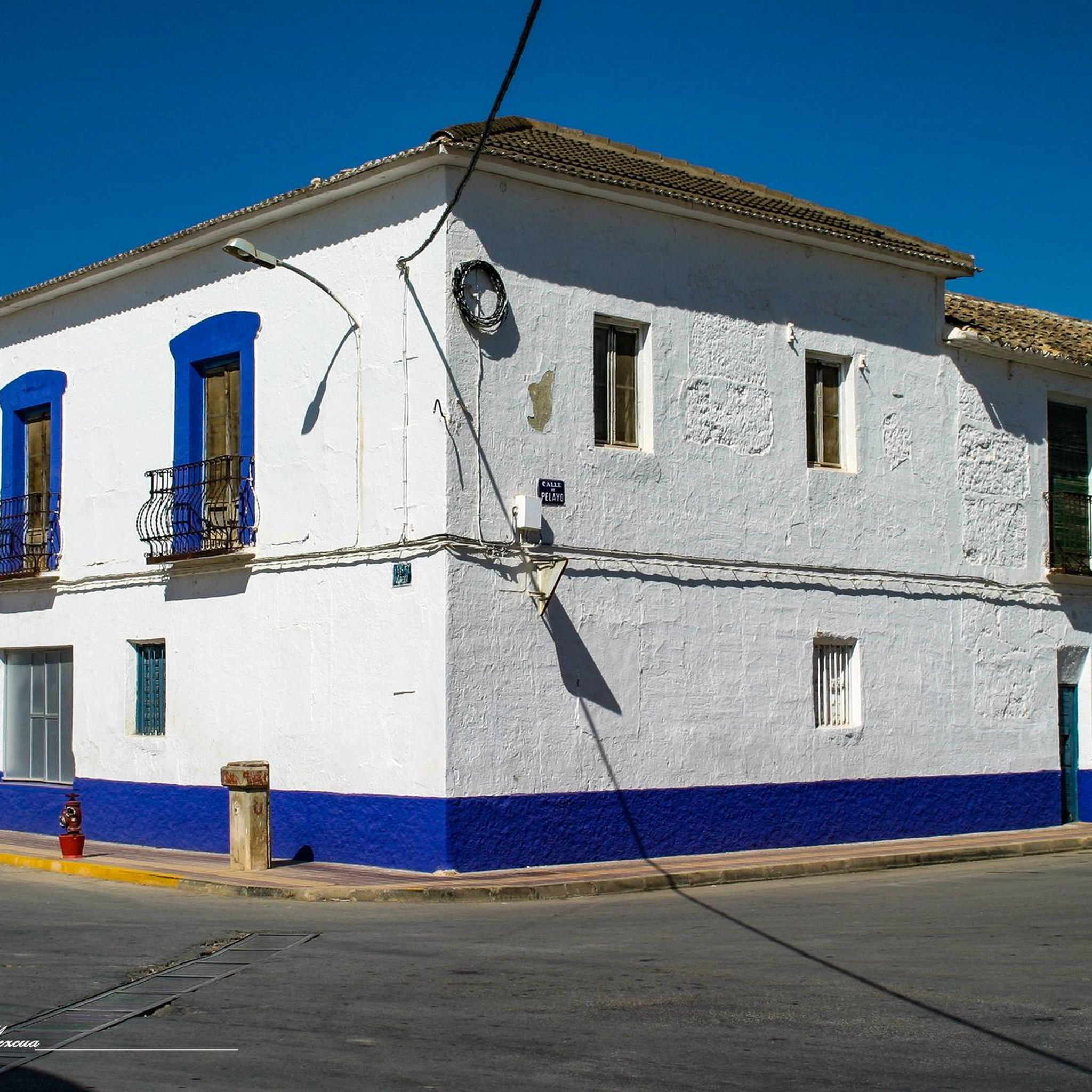
The typical houses of La Mancha in Las Pedroñeras and the surrounding region feature a very distinctive architecture, characterized by functionality and adaptation to the climate and agricultural life. Traditional materials: They were built with rammed earth (compacted mud) and adobe bricks mixed with straw. The roofs were made with poles, reeds, and plaster, and reinforced with green esparto grass ropes. White facades and indigo baseboards: The whitewash served to keep the houses cool and disinfect the walls, while the indigo blue on the baseboards and frames had both a functional and superstitious origin (to ward off insects and evil spirits).
5
0
This complex is made up of four lagoons: Manjavacas, Sánchez Gómez, La Dehesilla (in Mota del Cuervo), and Alcahozo (in Pedro Muñoz). It is a key point on the migratory routes of birds between Europe and Africa, which gives it international importance.
2
0
The Manjavacas Lagoon, located in the municipality of Mota del Cuervo (Cuenca), is part of the Manjavacas Lagoon Complex, a nature reserve of great ecological and scenic value.
2
0
Built in the 15th century by order of Don Juan Pacheco, first Marquis of Villena, the castle is a notable example of Gothic-Mudejar architecture. The castle has been restored and turned into a museum, and is now considered a Site of Cultural Interest. In addition to its rich history, the castle is known for events such as the National Medieval Combat Championship, which is held annually.
3
0
The castle was built in 1456 by order of Juan Pacheco, a prominent nobleman during the reign of Henry IV. Its architectural style combines Gothic and Mudejar elements. It has a peculiar triangular plan and a strategic location on the top of a hill. Over the centuries, the castle has witnessed historical events, from visits by the Catholic Monarchs to restorations and cultural events. Today, the castle hosts exhibitions, dramatized tours, medieval combat tournaments and the impressive Trebuchet Park, which displays full-scale siege engines. 😊🏰
4
0

Built in the 15th century by order of the first Marquis of Villena, Don Juan Pacheco, it is located on the San Cristóbal hill. Currently the castle is owned by the Ducal House of Peñaranda y Montijo, which through a management company chaired by the Count of Montalvo, Mr. Javier Fitz-James Stuart de Soto, has carried out a final rehabilitation between 2008 and 2016 with which has become a museum and also hosts various events. In the month of May/June, the Historical Recreation Days are held in the Castle, which allow us to see the life of warriors, artisans, doctors, monks, lords or peasants. National and international medieval combat tournaments are also held, a spectacular contact sport with period weapons and armor.
1
0
The Castle of Santiago de la Torre, known in the region as Santiaguillo, is a medieval fortress located in the village of the same name. Although after its disappearance it was annexed to the municipality of San Clemente, its heart remains Provencian. This castle is located in the southwest of the province of Cuenca, in the heart of the region of Castilla-La Mancha, Spain. Explore this medieval treasure and immerse yourself in its legacy! 🏰🌿
3
0

The path is narrow and has some very fun jumps. In addition, this pine forest is ideal in summer, since there are many shades.
0
0
Frequently Asked Questions
How many touring cycling routes are available around Las Pedroñeras?
There are over 25 touring cycling routes around Las Pedroñeras, offering a variety of options for exploring the region's open plains and agricultural landscapes.
What are the typical difficulty levels for touring bike routes in this area?
The routes around Las Pedroñeras cater to various skill levels. You'll find 8 easy routes, 13 moderate routes, and 6 more challenging options, ensuring there's something for every touring cyclist.
Are there any family-friendly touring bike routes near Las Pedroñeras?
Yes, the region's generally gentle undulations make many routes suitable for families. Look for the 'easy' rated routes, which often traverse the open plains and connect smaller, traditional villages, providing a pleasant experience for all ages.
Can I find circular touring bike routes around Las Pedroñeras?
Many of the touring routes in Las Pedroñeras are circular, allowing you to start and end in the same location. For example, the Castillo Santiago De La Torre y La Alberca de Záncara — circular desde Las Pedroñeras is a moderate circular path that includes historical sites.
What kind of historical landmarks or points of interest can I see along the routes?
The routes often pass through areas rich in history. You might encounter impressive structures like the Castle of Santiago de la Torre or the grand Castillo de Belmonte. Traditional villages and other historical sites like Casa de los Tellez also dot the landscape, offering cultural stops.
What is the best season for touring cycling in Las Pedroñeras?
Given the open plains and agricultural nature of the region, spring and autumn generally offer the most pleasant conditions for touring cycling, with milder temperatures and beautiful scenery. Summers can be quite hot, and winters, while generally mild, can have cooler, windier days.
Are there any routes that pass by natural water features?
Yes, some routes offer scenic natural stops at water features. The Lagunar de Manjavacas by Las Pedroñeras — circular from El Provencio route, for instance, takes you past the Lagunar de Manjavacas, a notable natural area.
What are the typical durations for touring bike routes in this area?
Route durations vary depending on distance and difficulty. For example, the Villaescusa de Haro from Belmonte — circular by Osa de Vega typically takes around 3 hours 30 minutes, while the longer La Alberca de Záncara y Belmonte — circular desde Las Pedroñeras can take closer to 3 hours 53 minutes.
What do other touring cyclists say about the routes in Las Pedroñeras?
The komoot community has rated the touring cycling routes in Las Pedroñeras with an average score of 2.5 stars. Over 60 touring cyclists have used komoot to explore the varied terrain, often appreciating the quiet agricultural landscapes and the opportunity to visit historical villages.
Are there routes suitable for advanced touring cyclists looking for a challenge?
Yes, there are 6 routes rated as 'difficult' for those seeking a more challenging ride. These routes often cover longer distances and may include more varied terrain, such as the Castillo de Belmonte y Las Mesas — circular desde Las Pedroñeras, which offers a substantial distance for experienced riders.
What kind of terrain can I expect on the touring bike routes?
The terrain around Las Pedroñeras is generally characterized by open plains and agricultural areas. You'll experience gentle undulations rather than significant climbs, making it suitable for touring bikes. Routes often connect towns and smaller settlements, with surfaces typically consisting of paved roads and well-maintained tracks.
Are there any towns or settlements along the routes where I can find amenities?
Yes, many routes connect various towns and smaller settlements, providing opportunities for breaks and amenities. For instance, the route passing through Villarrobledo offers access to services. These villages often have local cafes or shops where you can refuel.
Most popular routes around Las Pedroñeras
Most popular attractions around Las Pedroñeras

Get inspired with the komoot mobile app


Explore more
Browse the best Cycling routes in other regions.
