Attractions and Places To See around La Pesquera - Top 20
Best attractions and places to see around La Pesquera, a municipality in Cuenca, Spain, offer a blend of historical sites and natural landscapes. The area is characterized by its proximity to the Cabriel River and the Contreras Reservoir, providing diverse outdoor experiences. Visitors can explore historical monuments and enjoy natural features within the Hoces del Cabriel Natural Park. This region combines cultural heritage with opportunities for outdoor activities.
Best attractions and places to see around La Pesquera
- The most popular…
Last updated: July 7, 2026
Contreras Bridge - Cabriel River
Highlight • Bridge
Showing Translation
Tip by

Turia-Cabriel Nature Trail (section)
Highlight (Segment) • Trail
Translated by Google •
Tip by

Sign up now to discover places like this
Get recommendations on the best single tracks, peaks, & plenty of other exciting outdoor places.
Sign up for free
Villargordo del Cabriel
Highlight • Settlement
Showing Translation
Tip by
Peñas Blancas Path Trench
Highlight • Historical Site
Translated by Google •
Tip by
Contreras Trench
Highlight (Segment) • Historical Site
Translated by Google •
Tip by

Sign up for free to discover even more attractions around La Pesquera.
Sign up for free
Already have an account?
Start today with a free account
Your next adventure awaits.
Login or Signup
Tips from the Community

7 bow bridge, so beautiful
11
0
Villargordo del Cabriel is a municipality in the Requena-Utiel region, in the province of Valencia. The town is located on the banks of the Cabriel River and is on the border between Castilla-La Mancha and the Valencia region. One of the biggest tourist attractions is the beautiful nature, which is remarkably well preserved.
14
0

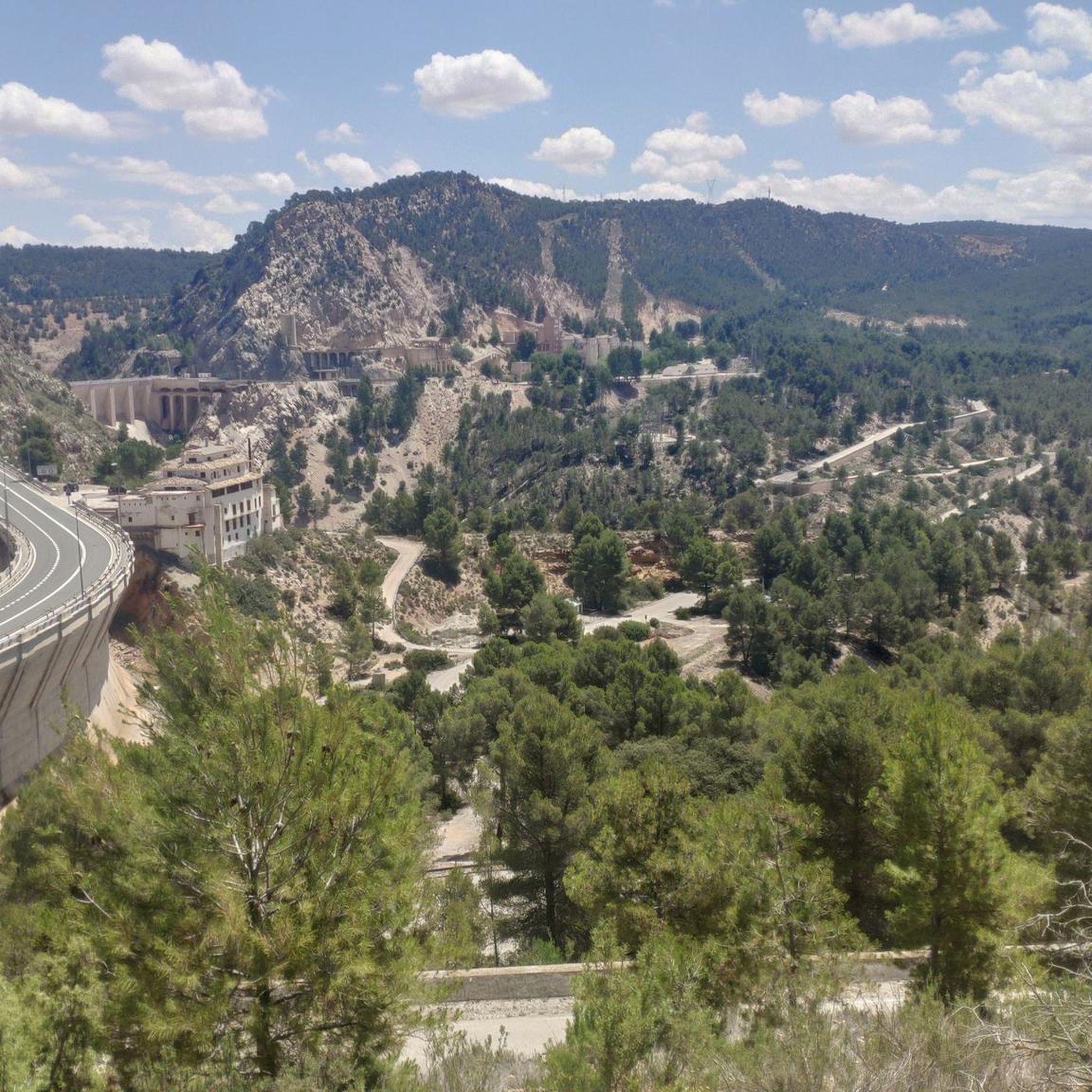
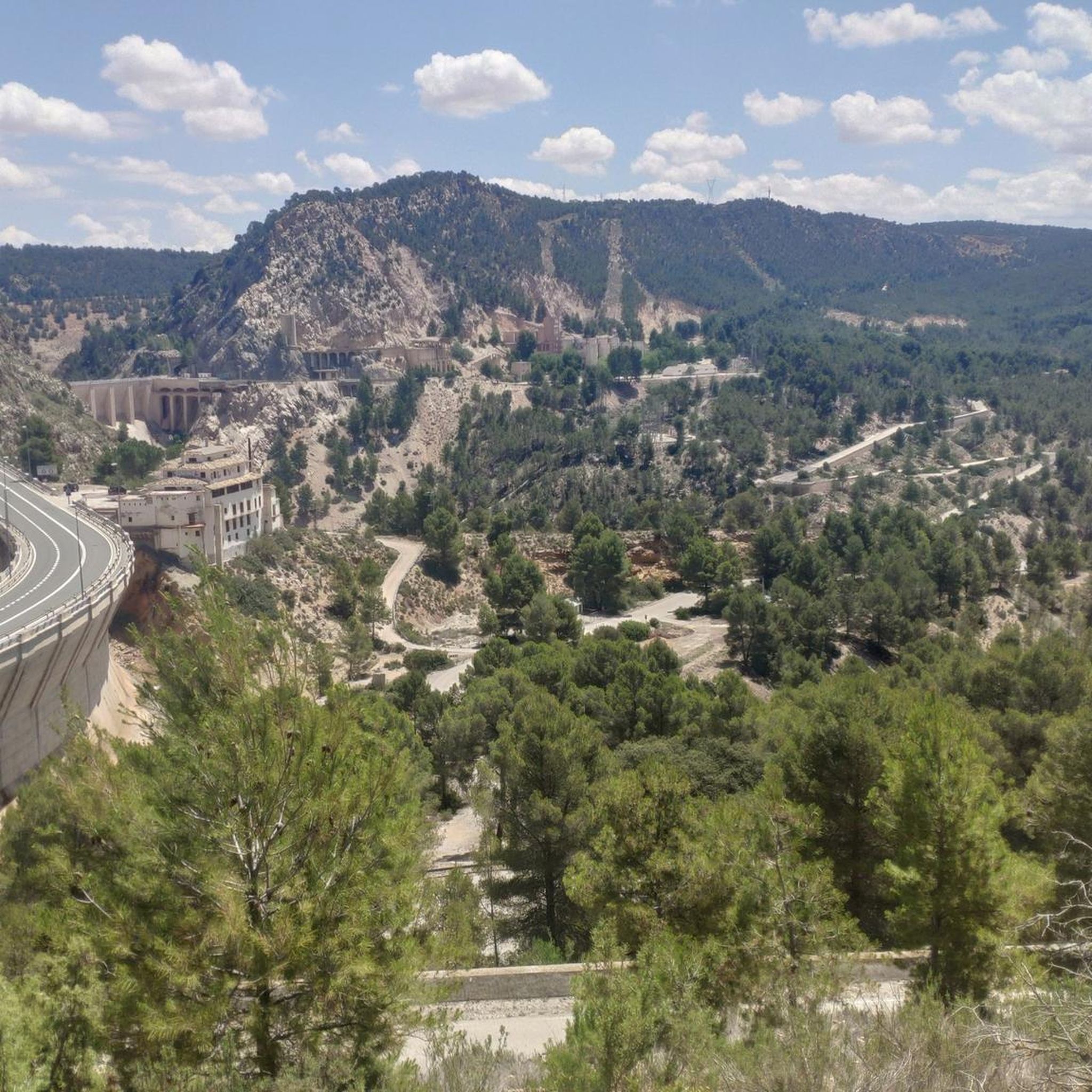
It was built in 1972 at the confluence of the Cabriel and Guadazaón rivers. The dam height is 129 metres. Its purpose is, among other things, to supply water to the city of Valencia. The Contreras Bridge was built between 1845 and 1851 by the engineer Lucio del Valle. To descend the ravine, he had to build a zigzag road that formed the port of Contreras.
2
0

Until 2016, it held the record for the bridge with the longest concrete arch span in Spain and stands out for its slenderness and visual beauty. Now, the largest is the Alcántara reservoir viaduct, built in 2019 for the Madrid-Extremadura High Speed line.
2
0

Dam bridge. Spectacular views
3
0

Trenches that date back to the beginning of the 19th century (1808-1814) and that were used by the Spanish troops for defense during the War of Independence.
1
1
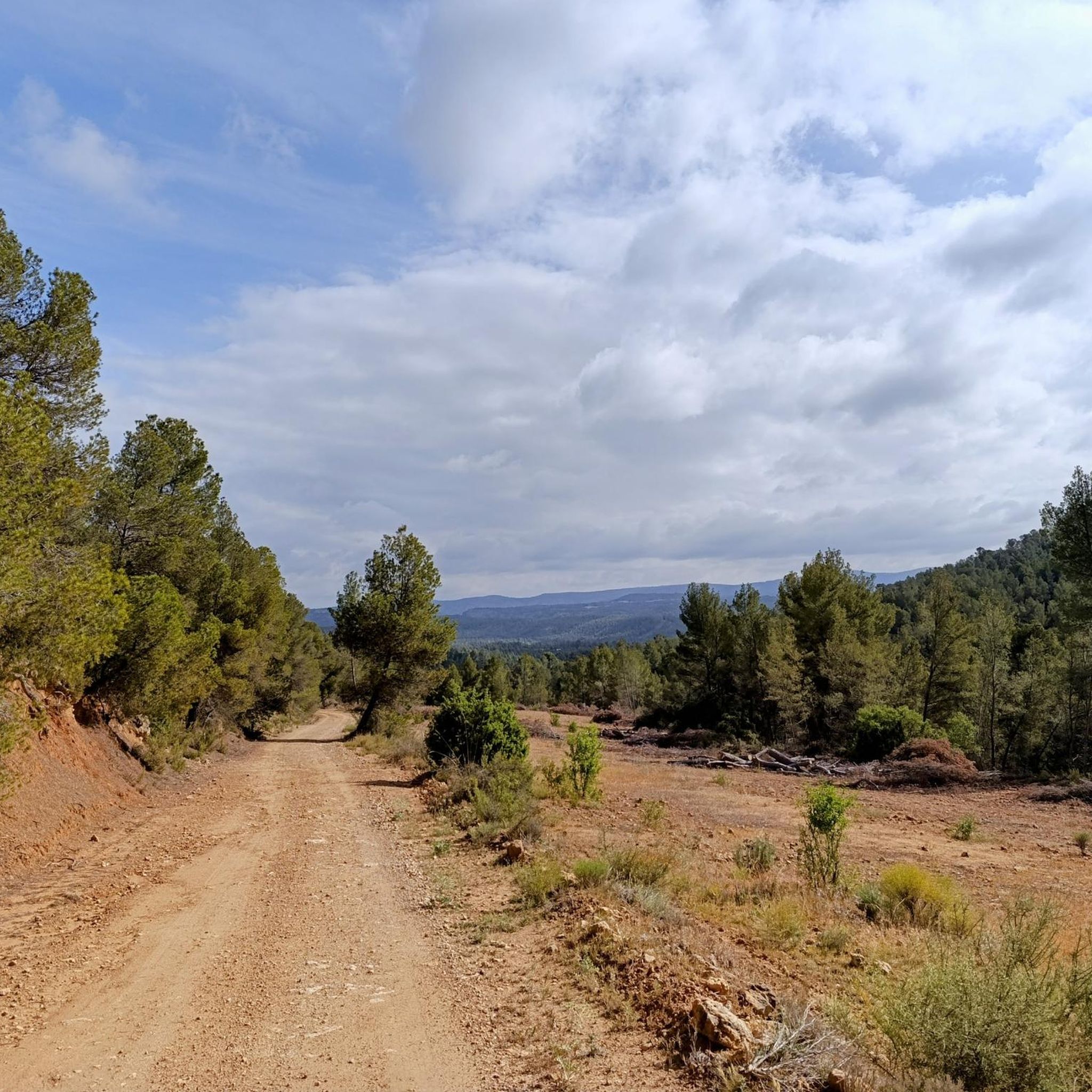
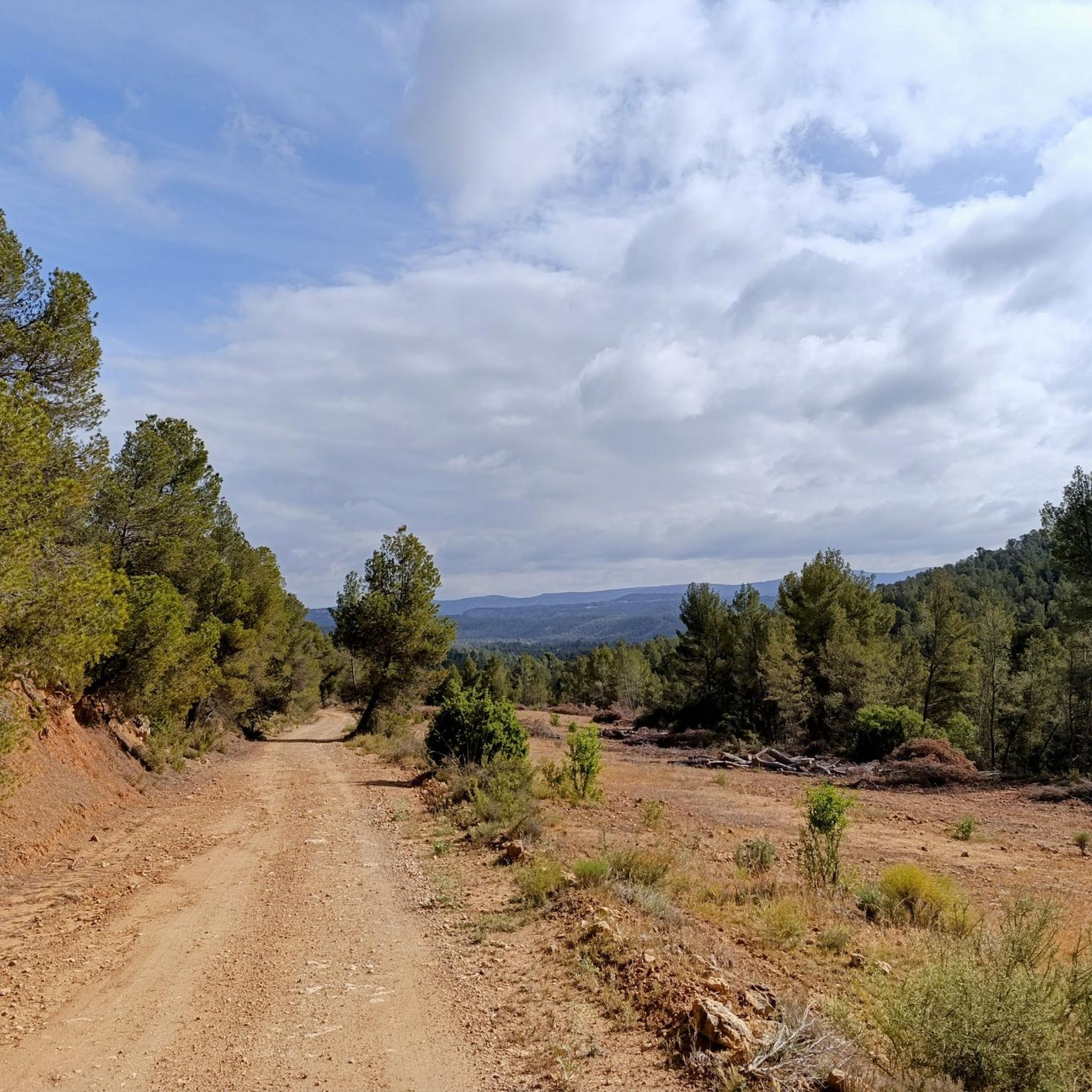
With its more than 121 km of route, the Turia – Cabriel Nature Trail manages to unite two of the most important rivers in the province of Valencia: the Turia and the Cabriel. This itinerary is protected by two natural parks: the Turia Natural Park and the Hoces del Cabriel Natural Park. This particular section begins (or ends) at the Vadocañas bridge over the Cabriel River. It is a gravel road in excellent condition with gentle slopes and surrounded by vegetation. Ideal for cycling or touring it by mtb or gravel bike.
3
0
Bridge built in the 19th century under the reign of Elizabeth II. Also known as the "centipede" since it was originally intended as a suspension bridge but due to the change in typology it ended up having innumerable columns that gave it this nickname. Later it was rebuilt in its current form with 7 concrete arches.
4
0
Frequently Asked Questions
What natural attractions can I explore around La Pesquera, Cuenca?
The region offers several natural highlights. You can visit the Contreras Reservoir, known for its open landscape and tranquil surroundings on the Cabriel River. The Peña Azul Viewpoint provides expansive views of the valley and the Hoces del Cabriel Natural Park. Additionally, the Contreras Bridge - Cabriel River offers spectacular views of the dam and the confluence of the Cabriel and Guadazaón rivers.
Are there historical sites to visit in La Pesquera, Cuenca?
Yes, La Pesquera has a rich historical heritage. You can explore the Peñas Blancas Path Trench and the Contreras Trench, both dating from the early 19th century and used by Spanish troops during the War of Independence. The village itself features the 17th-18th century Church of the Purificación de María and the Casa Palacio or Venta del Pesquete, an old coaching inn.
What kind of walking or cycling trails are available near La Pesquera?
The Turia-Cabriel Nature Trail (section) is a well-maintained gravel road suitable for cycling or mountain biking, connecting the Turia and Cabriel rivers and passing through natural parks. For more options, you can find various routes for cycling, MTB, and road cycling around La Pesquera, including loops around the Contreras Dam and through scenic viewpoints.
Are there family-friendly attractions or activities in the area?
Many of the natural trails and viewpoints, such as the Turia-Cabriel Nature Trail (section) and Peña Azul Viewpoint, are considered family-friendly due to their accessible nature and scenic beauty. The tranquil surroundings of the Contreras Reservoir also offer a pleasant environment for families to enjoy the outdoors.
What is the best time of year to visit La Pesquera for outdoor activities?
While specific data for La Pesquera is not available, regions in Cuenca, Spain, generally offer pleasant weather for outdoor activities during spring (April to June) and autumn (September to October). These seasons typically provide milder temperatures, ideal for exploring trails and historical sites without the intense heat of summer or the colder temperatures of winter.
Can I find wild swimming spots near La Pesquera?
The Contreras Reservoir, fed by the Cabriel River, is a significant natural feature in the area. While not explicitly designated as wild swimming spots, large reservoirs and rivers in Spain often have areas suitable for swimming. It's advisable to check local regulations and safety information for specific access points and conditions.
What are some hidden gems or lesser-known spots in the La Pesquera region?
Beyond the main highlights, the Rambla Salá is a unique site where you can discover saltwater springs and remnants of ancient mines, offering a blend of natural beauty and historical curiosity related to traditional salt exploitation. Exploring the ancient routes and paths with 'pies pintaos' (small footprints engraved in rock) also provides a glimpse into the region's cultural landscape.
What do visitors enjoy most about the attractions around La Pesquera?
Visitors frequently appreciate the blend of historical significance and natural beauty. The trenches offer a tangible connection to Spanish history, while the viewpoints provide stunning vistas of the Hoces del Cabriel Natural Park. The well-maintained trails, like the Turia-Cabriel Nature Trail, are popular for their accessibility and opportunities for outdoor recreation amidst beautiful scenery.
Are there any specific architectural landmarks in La Pesquera village?
Within La Pesquera village, the 17th- and 18th-century Church of the Purificación de María stands out with its distinctive facade and interior coffered ceiling. The Casa Palacio or Venta del Pesquete, also from the 17th-18th century, is another notable architectural landmark, featuring coats of arms and traditional details, reflecting its past as a coaching inn.
How long should I plan for a visit to the attractions in La Pesquera?
To fully appreciate the historical sites and natural landscapes, a full day or a weekend trip is recommended. This allows time to explore the trenches, enjoy the views from the viewpoints, and perhaps undertake a section of the Turia-Cabriel Nature Trail or one of the nearby cycling routes. If you wish to delve deeper into the local history and natural areas, a longer stay would be beneficial.
Is La Pesquera in Cuenca the only place with this name?
No, 'La Pesquera' refers to several distinct locations. This guide focuses specifically on La Pesquera, a municipality in Cuenca, Spain. Other notable locations include Espacio Natural de 'La Pesquera' in Beceite, Spain, known for its natural pools, and fishing villages named Villa Pesquera in Puerto Rico, such as in Mayagüez and Ponce. When planning a visit, it's important to specify the location to ensure accurate information.
Most popular attractions around La Pesquera

Get inspired with the komoot mobile app


Explore more
Still not found the Highlight you’re looking for? See guides of the top attractions in other regions:
