The 8 Most Amazing Peaks around Arenys De Munt
Best mountain peaks around Arenys De Munt are found within the Parc del Montnegre i el Corredor, a natural area characterized by its mountainous terrain shaped by ancient, eroded granites. This results in rounded, low-rise forms and extensive forests of holm oaks, cork oaks, and pines. The region offers diverse hiking options and preserves archaeological heritage, including Neolithic dolmens and Iberian remains.
Best mountain peaks around Arenys De Munt
- The most popular mountain peaks is Corredor Sanctuary, a religious…
Last updated: October 17, 2026
La Torrassa del Moro
Highlight • Monument
Translated by Google •
Tip by

Montalt
Highlight • Summit
Montalt is a mountain that belongs to the Catalan coastal range, within the Corredor mountain range and the …
Translated by Google •
Tip by

Sign up now to discover places like this
Get recommendations on the best single tracks, peaks, & plenty of other exciting outdoor places.
Fire Watchtower on Turó Gros
Highlight • Monument
The watchtower raises you about 20 meters higher and from the top you have views of 4 bands:
Translated by Google •
Tip by

Ascent to Turó de l'Home from Sant Celoni
Highlight (Segment) • Climb
Translated by Google •
Tip by

Montpalau Castle
Highlight • Castle
Translated by Google •
Tip by

Sign up for free to discover even more peaks around Arenys De Munt.
Already have an account?
Start today with a free account
Your next adventure awaits.

Tips from the Community

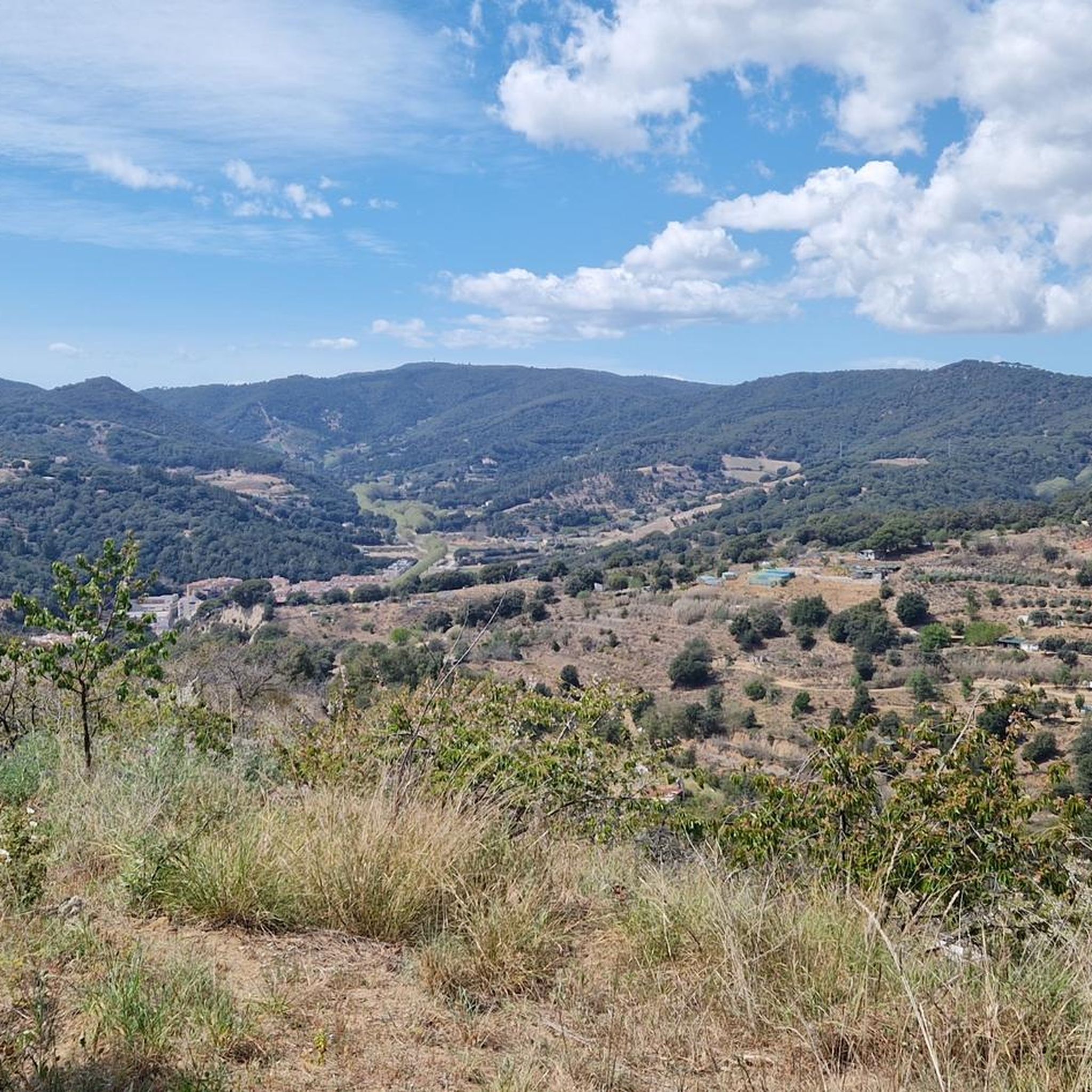
They didn't exactly come up here to cool off. Montpalau controlled a large part of the Alt Maresme and for centuries it was the territory of the powerful Cabrera. In 1485 the remensas peasants rebelled and ended up burning the notarial archive of Montpalau. But the most beastly thing is underneath: before the castle, there was already an Iberian and Roman settlement here, and remains of pottery over 2,000 years old still appear. Signs of clandestine treasure hunters trying to take pieces have even been detected. Today only four walls remain, but when you reach the top, you perfectly understand why they built the castle here: this hill controlled everything. And under your wheels, there is still buried history.
0
0
Long before the current metal structure, this spot was already being used in the 19th century as a signal post, where forest rangers gave visual warnings from a wooden platform. It wasn't chosen solely for its height, but also because it's a place where the wind changes abruptly, which helps detect smoke from a great distance. In the 1970s, a rotating fiberglass cabin for continuous surveillance was tested there, but it was discarded because the wind moved it too much. An unassuming spot, but with a hidden history behind its forestry function.
1
0

Quite a quiet place to visit by bike or on foot. In my case I went up from Pineda de Mar passing through Hortsavinya. At the top of Turó Gros there is a watchtower with views of the entire area, if you go up on a cloudless day, it is more than worth going. The tower is abandoned and without a padlock. Quite a recommendable place! I will surely go up there again.
2
0

beautiful ruin with a breathtaking view
0
0

There are four slopes to climb Turó de l'Home. They all share the last 6 km, once you take the detour that takes you to the highest point of the Montseny massif. The slope marked in this section is the toughest (the one that starts in Sant Celoni and passes through Mosqueroles), with almost 25 km and 1,400 m of elevation gain. It is a very challenging pass that rivals the great Alpine passes. The second slope begins at a bridge over the Tordera River, past the villages of Santa Maria de Palautordera and Sant Esteve de Palautordera. This second slope joins the first in the village of Costa del Montseny, from where it is almost 15 km to the summit of Turó de l'Home. The third slope starts in Sant Celoni (like the first) and passes through the village of Campins. At Santa Fe del Montseny, take a detour to the left to Coll de Santa Helena, from where there is only a 1 km descent to the final detour to Turó de l'Home. The fourth slope starts in the province of Girona, specifically from Viladrau, crossing Coll de Gomarra, Coll de Bordiol, Sant Marçal, Santa Fe del Montseny, Coll de Santa Helena, and Turó de l'Home. This is undoubtedly the easiest slope, although its initial section has 2 km of 10% gradients. It is a completely different slope from the previous ones.
0
0

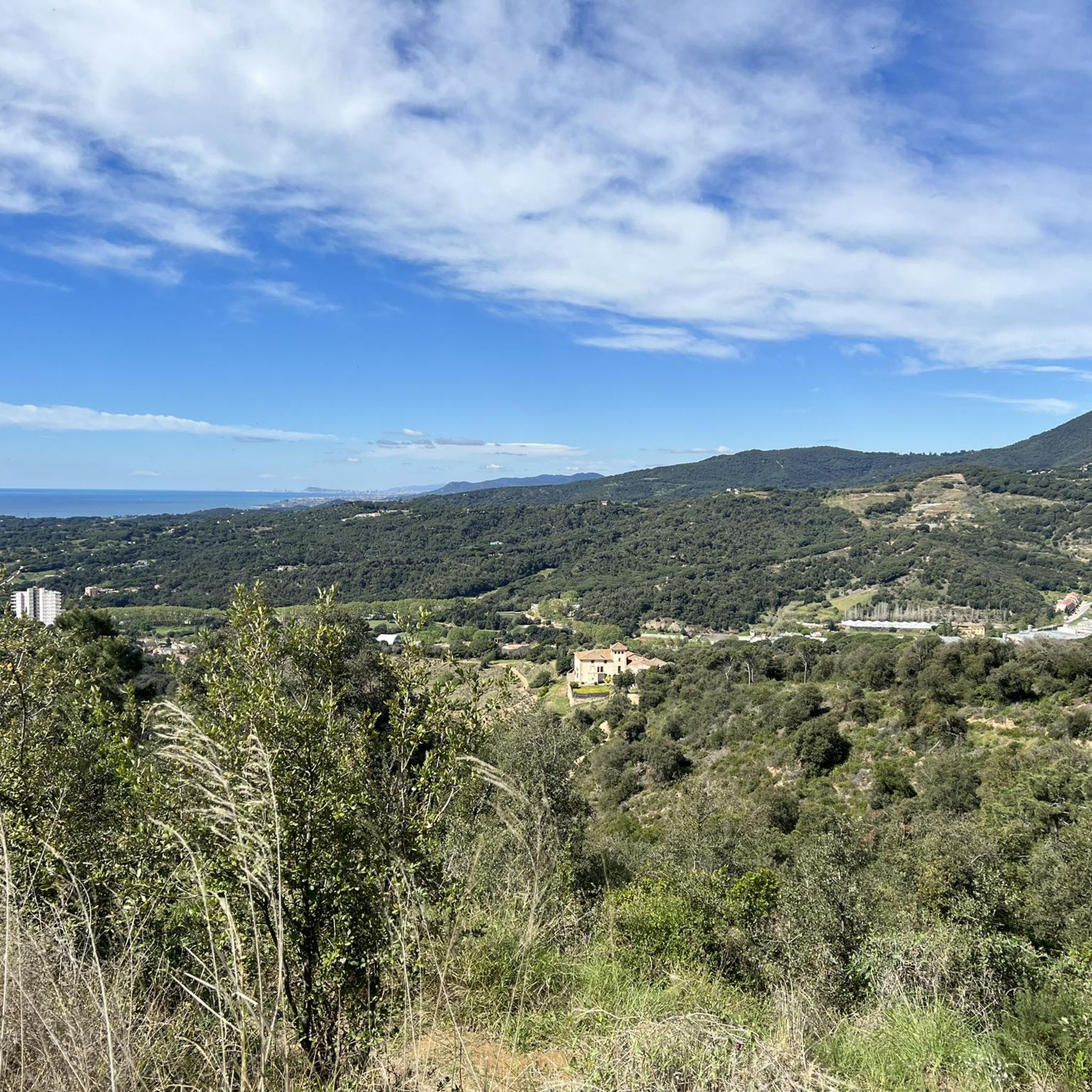
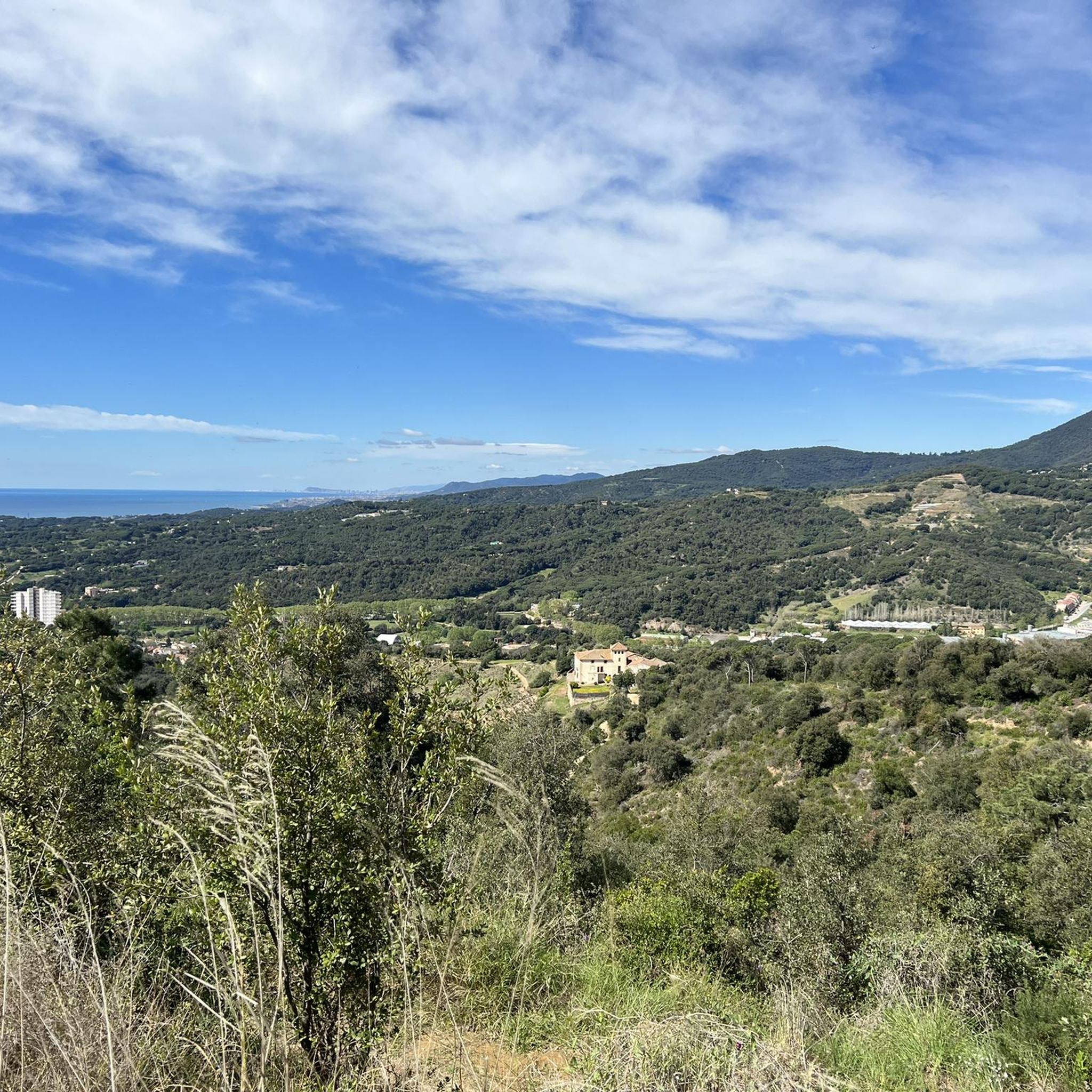
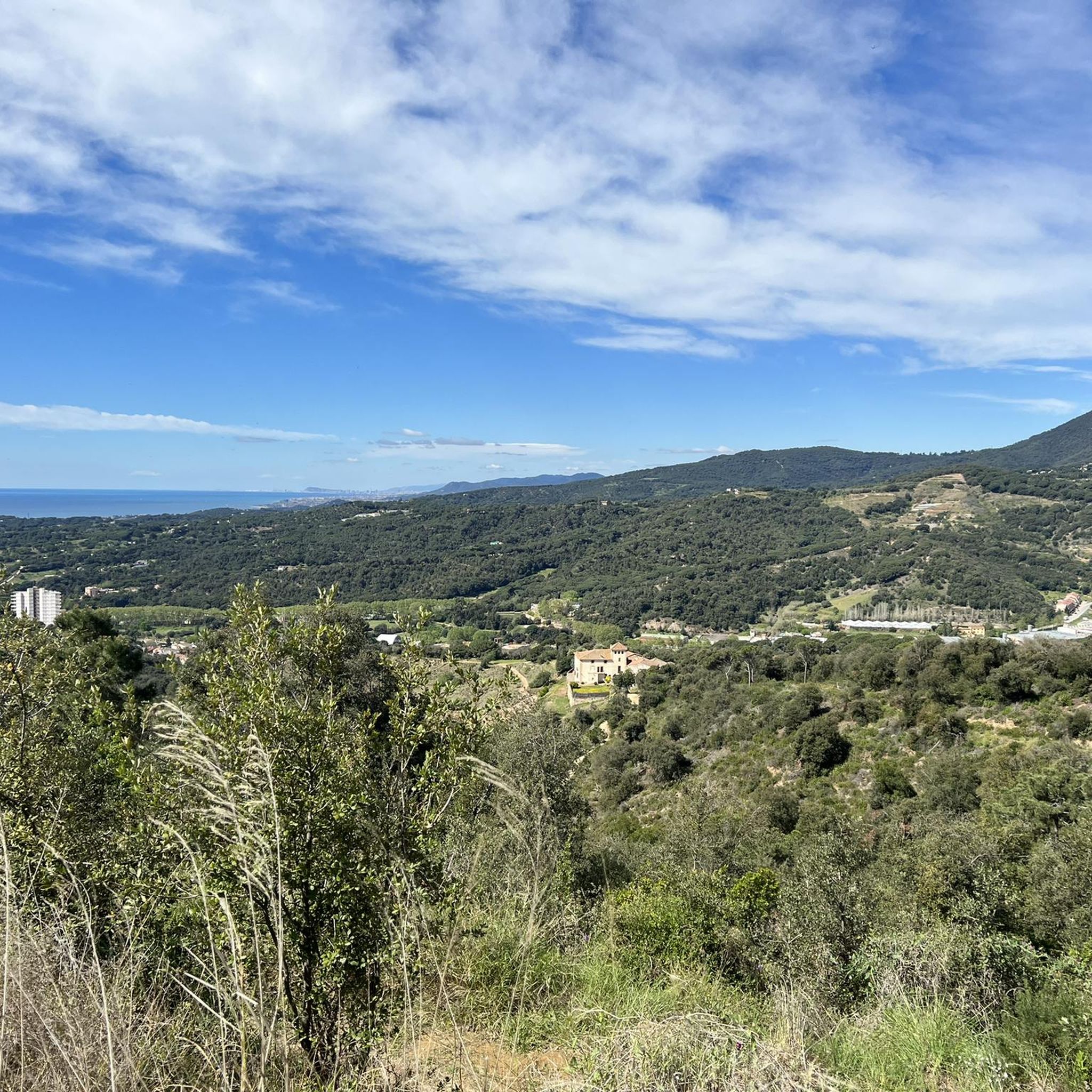
The Gros hill is not the highest of the mountain range, but it is close (764). The watchtower raises you about 20 meters higher and from the top you have views of 4 bands: 1> On the coast and sea of La Selva and Maresma, 2> In Barcelonès (Collserola can be seen on the horizon), Bages and Vallès (Montserrat), 3> In the Gironès (you can distinguish the Rocacorba with the antennas) and 4> In the massif of Montseny and the castle of Montsoriu. Getting here requires a lot of effort, but it's worth it! HIGHLY RECOMMENDED!
5
0

Good views of Montseny. Good mountain bike descents.
1
0

Peaceful place, for a good lunch and to visit the emblematic Torrassa.
1
0
Frequently Asked Questions
What are the most notable mountain peaks and landmarks in the Arenys de Munt area?
The region around Arenys de Munt, within the Parc del Montnegre i el Corredor, features several significant peaks and historical sites. Among them are Montalt (595 m), known for its coastal views, and Turó d'en Vives (760-766 m), the highest point of the Montnegre Massif. While not a peak, the Corredor Sanctuary is a prominent 16th-century hermitage located near the summit of the Serra del Corredor, offering cultural and historical interest.
What kind of views can I expect from the mountain peaks near Arenys de Munt?
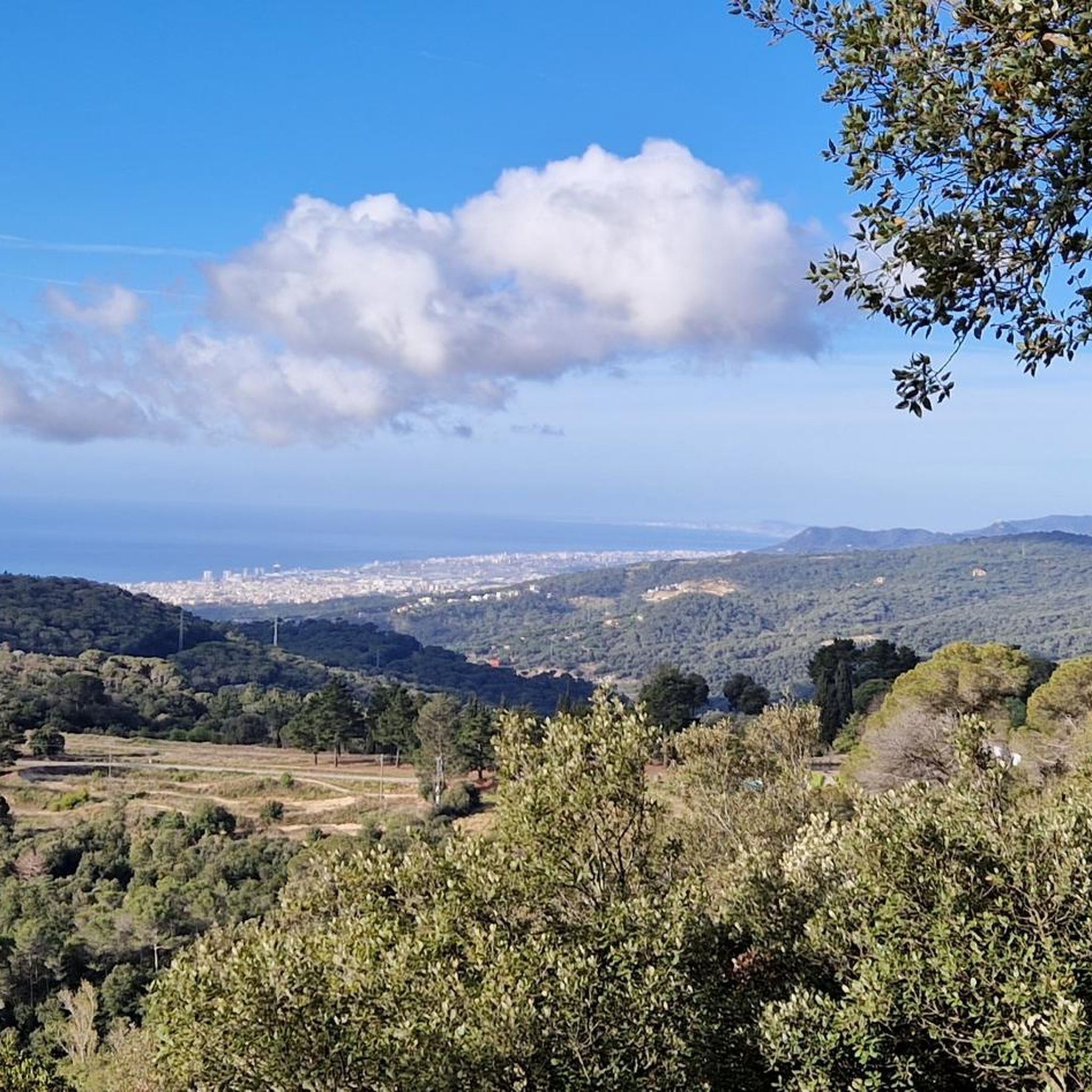
From Montalt, you can enjoy expansive views of the central Maresme coast, stretching from Mataró to Calella, with the Mediterranean Sea as a stunning backdrop. The Fire Watchtower on Turó Gros also offers panoramic views of the La Selva and Maresma coast, Barcelonès, Bages, Vallès, Gironès, and the Montseny massif. However, the summit of Turó d'en Vives is surrounded by dense vegetation, limiting panoramic views.
Are there any historical sites or cultural landmarks on these mountain peaks?
Yes, the area is rich in history. The Corredor Sanctuary is a 16th-century hermitage that serves as a significant cultural and historical attraction and an annual pilgrimage site. Additionally, La Torrassa del Moro is a cylindrical tower of Roman origin, later transformed into a medieval watchtower, offering a glimpse into the region's past. The Fire Watchtower on Turó Gros also has a history as a signal post dating back to the 19th century.
What are the typical terrain characteristics of the mountains in Parc del Montnegre i el Corredor?
The Parc del Montnegre i el Corredor is characterized by mountainous terrain shaped by ancient, eroded granites, resulting in rounded, low-rise forms. The landscape features extensive forests of holm oaks, cork oaks, and pines, providing a lush environment. Trails can vary, with some sections, like the final ascent to Montalt from Coll de la Ferradura, being narrow and steep.
What outdoor activities can I do near the mountain peaks around Arenys de Munt?
The area offers a wide array of outdoor activities, primarily hiking and cycling. You can find numerous routes for touring bicycles, road cycling, and mountain biking. For example, popular cycling routes include the 'Corredor Sanctuary – Santuario del Corredor loop' and the 'Rupit Cross – Ice Well of Canyamars loop' for MTB. You can explore more options in the Cycling around Arenys De Munt, Road Cycling Routes around Arenys De Munt, and MTB Trails around Arenys De Munt guides.
Are there family-friendly options for exploring the mountain peaks?
Yes, the Corredor Sanctuary is listed as family-friendly, offering a quiet and pleasant setting with facilities like a restaurant and WC. The natural park itself provides a variety of hiking options suitable for different fitness levels, making it possible to find trails appropriate for families.
What is the highest point in the Maresme region?
The highest point in the Maresme region is Turó d'en Vives, which reaches an elevation of 760-766 meters. It is located within the Montnegre Massif.
Can I find food and facilities near the mountain peaks?
Yes, the Corredor Sanctuary features a restaurant with a grill serving typical Catalan food, open on weekends and holidays, with both indoor and terrace seating. It also has parking and WC facilities. La Torrassa del Moro also offers bar service, sandwiches, and barbecue on Saturdays, Sundays, and public holidays.
What is the best time to visit the mountain peaks around Arenys de Munt?
The Parc del Montnegre i el Corredor offers a pleasant environment throughout much of the year due to its extensive forests. Spring and autumn are generally ideal for hiking, with milder temperatures and lush scenery. Summer can be warm, but the forested trails provide shade. Always check local weather conditions before planning your visit.
Are there challenging mountain climbs in the area?
For those seeking a challenge, the Ascent to Turó de l'Home from Sant Celoni is a very demanding route. It involves almost 25 km and 1,400 m of elevation gain, making it a challenging pass that rivals some great Alpine climbs. It is an HC (Hors Catégorie) port with 1500m of positive gradient.
What unique natural features can be found in the Parc del Montnegre i el Corredor?
The park is a valuable natural space with a diverse ecosystem. It features extensive forests of holm oaks, cork oaks, and pines, and is home to varied flora and fauna, including Central European and Atlantic species. The mountainous terrain itself, shaped by ancient, eroded granites, creates unique rounded, low-rise forms.
What do visitors appreciate most about the mountain peaks around Arenys de Munt?
Visitors frequently praise the spectacular natural setting, the quiet and pleasant atmosphere, and the diverse hiking opportunities. The historical and cultural significance of sites like the Corredor Sanctuary and the panoramic views from peaks like Montalt are also highly valued. The area is appreciated for its blend of natural beauty, history, and outdoor activities, as evidenced by the 181 upvotes and 113 photos shared by the komoot community.
Most popular routes around Arenys De Munt
Most popular attractions around Arenys De Munt

Get inspired with the komoot mobile app


Explore more
See even more amazing summits around Arenys De Munt with these guides:
