The best MTB trails around Puente Del Congosto
5.0
(1)
34
riders
18
rides
Mountain bike trails around Puente Del Congosto are characterized by diverse natural landscapes, including the Tormes River and its sculpted gorges, and proximity to the Sierra de Gredos. The terrain offers a mix of tracks and trails, with sections following old stone-walled paths and offering views of the river. This region in the province of Salamanca provides varied riding experiences, from river valleys to mountain backdrops.
Best mountain bike trails around Puente Del Congosto
- The most popular mountain bike trail…
Last updated: June 29, 2026
1
riders
27.9km
02:33
500m
500m
Moderate mountain bike ride. Good fitness required. Suitable for all skill levels.
5.0
(1)
6
riders
48.6km
03:50
790m
790m
Moderate mountain bike ride. Good fitness required. Suitable for all skill levels.

Sign up for free
3
riders
39.5km
03:28
590m
590m
Moderate mountain bike ride. Good fitness required. Suitable for all skill levels.
2
riders
45.9km
03:50
490m
490m
Moderate mountain bike ride. Good fitness required. Suitable for all skill levels.
3
riders
74.4km
06:13
940m
940m
Hard mountain bike ride. Very good fitness required. Advanced riding skills necessary.
Get access to more routes and recommendations from other explorers.
Sign up for free
Already have an account?
Our route recommendations are based on thousands of hikes, rides, and runs completed by other people on komoot.
Start today with a free account
Your next adventure awaits.
Login or Signup
Popular around Puente Del Congosto

Tips from the Community

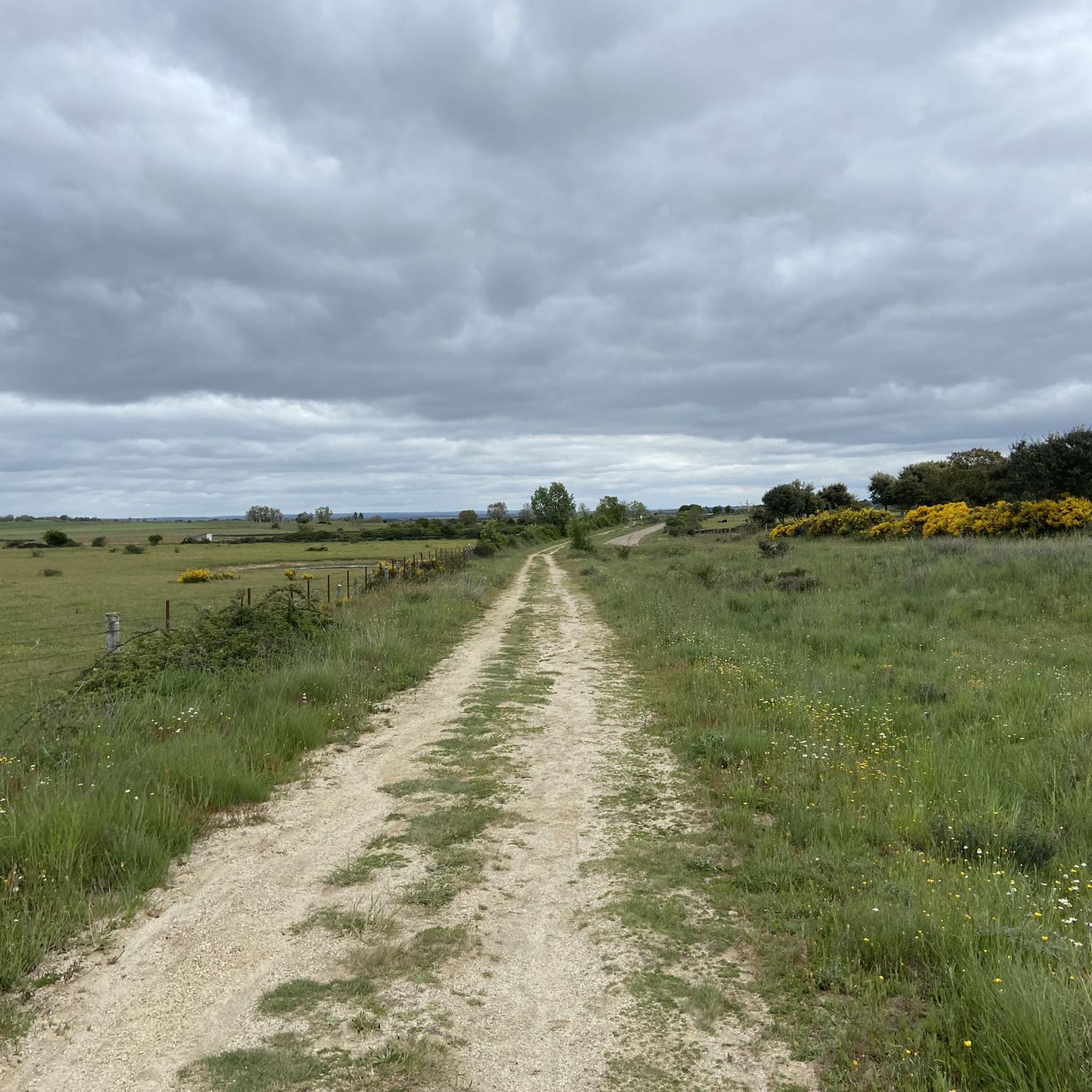
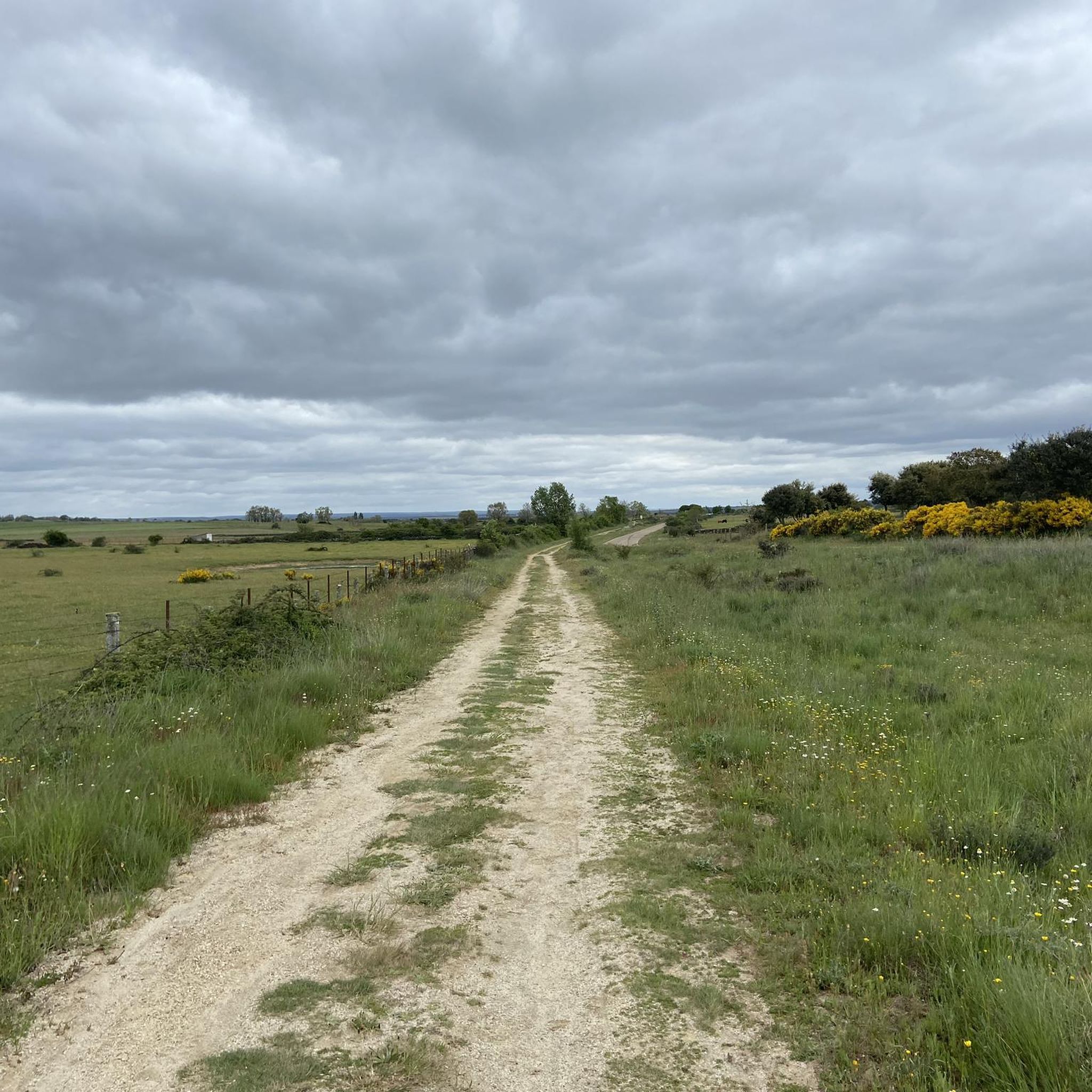
Between Puente del Congosto and Guijo de Ávila, the Cañada Real Soriana Occidental runs very close to the Tormes River, which makes the journey much more pleasant.
0
0
Also known as the Dávila Castle, it is one of the most important constructions found along the route of the Cañada Real Soriana Occidental. The Castle cannot be understood without the medieval bridge over the river Tormes. Together, they functioned as a control point for the passage of people and goods. According to documentation, Queen Isabella I and Emperor Charles V stayed overnight in the fortress.
0
0

The Old Bridge of El Barco de Ávila, also known as the Medieval Bridge, is one of the most representative symbols of this town in Ávila. It crosses the Tormes River and connects the historic center with the old communication route to Castile and León. Although its current structure is medieval (12th–13th centuries), it is believed to have been built on Roman foundations.
1
0
The Old Bridge of El Barco de Ávila, also known as the Medieval Bridge, is one of the most representative symbols of this town in Ávila. It crosses the Tormes River and connects the historic center with the old communication route to Castile and León. Although its current structure is medieval (12th–13th centuries), it is believed to have been built on Roman foundations.
2
0
Valdecorneja Castle, located in El Barco de Ávila, is a medieval gem that dominates the Tormes River valley from a strategic, elevated position. It is one of the most emblematic monuments in the province of Ávila and a must-see for history and architecture lovers.
2
0
Visiting El Barco de Ávila is an excellent option for a cultural and natural getaway at any time of year. This medieval town, located in the Alto Tormes region and at the gateway to the Sierra de Gredos, combines history, architecture, landscapes, and gastronomy in a charming way.
2
0

Built on a Vettonian fort that was destroyed by the Romans, it was built in the 12th century and rebuilt in the 14th century. After being conquered from the Arabs, King Alfonso VI donated the Lordship of Valdecorneja to his daughter and son-in-law, Ramon de Borgoña, for repopulation. At the beginning of the 14th century, Henry II of Trastamara donated these lands to the House of Alba in the person of Don García Álvarez de Toledo. The House of Alba was responsible for building the castle. Grand Duke Don Fernando Álvarez de Toledo had his second residence here. During the Peninsular War, it suffered significant deterioration, not only due to the war itself but also because its stones were used to build private homes. The old interior arcade (which apparently formed a double gallery on the inside of the tower) was dismantled and rebuilt to provide arcades for the town hall building, located in the Plaza Mayor. Between 1851 and 1904, the interior of the castle grounds was used as a municipal cemetery, which further deteriorated its condition. Today, the exterior is in perfect condition after restorations carried out in 1985 and 2004, preserving its original perimeter. The pavement and part of the keep were repaired. Access to the monument is free, and visitors can see the well located in the center of the courtyard, a vaulted cistern excavated in the subsoil rock, and the ancient windows and oriel windows with double pointed arches. The courtyard is used for certain cultural events held in this town.
1
0
The Church of Our Lady of the Assumption was built in the 14th century on the site of the old fortress and rebuilt in the 16th century. Of considerable size, its polygonal sanctuary and transept stand out, towering above the rest of the church and displaying magnificent ashlar masonry and stepped prismatic buttresses. The apse and the central section of the transept are covered with star-shaped ribbed vaults. They are the work of Lucas Giraldo and Juan Gutiérrez, two of the finest architects of the 16th century. The body of the church, with three naves formed by wide semicircular arches rising from octagonal pillars, resembles a large hall. It is entered through two doorways with pointed and splayed arches on pilasters, sheltered by simple alfices. The very simple, rectangular tower features ashlar masonry in the lower section, granite ashlar in the upper section, and balls in the cornice. Inside, the main altarpiece, dating from the early 18th century, is Churrigueresque in the main section and Rococo in the shell to match the shape of the apse vault, the sacristy altarpiece, and other altarpieces distributed throughout the naves of the church.
1
0
Frequently Asked Questions
How many mountain bike trails are available around Puente Del Congosto?
There are over 15 mountain bike trails around Puente Del Congosto listed on komoot, offering a range of experiences from easy rides to more challenging routes. In total, the region boasts over 1500 km of marked MTB routes across more than 50 cycle paths.
What is the best time of year for mountain biking in Puente Del Congosto?
The best time to enjoy mountain biking in Puente Del Congosto is during spring and summer. The weather is generally favorable, allowing for comfortable rides through the diverse landscapes.
Are there any easy mountain bike trails suitable for beginners?
Yes, among the 19 routes available, there are 3 easy mountain bike trails around Puente Del Congosto. These routes are perfect for those new to mountain biking or looking for a more relaxed ride.
What kind of terrain can I expect on the mountain bike trails?
You can expect a varied terrain, including a mix of tracks and trails. Many routes follow old stone-walled paths, sections of the Cañada Real Soriana Occidental, and offer scenic views of the Tormes River. The region's high ciclablity (99.9%) ensures a smooth ride for most of the trails.
Are there any circular mountain bike routes in the area?
Yes, several routes are designed as loops. For example, the Tormes Bridge – El Barco de Ávila loop from El Tejado is a moderate 48.6 km route, and the Ponseca Bridge – Puente del Congosto loop from La Horcajada covers 39.5 km through the Tormes River valley.
What landmarks or attractions can I see along the mountain bike trails?
The trails often pass by significant historical and natural landmarks. You might encounter the impressive Ponseca Bridge, the historic town of Puente del Congosto with its fortified bridge and 14th-century Castillo de los Dávila, or even the ruins of El Mirón Castle. The Tormes River itself, with its sculpted gorges, is a prominent natural feature.
Are there any challenging mountain bike routes for experienced riders?
Yes, for experienced riders seeking a challenge, there is at least 1 difficult mountain bike trail available. The Castle of El Barco de Ávila – Valdecorneja Castle loop from Villar de Corneja is a demanding 74.6 km route with significant elevation changes, ideal for those looking for a longer, more strenuous ride.
What do other mountain bikers say about the trails in Puente Del Congosto?
The mountain bike trails in Puente Del Congosto are highly regarded by the komoot community, with an average rating of 5.0 stars. Riders often praise the diverse natural landscapes, the scenic views of the Tormes River, and the variety of routes catering to different skill levels.
What type of bike is recommended for the trails in this region?
Given the mix of tracks and trails, and some sections with medium technical demands, a double suspension bike is often recommended, especially for trail/enduro enthusiasts, to comfortably navigate the varied terrain.
Are there opportunities to explore the Sierra de Gredos while mountain biking?
Yes, Puente Del Congosto's close proximity to the Sierra de Gredos mountain range means many trails offer stunning views and access to this renowned area. The Sierra de Gredos Regional Park, part of a UNESCO biosphere reserve, provides a dramatic backdrop and numerous trails for cycling enthusiasts.
Can I find routes that follow the Tormes River?
Absolutely. The Tormes River is a central feature of the region, and many mountain bike routes incorporate its scenic banks and gorges. For instance, the El Barco de Ávila – Tormes Bridge loop from La Horcajada offers extensive views and follows parts of the Tormes River.
Most popular attractions around Puente Del Congosto

Get inspired with the komoot mobile app


Explore more
Browse the best MTB trails in other regions.
