Attractions and Places To See around Morales De Toro - Top 20
Best attractions and places to see around Morales De Toro include historical landmarks, cultural sites, and natural features. This town, located in the province of Zamora, Castilla y León, is known for its deep-rooted winemaking tradition and connection to the Toro wine region. Visitors can explore ancient churches, a significant wine museum, and natural spots like El Caño alongside the Bajoz stream. Its strategic location near Toro further enhances its appeal for those interested in history and viticulture.
Best attractions and places to see around Morales De Toro
- The most popular attractions is Collegiate Church of Santa María la Mayor (Toro), a religious building that began construction in the 12th century. It is a characteristic example of Romanesque architecture in its transitional phase, featuring impressive works and artifacts.
- Another must-see spot is Clock Tower of Toro, a man-made monument. This tower, also known as the Clock Arch, was built starting in 1719 and is located above the old Market Gate, serving as a symbol of the city.
- Visitors also love Villalonso Castle, a 15th-century castle built on the site of an earlier fortification. This square-plan castle-palace with corner towers and crenellated walls is perched on the plains of Toro and can be seen for miles.
- Morales De Toro is known for its historical landmarks, cultural sites related to wine, and natural features. There is a variety of attractions to see and explore, from ancient churches to significant wine museums and scenic viewpoints.
- The attractions around Morales De Toro are appreciated by the komoot community, with 13 upvotes and 26 photos shared by visitors.
Last updated: October 15, 2026
Collegiate Church of Santa María la Mayor (Toro)
Highlight • Religious Site
Translated by Google •
Tip by

Plaza Mayor de Toro
Highlight • Settlement
Translated by Google •
Tip by
Sign up now to discover places like this
Get recommendations on the best single tracks, peaks, & plenty of other exciting outdoor places.
Clock Tower of Toro
Highlight • Monument
Translated by Google •
Tip by
Toro
Highlight • Settlement
Translated by Google •
Tip by

Alcázar de Toro
Highlight • Castle
It was built in the 10th century during the Christian repopulation, as part of the defensive system against Muslim incursions.
It was reinforced in subsequent centuries, especially in the Middle Ages, when Toro acquired strategic importance in the Kingdom of León and later in Castile.
It played a prominent role in the War of the Castilian Succession (1475), in the famous Battle of Toro between supporters of Isabella I of Castile and Joanna la Beltraneja.
Translated by Google •
Tip by
Sign up for free to discover even more attractions around Morales De Toro.
Already have an account?
Start today with a free account
Your next adventure awaits.


Tips from the Community

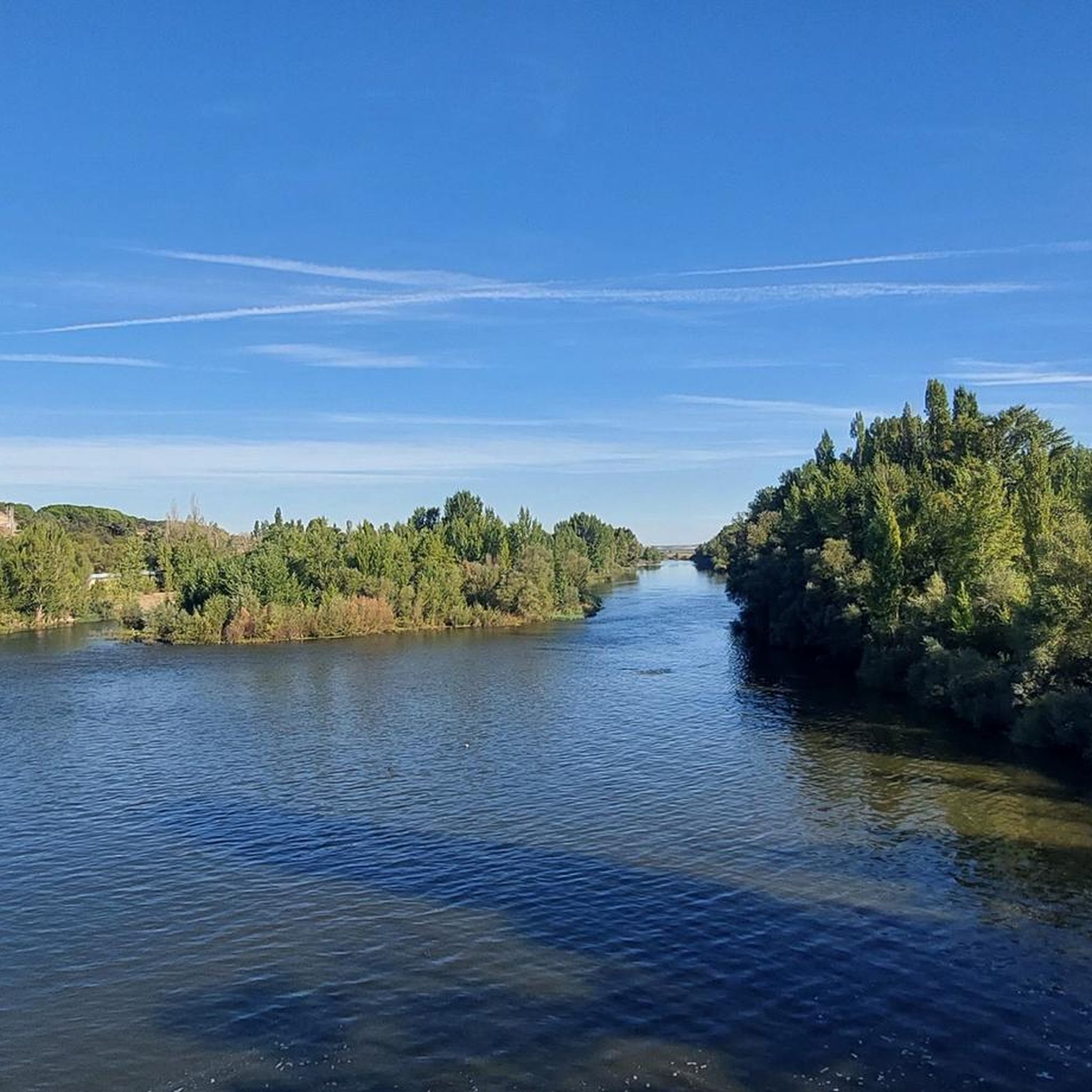
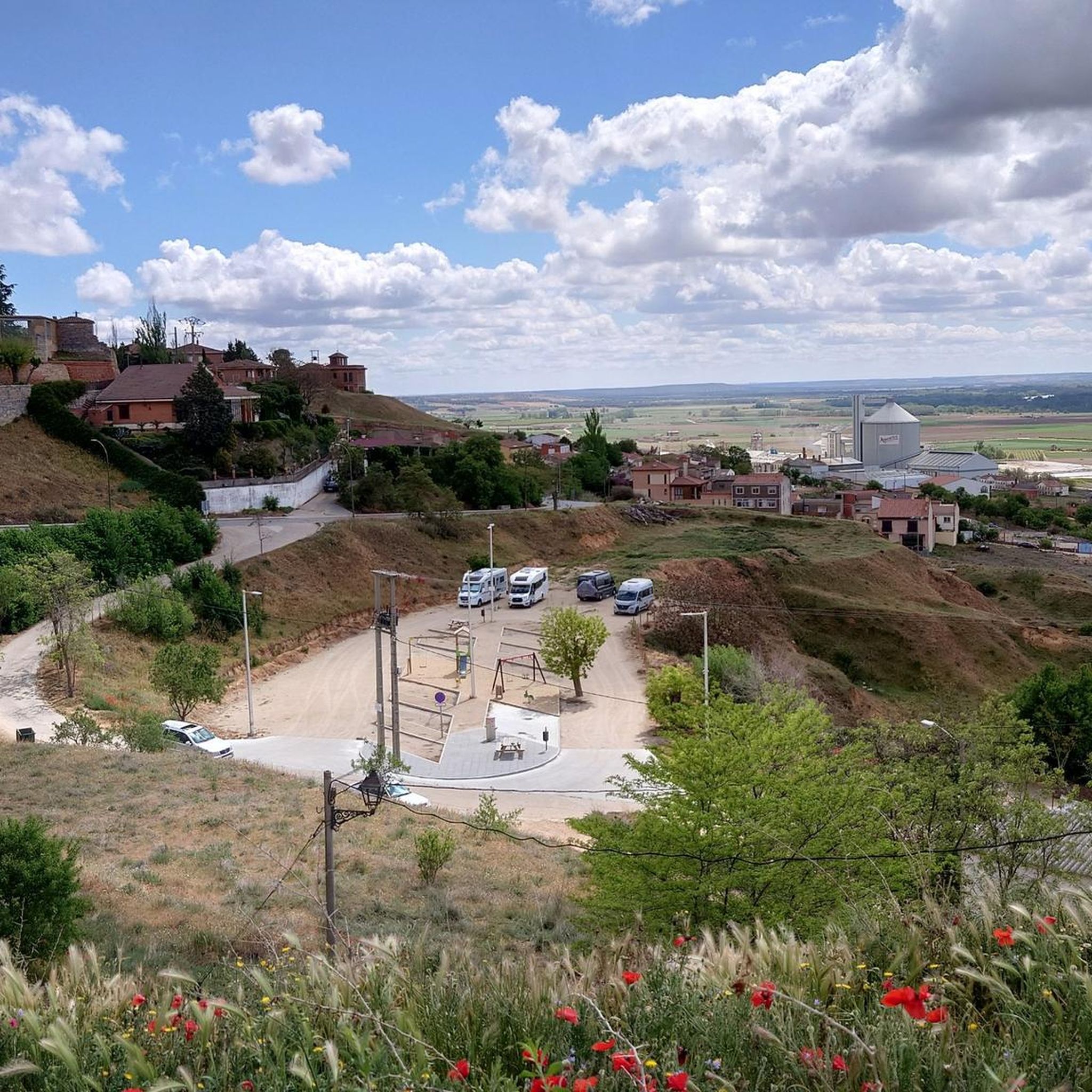
The Alcázar of Toro is a historic fortification located in the town of Toro (Zamora, Castile and León), with great heritage and scenic value. It was built in the 10th century during the Christian repopulation, as part of the defensive system against Muslim incursions. It was reinforced in subsequent centuries, especially in the Middle Ages, when Toro acquired strategic importance in the Kingdom of León and later in Castile. It played a prominent role in the War of the Castilian Succession (1475), in the famous Battle of Toro between supporters of Isabella I of Castile and Joanna la Beltraneja.
2
0
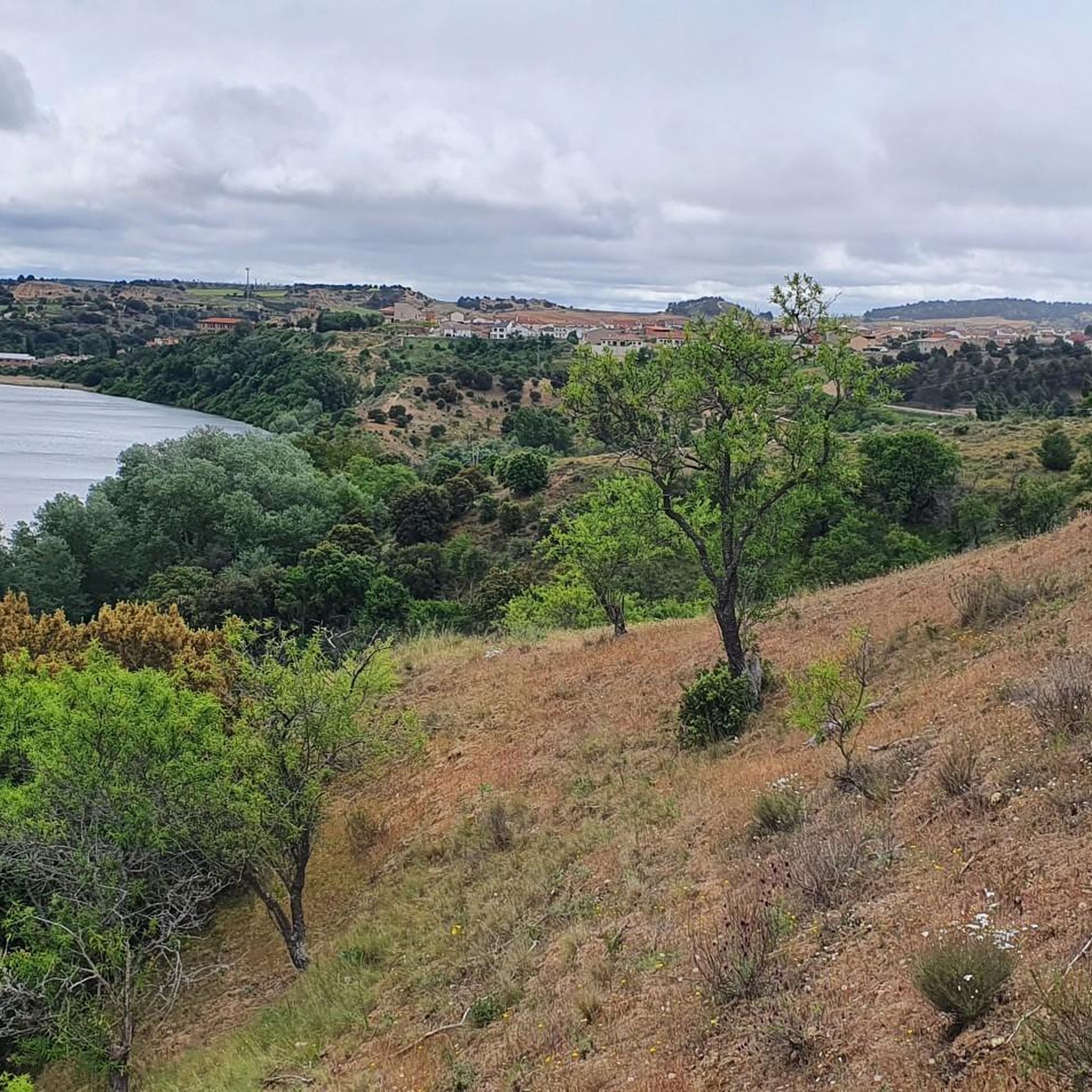
Toro is a municipality and Spanish city in the province of Zamora, in Castilla y León. It is located in the southeast of the province, in the heart of the Duero valley, about 33 km from the provincial capital. I hope you enjoy your visit to this charming city! 🌟
1
0
The inspiration for the Collegiate Church came from the Cathedral of Zamora, and its design also influenced other buildings, such as the Old Cathedral of Salamanca. Construction began in the 12th century under the auspices of the kings of León. It is one of the most characteristic examples of Romanesque in its transitional phase. The works extended over an unusually long period, from the last third of the 12th century to the middle of the 13th. The collegiate church was built in two stages: the first included the side portals, walls and layouts, while the second focused on the roof and a dome with attached towers. If you ever have the opportunity to visit Toro, don't miss the opportunity to explore this wonderful collegiate church. It is a true historical treasure! 🌟
3
1
The Clock Tower, also known as the Clock Arch, is located in the walled area of Toro, in the province of Zamora, Spain. Its construction began in 1719 during the reign of Philip V and was completed nineteen years later. The design is attributed to architect Joaquín Churriguera. The tower is located above the old Market Gate, which dates back to the 15th century and surrounded the first walled area of the city. Its height allows it to be seen from any point in Toro. If you ever visit Toro, don't miss the opportunity to admire this historic tower and its clock. It is a true symbol of the city! 🕰️🌟
2
0
The Plaza Mayor de Toro is located halfway between the Collegiate Church and the Clock Tower. It is a typical Castilian square, surrounded by three-story houses with arcades and balconies with wrought iron bars. The ground floor of these houses are usually occupied by bars and restaurants. If you ever have the opportunity to visit Toro, be sure to stop by the Plaza Mayor and enjoy its lively and welcoming atmosphere. Have a good trip! 🌟
3
0

The Plaza Mayor has one of the most important streets in Toro, the Puerta del Mercado. The city gate and clock tower are across the street.
0
0

One of the most important streets in Toro is the Puerta del Mercado, which runs from the old city gate and the 16th century clock tower to the Plaza Mayor. The clock tower is also the symbol of the city of Toro.
1
0

It is an authentic jewel of Romanesque-Gothic style from the 12th century. His impressive work can be appreciated especially in his four covers. The most outstanding is the representation of the Last Judgment. Without a doubt, it is worth visiting.
1
0
Frequently Asked Questions
What historical landmarks can I explore in Morales de Toro and its surroundings?
Morales de Toro and the nearby town of Toro are rich in history. You can visit the medieval Collegiate Church of Santa María la Mayor (Toro), a stunning example of Romanesque architecture. In Morales de Toro itself, explore the ancient Iglesia de San Juan Bautista and the Iglesia de San Salvador, known for its unique Mudejar-style ceiling. Don't miss the 18th-century Ayuntamiento building, which was once a grand residence.
Are there any castles or fortifications to visit near Morales de Toro?
Yes, the region boasts impressive fortifications. You can explore Villalonso Castle, a 15th-century castle-palace visible for miles across the plains. Another significant site is the Alcázar de Toro, a historic fortification with origins dating back to the 10th century, offering spectacular views over the Duero River.
What cultural experiences related to wine can I find in Morales de Toro?
Morales de Toro is deeply connected to its winemaking heritage. A must-visit is the Pagos del Rey Wine Museum, considered one of Spain's best wine museums, offering a journey through the history and culture of wine in the region. You can also visit several local wineries, as the town is a key part of the Denominación de Origen (DO) Toro wine region, known for its high-quality production.
What natural features or outdoor spots are there in Morales de Toro?
Morales de Toro offers a few serene natural spots. El Caño, located alongside the Bajoz stream, is a recognized part of the town's environmental heritage and a popular spot for gatherings. The town itself is situated on a plain traversed by the Bajoz River, providing a pleasant natural backdrop.
Are there family-friendly attractions around Morales de Toro?
Many historical sites are suitable for families. The Clock Tower of Toro, a prominent symbol of the city, is an interesting man-made monument for all ages. The town of Toro itself, with its historical charm and plateau setting, is also considered family-friendly for exploration.
What kind of outdoor activities can I do near Morales de Toro?
The area around Morales de Toro is great for outdoor enthusiasts. You can find various routes for hiking, running, and mountain biking. For hiking, explore options like the 'Camino de Levante: Toro Loop' or 'Alcázar de Toro – Toro loop'. For more details and routes, check out the Hiking around Morales De Toro guide.
Are there specific hiking trails I can explore near Morales de Toro?
Yes, there are several hiking trails available. Easy options include the 'Camino de Levante: Toro Loop' (4.3 km) and the 'Alcázar de Toro – Toro loop' (5.3 km). For a moderate challenge, consider the 'Iglesia de San Lorenzo el Real – Plaza Mayor de Toro loop' (7.7 km). You can find more routes and details in the Hiking around Morales De Toro guide.
What are some popular running trails in the area?
Runners can enjoy several trails near Morales de Toro. Moderate options include a 'Running loop from Toro' (8.3 km) or a 'Running loop from Pedrosa del Rey' (10.5 km). For a more challenging run, consider the 'Plaza Mayor de Toro loop from Toro' (16.1 km). Discover more routes in the Running Trails around Morales De Toro guide.
Can I go mountain biking near Morales de Toro?
Absolutely! The region offers diverse mountain biking trails. You can find moderate routes like 'Toro a Castronuño — circular por San Román de Hornija' (48.7 km) or 'Toro, Tiedra, and Morales de Toro Loop' (57.4 km). For more options and detailed maps, refer to the MTB Trails around Morales De Toro guide.
What do visitors enjoy most about the attractions around Morales de Toro?
Visitors frequently appreciate the rich historical significance and architectural beauty of the area. For instance, the Collegiate Church of Santa María la Mayor (Toro) is praised as an authentic jewel of Romanesque-Gothic style, with its impressive works and artifacts. The historical context and scenic views, such as those from the Alcázar de Toro, are also highly valued.
Are there any traditional festivals or events in Morales de Toro?
Yes, Morales de Toro celebrates several traditional events that offer a glimpse into local culture. These include the lively Carnivals in February and the Harvest Festival (Fiesta de la Vendimia) at the end of summer, which fills the Plaza Mayor and allows visitors to taste the first grape must.
What is the significance of the Clock Tower in Toro?
The Clock Tower of Toro, also known as the Clock Arch, is a significant man-made monument and a true symbol of the city. Built starting in 1719, it stands above the old Market Gate and its height allows it to be seen from many points in Toro, marking an important historical and architectural landmark.
Most popular routes around Morales De Toro
Most popular attractions around Morales De Toro

Get inspired with the komoot mobile app


Explore more
Still not found the Highlight you’re looking for? See guides of the top attractions in other regions:
