Attractions and Places To See around Alfoz De Bricia - Top 20
Attractions and places to see around Alfoz De Bricia, a municipality in the province of Burgos, Spain, offer a blend of historical landmarks, cultural sites, and natural landscapes. Located in the Comarca de Las Merindades, the region features mountainous terrain and diverse ecosystems. Visitors can explore ancient settlements, unique rock formations, and traditional architecture. The area provides opportunities to experience both its historical depth and natural beauty.
Best attractions and places to see around Alfoz De Bricia
- The most popular…
Last updated: July 8, 2026
Turquoise Pools and Waterfalls of Orbaneja del Castillo
Highlight • Waterfall
Translated by Google •
Tip by

Orbaneja del Castillo
Highlight • Settlement
Translated by Google •
Tip by
Sign up now to discover places like this
Get recommendations on the best single tracks, peaks, & plenty of other exciting outdoor places.
Sign up for free
Chozos de la Estilla
Highlight (Segment) • Mountain Hut
Translated by Google •
Tip by

Hijedo Cabin
Highlight • Historical Site
Translated by Google •
Tip by

Ebro Trail
Highlight • Trail
Translated by Google •
Tip by

Sign up for free to discover even more attractions around Alfoz De Bricia.
Sign up for free
Already have an account?
Start today with a free account
Your next adventure awaits.
Login or Signup
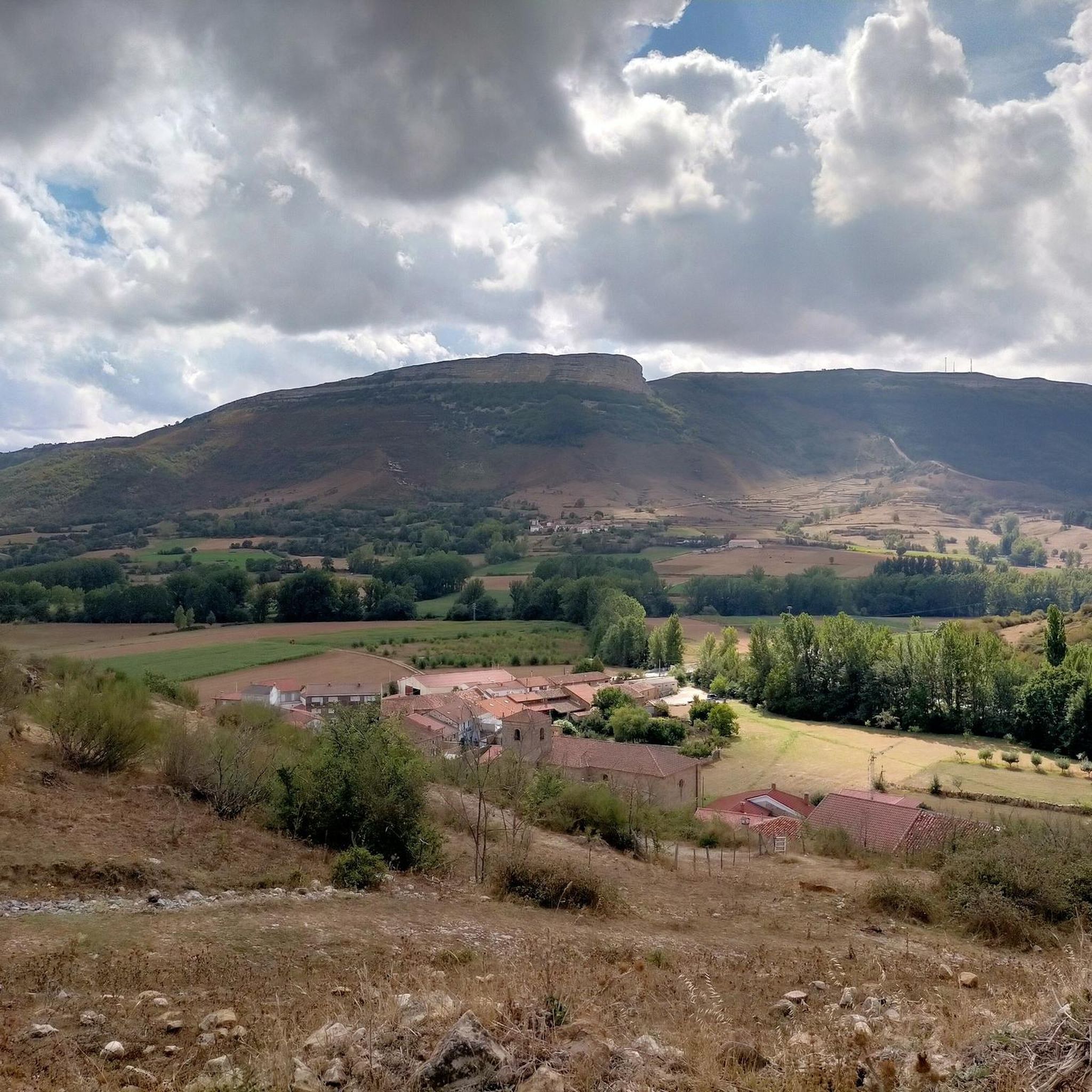
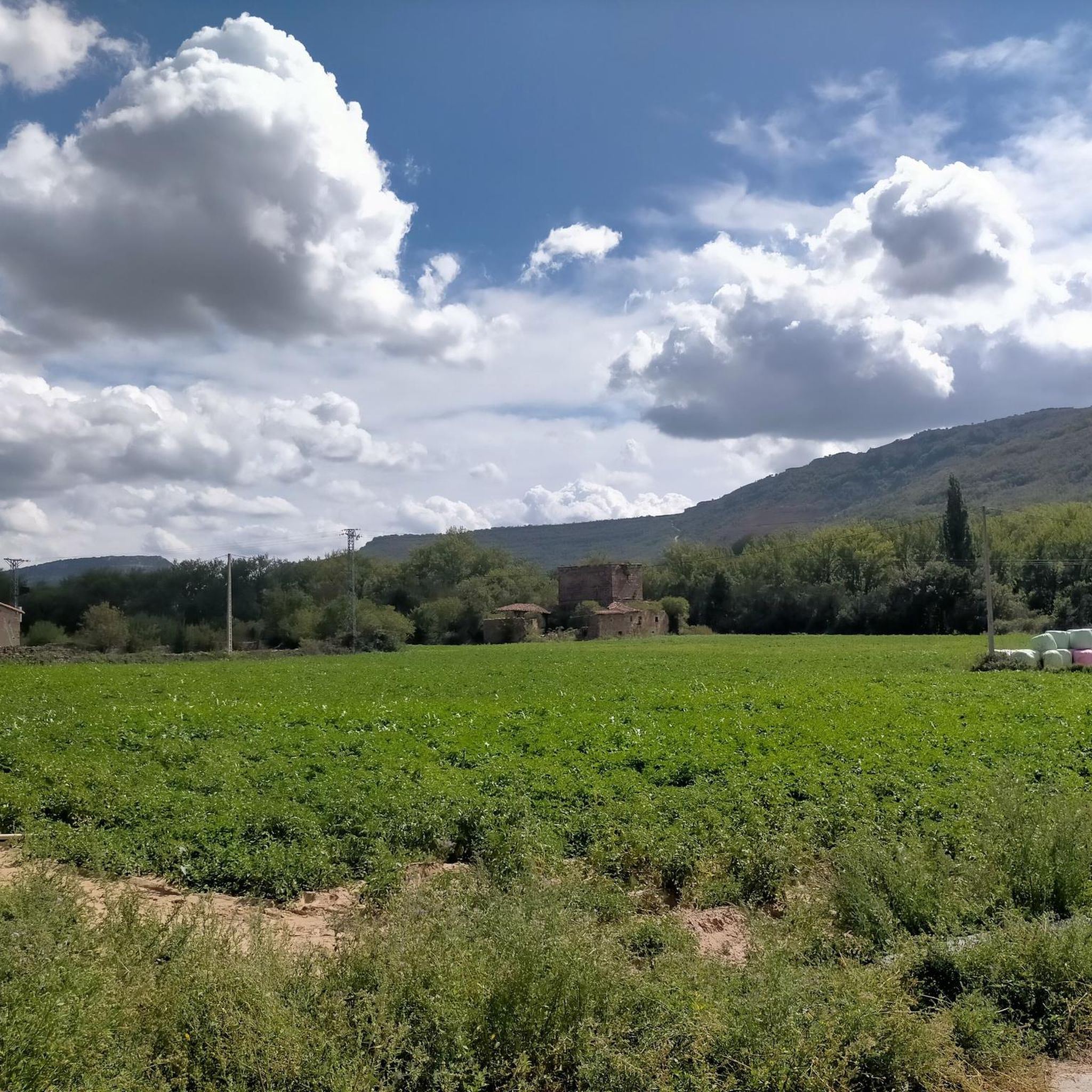
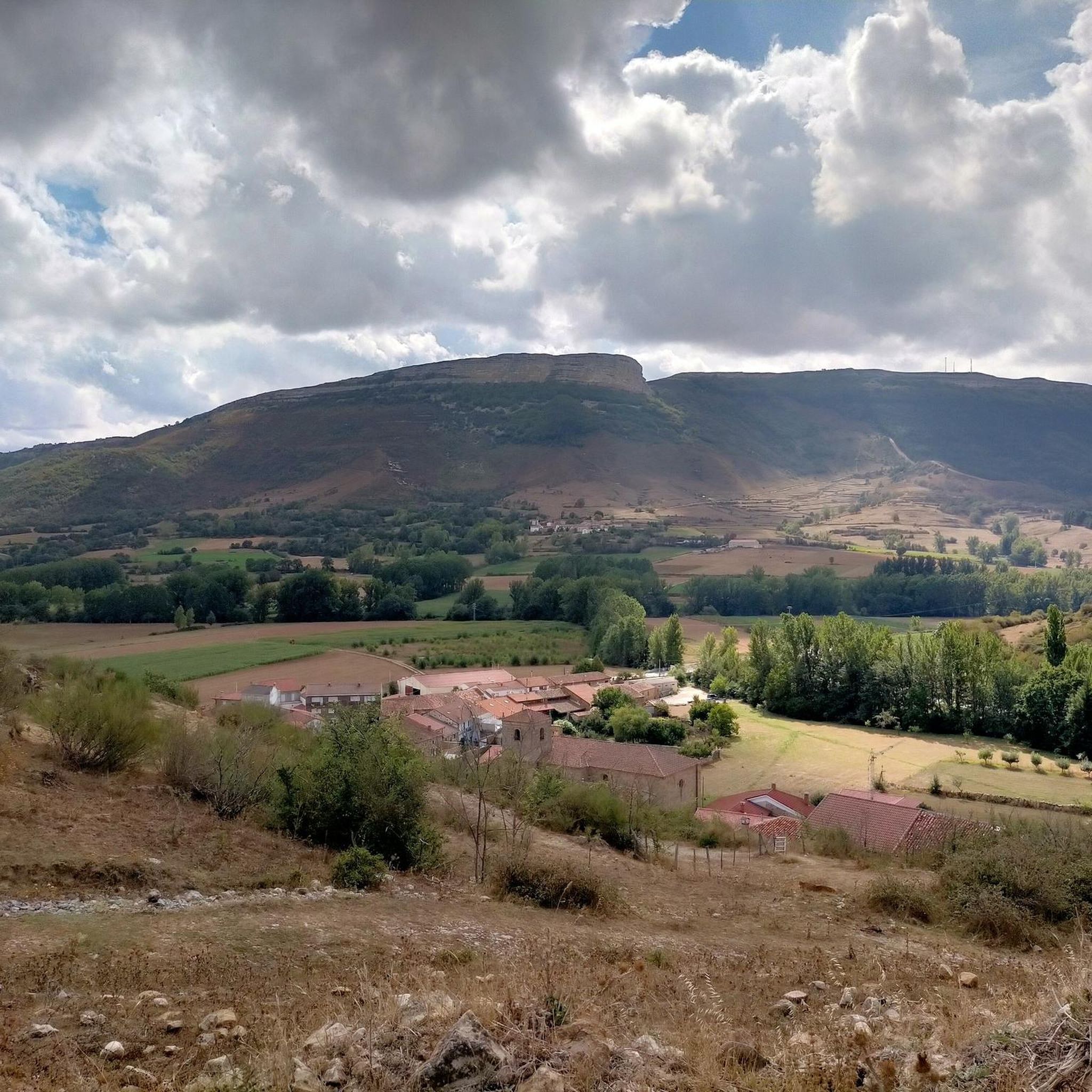
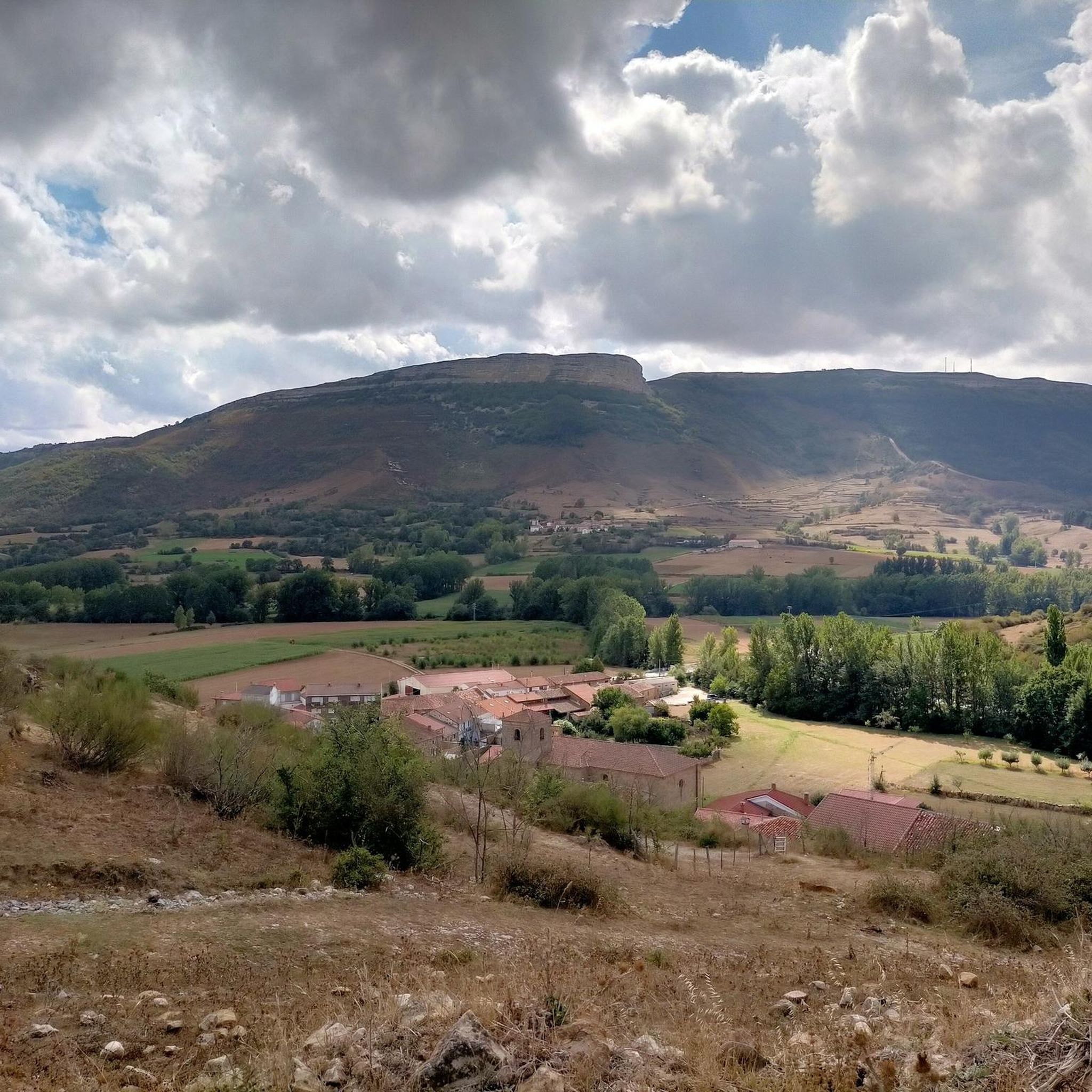
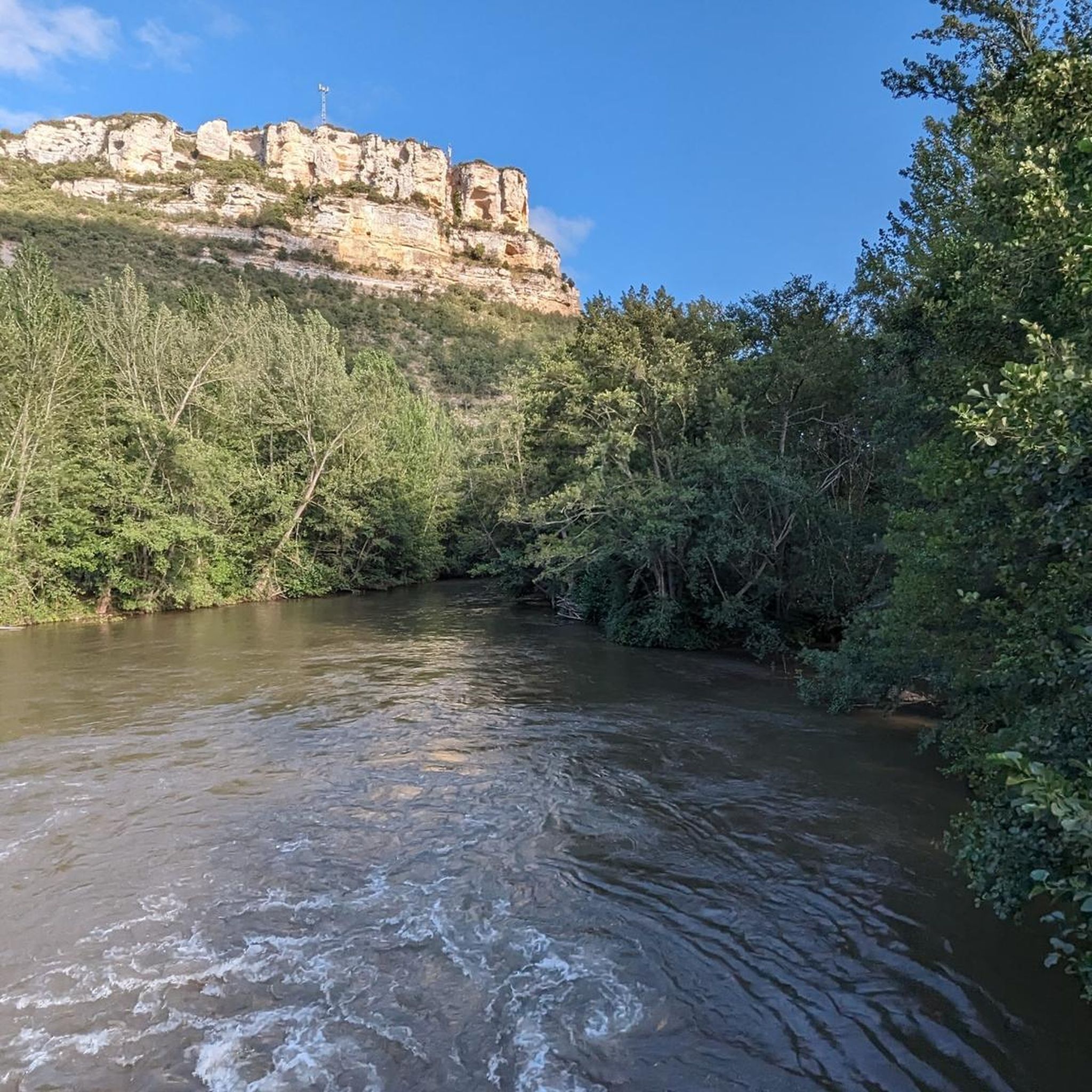
Tips from the Community

Spectacular area for hiking routes
0
0

Visiting Orbaneja del Castillo is usually a fantastic experience if you like charming natural villages, photogenic spots, and a tranquil atmosphere. The village's main attraction is the waterfall that literally runs through the town, descending from the Cueva del Agua to the Ebro River. It's one of the most iconic landscapes in Burgos. Cobblestone streets, stone houses, medieval corners... It's a quick walk, but every angle is photo-worthy.
2
0
The waterfall springs from the Cueva del Agua from a height of over 20 meters, at the base of the rocky cirque that embraces the village, originating from an aquifer located in the subsoil of the Páramo de Bricia, and it leaps everywhere, dividing the village into two halves, the Villa and the Puebla, and descends among the stone houses, creating a most photogenic scene.
2
0
A spectacular area for hiking trails
0
0

The waterfall is wonderful, but the town is not far behind.
2
0
It is beautiful on its own, but if we add the depths of the town from which it arises... visit it!
7
0

The Orbaneja del Castillo waterfall is unique because it crosses the same town, dividing it into two parts: La Villa and La Puebla. The waterfall emerges from the Cueva del Agua and falls into the Ebro River in an impressive 25-meter drop, creating a most picturesque karst landscape.
4
2

Nestled in the beautiful Monte Hijedo, the Cabin is a mansion with typical architecture of the region, built at the beginning of the 20th century. Next to the main structure is a charming hermitage. The cabin is located in an area of natural beauty.
1
0
Frequently Asked Questions
What are the most popular natural attractions around Alfoz de Bricia?
The most popular natural attraction is the Turquoise Pools and Waterfalls of Orbaneja del Castillo, where a waterfall crosses the town and creates a picturesque karst landscape. Nearby, you can also admire the Orbaneja del Castillo Rock Formations, which offer impressive views of the surrounding area.
Are there any historical sites or ancient settlements to explore?
Yes, Alfoz de Bricia is rich in history. You can visit the Chozos de la Estilla, which are traditional stone or branch shelters historically used by shepherds. The region also features the Granja Medieval de la Lastra de Bricia, a medieval complex, and the Castro de Barrio de Bricia, an Iron Age Cantabrian settlement.
What kind of outdoor activities can I do in Alfoz de Bricia?
The area offers diverse outdoor activities. You can explore various trails, including the scenic Ebro Trail, which meanders along the river. For more structured activities, you can find numerous MTB trails, cycling routes, and running trails suitable for different skill levels.
Are there any family-friendly attractions in the area?
Absolutely. The Hijedo Cabin, a charming mansion with a hermitage nestled in the beautiful Mount Hijedo, is considered family-friendly. The natural beauty of the Turquoise Pools and Waterfalls of Orbaneja del Castillo also makes for an engaging family outing.
Where can I find panoramic views of the region?
For impressive panoramic views, head to the Orbaneja del Castillo Rock Formations. Additionally, the Alto de Marul, home to a well-preserved Spanish Civil War bunker, offers sweeping vistas of the Bricia páramo.
What unique cultural sites can I visit in Alfoz de Bricia?
A truly unique cultural site is the Ermita Rupestre de San Miguel in Presillas, a spectacular hermitage carved into the rock, likely dating back to the 10th century. The small villages also showcase traditional Montañés-style stone architecture, historic fountains, and washhouses.
Are there any notable religious buildings in Alfoz de Bricia?
Yes, the municipality is home to several religious buildings. These include the Iglesia de San Julián y Santa Basilea in Bricia with Romanesque elements, the Iglesia de San Andrés in Lomas de Villamediana featuring late Gothic vaults, and the Iglesia de San Martín in Valderías with Romanesque elements.
What is the significance of Puerto de Carrales?
Puerto de Carrales is a historically strategic mountain pass at 1,020 meters altitude. It marks the northern limit of the Hoces del Alto Ebro y Rudrón Natural Park and historically connected the plateau to the coast. It also provides access to Pico El Castro, an Iron Age settlement site.
What kind of natural landscapes define Alfoz de Bricia?
Alfoz de Bricia features diverse natural landscapes. The eastern part is characterized by the flat plains of Páramo de Masa, while the western part includes complex terrain with small valleys, steep slopes, and abundant forests of oak, holm oak, and beech. A portion of the municipality is also within the beautiful Hoces del Alto Ebro y Rudrón Natural Park.
What do visitors enjoy most about the attractions in Alfoz de Bricia?
Visitors particularly enjoy the unique blend of natural beauty and historical depth. The Turquoise Pools and Waterfalls of Orbaneja del Castillo are often described as a 'dreamlike natural treasure' and a 'special and magical place'. The impressive rock formations and the well-preserved historical sites also receive high praise for their scenic and cultural value.
Are there any specific hiking routes recommended for beginners?
While specific beginner routes are not detailed, the region offers several easy hiking routes, such as those leading to La Muela and Alto de Marul. For a general overview of routes, you can explore the running trails guide, which often includes easier options suitable for walking.
Can I find any unique man-made monuments in the area?
Beyond the historical sites, you can find the Monumento a la columna Sagardía, also known as Águila de Sagardía, near Cilleruelo de Bricia. This imposing concrete and marble structure was built in 1940 to commemorate General Antonio Sagardía Ramos.
Most popular routes around Alfoz De Bricia
Most popular attractions around Alfoz De Bricia

Get inspired with the komoot mobile app


Explore more
Still not found the Highlight you’re looking for? See guides of the top attractions in other regions:
