Attractions and Places To See around Tardajos - Top 20
Best attractions and places to see around Tardajos include a blend of historical sites, cultural landmarks, and natural features. This village in the province of Burgos is situated on the French Way of the Camino de Santiago, offering opportunities to explore ancient architecture and enjoy the riverbanks. The area is known for its historical significance, including Roman-era sites, and its connection to the Camino de Santiago.
Best attractions and places to see around Tardajos
- The most popular attractions is Burgos…
Last updated: October 10, 2026
Burgos Cathedral
Highlight • Religious Site
Translated by Google •
Tip by

Arch of Santa María
Highlight • Monument
Translated by Google •
Tip by
Sign up now to discover places like this
Get recommendations on the best single tracks, peaks, & plenty of other exciting outdoor places.
Plaza Mayor of Burgos
Highlight • Settlement
Translated by Google •
Tip by
Statue of El Cid, the Campeador (Plaza del Mio Cid, Burgos)
Highlight • Monument
The bronze equestrian statue of the Cid was made by Juan Cristóbal …
Translated by Google •
Tip by
Statue of the Seated Pilgrim
Highlight • Monument
Translated by Google •
Tip by

Sign up for free to discover even more attractions around Tardajos.
Already have an account?
Start today with a free account
Your next adventure awaits.
Tips from the Community

An unusual but beautiful depiction of a pilgrim.
2
0

The Statue of the Seated Pilgrim in Burgos is a bronze sculpture depicting a pilgrim resting, seated on a bench with his walking stick. It is located in the Plaza del Rey San Fernando, just behind Burgos Cathedral, making it a popular photographic spot for visitors on the Camino de Santiago.
3
1

There is a poem that sings the greatness of "Mio Cid"
2
0

It's not like the one in Salamanca, but it's also worth it.
3
2
A statue with a lot of movement.
3
1

With one of the most beautiful Gothic churches on the Way of St. James, it's definitely worth a visit.
8
0

The Arch of Santa Maria is one of the twelve medieval gates that the city had during the Middle Ages. It was rebuilt by the Holy Roman Emperor, Charles V, during the 16th century after the local rulers of the city supported him during the Revolt of the Comuneros.
11
0
The Church of San Nicolás de Bari in Burgos is a gem of Castilian Gothic architecture, located right on the Camino de Santiago, next to the Cathedral. It was built in 1408 on the site of an earlier Romanesque church.
32
0
Frequently Asked Questions
What historical and cultural sites can I explore in Tardajos?
Tardajos is rich in history. You can visit the Church of Nuestra Señora de la Asunción, a significant temple with Gothic and Renaissance elements, or see the historic Pilgrims' Cross, a landmark on the French Way. The Deobrigula Roman Site offers a glimpse into the village's ancient past, and the Apostolic College of the P.P. Paules preserves a 16th-century façade. Don't forget that Tardajos itself is an important stop on the Camino de Santiago (French Way).
Are there any Roman archaeological sites near Tardajos?
Yes, the Deobrigula Roman Site is a significant archaeological area near Tardajos. Declared a Cultural Interest Asset, it dates back to the Roman Empire and is divided into three parts: Deobrigula, El Casto, and Las Quintanas. It showcases the ancient origins of Tardajos, which trace back to the Celtic period before being Romanized.
What natural features can I enjoy in Tardajos?
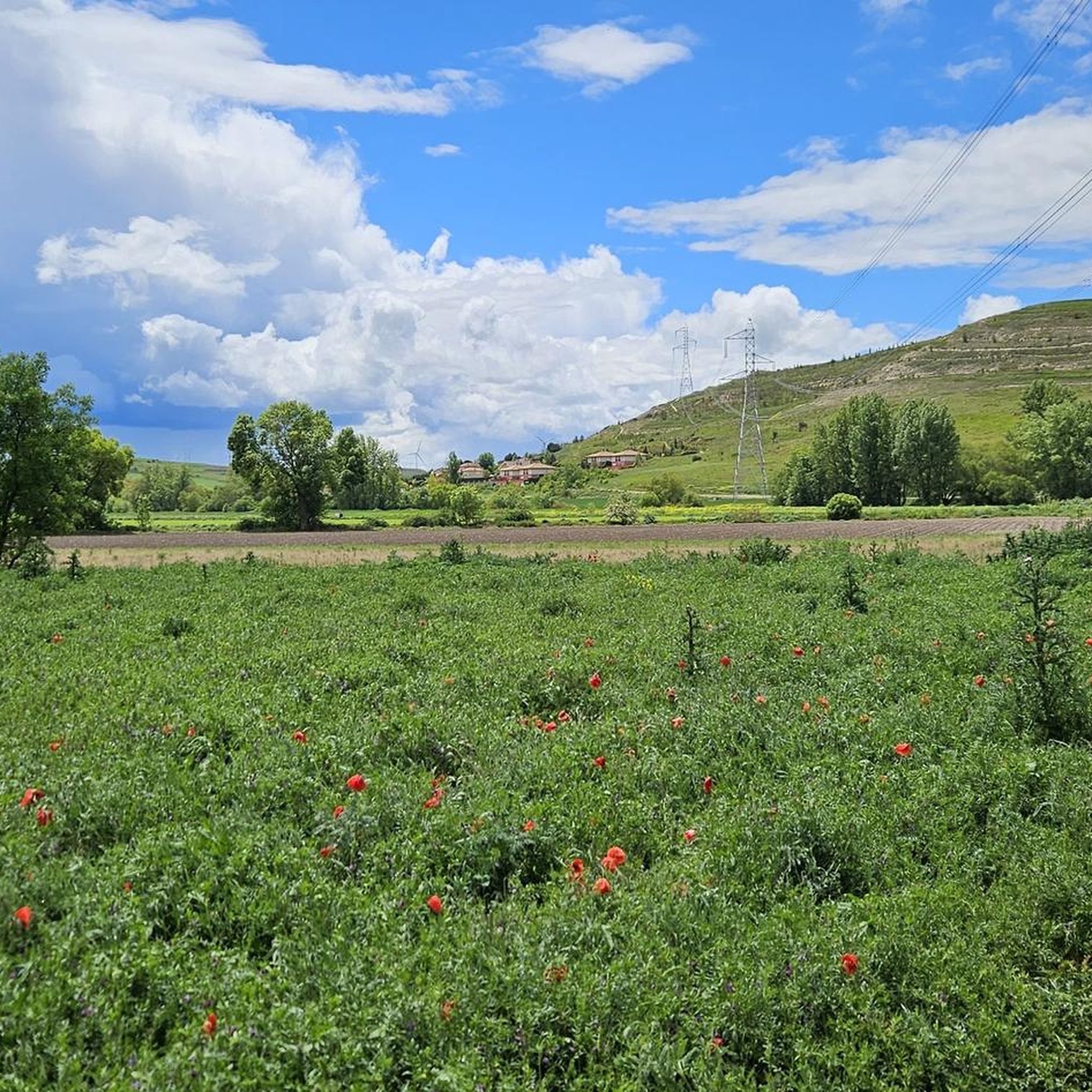
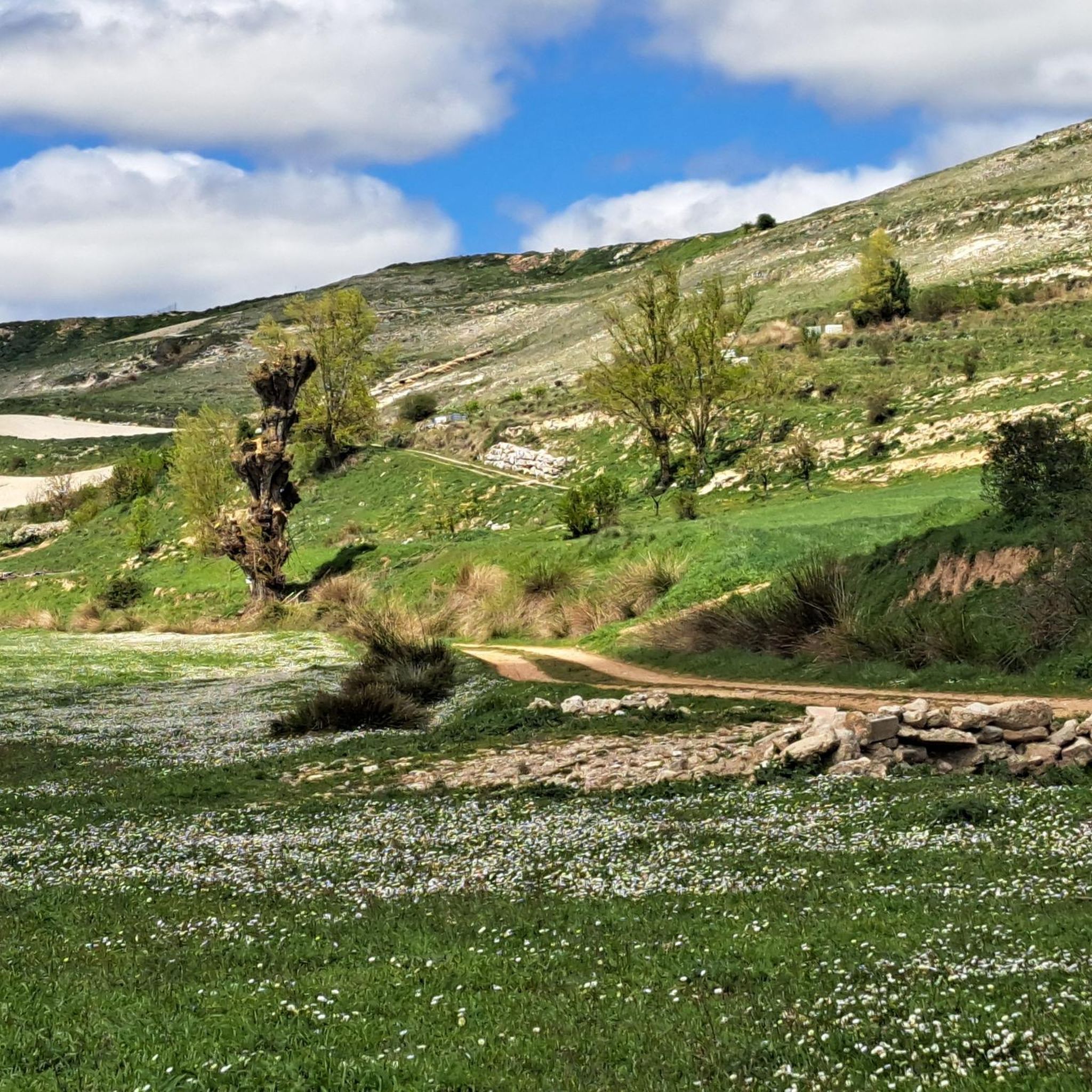
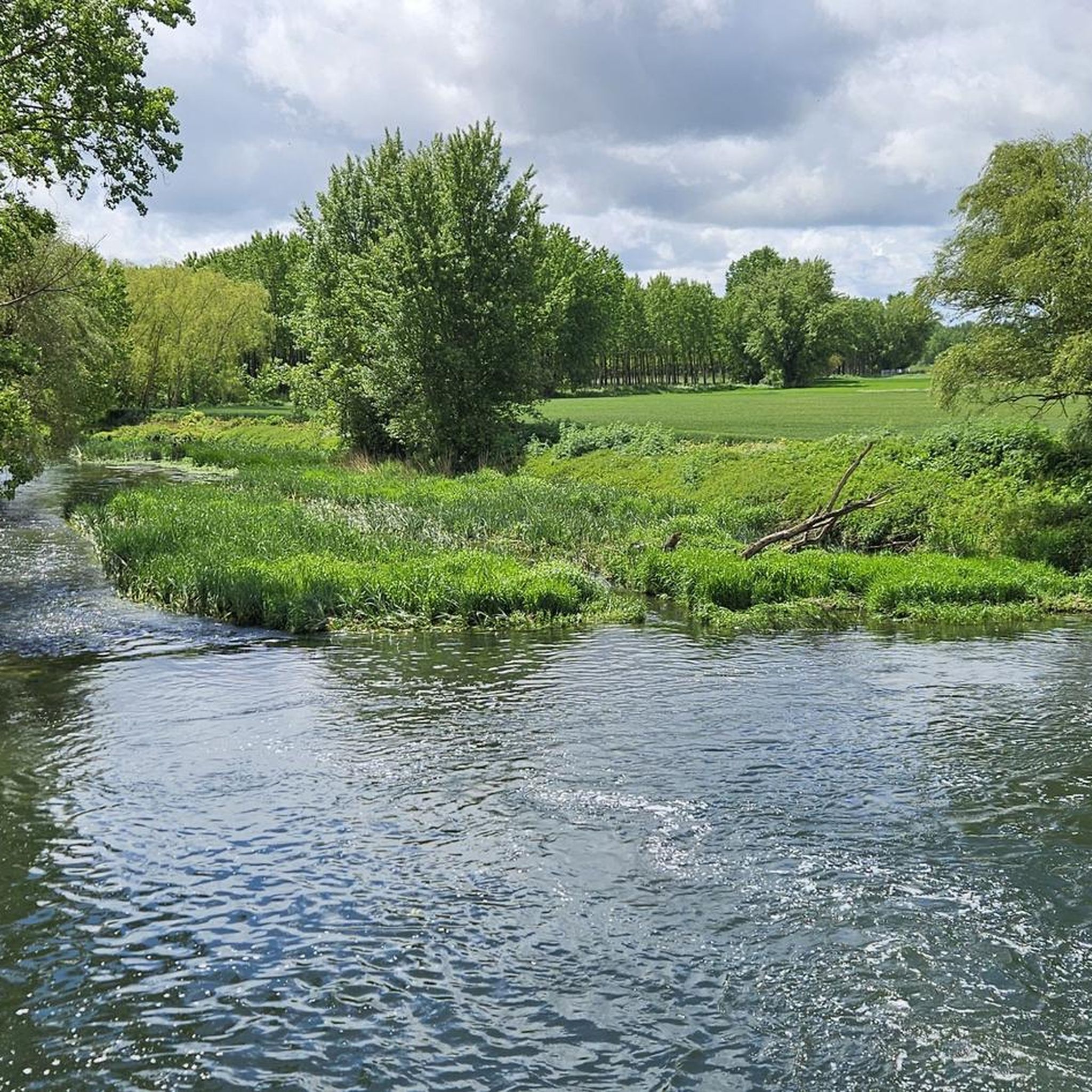
Tardajos offers a peaceful environment to connect with nature, particularly along its river banks. The village is located at the confluence of the Urbel and Arlanzón rivers, providing lovely spots for a stroll and to appreciate the natural surroundings.
What outdoor activities are available around Tardajos?
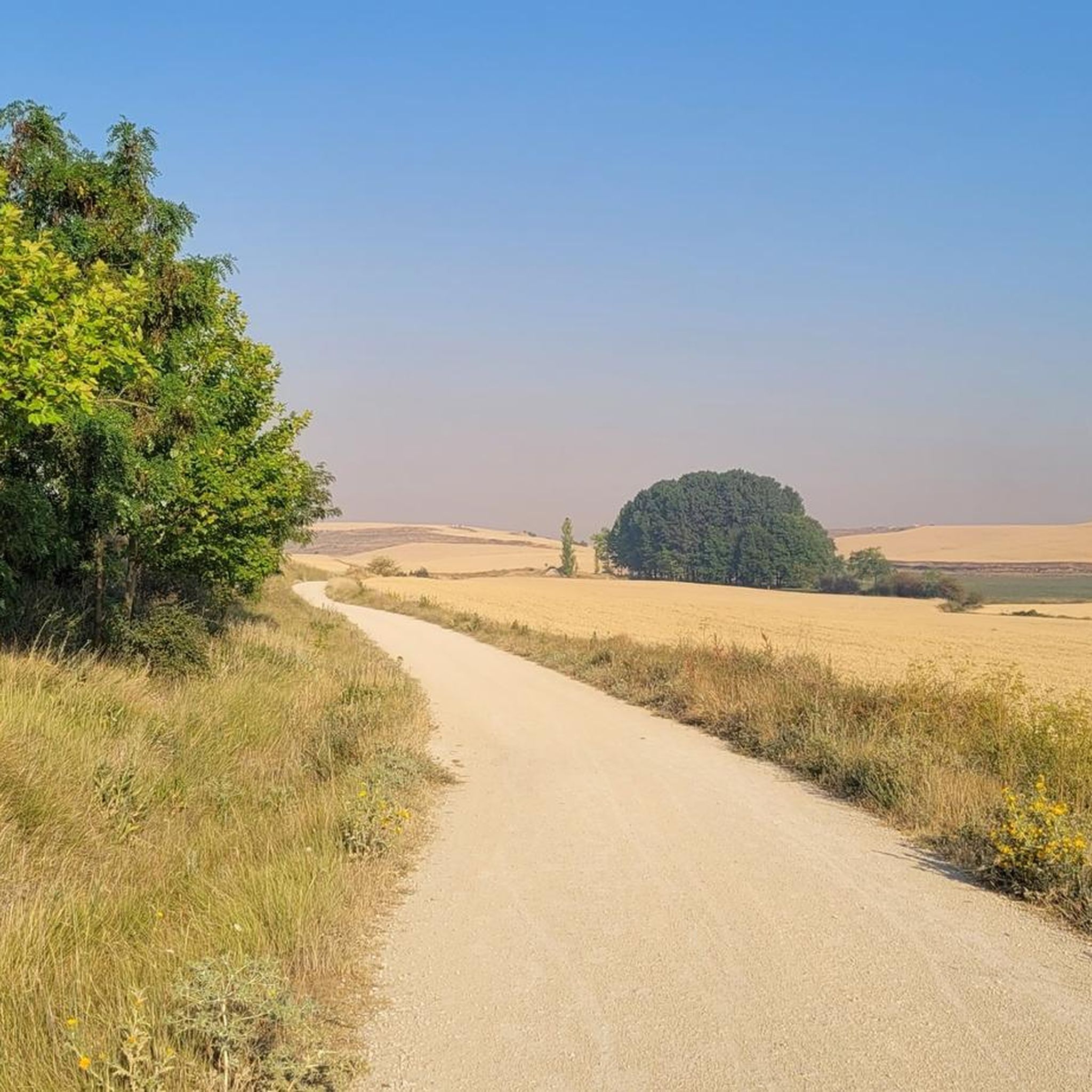
The area around Tardajos is great for outdoor enthusiasts. You can find various cycling and hiking routes. For cycling, consider routes like the 'Burgos – Burgos Cathedral loop from Tardajos' or the 'Villalbilla de Burgos – Tardajos loop'. If you prefer hiking, there's the 'From Rabé de la Calzada along the Camino de Santiago' route. You can find more details on these and other routes in the cycling guide and hiking guide for Tardajos.
Are there family-friendly attractions near Tardajos?
While Tardajos itself offers historical sites, nearby Burgos has several family-friendly attractions. The Burgos Cathedral, Arch of Santa María, and the Statue of El Cid are all listed as family-friendly and offer engaging experiences for all ages.
What is the significance of the Camino de Santiago in Tardajos?
Tardajos is an important stop on the French Way of the Camino de Santiago. The village provides services to pilgrims and offers a direct connection to this historic route. The Pilgrims' Cross at the village entrance is a historical relic and a landmark of the French Way, symbolizing its deep connection to the pilgrimage.
What can I see in Burgos, which is close to Tardajos?
Just 10-12 kilometers from Tardajos, the city of Burgos offers major attractions. These include the magnificent Burgos Cathedral, a UNESCO World Heritage site, the impressive Arch of Santa María, and the vibrant Plaza Mayor of Burgos, the social heart of the city.
What do visitors enjoy most about the attractions around Tardajos?
Visitors particularly appreciate the historical depth and architectural beauty. The Burgos Cathedral is often highlighted as a 'true work of art' with 'spectacular' details and 'surprising details'. The Plaza Mayor of Burgos is loved for its 'colorful bustle' and as an 'ideal place to make contact'. The area's connection to the Camino de Santiago and its peaceful river walks are also highly valued.
Are there any unique local events or festivities in Tardajos?
Tardajos hosts several festivities. These include celebrations in honor of its patron saints, the Virgen de la Asunción and San Roque, on August 15th and 16th. A unique cultural event is 'The Day of Exaltation of the Potato of Tardajos,' typically held on a Sunday in late September or early October, which celebrates a deeply rooted local product.
Is the Plaza Mayor of Burgos wheelchair accessible?
Yes, the Plaza Mayor of Burgos is listed as wheelchair accessible, making it an inclusive spot for all visitors to enjoy the social life and unique architecture of the city center.
Where can I see a statue of El Cid near Tardajos?
You can find the impressive Statue of El Cid, the Campeador, in the Plaza del Mio Cid in Burgos. This bronze equestrian statue, inaugurated in 1955, depicts Rodrigo Díaz de Vivar with his sword pointing towards Valencia, symbolizing his historic conquest.
Is there a statue dedicated to pilgrims in the area?
Yes, in Burgos, near the Cathedral, you can find the Statue of the Seated Pilgrim. This bronze sculpture depicts a pilgrim resting on a bench, offering a unique contrast to typical depictions of pilgrims in motion and serving as a popular photo spot for those on the Camino de Santiago.
Most popular routes around Tardajos

Get inspired with the komoot mobile app


Explore more
Still not found the Highlight you’re looking for? See guides of the top attractions in other regions:
