Attractions and Places To See around Argamasilla De Calatrava - Top 20
Attractions and places to see around Argamasilla De Calatrava offers a blend of historical landmarks, cultural heritage, and unique natural landscapes. Situated within the volcanic Campo de Calatrava region, the area features a diverse terrain with volcanic outcrops, lagoons, and the seasonal River Tirteafuera. Visitors can explore a variety of sites, from ancient churches and historical buildings to natural monuments and archaeological sites. The municipality provides opportunities to experience both its rich past and its distinct geological formations.
Best attractions…
Last updated: August 16, 2026
Puertollano
Highlight • Settlement
Translated by Google •
Tip by

Virgen de los Santos
Highlight • Religious Site
In the enclosure next to the hermitage there is a conglomerate of small and traditional …
Translated by Google •
Tip by
Sign up now to discover places like this
Get recommendations on the best single tracks, peaks, & plenty of other exciting outdoor places.
Sign up for free
Castillo de Caracuel
Highlight • Castle
Translated by Google •
Tip by
Castle of Calatrava la Nueva and Sacred Convent
Highlight • Castle
It was built by …
Translated by Google •
Tip by

Bridge over the Jabalón River
Highlight • Bridge
Translated by Google •
Tip by
Sign up for free to discover even more attractions around Argamasilla De Calatrava.
Sign up for free
Already have an account?
Start today with a free account
Your next adventure awaits.
Login or Signup
Popular around Argamasilla De Calatrava
Old volcanoes and castles – bikepacking through Campo de Calatrava
Road Cycling Routes around Argamasilla De Calatrava
Cycling around Argamasilla De Calatrava
MTB Trails around Argamasilla De Calatrava
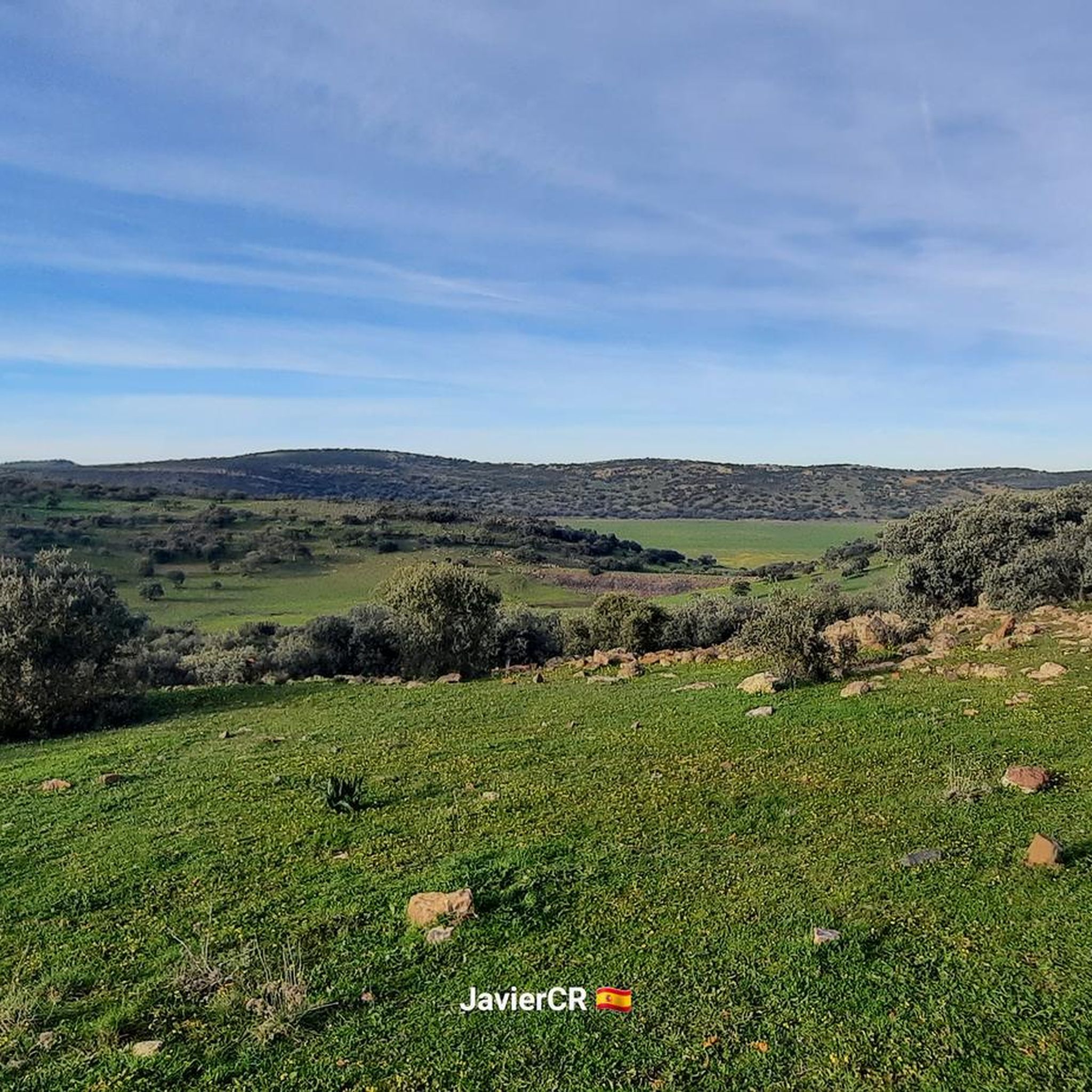
Hiking around Argamasilla De Calatrava
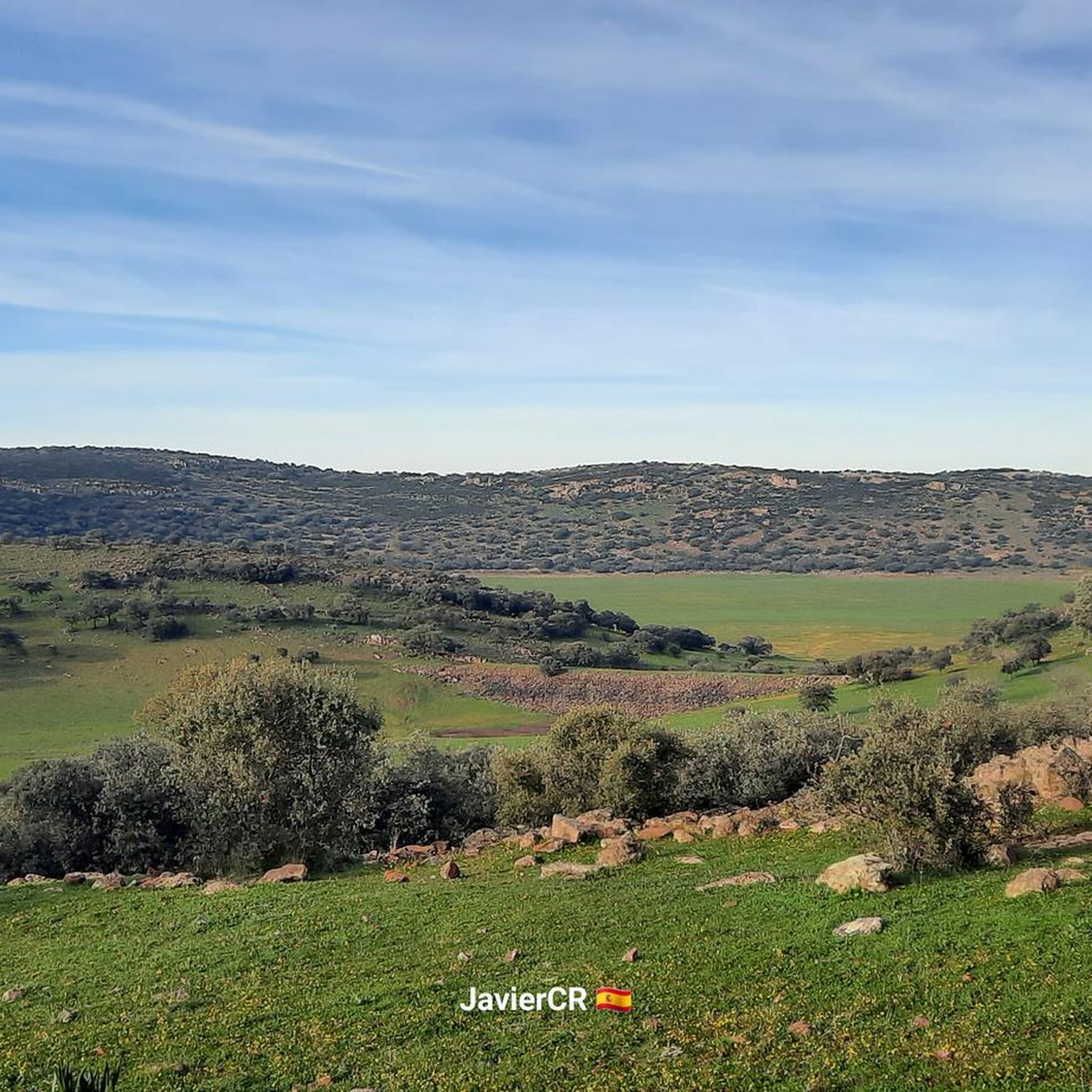
Running Trails around Argamasilla De Calatrava

Gravel biking around Argamasilla De Calatrava
Other adventures around Argamasilla De Calatrava

Tips from the Community

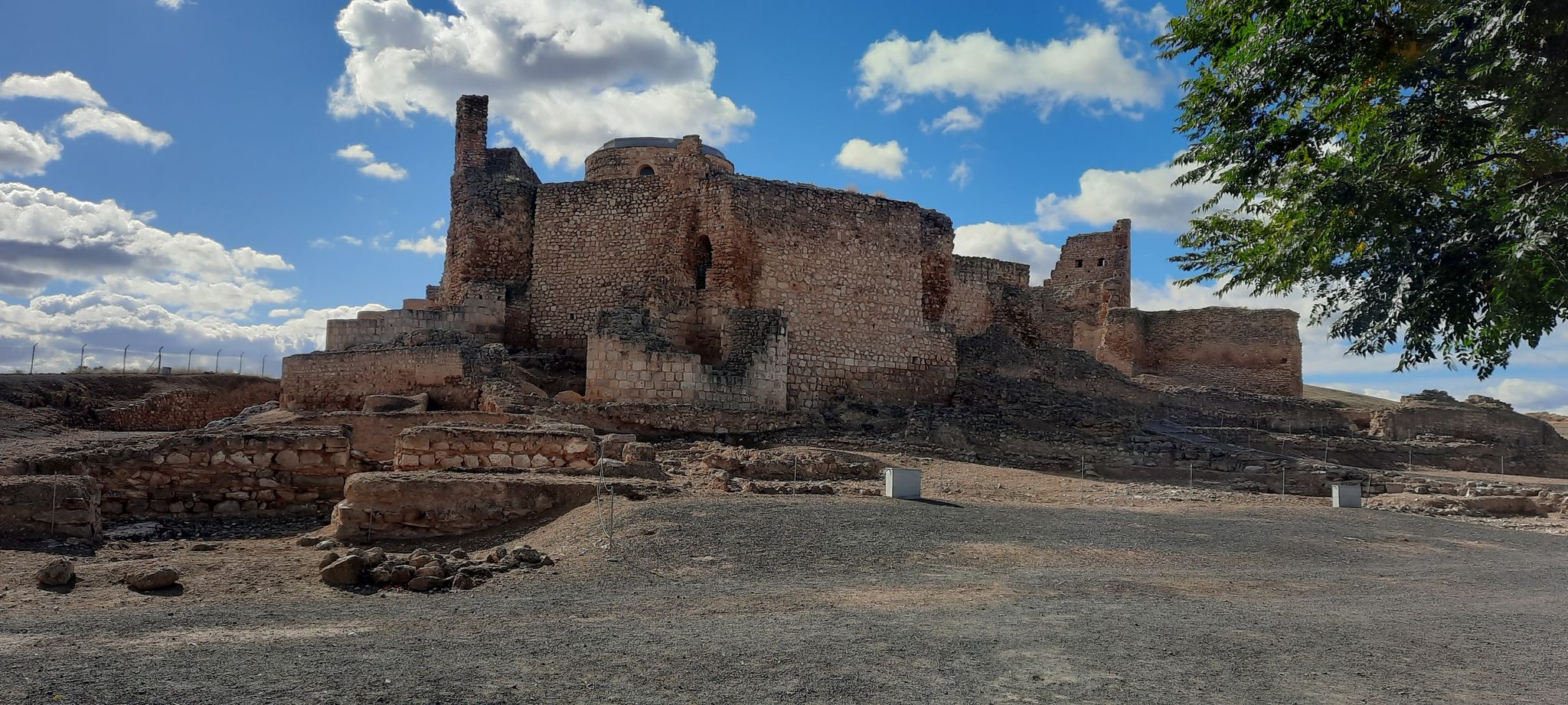
This castle stands on the impressive Alacranejo hill and, despite its original defensive character, it underwent various modifications. Opposite it there is another hill with the ruins of the Salvatierra Castle, in the lands of Calzada de Calatrava. It probably has Arab origins, but it was deeply remodeled with the transfer of the knights of the Order from the Castle of Calatrava La Vieja (Carrión de Calatrava) in 1217, after the battle of Las Navas de Tolosa with the aim of consolidating the defensive line of Sierra Morena. In turn, it is made up of three walled enclosures and is accessed by the original road that was built on the occasion of the visit of Philip II through the Iron Gate, in red volcanic stone. Afterwards, we can find the Gate of the Arches, which allows entry into the parlatorio or courtyard of the convent, the courtyards, the church, the rooms and the refectory. Really, when you walk through it, you can imagine what happened in
3
0
The Stone Bridge over the Jabalón River in Corral de Calatrava is a historic structure that is part of several hiking and cycling routes in the region.
13
0
The Hermitage of the Virgen de los Santos is a place of worship and devotion on the hill that bears its name, near the town of Pozuelo de Calatrava. It is a construction from the 15th or 16th century, with a Mudejar roof and a baroque altarpiece that houses the image of the patron saint. The sanctuary is located on a magical and once strategic pointy mountain, and its white and luminous architecture stands out in the landscape.
32
0

Today we even find a puddle under his eyes.
2
0

Before the junction of the Río Guadiana with the Río Jabalón, we find this beautiful Roman bridge that crosses the course of the last river, the Jabalón. The area is beautiful but with little shade in the summer.
1
1
Impressive castle and church which is located on top of a hill and which can also be seen from afar. The views of both the castle and the panorama it offers are brutal!
1
0
The castle is privately owned and, given its ruinous situation, with the dangers that its visit entails, its access is prohibited without the permission of the property
10
0
It was the place where one of the oldest parcels in Campo de Calatrava, Caracuel, was founded in 1170. Even so, a few years later it was recovered by the Muslims until the victory of Alfonso VIII in Las Navas de Tolosa in 1212. Mainly, the pentagonal tower of the castle stands out, which covers an older one, from the Almohad period. Today, remains of what was its square enclosure and even the remains of a cistern are preserved. We can access the castle through a narrow stone path that begins behind the Hermitage of Santo Cristo de Caracuel de Calatrava.
12
0
Frequently Asked Questions
What natural features can I explore around Argamasilla de Calatrava?
The region is known for its unique volcanic landscape, part of the Natural Monument of the Macizo Volcánico del Campo de Calatrava. You can discover craters, lagoons, and basaltic formations. The area also features the seasonal River Tirteafuera and remnants of ancient settlements like those found near Laguna Blanca. For a historical natural landmark, consider visiting the Bridge over the Jabalón River, which offers scenic views of the Campo de Calatrava.
Are there opportunities for hiking or cycling near Argamasilla de Calatrava?
Yes, the natural environment, particularly the volcanic routes and trails connecting to the Valle de Alcudia and Sierra Madrona, is ideal for hiking and cycling. You can find various routes for different sports. For mountain biking, explore options like the 'Puertollano a Argamasilla de Calatrava – circular' route. If you prefer gravel biking, consider the 'Argamasilla de Calatrava – Inquisition House-Palace loop'. For general cycling, the 'Calatrava Volcanoes Loop from Argamasilla' is a popular choice. You can find more details on these and other routes in the MTB Trails, Gravel Biking, and Cycling guides for the area.
What historical and cultural sites are prominent in Argamasilla de Calatrava?
Argamasilla de Calatrava boasts a rich history. Key sites include the Gothic-style Church of Nuestra Señora de la Visitación, dating from the 16th-17th centuries, and the 17th-18th century Casa de la Inquisición with its Baroque and Neoclassical facade. You can also visit several traditional chapels like Ermita de Nuestra Señora del Socorro, which includes a museum of antique farming tools. The Centro Cívico Cultural 'La Bodega,' housed in an old winery, offers cultural events.
Where can I find archaeological insights into the region's past?
For a glimpse into the prehistoric origins of the area, visit the Archaeological Site of Sala de los Moros. This site features a Bronze Age megalithic tomb and is near the Rupestrian Paintings of Ventana Natural, which are recognized as an Asset of Cultural Interest. The site covers a broad chronological period from the Chalcolithic to the Iron Age.
Are there any family-friendly attractions or activities in the area?
Many of the natural and historical sites can be enjoyed by families. For example, exploring the volcanic landscapes or visiting the chapels offers an educational and engaging experience. The nearby settlement of Puertollano, with its Mining Museum, provides an interesting historical outing for all ages. Additionally, the traditional architecture of Argamasilla de Calatrava, with its small squares, can be pleasant for a family stroll.
What is there to see in the nearby town of Puertollano?
The nearby settlement of Puertollano offers attractions related to its mining history. You can visit the Mining Museum, which details the city's industrial transformation and features old machinery. Don't miss the Monumento al Minero, an imposing bronze sculpture on Cerro de Santa Ana, offering panoramic views of the city. The Paseo San Gregorio is also a vibrant green space for relaxation.
What is the best time of year to visit Argamasilla de Calatrava for outdoor activities?
The region's climate is generally Mediterranean, with hot, dry summers and mild winters. For outdoor activities like hiking and cycling, spring (April to June) and autumn (September to November) are typically the most pleasant, offering moderate temperatures and comfortable conditions for exploration. During these seasons, the natural landscapes are particularly inviting.
What kind of wildlife can I expect to see in the natural areas?
The Macizo Volcánico del Campo de Calatrava, a Natural Monument, is a significant habitat for various species. It supports endangered species such as the Iberian imperial eagle, black vulture, black stork, and Iberian lynx. Birdwatching and observing the unique flora are popular activities in this geologically rich area.
What is the significance of the Ermita de Nuestra Señora del Socorro?
The Ermita de Nuestra Señora del Socorro is a Neoclassical chapel from the late 19th century, located about 1 km from the town along the Cañada Real. Beyond its religious importance, it houses a museum within its patio galleries, showcasing antique farming tools and regional costumes, offering a glimpse into the local heritage and traditions.
Can you tell me about the traditional architecture of Argamasilla de Calatrava?
Argamasilla de Calatrava preserves traditional Manchegan architecture, characterized by small, single-story houses with white facades and traditional grilles. The urban center features a star-shaped layout with numerous small squares, reflecting the historical development and cultural identity of the town.
What is the Palacio de la Serna and its historical context?
The Palacio de la Serna, located in Ballesteros de Calatrava, is a historical site set within the unique natural space of Campo de Calatrava. This region is historically significant due to the Order of Calatrava, a religious-military order founded in 1158, which developed its activities here for seven centuries. The palace itself is described as a museum hotel, offering a blend of art, history, and nature.
Most popular routes around Argamasilla De Calatrava
Most popular attractions around Argamasilla De Calatrava

Get inspired with the komoot mobile app


Explore more
Still not found the Highlight you’re looking for? See guides of the top attractions in other regions:
