The best road cycling routes around Herreruela De Oropesa
4.0
(2)
43
riders
9
rides
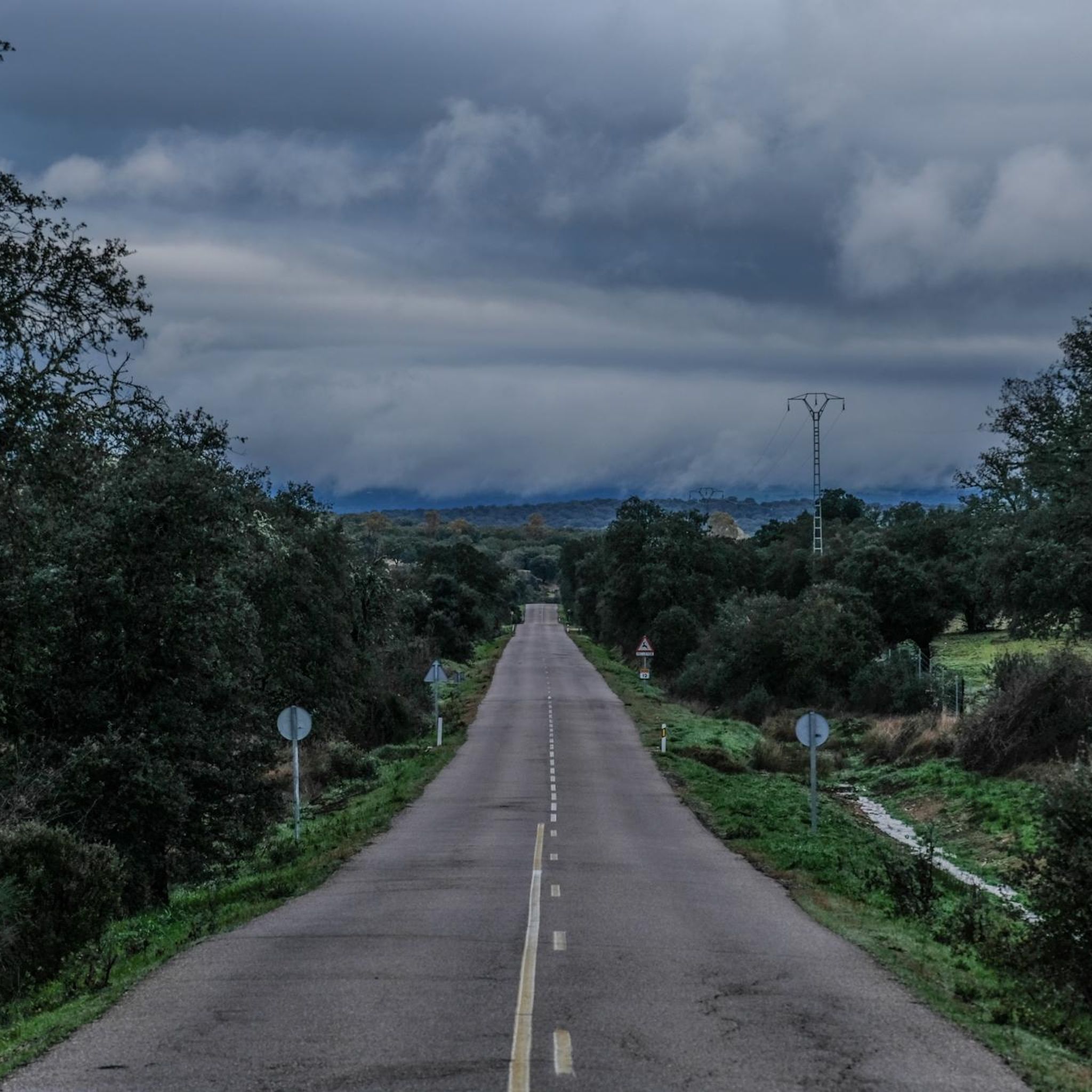
Road cycling routes around Herreruela De Oropesa traverse the "Campiña toledana," characterized by extensive cereal fields and dehesas, offering wide-open spaces. The terrain primarily consists of plains, making it suitable for various cycling routes on quiet secondary roads. The nearby Tagus river and its historic Puente del Arzobispo also feature in the scenic landscape. This region in Spain's Castile-La Mancha provides an idyllic setting for cyclists seeking tranquility and scenic routes.
Best road cycling routes around Herreruela De Oropesa
- The…
Last updated: July 11, 2026
3.0
(1)
11
riders
75.3km
03:05
460m
460m
Moderate road ride. Good fitness required. Mostly well-paved surfaces and easy to ride.
6
riders
61.0km
02:37
450m
450m
Moderate road ride. Good fitness required. Mostly well-paved surfaces and easy to ride.

Sign up for free
5
riders
86.7km
04:04
1,090m
1,090m
Hard road ride. Very good fitness required. Mostly well-paved surfaces and easy to ride.
5
riders
42.9km
01:54
340m
340m
Moderate road ride. Good fitness required. Mostly well-paved surfaces and easy to ride.
2
riders
38.9km
01:49
380m
370m
Moderate road ride. Good fitness required. Mostly well-paved surfaces and easy to ride.
Get access to more routes and recommendations from other explorers.
Sign up for free
Already have an account?
Our route recommendations are based on thousands of hikes, rides, and runs completed by other people on komoot.
Start today with a free account
Your next adventure awaits.
Login or Signup


Tips from the Community

Historic bridge commissioned by the Archbishop of Toledo in the 14th century, in spring/summer home to hundreds of swifts, creating a unique spectacle.
0
0

🐂 Verraco vetón (Villar del Pedroso, Cáceres) The verraco vetón of Villar del Pedroso is a stone sculpture from pre-Roman times, created by the Celtic people of the Vettones more than 2,000 years ago (approx. 5th–1st centuries BC). Carved in granite, it represents an animal (bull, pig, or boar)
2
0
The Count's Palace of Oropesa, located in the province of Toledo, is an architectural gem with a rich history and great heritage value. The Old Palace (or Doña Elvira Palace): in the Mudejar Gothic style, built in the 14th century. The New Palace: in the Renaissance style, built in the 15th century. It stands out for its original coffered ceiling, its balconies with the coat of arms of the Counts of Oropesa, and a large interior courtyard that was even used as a bullring. Together with the adjacent castle, it forms a complex declared a Historic-Artistic Monument in 1923. In 1931, it was incorporated into the National Parador Network, becoming the first Parador built on a historic building.
4
0

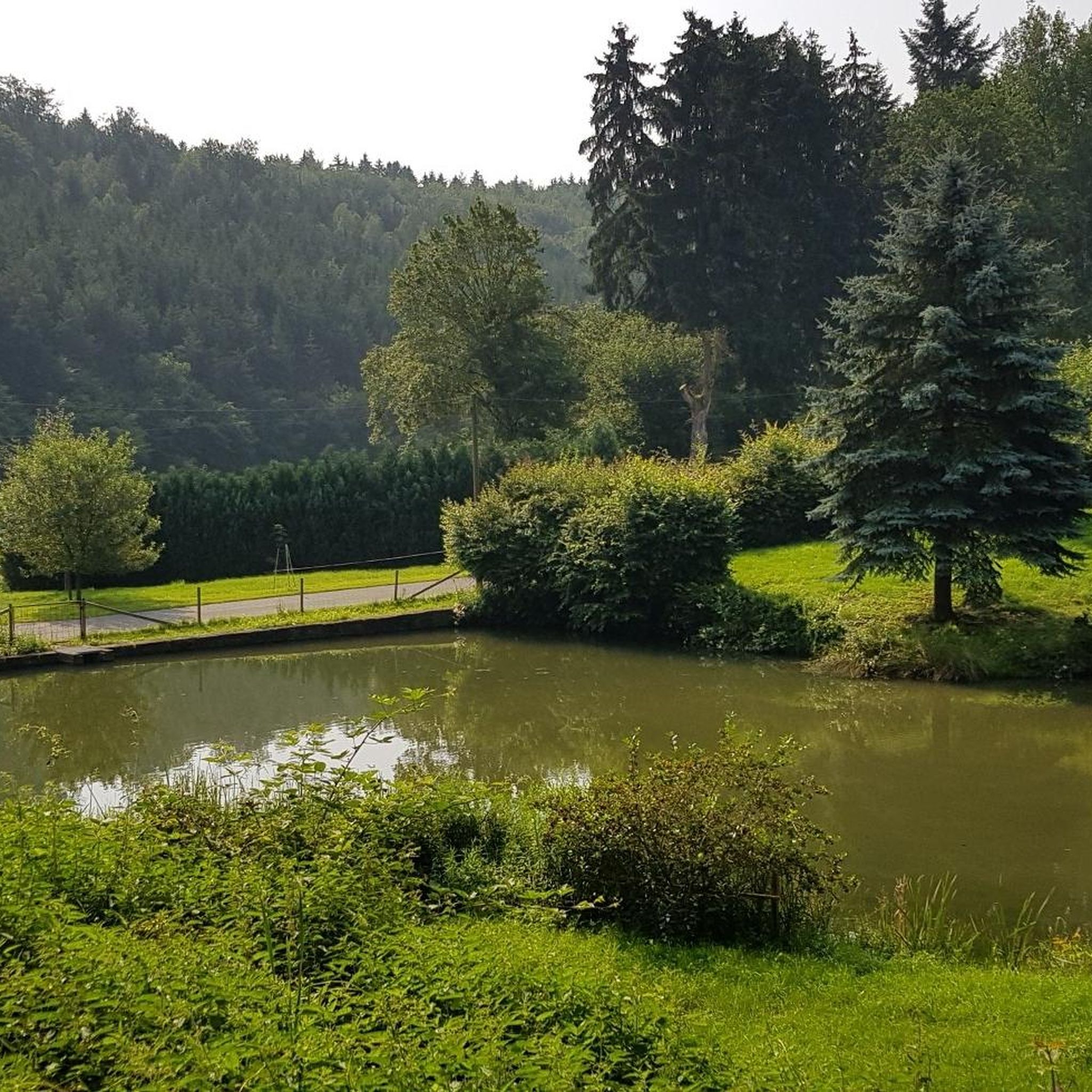
Beautiful area with steep slopes
1
1

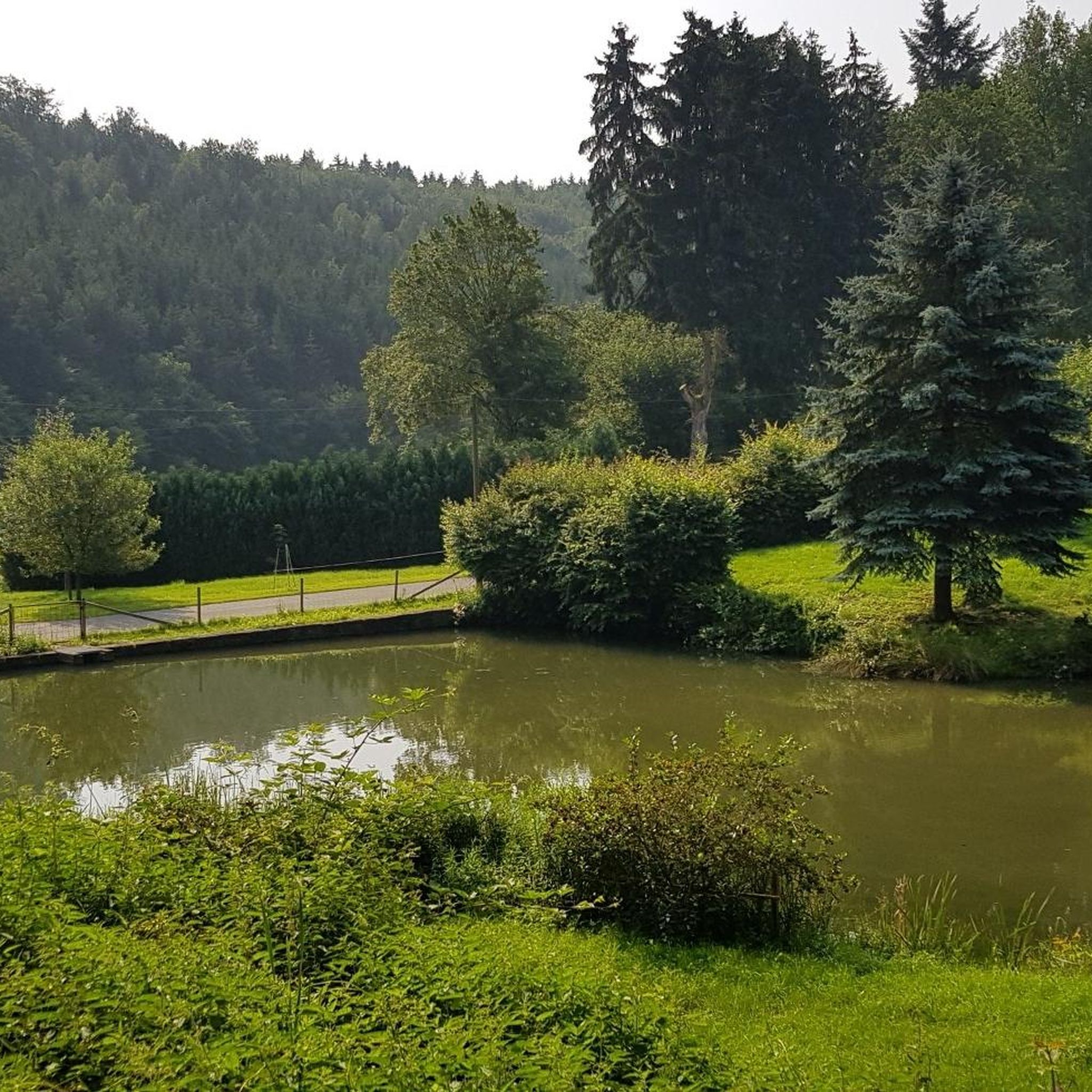
Using the power of moving water to drive a mill wheel is an ancient invention that dates back to pre-Christian times. Thanks to such a construction, human or animal muscle power could be easily replaced by a watercourse - natural or artificially created - in order to grind grain into corn, for example. There are essentially two different ways of driving watermills: Either the water simply hits the blades of the water wheel from below to set it in motion; or the water is guided above the wheel and falls onto the blades; this type of construction is more efficient due to natural gravity.
0
1

A beautiful spot in Madrigal de la Vera. There's a natural pool for swimming. Naturally, the water is quite cold. Impressive Roman-style bridge. It's believed to have been based on a Roman original and dates back to the Middle Ages.
1
0

The Roman bridge of Madrigal, also known as the "Old Bridge," is a bridge of Roman origin that crosses the Alardos Gorge, a narrow valley carved by the Tiétar River. Currently, it consists of only one arch; its original form is unknown, as it underwent several reconstructions. The bridge was built as part of the Roman road that linked Plasencia with Puerto del Pico and Ávila.
3
1

Also known as the old bridge, this overpass over the Alardos gorge is located on the route of the Roman road between Plasencia and Ávila through Puerto del Pico. Its exact origin is unknown, although it is theorized that the Romans built it for military transit purposes.
0
1
Frequently Asked Questions
What kind of terrain can I expect when road cycling around Herreruela de Oropesa?
The region around Herreruela de Oropesa is characterized by the "Campiña toledana," featuring extensive cereal fields and dehesas (wooded pastures). The terrain primarily consists of plains, making it suitable for various road cycling routes on quiet secondary roads. You'll experience wide-open spaces and expansive vistas.
How many road cycling routes are available in the Herreruela de Oropesa area?
There are 9 road cycling routes available around Herreruela de Oropesa. These include 5 moderate routes and 4 more challenging options, catering to different skill levels.
Are there any circular road cycling routes near Herreruela de Oropesa?
Yes, several circular routes are available. For example, the moderate Oropesa and Rosarito Reservoir Loop covers 75.3 km, offering views of the Rosarito Reservoir. Another option is The Archbishop's Bridge and the Azutan Reservoir - circular from Oropesa, a 61.0 km moderate path.
What landmarks or natural features can I see along the road cycling routes?
You can encounter several notable landmarks and natural features. The historic Puente del Arzobispo, a 14th-century bridge over the Tagus river, is a prominent sight. Routes also pass by the Rosarito and Azutan Reservoirs, and you'll cycle through the scenic "Campiña toledana" with its cereal fields and dehesas.
Are there any historical sites accessible by road bike in the area?
Absolutely. The nearby town of Oropesa features the significant Count’s Palace of Oropesa and Oropesa Castle, a Historic-Artistic Monument with Gothic Mudejar and Renaissance architecture. You can explore this area on routes like the Count's Palace of Oropesa – Oropesa Castle loop from Oropesa de Toledo.
What is the difficulty level of road cycling routes around Herreruela de Oropesa?
The routes around Herreruela de Oropesa offer a mix of difficulty levels. You'll find 5 moderate routes, suitable for most cyclists, and 4 more difficult options for those seeking a greater challenge. The terrain generally consists of plains, but some routes may include elevation gains.
What do other road cyclists say about the routes in Herreruela de Oropesa?
The road cycling routes in Herreruela de Oropesa are highly rated by the komoot community, with an average score of 4.0 stars from 2 reviews. Cyclists often praise the tranquil, scenic routes through extensive cereal fields and dehesas, and the quiet secondary roads that make for a pleasant riding experience.
Is there a route that specifically includes the Puente del Arzobispo?
Yes, the The Archbishop's Bridge and the Azutan Reservoir - circular from Oropesa is a moderate 61.0 km route that features the historic Puente del Arzobispo. Another challenging option is the Puente del Arzobispo – El Puente del Arzobispo loop from El Puente del Arzobispo, which is 86.7 km long and leads through the Tagus river area.
What is the best time of year for road cycling in Herreruela de Oropesa?
While specific seasonal data isn't provided, the region's climate suggests that spring and autumn would offer the most pleasant conditions for road cycling, with milder temperatures. Summers can be hot in Castile-La Mancha, and winters can be cooler, so checking local weather forecasts is always advisable.
Are there any long-distance road cycling options in the area?
Yes, for those looking for longer rides, the Puente del Arzobispo – El Puente del Arzobispo loop from El Puente del Arzobispo is a challenging route spanning 86.7 km. The Oropesa and Rosarito Reservoir Loop also offers a substantial ride at 75.3 km.
Can I find routes that pass through traditional Spanish villages?
Yes, the region offers glimpses into traditional Spanish village life. Routes often connect small towns like Oropesa, Calzada de Oropesa, Lagartera, and Alcañizo, allowing you to experience the local culture and architecture while cycling.
Most popular routes around Herreruela De Oropesa
Most popular attractions around Herreruela De Oropesa

Get inspired with the komoot mobile app


Explore more
Browse the best Road cycling routes in other regions.
