Top 11 Mountain Passes around Bisaurri
Best mountain passes around Bisaurri are found in the Aragonese Pyrenees, a region characterized by its rugged mountainous terrain. This area provides access to various mountain experiences, including notable passes that connect different valleys and river basins. Bisaurri itself is a Pyrenean village with traditional stone architecture, serving as a base for exploring the surrounding natural landscape. The region is known for its opportunities for hiking and mountain biking.
Best mountain passes around Bisaurri
- The most popular mountain passes is…
Last updated: August 19, 2026
Collado de Sahún
Highlight • Mountain Pass
Translated by Google •
Tip by

Bonansa Pass
Highlight • Mountain Pass
Translated by Google •
Tip by

Sign up now to discover places like this
Get recommendations on the best single tracks, peaks, & plenty of other exciting outdoor places.
Sign up for free
Coll de Fadas
Highlight • Mountain Pass
Translated by Google •
Tip by
Coll de l'Espina (1407 m)
Highlight • Mountain Pass
Translated by Google •
Tip by

Puerto de Ampriu
Highlight • Mountain Pass
Translated by Google •
Tip by
Sign up for free to discover even more mountain passes around Bisaurri.
Sign up for free
Already have an account?
Start today with a free account
Your next adventure awaits.
Login or Signup
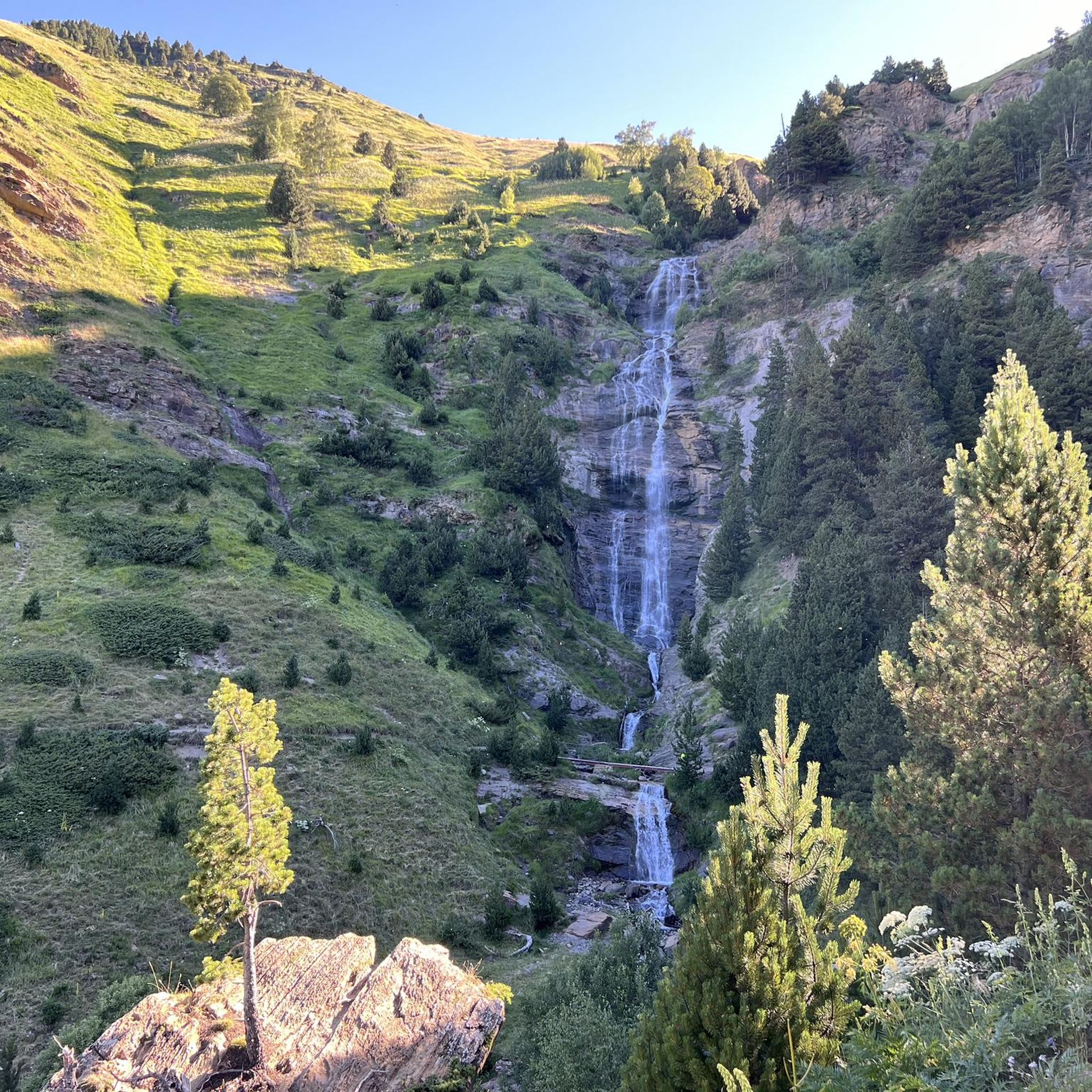
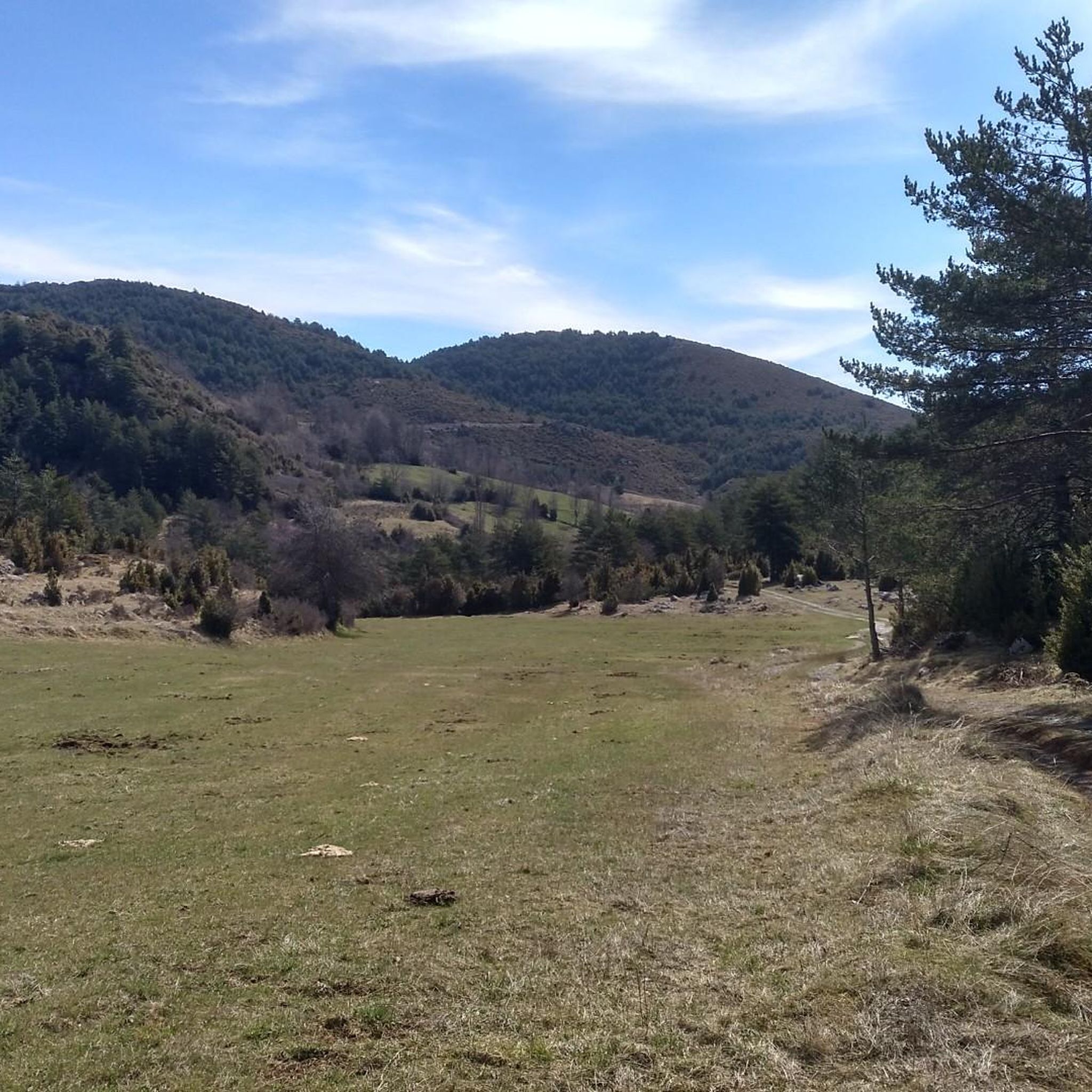
Other adventures around Bisaurri

Tips from the Community

A legendary mountain pass in the Pyrenees. A crossing point between the Chistau and Benasque valleys, linking Sobrarbe and Ribagorza at an altitude of 2000m.
0
0

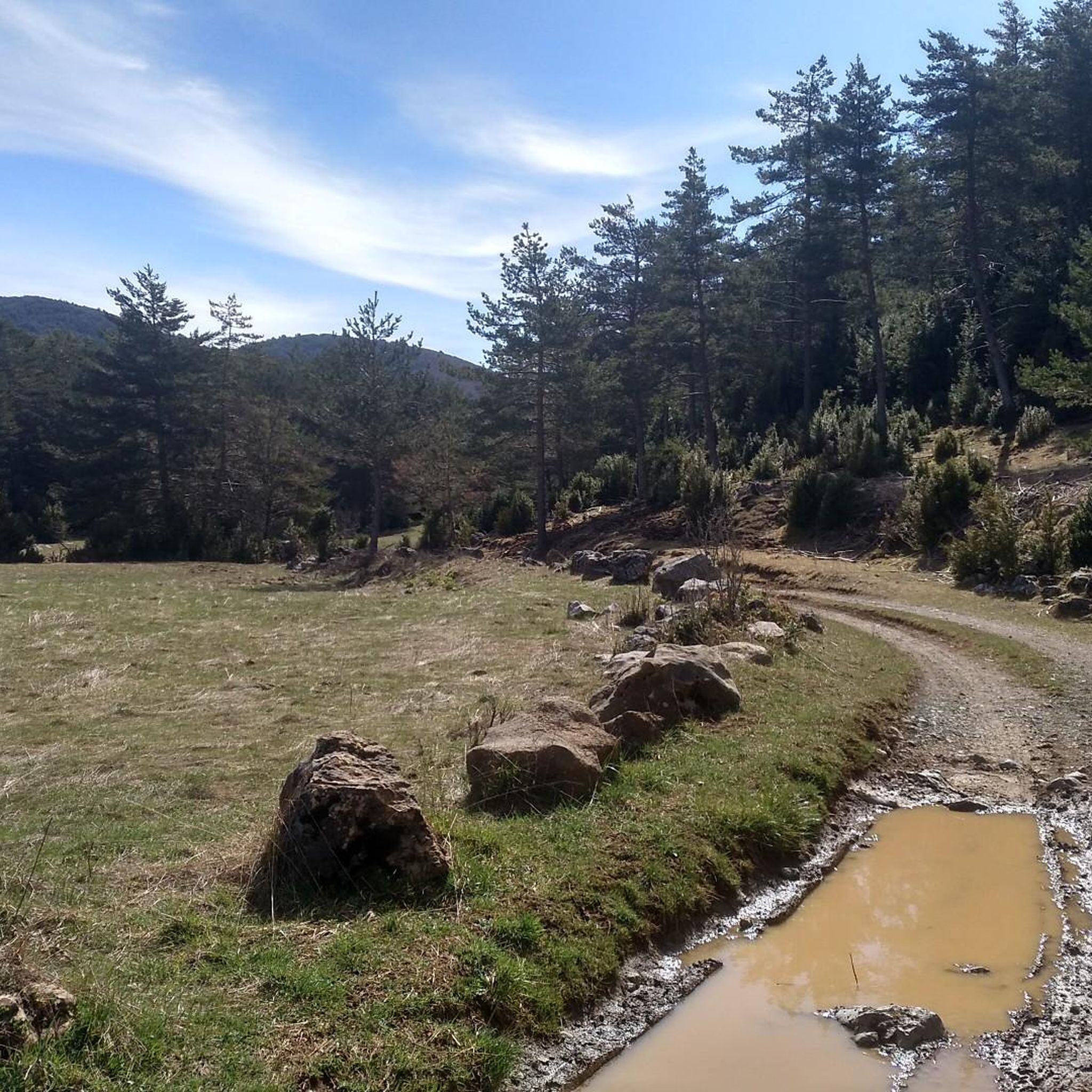
Access is via forest tracks in good condition. Obviously, to reach 2000m it takes a little time but the reward is worth it: the views are magnificent over the valleys and peaks at 360 degrees. A delight !
1
0

A table-bench combination in the shade of the forest.
1
0

This port connects the Noguera Ribagorzana river basin with the Sis valley and the Isábena basin, right on the border between Catalonia and Aragon. From Bonansa, the pass is a little over six kilometers long, with a fairly constant average drop of around 7%. Its other slope, the one that follows the Obarra gorge until it crowns the port, is much longer. It is 15 kilometers long, but it is very flat, with percentages around 3%, until it practically reaches the top, where the last two kilometers present considerable unevenness, with ramps of more than 15%.
0
0

The port of Bonansa is located at an altitude of 1,380 meters, in an open area from which you can see the panorama of the surrounding mountains. The climb is demanding, but worth it.
1
0

The port of Bonansa is located at an altitude of 1,380 meters. On one side of the pass is the town of Bonansa, and on the other, an extensive pine forest that marks the beginning of the descent to the Obarra gorge.
0
0

This is the natural pass between the valleys of Chistau and Benasque. As such, it has been used for millennia and proof of this is the megalithic circle next to the track, which even then served to delimit border limits called "mugas".
0
0
Impressive mountain pass in the Pyrenees of Huesca surrounded by peaks with 3,000 meters of altitude, it is located at 1,912 meters of altitude right on the ski slopes of Aramón Cerler.
2
0
Frequently Asked Questions
How challenging are the mountain passes around Bisaurri?
The mountain passes in the Bisaurri area offer a range of challenges. For instance, Collado de Sahún is known for its demanding ascent on a gravel track, with an elevation gain of at least 1119 meters, making it a rewarding goal for experienced adventurers. Similarly, the climb to Bonansa Pass is considered demanding, especially from Bonansa with an average gradient of around 7% over six kilometers. However, there are also passes like Coll de l'Espina (1407 m), which features a smoother, sustained rise not exceeding 8%.
What kind of views can I expect from the mountain passes?
The mountain passes around Bisaurri offer stunning panoramic views of the Aragonese Pyrenees. From Collado de Sahún, you can see prominent peaks like Aneto, Posets, Robiñera, Monte Perdido, and Eristes. Bonansa Pass provides a 360-degree panorama of the surrounding mountains and connects the Noguera Ribagorzana river basin with the Sis valley and Isábena basin. Coll de Fadas also offers spectacular views, particularly over the Posets massif. Puerto de Ampriu, located at 1,912 meters, is surrounded by 3,000-meter peaks in the heart of the Benasque Valley.
What outdoor activities can I do near the mountain passes?
The area around Bisaurri's mountain passes is excellent for various outdoor activities. You can explore numerous trails for gravel biking, with options like the challenging "Castejón de Sos – Coll de Fadas loop from Castejón de Sos" (40.8 km). For running enthusiasts, there are trails such as the "Sesué Village loop from Castejón de Sos" (8.2 km). Mountain biking is also popular, with routes like the "Bisaurri Forests Trail" (21 km). You can find more details on these activities and routes in the dedicated guides for Gravel biking around Bisaurri, Running Trails around Bisaurri, and MTB Trails around Bisaurri.
When is the best time to visit the mountain passes around Bisaurri?
The best time to visit the mountain passes around Bisaurri generally depends on the activity. For hiking and cycling, late spring (May-June) and early autumn (September-October) offer pleasant temperatures and stable weather conditions. Summer (July-August) is also popular, though some passes might be very exposed to the sun. Winter visits (November-April) are possible for those interested in snow activities, especially near passes like Puerto de Ampriu which is located on ski slopes, but require appropriate gear and awareness of snow conditions.
Are there family-friendly mountain passes around Bisaurri?
While many passes in the Aragonese Pyrenees can be challenging, some routes or sections might be more suitable for families. For example, the alternative route to Bonansa Pass via the Congosto de Obarra is much longer but less steep for most of its length, making it potentially more accessible for families seeking a less strenuous experience. Always check the specific route details and difficulty ratings before heading out with children.
What makes Bonansa Pass a significant destination?
Bonansa Pass is a significant mountain pass located at an altitude of 1,380 meters. It's known for its challenging ascent, especially from Bonansa, but rewards visitors with stunning panoramic views of the surrounding mountains. Geographically, it connects the Noguera Ribagorzana river basin with the Sis valley and the Isábena basin, sitting right on the border between Catalonia and Aragon. The pass also offers varied routes, including a longer, less steep option via the Congosto de Obarra.
What should I know about Collado de Sahún?
Collado de Sahún is a challenging mountain pass that offers breathtaking views of iconic peaks such as Aneto, Posets, Robiñera, Monte Perdido, and Eristes. The ascent is demanding, primarily on a gravel track, and involves a significant elevation gain of over 1100 meters to reach the pass height at 2020 meters. It's considered a worthwhile goal for experienced adventurers and cyclists, though it can be a tough climb for touring bikes.
What is unique about Coll de Fadas?
Coll de Fadas is a beautiful mountain pass renowned for its spectacular views over the Posets massif. It's particularly known for its "double col" characteristic, which means you'll experience a short descent followed by another ascent before reaching the true summit. This feature adds an interesting dynamic to the cycling or hiking experience.
Where is Puerto de Ampriu located and what does it offer?
Puerto de Ampriu is an impressive mountain pass located at 1,912 meters of altitude in the Pyrenees of Huesca, right on the ski slopes of Aramón Cerler, in the heart of the Benasque Valley. It's surrounded by peaks reaching 3,000 meters, offering magnificent views. The approach involves a paved road of about 15 kilometers uphill from Benasque, making it a significant destination for cyclists and those seeking high-mountain vistas.
Are there any less-known mountain passes worth exploring?
While the region is known for its prominent passes, Coll de l'Espina (1407 m) offers a pleasant experience. Described as a road between hills and some forest stretches rather than a true high mountain pass, it features a smooth and sustained rise that generally doesn't exceed 8%. This could be a good option for those looking for a less strenuous or less frequented route with scenic appeal.
Can I expect to see wildlife around the mountain passes?
The Aragonese Pyrenees, being a rugged and natural environment, offer opportunities to observe local wildlife. While specific sightings are never guaranteed, the mountainous terrain and forests around passes like Bonansa Pass (which borders an extensive pine forest) provide habitats for various species. Keep an eye out for birds of prey, chamois, and other mountain fauna, especially during quieter times of day.
Are there loop trails available around the mountain passes?
Yes, there are several loop trails that incorporate or pass near the mountain passes. For instance, in the gravel biking guide, you can find the "Best views of the Benasque Valley – Collado de Sahún loop from Chía," which is a challenging 26.8 km route. The running guide also features loops like the "Sesué Village loop from Castejón de Sos" (8.2 km). These loops allow you to experience the passes as part of a longer, circular journey. More options are available in the Gravel biking around Bisaurri and Running Trails around Bisaurri guides.
Most popular attractions around Bisaurri

Get inspired with the komoot mobile app


Explore more
See even more epic mountain passes by checking out these guides around Bisaurri:
