Attractions and Places To See around El Masroig - Top 20
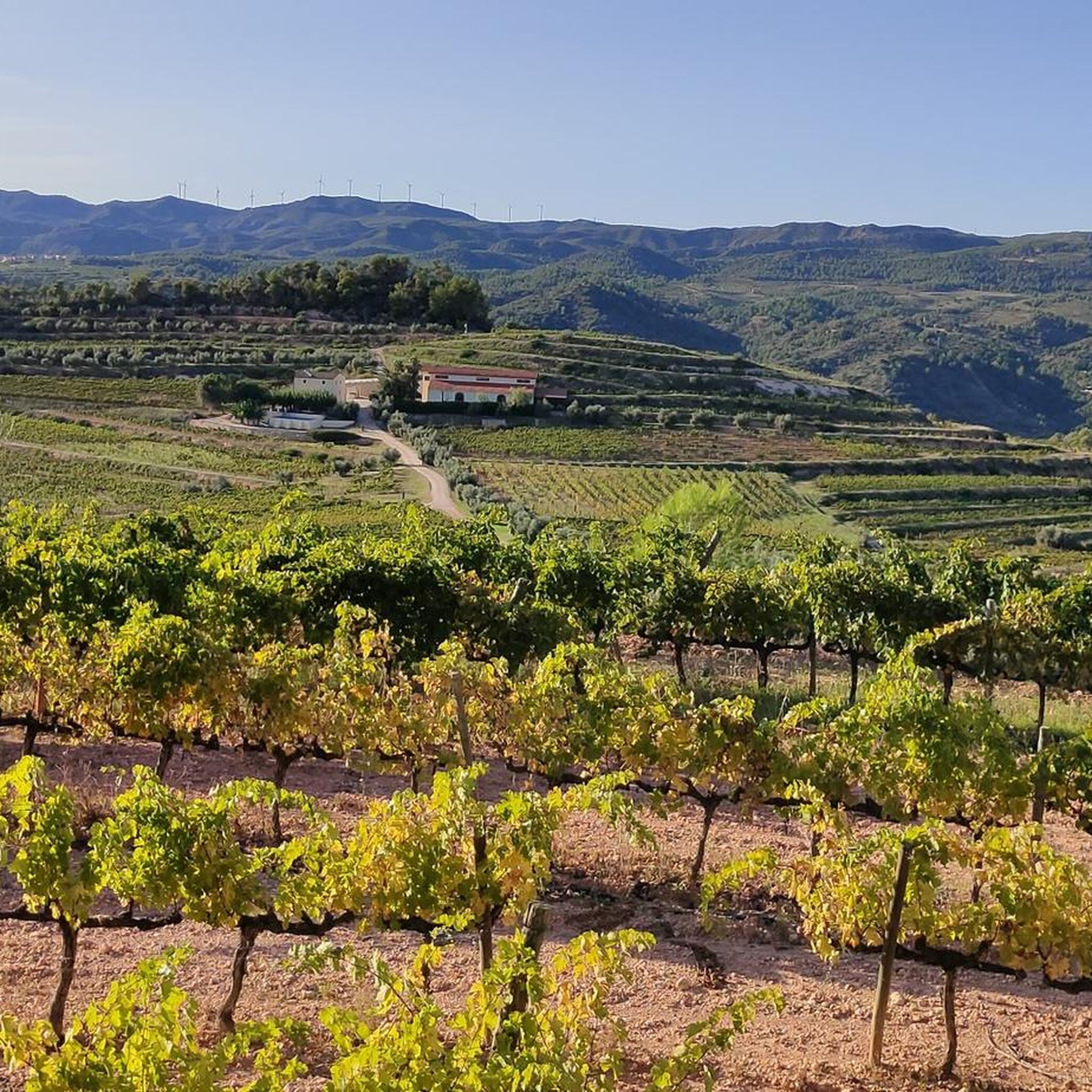
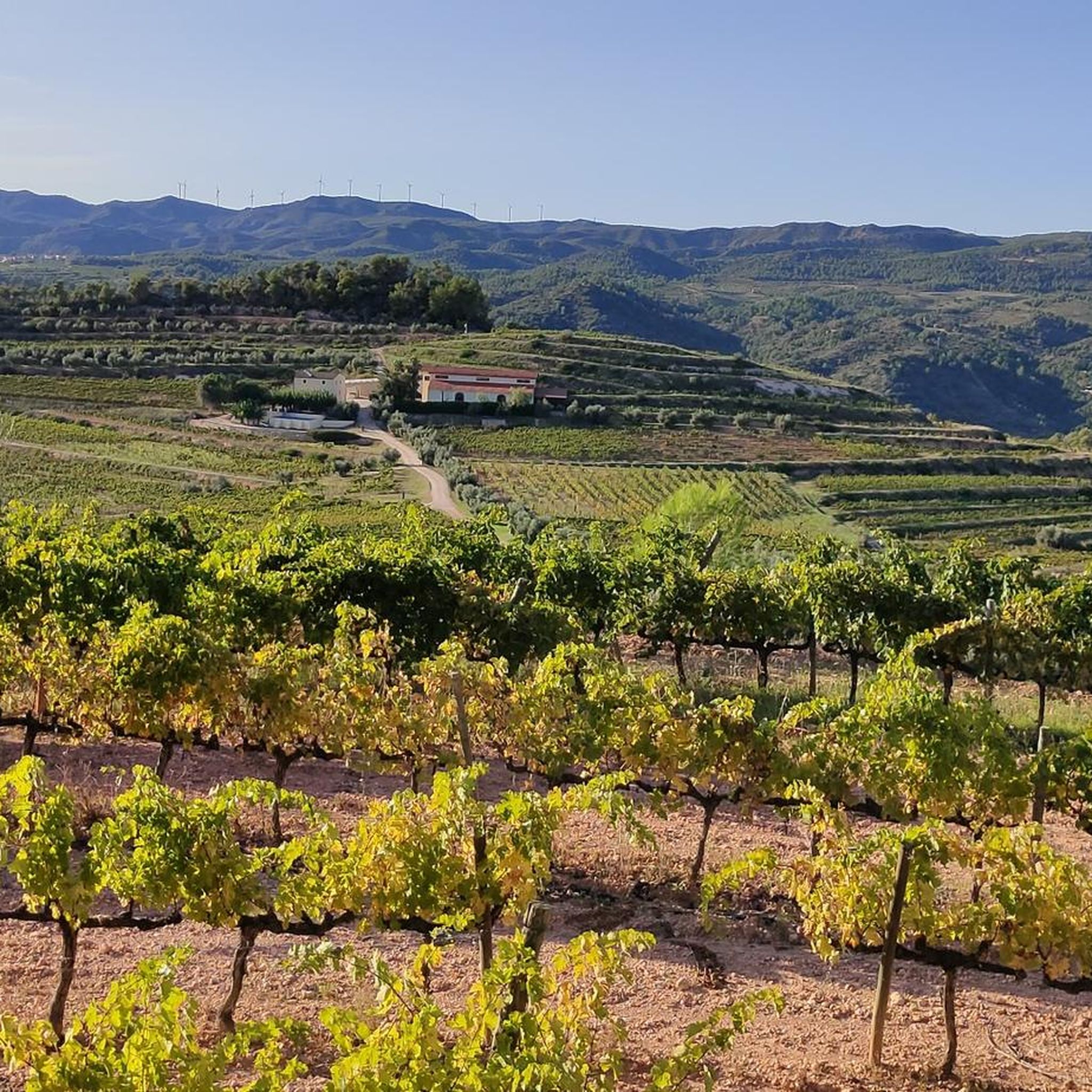
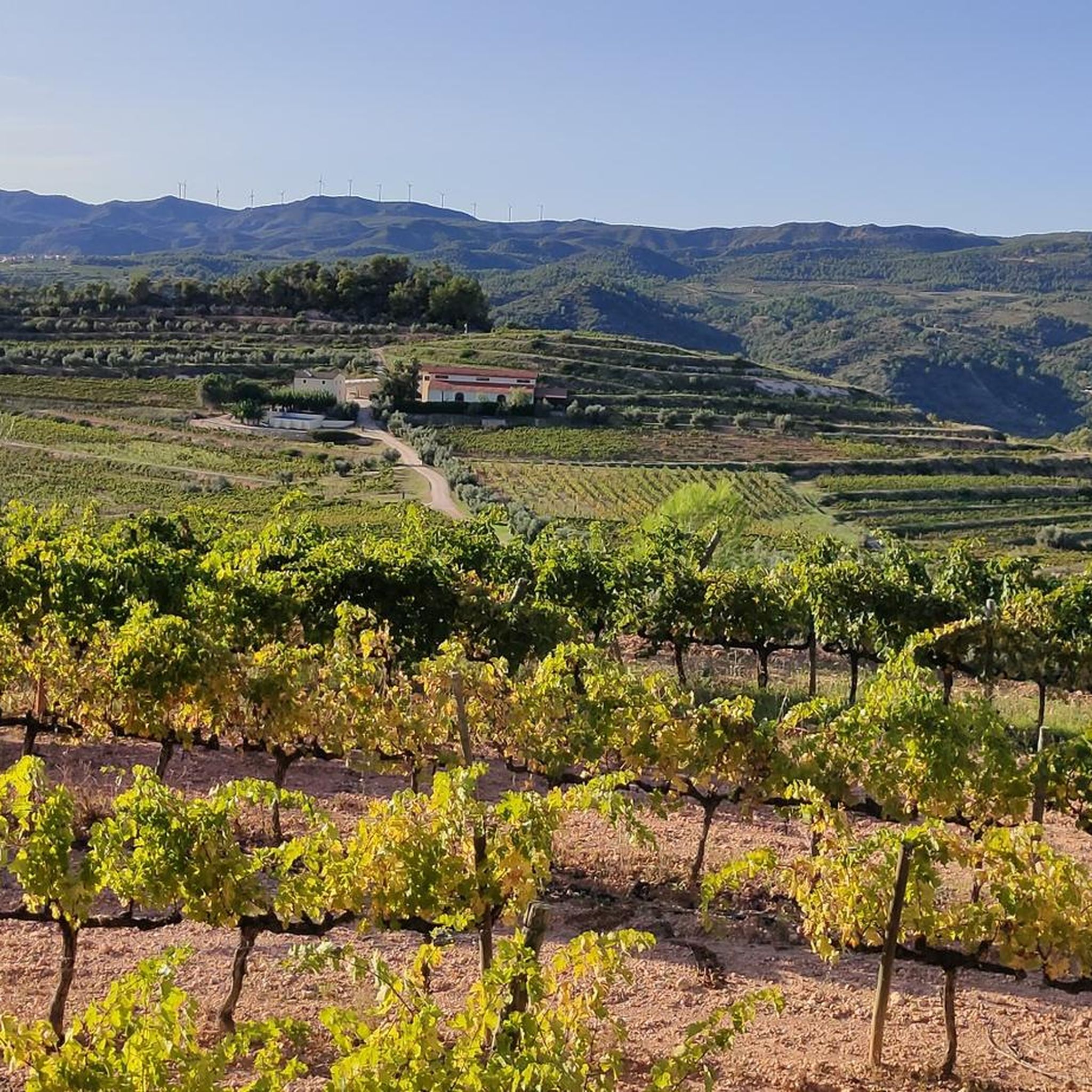
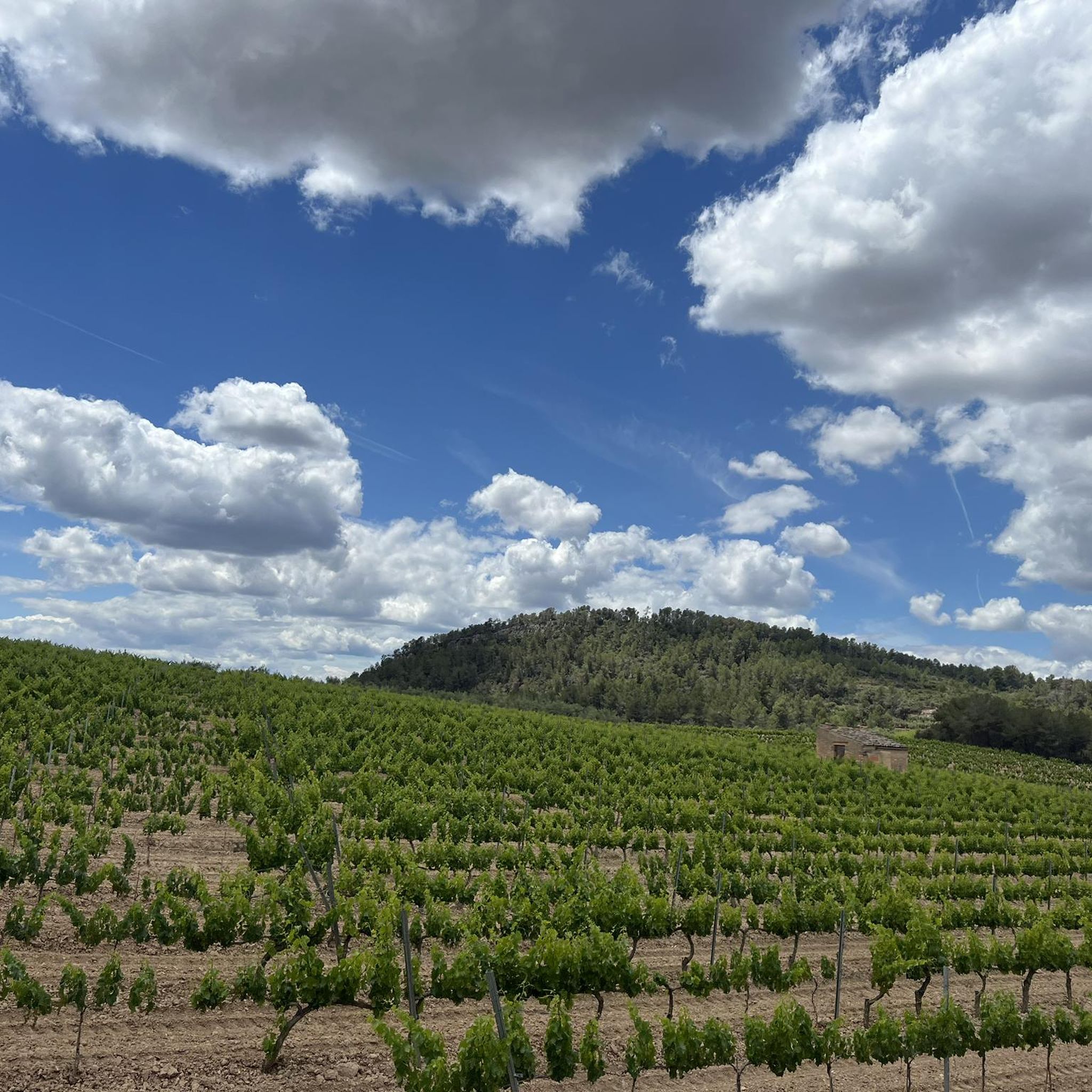
Best attractions and places to see around El Masroig, a village in Catalonia's Priorat region, offers a landscape of gentle hills and valleys, framed by the Serra del Montsant and Serra de Llaberia mountain ranges. The area is characterized by its rich wine and olive oil culture, with the Siurana River playing a significant role in its geography. Visitors can explore historical landmarks, natural features, and cultural sites deeply rooted in viticulture and olive oil production.
Best attractions and places…
Last updated: October 9, 2026
Llaberia Village
Highlight • Settlement
Translated by Google •
Tip by

Trucafort Wind Farm
Highlight • Structure
This wind farm covers 85 hectares and is located …
Translated by Google •
Tip by

Sign up now to discover places like this
Get recommendations on the best single tracks, peaks, & plenty of other exciting outdoor places.
Coll Roig Pass (Colldejou)
Highlight (Segment) • Mountain Pass
Translated by Google •
Tip by

Sant Gregori Hermitage (Falset)
Highlight • Religious Site
Translated by Google •
Tip by

Capçanes railroad viaduct
Highlight • Bridge
Translated by Google •
Tip by

Sign up for free to discover even more attractions around El Masroig.
Already have an account?
Start today with a free account
Your next adventure awaits.

Tips from the Community


Llaberia is an old medieval settlement that belongs to the municipality of Tivisa. It is worth walking through its cobbled streets and admiring the ancient facades. One of the houses, called Cal Riba, dates from 1640. The Romanesque church of San Juan Bautista also stands out.
2
0

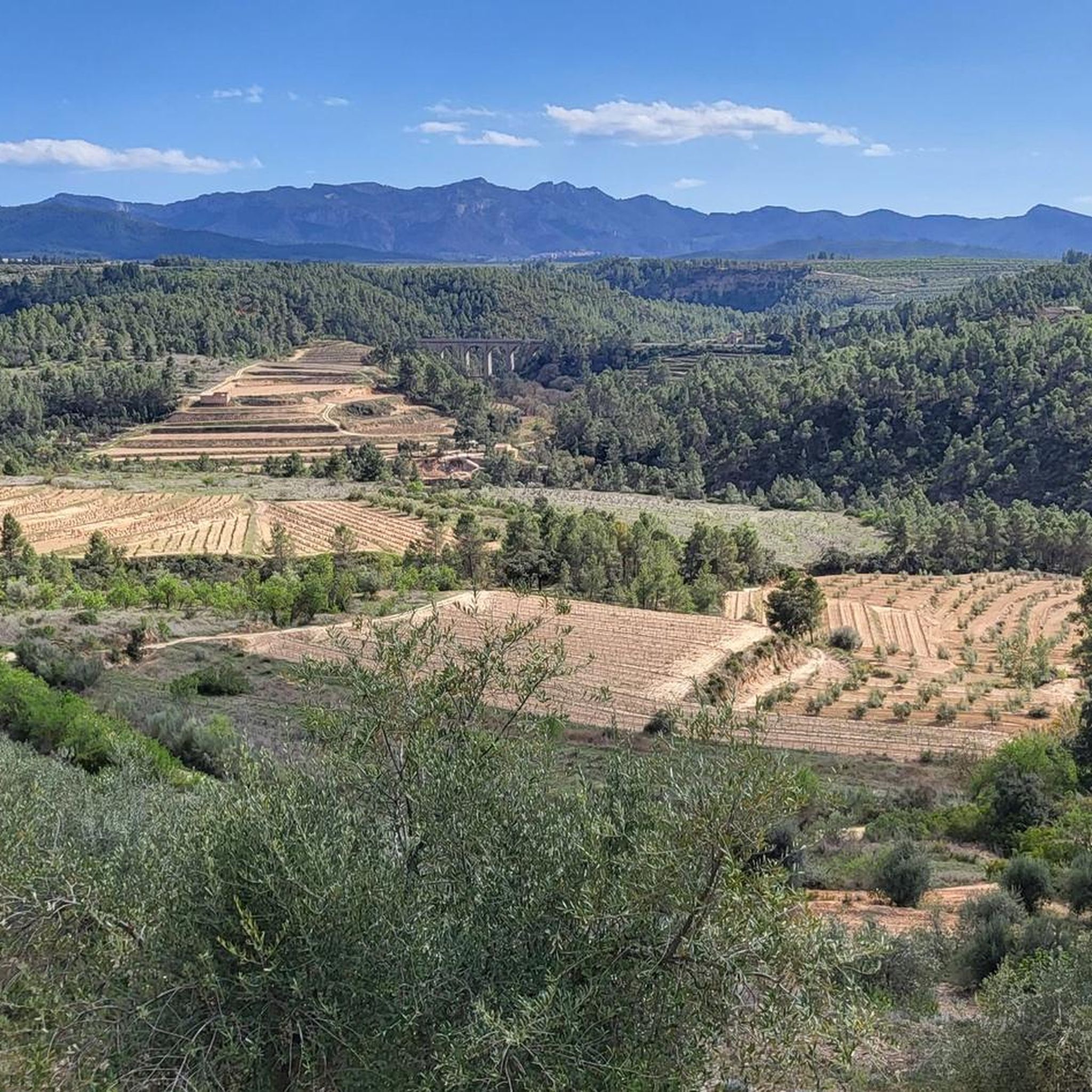
At the end of the 19th century, all of Catalonia suffered an economic downturn that coincided with an attack by the phylloxera insect, which killed the vineyards. This led to the depopulation of many towns. However, in this area, the decline was not as severe as in others thanks to the railway line, which played a fundamental role in the wine trade, as it quickly connected the consuming and producing areas, ensuring that the wine arrived at its destination in better condition.
2
0

The hermitage of Sant Gregori is built under the reddish sandstone rocks of the mountain near the municipality of Falset. In front of the hermitage there is a balcony with an excellent viewpoint of the Falset valley. There is also a picnic area with tables very close by.
3
0

The Trucafort wind farm was created in 1999 and produced a great leap in terms of installed wind power in Catalonia. This wind farm covers 85 hectares and is located in the villages of Pradell de la Teixeta and Torre de Fontaubella (Priorat), and Argentera and Colldejou (Baix Camp), in the Argentera mountain range. It includes 91 wind turbines, which have a total power of 29.85 MW. In the Serra de l'Argentera the wind goes at a speed of 7 m/s. The brand of wind turbines in this wind farm is ECOTECHNICA, but they use two different models: 28/225 and 44/600. This fact allows great adaptation to the location. The GR 7 crosses its southern part. Interestingly, the path that goes up there from the Torre de Fontaubella is called "Camí del Vent" for a reason.
2
0
The charm of Llaberia lies in its medieval physiognomy that remains intact. It is the smallest and highest town in the municipality of Tivissa, located at 680 m. above sea level. The beautiful town, an aggregate of Tivissa, was practically abandoned but is currently well recovered. Walking through the town we pass the "Museu del Bast", by Emili Boada and dedicated to Benvinguda Riba Pallejà. Unfortunately, the museum was closed a few years ago and its pieces given to the "La Masia de Castelló" Foundation, despite the fact that many were donations from the people of Llaberia. The alley next to it, called "El Pontet", which descends in an arcade beyond, leads to the Font de la Verge with the washing machines of the villa. This name is due to the fact that in the past there was a chapel with an image of the Virgin. We continue to contemplate beautiful texts that decorate the walls of some houses, like this one: "... Llaveria sucks the spirit of the mountain that beats alive in the sour charm of its streets..." by Josep Iglésies and we pass to near the Romanesque church of Sant Joan Degollat, from the 12th or 13th century. The church was transformed into a place of defense and among many details, inside there is a silo to store grain, it has a double roof with a wall with loopholes and matacán covered over the door. Today the church is one of the most emblematic late Romanesque elements of southern Catalonia. For your visit you must contact the Fundació Esforç de Tivissa (tel: 977 41 73 18). To finish this short review, let me tell you that the name of the place probably comes from the Arabic "Al-Abbarî", which we would translate as "De la Travessa", being the point that had to be "crossed" to go from Camp de Tarragona to the Ebro.
2
1

Fantastic hermitage embedded in the mountain with dozens of hiking trails and a table and recreation area for pignic.
1
0

Coll Roig (or Colldejou) is a mountain pass connecting the towns of Mont-roig del Camp and La Torre de Fontaubella. The road winds through wooded areas in places, but near Colldejou it also offers views of the sea. The wind turbines at the pass's highest point are visible from afar and accessible via a very steep, paved road. A detour is worthwhile – but caution is advised on the descent.
4
0
Frequently Asked Questions
What historical landmarks can I explore in El Masroig?
El Masroig is rich in history. You can visit the neoclassical Sant Bartomeu Church, built in the 19th century, or the Municipal Washhouses from the early 20th century. For ancient history, explore the Llaberia Village, an old medieval settlement with cobbled streets and the Romanesque church of San Juan Bautista. Further afield, the Puig Roig del Roget Protohistoric Site offers insights into the Late Bronze Age and Early Iron Age.
Are there any viewpoints with panoramic scenery near El Masroig?
Yes, several spots offer stunning views. The Hermitage of Les Pinyeres, perched on a hill overlooking the Siurana river, provides impressive panoramic vistas with the Serra del Montsant as a backdrop. The Sant Gregori Hermitage (Falset), built under reddish sandstone rocks, offers an excellent viewpoint of the Falset valley. Additionally, the Coll Roig Pass (Colldejou) provides views of the sea from its highest point.
What natural features characterize the landscape around El Masroig?
The area around El Masroig is defined by a landscape of gentle hills and shallow valleys, framed by the impressive Serra del Montsant and Serra de Llaberia mountain ranges. The Siurana River also plays a significant role, with several attractions situated along its banks. You'll find a mix of wooded areas and open vistas, especially around mountain passes like Coll Roig Pass.
What kind of outdoor activities can I do near El Masroig?
El Masroig is an excellent base for outdoor enthusiasts. You can explore an extensive network of trails for walking or cycling. For specific activities, consider running trails, cycling routes, or mountain biking trails. Many routes connect the village with neighboring towns and offer opportunities to discover traditional dry-stone huts.
Are there any family-friendly attractions or activities in the area?
Yes, the area offers options for families. The Sant Gregori Hermitage (Falset) is considered family-friendly and includes a picnic area with tables. Exploring the charming cobbled streets of Llaberia Village can also be an enjoyable activity for all ages.
What is the best time of year to visit El Masroig?
El Masroig is pleasant for visiting during spring and autumn when the weather is mild and ideal for outdoor activities like hiking and cycling. These seasons also offer beautiful natural scenery, with vineyards either blooming or showcasing their autumnal colors. Summer can be hot, while winter is generally mild but cooler for outdoor pursuits.
Can I learn about wine and olive oil production in El Masroig?
Absolutely. El Masroig is deeply rooted in viticulture and olive oil production, being part of the DO Montsant wine region and DOP Siurana for olive oil. You can visit Celler Masroig, one of the largest wineries in Priorat, which offers tours of its facilities and vineyards, as well as wine tasting courses. They also produce extra-virgin olive oil. Other cellars like Coca i Fitó also offer visits.
What are some unique cultural sites related to the region's heritage?
Beyond the main historical sites, the region's heritage is deeply tied to its agricultural traditions. The Municipal Washhouses provide a glimpse into early 20th-century village life. The annual Fira Masroig Vi Solidari (solidarity wine fair) highlights the importance of the wine sector and local culture.
Are there any archaeological sites to visit near El Masroig?
Yes, the Puig Roig del Roget Protohistoric Site is a significant archaeological find. Located on a 200-meter-high hill above the Siurana river, it is one of the oldest and best-preserved protohistoric settlements in Catalonia, dating back to the Late Bronze Age and Early Iron Age. Explanatory panels guide visitors through the site.
What do visitors enjoy most about the attractions around El Masroig?
Visitors particularly appreciate the blend of historical charm, natural beauty, and the tranquility of the region. The medieval feel of Llaberia Village, the stunning views from places like Sant Gregori Hermitage, and the unique experience of the Coll Roig Pass are frequently highlighted. The opportunity for hiking and cycling through picturesque landscapes is also a major draw.
Are there any castles or ancient fortifications to see?
Yes, approximately 15 km from El Masroig, you can visit the Miravet Castle (Castillo de Miravet), a significant historic building. Closer by, the Castle of Móra d’Ebre, an old military building of Islamic origin from the 11th century, offers preserved ruins and acts as a viewpoint over the surroundings.
What are some lesser-known or 'hidden gem' attractions in the El Masroig region?
While popular spots are well-known, the Hermitage of Les Pinyeres, with its stunning views and natural surroundings, offers a peaceful retreat away from larger crowds. The Puig Roig del Roget Protohistoric Site is also a fascinating, less-trafficked historical gem for those interested in ancient cultures. Exploring the network of trails along the old 'camí ral' (royal road) to Falset can reveal traditional dry-stone huts, offering a glimpse into local heritage.
Most popular routes around El Masroig
Most popular attractions around El Masroig

Get inspired with the komoot mobile app


Explore more
Still not found the Highlight you’re looking for? See guides of the top attractions in other regions:
