Top 7 Castles around Montblanc
Best castles around Montblanc are found in a historic medieval town in Catalonia, Spain, renowned for its impressive fortifications. The area offers a captivating experience through its remarkably preserved medieval walls and significant historical buildings. While the original castle of Montblanc no longer stands, the town provides panoramic views from its former site. The surrounding region also features various historical castles and ruins.
Best castles around Montblanc
- The most popular castles is Ruins of La Mussara, a historical site…
Last updated: June 29, 2026
Ruins of La Mussara
Highlight • Historical Site
Translated by Google •
Tip by

Castillo del Paborde
Highlight • Castle
Translated by Google •
Tip by

Sign up now to discover places like this
Get recommendations on the best single tracks, peaks, & plenty of other exciting outdoor places.
Sign up for free
Milmanda Castle
Highlight • Castle
Translated by Google •
Tip by

Montblanc City Walls
Highlight • Historical Site
Translated by Google •
Tip by
Prenafeta Castle
Highlight • Castle
Translated by Google •
Tip by

Sign up for free to discover even more castles around Montblanc.
Sign up for free
Already have an account?
Start today with a free account
Your next adventure awaits.
Login or Signup
Popular around Montblanc
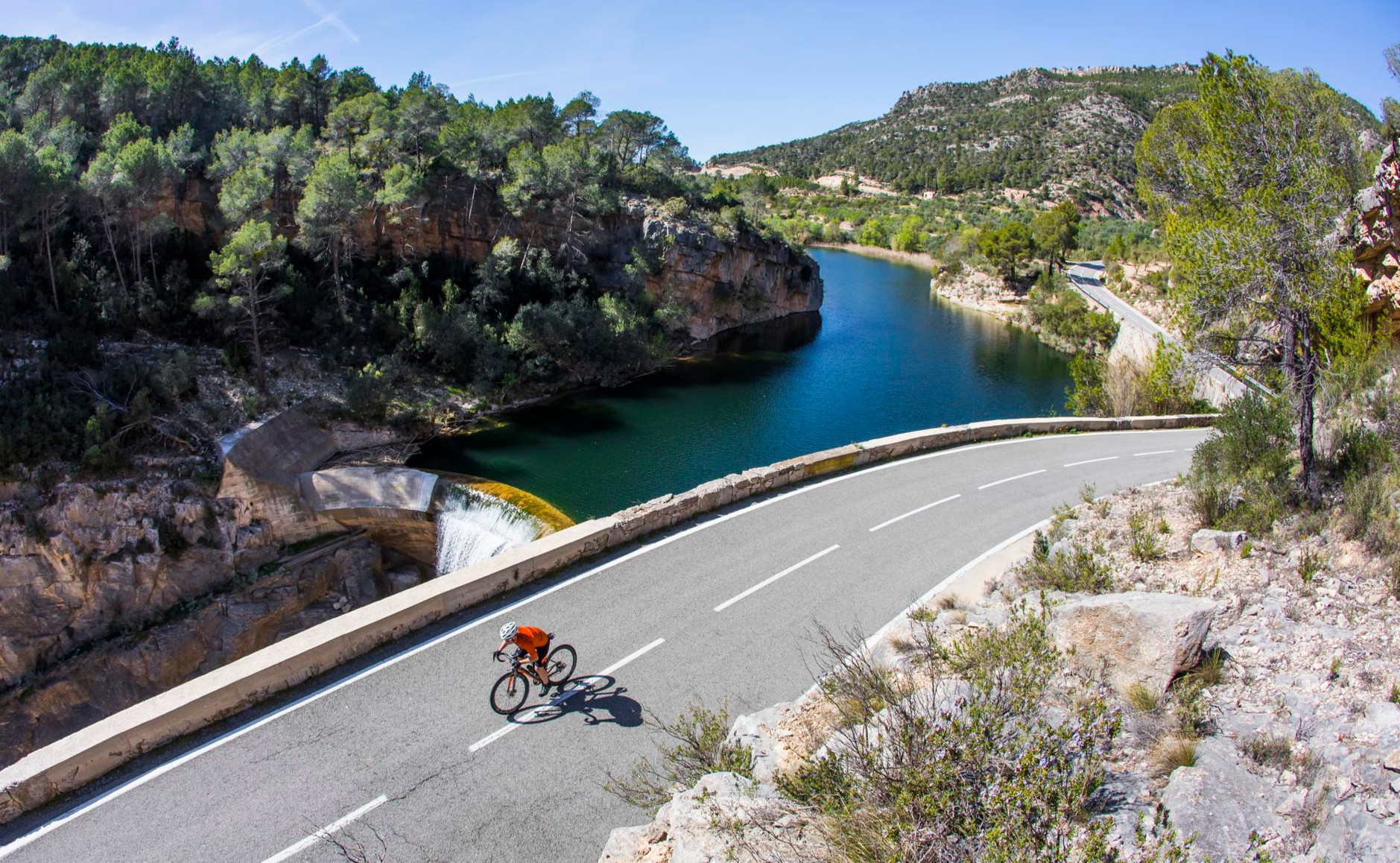
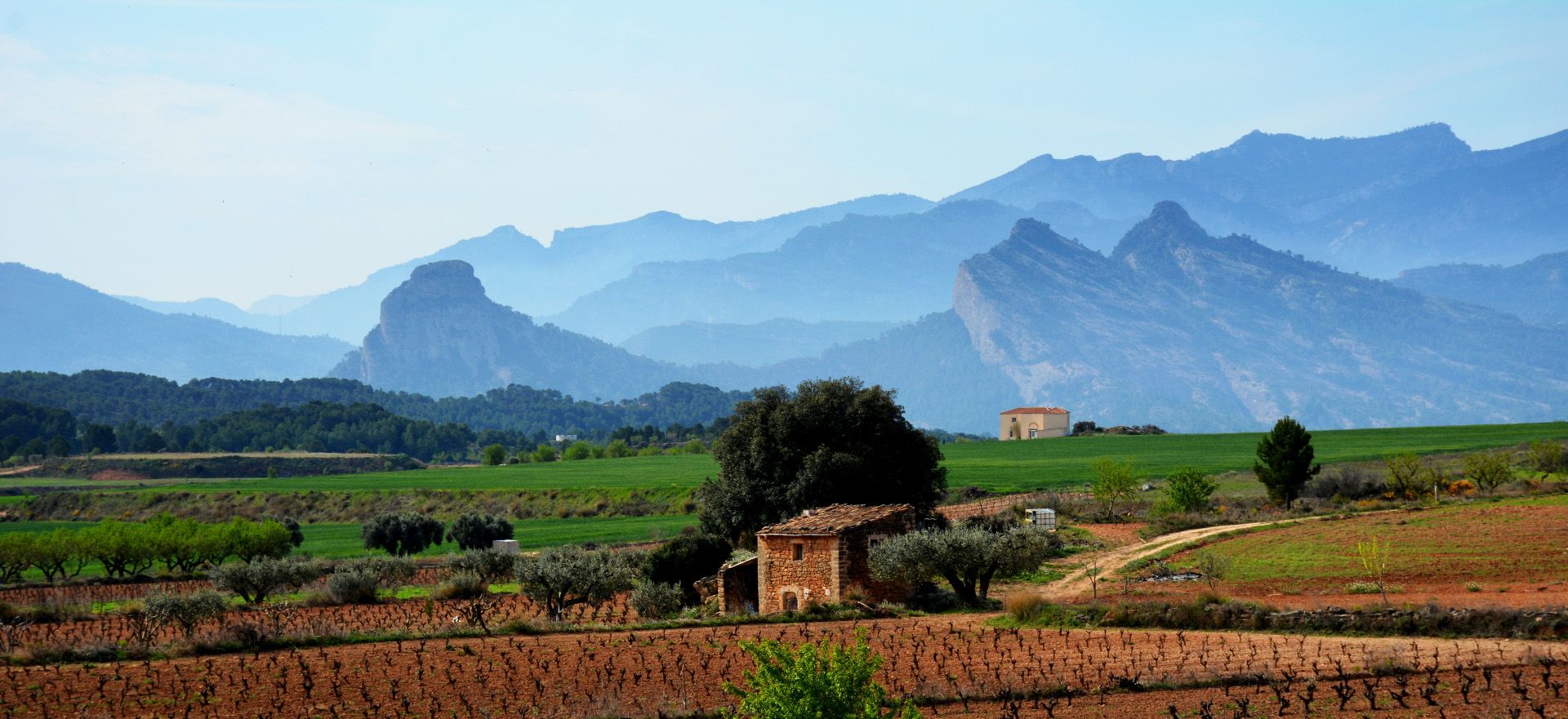
Costa Daurada - Mountains, orchards and monuments by bike
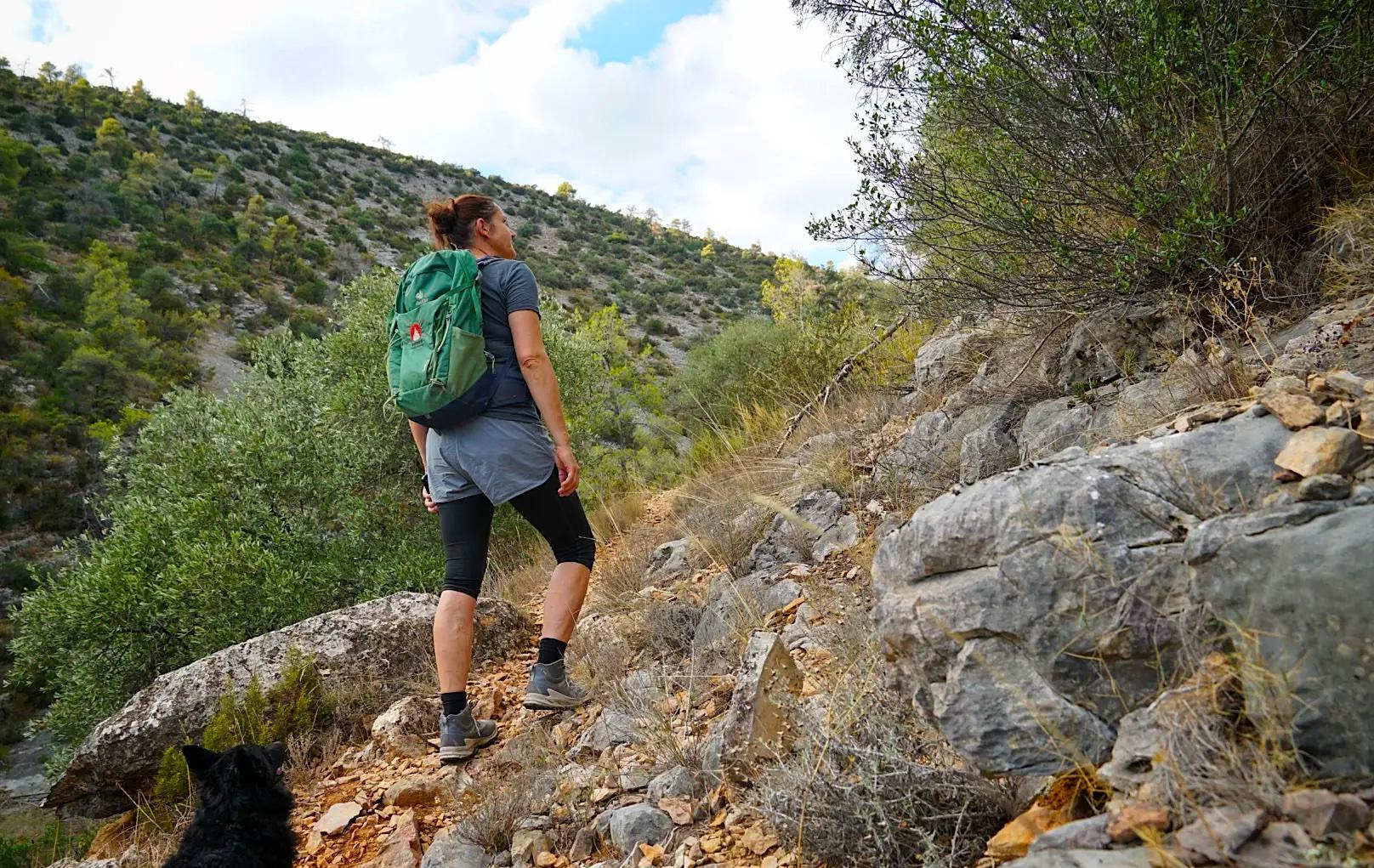
Catalonia's wild south — between sea and mountains
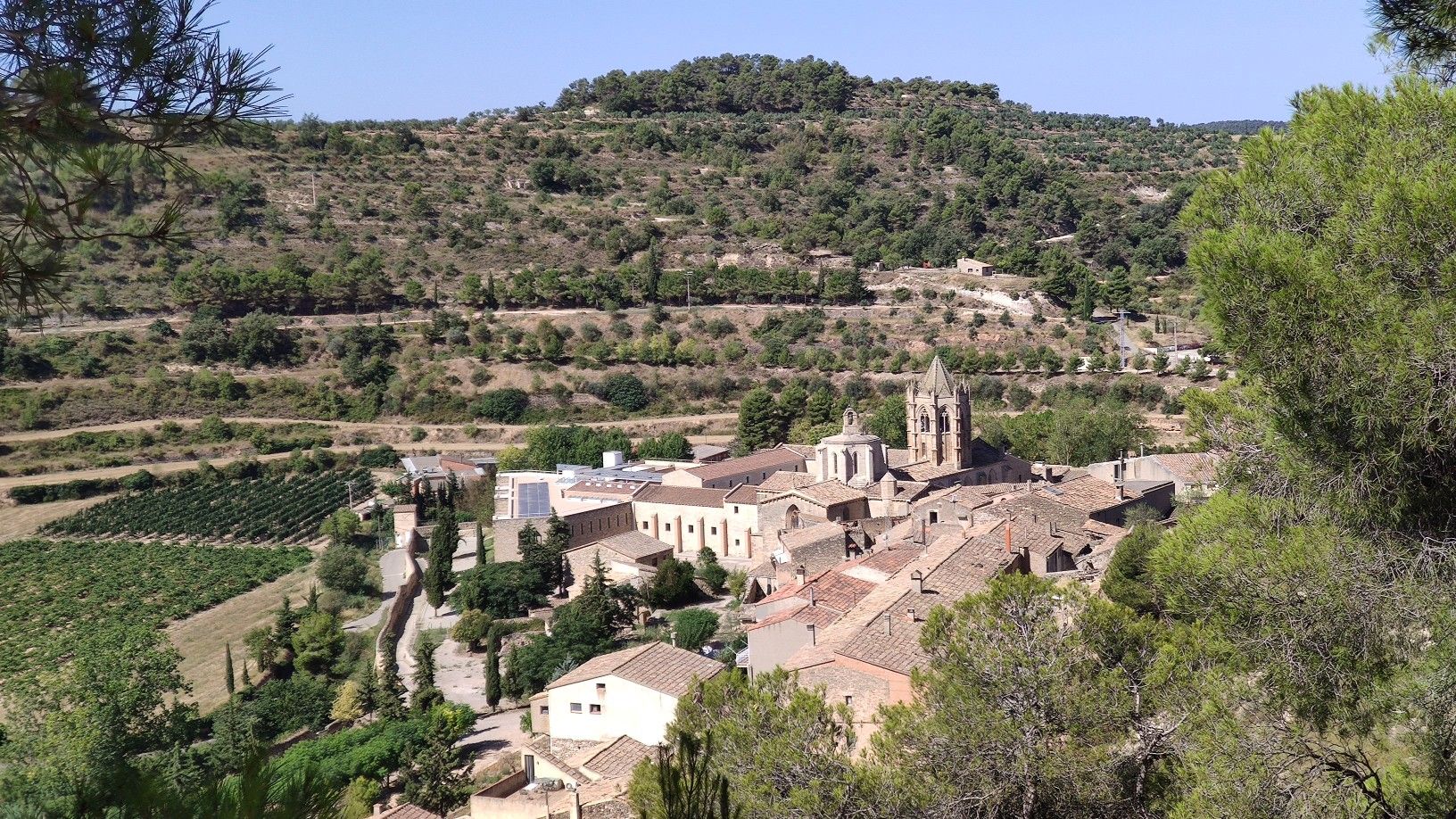
Monasteries, nature and culture – the Cistercian Route on foot
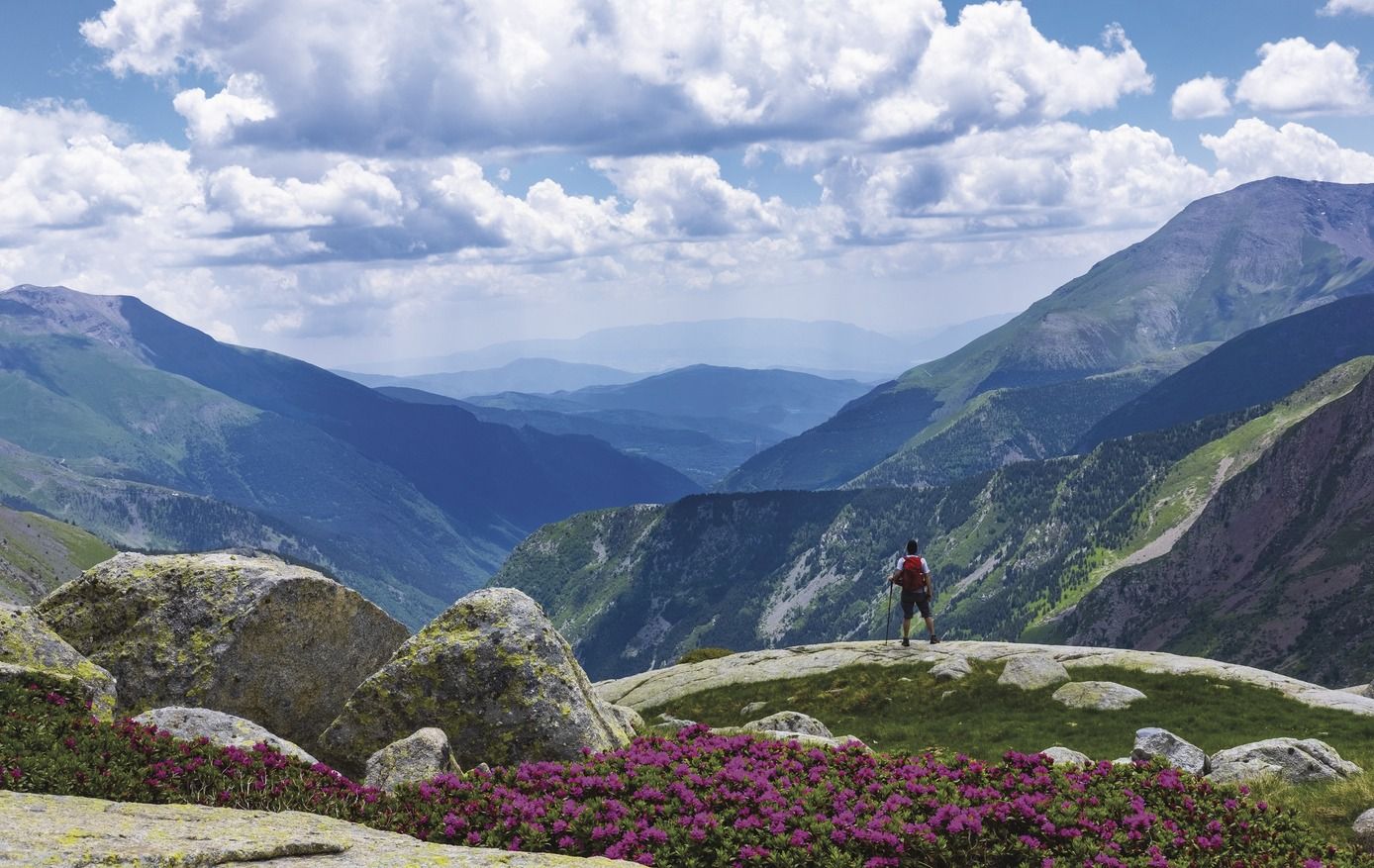
Great Hiking Routes of Catalonia
From the heart of southern Catalonia – GR 171
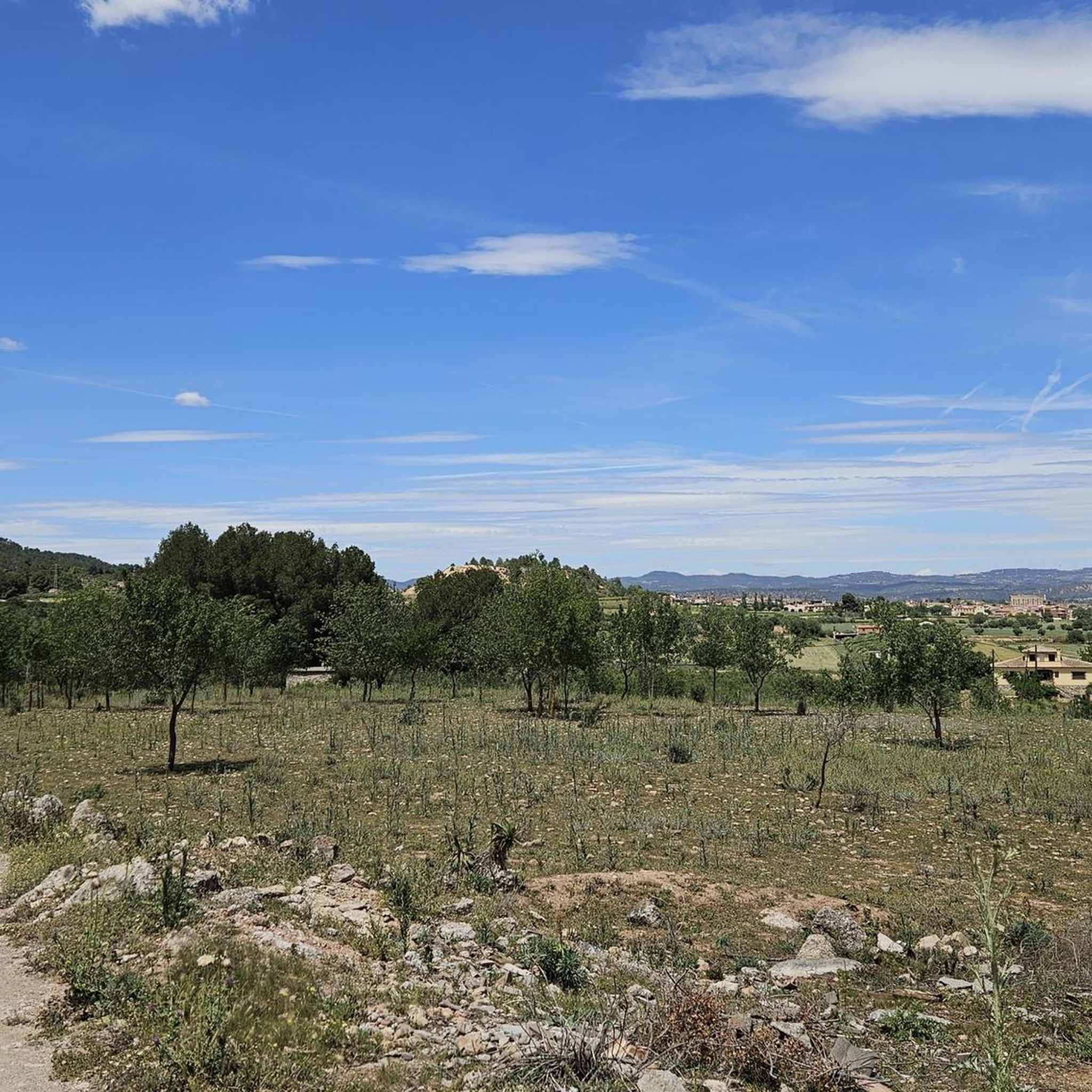
Cycling around Montblanc
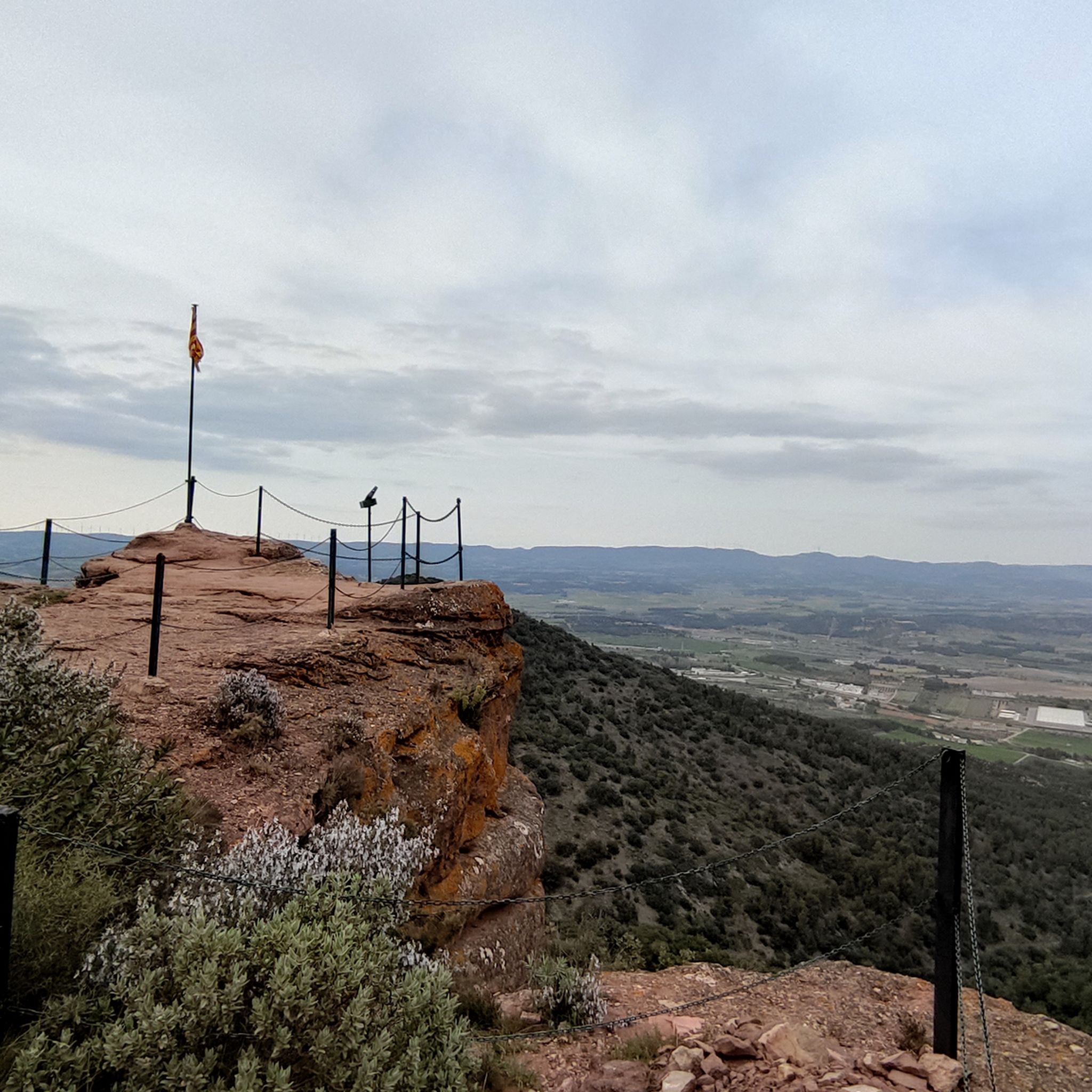
Hiking around Montblanc
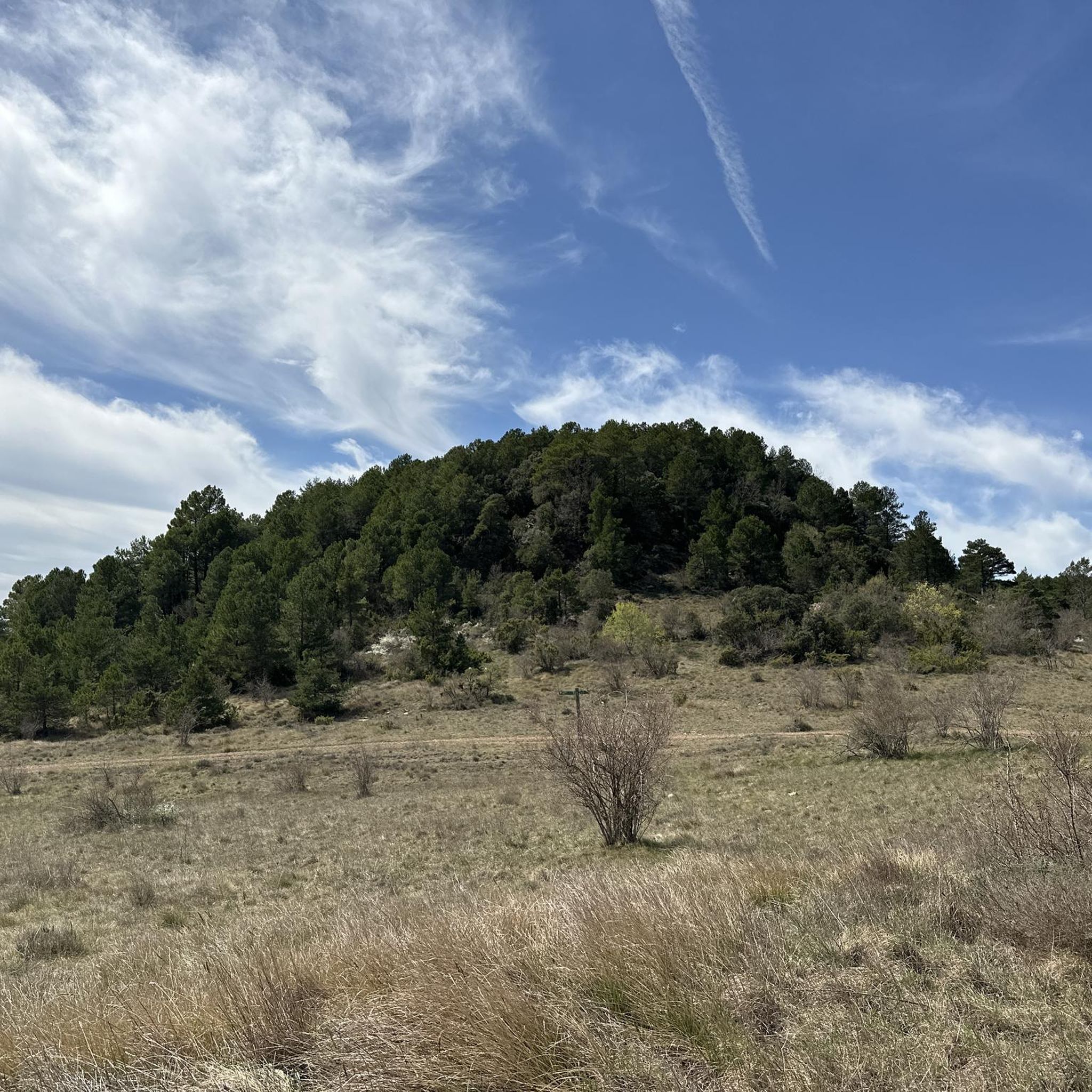
Road Cycling Routes around Montblanc
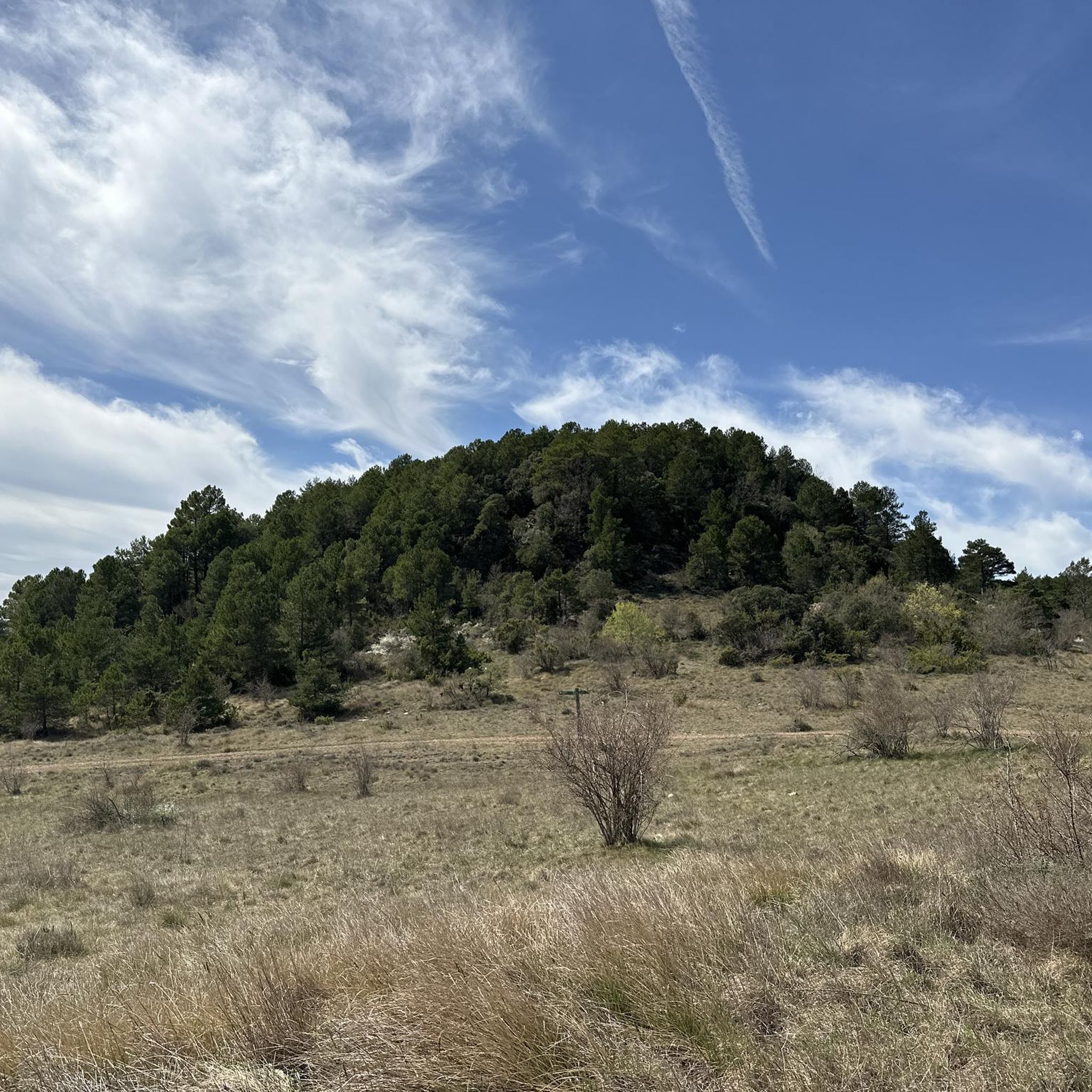
Running Trails around Montblanc
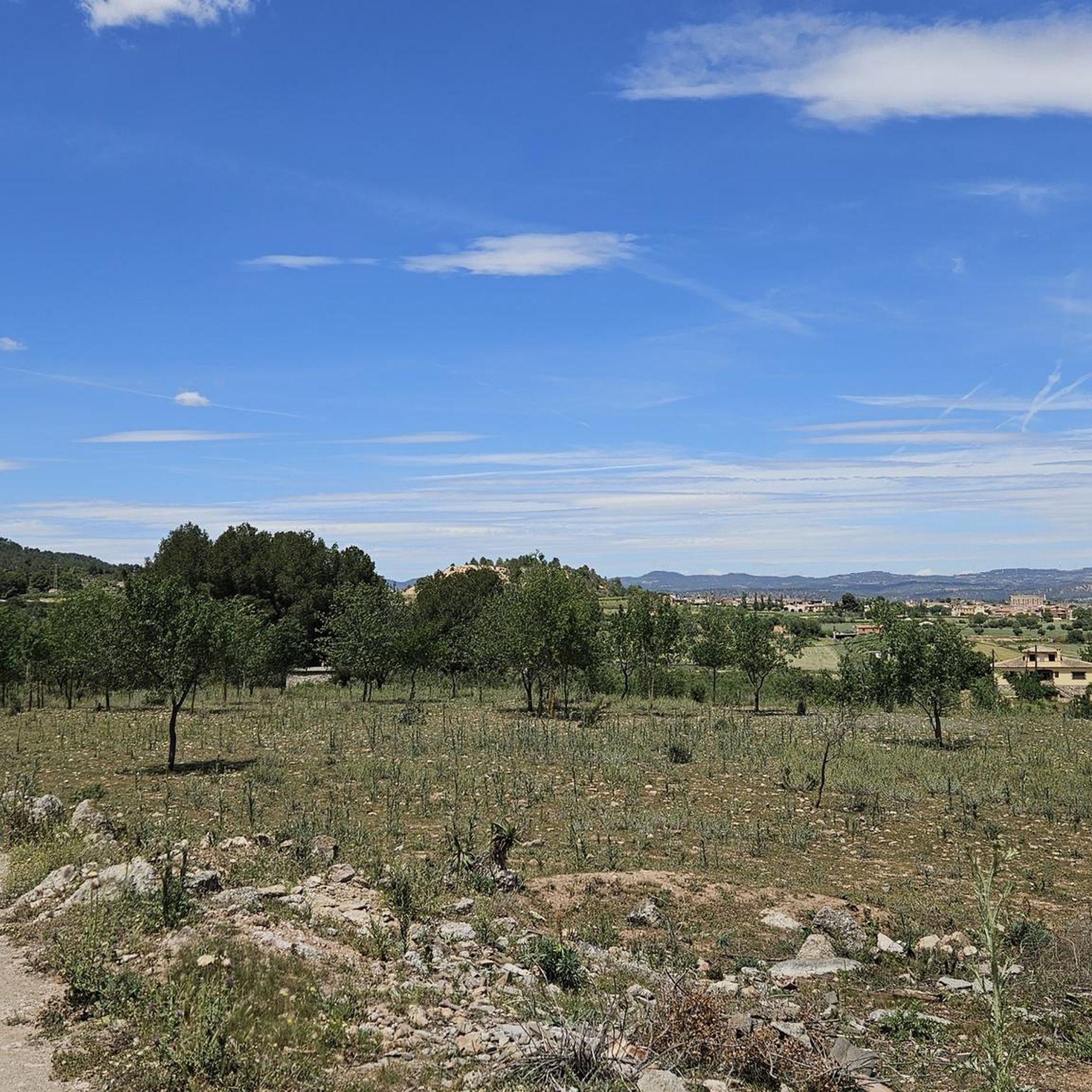
MTB Trails around Montblanc
Other adventures around Montblanc


Tips from the Community

The Selva Castle was for centuries the stately residence of the prefects of Tarragona and the archbishops of the metropolis. It belonged to the Papordia of the archbishop of Tarragona, and was probably built at the end of the 12th century. It was a residence very frequented by the paborde, but it mainly served as a storehouse for nuts and tithes. In 1411 Pope Benedict XIII decreed the abolition of the pabordia and the Castle was administered directly by the Archbishop of Tarragona and in the s. In the 16th century, the building was expanded with residential buildings and an upper floor accessed by a staircase. The action of the Constituent Courts during the Biennium of 1822 ended, in fact, with the lordships. This work was complemented by the confiscation laws of the middle of the 19th century, and thus the Selva Castle would become the property or usufruct of the Town Council. Passing through various users after the ecclesiastical confiscation, the Castle, the town's largest heritage building had become a ruin that the Selvatans have lived with for decades. Finally, in a municipal economic boom, the City Council, entering the new millennium, decided to carry out an ambitious project such as that of restoring the monument and giving it a function of public use in accordance with its identity , a first-rate cultural facility.
0
0

A place with great history, currently only ruins remain, shuttered to prevent their total collapse. Impressive views from the square at the bottom of the ruins of La Mussara.
2
0

The ruins of the castle of Prenafeta (11th century) also include part of the original nucleus of the population of Prenafeta. You can still see remains of the castle, the church and the fountain of Sant Salvador. The castle is also known as Torre del Moro.
0
0

This monument is located next to the Poblet Monastery. Milmanda's name means small castle. Milmanda Castle, an artistic and historical fortification where Emperors Carlos V and Felipe II hunted, can be visited from Monday to Sunday by booking in advance through its website. The tour includes a visit to the vineyard, in the Milmanda Castle, tasting of two wines, and an expert guide or sommelier throughout the tour.
1
0

The Castillo de la Selva, also known as the Paborde castle, is located in the town of La Selva del Camp. There are also remains of the medieval wall. Its construction dates from the 12th century.
3
0
Impressive medieval wall that gave way to the road to the mountains of Prades. The Sant Jordi portal is one of the best preserved in Montblanc, where the three floors of the tower and the great fortified portal with a portcullis can be seen perfectly. According to legend, this is the place where Sant Jordi (Saint George) killed the dragon.
3
0

Paborde Castle, its construction dates back to the 12th century and was the residence of Paborde and later the Archbishop of Tarragona.
1
0
La Mussara (from the Arabic musâra, 'walk, place to walk') is a depopulated area currently added to Vilaplana (Baix Camp). It is located in the Serra de la Mussara, in the Prades mountains, at an altitude of 990 meters, next to the Cingle de les Airasses, from which you can enjoy an impressive view of the south of Camp de Tarragona. The highest part of the term is 1,071 meters above sea level. In the center of the old town there are eight buildings, all in a dilapidated state, of which the church of Sant Salvador (bell tower from 1859) is somewhat well preserved and, next to it, the house called Cal Cassoles. In the place called les Cinglallons there are seven more houses. On the other hand, in the old part of the town there are seven isolated farmhouses, of which the Mas del Pou del Gel, the best known, and the Mas del Peiró, where Neolithic pottery has been found, stand out. Other remains from the same period have been found in the Susanno forest (a tomb). The old town is included in the Inventory of the Architectural Heritage of Catalonia. When it rains, the water is retained in the small natural reservoir near the village and that is why the local people were called frogs.
2
0
Frequently Asked Questions
What are the main historical fortifications to explore within Montblanc?
Montblanc is renowned for its extensive and remarkably preserved medieval walls and towers, which were built between 1366 and 1397. You can walk along sections of the parapets, offering panoramic views of the town. The Saint Jordi Wall is particularly notable, integrated into a tower and linked to the legend of Saint George. Additionally, the Castlà's Palace, a 15th-century building that served as the castellan's seat, offers architectural interest, though it is currently private property.
Are there family-friendly castles or historical sites to visit near Montblanc?
Yes, several sites are suitable for families. The medieval walls of Montblanc, including the Saint Jordi Wall, offer an engaging experience with walkable parapets and historical significance. Milmanda Castle is also listed as family-friendly and can be visited by booking in advance, offering tours that include vineyards and wine tasting.
What kind of views can I expect when visiting the castles and fortifications around Montblanc?
You can expect stunning panoramic views. Walking along the medieval walls of Montblanc provides excellent vantage points over the town and its surroundings. The site of the original Montblanc castle, though no longer standing, also offers splendid views. Further afield, the Ruins of La Mussara, an old village on a rocky plateau, are highly recommended for their expansive views. Prenafeta Castle, even in ruins, offers great viewpoints of the landscape.
Are there any castles near Montblanc that offer unique historical insights or specific tours?
Absolutely. Milmanda Castle, located next to the Poblet Monastery, is an artistic and historical fortification that offers guided tours by booking in advance. These tours often include a visit to the vineyard and wine tasting. Another notable site is Castell de Concabella, a 9th-century stately palace transformed into a majestic castle, featuring exhibitions, a museum, and a terrace with beautiful views.
What outdoor activities can I do near the castles around Montblanc?
The region around Montblanc offers various outdoor activities. You can find numerous cycling routes, such as the 'Montblanc, l'Espluga de Francolí, Castillo Milmanda – circular route,' which passes by historical sites. There are also running trails, including the 'Caves of Nialó & Lladre - Circular through the Mountains of Pradas,' and mountain biking trails like 'Montañas de Prades – circular desde Montblanc por el Pic de l'Àliga.' For more details on these and other routes, visit the Cycling around Montblanc, Running Trails around Montblanc, and MTB Trails around Montblanc guides.
Can I visit castle ruins for a different historical experience?
Yes, the area features several significant ruins. The Ruins of La Mussara are an old village on a rocky plateau, offering a glimpse into a former rich town with a mysterious past. Prenafeta Castle consists of 11th-century ruins, where you can explore remains of the castle, church, and the fountain of Sant Salvador. Additionally, Castell de Saburella, though in ruins, retains much of its charm and structure, providing breathtaking views.
What is the best season to visit the castles and fortifications in Montblanc?
The medieval walls and historical sites of Montblanc can be enjoyed year-round. However, spring and autumn generally offer the most pleasant weather for exploring on foot, with milder temperatures ideal for walking along the parapets and visiting outdoor ruins. Summer can be warm, but still suitable for visits, especially in the mornings or late afternoons. Winter visits are also possible, though some outdoor activities might be less comfortable.
Are there any castles or historical sites that are less known but worth discovering?
Beyond the main attractions, the Castillo del Paborde, also known as the Castillo de la Selva, is a 12th-century castle located in La Selva del Camp. It was once the residence of the Paborde and later the Archbishop of Tarragona, offering a glimpse into medieval noble life. While its exterior can be admired, it provides a less crowded historical experience.
How accessible are the castles and historical sites around Montblanc?
Accessibility varies by site. The medieval walls of Montblanc, while offering walkable parapets, may have stairs and uneven surfaces typical of ancient fortifications. Some sections might be more challenging for those with mobility issues. For specific castles like Milmanda Castle, it's advisable to check their booking information for details on accessibility, especially for tours. Ruined sites like Ruins of La Mussara and Prenafeta Castle often involve walking on natural terrain.
Are there options for circular walks or hiking trails that incorporate castles in the Montblanc area?
Yes, the region offers several circular routes that allow you to combine hiking with castle exploration. For instance, the 'Montblanc, l'Espluga de Francolí, Castillo Milmanda – circular route' is a moderate cycling route that passes by Milmanda Castle. While specific dedicated 'castle walks' might not be explicitly named, many of the running and MTB trails in the area will take you through landscapes dotted with historical sites and viewpoints. You can explore these options in the Running Trails around Montblanc and MTB Trails around Montblanc guides.
What do visitors enjoy most about the castles and historical sites in Montblanc?
Visitors particularly appreciate the immersive medieval experience offered by Montblanc's well-preserved walls and towers. The opportunity to walk along the parapets and enjoy panoramic views is a highlight. The historical significance and the tangible sense of the town's past are also highly valued. For sites like Ruins of La Mussara, the breathtaking views from the rocky plateau are a major draw.
Most popular routes around Montblanc
Most popular attractions around Montblanc

Get inspired with the komoot mobile app


Explore more
Looking for the best castles somewhere else? Discover other guides around Montblanc:
