The best walks and hikes around Secastilla
4.6
(140)
1,039
hikers
60
hikes
Hiking around Secastilla offers a variety of trails through the region's hilly terrain and river valleys. The landscape features a mix of natural paths and routes connecting historical and cultural landmarks. This area provides opportunities for exploring the foothills and surrounding countryside. The network of paths caters to different hiking preferences and fitness levels.
Best hiking trails around Secastilla
- The most popular hiking route is Basílica de Nuestra Señora de la Peña y Ermita de San Pedro - circular desde…
Last updated: August 14, 2026
4.5
(8)
29
hikers
Easy hike. Great for any fitness level. Easily-accessible paths. Suitable for all skill levels.
5.0
(3)
6
hikers
8.70km
02:44
340m
340m
Moderate hike. Good fitness required. Easily-accessible paths. Suitable for all skill levels.

Sign up for free
4.3
(3)
16
hikers
9.79km
02:55
290m
290m
Moderate hike. Good fitness required. Easily-accessible paths. Suitable for all skill levels.
5.0
(2)
19
hikers
7.48km
02:15
230m
230m
Moderate hike. Good fitness required. Easily-accessible paths. Suitable for all skill levels.
3.7
(3)
16
hikers
5.17km
01:24
70m
70m
Easy hike. Great for any fitness level. Easily-accessible paths. Suitable for all skill levels.
Get access to more routes and recommendations from other explorers.
Sign up for free
Already have an account?
Our route recommendations are based on thousands of hikes, rides, and runs completed by other people on komoot.
Start today with a free account
Your next adventure awaits.
Login or Signup
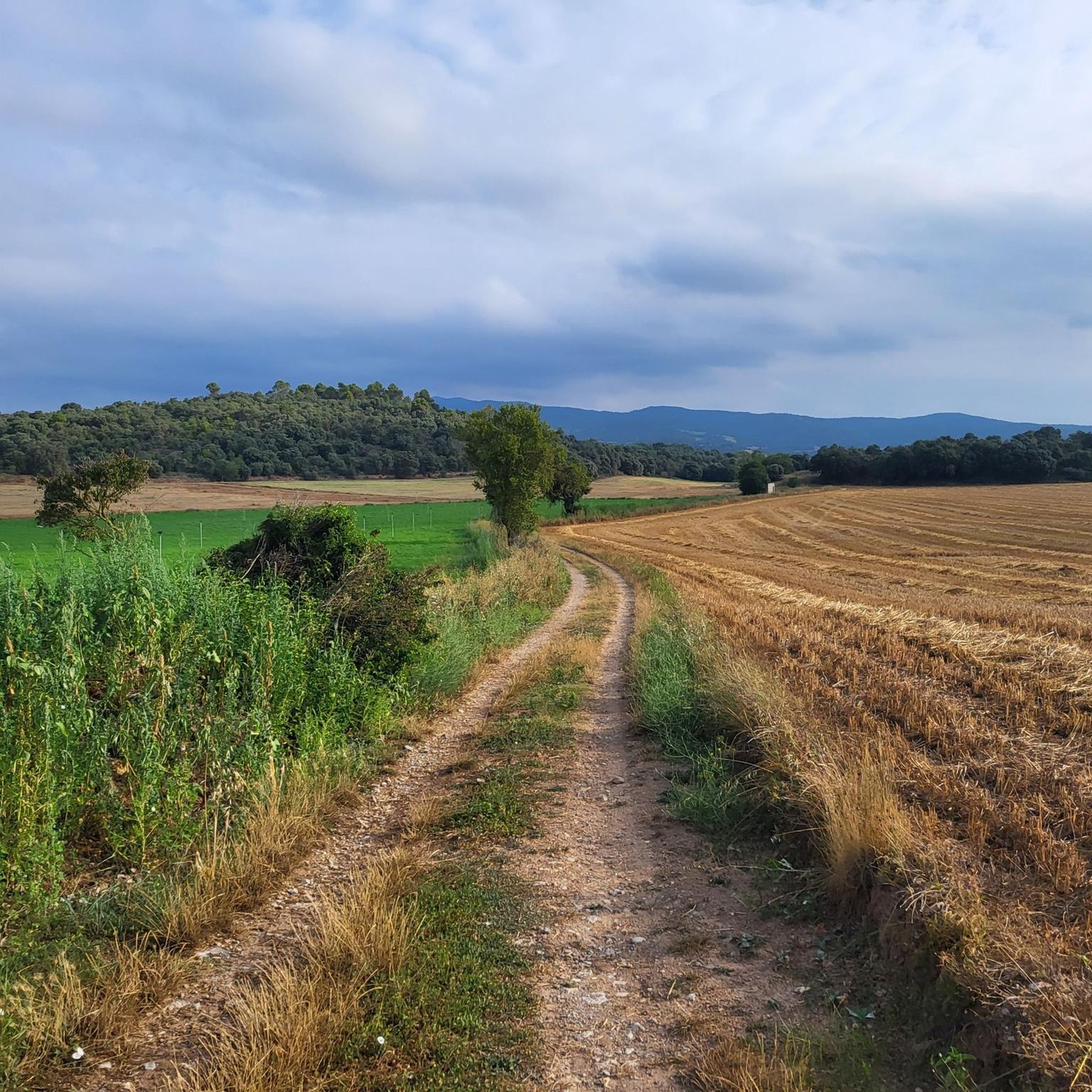
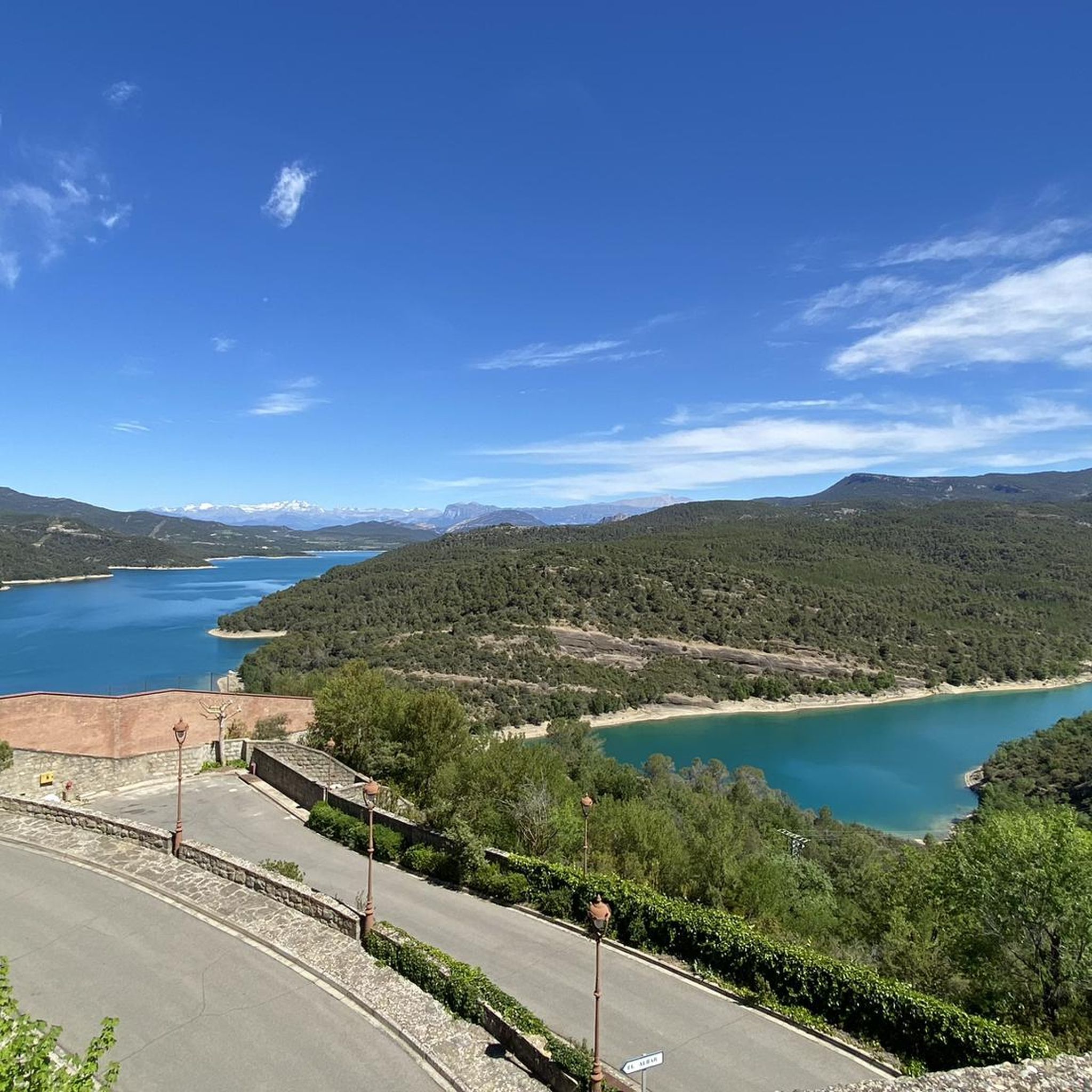
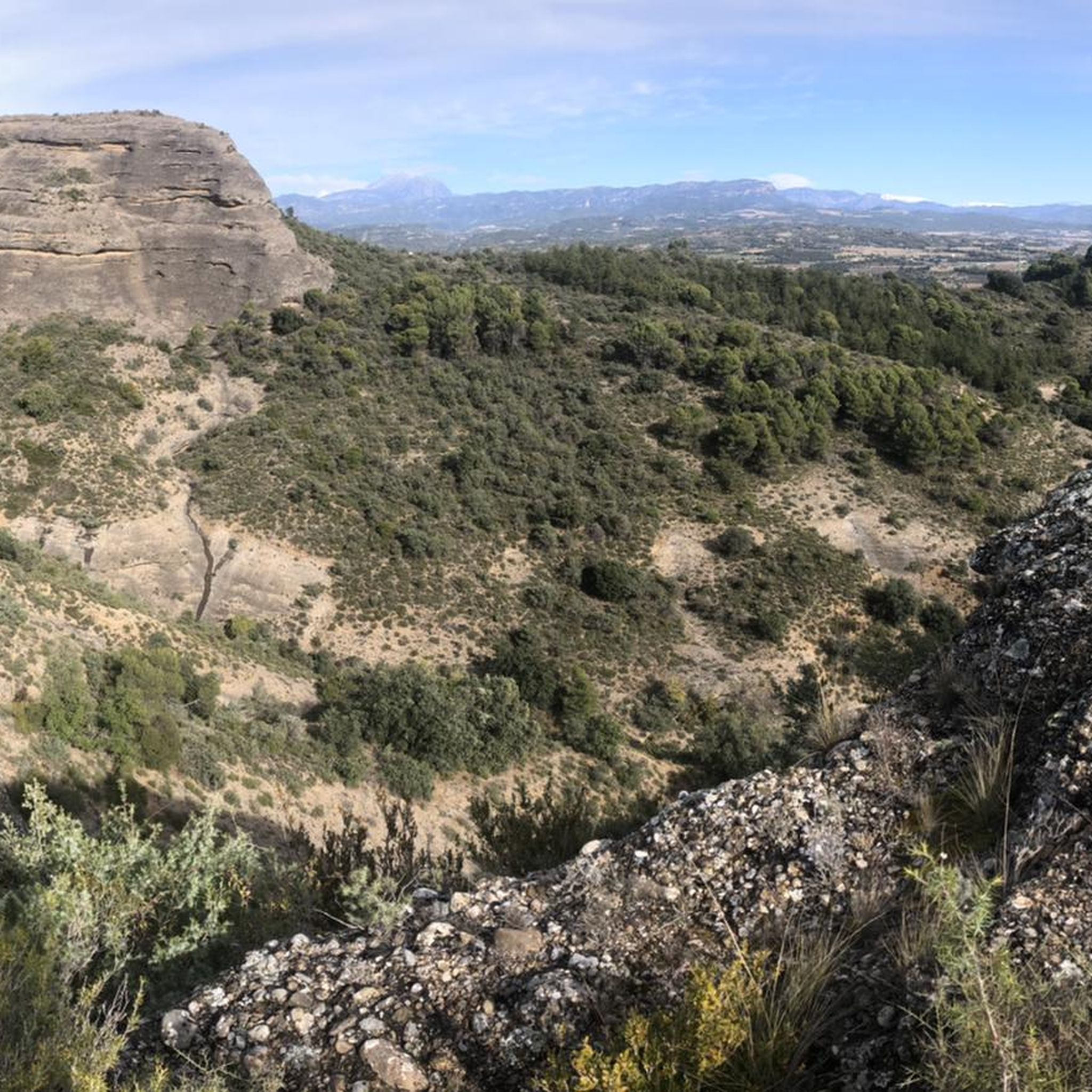

Tips from the Community

You may not see this bridge if you pass quickly and are not paying attention. In addition to its beauty, it is also interesting for its location, since it is located next to the mouth of the Isábena river with the Ésera river.
0
0
It is very easy to get to by running from the road or through the tracks if you are coming from below. The Roman site of Labitolosa dates from the 1st to 3rd centuries AD. In the area, you can find different spaces, perhaps the one that stands out the most is the hot springs (the most complex and best preserved in the entire Pyrenees). In addition, it consists of information panels with which you can learn valuable information about life and social organization in Roman Hispania.
0
0
It is very easy to get to this incredible site from La Puebla de Castro or also through the different tracks if you come from the reservoir, I feel a very good point to catch your breath after the uphill section. The Roman site of Labitolosa dates from the 1st to 3rd centuries AD. In the area, you can find different spaces, perhaps the one that stands out the most is the hot springs (the most complex and best preserved in the entire Pyrenees). In addition, it consists of information panels with which you can learn valuable information about life and social organization in Roman Hispania.
0
0
It is a beautiful town that can be easily reached by pedaling from Secastilla. There are many tracks in the area, which also connect with the reservoir, although if you have to return, make sure to save your strength, since you will have to climb back up. In addition to walking through its quiet streets and discovering corners such as its oil mill, we recommend that you visit the Roman site of Labitolosa (next to the town) and the incredible hermitage of San Román, located in a location that will not leave you indifferent.
0
0
It is very easy to get to this incredible site from the road (if you come from La Puebla de Castro) or through the different tracks. The Roman site of Labitolosa dates from the 1st to 3rd centuries AD. In the area, you can find different spaces, perhaps the one that stands out the most is the hot springs (the most complex and best preserved in the entire Pyrenees). In addition, it consists of information panels with which you can learn valuable information about life and social organization in Roman Hispania.
0
0


no bridge - wade through river if water is not too fast
0
0

The historic center of Graus is a jewel of traditional architecture. Not in vain has it been declared a set of artistic-historical interest for its main square, arcades, cobbled streets and stately homes.
0
0
Frequently Asked Questions
How many hiking trails are available around Secastilla?
There are over 55 hiking trails around Secastilla, offering a diverse range of experiences. This includes 21 easy routes, 32 moderate routes, and 2 more challenging options, catering to various fitness levels.
Are there any easy or beginner-friendly hiking trails in Secastilla?
Yes, Secastilla offers several easy trails perfect for beginners or those seeking a relaxed walk. An excellent option is the Basílica de Nuestra Señora de la Peña y Ermita de San Pedro - circular desde Graus, which is 2.7 miles (4.4 km) long and takes about 1 hour 25 minutes to complete. Another easy route is the Puente de Abajo – Puente de Abajo loop from Graus.
What are the typical durations for hikes around Secastilla?
Hikes around Secastilla vary in length. Easy trails, like the Basílica de Nuestra Señora de la Peña y Ermita de San Pedro - circular desde Graus, can be completed in under 1.5 hours. Moderate routes, such as the Grustán and the Hermitages of Graus Loop, typically range from 2 to 3 hours, depending on your pace.
Are there family-friendly hiking options in the Secastilla area?
Many of the easier trails around Secastilla are suitable for families. The region's hilly terrain and river valleys offer scenic, manageable paths. Look for routes marked as 'easy' in the guide, which often feature gentle gradients and shorter distances, ideal for walks with children.
Are dogs allowed on hiking trails around Secastilla?
Generally, dogs are welcome on most hiking trails in the Secastilla region, especially on public footpaths. However, it's always advisable to keep them on a leash, particularly when passing through agricultural areas or near livestock, and to check for any specific local regulations or protected areas that might have restrictions.
Are there any circular hiking routes near Secastilla?
Yes, the area features several excellent circular routes. Popular options include the Basílica de Nuestra Señora de la Peña y Ermita de San Pedro - circular desde Graus and the Grustán and the Hermitages of Graus Loop, both offering a convenient way to explore the landscape and return to your starting point.
What kind of flora and fauna can I expect to see while hiking in Secastilla?
The Secastilla region, with its hilly terrain and river valleys, supports diverse flora and fauna. You might encounter Mediterranean vegetation, various bird species, and small mammals. The changing seasons bring different flowers and wildlife activity, making each visit unique.
What are some scenic viewpoints or landmarks to look out for on hikes?
Hiking in Secastilla often provides views of the surrounding countryside and cultural landmarks. You can explore historical sites like Samitier Castle or the Hermitage of Saints Emeterius and Celedonius. The trails frequently pass by charming villages and offer panoramic vistas of the Pyrenean foothills.
What is the best time of year to go hiking in Secastilla?
The best time for hiking in Secastilla is typically during spring (April to June) and autumn (September to October). During these seasons, the weather is generally mild and pleasant, and the natural scenery is at its most vibrant, with blooming wildflowers in spring and rich colors in autumn. Summers can be hot, while winters may bring cooler temperatures and occasional snow at higher elevations.
Are there options for winter hiking in Secastilla?
While the region experiences cooler temperatures in winter, many lower-elevation trails remain accessible. It's advisable to check local weather conditions before heading out and to be prepared for potentially muddy or icy sections. Higher routes might be covered in snow, requiring appropriate gear and experience.
What do other hikers enjoy most about hiking in Secastilla?
The hiking trails in Secastilla are highly rated by the komoot community, with an average score of 4.6 stars from over 100 reviews. Hikers often praise the region's diverse landscape, which combines natural paths with cultural landmarks, and the variety of routes suitable for different abilities.
Are there any historical sites or castles to explore near Secastilla?
Yes, the area around Secastilla is rich in history. You can discover several castles and ancient structures, including Samitier Castle, Troncedo Castle and Village, and the Castle of Perrarúa and Hermitage of San Climent. The Abandoned Village of Castarlenas also offers a unique glimpse into the past.
Most popular attractions around Secastilla

Get inspired with the komoot mobile app


Explore more
Browse the best Hikes in other regions.
