Top 12 Gorges around Villar De Olalla
Best canyons around Villar De Olalla are primarily river gorges and karst landscapes within the broader Cuenca province, Spain. This region is characterized by dramatic geological formations carved by rivers like the Huécar and Júcar. Villar de Olalla serves as a base for exploring these natural attractions, which include deep gorges and unique karst features. The area offers a blend of natural beauty and historical elements, particularly around the city of Cuenca.
Best canyons around Villar De Olalla
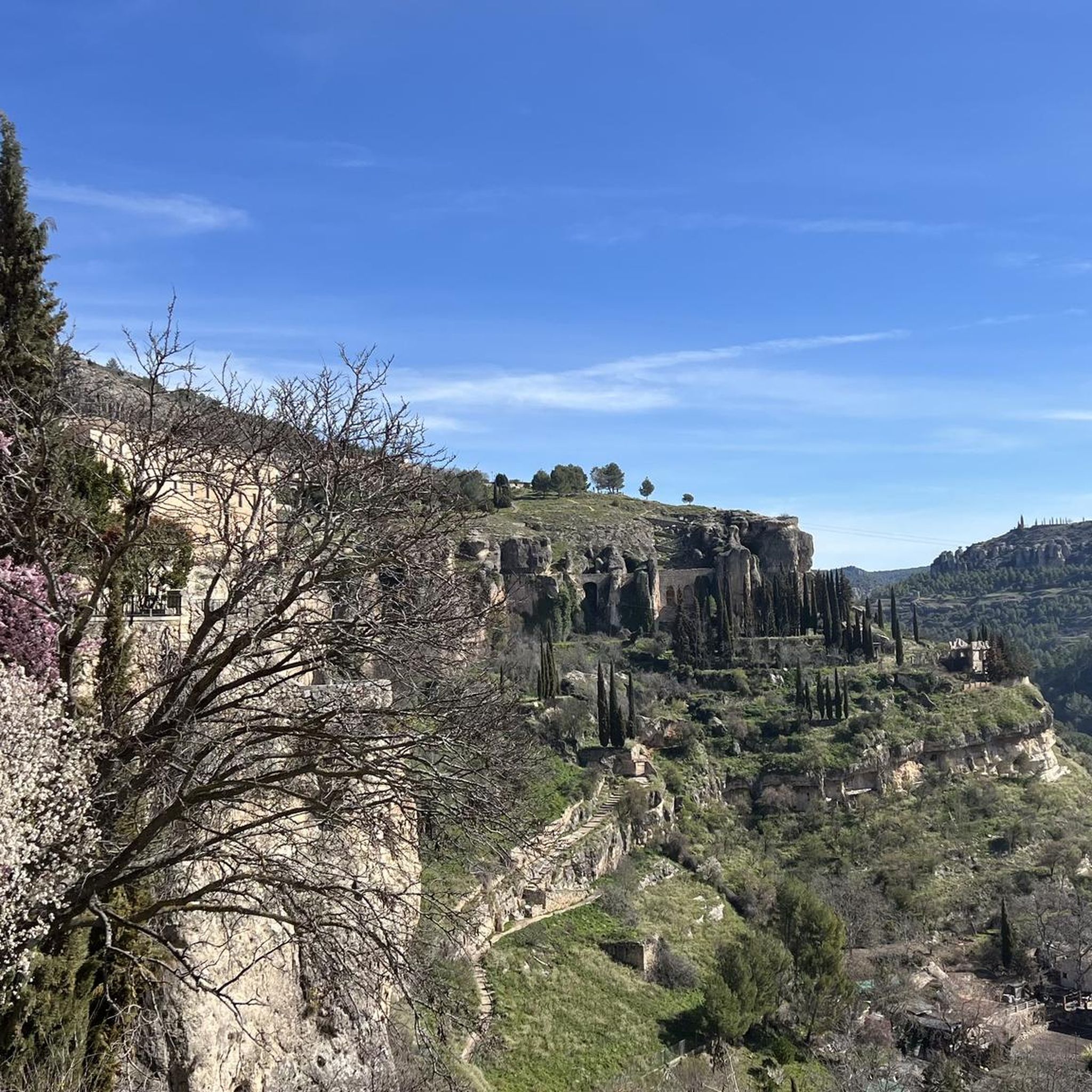
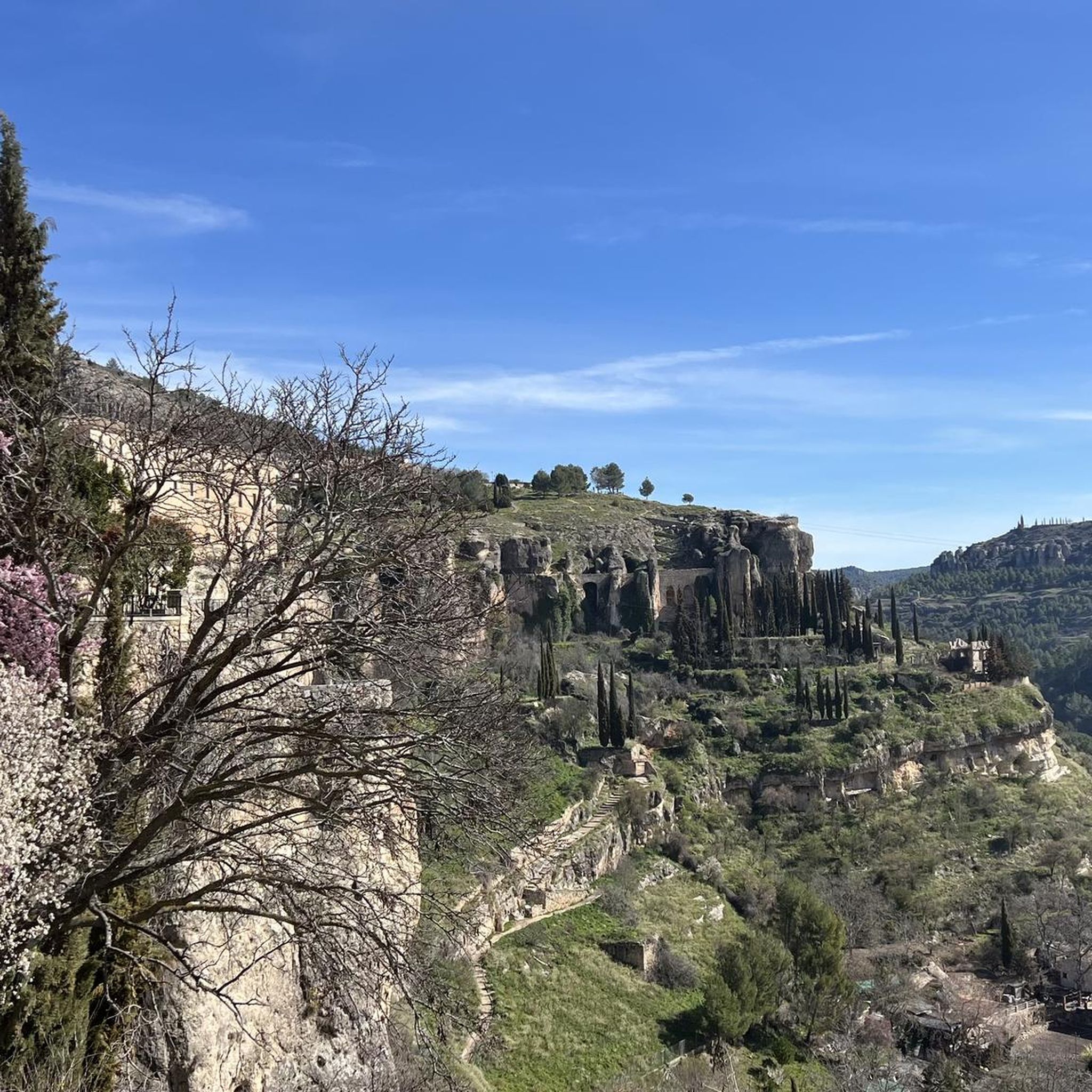
- The most popular canyons is Júcar Gorge, a gorge that features a stunning landscape with the Júcar River. The green waters and rock formations create a unique natural environment.
- Another must-see spot is Recreo Peral Viewpoint, a viewpoint offering impressive views of the Júcar River gorges and the surrounding nature. Visitors can expect an amazing view of the gorge and the northwest area of Cuenca.
- Visitors also love Senda del Hocino de Federico Muelas, a trail that offers a mix of nature and history. It runs along part of the Hoz del Huécar and passes by points of interest, including the hocino that belonged to the poet Federico Muelas.
- Villar De Olalla is known for its river gorges and karst landscapes. These geological formations offer diverse environments for exploration, from deep river valleys to unique landforms created by water erosion.
- The canyons around Villar De Olalla are appreciated by the komoot community, with more than 30 upvotes and 3 photos shared by visitors.
Last updated: May 1, 2026
Júcar Gorge
Highlight • Gorge
Translated by Google •
Tip by

Recreo Peral Viewpoint
Highlight • Viewpoint
Translated by Google •
Tip by
Sign up now to discover places like this
Get recommendations on the best single tracks, peaks, & plenty of other exciting outdoor places.
Sign up for free
San Lesmes Viewpoint
Highlight • Viewpoint
From the viewpoint, you can enjoy a privileged view of the Hoz del Júcar, with its impressive limestone ravines and the vegetation that surrounds them.
Translated by Google •
Tip by
Trail by the Presa de las Grajas
Highlight • Trail
Translated by Google •
Tip by

Senda del Hocino de Federico Muelas
Highlight • Trail
Translated by Google •
Tip by
Sign up for free to discover even more gorges around Villar De Olalla.
Sign up for free
Already have an account?
Start today with a free account
Your next adventure awaits.
Login or Signup

Tips from the Community

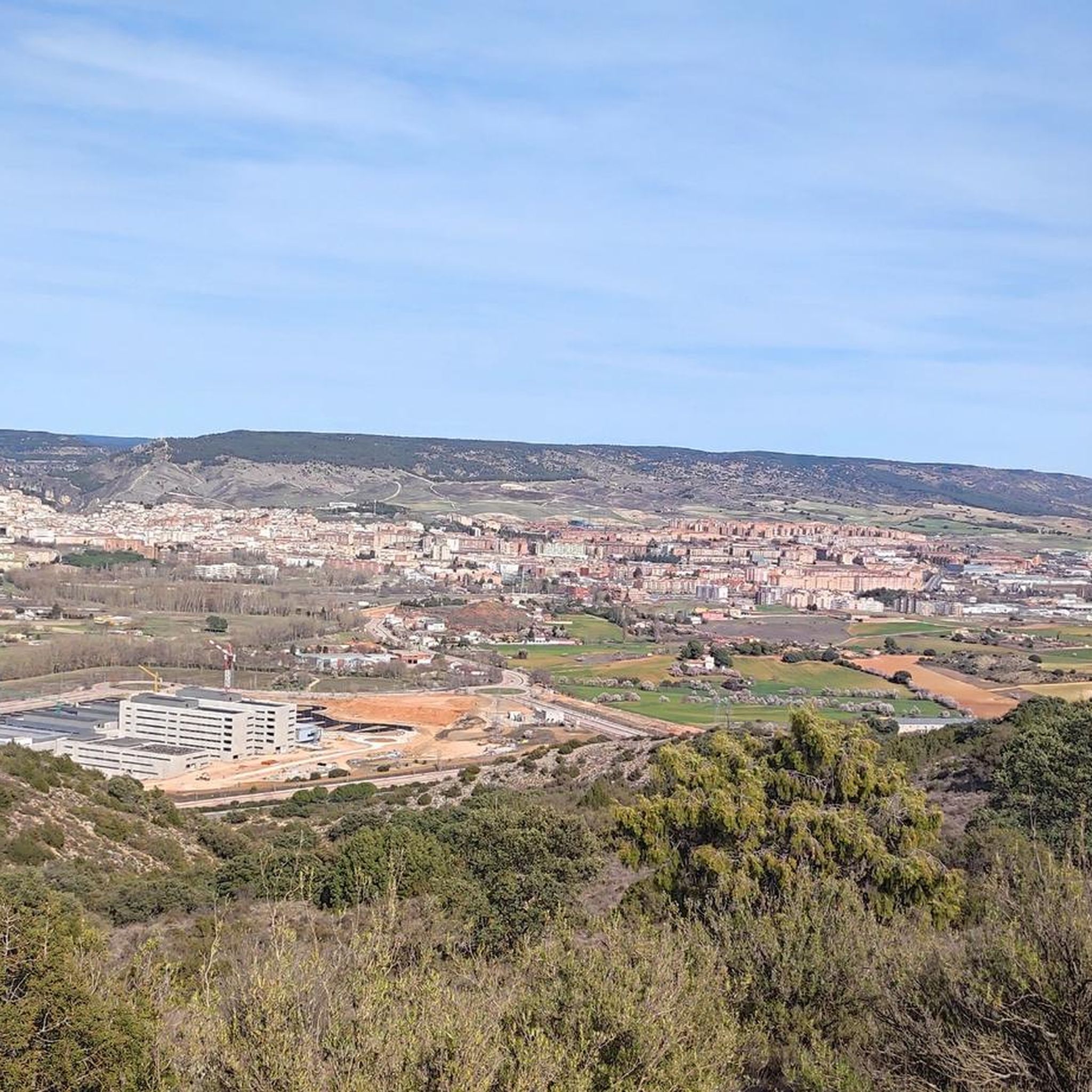
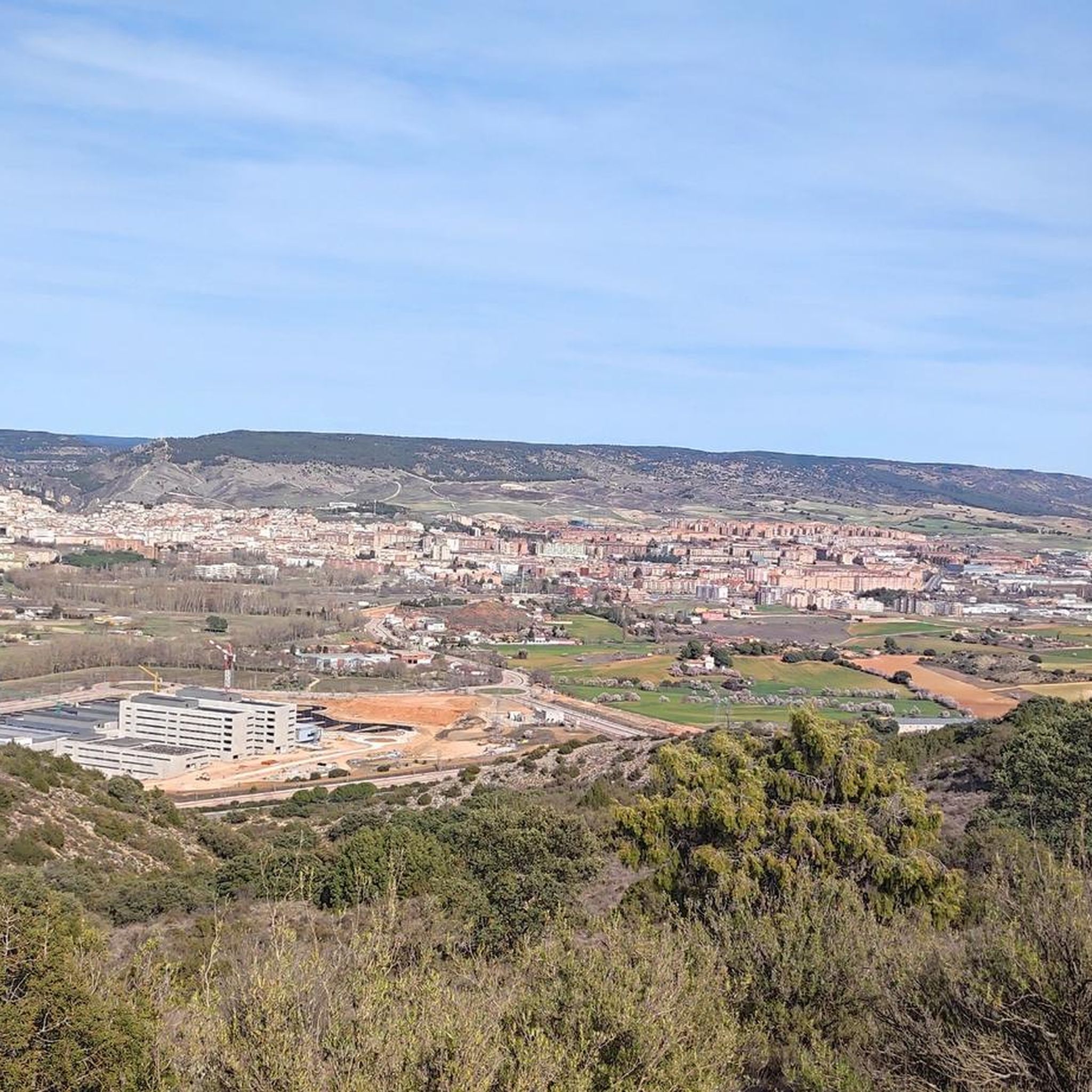
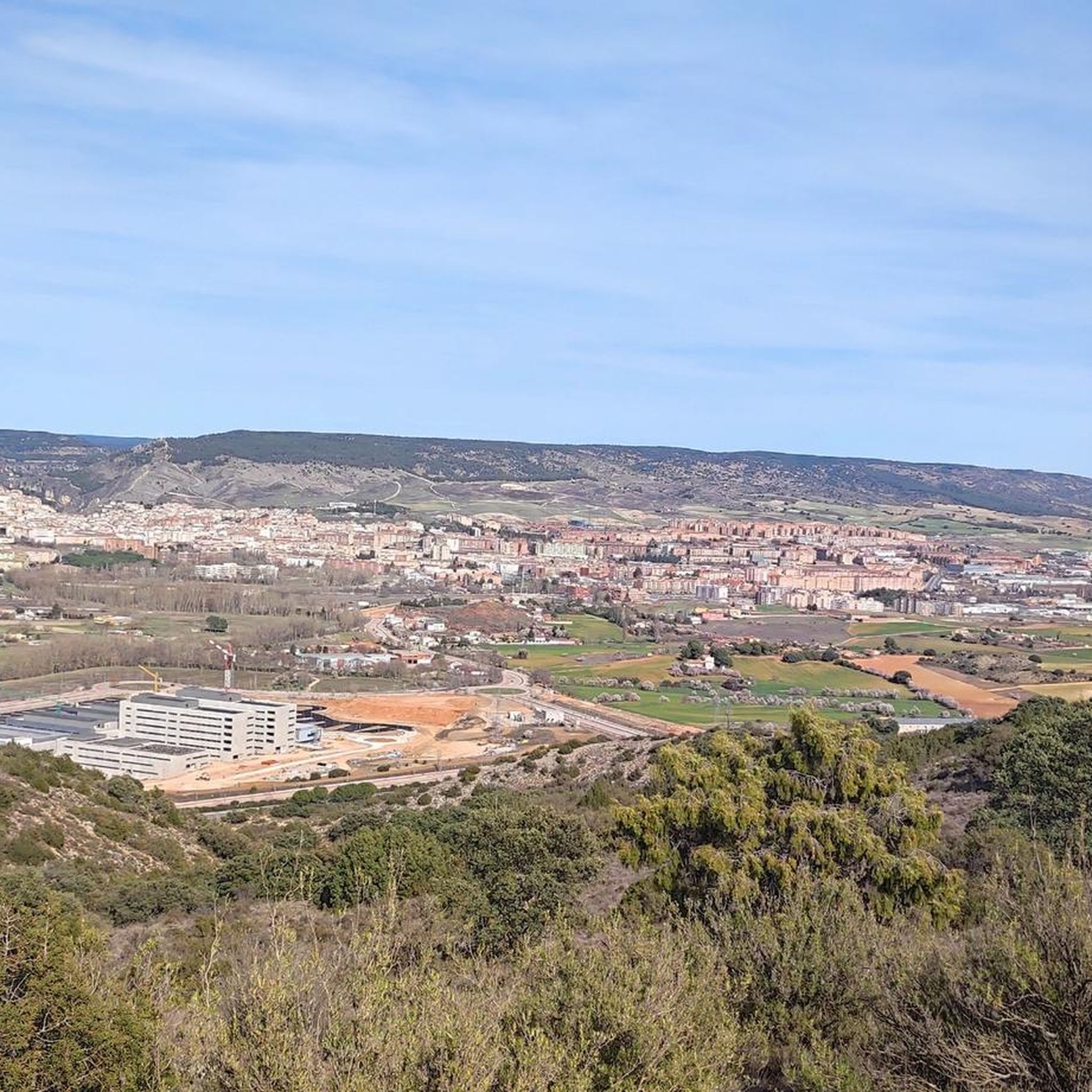
Good place to appreciate the northwest area of Cuenca.
1
1

Trail near the Júcar River in Cuenca.
0
1
One of the many viewpoints of the Cuenca Gorges.
0
1
Very close to the Hermitage of San Julián, near Cuenca.
0
1
Cuenca Walled city full of beauty.
0
0

Beautiful city to visit!
1
0

The Senda del Hocino de Federico Muelas is a hiking route in Cuenca that offers a charming mix of nature and history. This trail runs along part of the Hoz del Huécar and passes by several points of interest, including the famous hocino that belonged to the poet Federico Muelas.
11
0
The Hoz del Júcar in Cuenca is a spectacular place to explore by bike! 🚴♂️ The route through the Hoz del Júcar takes you through a stunning landscape, with the Júcar River accompanying you for much of the journey. The green waters of the river and the rock formations create a unique natural environment.🚵🌄
10
0
Frequently Asked Questions
What unique natural features can I explore in the gorges around Villar de Olalla?
The region around Villar de Olalla is characterized by dramatic river gorges and unique karst landscapes. You can explore deep river valleys carved by the Huécar and Júcar rivers, featuring spectacular limestone formations and majestic rock walls. The Júcar Gorge, for instance, is known for its stunning landscape with green waters and distinctive rock formations. Additionally, the area boasts karst topography with features like dolines and uvalas, such as the Arcas lagoon complex, which are unique in Spain.
Are there historical or cultural sites within the gorges near Villar de Olalla?
Yes, the gorges offer a blend of natural beauty and historical significance. The Huécar River gorge, particularly in the city of Cuenca, is famous for the Casas Colgadas (Hanging Houses), 15th-century buildings perched dramatically on cliffs. You can also walk across the San Pablo Bridge for excellent views. The Senda del Hocino de Federico Muelas trail combines nature with history, passing by points of interest including the hocino that belonged to the poet Federico Muelas. Some areas along the Júcar River also feature historical elements like the Don Juan Cave, which has yielded valuable artifacts.
What kind of outdoor activities can I do near the gorges around Villar de Olalla?
The gorges and surrounding areas provide excellent opportunities for various outdoor activities. You can enjoy hiking through dramatic scenery, with trails winding along the riverbanks. Cycling is also popular, especially along the Júcar Gorge, where the river accompanies you for much of the journey. For more specific routes, you can explore hiking trails or road cycling routes around Villar de Olalla.
Are there any viewpoints offering impressive panoramas of the gorges?
Absolutely. The region is dotted with viewpoints that provide breathtaking vistas of the river gorges. The Recreo Peral Viewpoint is a notable spot, offering impressive views of the Júcar River gorges and the surrounding nature, including the northwest area of Cuenca. Walking across the San Pablo Bridge in Cuenca also provides excellent views of the Huécar gorge and the iconic Hanging Houses.
What are some recommended hiking trails in the gorges?
For hiking, the Senda del Hocino de Federico Muelas is a charming route along part of the Hoz del Huécar. Another beautiful path is La Hoz del Huécar, which runs parallel to the Huécar river, offering picturesque views that change with the seasons. You can find more options, including routes like 'Hoz del Jucar and San Julian Trail', in the hiking guide for Villar de Olalla.
Can I find trails suitable for running near the canyons?
Yes, there are several trails suitable for running. The Júcar Riverbank offers scenic routes, such as the 'Júcar Riverbank – Main Square loop from Cuenca' or the 'San Antón Bridge – Júcar Riverside Walk loop from Cuenca'. These routes allow you to experience the natural beauty of the river while jogging. More running options can be found in the running trails guide for Villar de Olalla.
What is the best time of year to visit the gorges around Villar de Olalla?
The landscape in the gorges, particularly along the Huécar river, is variable depending on the time of year. Autumn offers a very varied and picturesque color palette, making it an especially beautiful season for visits. Spring also brings lush greenery. Generally, spring and autumn provide pleasant temperatures for outdoor activities like hiking and cycling.
Are there any less crowded areas or hidden gems to explore?
While the main gorges are popular, the broader Cuenca province offers many natural areas. The karst landscapes near Villar de Olalla, such as the Arcas lagoon complex with its unique dolines, offer a distinctive geological experience away from typical canyon trails. Exploring the various trails along the Júcar River, beyond the most frequented spots, can also lead to quieter, equally impressive sections of the gorge.
What kind of geological formations define the landscape around Villar de Olalla?
The landscape around Villar de Olalla is primarily defined by dramatic river gorges and karst topography. The gorges are carved by rivers like the Huécar and Júcar, creating deep valleys with impressive rock walls. The karst features, formed by the dissolution of soluble bedrock like limestone and gypsum, include sinkholes, caves, and unique formations such as the dolines and uvalas found in the Arcas lagoon complex.
What do visitors appreciate most about the gorges in this region?
Visitors highly appreciate the stunning natural beauty, especially the dramatic river landscapes and unique rock formations. The green waters of the Júcar River and the picturesque views from various points, like the Recreo Peral Viewpoint, are frequently mentioned. The blend of nature with historical elements, such as the Hanging Houses in Cuenca, also makes the area a culturally rich destination.
Are there any trails that run along the Júcar River?
Yes, several trails follow the Júcar River. The Trail by the Presa de las Grajas is a picturesque path that runs along the eastern bank of the Júcar River, offering beautiful views of the Las Grajas dam and its characteristic turquoise waters. The Júcar Gorge itself provides routes where the river accompanies you, creating a unique natural environment for exploration.
Most popular routes around Villar De Olalla
Most popular attractions around Villar De Olalla

Get inspired with the komoot mobile app


Explore more
Already discovered everything in this region? See additional gorges around Villar De Olalla for your next adventure:
