Attractions and Places To See around Ponferrada - Top 20
Best attractions and places to see around Ponferrada, a city in the El Bierzo region, are shaped by its historical role on the Camino de Santiago. The area features a diverse landscape, from the confluence of the Boeza and Sil rivers to the surrounding Montes de León. It is home to medieval fortresses, unique natural formations like Las Médulas, and various cultural sites. This region offers a blend of historical significance and natural beauty.
Best attractions and places to see around Ponferrada
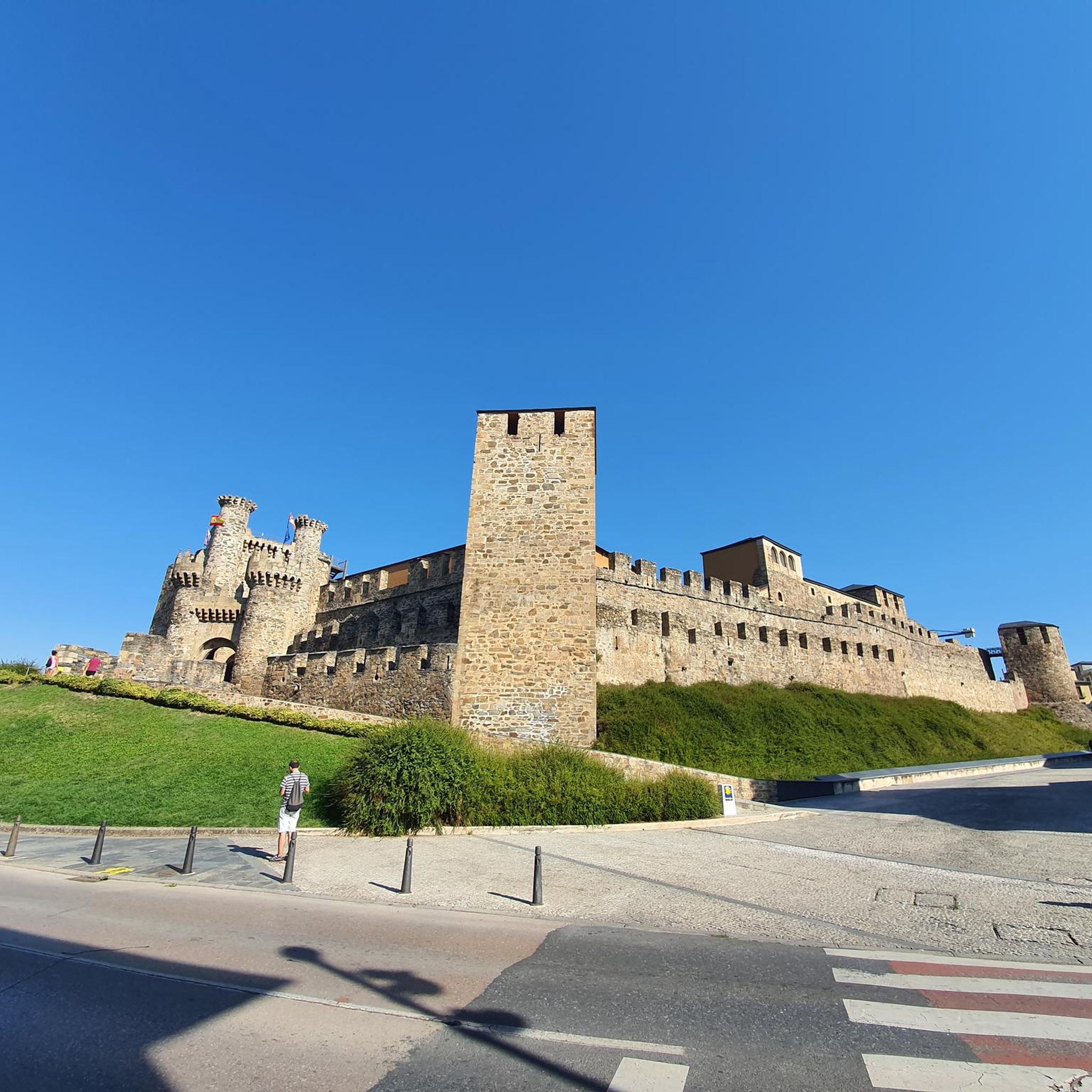
- The most popular attractions is Ponferrada Castle, a castle that was originally built by the Knights Templar in the late 12th century. This fortress, one of the largest in northwestern Spain in the Middle Ages, dominates the city's skyline and offers panoramic views.
- Another must-see spot is Cruz de Ferro (Iron Cross), a man-made monument on Monte Irago. This iconic landmark on the Camino de Santiago is known for the tradition of pilgrims leaving a stone at its base.
- Visitors also love Molinaseca Roman Bridge, a historical bridge with a medieval Romanesque structure. It is the starting point of Molinaseca's main street, which is home to rural houses, bars, and restaurants.
- Ponferrada is known for its historical sites, such as castles and churches, and natural features like the UNESCO World Heritage Site of Las Médulas. The region offers a variety of attractions to see and explore, from ancient Roman gold mines to tranquil valleys.
- The attractions around Ponferrada are appreciated by the komoot community, with over 345 upvotes and 207 photos shared across the highlights.
Last updated: October 10, 2026
Molinaseca Roman Bridge
Highlight • Bridge
Translated by Google •
Tip by

Cruz de Ferro (Iron Cross)
Highlight • Monument
(Source: wikipedia)
Translated by Google •
Tip by

Sign up now to discover places like this
Get recommendations on the best single tracks, peaks, & plenty of other exciting outdoor places.
Ponferrada Castle
Highlight • Castle
Translated by Google •
Tip by
Trail to Foncebadón
Highlight (Segment) • Trail
Translated by Google •
Tip by
Orellán Galleries
Highlight • Historical Site
I hope you enjoy this historical and natural experience! 😊
Translated by Google •
Tip by
Sign up for free to discover even more attractions around Ponferrada.
Already have an account?
Start today with a free account
Your next adventure awaits.
Popular around Ponferrada
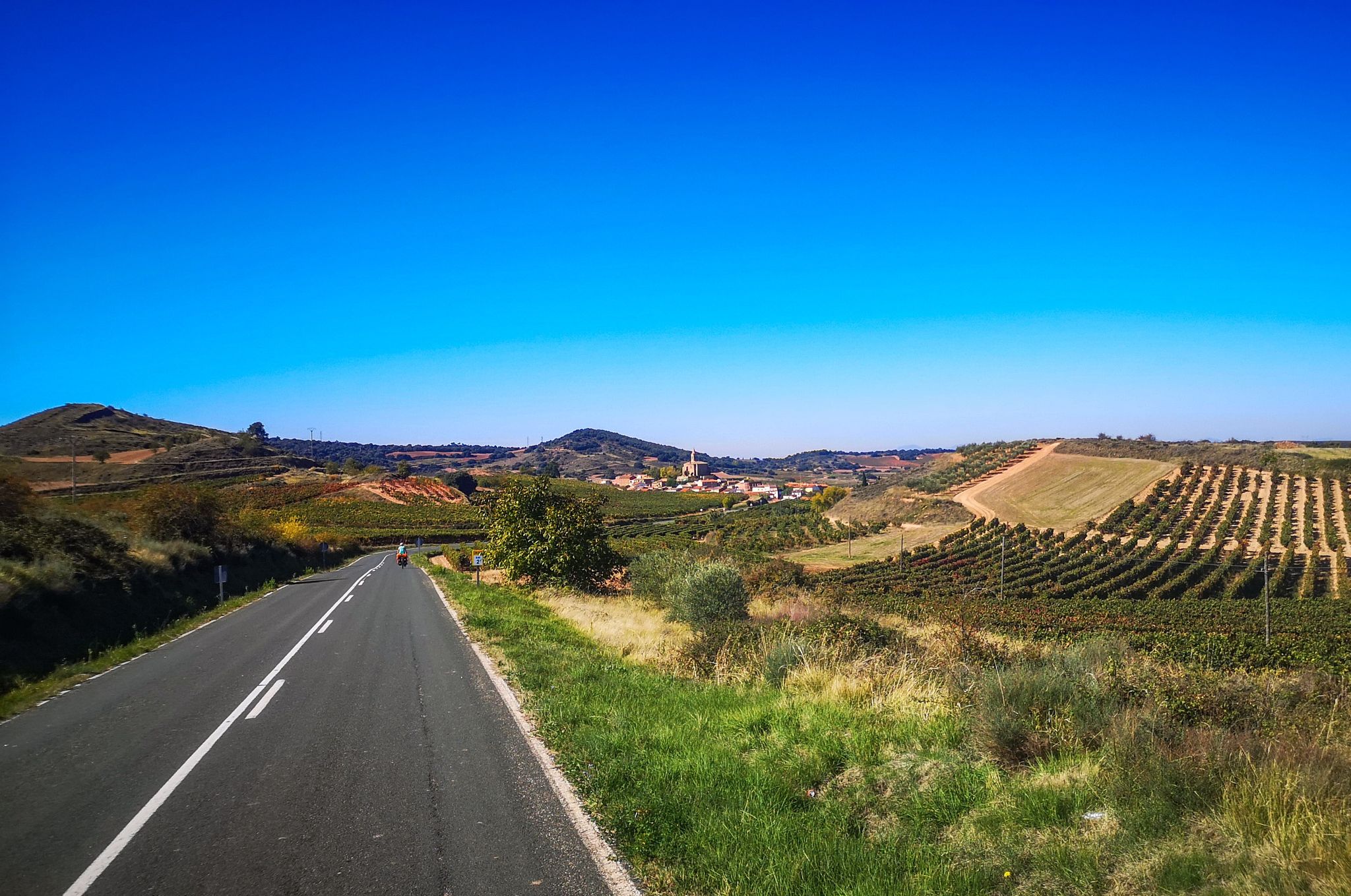
Santiago de Compostela – A journey through northern Spain (10 days)
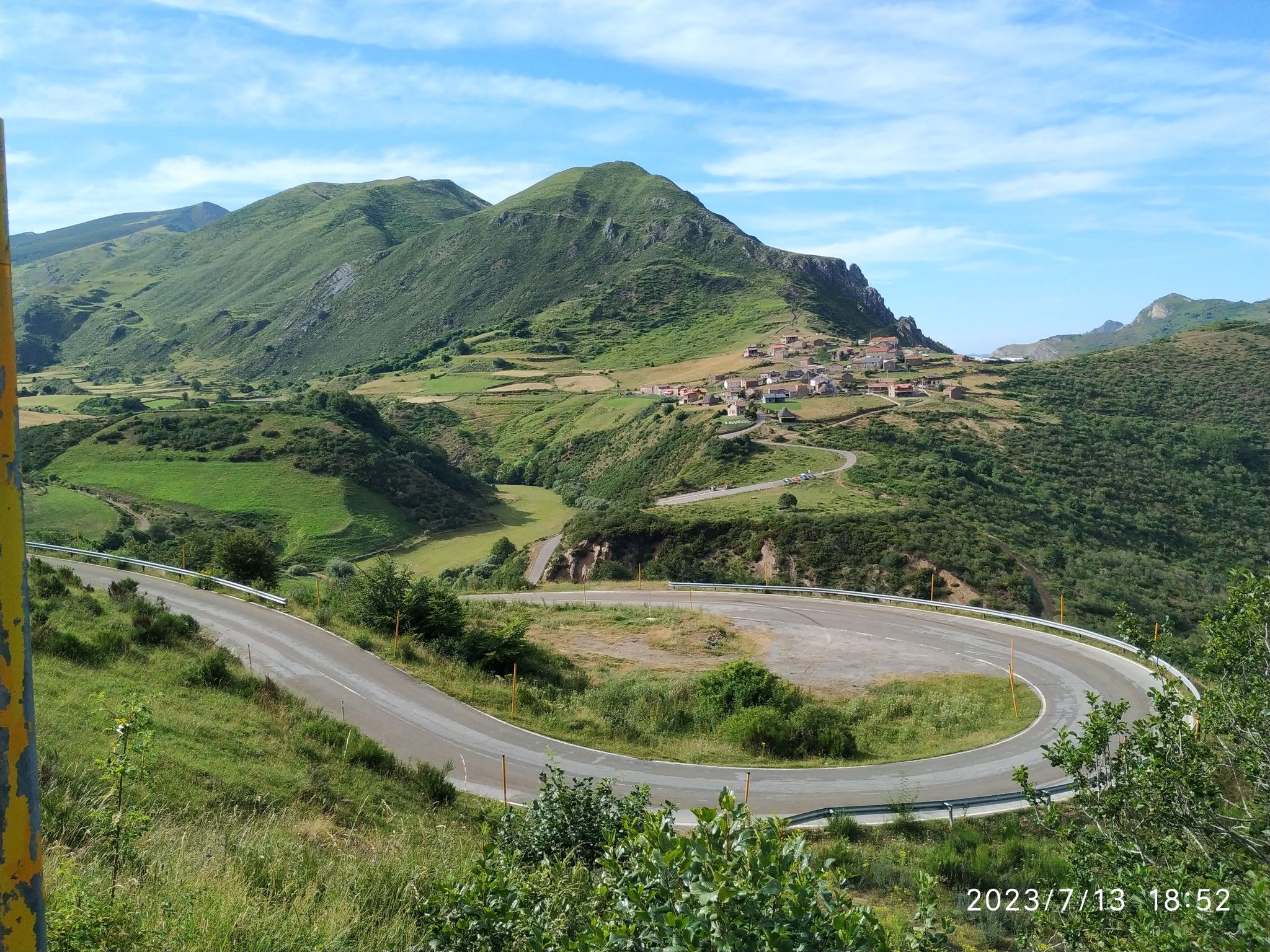
Height Challenges — Ports in Castilla y León
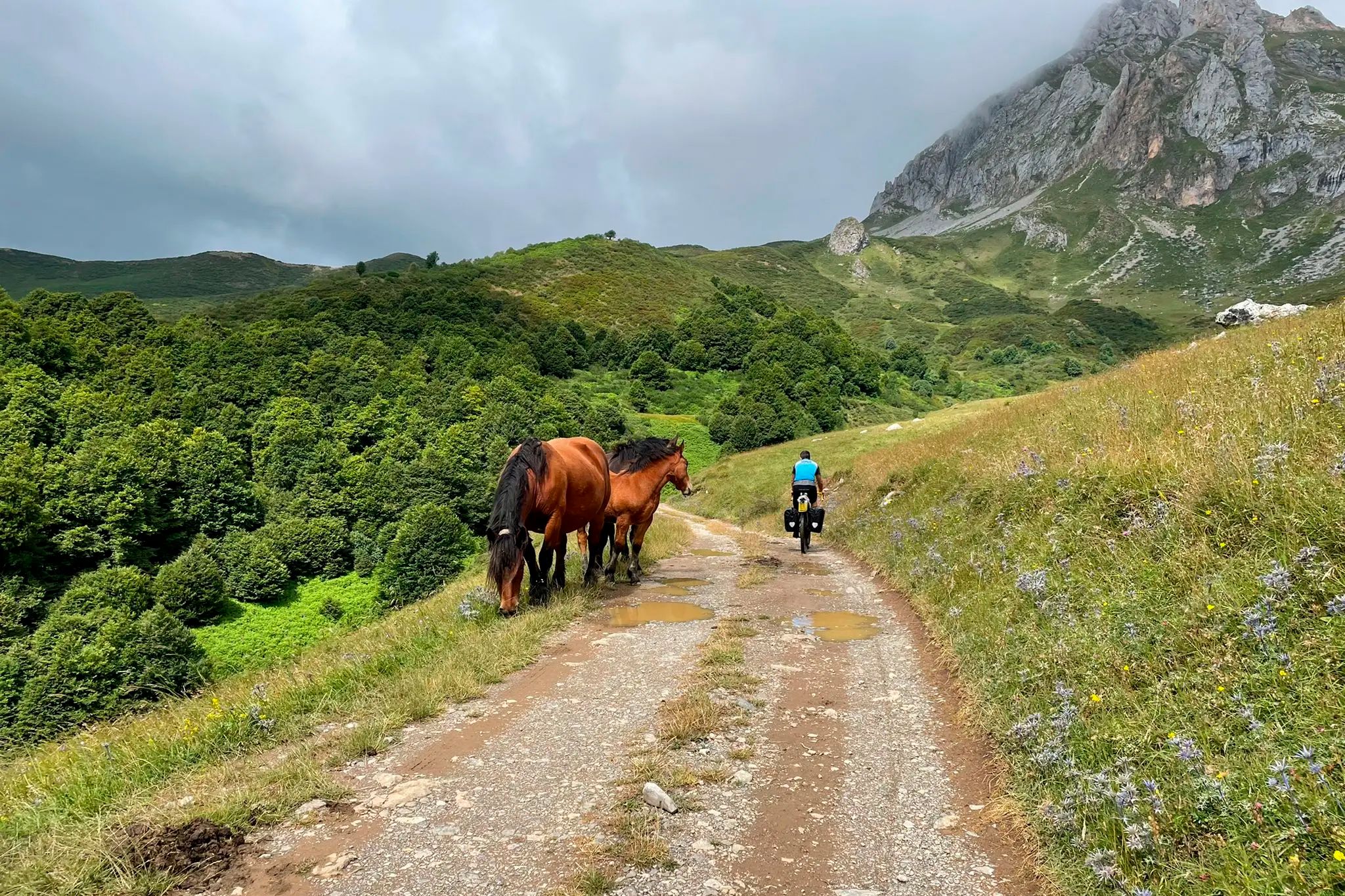
TransCantabrica – Extreme mountain biking in northern Spain
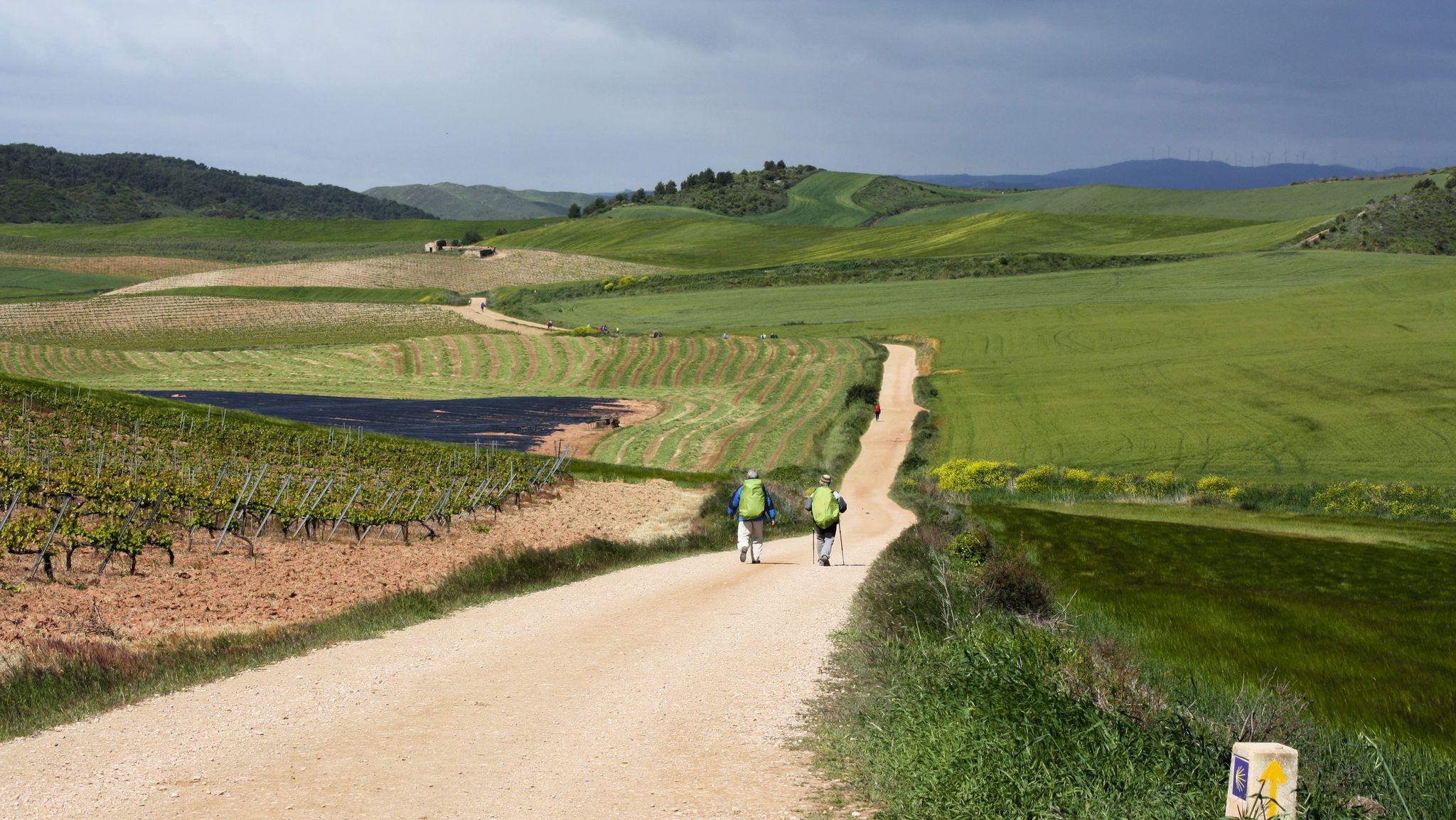
An Iberian pilgrimage – French Way of Saint James
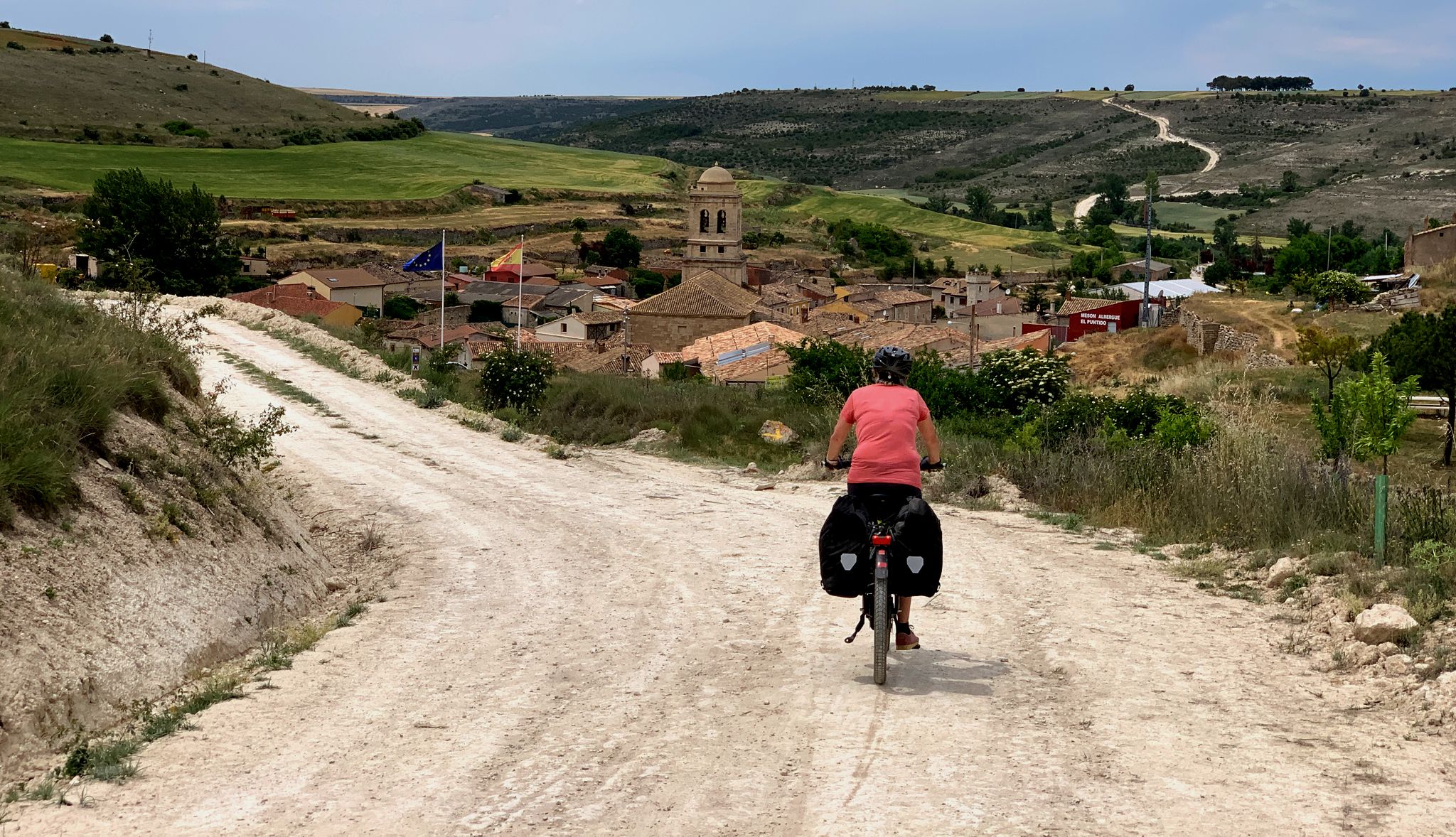
The Pilgrim Route — EuroVelo 3 through Spain
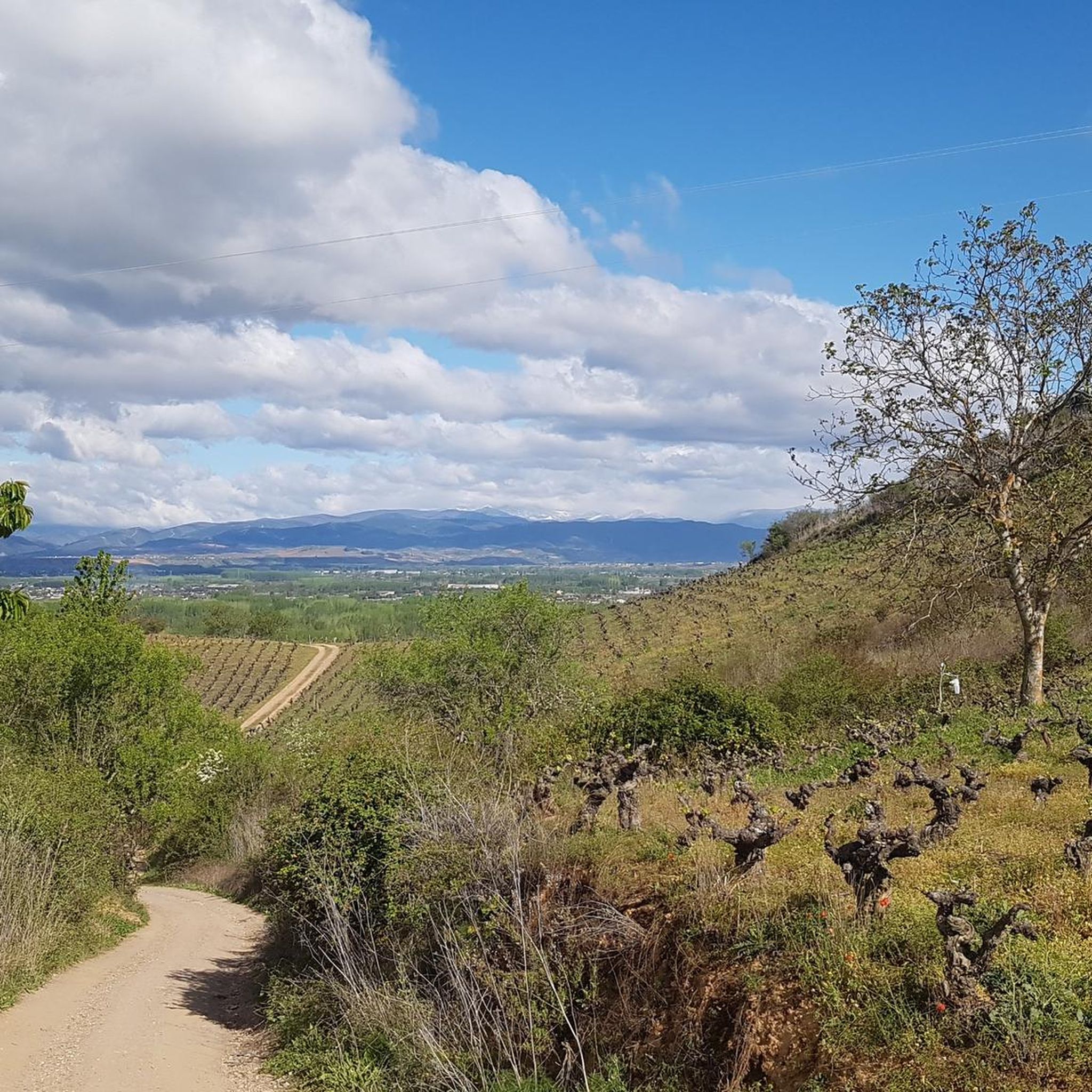
Hiking around Ponferrada
MTB Trails around Ponferrada
Cycling around Ponferrada
Road Cycling Routes around Ponferrada
Running Trails around Ponferrada
Other adventures around Ponferrada


Tips from the Community

The "iron cross" here on Monte Irago, which is legendary for many pilgrims on the Camino Frances to Santiago de Compostela to the grave of the Apostle James the Greater, has since been replaced by a copy at the original location. The cross, which appears comparatively small due to its enormous height, is on the top of a very long tree trunk and protrudes from a constantly growing pile of stones. Many pilgrims take a stone with them on the Way of St. James and place it here. This stone symbolizes the burdens and hardships of the pilgrims (or their family members and friends at home), who symbolically cast off their worries at this point with the stone and can thus move on free of them.
6
1

At the end of the 11th century, Osmundo, Bishop of Astorga, ordered the construction of a bridge (partly made of iron = pons ferrata) over the Sil for the pilgrims on the Way of St. James, near which a settlement was built. At the "pons ferrata", the iron bridge, the Knights Templar built a huge castle on a surface area of 160 x 90 m to protect the pilgrims on the Way of St. James. The medieval castle complex was inhabited by the Knights Templar from 1178 to 1312. Source: Wikipedia
5
0

The Templars' heyday from the 12th to 14th centuries led to the construction of this mighty fortress, among other things to protect the pilgrims on the Way of St. James. The rampart on the city hill stands out impressively against the mountain backdrop and absolutely conforms to the stereotypical image of a knight's castle. It is sensationally well maintained and a feast for the eyes.
6
0
The order, often referred to simply as the "Order of the Knights Templar," whose full name is "Poor Knights of Christ and of Solomon's Temple in Jerusalem," takes us mentally back to the 13th century. Founded in the Holy Land, it spread surprisingly quickly to many countries in Central Europe, and this castle complex in Ponferrada, northern Spain, was one of its numerous branches. The order gained notoriety through its dissolution in 1312 by the French king and the pope, and many of its members were burned at the stake as alleged heretics. The main reason for the dissolution, however, was not the members' human and religious misconduct (heresy), which was merely a pretext, but the legendary wealth of this order. King Philip IV of France primarily wanted to secure the treasures to bolster his coffers.
6
0

Although the bridge is believed to be of Roman origin, its current structure is primarily medieval Romanesque, with some later renovations in the 18th and 20th centuries. It is built of ashlar and cobblestone and consists of seven spans of varying sizes. It is the starting point of the town's main street, Calle Real, which ends at a cross and is home to most of Molinaseca's rural houses, bars, and restaurants. If you ever have the opportunity to visit it, you will immerse yourself in the rich Jacobean tradition and enjoy its historical beauty. 🚶♂️🌉
12
0
The Orellán Gallery is an ancient underground water conduit that extends for about 100 meters. Its original function was to transport water from inside the mountain to burst it from within. The conduit ends at a viewpoint located in a vertical cut of the mountain, offering an impressive view. These galleries were part of the mining exploitation system known as Ruinae Montium. The Romans used these structures to extract minerals and natural resources. I hope you enjoy this historical and natural experience! 😊
10
0

The Templar Castle of Ponferrada is a superb building. It houses the Templar Library and the Ponferrada Center for Research and Historical Studies, with over 1,400 books, including facsimiles of works by Leonardo da Vinci. It was originally a Roman camp and later a citadel. In the early 12th century, the Templars took possession of the fortress, strengthening and expanding it to serve as a residential palace and as a protection for pilgrims on their way to Santiago de Compostela. The building has an irregular square plan, and its most notable entrance is reached by crossing the moat over a drawbridge and, further on, two large crenellated towers joined by an arch. Its twelve original towers depicted the constellations.
5
0

Long, steep climb up to the Cruz de Ferro, as the track can be very rough, especially in poor weather. Be sure to recover at one of the albergues once you reach Foncebadón.
2
0
Frequently Asked Questions
What historical landmarks can I explore within Ponferrada city?
Ponferrada is rich in history. The most prominent landmark is the majestic Ponferrada Castle, originally built by the Knights Templar. You can also wander through the Old Town, particularly along Calle del Reloj, which leads to the 16th-century Torre del Reloj (Clock Tower), once a medieval gateway. The Basilica de la Encina and the Church of San Andrés, with ties to the Knights Templar, are also significant historical sites within the city.
What natural attractions are there to visit around Ponferrada?
Just outside Ponferrada, you can explore Las Médulas, a UNESCO World Heritage Site featuring a spectacular landscape of reddish, jagged cliffs resulting from Roman gold mining. Another tranquil option is the Valle del Silencio (Valley of Silence), known for its natural beauty and hiking opportunities. The city itself is nestled at the confluence of the Boeza and Sil rivers, with the Montes de León providing scenic countryside.
Are there opportunities for hiking or cycling near Ponferrada?
Yes, the region around Ponferrada offers numerous routes for outdoor activities. For cycling, you can find various options, including the 'Montes de León – circular from Ponferrada to Montes de Valdueza and Peñalba de Santiago' or the 'Ponferrada and Las Médulas Loop via Montes Aquilianos'. Mountain biking enthusiasts can explore trails like the 'Monte Pajariel Loop from Ponferrada'. You can find more detailed routes for different sports in the cycling guide, MTB guide, and road cycling guide.
What historical sites related to the Camino de Santiago are near Ponferrada?
Ponferrada is a key stop on the Camino de Santiago. The Ponferrada Castle was originally built by the Knights Templar to protect pilgrims. Further along the Camino, you'll find the iconic Cruz de Ferro (Iron Cross), where pilgrims traditionally leave a stone. The Molinaseca Roman Bridge is another significant historical point on the route, marking the entrance to the charming town of Molinaseca.
What museums can I visit in Ponferrada to learn about the region's culture and history?
Ponferrada offers several museums. The Museum of El Bierzo (Museo del Bierzo), housed in the former prison, provides an overview of the region's history from the Paleolithic era. The Factory of Light. Energy Museum (Museo Nacional de la Energía) showcases the area's industrial heritage, focusing on energy and coal mining. You can also visit the Luis del Olmo Radio Museum and the Railway Museum for more specialized cultural insights.
Are there family-friendly attractions in Ponferrada?
Yes, the Ponferrada Castle is considered family-friendly, offering an engaging historical experience for all ages with its ramparts and battlements. Exploring the unique landscape of Las Médulas, with its trails and striking formations, can also be an exciting adventure for families.
What is the best time of year to visit Ponferrada for sightseeing and outdoor activities?
The best time to visit Ponferrada for sightseeing and outdoor activities is generally during the spring (April to June) and autumn (September to October). During these months, the weather is typically mild and pleasant, ideal for exploring historical sites and enjoying hiking or cycling in the surrounding natural areas like Las Médulas and the Valle del Silencio. Summers can be hot, while winters are cooler and may offer different outdoor experiences.
Can I explore the local wine culture in Ponferrada?
Absolutely. Ponferrada is located in the heart of the El Bierzo wine region. You can explore the local vineyards and taste the distinctive Bierzo wines. Many local establishments in the Plaza del Ayuntamiento and along the Wine Route of Bierzo offer opportunities to sample and learn about the region's viticulture.
Are there any charming villages or day trips recommended from Ponferrada?
Yes, several charming villages make for excellent day trips. Peñalba de Santiago, about 40 minutes from Ponferrada, is a mountain village known for its traditional stone houses and the significant Mozarabic Church of Santiago de Peñalba. Another historical site is the Forge of Compludo (Herrería de Compludo), a medieval forge located about 30 minutes away.
What do visitors particularly enjoy about the attractions in Ponferrada?
Visitors frequently praise the historical significance and visual appeal of the attractions. The Ponferrada Castle is highly appreciated for its grandeur and panoramic views. The Cruz de Ferro is valued for its symbolic importance on the Camino de Santiago, and the Molinaseca Roman Bridge is admired for its medieval charm and role in the Jacobean tradition. The unique landscape of Las Médulas and the historical insights offered by the Orellán Galleries are also popular among visitors.
Where can I experience Roman mining history near Ponferrada?
To delve into Roman mining history, you must visit Las Médulas, a UNESCO World Heritage Site that was once the largest open-cast gold mine in the Roman Empire. Within this area, you can explore the Orellán Galleries, ancient underground water conduits used by the Romans to extract minerals. These galleries offer a unique perspective on the 'Ruinae Montium' mining system and provide impressive views from their openings.
Are there any significant religious sites in Ponferrada beyond the main castle?
Yes, Ponferrada and its surroundings host several important religious sites. The Basilica de la Encina, a Renaissance church with Baroque details, is dedicated to the patron saint of El Bierzo. The Church of San Andrés, located opposite the Templar Castle, has direct ties to the Knights Templar. Further afield, the 10th-century Mozarab Church of Santo Tomás de las Ollas and the ancient Monastery of San Pedro de Montes are also notable religious landmarks.
Most popular routes around Ponferrada
Most popular attractions around Ponferrada

Get inspired with the komoot mobile app


Explore more
Still not found the Highlight you’re looking for? See guides of the top attractions in other regions:
