The best walks and hikes around Herencia
4.8
(45)
146
hikers
43
hikes
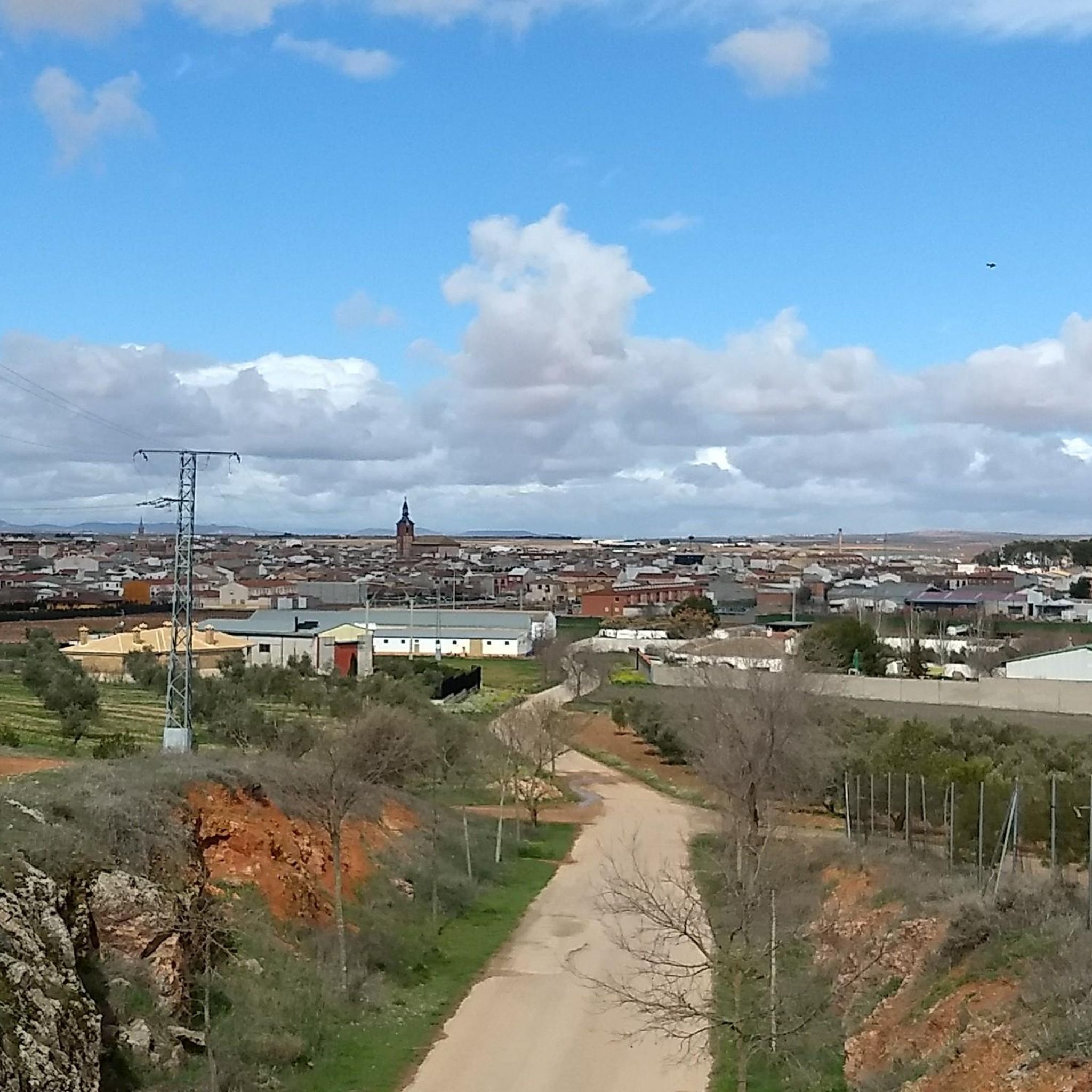
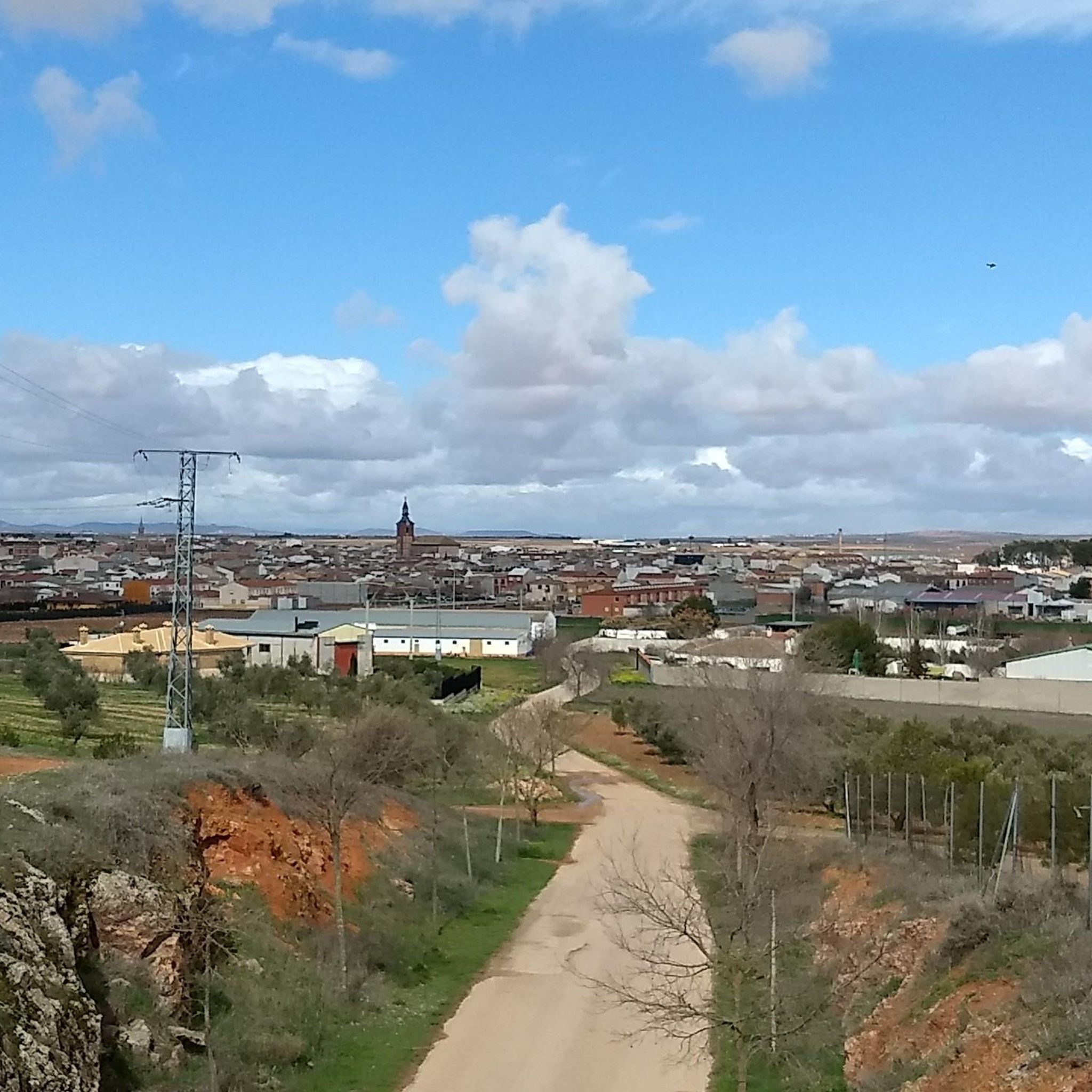
Hiking around Herencia offers diverse landscapes within the Ciudad Real province of La Mancha, Spain. The region features expansive plains, rolling hills, and a network of trails that traverse varied terrain. Iconic windmills dot the landscape, providing historical landmarks along many routes. Hikers can also explore significant natural wetlands, including the Laguna de la Veguilla, which are crucial for migratory birds.
Best hiking trails around Herencia
- The most popular hiking route is Windmills Trail, a 2.8 miles (4.5 km) trail that takes 1 hour 22 minutes to complete. This difficult route offers views of the historic windmills.
- Another top favourite among local hikers is Herencia Windmills Trail, an easy 3.1 miles (5.0 km) path. This trail leads through the characteristic La Mancha landscape, passing by several windmills.
- Local hikers also love the Trail of the Three Lagoons, a 5.6 miles (9.0 km) trail leading through natural wetlands, often completed in about 2 hours 17 minutes.
- Hiking around Herencia is defined by expansive plains, rolling hills, and historic windmills, alongside significant natural lagoons. The network offers options for easy strolls, moderate excursions, and more difficult climbs.
- The routes in Herencia are highly rated by the komoot community with an average score of 4.8 stars from over 30 reviews. More than 100 hikers have used komoot to explore Herencia's varied terrain.
Last updated: October 10, 2026
5.0
(5)
13
hikers
4.49km
01:22
100m
100m
Hike the 2.8-mile (4.5 km) Puerto Lápice circular route, rated difficult, through La Mancha's Don Quijote landscapes and windmills.
4.5
(2)
6
hikers
7.29km
01:59
100m
100m
Easy hike. Great for any fitness level. Easily-accessible paths. Suitable for all skill levels.

4.5
(2)
2
hikers
4.96km
01:20
70m
70m
Hike the easy 3.1-mile Herencia Windmills Trail, gaining 215 feet in 1 hour and 20 minutes, for panoramic views of Castilla La Mancha.
1
hikers
8.95km
02:17
30m
30m
Hike a 5.6-mile moderate loop around Laguna Grande from Villafranca de los Caballeros, exploring wetlands and historical sites.
28.4km
07:49
490m
490m
Tackle the difficult 17.6-mile (28.4 km) Ascent to La Rendija and Navajo circular hike from Puerto Lápice, gaining 1601 feet (488 metres).
Get access to more routes and recommendations from other explorers.
Already have an account?
Our route recommendations are based on thousands of hikes, rides, and runs completed by other people on komoot.
Start today with a free account
Your next adventure awaits.


Tips from the Community

Originally, it was the town's first cemetery. It wasn't until the 1960s that it was transformed into the current hermitage dedicated to Saint Joseph. It's a small enclosure reminiscent of a farmyard, complete with watering troughs and a small chapel. It's distinguished by its whitewashed facade and indigo base.
6
0
The Herencia Windmills are one of the most characteristic symbols of La Mancha and are located in the town of Herencia (Ciudad Real). The first windmill was built in 1790 because they were more economical and efficient than water mills, especially in an area with limited waterways. By 1807, there were as many as 11 mills, although seven remain today: El Ama, La Niece, Dulcinea, Maritornes, La Dueña Dolorida, La Duquesa, and Teresa Panza. Four of them were restored in 2003, giving them the typical La Mancha image we associate with Cervantes' work.
3
0

After riding through dry environments, a nice place to stop and watch the birds for a while.
1
1
The Laguna Grande de Villafranca de los Caballeros is one of the largest river lagoons in La Mancha and the only one in the region with recreational use. With its 2.5 km long beach, it is a popular tourist destination, especially in the summer months.
16
0

This square surprises visitors with its open wooden arcades supported by footings and upright posts, painted in red ochre.
2
0

We are facing the Laguna Grande in the city of Villafranca de los Caballeros, with a more than acceptable water level thanks to the recent rains. This area is very well suited for resting and relaxing as they have numerous roofs with tables and seats to eat and enjoy the surroundings.
10
0
Located in Plaza La Glorieta. Sculpture by Miguel de Cervantes, very similar to the one found in Puerto Lápice.
7
0

The next wetland is the Laguna Grande de Quero, first you have to pass through the town and then the immense endorheic lake emerges surrounded by whitish mountains. The high level of salinity of the water prevents numerous species of birds from abounding, but it has always been a source of resources due to the collection of salt for canning in brine. The path passes the bed of the Cigüela River and enters the surroundings of the Villafranca lagoons, included like all in the Natura 2000 Network within La Mancha Húmeda and declared a Biosphere Reserve by UNESCO. The Fauna Reserve is the artificial union of the Small and Large lagoons, creating a huge swamp surface of permanent, deep waters with abundant aquatic and steppe birds prowling over the reed beds on the banks. In the lagoons it is easy to see red duck, mallard, crested pochard, common pochard, little grebe, common coot, great crested grebe and marsh harrier. The shore of the Laguna Grande is equipped with bathing areas for the summer season, recreational spaces, bird observatories and an interpretation center, maintaining a tradition of public use that dates back to the 18th century, when the inhabitants of Villafranca de los Knights took advantage of the medicinal properties of saline waters to cure rheumatic ailments and skin diseases.
5
0
Frequently Asked Questions
How many hiking trails are available around Herencia?
Herencia offers a wide variety of hiking experiences, with over 30 trails to explore. These routes cater to different fitness levels, including easy strolls, moderate excursions, and more challenging climbs.
What kind of landscapes can I expect to see while hiking in Herencia?
Hiking in Herencia immerses you in the iconic landscapes of La Mancha, characterized by expansive plains, rolling hills, and the famous windmills that inspired Don Quijote. You'll also find significant natural wetlands and some routes that traverse mountain ranges like the Sierra de las Tres Fuentes.
Are there any circular hiking routes in Herencia?
Yes, there are several circular routes available. For example, the The Windmills of Puerto Lapice — circular is an easy 7.3 km loop that allows you to experience the region's characteristic scenery. Another option for experienced hikers is the challenging La Rendija and El Navajo Loop, which covers nearly 28.4 km.
Are there family-friendly hiking options in Herencia?
Yes, Herencia offers several easy trails suitable for families. The Herencia Windmills Trail is an easy 5 km path that leads through the characteristic La Mancha landscape, passing by several windmills, making it a great option for a family outing.
Can I bring my dog on the hiking trails in Herencia?
Many trails in Herencia are suitable for dogs, but it's always recommended to keep your pet on a leash, especially in areas with wildlife or near agricultural land. Be sure to carry enough water for both yourself and your dog, particularly during warmer months, as some routes may have limited shade.
What notable attractions or landmarks can I see along the hiking trails?
Herencia's trails often pass by significant landmarks. You can encounter the iconic windmills, such as those near Puerto Lápice Windmills. The region also features important natural wetlands like Laguna de la Veguilla and Laguna Grande de Villafranca, which are excellent for birdwatching.
What is the best time of year to go hiking in Herencia?
The best time for hiking in Herencia is typically during the spring (March to May) and autumn (September to November) when temperatures are milder and the landscape is vibrant. Summer can be very hot, making early morning or late afternoon hikes preferable, while winter offers cooler, crisp conditions, though some trails might be muddy after rain.
Are there any challenging routes for experienced hikers?
Yes, for experienced hikers seeking a challenge, the La Rendija and El Navajo Loop is a difficult 28.4 km route with significant elevation gain, traversing varied terrain including demanding, stony climbs. Another difficult option is the Windmills Trail, a 4.5 km route with notable elevation changes.
What do other hikers enjoy most about the trails in Herencia?
The hiking trails around Herencia are highly rated by the komoot community, with an average score of 4.8 stars from over 30 reviews. Hikers frequently praise the unique experience of walking through the Don Quijote landscapes, the historical windmills, and the tranquility of the natural wetlands.
Are there trails that feature the famous windmills of La Mancha?
Absolutely. The region is famous for its windmills, and many trails incorporate them into the scenery. The Herencia Windmills Trail is an easy 5 km path specifically designed to showcase these iconic structures. You can also find them on the more challenging Windmills Trail.
Can I find trails that lead through wetlands or lagoons?
Yes, Herencia is home to significant natural wetlands. The Trail of the Three Lagoons is a moderate 9 km route that leads directly through these crucial habitats, offering excellent opportunities for birdwatching and experiencing the unique ecosystem of the San Juan Lagoon Complex.
What kind of terrain should I expect on the more difficult trails?
Difficult trails in Herencia, such as the La Rendija and El Navajo Loop, often involve varied and demanding terrain. You can expect stony climbs, descents through paths towards the Sierras, and navigation through hills like Navajo, which can provide panoramic views but require good physical condition.
Most popular attractions around Herencia

Get inspired with the komoot mobile app


Explore more
Browse the best Hikes in other regions.
