The best cycling routes around Neila
5.0
(3)
254
riders
26
rides
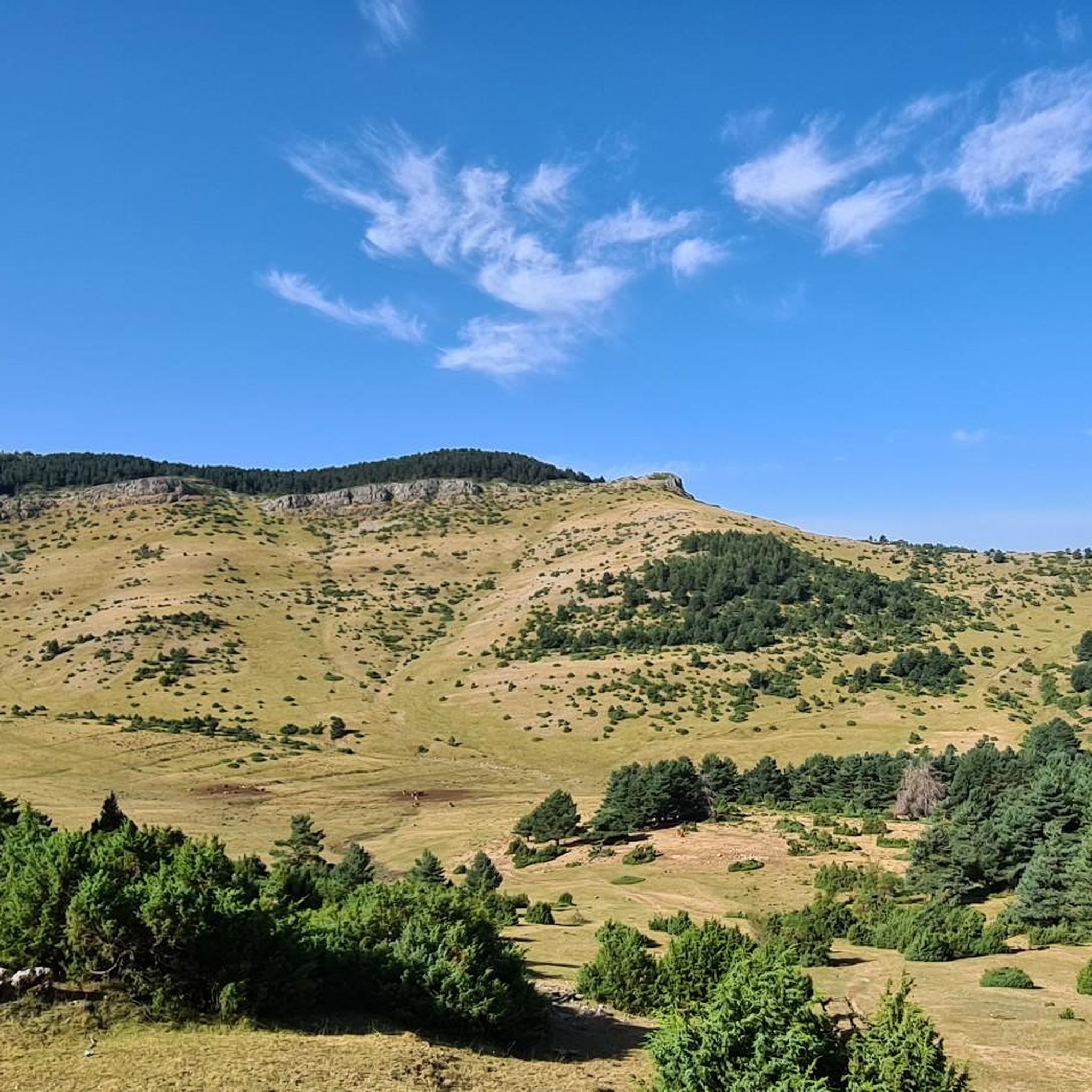
Touring cycling routes around Neila are set within the Natural Park of the Glacial Lagoons of Neila, located in the Sierra de la Demanda and Sierra de Urbión. This region features a collection of glacial lakes, dense pine and juniper forests, and high-mountain terrain. The area is known for its challenging climbs, including Category 1 ascents, making it a destination for experienced cyclists. Roads are generally well-maintained with low traffic, offering scenic rides through varied landscapes.
Best touring cycling routes…
Last updated: October 15, 2026
8
riders
49.2km
03:38
1,150m
1,150m
Hard bike ride. Very good fitness required. Mostly paved surfaces. Suitable for all skill levels.
24
riders
25.2km
02:03
750m
750m
Hard bike ride. Very good fitness required. Mostly paved surfaces. Suitable for all skill levels.

18
riders
21.9km
01:43
620m
620m
Hard bike ride. Very good fitness required. Mostly paved surfaces. Suitable for all skill levels.
5.0
(1)
10
riders
Hard bike ride. Very good fitness required. Mostly paved surfaces. Suitable for all skill levels.
10
riders
78.9km
05:26
1,400m
1,400m
Hard bike ride. Very good fitness required. Mostly paved surfaces. Suitable for all skill levels.
Get access to more routes and recommendations from other explorers.
Already have an account?
Our route recommendations are based on thousands of hikes, rides, and runs completed by other people on komoot.
Start today with a free account
Your next adventure awaits.
Tips from the Community

A beautiful town in the Sierra de la Demanda.
0
0

Also weird abandoned houses nearby, so good campspot
0
0
A beautiful village in the PINARES region, in the province of Soria
0
0

To the north of the Sierra de Neila, at an altitude of 1,175 meters, is the town of Neila. Neila captivates for its traditional popular architecture, but also for being surrounded by high mountains and with innumerable different routes.
1
0
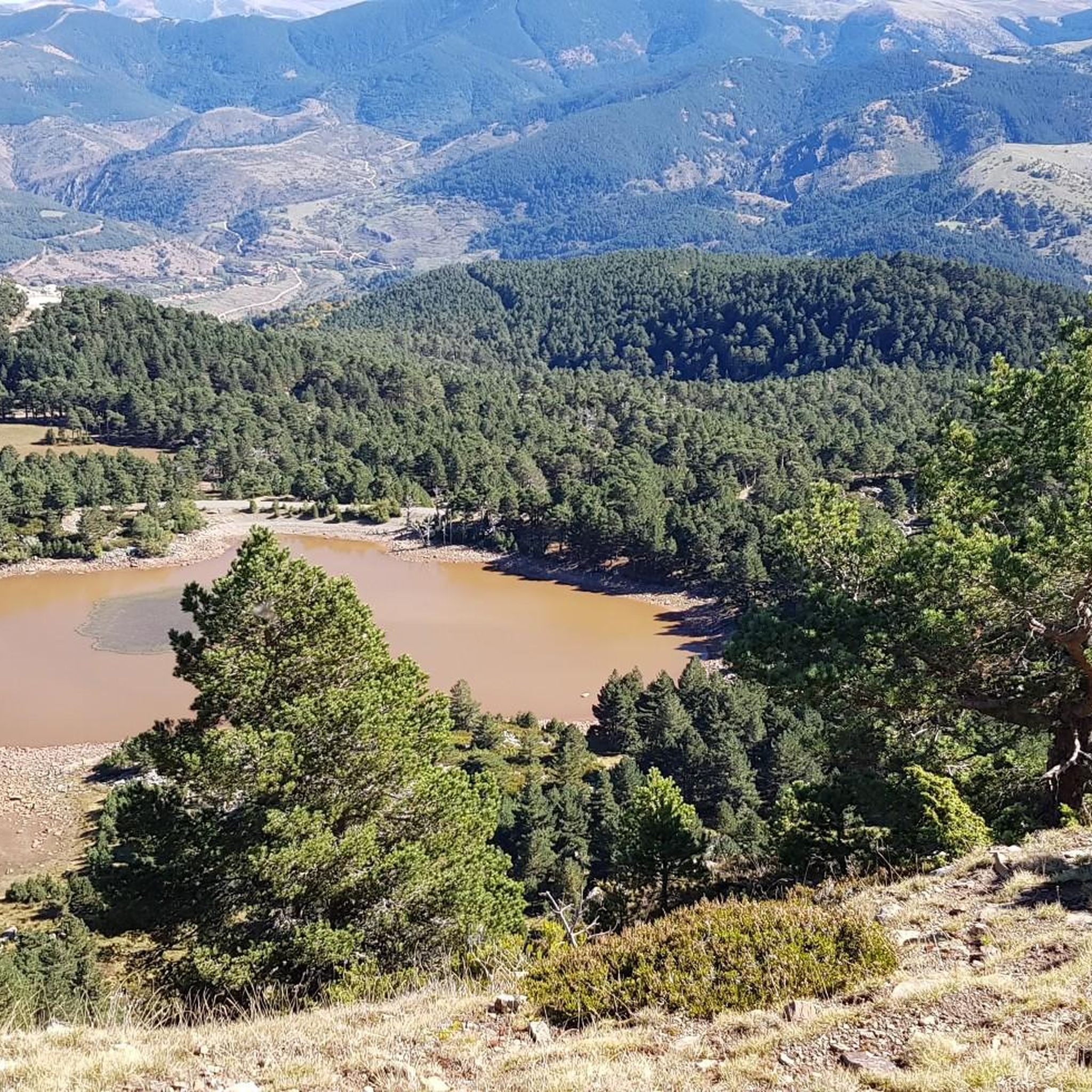
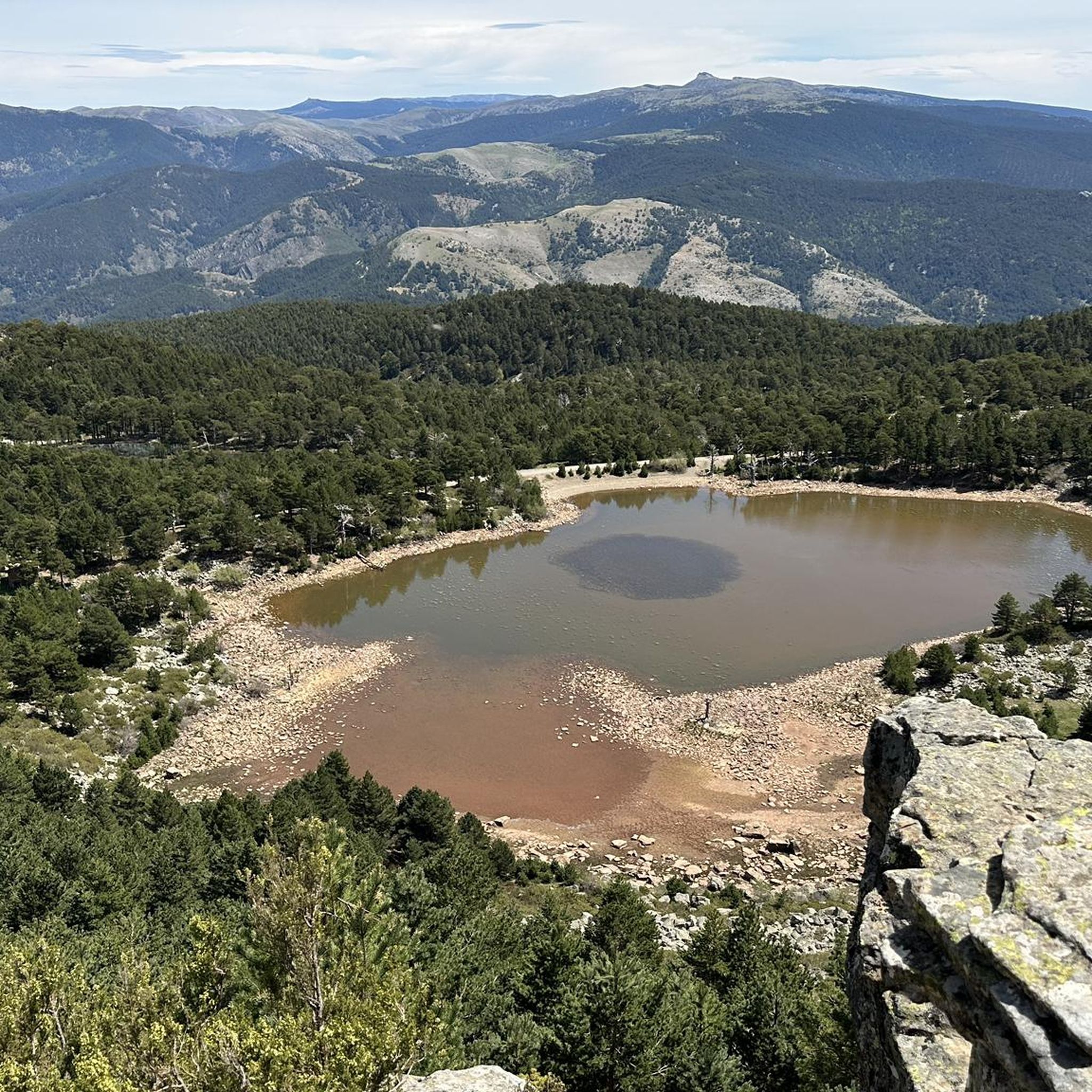
The panoramic view from the San Francisco viewpoint is simply amazing. The infinite views of the mountains that make up the Lagunas Glaciares de Neila Natural Park will amaze you.
2
0

Mountain pass that reaches more than one thousand three hundred meters in height and has a length of just over seven kilometers on a four percent percentage.
1
0
Direction to the famous mountain pass not only because it takes you to the foothills of the Lagunas de Neila but also because of its climb that comes from the center of Quintanar de la Sierra.
0
0
Frequently Asked Questions
What is the general difficulty level for touring cycling in Lagunas de Neila?
The touring cycling routes around Neila are primarily designed for experienced cyclists, with 10 out of 15 routes classified as difficult. These often feature significant elevation gains and challenging climbs, including Category 1 ascents. There are also 5 moderate routes available for those seeking a less strenuous ride.
Are there any family-friendly touring cycling routes in Lagunas de Neila?
While many routes in Lagunas de Neila are challenging, some moderate options might be suitable for families with older, experienced children. For example, the Cuyacabras Necropolis loop from Quintanar de la Sierra is a moderate 13-mile (20.9 km) trail that leads through forests and past historical sites, offering a less intense experience than the high-mountain climbs.
What kind of landscapes and natural features can I expect to see on a touring cycling route in Lagunas de Neila?
Touring cycling in Lagunas de Neila offers a diverse range of stunning natural features. You'll traverse dense pine and juniper forests, ascend into alpine pastures, and encounter picturesque glacial lakes such as Laguna Negra and Laguna Larga. The region is part of the Sierra de la Demanda and Sierra de Urbión, providing spectacular panoramic views and dramatic mountain scenery. You might also pass through areas like Las Calderas Gorge, known for its waterfalls and unique rock formations.
Are there any specific viewpoints or landmarks along the touring cycling routes?
Yes, many routes offer incredible viewpoints and pass by notable landmarks. The San Francisco Viewpoint – Neila Lagoons loop from Quintanar de la Sierra, for instance, provides panoramic vistas and takes you past the beautiful glacial lagoons. You can also explore natural highlights like Pico de Urbión, the Source of the Duero River, and Laguna Larga.
What is the best season for touring cycling in Lagunas de Neila?
The best season for touring cycling in Lagunas de Neila is generally from spring through autumn. While the Puerto el Collado remains open year-round, winter months (December to March) can bring snow, making some higher elevation routes challenging. Spring and summer offer pleasant temperatures and lush landscapes, while autumn provides vibrant foliage, ideal for scenic rides.
Are there circular touring cycling routes available in Lagunas de Neila?
Yes, many touring cycling routes in Lagunas de Neila are circular, allowing you to start and end in the same location. A popular option is the Parque Natural Lagunas Glaciares de Neila — circular from Quintanar de la Sierra, a difficult 21.5-mile (34.6 km) trail that takes you through the stunning glacial landscapes.
What do other touring cyclists enjoy most about the routes in Neila?
The touring cycling routes in Neila are highly rated by the komoot community, with an average score of 4.5 stars from over 2 reviews. Cyclists frequently praise the challenging climbs, the stunning glacial landscapes, and the low traffic on well-maintained roads, which contribute to a peaceful and scenic riding experience.
Is there parking available near the touring cycling routes in Lagunas de Neila?
Yes, many touring cycling routes in Lagunas de Neila start from villages like Quintanar de la Sierra, where parking facilities are typically available. It's advisable to check specific starting points for detailed parking information, but generally, you'll find convenient access to the trails.
Can I access the touring cycling routes in Lagunas de Neila using public transport?
Public transport options directly to the trailheads in Lagunas de Neila can be limited due to its high-mountain, natural park setting. While some regional bus services might connect to larger towns like Quintanar de la Sierra, it's often more practical to arrive by car, especially with cycling equipment. Always check local transport schedules in advance.
Are there any long-distance touring cycling routes near Neila?
While the immediate area around Neila focuses on challenging day tours, the region's integration into the Sierra de la Demanda and Sierra de Urbión allows for longer, multi-day touring adventures by connecting various routes. For example, the Quintanar de la Sierra – San Leonardo de Yagüe loop is a longer, difficult 35.7-mile (57.4 km) route that can be part of an extended tour.
Are there any cafes or amenities along the touring cycling routes?
The routes often pass through or start from small villages like Quintanar de la Sierra, where you can find cafes, restaurants, and other basic amenities. However, once you venture into the higher mountain and natural park areas, services become scarce, so it's recommended to carry sufficient water and snacks for your ride.
What kind of wildlife might I spot while touring cycling in Lagunas de Neila?
The diverse ecosystems of Lagunas de Neila are home to unique flora and fauna. While cycling, you might spot various birds like dippers and kingfishers near water bodies, and if you're lucky, you could encounter otters or Iberian desmans. The forests and alpine pastures also host a variety of other wildlife adapted to the mountain environment.
Most popular attractions around Neila

Get inspired with the komoot mobile app


Explore more
Browse the best Cycling routes in other regions.
