Attractions and Places To See around Bovera - Top 20
Best attractions and places to see around Bovera include a blend of historical landmarks, cultural insights, and natural beauty. This village, situated on the right bank of the Cana river, marks a boundary between the lands of Ribera d'Ebre and Lleida. The area is known for its agricultural focus, particularly olive oil production, and offers diverse landscapes from river valleys to farmland. Visitors can explore sites reflecting the region's heritage and natural environment.
Best attractions and places to see around…
Last updated: August 16, 2026
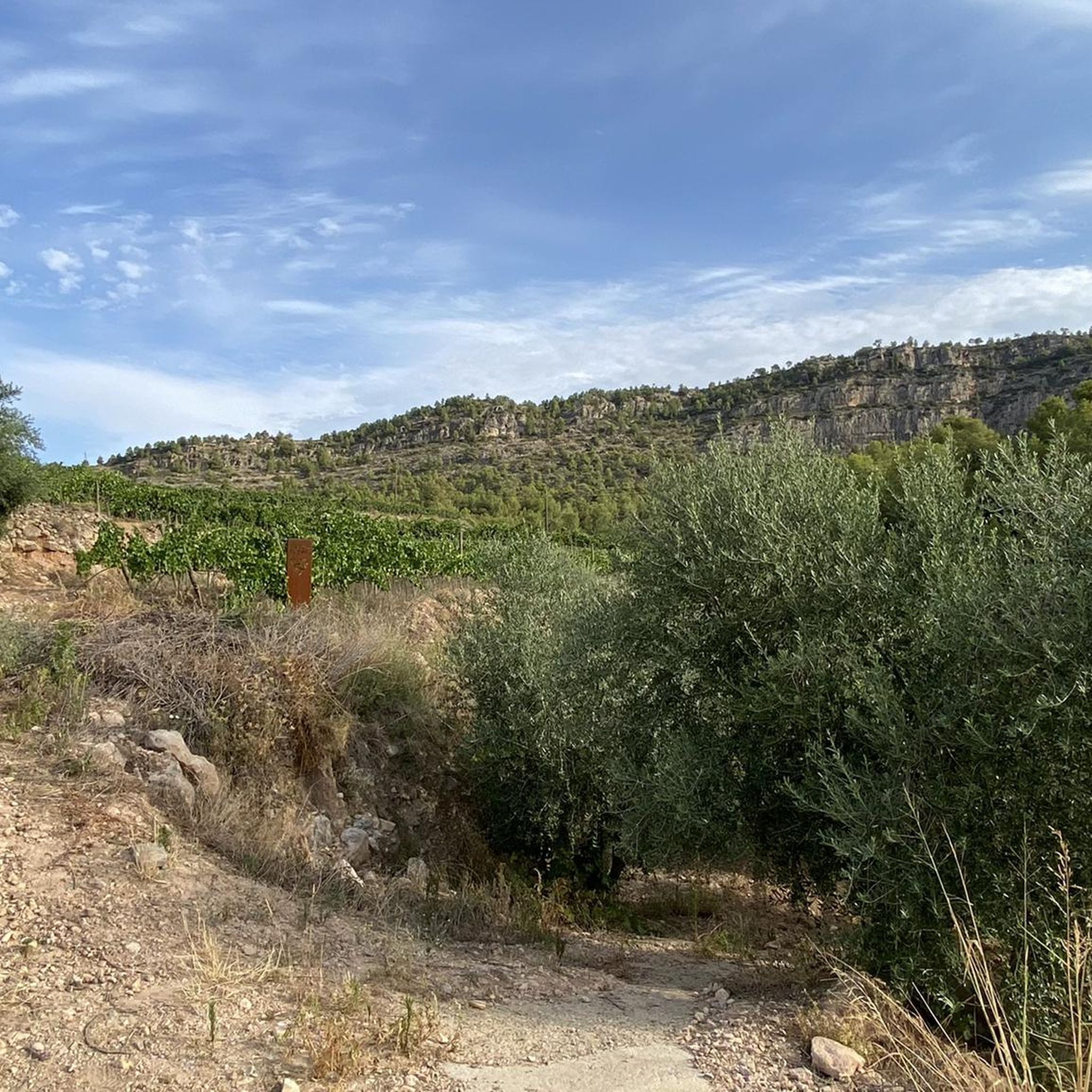
Road through farmland
Highlight • Cycleway
Translated by Google •
Tip by

Santa Llúcia Hospital Cave
Highlight • Cave
During the Civil War, the space became the hospital for the military units made up of republican volunteers who fought in the Battle of the Ebro.
Translated by Google •
Tip by

Sign up now to discover places like this
Get recommendations on the best single tracks, peaks, & plenty of other exciting outdoor places.
Sign up for free
Ebro Nature Trail
Highlight • Trail
123,7 kilómetros. 1.400 metros positivos.
La segunda jornada sale de Fayón por la rampa del desfiladero del barranco de Juanito y atraviesa el puente del Matarraña, el …
Tip by

Church of Santa María de Gràcia of La Granadella
Highlight • Religious Site
Translated by Google •
Tip by

Viewpoint of the Islets on the Ebro River
Highlight • Viewpoint
Translated by Google •
Tip by

Sign up for free to discover even more attractions around Bovera.
Sign up for free
Already have an account?
Start today with a free account
Your next adventure awaits.
Login or Signup
Tips from the Community

Etapa 2. Fayón/Amposta 123,7 kilómetros. 1.400 metros positivos. La segunda jornada sale de Fayón por la rampa del desfiladero del barranco de Juanito y atraviesa el puente del Matarraña, el paso que marca la línea entre Aragón y Cataluña. El plan es conectar con el Camino Natural del Ebro en Riba-roja d’Ebre por la carretera de Berrús, salvando dos pequeños puertos de montaña sin dejar el asfalto. Los postes del Camino Natural del Matarraña-Algars terminan en la estación de La Pobla de Massaluca, en la antigua línea Zaragoza-Caspe-Barcelona, y antes de llegar al viejo apartadero ferroviario hay que continuar por la carretera de Batea. La subida es agradable y tranquila, apenas tiene tráfico y en unos cuatro kilómetros termina la primera subida, con un cruce que se toma hacia la izquierda. La travesía del valle de la Riera de Sant Pau es fantástica, auténtica serranía mediterránea, y aparecen las primeras vistas del gran Ebro, un paisaje fabuloso que será el siguiente compañero del viaje durante muchos kilómetros. El camino salva el puerto de la Punta de Berrús y baja finalmente hasta la orilla del río en las masías del Pla de Pinyeres. Las bicis vuelan por los caminos rurales hasta que aparecen los hitos rojos del Camino Natural del Ebro con el sendero GR-99 en Les Sènies, un grupo de masías agrícolas en la orilla izquierda del río, enfrente de las colinas de Riba-roja d’Ebre. El cambio de paisaje es sorprendente, los llamativos colores de los montes, las curiosas formas creadas por la erosión ambiental, los cultivos y la distribución de los caseríos campesinos componen una estampa exótica y evocadora en las orillas del Ebro. El camino rodea pequeñas vaguadas por bancales agrícolas y entra en la Reserva Natural de Sebes, primero pasa por el Mirador de les Illes, con vistas de las islas de Mauricio y de Caloi, de aspecto tropical, y después por un centro de reproducción de cigüeña blanca, también hay observatorios de aves, frondosas riberas de vegetación palustre y masías tradicionales. En Mas de Pitoia está el Centro de Interpretación del Camí de Sirga, un homenaje a los sirgadores (sirgadors), los tocadores del cuerno de llaguter (llaguters) y el resto de los antiguos oficios del río. El caserío de Flix ocupa el cuello del singular Meandro de Flix, un paraje con nombre propio dentro de la Reserva Natural de Sebes por las poblaciones de aves y los ecosistemas fluviales que albergan sus alamedas ribereñas. La travesía del pueblo es agradable, el primer lugar con bares y tiendas desde Fayón. En la salida de Flix hay que atravesar de nuevo el Ebro para salir del meandro y es imprescindible usar la barca de sirga que opera entre las dos orillas, uno de los tres pasos de barca que todavía quedan en el tramo catalán del río, los otros dos están en García y Miravet. La travesía es gratuita y en el caso de que la barca esté en la orilla opuesta hay que llamar al barquero a viva voz o esperar que vuelva con pasajeros. El viaje continúa por la orilla izquierda del río contemplado la imponente chimenea de la central de Asco, pasa por Vinebre y en la población de Asco comienza un tramo clave en el cañón del Ebro para salvar el Pas de l’Ase. El camino discurre primero paralelo a la línea del ferrocarril, con algunos hitos de la ruta de los fortines y posiciones de la guerra civil, y enseguida el río entra en una garganta enorme. La línea del tren se cuela en un túnel y el carril se convierte en un sendero escarpado sin opciones de ciclabilidad, hay que cargar con la bici. La senda sube hasta un pequeño mirador empotrado en los riscos de la ladera y baja a un carril agrícola una vez pasado el túnel del tren. La travesía es incómoda con la bicicleta a cuestas pero con paciencia se pasa en unos quince minutos. Y las vistas merecen la pena. La ruta pasa por el desvío de García, donde está el segundo paso de barca, y continúa por buen firme hasta Móra d’Ebre. En la entrada de la población hay un embarcadero y un restaurante con terraza sugerente para un momento de avituallamiento, nosotros aprovechamos la parada para arreglar un pinchazo mientras preparaban el picoteo. El Ebro en este tramo es grandioso y el atractivo de los pueblos mejora constantemente, pasamos por Benissanet y llegamos al conjunto medieval de Miravet, donde comienza el tramo más complicado del viaje en cuanto a ciclabilidad y dificultad técnica para las bicicletas. En la orilla del río está la barca de sirga que cruza el río, al pie del pueblo viejo de Miravet, una antigua alquería morisca del siglo VIII convertida después en sede templaria y plaza disputada durante siglos en un paraje estratégico del río. El castillo está declarado Bien de Interés Cultural. El paso por las callecitas del casco antiguo es estremecedor, impresiona la osadía para construir la población en un lugar tan escarpado. La salida es por una calzada medieval conocida como Costa de Riago, con la gravel es mejor bajar caminando. La ruta sigue por caminos rurales entre cultivos y pinares hasta el temido Pas de Barrufemes, un escarpado sendero fluvial de un kilómetro muy roto por la escorrentía. La opción para evitar este tramo sería buscar alguna pista de montaña hasta El Pinell de Brai y después bajar por la carretera de Benifallet hasta la orilla del río, pero la vuelta es muy larga y no merece la pena, en realidad son unos treinta o cuarenta minutos según el peso de las bolsas, la habilidad y experiencia de cada uno para salvar este tipo de tramos no ciclables con la bici a cuestas. El Pas de Barrufemes o Congost de Benifallet es la entrada natural al Baix Ebre desde la gran vega de la Móra de la Vall. La senda termina en un carril agrícola que lleva hasta el cruce de Benifallet y poco después al desvío que sube hacia la Vía Verde de la Val de Zafán. Las bicicletas se lanzan en el firme impecable de la vía verde, hay que tener cuidado en algunos túneles que no tienen iluminación, el frontal es imprescindible, es el momento de disfrutar un agradable paseo cicloturista por nuevos paisajes y ambientes rurales. En Xerta está rota la continuidad del Camino Natural, hay que atravesar el centro de la población y conectar de nuevo con el trazado del viejo tren de La Torica en el barranco dels Fornets. Tortosa es un buen lugar para terminar la etapa, con servicios completos y mucho patrimonio monumental y arquitectónico que visitar, pero aprovechamos el día y el terreno favorable hasta Amposta, dejando el paseo por Tortosa para la vuelta. En la salida del puente de hierro que cruza el río Ebro aparecen los hitos rojos marcando la ruta, siguen la orilla del río y conectan con un carril bici paralelo al Canal del Ebro hasta las cercanías de Amposta, entrando en la población por el magnífico puente colgante, cerrando un día de bikepacking fabuloso por el reino fluvial del Baix Ebre.
0
0

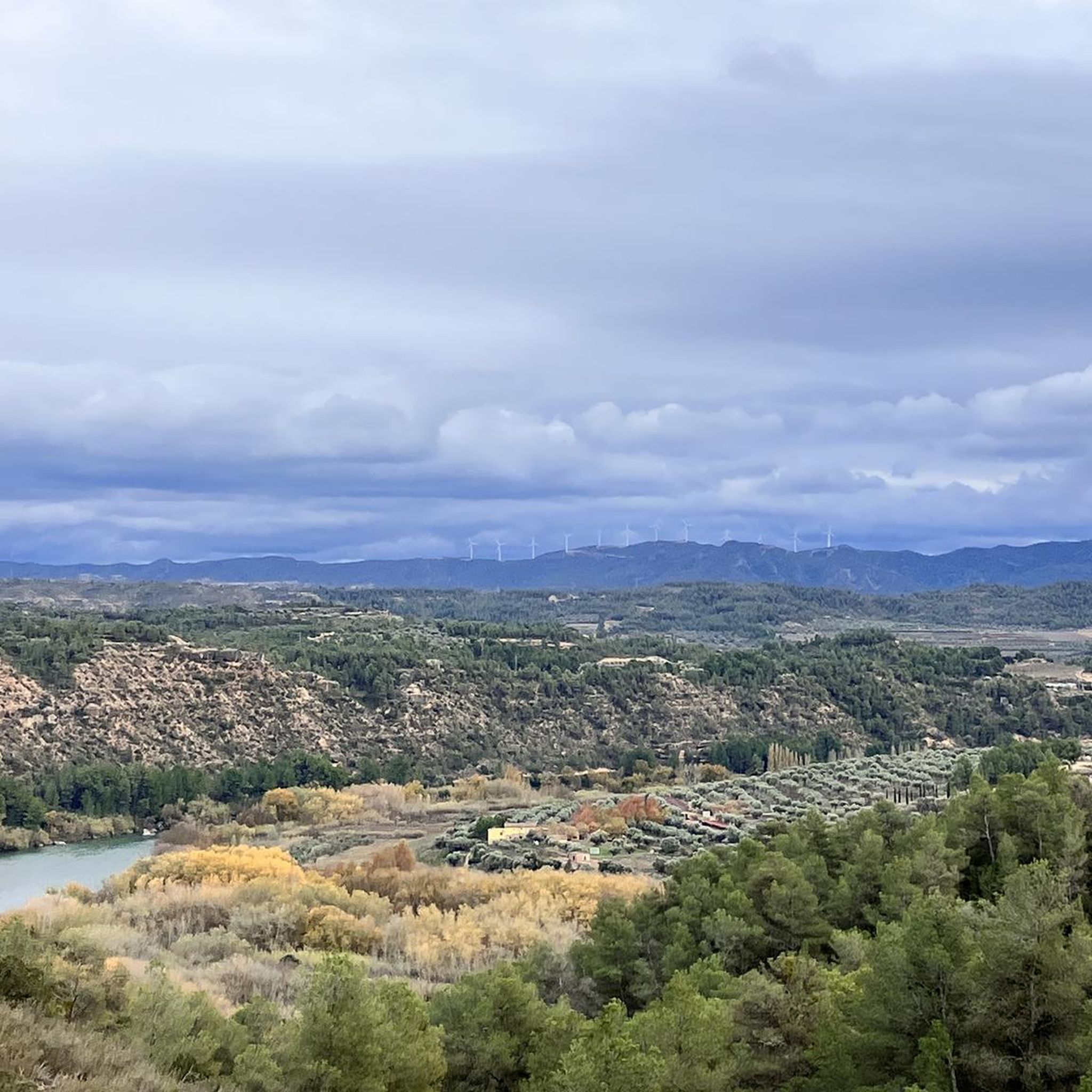
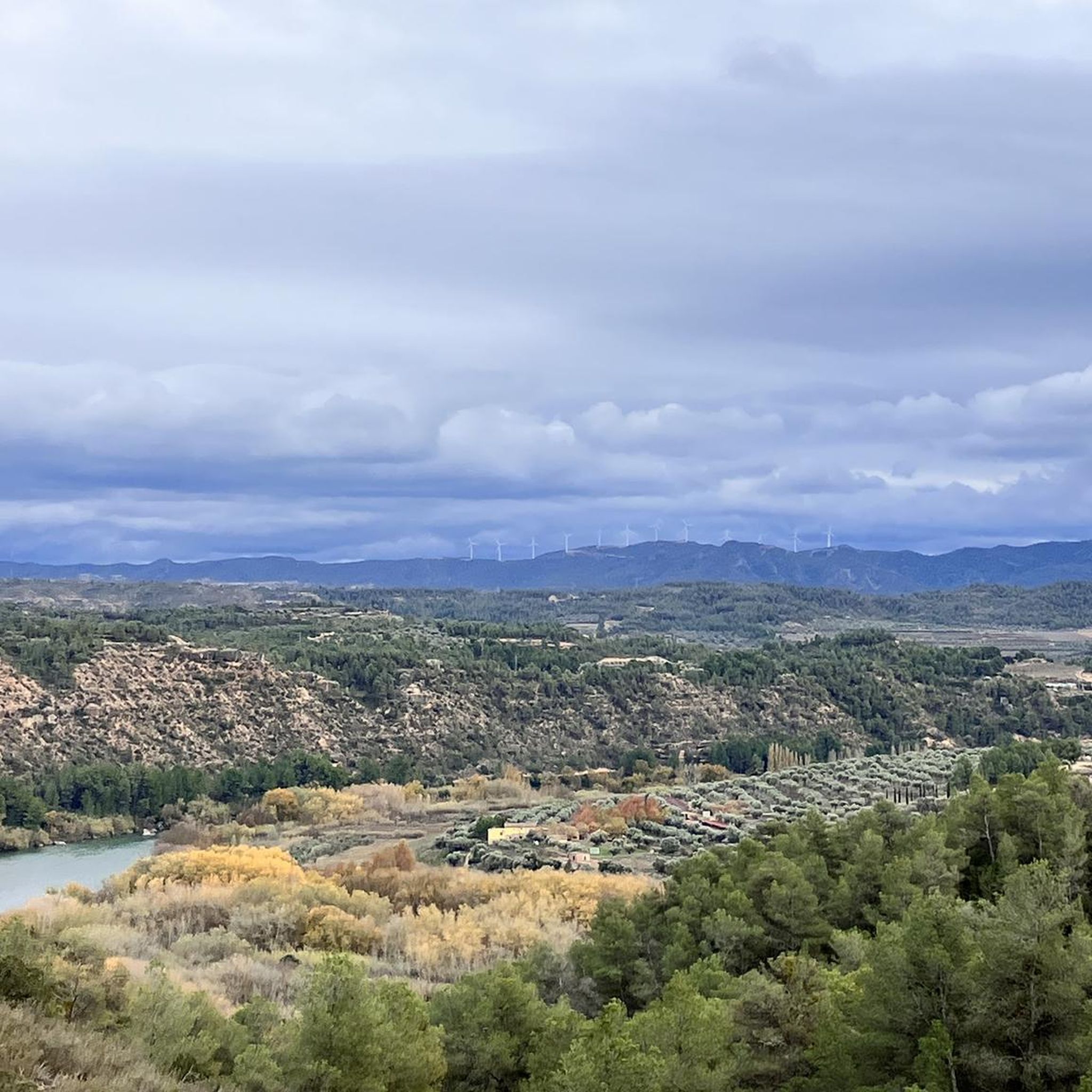
The road around Cabacés is surrounded by typical dryland crops such as almonds and olive trees. The landscape crowned with limestone cliffs is charming.
0
0

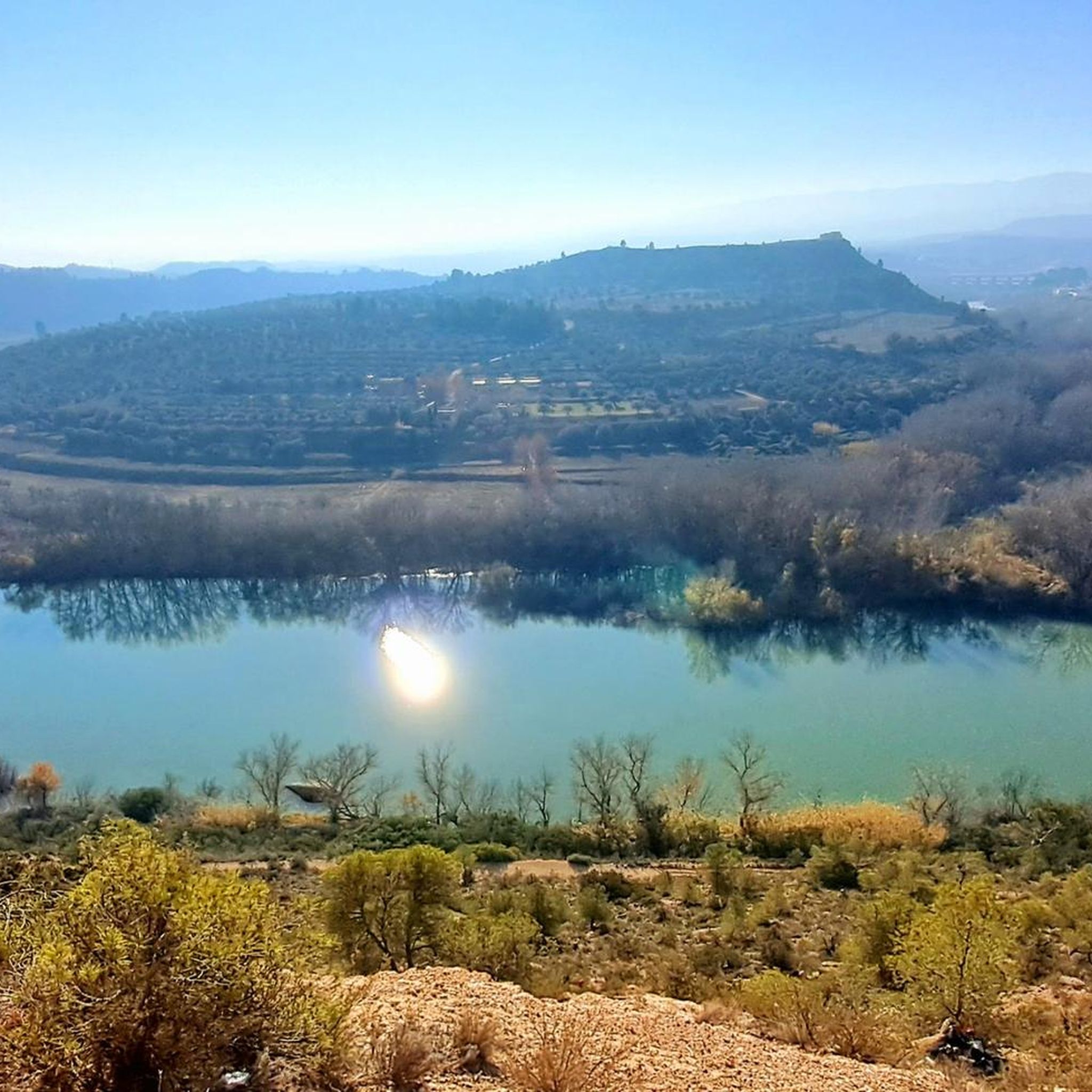
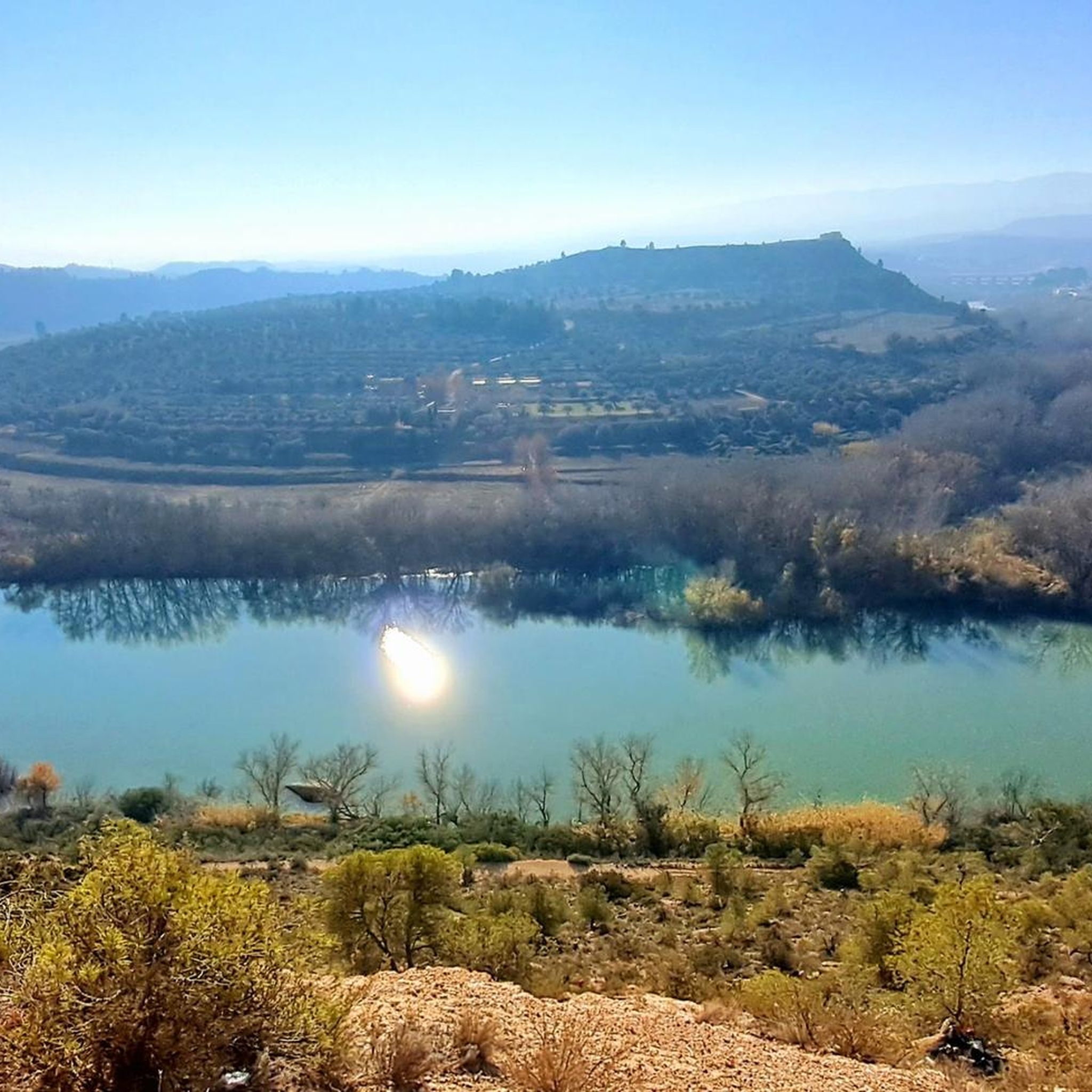
Fabulous views of the river and the islets, which decorate its bed. It's time to get off the bike and enjoy an extraordinary landscape.
0
0

It is worth visiting to remember the tragedy of the Spanish civil war
0
0

We are in the small town of La Granadella, located in the Garrigues region. This church, the main tourist attraction, next to the oil museum, is known as the Cathedral of the region, due to its majesty. Construction of the church began in 1764 and is in the Baroque style.
1
0

Near the town of La Bisbal de Falset is the cave of Santa Llúcia. During the Civil War, the space became the hospital for the military units made up of republican volunteers who fought in the Battle of the Ebro.
3
0

The hospital cave of Santa Llúcia, near the town of La Bisbal de Falset (Priorat), is a wide and shallow cave, used by man since ancient times, which took on a very important role during the Spanish Civil War by becoming a hospital for the International Brigades that fought, in the summer of 1938, in the Battle of the Ebro. https://ca.wikipedia.org/wiki/Cova_hospital_de_Santa_Ll%C3%BAcia
0
1
Frequently Asked Questions
What historical sites can I visit around Bovera?
Bovera and its surroundings are rich in history. You can explore the medieval origins of the Sanctuary of La Mare de Déu de la Bovera, which features a preserved part of its old Romanesque cloister. Another significant historical site is the Santa Llúcia Hospital Cave, which served as a hospital during the Civil War for Republican volunteers fighting in the Battle of the Ebro. Additionally, the Parish Church of Sant Josep in the village showcases a Romanesque portal.
Are there any family-friendly attractions in the Bovera area?
Yes, there are several options for families. The Viewpoint of the Islets on the Ebro River offers an extraordinary landscape that can be enjoyed by all ages. The Church of Santa María de Gràcia of La Granadella, known as the 'Cathedral of the region,' is also a family-friendly historical site. The village itself has a viewpoint overlooking municipal swimming pools and a recreation area, perfect for a relaxed family outing.
What natural landscapes and viewpoints can I discover near Bovera?
The region offers diverse natural beauty. You can enjoy scenic views from the Viewpoint of the Islets on the Ebro River, which provides stunning panoramas of the river and its decorative islets. The Sanctuary of La Mare de Déu de la Bovera also offers magnificent views of the Corb valley. For a unique agricultural landscape, explore the Road through farmland, surrounded by typical dryland crops like almonds and olive trees, crowned with limestone cliffs.
What outdoor activities, like hiking or cycling, are available around Bovera?
Bovera is a great base for outdoor activities. You can explore the Ebro Nature Trail, which offers extensive opportunities for cycling and walking along the river, passing through natural reserves and historical points. For more specific routes, you can find various MTB Trails, Road Cycling Routes, and Running Trails in the area, catering to different difficulty levels.
Where can I learn about the agricultural heritage of Bovera?
Bovera has a strong agricultural focus, particularly in olive oil production. The Cooperative del Camp de Bovera is known for producing 'Or del Terme' oil, offering insight into this local industry. Additionally, a future Museum of Rural Life is planned to be housed in the new Civic and Social Center building, which will further showcase the area's agricultural heritage.
Are there any notable religious buildings to visit?
Yes, the Parish Church of Sant Josep stands prominently over the village, featuring a Romanesque portal. Another significant religious site is the Sanctuary of La Mare de Déu de la Bovera, with medieval origins and rebuilt in Renaissance and Baroque styles. Further afield, the Church of Santa María de Gràcia of La Granadella is a majestic Baroque structure often referred to as the 'Cathedral of the region'.
What is the best time of year to visit Bovera?
The best time to visit Bovera depends on your interests. Spring and autumn offer pleasant weather for outdoor activities like cycling and hiking, with the landscape showcasing vibrant colors or harvest scenes. The village also celebrates its Festa Major on May 23 and September 8, and the Clotxa Festival, featuring traditional Catalan food, takes place in April, offering cultural experiences.
What is the 'Route of the Olive Oil Landscapes'?
The 'Route of the Olive Oil Landscapes' (Paisatges de l'Oli) is a dedicated route that allows visitors to immerse themselves in and appreciate the surrounding natural and agricultural environment of Bovera. It highlights the region's strong connection to olive oil production and its unique rural scenery.
What unique cultural events or festivals are held in Bovera?
Bovera hosts several local festivals that offer a glimpse into its culture. The village celebrates its Festa Major (Major Festival) on May 23 and September 8. Additionally, the Clotxa Festival, which features traditional Catalan food, is held annually in April, providing a unique culinary and cultural experience.
Can I find any trails suitable for beginners or easy walks near Bovera?
While many trails offer moderate to difficult challenges, the general area around Bovera, particularly the Road through farmland, can provide easier, scenic walks or cycles through agricultural landscapes. For specific beginner-friendly routes, it's recommended to check the detailed descriptions within the Running Trails around Bovera guide, as some shorter, less strenuous options might be available.
What is the significance of the Cana River to Bovera?
The Cana River is a significant natural feature for Bovera, as the village is situated on its right bank. It forms a scenic natural boundary for the area and contributes to the overall landscape, which is characterized by a blend of natural beauty and agricultural lands.
Are there any places to stop for leisure or recreation within the village?
Yes, Bovera offers a village viewpoint that provides panoramas of the municipal swimming pools, a sports court, and a recreation area. This spot is ideal for a relaxed break or for families looking for leisure facilities within the village.
Most popular attractions around Bovera

Get inspired with the komoot mobile app


Explore more
Still not found the Highlight you’re looking for? See guides of the top attractions in other regions:
