The best road cycling routes around Peleagonzalo
4.6
(6)
312
riders
24
rides
Road cycling around Peleagonzalo, a municipality in Spain's Zamora province, offers routes traversing fields and along the Duero River. The region is characterized by varied landscapes, providing access to the historic town of Toro and the provincial capital of Zamora. Cyclists can expect well-paved surfaces and views of the fertile riverbanks.
Best road cycling routes around Peleagonzalo
- The most popular road cycling route is Villalonso Castle and Morales de Toro Loop, a 25.4 miles (40.8 km) trail that takes…
Last updated: July 11, 2026
5
riders
40.8km
01:38
190m
190m
Easy road ride. Great for any fitness level. Mostly well-paved surfaces and easy to ride.
5
riders
73.6km
02:59
360m
360m
Moderate road ride. Good fitness required. Mostly well-paved surfaces and easy to ride.

Sign up for free
16.7km
00:45
140m
140m
Easy road ride. Great for any fitness level. Mostly well-paved surfaces and easy to ride.
4.0
(2)
45
riders
83.9km
03:38
480m
480m
Moderate road ride. Good fitness required. Mostly well-paved surfaces and easy to ride.
4.0
(1)
53
riders
54.7km
02:09
190m
190m
Moderate road ride. Good fitness required. Mostly well-paved surfaces and easy to ride.
Get access to more routes and recommendations from other explorers.
Sign up for free
Already have an account?
Our route recommendations are based on thousands of hikes, rides, and runs completed by other people on komoot.
Start today with a free account
Your next adventure awaits.
Login or Signup

Tips from the Community

Located on a plain near the village of Villalonso (population approximately 75), 11 km from Toro and about 47 km from Zamora. It is a typical square-plan castle-palace with a high moat (now filled in), corner towers, crenellated walls, and a keep crowned by a machicolation.
1
0
The current castle was built in the 15th century on the site of an earlier 13th-century fortification, which belonged to the Order of Alcántara. In 1470, Juan de Ulloa and his wife, María de Sarmiento, rebuilt it in a palatial style, placing their coats of arms above the entrance. Juan supported the Portuguese cause in the War of the Castilian Succession and died defending the castle in 1476; his widow then defended it for a time.
1
0
The Alcázar of Toro is a historic fortification located in the town of Toro (Zamora, Castile and León), with great heritage and scenic value. It was built in the 10th century during the Christian repopulation, as part of the defensive system against Muslim incursions. It was reinforced in subsequent centuries, especially in the Middle Ages, when Toro acquired strategic importance in the Kingdom of León and later in Castile. It played a prominent role in the War of the Castilian Succession (1475), in the famous Battle of Toro between supporters of Isabella I of Castile and Joanna la Beltraneja.
2
0
It spans the Duero River in Zamora (Castilla y León), connecting Avenida de Portugal (Pinilla neighborhood) with Calle de Salamanca in the city. The project began in 1882, with construction starting in 1892, under the direction of engineer Prudencio Guadalajara, to alleviate the overloading of the old Stone Bridge. Inaugurated in 1900, it represented a significant improvement in handling the growing traffic in the city. It was designed in steel, using a metal lattice structure of the St. Andrew's Cross type, typical of the late 19th century.
3
0
Zamora Castle is a historic fortification located in the city of Zamora, in Castile and León. Built in the 11th century, the castle has witnessed numerous historical events and has undergone several modifications over the centuries. It has a rhomboidal plan and is surrounded by a deep moat. Its thick walls and the keep, which is the highest and served as the last defensive redoubt, stand out. The castle is a fascinating place to explore history and enjoy panoramic views of the city.
1
0
The inspiration for the Collegiate Church came from the Cathedral of Zamora, and its design also influenced other buildings, such as the Old Cathedral of Salamanca. Construction began in the 12th century under the auspices of the kings of León. It is one of the most characteristic examples of Romanesque in its transitional phase. The works extended over an unusually long period, from the last third of the 12th century to the middle of the 13th. The collegiate church was built in two stages: the first included the side portals, walls and layouts, while the second focused on the roof and a dome with attached towers. If you ever have the opportunity to visit Toro, don't miss the opportunity to explore this wonderful collegiate church. It is a true historical treasure! 🌟
3
0
The Clock Tower, also known as the Clock Arch, is located in the walled area of Toro, in the province of Zamora, Spain. Its construction began in 1719 during the reign of Philip V and was completed nineteen years later. The design is attributed to architect Joaquín Churriguera. The tower is located above the old Market Gate, which dates back to the 15th century and surrounded the first walled area of the city. Its height allows it to be seen from any point in Toro. If you ever visit Toro, don't miss the opportunity to admire this historic tower and its clock. It is a true symbol of the city! 🕰️🌟
2
0

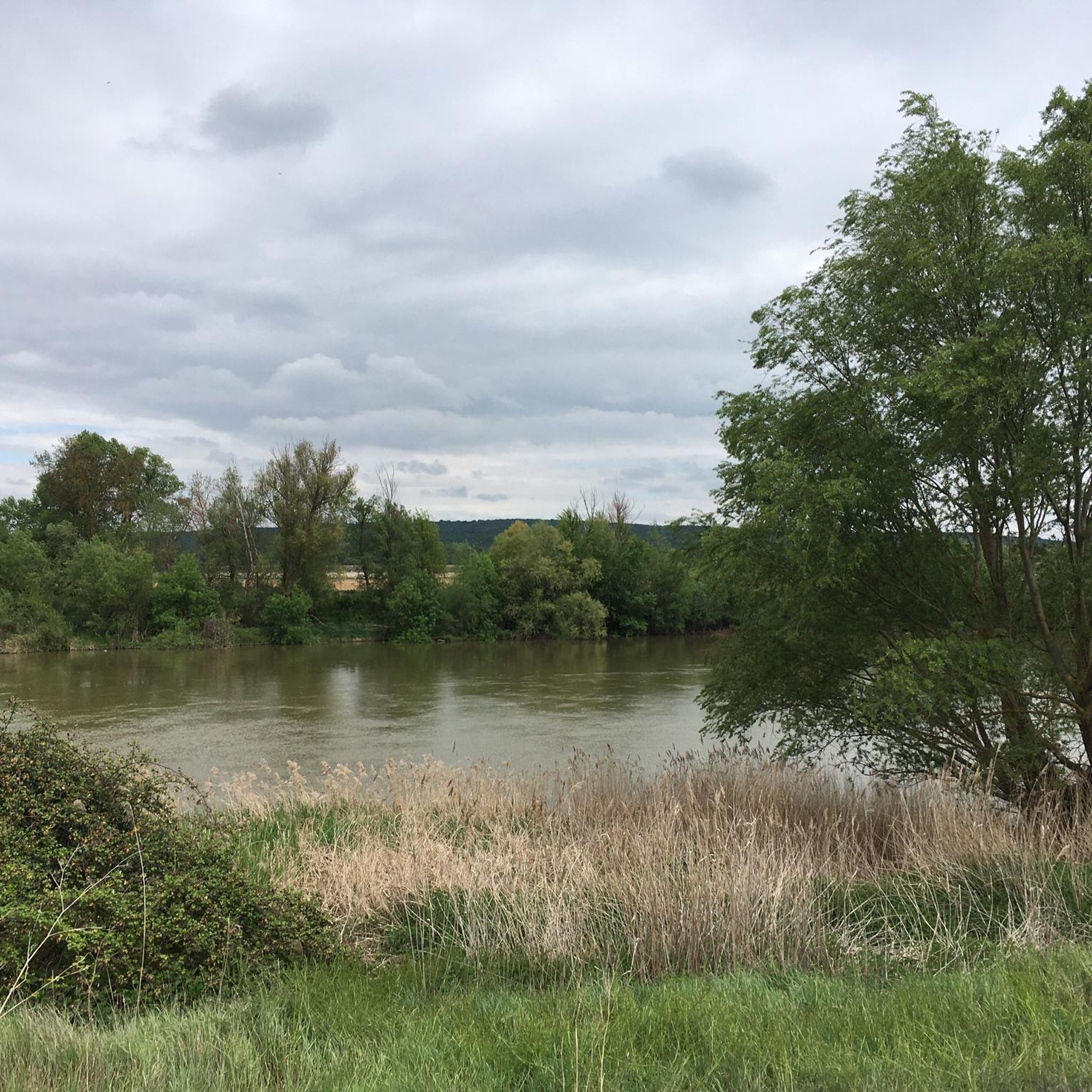
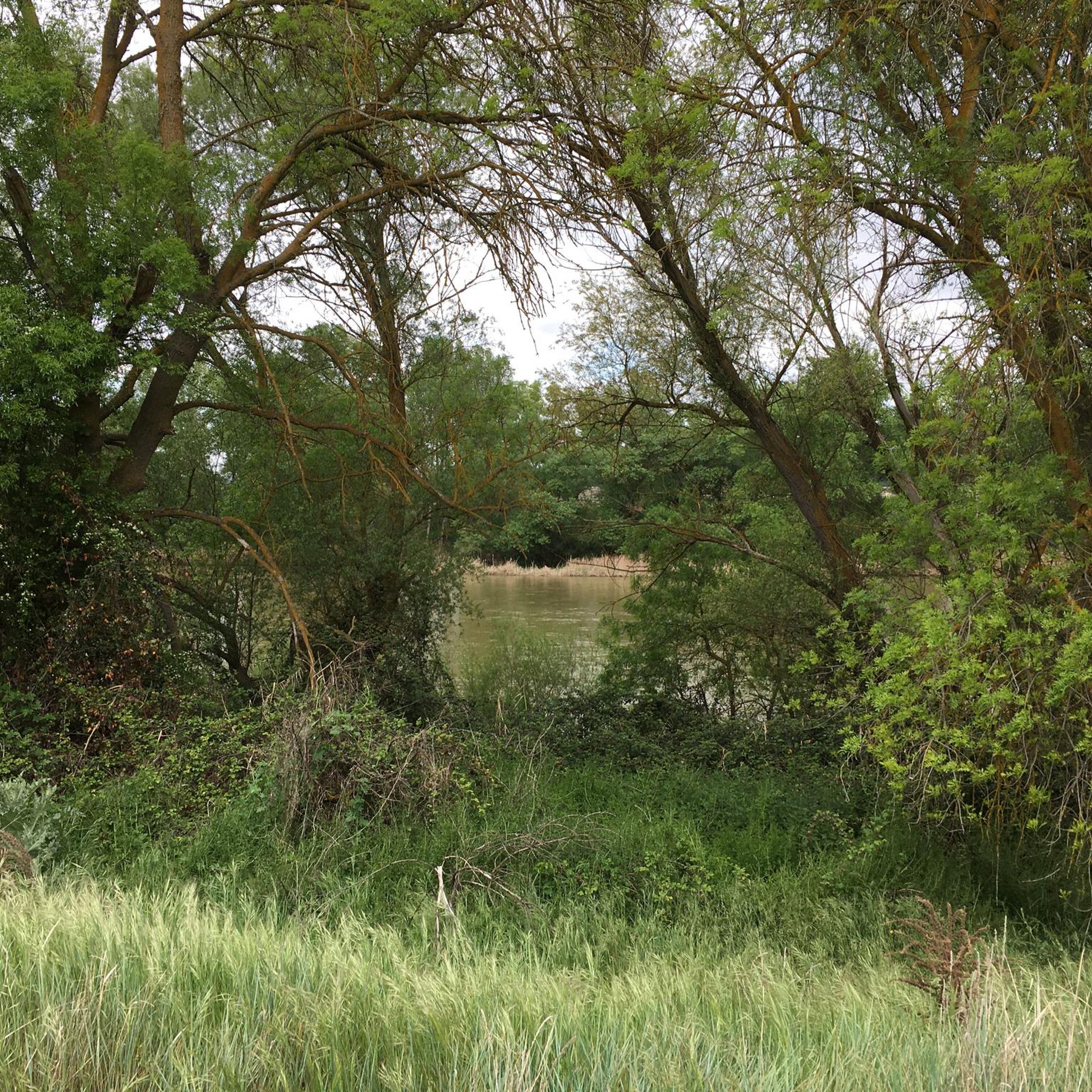
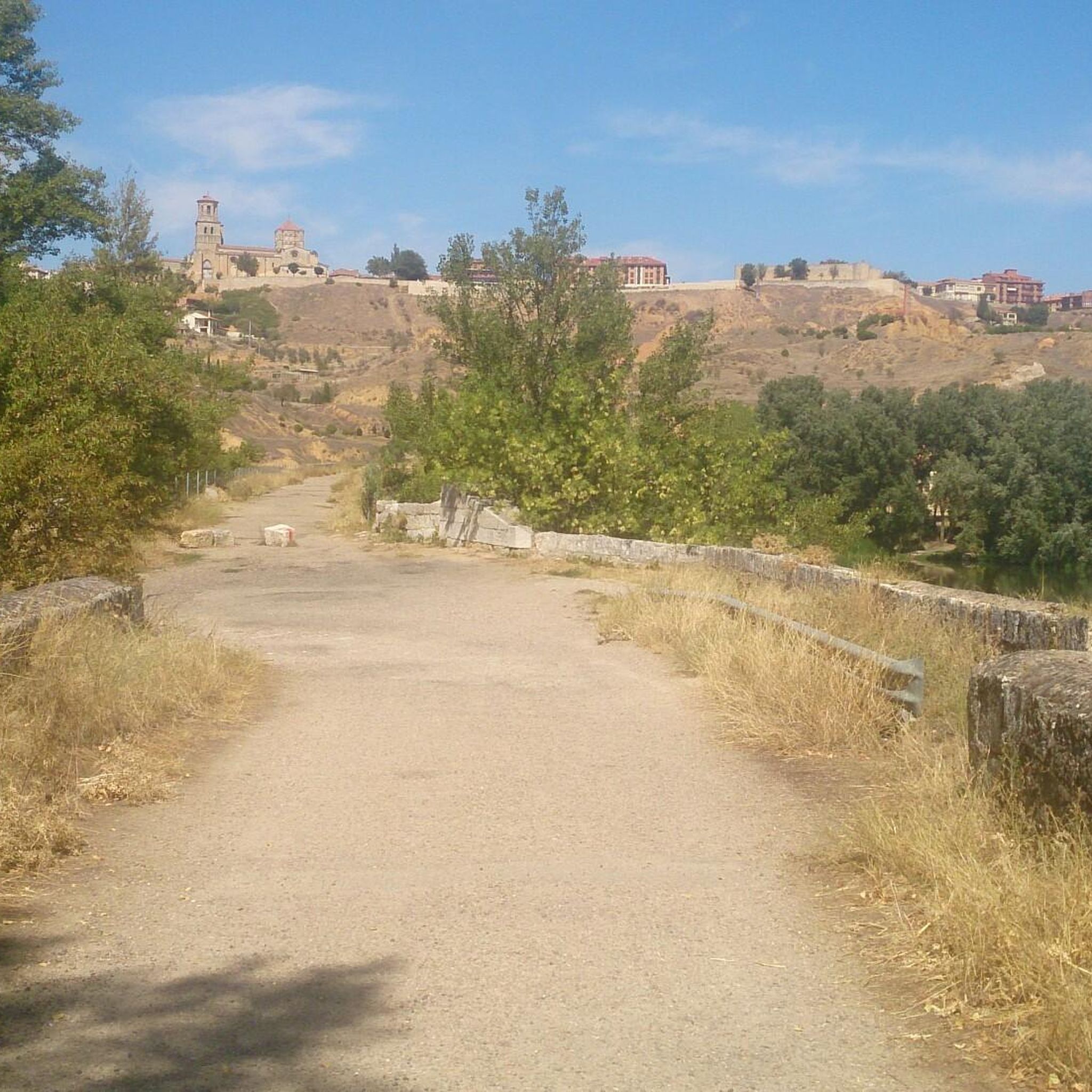
Bridge that helps to cross the waters and the banks of the Río Duero before reaching the city of Zamora.
0
0
Frequently Asked Questions
How many road cycling routes are available around Peleagonzalo?
There are over 20 road cycling routes around Peleagonzalo, offering a variety of experiences for different skill levels. You'll find routes ranging from easy loops to more moderate circuits.
What kind of terrain and scenery can I expect on road cycling routes in Peleagonzalo?
Road cycling around Peleagonzalo features open fields, fertile river valleys, and views of historic towns like Toro. The region is situated along the Duero River, providing scenic stretches and varied landscapes.
Are there any easy road cycling routes suitable for beginners or families?
Yes, Peleagonzalo offers several easy road cycling routes. For instance, the Toro and Duero River Loop is a shorter, easy trail that takes you through the Duero River valley, perfect for a relaxed ride.
What are some of the more challenging road cycling routes in the area?
For those seeking a moderate challenge, routes like Toro – tour around Villalonso and Fresno de la Ribera offer longer distances and more varied terrain, winding through agricultural fields and past small villages.
What landmarks or points of interest can I see while cycling around Peleagonzalo?
Many routes offer views of significant landmarks. You can often see historic towns like Toro, with its notable Collegiate Church of Santa María la Mayor and the Clock Tower of Toro. The Duero River itself is a prominent natural feature along many paths.
What is the best time of year to go road cycling in Peleagonzalo?
The Zamora province, where Peleagonzalo is located, generally offers good cycling conditions. Spring and autumn are often ideal, with milder temperatures. Summers can be warm, especially in the open fields, while winters are cooler but still offer opportunities for cycling.
What are the road surface conditions like on the cycling routes?
The road cycling routes in the Peleagonzalo area are generally characterized by well-paved surfaces, making for a smooth riding experience. This is typical for many routes in the Zamora province.
Are there any road cycling routes that feature castles or historic sites?
Yes, you can cycle past historic sites. For example, the Villalonso Castle and Morales de Toro Loop provides views of Villalonso Castle and the surrounding countryside.
What do other cyclists say about road cycling in Peleagonzalo?
The road cycling routes around Peleagonzalo are highly rated by the komoot community, with an average score of 4.75 stars from over 5 reviews. Cyclists often praise the varied terrain, scenic views, and well-maintained paths.
Is there parking available for cyclists near the routes?
While specific parking areas for cyclists in Peleagonzalo are not detailed, as a small municipality, you can typically find parking in or near the village center, especially when starting routes that pass through the area or nearby towns like Toro.
Are there opportunities to visit wineries or experience the local wine culture along the routes?
Yes, the wider Zamora province, including the area around Peleagonzalo, is part of the Toro wine route. This offers opportunities to visit wineries and taste local wines, which can be a great complement to your cycling excursions.
Can I access Peleagonzalo and its cycling routes using public transport?
Peleagonzalo is a small municipality. While direct public transport options specifically for cyclists with bikes might be limited, its strategic location between the historic town of Toro and the provincial capital of Zamora suggests that accessing the region by public transport to these larger towns and then cycling to Peleagonzalo is feasible.
Most popular attractions around Peleagonzalo

Get inspired with the komoot mobile app


Explore more
Browse the best Road cycling routes in other regions.
