The best MTB trails around Milagros
4.3
(153)
760
riders
121
rides
Mountain biking around Milagros is characterized by rolling hills, river valleys, and agricultural landscapes. The region offers a mix of terrain suitable for various mountain biking experiences, often traversing open countryside. Routes connect small towns and typically feature moderate elevation changes. This makes the area accessible for different skill levels.
Best mountain bike trails around Milagros
- The most popular mountain bike trail is Pardilla – Milagros loop from Moeve, a 31.8 miles (51.2 km) trail that takes 4 hours…
Last updated: July 4, 2026
5.0
(1)
37
riders
51.2km
04:31
660m
660m
Moderate mountain bike ride. Good fitness required. Advanced riding skills necessary.
4.3
(8)
12
riders
26.5km
02:20
300m
300m
Moderate mountain bike ride. Good fitness required. Advanced riding skills necessary.

Sign up for free
4.0
(1)
6
riders
Moderate mountain bike ride. Good fitness required. Suitable for all skill levels.
5.0
(1)
6
riders
Moderate mountain bike ride. Good fitness required. Suitable for all skill levels.
3.0
(1)
8
riders
33.8km
02:50
300m
300m
Moderate mountain bike ride. Good fitness required. Suitable for all skill levels.
Get access to more routes and recommendations from other explorers.
Sign up for free
Already have an account?
Our route recommendations are based on thousands of hikes, rides, and runs completed by other people on komoot.
Start today with a free account
Your next adventure awaits.
Login or Signup



Tips from the Community

Built of stone and with several semicircular arches, it is a good example of medieval civil engineering and has withstood the test of time thanks to its solidity, although it has been restored at different times. At one time it was key for the transit of workers and goods between neighborhoods, contributing to the economic growth of Aranda. Today it is preserved as a heritage element and is a pleasant place to walk, forming part of the city's historic complex and allowing visitors to learn about its industrial and medieval past along the river.
2
0
The medieval Puente de las Tenerías, located in Aranda de Duero over the Bañuelos river, is one of the most interesting historical corners of the city, although less known than the Duero bridge. It is a construction of medieval origin, linked to the urban and industrial development of the town, as it takes its name from the old tanneries (leather tanning workshops) that were in the area and that needed abundant water for their activity.
2
0
The bridge is built of stone and is characterized by its semicircular arches; it originally had four, although today it retains three due to later renovations. Over the centuries it has undergone numerous restorations, especially due to the floods of the Duero, one of the most important being the expansion and widening in the 19th century. In addition to its architectural value, it has been a strategic point for the passage of people, goods and herds, and today it is a symbol of the city and a very pleasant place to walk and enjoy the views of the river and Aranda de Duero. [iglesiaslocales.com], [edadesdelh...ogspot.com]
2
0
The Aranda de Duero Bridge, also known as Puente Mayor, is one of the city's most important historical elements, as it crosses the Duero River and has been key to its development. Although often called "Roman", it is actually a bridge of medieval origin, with references from the 12th-14th centuries, when it served as a fundamental crossing point on trade routes and the old Royal Road that connected the center and north of Spain.
2
0
Fuentespina, a small town in the province of Burgos in the Ribera del Duero, is a tranquil destination ideal for enjoying the rural environment and wine culture; the most interesting thing is to stroll through its traditional old town, visit the church of San Miguel, and above all explore its underground cellars and vineyards, as it is part of one of the most important wine regions in Spain. Additionally, from there you can take routes along the Duero River or visit Aranda de Duero, famous for its gastronomy (especially roast suckling lamb), making the visit a very complete experience combining nature, history, and wine tourism.
2
0

The Aranda de Duero Bridge, also known as the Puente Mayor, is a medieval stone bridge over the Duero River. It is a symbol of the city and its heritage, connecting the old town with the modern areas. Although it has been renovated over time, it retains its historic essence.
4
1
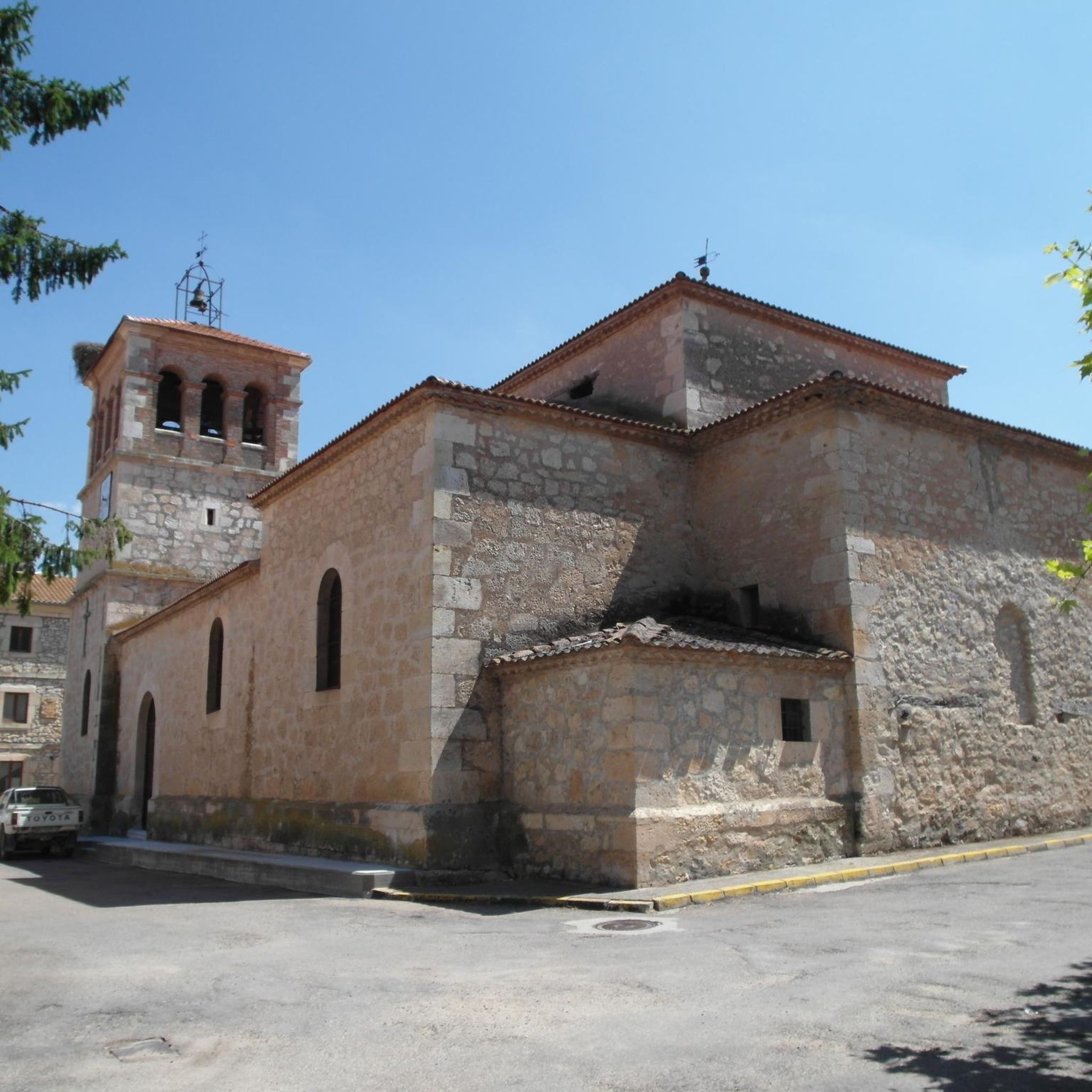
The Church of Santa María la Real is a prominent Gothic monument in Aranda de Duero, Spain. Its most notable feature is its main façade, a masterpiece of the 15th-century Isabelline Gothic style, richly decorated with detailed sculptures. It is a cultural and architectural landmark in the city.
4
0

Spectacular cliffs in the Riaza River Gorges.
0
0
Frequently Asked Questions
How many mountain bike trails are available around Milagros?
There are over 160 mountain bike trails around Milagros, offering a wide range of options for different skill levels and preferences. The region is known for its rolling hills, river valleys, and agricultural landscapes, providing diverse scenery for your rides.
What is the general difficulty level of mountain bike trails in Milagros?
The mountain bike trails around Milagros primarily feature moderate elevation changes, making them accessible for various skill levels. While there are 15 easy routes and 21 difficult routes, the majority (124) are rated as moderate, offering a balanced challenge through the local countryside.
Are there any long-distance mountain bike routes in Milagros?
Yes, Milagros offers several longer routes for endurance riders. For example, the Beautiful View – Pardilla Circuit loop from Aranda de Duero is a challenging 40.7-mile (65.5 km) trail with significant elevation gain, typically taking around 5 hours 41 minutes to complete. Another popular option is the Pardilla – Milagros loop from Moeve, a moderate 31.8-mile (51.2 km) path.
What kind of landscapes and attractions can I expect to see along the mountain bike trails?
The trails around Milagros often traverse open countryside, river valleys, and agricultural lands, connecting small towns and offering diverse scenery. You can also find natural and man-made attractions nearby. For instance, you might encounter the Linares Reservoir Dam, or natural features like the Cliffs of the Hoces del Río Riaza. There are also wildlife refuges such as the Birds of Prey Refuge.
What do other mountain bikers enjoy most about riding in Milagros?
The area is highly rated by the komoot community, with an average score of 4.2 stars from over 140 reviews. Mountain bikers often praise the varied terrain, which includes rolling hills, river plains, and open agricultural land, providing options for different ability levels. Many appreciate the well-maintained network of trails that offer a balanced and enjoyable riding experience.
Are there any circular mountain bike routes around Milagros?
Yes, many of the mountain bike trails around Milagros are designed as loops, allowing you to start and end your ride in the same location. Examples include the Beautiful View – Pardilla Circuit loop from Aranda de Duero and the Aranda de Duero – Vadocondes Historic Center loop from Aranda de Duero, which takes you through river valleys and historic areas.
What is the best time of year for mountain biking in Milagros?
Given the region's agricultural landscapes and moderate climate, spring and autumn generally offer the most pleasant conditions for mountain biking in Milagros, with milder temperatures and beautiful scenery. Summer can be warm, especially in open areas, while winter rides are possible but may require checking local weather for rain or cooler temperatures.
Are there any family-friendly mountain bike trails in Milagros?
While the guide highlights routes with moderate to difficult ratings, the region's characteristic rolling hills and moderate elevation changes mean there are likely easier sections or shorter routes suitable for families. Look for trails rated as 'easy' in the komoot app, which typically have gentler gradients and less technical terrain, perfect for a family outing.
Where can I find parking for mountain bike trails in Milagros?
Many routes around Milagros start from towns like Aranda de Duero or Moeve, where public parking facilities are usually available. For example, the Bicycle Parking Spot loop from Aranda de Duero suggests starting points with convenient access. It's always advisable to check the specific tour details on komoot for recommended parking locations.
Are permits required for mountain biking on trails in Milagros?
Generally, mountain biking on public trails in the Milagros region does not require special permits. However, it's always good practice to respect local regulations, especially when riding through private agricultural lands or protected natural areas. Always stay on marked trails and be mindful of local signage.
Are there cafes or pubs near the mountain bike trails in Milagros?
Yes, many mountain bike routes in Milagros connect or pass through small towns and villages, such as Aranda de Duero, Pardilla, or Vadocondes. These settlements typically offer local cafes, restaurants, or pubs where you can refuel and relax after your ride. Checking the route map on komoot will help you identify towns along your chosen trail.
Can I reach the mountain bike trails in Milagros using public transport?
While specific public transport options vary by starting point, larger towns like Aranda de Duero, which serve as common starting points for many routes, are generally accessible by regional bus services. It's recommended to check local public transport schedules and routes to plan your journey to the trailheads.
Most popular attractions around Milagros

Get inspired with the komoot mobile app


Explore more
Browse the best MTB trails in other regions.
