Attractions and Places To See around Las Valeras - Top 20
Best attractions and places to see around Las Valeras, a municipality in the province of Cuenca, Castile-La Mancha, Spain, offer a rich blend of historical, cultural, and natural features. The area, formed by the towns of Valeria and Valera de Abajo, is known for its significant Roman heritage and picturesque landscapes. Visitors can explore ancient ruins, historic architecture, and scenic natural areas.
Best attractions and places to see around Las Valeras
- The most popular attractions is Valeria – Roman city…
Last updated: July 2, 2026
Valeria – Roman city ruins
Highlight • Historical Site
Translated by Google •
Tip by

Gritos River Gorge
Highlight (Segment) • Gorge
Translated by Google •
Tip by

Sign up now to discover places like this
Get recommendations on the best single tracks, peaks, & plenty of other exciting outdoor places.
Sign up for free
Hermitage and Necropolis
Highlight • Historical Site
Translated by Google •
Tip by
Hontecillas
Highlight • Settlement
Translated by Google •
Tip by

Plaza Mayor (Valeria)
Highlight • Historical Site
Translated by Google •
Tip by
Sign up for free to discover even more attractions around Las Valeras.
Sign up for free
Already have an account?
Start today with a free account
Your next adventure awaits.
Login or Signup

Tips from the Community

The Hermitage of St. Catherine and the Necropolis in the Roman town of Valeria are two historical sites of great interest. The hermitage, dedicated to St. Catherine of Alexandria, is known for its architecture and religious significance. The necropolis, on the other hand, offers a fascinating insight into Roman burial practices and contains ancient tombs and artifacts that reflect life and death in that era.
22
0
The Plaza Mayor of Valeria is an emblematic place in the heart of this historic town. Surrounded by buildings of interest, it is a meeting point for visitors and locals. Here you will find the Church of Nuestra Señora de la Sey, an impressive example of Romanesque architecture with Renaissance and Baroque elements.
24
0
The Roman city of Valeria is a fascinating archaeological site located in the province of Cuenca, about 30 km from the city. Founded in the 1st century BC, Valeria offers a unique insight into Roman urban planning and engineering.🚶♀️😎🌄
24
0

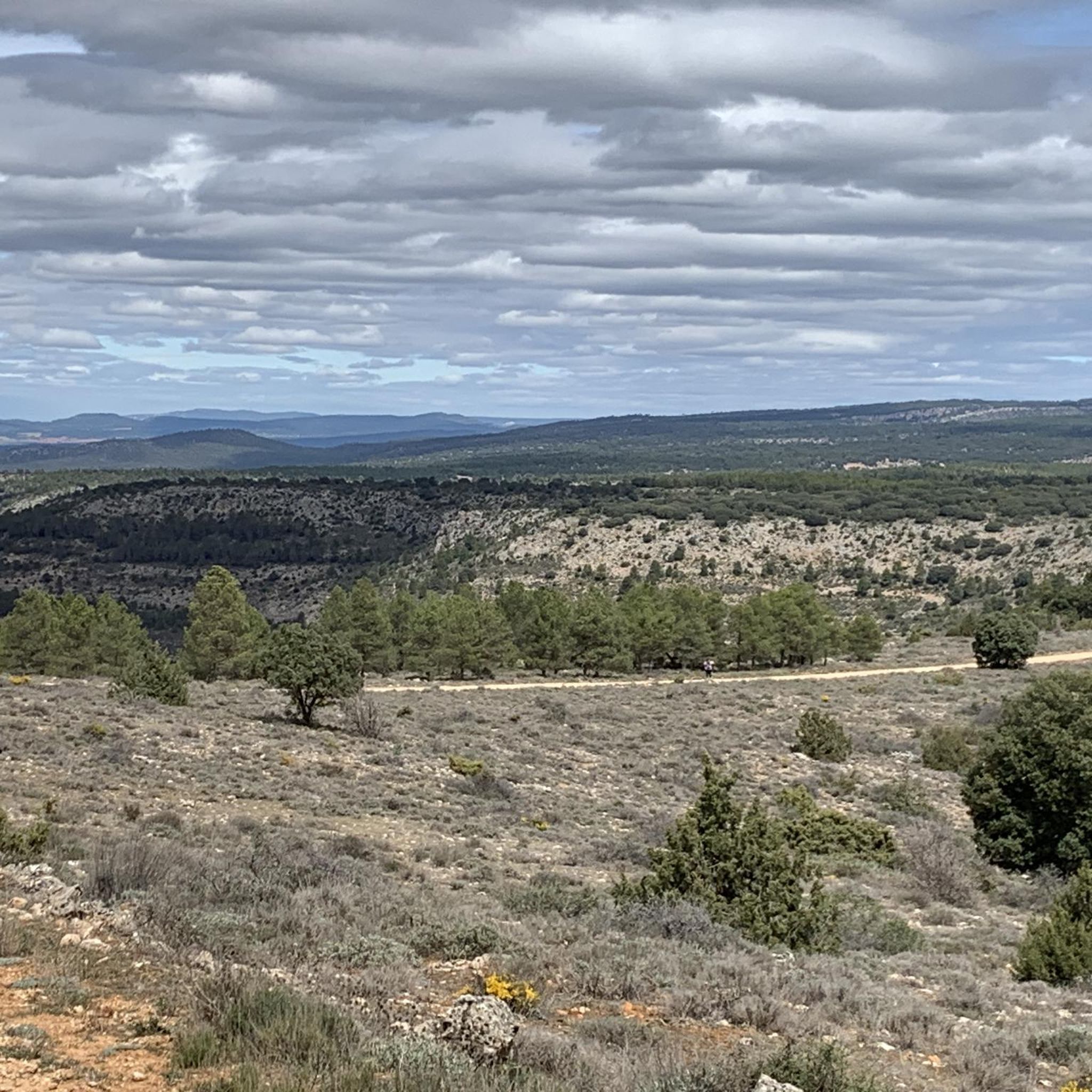
Small town that is in the vicinity of the Alarcón Reservoir and that is surrounded by farmland, in a landscape of hills before touching the waters of the swamp.
0
0

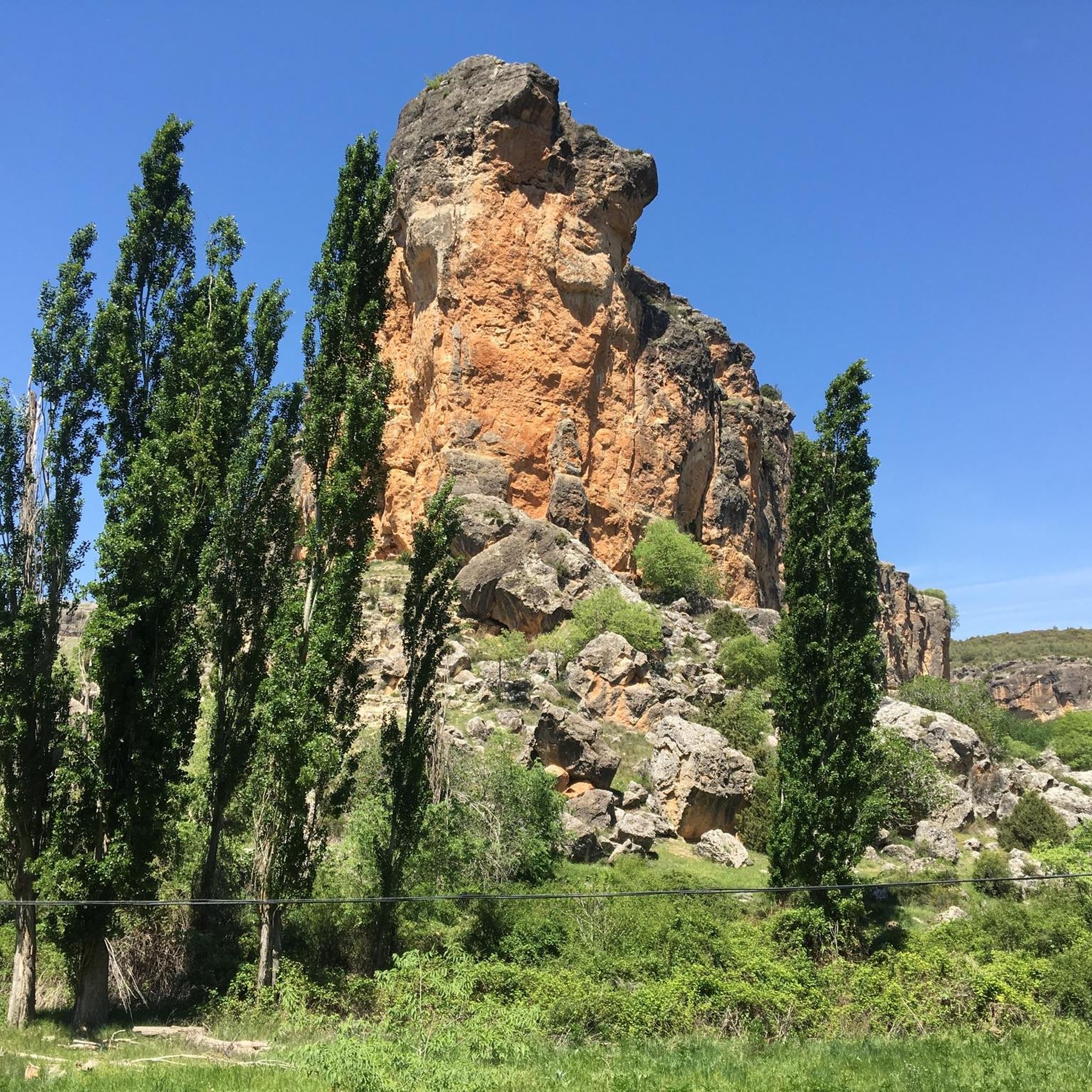
Joining the towns of Valeria and Valera de Abajo, this marvelous path runs along the gorge of the Gritos river through a dreamlike landscape. With a total length of about 7 km, you can choose to start at either end and cover the distance that you most want, without a doubt the complete route is the most picturesque.
3
0
Located between the gorges of the Gritos and Zahorra rivers, the Romans founded the city in the 1st century BC and the ruins still remain today with several well-preserved sectors. It can be visited and it deserves to be, admission is free and in addition to touring this archaeological site you can enjoy a wonderful landscape around the river gorges.
8
0
Frequently Asked Questions
What historical sites can I explore in Las Valeras?
Las Valeras is rich in history, primarily known for the Archaeological Site of the Roman City of Valeria. Here you can see remnants of Roman urban planning, including the Forum, a nymphaeum, and underground reservoirs. Other significant sites include the Plaza Mayor in Valeria, home to the Church of Nuestra Señora de la Sey, and the Hermitage and Necropolis, offering insights into Roman burial practices.
What natural attractions can I visit in Las Valeras?
The most prominent natural feature is the Gritos River Gorge, which connects Valeria and Valera de Abajo. This stunning landscape is ideal for hiking and cycling, offering picturesque scenery and diverse flora. You can also see Pico la Muela, an imposing peak with historical significance, before the gorge concludes.
Are there opportunities for hiking or cycling in Las Valeras?
Yes, Las Valeras offers excellent opportunities for outdoor activities. The Gritos River Gorge is a popular spot for both hiking and cycling. For more detailed routes, you can explore various options like the 'Gritos River Gorge and Las Valeras Plateaus Trail' for hiking or 'Embalse de Alarcón — circular desde Valverde de Júcar' for cycling. Find more routes on the Hiking around Las Valeras and Cycling around Las Valeras guide pages.
What is the significance of the Church of Nuestra Señora de la Sey?
Located in Valeria's Plaza Mayor, the Church of Nuestra Señora de la Sey is an important cultural landmark. It showcases Romanesque architecture with Renaissance and Baroque elements. Historically, Valeria was a Visigothic episcopal see, and the church's name 'Sey' comes from 'sede'. It also contains recycled Roman columns from the nearby archaeological site and the ancient Pozo Irón well.
Is Las Valeras suitable for family visits?
Absolutely. Attractions like the Roman City of Valeria and the Plaza Mayor are categorized as family-friendly, offering engaging historical exploration in an open setting. The scenic Gritos River Gorge also provides gentle paths suitable for family walks and enjoying nature.
What kind of wildlife and natural features can I expect to see in the Gritos River Gorge?
The Gritos River Gorge is recognized as a Special Protection Area for Birds (ZEPA) and a Site of Community Importance (LIC). You can observe diverse flora, including Montpellier maple and honeysuckle, and it's a habitat for various bird species such as the Dupont's lark and golden eagle.
Are there any viewpoints in Las Valeras?
Yes, the region offers several scenic viewpoints. The Roman City of Valeria itself provides elevated perspectives over the surrounding landscape and river gorges. Additionally, the Gritos River Gorge offers numerous picturesque spots, and Pico la Muela provides imposing views before the gorge concludes.
What is the best time of year to visit Las Valeras?
The best time to visit Las Valeras is generally during spring (April to June) and autumn (September to October) when the weather is mild and pleasant for exploring historical sites and engaging in outdoor activities like hiking and cycling. Summers can be hot, while winters are cooler but still offer opportunities for exploration.
What do visitors enjoy most about the Roman City of Valeria?
Visitors frequently highlight the unique insight into Roman urban planning and engineering offered by the Roman City of Valeria. They appreciate the well-preserved sectors, the impressive 85-meter-long nymphaeum, and the overall historical atmosphere. The fact that admission is often free and the beautiful surrounding landscape between the Gritos and Zahorra rivers also adds to the positive experience.
Where can I find information about the history of the Roman city of Valeria?
The Archaeological Site of the Roman City of Valeria was founded in 82 BC by the praetor Valerius Flacus. It showcases a fascinating example of Roman urban planning, with key features like the Forum, an impressive nymphaeum, and four underground reservoirs. For more detailed historical context, you can visit the site directly or consult resources like Visit Cuenca's page on the Roman City of Valeria.
Are there any smaller towns or settlements worth visiting near Las Valeras?
Yes, the area includes the charming small town of Hontecillas. It's situated near the Alarcón Reservoir and surrounded by farmland, offering a glimpse into rural life in a landscape of hills before reaching the waters of the swamp.

Get inspired with the komoot mobile app


Explore more
Still not found the Highlight you’re looking for? See guides of the top attractions in other regions:
